
Discovering Regional Variations: How Local Cultures Influence Tea Practices

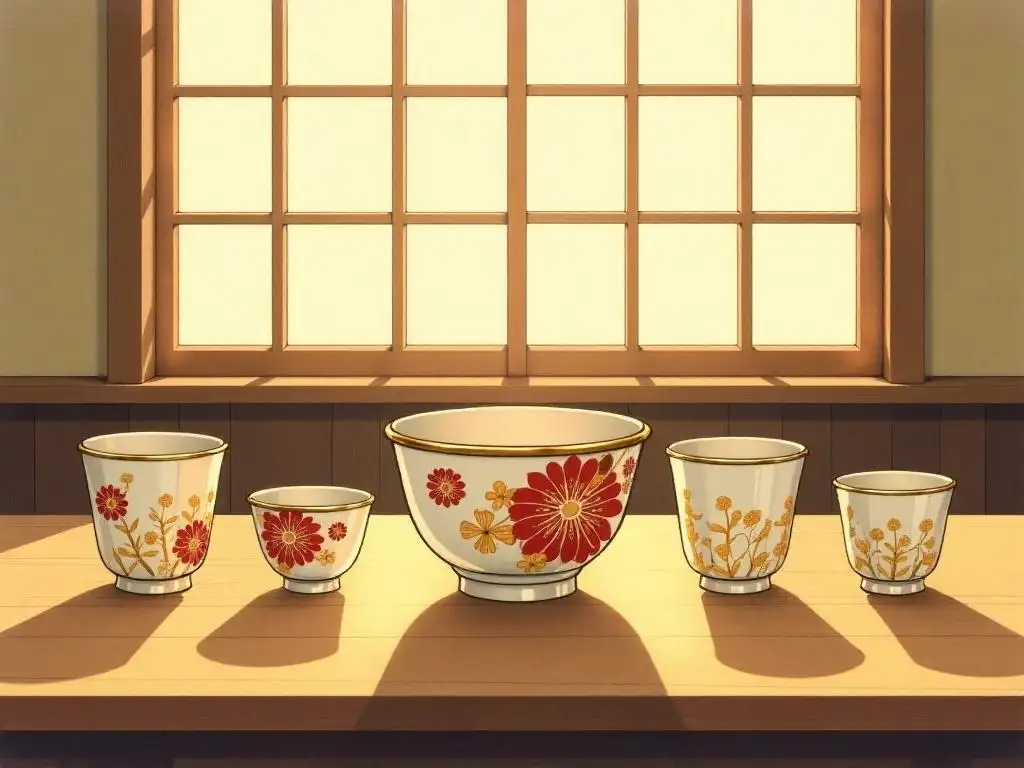
Welcome to Feudal Japan History, where we delve deep into the intricate tapestry of Japan’s feudal era. As you embark on this journey, prepare to uncover the fascinating regional tea culture in Japan—a reflection of the rich local traditions and societal influences woven into every cup. Our latest article, "Discovering Regional Variations: How Local Cultures Influence Tea Practices," will awaken your senses and spark your curiosity about the unique customs that define Japan's beloved tea rituals.
Join us as we explore the historical and cultural nuances that make each region's tea culture a captivating story of its own. Dive in and discover the layers of meaning behind every sip!
- Introduction to Regional Tea Culture in Japan
- Historical Context of Tea in Japan
- Regional Variations in Japanese Tea Culture
- Key Elements of Regional Tea Practices
- Cultural Influences on Regional Tea Practices
- The Impact of Modernization on Regional Tea Cultures
- Conclusion: The Future of Regional Tea Culture in Japan
- References and Further Reading on Japanese Tea Culture
- Frequently Asked Questions
- Final Reflection: Embracing the Diversity of Regional Tea Culture in Japan
- Embrace the Art of Tea: Take Action!
Introduction to Regional Tea Culture in Japan
The intricate tapestry of Japan's feudal era is woven with diverse regional cultures that have shaped the country's rich history. Among these cultural expressions, tea practices stand out as a significant reflection of local traditions, beliefs, and social structures. In this article, we delve into the fascinating world of regional tea culture in Japan, exploring how various locales have developed their unique practices, rituals, and styles of tea preparation. By examining these regional variations, we aim to highlight not only the nuances of Japanese tea ceremonies but also the profound connection between local identity and the art of tea.
Overview of Tea Culture in Japan
Tea culture in Japan has evolved over centuries, with its roots tracing back to the introduction of tea during the Tang Dynasty in China. By the time of the Kamakura period (1185-1333), tea had firmly established itself in Japanese society, becoming an integral part of both social life and spiritual practices. The most notable style of tea preparation that emerged is the Chanoyu, or tea ceremony, which emphasizes aesthetics, harmony, and mindfulness.
The following elements define the tea culture in Japan:
- Types of Tea: The primary varieties include Matcha (powdered green tea), Sencha (steamed green tea), and Hojicha (roasted green tea).
- Ceremonial Practices: Each tea ceremony is a carefully choreographed event, often reflecting the season, the host's emotional state, and the guests' backgrounds.
- Cultural Significance: Tea ceremonies serve not only as a form of hospitality but also as a means of fostering community, spirituality, and personal reflection.
Importance of Regional Variations in Tea Practices
The beauty of Japanese tea culture lies in its regional diversity, where local ingredients, climate, and customs influence tea practices. Understanding these variations is crucial for appreciating the full spectrum of Japan's tea heritage.
Some key reasons why regional variations are important include:
- Local Ingredients: Different regions may cultivate unique tea varieties, such as Uji Matcha from Kyoto, renowned for its quality, or Shizuoka Sencha, celebrated for its refreshing flavor.
- Cultural Identity: Each area's distinct tea practices often embody the local history, traditions, and social dynamics, contributing to a rich cultural identity.
- Innovation and Adaptation: Regional influences lead to innovative tea preparation methods and ceremonies, showcasing the adaptability of Japanese culture.
Through this exploration, we invite you to discover how local cultures shape tea practices across Japan, revealing a deeper understanding of the country's rich heritage and its enduring love for tea.
Historical Context of Tea in Japan
Introduction of Tea to Japan
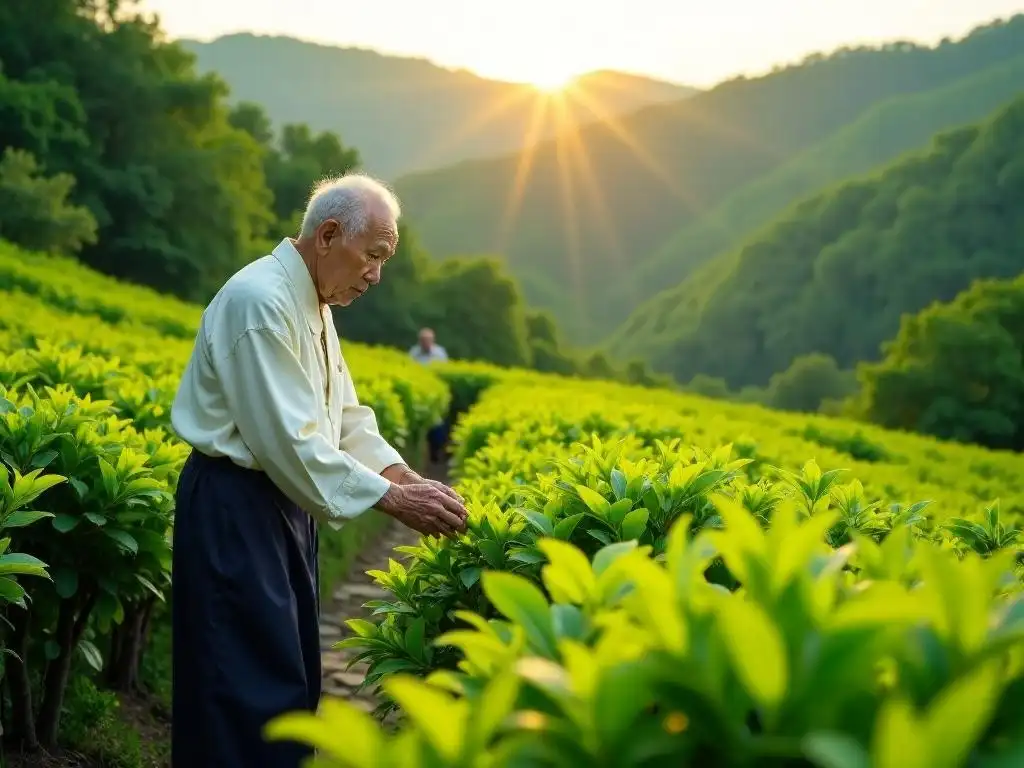
Tea was introduced to Japan in the early 9th century, primarily through the efforts of Buddhist monks who traveled to China for study. It is believed that the first documented mention of tea in Japan can be traced back to the work of the monk Saichō, who brought back tea seeds and knowledge about its cultivation from China. This initial introduction laid the foundation for what would become a rich and diverse tea culture in Japan.
The consumption of tea was initially limited to the elite and religious communities, functioning mainly as a beverage that promoted health and mindfulness during meditation. Over the centuries, the practice of tea drinking began to spread beyond monastic circles into the aristocracy and samurai class. This gradual acceptance marked the beginning of what would evolve into various regional tea cultures across Japan.
Evolution of Tea Practices During the Feudal Era
During the feudal era, particularly from the 12th to the 16th centuries, tea practices in Japan underwent significant transformations. The rise of the samurai class and the establishment of powerful shogunates created unique social structures that influenced tea consumption.
- Kamakura Period (1185-1333): Tea became more popular among the samurai class, who utilized it as a symbol of status and sophistication. The practice of serving tea began to evolve into more formalized rituals, laying the groundwork for the later development of the tea ceremony.
- Muromachi Period (1336-1573): The emergence of the "wabi-sabi" aesthetic during this time emphasized simplicity and naturalness, which greatly influenced tea practices. The introduction of powdered tea, or matcha, became prevalent, and the first tea houses started appearing in Kyoto.
- Azuchi-Momoyama Period (1573-1603): This era saw the codification of tea ceremonies, particularly under the influence of tea masters like Sen no Rikyū. His teachings emphasized humility, elegance, and the appreciation of the moment, which became central to the Japanese tea ceremony.
The regional variations in tea culture began to manifest more distinctly during this period, influenced by local tastes, available resources, and the status of tea among different social classes.
Influence of Religion and Philosophy on Tea Culture
Religion and philosophy played a pivotal role in shaping the regional tea culture in Japan. The two major influences were Buddhism and Zen philosophy, which emphasized mindfulness, simplicity, and a deep connection with nature.
- Buddhism: The introduction of tea was closely tied to Buddhist practices. Monks used tea to stay alert during long hours of meditation and study. The ritualistic aspects of tea drinking began to mirror Buddhist ceremonies, fostering a sense of tranquility and introspection.
- Zen Philosophy: Zen Buddhism had a profound impact on the aesthetic and philosophical underpinnings of tea culture. The principles of zen, such as simplicity and appreciation of the present moment, became integral to the tea ceremony. This is evident in the concept of "ichigo ichie," which translates to "one time, one meeting," a reminder to cherish each encounter as unique.
As regional tea practices evolved, local interpretations of these philosophies further diversified the cultural landscape of tea in Japan. For instance, the tea ceremonies in the Kyoto region tended to reflect a more formal and elaborate style, while those in the rural areas often embraced a more rustic and spontaneous approach.
The historical context of tea in Japan showcases a rich tapestry of influences that shaped regional tea cultures. From its introduction through Buddhist monks to the evolution of elaborate ceremonies influenced by Zen philosophy, tea practices in Japan are not just about the beverage itself but are deeply interwoven with the country's cultural and societal fabric.
Regional Variations in Japanese Tea Culture
Overview of Regional Tea Cultures
Japan's tea culture is a rich tapestry woven from diverse regional practices, each influenced by local customs, climate, and historical context. The concept of regional tea culture in Japan is not merely a reflection of different types of tea consumed but also encompasses the unique rituals and ceremonies surrounding tea preparation and consumption. From the formalized tea ceremonies in urban centers to the more relaxed and communal practices in rural areas, each region contributes distinct flavors and traditions to the overall tea culture.
Key factors that shape these regional variations include:
- Geographical Influences: Different regions produce unique varieties of tea, such as matcha from Uji or sencha from Shizuoka.
- Cultural History: Historical events, including the influence of samurai and Buddhist practices, have shaped the tea customs of various locales.
- Community Practices: Local festivals and community gatherings often incorporate tea rituals, reflecting the values and social structures of the area.
Understanding these elements allows us to appreciate the multifaceted nature of Japan's tea culture and its regional diversities.
Tea Ceremonies in Kyoto: The Heart of Tradition
Kyoto, known as the cultural capital of Japan, boasts a tea ceremony tradition that is steeped in history and meticulous artistry. The Kyoto tea ceremony is characterized by its emphasis on simplicity and elegance, often following the principles of wabi-sabi, which embrace imperfection and transience.
Key Elements of Kyoto Tea Ceremonies:
- Utensils and Atmosphere:
- The use of handcrafted utensils, such as tea bowls (chawan) and bamboo whisks (chasen), plays a crucial role.
- Tea houses often feature tatami mat flooring and minimalistic decor to create a serene environment.
- Seasonal Inspirations:
- Ceremonies are often themed around the seasons, reflecting the beauty of nature in the selection of decorations and tea served.
- For instance, during cherry blossom season, sakura-themed elements are showcased.
- Ritual and Etiquette:
- Participants must adhere to strict etiquette, showcasing respect and mindfulness throughout the ceremony.
- The preparation and serving of tea are performed with deliberate movements, transforming the process into an art form.
Kyoto's dedication to preserving these traditional practices makes it a central hub for those seeking a profound experience of tea culture in Japan.
The Influence of Samurai Culture on Tea in Kamakura
Kamakura, once the political center of Japan during the Kamakura period (1185-1333), exhibits a unique integration of tea culture influenced heavily by the samurai class. The practices established during this era laid the groundwork for the martial spirit and philosophy that permeated tea rituals.
Characteristics of Samurai Tea Practices:
- Zen Influence: Samurai adopted tea ceremonies as a method of cultivating discipline and focus, integrating Zen Buddhist principles into their practices.
- Chaji and Chakai: Formal gatherings known as chaji (full tea ceremony) and chakai (shorter tea gathering) became popular among samurai, emphasizing the importance of hospitality and respect.
- Combat and Calm: The juxtaposition of martial training and tea preparation highlighted the samurai's pursuit of balance between physical prowess and inner peace.
The rich samurai heritage in Kamakura continues to influence modern tea practices, emphasizing mindfulness and respect within the ceremonial framework.
Tea Practices in Rural Areas: A Local Perspective
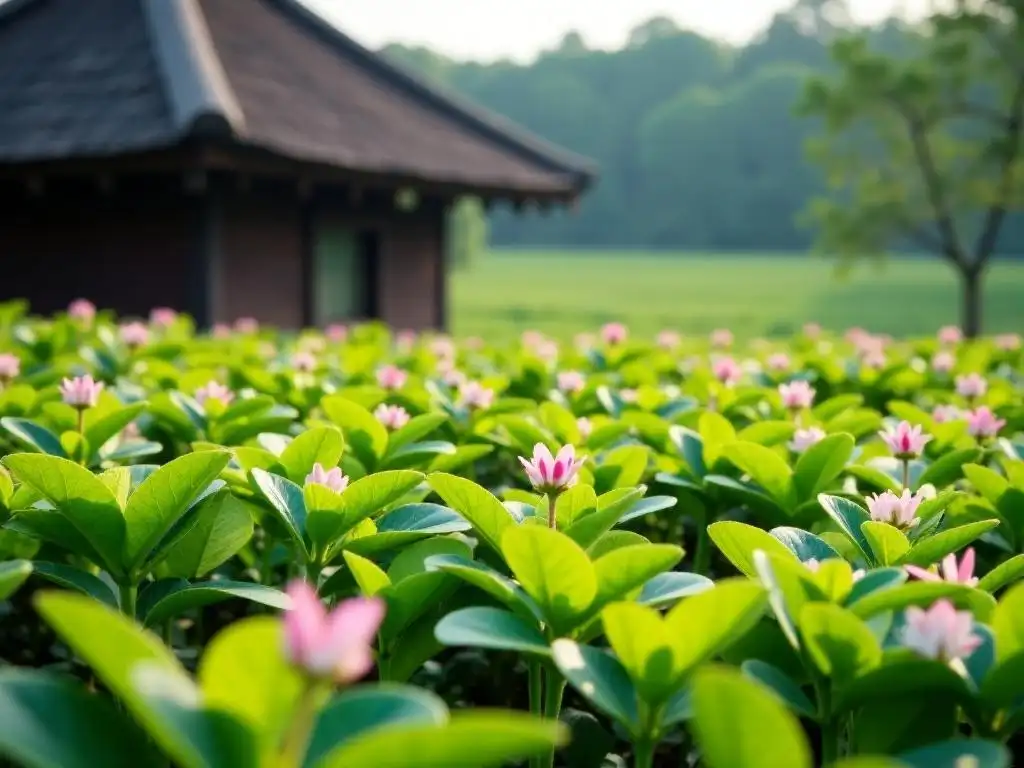
In rural Japan, tea culture manifests differently, often characterized by communal practices that reflect the agricultural lifestyle and close-knit communities. Here, tea is not just a drink but a symbol of hospitality and social connection.
Distinct Features of Rural Tea Practices:
- Community Gatherings: Local festivals often incorporate tea serving as a means to bring people together, fostering community bonds.
- Family Recipes: Many rural areas maintain unique recipes for tea blends and preparation methods passed down through generations, creating a sense of identity and belonging.
- Seasonal Harvest: Rural communities celebrate the tea harvest with rituals that may include offering the first brew to deities as a sign of gratitude.
These practices highlight the integral role of tea in daily life, serving as a medium for social interaction and cultural continuity.
Hokkaido’s Unique Tea Rituals
Hokkaido, Japan's northernmost island, presents a distinct tea culture influenced by its indigenous Ainu population and the natural landscape. The tea rituals here are unique, often incorporating local ingredients and customs that reflect the region's biodiversity.
Key Aspects of Hokkaido Tea Rituals:
- Local Ingredients: Hokkaido's tea practices often include the use of wild herbs and plants, highlighting the region's natural resources.
- Ainu Traditions: The Ainu people have their own tea customs, utilizing local plant species and emphasizing the spiritual connection to nature. Their ceremonies often involve offerings to spirits, showcasing a deep respect for the environment.
- Seasonal Adaptations: Due to Hokkaido's harsh winters, tea practices adapt to include warming brews and communal gatherings that bring warmth and comfort during the colder months.
Hokkaido’s unique approach to tea rituals not only enhances its regional tea culture but also emphasizes the connection between nature and community, enriching Japan's overall tea heritage.
Key Elements of Regional Tea Practices
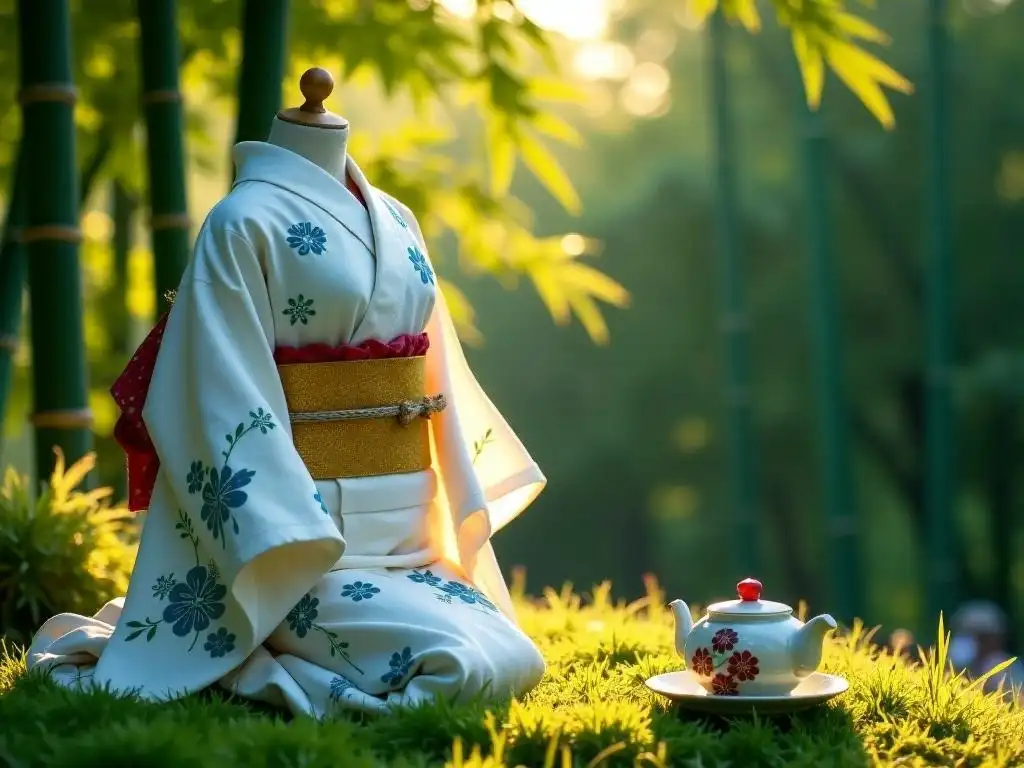
The regional tea culture in Japan is an intricate tapestry woven from diverse historical, geographical, and social threads. Each region not only contributes its unique flavor to the tea itself but also influences the rituals and customs surrounding its preparation and consumption. Understanding these elements provides a more profound appreciation of Japan's rich tea heritage.
Types of Tea Used in Different Regions
The choice of tea in various regions of Japan is shaped by local climate, soil conditions, and cultural preferences. Below are some notable examples of regional tea varieties:
- Shizuoka: Known as the heart of tea production in Japan, Shizuoka is famous for its high-quality Sencha and Gyokuro. The region's favorable climate and fertile volcanic soil contribute to the rich flavor profiles of these teas.
- Uji: This area is renowned for producing premium Matcha. The meticulous cultivation methods, including shading the tea plants, enhance the umami flavor and vibrant green color of Uji Matcha, making it a staple for traditional tea ceremonies.
- Kagoshima: In the southern region, Kagoshima is celebrated for its unique Kagoshima Sencha and Konacha (powdered tea). The warm climate allows for year-round cultivation, yielding a slightly different taste profile from other regions.
- Nara: Known for Asamushi Sencha, which is lightly steamed, Nara's tea has a delicate flavor that reflects the region's emphasis on traditional tea practices.
The selection of tea is deeply tied to local identity, with each region taking pride in its specialties, making the exploration of local tea culture an enriching experience for enthusiasts.
Traditional Utensils and Their Regional Significance
The utensils used in tea preparation and serving are not only functional but also steeped in cultural significance. Different regions of Japan showcase distinctive utensils that reflect local craftsmanship and aesthetics:
- Chawan (tea bowls):
- Kyoto: Known for its elegant, hand-crafted Raku ware chawan, which is often used in ceremonial contexts, embodying simplicity and beauty.
- Mino: Mino-yaki pottery is celebrated for its unique glazing techniques, producing chawan that are both functional and artistic.
- Chasen (whisks):
- Kagawa: This region produces high-quality bamboo chasen, essential for preparing Matcha. The artistry and precision involved in crafting these whisks are a point of pride for local artisans.
- Kyusu (teapots):
- Yixing: The region is known for its Yixing teapots, revered for their ability to enhance the flavor of tea over time through seasoning from the brewed tea.
The variety of utensils used across regions reflects not only the tea practices but also the regional pride in craftsmanship, making each tea experience uniquely tied to its locale.
Variations in Tea Ceremony Rituals Across Japan
The rituals of tea ceremonies vary significantly across Japan, influenced by local customs, historical contexts, and spiritual beliefs. Here are some notable variations:
- Chado (Way of Tea):
- In Kyoto, the tea ceremony emphasizes wabi-sabi, the beauty of imperfection. The ceremonies are often elaborate, with a strong focus on aesthetics and seasonal themes.
- Sado:
- In Hokkaido, the tea ceremony may incorporate elements of indigenous Ainu culture, emphasizing harmony with nature and simplicity in the gathering.
- Omotenashi:
- The concept of hospitality is paramount in Tokyo, where tea ceremonies may include a more contemporary flair, blending traditional practices with modern sensibilities, often catering to a diverse audience.
- Seasonal Variations:
- In regions like Okinawa, the tea ceremony might incorporate local herbs and flowers, reflecting the unique biodiversity of the area and the importance of seasonal ingredients.
These variations not only highlight the rich diversity of regional tea culture in Japan but also illustrate how local customs and philosophies shape the tea experience, inviting participants to engage deeply with both the ritual and the tea itself.
Cultural Influences on Regional Tea Practices
The tea culture in Japan is a fascinating tapestry woven from the diverse threads of local customs, beliefs, and resources. Each region of Japan has developed its own unique tea practices, influenced by the cultural nuances that define their communities. This section explores how these cultural influences manifest in tea preparation, festivals, and the geographical elements that shape tea traditions.
The Role of Local Ingredients in Tea Preparation
Local ingredients play a crucial role in shaping the regional tea culture in Japan. Each region boasts unique flora and fauna that contribute distinct flavors and characteristics to their tea. For example:
- Kyoto: Renowned for its Uji matcha, this area utilizes high-quality shade-grown tea leaves, which are finely ground to create a rich, vibrant green powder. The specific soil and climate conditions in Uji contribute to the unique umami flavor of its tea.
- Shizuoka: This region is famous for its sencha. The tea leaves here benefit from the warm climate and abundant rainfall, resulting in a refreshing and slightly sweet flavor profile. The blend of local cultivation techniques and ingredient quality leads to a distinct regional identity.
- Kagoshima: Known for its bold, robust flavors, Kagoshima's tea is often grown in volcanic soil, which imparts a unique minerality to the brew. Additionally, the use of local herbs and spices can enhance the tea experience, showcasing the region's agricultural diversity.
The use of local ingredients not only enriches the flavor of the tea but also reflects the cultural heritage and agricultural practices of each region. This connection to the land fosters a deeper appreciation and a sense of identity among tea drinkers.
Tea festivals across Japan highlight the importance of tea in local cultures, celebrating unique customs and regional varieties. These events often feature traditional tea ceremonies, tastings, and cultural performances. Some notable festivals include:
- Shizuoka Tea Festival: This annual event showcases the region's finest teas and includes competitions, workshops, and tastings. Visitors can learn about the tea-making process and participate in traditional tea ceremonies, emphasizing Shizuoka's role in Japan's tea culture.
- Kyoto's Uji Tea Festival: Celebrating the rich history of Uji matcha, this festival offers a chance to experience the artistry of tea preparation. Visitors can engage in matcha-making workshops and enjoy performances that illustrate the cultural significance of tea in Kyoto.
- Kagoshima Tea Festival: This local celebration focuses on the unique flavors of Kagoshima tea and features a variety of activities, including tea tastings, educational sessions on tea cultivation, and cultural performances that highlight the region's heritage.
These festivals not only promote regional tea culture but also foster community engagement and education. They serve as a platform for local producers to share their products and for visitors to immerse themselves in the rich tapestry of Japanese tea culture.
How Local Geography Shapes Tea Practices
The local geography of Japan significantly impacts tea cultivation and preparation methods, leading to the development of distinct regional tea cultures. Several geographical factors come into play:
- Climate: The varying climates across Japan influence the types of tea that can be cultivated. For instance, the temperate climate of Shizuoka is ideal for growing sencha, while the cooler, misty conditions in Uji are perfect for shade-growing matcha.
- Topography: The mountainous terrain in regions like Kagoshima allows for terraced tea fields, optimizing sunlight exposure and drainage. This topographical feature not only affects the growth of the tea plants but also the harvesting methods employed by local farmers.
- Water Sources: The quality of water used in tea preparation is crucial. Regions with pure, mineral-rich water, such as those near natural springs, can enhance the flavor profile of the tea. For example, the soft water in Kyoto is believed to complement the delicate flavors of matcha.
These geographical elements shape not only the cultivation of tea but also the associated practices and rituals surrounding it, creating a rich and diverse regional tea culture in Japan. Understanding these influences allows for a deeper appreciation of how local environments contribute to the distinctive tea experiences found across the country.
The Impact of Modernization on Regional Tea Cultures
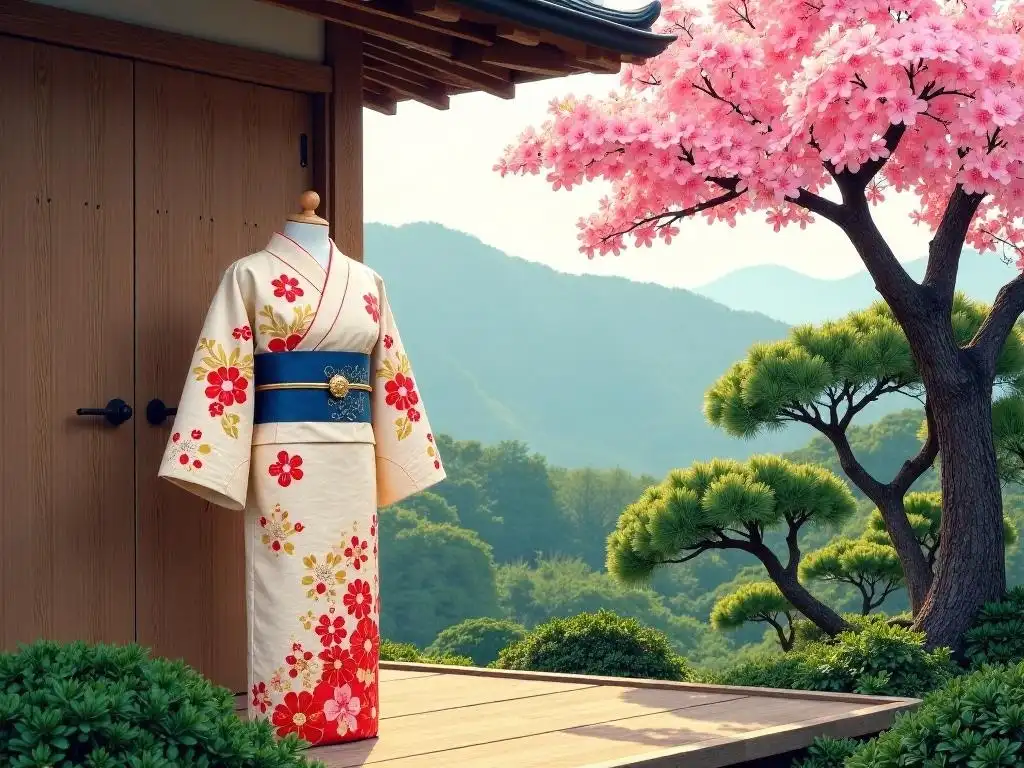
The modernization of Japan, particularly during the Meiji Restoration and progressing into the 20th century, has had a profound effect on regional tea cultures. As the country transformed socially, economically, and technologically, local practices surrounding tea production and consumption also evolved. This section examines the nuances of these changes and their implications for traditional tea practices across different regions of Japan.
Changes in Tea Production and Consumption
Modernization brought significant advancements in tea production techniques. The introduction of machinery and scientific methods revolutionized how tea was cultivated, processed, and marketed. Some key changes include:
- Mechanization of Production: Traditional hand-picking methods have largely been replaced by mechanical harvesters in many regions. This shift has increased efficiency and output but has also raised concerns about the quality of tea leaves. Regions like Shizuoka, known for their high-quality sencha, have had to balance modernization with maintaining their heritage.
- Agricultural Innovations: The use of fertilizers, pesticides, and advanced irrigation systems has transformed tea farming. While these innovations have led to higher yields, they have also altered the taste profiles of teas, resulting in a decline in some traditional flavors that are characteristic of specific regions.
- Globalization of Consumption: The globalization of the tea market introduced new consumer preferences and trends. Japanese tea has gained international popularity, leading to an increase in exports. However, this has sometimes prioritized mass production over the preservation of unique, regional tea varieties. Regional tea cultures are now competing with global brands, which can overshadow local practices and preferences.
- Shift in Consumption Patterns: With busy lifestyles and the influence of Western customs, tea consumption has shifted from formal tea ceremonies to more casual settings. In urban areas, convenience and accessibility have become paramount, with bottled teas and ready-to-drink options gaining traction. This has led to a decline in traditional tea-drinking rituals, particularly in metropolitan regions.
Despite these changes, many regions are actively working to adapt while preserving their unique cultural identities.
Preservation of Traditional Practices Amidst Modern Influences
Amidst the tide of modernization, numerous efforts are underway to safeguard the traditional tea practices that define regional tea cultures in Japan. These initiatives reflect a deep respect for heritage, as well as a desire to educate future generations about the cultural significance of tea.
- Community Engagement: Local tea farmers and producers often engage in educational initiatives, offering workshops and tea ceremonies to share their knowledge. For instance, in Uji, a region celebrated for its matcha, local artisans host events that immerse participants in the art of tea preparation, emphasizing the historical methods that have been passed down through generations.
- Cultural Festivals: Many regions host tea festivals that celebrate local tea varieties and traditional brewing methods. These festivals not only promote regional teas but also serve as a platform for artisans to showcase their skills. The importance of these events cannot be understated; they foster a sense of community and encourage both locals and tourists to appreciate the rich tapestry of tea culture.
- Sustainable Practices: Some tea producers are returning to organic and sustainable farming methods, which resonate with the principles of traditional tea cultivation. By prioritizing environmental health and the preservation of heritage tea varieties, these producers aim to create a niche market that appeals to consumers who value authenticity and quality.
- Integration with Modern Technology: Interestingly, some regions have begun to utilize modern technology to promote traditional practices. For example, social media and online platforms are being used to educate a broader audience about the intricacies of regional tea cultures, thereby bridging the gap between tradition and modernity.
While modernization has undoubtedly influenced regional tea cultures in Japan, there remains a robust commitment to preserving the unique practices and traditions that define these cultures. Through a blend of innovation and reverence for history, local communities continue to thrive, ensuring that the legacy of tea endures in the face of change.
Conclusion: The Future of Regional Tea Culture in Japan
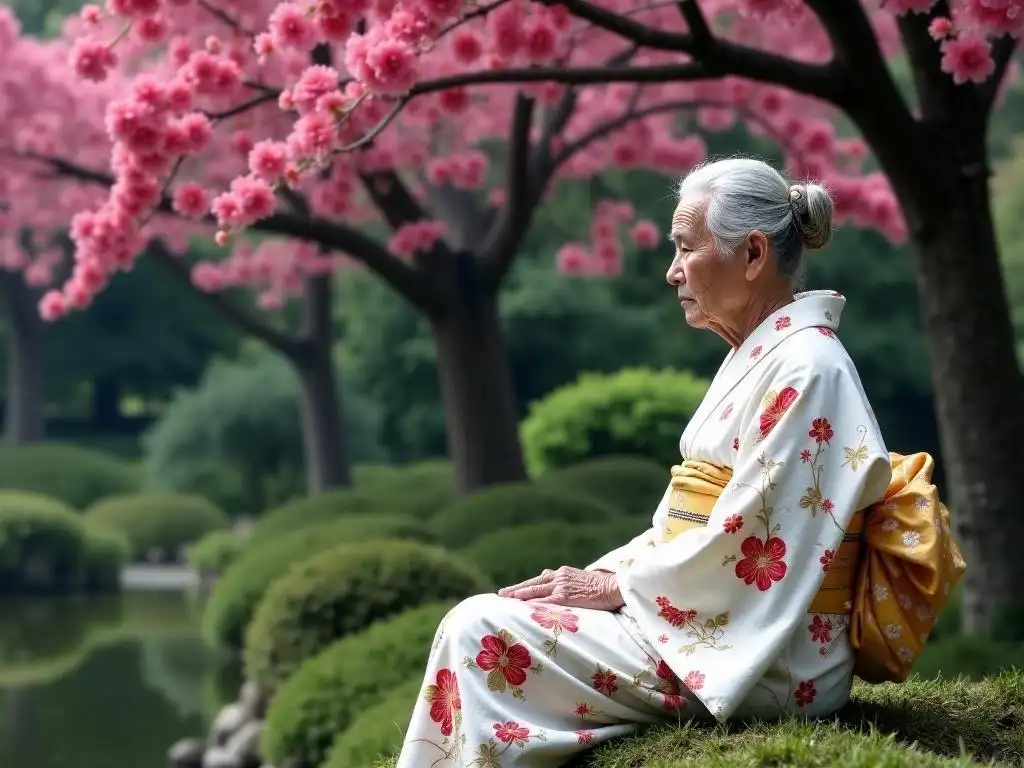
The future of regional tea culture in Japan hinges on a delicate balance between preservation and adaptation. As globalization continues to influence various aspects of life, including culinary practices, the unique elements of Japan's regional tea cultures face both challenges and opportunities. The importance of maintaining local traditions while embracing modern influences is crucial for the sustainability of these rich cultural practices.
The Importance of Cultural Preservation
Cultural preservation plays a vital role in ensuring that the diverse tea practices across Japan are not lost to time. Each region boasts its distinct methods, flavors, and ceremonies, influenced by local history, climate, and community values. For instance, the Uji tea from Kyoto is renowned for its high quality and unique cultivation methods, while Shizuoka tea is celebrated for its robust flavors and varied growing techniques.
Efforts to document these practices through various means, such as:
- Workshops that teach traditional tea preparation
- Festivals celebrating local tea varieties
- Collaborations between tea farmers and artisans
are essential for passing down knowledge to future generations. Moreover, educational institutions can play a key role by incorporating regional tea culture into their curricula, fostering an appreciation among the youth for their local heritage.
Encouraging Local Practices in a Globalized World
In today's interconnected world, local tea practices can thrive by embracing innovative approaches while remaining true to their roots. Encouraging regional tea culture in Japan requires:
- Community Engagement: Local tea producers and artisans should actively engage with their communities to create a sense of ownership and pride in their heritage. This can be achieved through:
- Local tea tastings
- Collaborative events with chefs and restaurants that utilize regional tea in their dishes.
- Sustainable Tourism: Promoting tea tourism can not only boost local economies but also raise awareness of regional tea practices. Visitors can experience authentic tea ceremonies and learn about local customs firsthand, thereby fostering a deeper appreciation for Japan’s rich tea heritage.
- Social Media and Digital Platforms: Utilizing social media to showcase unique tea practices can attract a global audience. Content such as videos demonstrating local tea ceremonies or blogs highlighting the history of specific tea regions can spark interest among both domestic and international audiences.
- Innovative Products: Creating new tea blends or products that incorporate traditional elements can appeal to modern consumers while keeping the essence of regional practices alive.
The future of regional tea culture in Japan is bright, provided that there is a concerted effort to preserve traditional practices while adapting to the changing landscape of global culture. By valuing local customs and encouraging community participation, Japan can ensure that its rich tea heritage continues to flourish for generations to come.
References and Further Reading on Japanese Tea Culture
Suggested Books on Regional Tea Practices
-
"The Book of Tea" by Okakura Kakuzō
This classic work delves into the philosophical and aesthetic dimensions of tea culture in Japan. It highlights how regional variations influence the practice and appreciation of tea, making it a must-read for anyone interested in understanding the cultural significance of tea in Japan.
-
"Japanese Tea Culture: Art, History, and Practice" by Paul Varley and Kumiko F. Akiyama
This comprehensive book explores the intricate relationship between tea and Japanese society, detailing regional differences in tea preparation and consumption. It includes case studies from various prefectures, showcasing unique practices and rituals.
-
"Tea Life, Tea Mind" by Soshitsu Sen XV
This book captures the essence of the Japanese tea ceremony while emphasizing the regional nuances in tea culture. The author, a prominent tea master, shares insights into how local customs and geography shape tea practices.
-
"Chado: The Way of Tea" by Kato Shuson
Focusing on the philosophy and artistry of the tea ceremony, this book also discusses how different regions contribute unique elements to the overall practice of Chado. It serves as a guide to both historical contexts and modern interpretations.
Articles and Studies on Tea Ceremonies in Japan
-
"Regional Variations in Japanese Tea Ceremony Practices"
This scholarly article examines the diverse adaptations of the tea ceremony across different regions of Japan. It highlights specific practices, utensils, and local ingredients that characterize each area's unique approach to tea.
-
"Cultural Influences on Tea Rituals in Japan: A Comparative Study"
This study investigates how historical events and cultural exchanges have shaped regional tea ceremonies. It provides an in-depth analysis of how local customs and beliefs are reflected in tea practices.
-
"The Evolution of Tea Culture in Japan: From the Kamakura Period to Modern Times"
Providing a historical perspective, this article traces the development of tea culture in Japan, emphasizing regional differences that emerged over centuries. It discusses how these variations were influenced by local geography, climate, and societal changes.
-
"The Role of Tea in Japanese Festivals: A Regional Perspective"
This article explores the significance of tea in various local festivals, showcasing how regional customs and traditions enrich the tea culture in Japan. It discusses specific festivals where tea plays a central role, highlighting the local variations in preparation and presentation.
By exploring these resources, readers can gain a deeper understanding of the regional tea culture in Japan and its profound connections to the country's historical, cultural, and social landscape.
Frequently Asked Questions
What is the significance of regional tea culture in Japan?
The regional tea culture in Japan reflects the unique historical and cultural influences of different areas, showcasing diverse tea practices and rituals that enhance the overall tea experience.
How do local customs affect tea practices in Japan?
Local customs play a crucial role in shaping tea practices, as traditional ceremonies, ingredients, and preparation methods vary from region to region, highlighting the rich diversity of Japanese tea culture.
What are some examples of regional tea variations in Japan?
Regions like Uji are known for their high-quality matcha, while Shizuoka is famous for sencha. Each area has its own unique flavors and brewing techniques that reflect local traditions.
How has the feudal era influenced tea culture in Japan?
During the feudal era, the samurai class and Zen Buddhism significantly shaped tea culture, leading to the establishment of tea ceremonies that emphasize aesthetics, mindfulness, and simplicity.
Are there any modern trends impacting regional tea culture?
Yes, modern trends such as sustainable practices and fusion tea blends are emerging, as younger generations seek to innovate while respecting traditional regional tea practices.
Final Reflection: Embracing the Diversity of Regional Tea Culture in Japan
The exploration of regional tea culture in Japan reveals the profound ways in which local customs and traditions shape our understanding of this beloved beverage. Today, as we navigate a globalized world, the significance of these unique practices becomes even more pronounced. The intricate rituals, flavors, and stories behind each region's tea not only celebrate Japan's cultural heritage but also remind us of the beauty found in diversity. Understanding these variations invites us to appreciate the rich tapestry of human experience that tea represents.
Cultural practices surrounding tea are not just about the drink itself; they are a reflection of the communities that nurture them. Each cup tells a story, steeped in history and personal connection, allowing us to forge bonds across generations. As we witness the resurgence of interest in traditional practices, it becomes clear that these regional nuances are vital in preserving the essence of Japanese culture. Tea is the magic key to the vault where my brain is kept.
– Frances Hardinge. This quote encapsulates the idea that tea, in its many forms, unlocks a deeper understanding of ourselves and our communities.
As you reflect on the insights shared in this article, I invite you to consider how you can incorporate the lessons of regional tea culture into your own life. Whether it's exploring local tea traditions, engaging with your community, or simply savoring a cup of tea with mindfulness, each action can deepen your appreciation for the diverse cultures that enrich our world. Let us celebrate the unique flavors and practices that make up our shared human experience, and in doing so, cultivate a greater sense of connection and understanding.
Embrace the Art of Tea: Take Action!
Thank you for joining us on this journey through the fascinating world of regional tea practices and their cultural roots. You’ve uncovered the richness of how local cultures shape our tea-drinking experiences, and now it's time to deepen your connection to this tradition.
Here’s how you can embrace the art of tea and explore its diverse influences:
- Start your own tea ritual: Choose a local variety of tea to try each week and reflect on its origins and cultural significance.
- Share your experiences with friends or family: Host a tea-tasting session, encourage discussions about different tea cultures, and promote awareness of their unique practices.
- Join online communities focused on tea appreciation: Engage with fellow enthusiasts and learn about global tea traditions, recipes, and methods that can enhance your own tea journey.
What new tea tradition will you introduce into your routine this week? We invite you to share your thoughts and ideas in the comments below!