
The Social Hierarchy of Tea Ceremonies: Class and Status in Feudal Japan

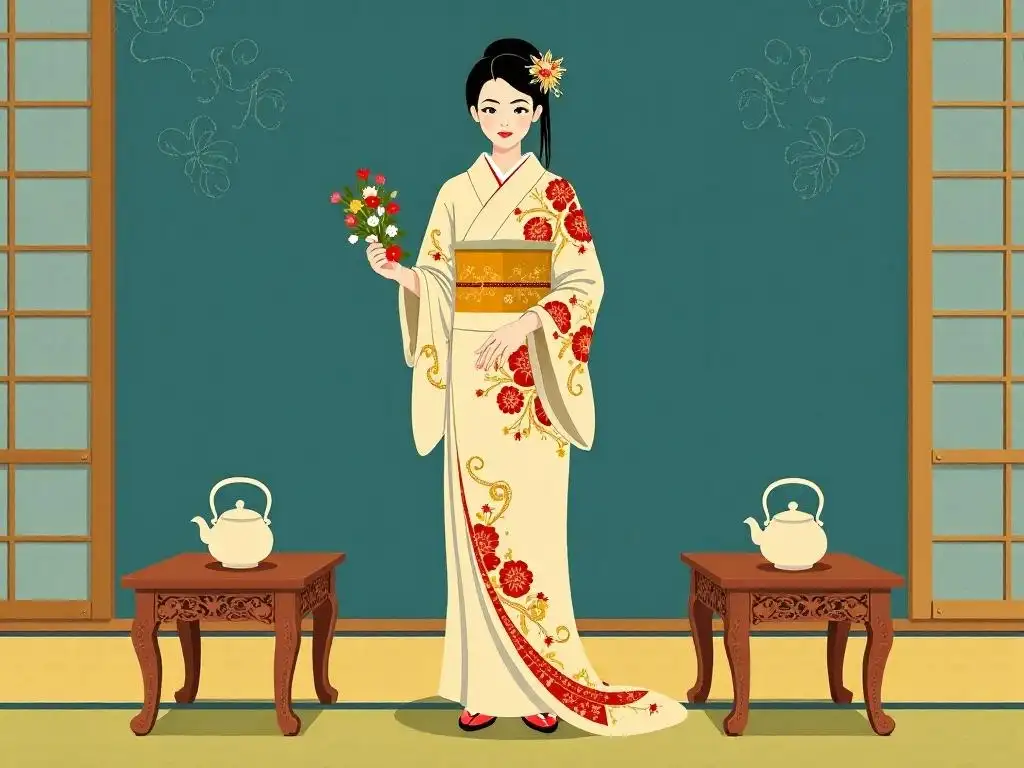
Welcome to Feudal Japan History, where we embark on a captivating journey through one of the most intriguing periods in Japan's past! In our featured article, "The Social Hierarchy of Tea Ceremonies: Class and Status in Feudal Japan," we delve into the delicate world of tea ceremonies, revealing how these intricate rituals reflected the nuanced social hierarchies of feudal society.
Prepare to uncover the layers of tradition and status that shaped these gatherings, inviting you to explore the rich tapestry of culture that defined an era. Join us as we sip the tea of history and discover what lies beneath its surface!
Tea ceremonies in feudal Japan are much more than mere rituals; they are profound reflections of the complex social hierarchy that characterized this historical period. Rooted in the Zen Buddhist tradition, these ceremonies served as a platform for individuals of varying social status to engage in a shared experience, albeit with significant implications for their roles within the feudal system.
Understanding the interplay between tea ceremonies and social hierarchy not only sheds light on the cultural practices of the time but also reveals the underlying values and beliefs that shaped Japanese society. In this article, we will delve into the intricate relationship between tea ceremonies and class structure, exploring their historical origins, cultural significance, and the way these rituals reinforced societal norms in feudal Japan.
Understanding Tea Ceremonies in Feudal Japan
The Cultural Significance of Tea Ceremonies
Tea ceremonies, or chanoyu, were highly ritualized events that transcended the simple act of drinking tea. They were imbued with deep philosophical meaning and served as a means of promoting harmony, respect, purity, and tranquility. The aesthetic elements that defined these ceremonies were carefully curated to reflect the principles of wabi-sabi, emphasizing simplicity and the beauty of imperfection. Participants not only enjoyed the tea but also engaged in a meditative practice that fostered mindfulness and social bonding, making these ceremonies a critical aspect of cultural expression in feudal Japan.
Historical Origins of Tea Ceremonies in Japan
The origins of tea ceremonies in Japan can be traced back to the Tang Dynasty in China, where tea drinking began to flourish. By the late 12th century, tea had made its way to Japan, primarily through Buddhist monks who recognized its stimulating effects during meditation. The practice evolved significantly over the centuries, influenced by various cultural exchanges and the establishment of distinct Japanese customs.
By the 15th century, tea ceremonies began to formalize, featuring the techniques and aesthetics that define them today. The contributions of influential figures, such as Sen no Rikyū, further refined the art of tea, intertwining it with the social fabric of feudal Japan.
The Hierarchical Structure of Feudal Japan
Overview of Feudal Japan's Social Classes
Feudal Japan was characterized by a rigid social hierarchy, traditionally divided into several classes: the emperor, followed by the shogun, daimyōs, samurai, peasants, artisans, and merchants. Each class had distinct roles and responsibilities, contributing to the overall structure of society. The emperor held the highest position, often considered a divine figure, while the shogun wielded actual political power.
The daimyōs and samurai formed the warrior class, responsible for military service and land management. At the bottom of this hierarchy were the peasants, who worked the land, followed by artisans and merchants who played essential roles in the economy but were often looked down upon by the samurai class.
The Role of Class in Cultural Practices
The social class of an individual significantly influenced their participation in tea ceremonies. For instance, the ceremonies were often exclusive to the elite, where the daimyōs and samurai showcased their status through elaborate tea sets and meticulously designed tea rooms. In contrast, commoners faced restrictions that limited their involvement in such cultural practices.
This exclusivity not only reinforced class distinctions but also created a cultural divide that defined social interactions within the context of tea ceremonies. The careful orchestration of roles, etiquette, and even the selection of tea itself were often reflective of one's social standing, making these ceremonies a microcosm of feudal Japan's intricate class dynamics.
Tea Ceremonies and Their Connection to Status
Tea ceremonies in feudal Japan were not merely social gatherings; they were complex rituals deeply intertwined with the social hierarchy of the time. These ceremonies served as a reflection of one’s status and position within the rigid class structure of Japanese society. The act of preparing and serving tea became a medium through which individuals could express their cultural refinement, education, and social standing. The ceremonial practice was shaped by the philosophies of Zen Buddhism, emphasizing simplicity, mindfulness, and the aesthetic appreciation of nature, all of which were often associated with higher social classes.
The hierarchy within these ceremonies was evident in the selection of participants, the venue, and the overall atmosphere. The presence of samurai, nobility, and influential merchants lent prestige to the event, while commoners were often excluded from these elite gatherings. Thus, the tea ceremony became a stage where social roles were both performed and reinforced, effectively illustrating the intricacies of class and status in feudal Japan.
How Tea Ceremonies Reflected Social Status
The structure of tea ceremonies directly mirrored the social stratification prevalent in feudal Japan. Participants were often categorized by their rank, with the host typically being of higher status. The seating arrangement within the tea room was meticulously planned, reflecting the hierarchy among guests. For instance, the most esteemed guests would sit closest to the host, whereas those of lower status were placed further away, highlighting their social standing.
Moreover, the type of tea served and the quality of the utensils used during the ceremony were indicative of the host's wealth and rank. Luxurious ceramics and finely powdered matcha were reserved for high-ranking individuals, while simpler tools and lower-grade tea were more common among the lower classes. Consequently, tea ceremonies became a powerful medium for expressing and observing social hierarchy, allowing participants to navigate their status within the feudal system.
The Influence of Samurai and Nobility on Tea Ceremonies
Samurai and nobility played a pivotal role in shaping the culture of tea ceremonies in feudal Japan. The samurai, as the ruling warrior class, imbued the tea ceremony with values of discipline, loyalty, and respect, which were core tenets of their code, bushido. Their participation lent an air of authority to the ceremony, and they often became patrons of renowned tea masters, helping to refine and elevate the practice.
The nobility, on the other hand, used tea ceremonies as a means to display their wealth and sophistication. They would host elaborate tea gatherings in opulent settings, showcasing their taste in art and aesthetics. The influence of these elite classes contributed to the formalization of the tea ceremony, transforming it into a status symbol that reflected their power and cultural prestige within society.
The Role of Commoners in Tea Ceremonies
While tea ceremonies were predominantly associated with the elite, commoners also played a significant role in the evolution of this cultural practice. As the demand for tea grew, especially during the Edo period, tea houses emerged, allowing a broader segment of society to experience the ritual. These establishments provided a more accessible version of the tea ceremony, albeit stripped of the formalities observed by the upper classes.
Nevertheless, commoners adapted the core values of the tea ceremony, emphasizing hospitality and community. The simplicity of their gatherings highlighted the beauty of everyday life and the joys of shared experience. This grassroots evolution of tea ceremonies contributed to the democratization of the practice, allowing it to transcend social barriers while retaining its connection to the hierarchy of feudal Japan.
Key Elements of Tea Ceremonies in Feudal Japan
The tea ceremony in feudal Japan was characterized by distinct elements that contributed to its cultural significance and aesthetic appeal. Each component, from the rituals to the utensils used, played a crucial role in defining the experience and reinforcing social hierarchies.
Rituals and Practices in Tea Ceremonies
Tea ceremonies involved a series of carefully choreographed rituals that adhered to specific protocols. These practices were steeped in tradition and philosophy, emphasizing mindfulness and the importance of each action. The preparation of the tea, for example, was an art form in itself, requiring precision and grace. Participants were expected to demonstrate respect for the tea, the utensils, and each other throughout the ceremony.
The act of serving tea was equally significant, as it symbolized hospitality and the bond between host and guest. Each gesture, from the way the tea was whisked to how it was presented, conveyed meaning, encapsulating the values of humility and appreciation that were central to the ceremony. These rituals not only enhanced the experience but also served as a reminder of the social dynamics at play.
The Aesthetic Aspects of Tea Ceremonies
Aesthetics played a vital role in tea ceremonies, with an emphasis on harmony, simplicity, and natural beauty. The design of the tea room, the arrangement of flowers, and the choice of utensils all contributed to creating an atmosphere conducive to reflection and peace. The concept of wabi-sabi, which embraces imperfection and transience, informed many aesthetic choices in tea ceremonies, allowing participants to find beauty in simplicity.
The visual elements were complemented by auditory aspects, such as the sound of boiling water and the whisking of tea, which further enriched the sensory experience. This holistic approach to aesthetics not only enhanced the tea ceremony but also served to reinforce the social hierarchy by showcasing the refinement of higher classes through their artistic choices.
Tools and Utensils: Symbolism and Status
The tools and utensils used in tea ceremonies were imbued with both symbolism and social significance. Each item had a specific purpose and was often made from materials that reflected the status of the host. For example, high-ranking individuals might use handcrafted tea bowls from famous artisans, prized for their beauty and rarity, while commoners would typically utilize more utilitarian and accessible items.
The symbolism of these utensils extended beyond their practical use; they represented the values of the tea ceremony itself—respect, harmony, and the appreciation of craftsmanship. The careful selection and presentation of these tools became a subtle means of asserting social status and cultural sophistication, highlighting the intricate relationship between class and the art of the tea ceremony in feudal Japan.
The Evolution of Tea Ceremonies and Their Hierarchical Implications
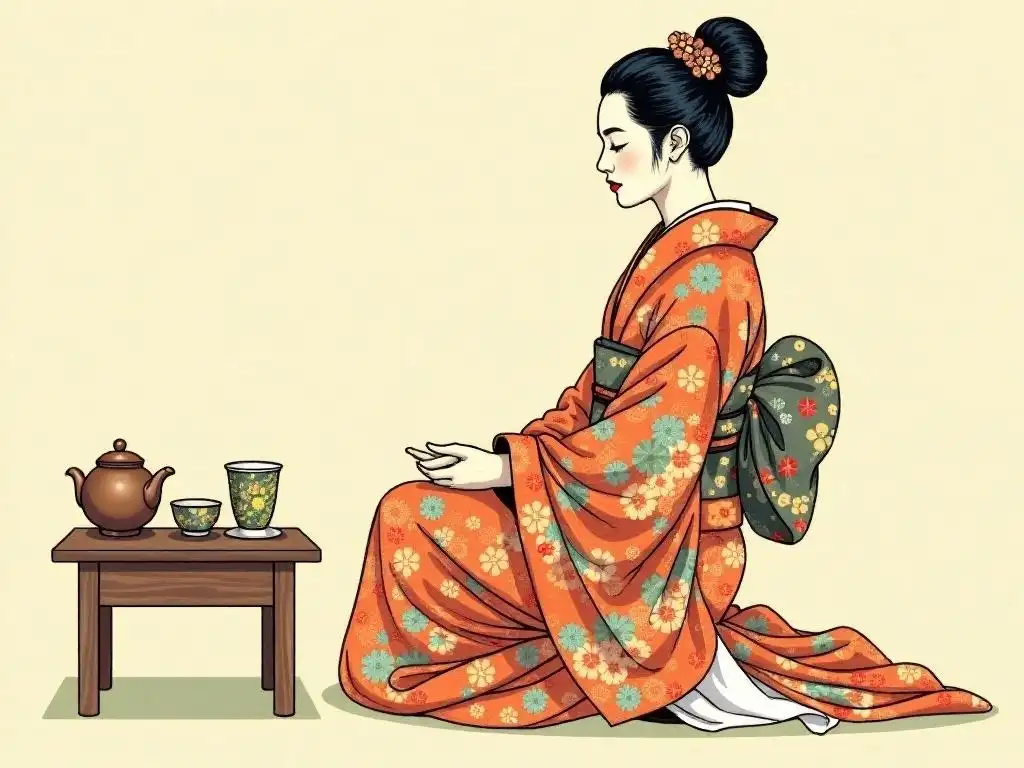
The evolution of tea ceremonies in feudal Japan reflects not only the changing tastes and preferences of the time but also the intricate social hierarchy that governed Japanese society. Originally introduced from China in the early 9th century, tea drinking was largely confined to the elite. As the practice spread, it became an integral part of the samurai culture and later, the broader societal fabric.
The formalization of tea ceremonies, known as chanoyu, during the Muromachi period (1336–1573) marked a significant shift where the aesthetics of the tea experience were elevated to an art form. This heightened appreciation was not merely about the beverage itself; it was a reflection of one's social standing and cultural sophistication. The ceremonies became an arena where social status was both expressed and reinforced, with the layout of the tea room, the utensils used, and the mannerisms of the participants all serving as indicators of class.
Changes in Tea Ceremony Practices Over Time
Throughout the various periods of feudal Japan, tea ceremony practices underwent notable transformations influenced by societal changes. Initially, tea was consumed in a more casual setting, where the focus was on the drink itself. However, as the practice became more codified, it evolved into a more ritualistic experience.
- Kamakura Period (1185–1333): The introduction of powdered tea (matcha) and the beginnings of the tea ceremony can be traced back to this era. It was predominantly practiced by Buddhist monks and the warrior class, emphasizing simplicity and meditation.
- Muromachi Period (1336–1573): The tea ceremony began to evolve into a structured art form. Influenced by Zen aesthetics, it became more about the experience rather than just the consumption of tea. Selective use of utensils and the design of tea rooms began to reflect one’s status.
- Azuchi-Momoyama Period (1573–1603): The tea ceremony further formalized with established masters like Sen no Rikyū, who emphasized wabi-sabi principles—finding beauty in imperfection and simplicity. This period saw the emergence of the tea room as a symbol of social status.
- Edo Period (1603–1868): The rise of the merchant class led to a democratization of tea ceremonies, making them accessible to a broader audience. However, even among the newly affluent, the ceremonies maintained an aura of exclusivity, with particular styles and schools signifying different social standings.
Zen Buddhism played a pivotal role in shaping the philosophy and practice of tea ceremonies in feudal Japan. It introduced a meditative aspect to the tea-drinking experience, emphasizing mindfulness and tranquility. This spiritual dimension transformed tea ceremonies into a means of personal reflection and social interaction.
- Mindfulness and Simplicity: The principles of Zen encouraged practitioners to embrace simplicity and presence in the moment. This shift meant that the tea ceremony became a reflection of one's inner state, with those who mastered this art gaining social prestige.
- Cultural Capital: The ability to conduct a tea ceremony according to Zen principles became a sign of cultural sophistication. Those who could navigate the complex interplay of etiquette, aesthetics, and spirituality were often viewed as higher in status, regardless of their actual social rank.
- Patronage and Power Dynamics: Many samurai and daimyō (feudal lords) became patrons of tea masters, establishing a direct link between tea ceremonies and power. The ceremonies became venues for political maneuvering and social alliances, further intertwining the practice with the hierarchical structure of society.
Case Studies: Notable Figures and Their Tea Ceremonies
The tea ceremonies of prominent historical figures illustrate the intricate relationship between tea culture and social status in feudal Japan. These case studies highlight how individual practices reflected broader societal norms and hierarchies.
The Tea Ceremonies of Sen no Rikyū
Sen no Rikyū is perhaps the most influential figure in the history of Japanese tea ceremonies. His philosophy emphasized the importance of simplicity, humility, and respect, which resonated deeply with Zen ideals.
- Wabi-Sabi Aesthetics: Rikyū's approach to tea emphasized the beauty of imperfection. He popularized the use of rustic tea utensils and natural materials, which not only made the ceremonies more accessible but also symbolized a deeper philosophical perspective that resonated with the samurai class.
- Social Influence: Rikyū’s intimate connection with powerful samurai leaders, including Toyotomi Hideyoshi, elevated his status and that of the tea ceremony itself. His teachings shaped the practices of the elite, reinforcing the idea that mastery of the tea ceremony was synonymous with cultural refinement and status.
The Influence of Ashikaga Yoshimasa on Tea Culture
Ashikaga Yoshimasa, the eighth shōgun of the Ashikaga shogunate, is another pivotal figure in the evolution of tea ceremonies. His passion for tea and the arts significantly impacted cultural practices during the Muromachi period.
- Cultural Patronage: Yoshimasa was an avid supporter of the arts, including tea. He established the famous Ginkaku-ji (Silver Pavilion) as a center for cultural activities. This patronage helped elevate the tea ceremony as a respected art form among the elite.
- Refinement and Formality: Under Yoshimasa's influence, tea ceremonies became more elaborate in their ritualistic aspects. He promoted the incorporation of poetry and aesthetics into tea practices, further intertwining tea culture with the broader cultural hierarchy of his time.
The tea ceremonies of notable figures in feudal Japan exemplify how personal practices could reflect and reinforce social hierarchies, illustrating the complex interplay between culture, spirituality, and status in this unique historical context.
Conclusion: The Lasting Impact of Tea Ceremonies on Japanese Society
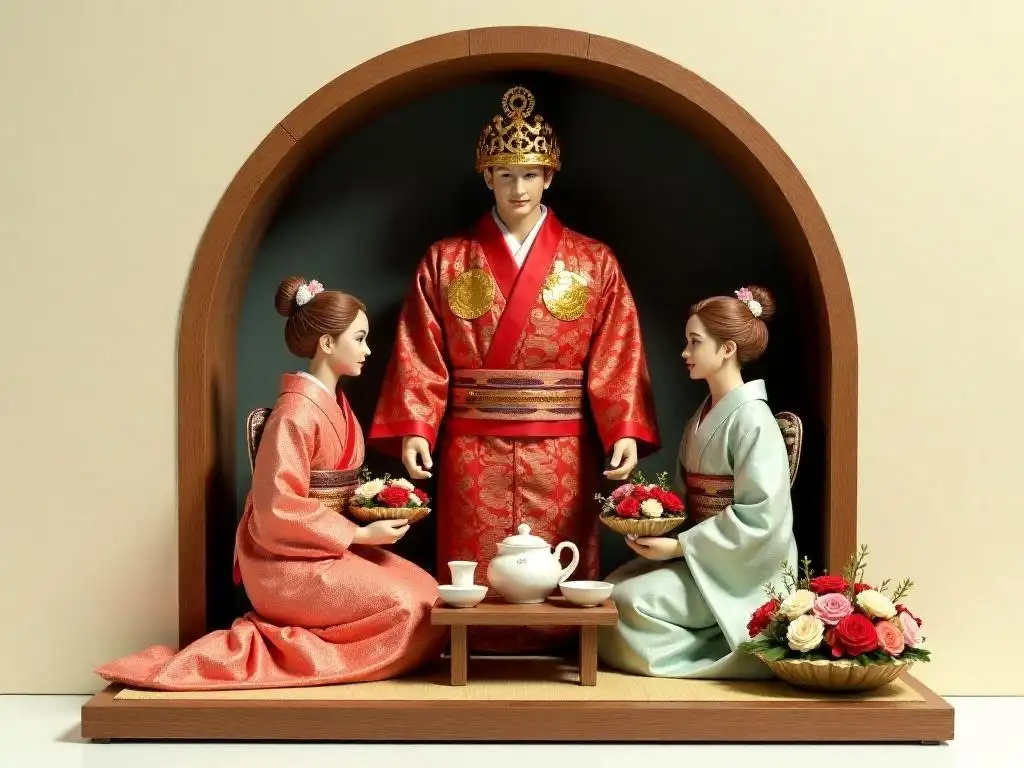
Tea ceremonies in feudal Japan transcended mere social gatherings; they were profound rituals that solidified the existing class structures while simultaneously fostering a unique cultural identity. The meticulous practices involved in the tea ceremony reflected the stratified nature of Japanese society, where each participant's status influenced not only their role but also their experience within the ceremony. The shaping of social dynamics through these gatherings offered insights into the interplay of power, respect, and cultural appreciation.
Even today, the influence of these traditions can be observed in modern Japanese society, where the tea ceremony continues to serve as a symbol of hospitality and respect, echoing the hierarchical nuances of its feudal roots. The careful choreography of serving and receiving tea encapsulates ideals of humility, gratitude, and the importance of social etiquette, which remain integral to Japanese culture.
Modern Reflections of Feudal Hierarchies in Contemporary Tea Practices
Contemporary tea practices in Japan still reflect remnants of feudal hierarchies, albeit in a more subtle and redefined manner. While modern tea ceremonies may not strictly adhere to the class divisions of the past, the essential principles of respect, formality, and social order persist. In many modern tea houses, the roles of the host and guest continue to be deeply respected, with rituals designed to maintain a sense of dignity and honor.
Additionally, variations of tea ceremonies have emerged that cater to specific social groups, mirroring the exclusivity of feudal times. For instance, prestigious tea schools still train practitioners in the traditional methods and philosophies of tea, often attracting individuals from higher social strata, thus perpetuating a form of social stratification. The blending of modernity with tradition reveals how these historical hierarchies have adapted yet remain ingrained in the cultural fabric of Japan.
The Ongoing Legacy of Tea Ceremonies in Japanese Culture
The legacy of tea ceremonies in Japan is profound and enduring, influencing various facets of cultural expression beyond the ceremony itself. The aesthetics of the tea room, the art of tea preparation, and the philosophy behind the practice all contribute to a rich tapestry of Japanese culture that values simplicity, beauty, and mindfulness. This ongoing legacy can also be seen in art forms such as pottery, calligraphy, and flower arranging, which are often featured in tea ceremonies and continue to thrive in contemporary Japan.
Moreover, the tea ceremony has become a vehicle for cultural diplomacy, with international interest in this tradition fostering cross-cultural exchanges. As people across the globe engage with the art of the Japanese tea ceremony, they not only learn about the ritual itself but also gain insight into the broader social and historical contexts from which it originates. This enduring interest ensures that the tea ceremony remains a vital part of Japan's cultural identity.
To gain a deeper understanding of tea ceremonies and their relationship with social hierarchy in feudal Japan, various resources offer valuable insights. These materials delve into the historical context, philosophical underpinnings, and cultural significance of tea practices, providing a comprehensive view of their evolution.
Recommended Resources and Literature on Tea Ceremonies
- "The Book of Tea" by Okakura Kakuzō: This classic text explores the philosophy and aesthetics of the tea ceremony, revealing its deeper cultural implications.
- "The Tea Ceremony: The History of a Japanese Art" by T. M. H. Oda: An in-depth examination of the tea ceremony's historical development and its ties to Japanese society.
- "Zen and the Art of Tea" by John M. Koller: This book connects Zen principles to the practice of tea ceremonies, highlighting the spiritual aspects that permeate the ritual.
Related Articles on Feudal Japan's Cultural History
- "The Role of Ritual in Feudal Japan": An exploration of various rituals and their significance in maintaining social order during the feudal period.
- "Cultural Exchanges: The Influence of Chinese Tea Culture on Japan": A study of how Chinese tea practices shaped Japanese tea ceremonies and their hierarchical structures.
- "Women in Feudal Japan: The Unseen Influencers of Tea Culture": An article focusing on the role of women in the tea ceremony and how they navigated social hierarchies.
- Understanding Tea Ceremonies in Feudal Japan
- The Hierarchical Structure of Feudal Japan
- Tea Ceremonies and Their Connection to Status
- Key Elements of Tea Ceremonies in Feudal Japan
- The Evolution of Tea Ceremonies and Their Hierarchical Implications
- Changes in Tea Ceremony Practices Over Time
- The Impact of Zen Buddhism on Tea Ceremonies and Social Hierarchy
- Case Studies: Notable Figures and Their Tea Ceremonies
- Conclusion: The Lasting Impact of Tea Ceremonies on Japanese Society
- Modern Reflections of Feudal Hierarchies in Contemporary Tea Practices
- The Ongoing Legacy of Tea Ceremonies in Japanese Culture
- Further Reading: Exploring the Depths of Tea Ceremonies and Social Hierarchy in Feudal Japan
Frequently Asked Questions
What was the significance of tea ceremonies in feudal Japan?
Tea ceremonies in feudal Japan were more than just social rituals; they emphasized class distinctions and cultural refinement, reflecting the social hierarchy of the time.
The social hierarchy dictated who could participate in tea ceremonies, with samurai and nobility often enjoying more elaborate rituals, reinforcing their status and power in society.
Were tea ceremonies exclusive to the elite?
While initially associated with the elite class, over time, tea ceremonies became more inclusive, yet they still maintained elements that highlighted class differences and refinement.
What role did tea play in the broader culture of feudal Japan?
Tea was not just a drink; it represented a cultural practice that promoted aesthetic appreciation, discipline, and the values of Zen Buddhism, deeply influencing social interactions.
How did tea ceremonies evolve during the feudal era?
Tea ceremonies transformed from simple gatherings to elaborate events, reflecting the changing nature of Japanese society and its class structures, with an increased focus on aesthetic and philosophical elements.
Final Reflection: The Enduring Legacy of Tea Ceremonies in Feudal Japan
The intricate social hierarchy of tea ceremonies in feudal Japan not only reflects the cultural values of its time but also resonates with contemporary discussions about class and status. Today, as we navigate a world still grappling with issues of inequality, the rituals surrounding tea ceremonies serve as a poignant reminder of how social structures can shape our interactions and perceptions. The elegance and discipline inherent in these ceremonies highlight the delicate balance between tradition and modernity, urging us to reconsider our own societal norms.
The influence of tea ceremonies extends beyond mere tradition; they have become a lens through which we can examine the ongoing dynamics of power and privilege. In a world where social stratification persists, the lessons drawn from the tea ceremonies of feudal Japan encourage us to reflect on our own roles within these hierarchies. As philosopher Daisaku Ikeda once said, "> The true purpose of culture is to foster a sense of community and belonging." This sentiment underscores the importance of understanding our past to cultivate a more equitable future.
As we conclude our exploration of tea ceremonies and their hierarchical implications, I invite you to reflect on your own experiences with social structures. Consider how you can engage with the lessons of humility, respect, and community that these ceremonies embody. Let us strive to create spaces where every individual feels valued, transcending the boundaries of class and status, much like the serene moments shared over a cup of tea in feudal Japan. Embrace the opportunity to learn from history and apply its wisdom to foster inclusivity in our modern lives.
Unveil the Secrets of Tea Ceremonies!
Thank you for taking the time to explore the intricate world of tea ceremonies in feudal Japan! Your interest in this rich cultural practice highlights the importance of understanding class and status throughout history. Now that you’ve gained insights into the social hierarchy behind these ceremonies, it’s time to take action and deepen your connection to this fascinating topic.
Here are some engaging steps you can take next:
- Join a local tea ceremony to experience the essence of tradition firsthand—immerse yourself in the artistry and camaraderie that these gatherings offer.
- Share your newfound knowledge with friends or family by hosting your own mini tea ceremony. This experience can spark meaningful conversations about cultural practices and their significance.
- Explore more extensive reading materials or documentaries focused on the social structures of feudal Japan to broaden your understanding.
What aspect of tea ceremonies most intrigues you, and how do you see it reflecting the broader cultural dynamics of feudal Japan?