
The Impact of Samurai Culture on Traditional Japanese Theater

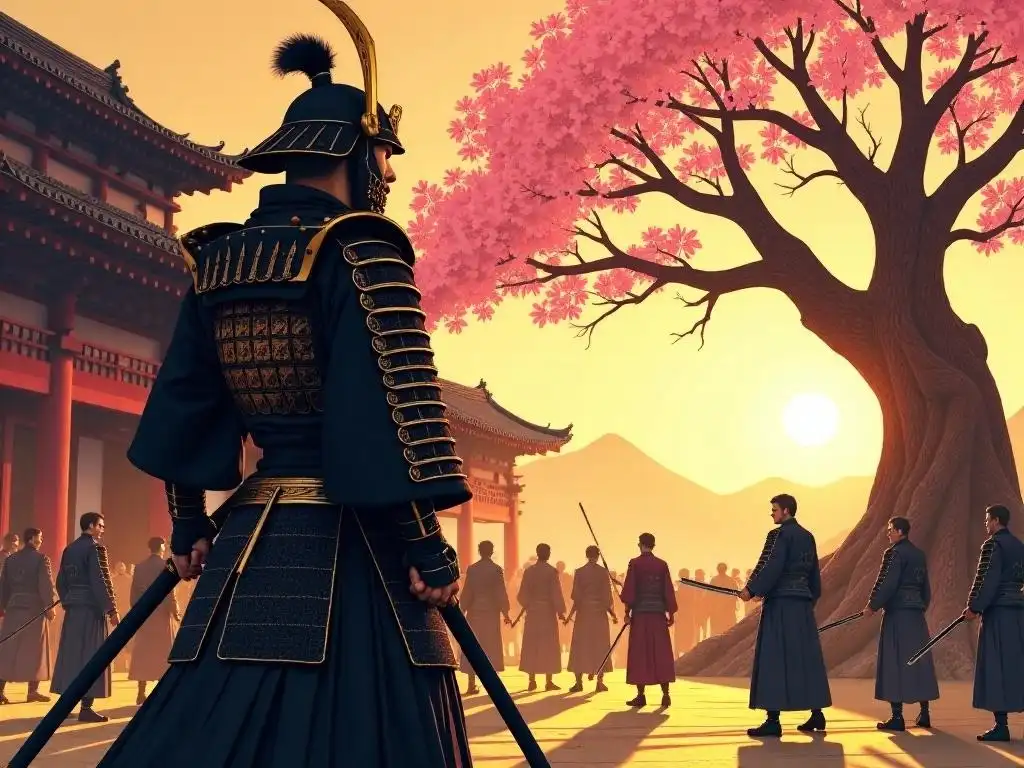
Welcome to Feudal Japan History, where we invite you to embark on an intriguing journey through the captivating world of Japan’s feudal era. Our exploration delves deep into the rich tapestry of historical, cultural, and societal aspects that shaped this remarkable period. In our featured article, we uncover the profound influence of the samurai on traditional Japanese theater—a connection that intertwines valor, artistry, and legacy.
Prepare to be fascinated as we reveal how these noble warriors not only fought on the battlefield but also left an indelible mark on the stage. Join us as we unlock the secrets of this fascinating era and its enduring impact on Japanese culture!
Introduction to Samurai Influence on Japanese Theater
The samurai, a class synonymous with honor, discipline, and martial prowess, played a pivotal role in shaping various facets of Japanese culture, including its rich theatrical traditions. During Japan's feudal era, the interplay between samurai values and the performing arts gave rise to a unique cultural expression that is still appreciated today.
This article delves into the profound samurai influence on Japanese theater, exploring how their ethos, aesthetics, and societal roles permeated the world of performance. By examining the cultural, historical, and societal elements intertwined with the samurai's legacy, we can better understand the enduring impact of this warrior class on traditional Japanese theater.
Historical Context of Samurai and Theater
The relationship between samurai and theater is not merely incidental; it is rooted in the very fabric of Japan's feudal society. To comprehend this connection fully, we must first explore the origins of Japanese theater and the specific role that samurai played during this transformative period.
Origins of Japanese Theater
Japanese theater has a long and diverse history, evolving through various forms and styles. The earliest performances can be traced back to ancient rituals and religious ceremonies. Over time, these evolved into distinct theatrical traditions, such as:
- Noh: A classical form of musical drama that combines elements of dance, music, and poetry, often reflecting themes of spirituality and the supernatural.
- Kabuki: A more flamboyant and dynamic style that emerged in the early 17th century, characterized by exaggerated movements and elaborate costumes.
- Bunraku: A form of puppet theater that integrates storytelling with intricately crafted puppets, accompanied by live narration and music.
Each of these theatrical forms not only entertained audiences but also served as a platform for conveying cultural values and societal norms, many of which were heavily influenced by the samurai class.
The Role of Samurai in the Feudal Era
During the feudal era, samurai were not just warriors; they were also patrons and participants in the arts, shaping the cultural landscape of their time. Key aspects of their involvement included:
- Patronage: Many samurai lords supported theater troupes, commissioning performances that reflected their values and ideals. This financial backing allowed theatrical forms like Noh and Kabuki to flourish.
- Themes of Honor and Loyalty: Samurai ideals of bushido (the way of the warrior) permeated the narratives of Japanese theater. Plays often centered around themes of honor, loyalty, and sacrifice, mirroring the samurai's code of conduct.
- Performance Participation: Some samurai even took to the stage themselves, performing in various capacities, which further blurred the lines between the warrior and the artist.
Through these roles, the samurai indelibly influenced the evolution of Japanese theater, embedding their cultural ethos into the very performances that continue to resonate with audiences today.
Key Elements of Samurai Influence on Japanese Theater
The influence of samurai culture on traditional Japanese theater is profound and multifaceted. This impact can be observed in various aspects, including thematic content, stylistic choices, and the socio-political contexts that shaped the narratives. Samurai values, such as honor, loyalty, and the philosophy of bushido (the way of the warrior), permeated the theatrical arts, creating a unique blend of martial ethos and artistic expression.
One key element is the prominent role of samurai figures as central characters in many plays. These portrayals often highlight their struggles, triumphs, and moral dilemmas, providing a reflection of the samurai's complex identity within society. Additionally, the samurai's relationship with their lords and the concept of loyalty are recurrent themes, emphasizing the hierarchical structure that defined feudal Japan.
Moreover, the samurai's patronage of the arts played a critical role in the development and support of various theater forms. Their financial backing not only allowed for the flourishing of theater but also influenced the content and presentation, as playwrights and performers sought to appeal to samurai tastes and sensibilities.
Themes and Narratives Reflecting Samurai Ideals
Thematically, samurai ideals are deeply woven into the fabric of Japanese theater, particularly in the portrayal of honor and sacrifice. Many plays feature samurai who must navigate the challenges of loyalty to their lord while grappling with personal desires and ethical dilemmas. This conflict often serves as a backdrop for tragic narratives, where the samurai's commitment to duty leads to their downfall, reinforcing the notion of honorable death as a noble end.
For instance, in Noh theater, stories such as "Kanadehon Chūshingura" (The Treasury of Loyal Retainers) epitomize the samurai's unwavering loyalty to their lord, showcasing the importance of fidelity even in the face of death. Similarly, in Kabuki, themes of revenge and redemption are prevalent, often featuring samurai who seek to avenge their fallen comrades or restore their family's honor, underscoring the moral complexities of their existence.
These narratives not only reflect the samurai ethos but also resonate with the audience's understanding of justice and virtue, making them timeless tales that continue to captivate modern viewers.
Aesthetic and Stylistic Contributions
The aesthetic contributions of samurai culture to Japanese theater are significant and can be seen in both visual and performative elements. The samurai's strong sense of aesthetics influenced costume design, stage settings, and movement styles within the theater.
In Noh theater, for instance, the use of elaborate costumes that reflect the status and character of samurai is a direct manifestation of their cultural influence. The intricate patterns and quality fabrics symbolize power, while the mask designs convey the emotional depth of the characters. The slow, deliberate movements typical of Noh performances echo the disciplined nature of samurai training, creating a visual representation of their inner strength and calmness.
Kabuki theater, on the other hand, is known for its flamboyant style and dynamic performances. The use of bold colors, exaggerated expressions, and elaborate makeup often represents samurai characters with larger-than-life qualities. The "onnagata" (male actors playing female roles) also frequently embody samurai ideals, showcasing the fluidity of gender roles within the context of honor and loyalty.
Through these aesthetic choices, Japanese theater not only preserves the samurai legacy but also continues to evolve, reflecting contemporary interpretations of samurai culture.
Case Studies of Samurai Influence in Specific Theater Forms
Noh Theater and Samurai Patronage
Noh theater, the oldest form of Japanese theater, is intricately tied to samurai culture, both in its thematic content and patronage. During the Muromachi period (1336-1573), the samurai class became significant patrons of Noh, recognizing its artistic value and its capacity to convey their ideals.
Notable samurai figures, such as Ashikaga Yoshimitsu, a shogun and a key supporter of Noh, helped elevate the art form through funding and participation. The themes in Noh often reflect the samurai's ethos, with many plays centered around historical figures and events that resonate with the samurai code.
The performance style of Noh, characterized by its minimalist staging and slow, deliberate movements, mirrors the discipline and contemplation inherent in samurai training. This connection between the contemplative nature of Noh and the samurai mindset reinforces the cultural significance of this theater form in expressing samurai ideals.
Kabuki Theater and Samurai Representation
Kabuki theater emerged later than Noh and quickly became popular among the masses, including the samurai class. Although Kabuki is often more exuberant and dramatic, it still carries a significant representation of samurai culture, especially in its narratives and character portrayals.
Many Kabuki plays depict samurai as heroic figures facing moral conflicts, often set against the backdrop of historical events. The portrayal of samurai in Kabuki is marked by a blend of realism and stylization, with actors employing exaggerated movements and gestures to convey the intense emotions associated with the samurai experience.
One notable example is the play "Sukeroku," which tells the story of a samurai who navigates love and loyalty, ultimately leading to his tragic fate. This narrative not only entertains but also serves as a commentary on the complexities of samurai life, reflecting the societal values and expectations of the time.
Both Noh and Kabuki theater serve as vital cultural artifacts that encapsulate the samurai's influence on Japanese theater, showcasing the enduring legacy of their ideals and experiences in shaping Japan's artistic landscape.
The Legacy of Samurai Culture in Modern Japanese Theater
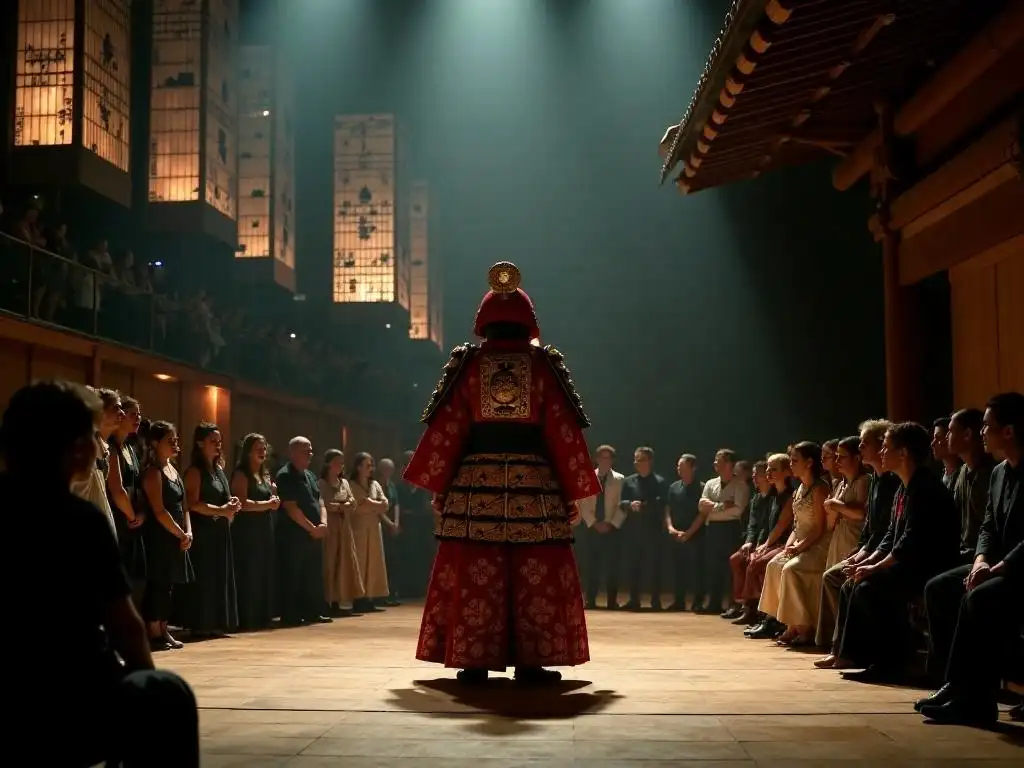
The legacy of samurai culture profoundly influences modern Japanese theater, echoing themes of honor, loyalty, and the warrior ethos that characterized the samurai class. Elements of samurai aesthetics, including their distinctive costumes and the codes of conduct they adhered to, continue to resonate in contemporary performances. The samurai's portrayal as noble yet tragic figures has become a staple in various theatrical forms, including Noh, Kabuki, and even modern adaptations.
In addition to thematic continuities, samurai culture has shaped the very structure of Japanese theater itself. The use of stylized movements, the incorporation of ritualistic elements, and the focus on storytelling through visual spectacle can be traced back to the samurai's influence. These aspects create a unique blend of artistry that captures the essence of the samurai experience, making it relevant even in today’s performances.
Continuing Samurai Influence on Contemporary Performances
Modern theater productions in Japan frequently draw inspiration from samurai history, reinterpreting classic stories and legends that highlight the samurai's values. For instance, contemporary Kabuki plays often revisit tales of famous samurai, adapting their narratives to reflect current societal issues while maintaining the traditional elements that honor the samurai's legacy.
Moreover, various theater companies have begun to experiment with the fusion of samurai culture and modern storytelling techniques. This has led to innovative performances that appeal to younger audiences while preserving the historical context. Techniques such as multimedia presentations, modern choreography, and contemporary dialogue are blended with traditional samurai themes, creating a dynamic theater experience.
Preservation of Samurai Traditions in Theater
Efforts to preserve samurai traditions within theater are evident in numerous cultural initiatives across Japan. Workshops and training programs focused on traditional forms such as Noh and Kabuki emphasize the importance of samurai-inspired techniques and philosophies, ensuring that new generations of performers inherit this rich cultural heritage.
Additionally, festivals and theatrical events often feature performances that celebrate samurai culture, integrating historical narratives with modern interpretations. These events not only serve as entertainment but also as educational platforms, allowing audiences to gain insight into the values and aesthetics that defined the samurai era.
Conclusion: The Enduring Impact of Samurai on Japanese Theater
The enduring impact of samurai culture on Japanese theater is a testament to the powerful narrative and artistic legacy of the samurai class. From the themes of honor and loyalty to the preservation of traditional performance methods, the samurai's influence is woven into the very fabric of contemporary Japanese theater.
As modern performances continue to evolve, the foundational elements established by the samurai will likely remain a significant influence, ensuring that their stories and values resonate with audiences for generations to come. The samurai's legacy not only enriches the cultural landscape of Japan but also serves as a bridge connecting the past with the future of theatrical expression.
- Introduction to Samurai Influence on Japanese Theater
- Historical Context of Samurai and Theater
- Key Elements of Samurai Influence on Japanese Theater
- Case Studies of Samurai Influence in Specific Theater Forms
- The Legacy of Samurai Culture in Modern Japanese Theater
- Continuing Samurai Influence on Contemporary Performances
- Preservation of Samurai Traditions in Theater
- Conclusion: The Enduring Impact of Samurai on Japanese Theater
Frequently Asked Questions
What was the role of Samurai in traditional Japanese theater?
The Samurai played a crucial role in shaping traditional Japanese theater by influencing themes, performances, and the overall aesthetic, often reflecting their values and principles.
How did Samurai culture impact the development of Noh theater?
The Samurai culture significantly influenced Noh theater through its emphasis on discipline, honor, and aesthetics, leading to a more refined and structured performance style that mirrored the warrior ethos.
In what ways did Samurai patronage affect the arts?
Samurai patronage provided essential financial support and legitimacy to the arts, enabling the growth of various theatrical forms and promoting artistic innovation within Japanese culture.
Did Samurai participate in theater performances?
Yes, Samurai occasionally participated in performances, either as actors or as audience members, showcasing their martial skills and engaging with theatrical arts as a form of cultural expression.
How does the Samurai influence manifest in modern Japanese theater?
The Samurai influence continues to resonate in modern Japanese theater through themes of honor, conflict, and loyalty, as well as in the use of traditional techniques that honor the feudal era legacy.
Final Reflection: The Enduring Legacy of Samurai Influence on Japanese Theater
The intricate relationship between samurai culture and traditional Japanese theater is not merely a historical curiosity; it is a living testament to the profound impact of warrior ethos on artistic expression. Today, as we navigate a world increasingly disconnected from its roots, understanding this connection offers us a lens through which we can appreciate the depth and richness of Japanese cultural heritage. The samurai's values of honor, discipline, and aesthetics continue to resonate, reminding us that art is often a reflection of the society from which it emerges.
The influence of samurai culture on Japanese theater has shaped not only performance styles but also the narratives that define the human experience. This cultural interplay has fostered a unique storytelling tradition that emphasizes the complexities of loyalty, sacrifice, and the human condition. As playwright and actor Kōhei Tsukamoto once said, The stage is a mirror reflecting the soul of the samurai, revealing both their strength and vulnerability.
This observation underscores how deeply intertwined these two worlds are, and how they continue to inspire contemporary artists and audiences alike.
As we reflect on the lessons of samurai influence on Japanese theater, let us invite ourselves to explore our own connections to cultural narratives. Consider how the values embodied by the samurai—integrity, resilience, and artistry—can inspire your own life and creative endeavors. Embrace the call to honor your heritage while forging new paths, and remember that every story we tell, whether on stage or in our daily lives, carries the potential to shape our understanding of the world and ourselves.
Unleash Your Inner Performer: Embrace Samurai Culture Today!
Thank you for diving into the fascinating connection between samurai culture and traditional Japanese theater! You've gained valuable insights into how this rich heritage shapes the performing arts. Now, it’s time to take action and explore this cultural legacy further.
Here are some exciting steps you can take:
- Join a local theater group or workshop that focuses on traditional Japanese arts to experience the performance style firsthand.
- Explore samurai literature by reading classic texts that inspired both warriors and performers, enriching your understanding of the cultural interplay.
- Share your insights! Discuss the influence of samurai culture on theater on social media to spark conversation with friends and fellow enthusiasts.
What aspect of samurai culture intrigues you the most, and how do you think it reflects in modern performances? Your thoughts might just inspire others!