
The Rise of Prose: How Novels Transformed Japanese Literature

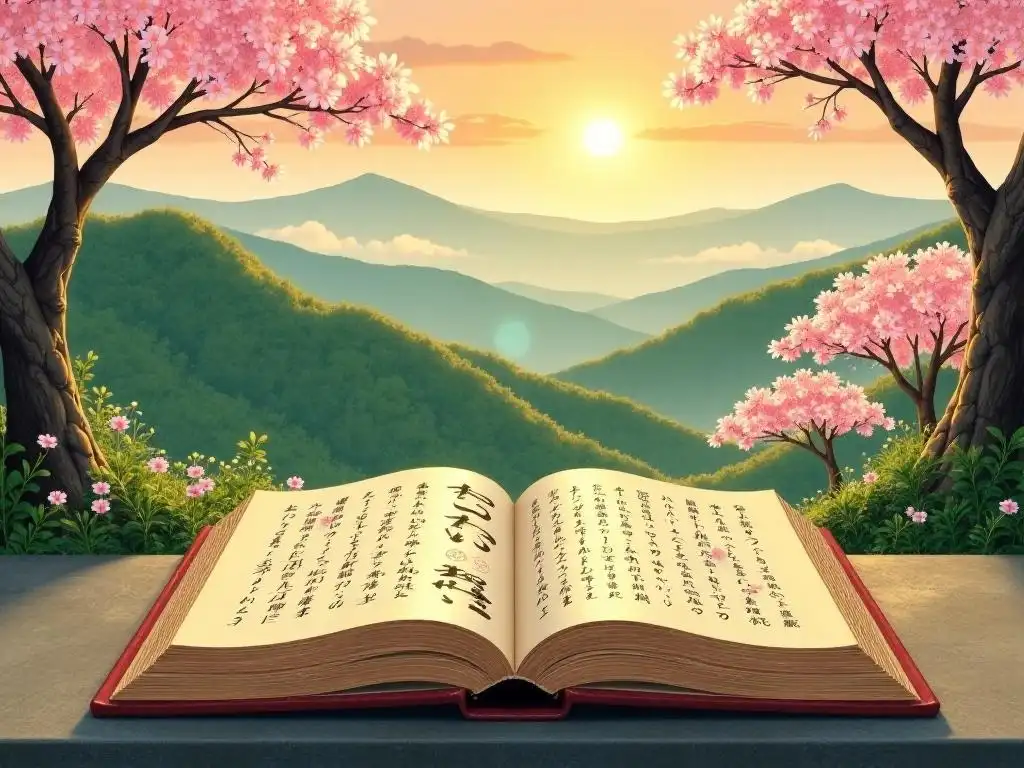
Welcome to Feudal Japan History, where we invite you on an enthralling journey through the intricate tapestry of Japan’s feudal era. Dive deep into the cultural, historical, and societal nuances that shaped this fascinating period. In our featured article, "The Rise of Prose: How Novels Transformed Japanese Literature," discover the profound impact of novels on Japanese literature and how they became a catalyst for change in storytelling. Prepare to unveil the layers of influence that literature has woven into the fabric of Japanese culture—your exploration starts now!
Introduction to the Impact of Novels on Japanese Literature
The evolution of Japanese literature is a rich tapestry interwoven with cultural shifts, societal changes, and artistic expression. Among the most significant transformations occurred during the feudal era, a period marked by the emergence of prose novels that reshaped literary traditions and societal narratives.
The impact of novels on Japanese literature cannot be overstated; these works not only reflected the complexities of the time but also influenced the way stories were told and received. This article delves into how prose novels became a dominant literary form, changing the landscape of Japanese writing and providing insights into the lives and aspirations of the people during the feudal period.
Overview of Japanese Literature in the Feudal Era
Japanese literature during the feudal era, stretching from the late 12th century to the 19th century, was characterized by a rich variety of genres and styles. Initially dominated by poetry and historical chronicles, this period saw a gradual shift towards prose, particularly with the rise of the narrative novel. The following key points summarize the literary landscape of feudal Japan:
- Poetry as the Foundation: Traditional forms like waka and haiku served as the primary means of expression, conveying emotions and aesthetics.
- The Birth of Prose: The late medieval period marked the emergence of prose narratives, often serialized and reflecting everyday life.
- Influence of Religion and Philosophy: Buddhist and Confucian ideologies heavily influenced the themes explored in literature, intertwining moral lessons with storytelling.
- Cultural Exchange: The introduction of foreign ideas and literary forms, particularly from China, enriched the Japanese literary tradition, paving the way for new styles.
The transformation from poetry to prose in Japanese literature not only signifies a shift in artistic expression but also mirrors the changing dynamics of society, politics, and culture during the feudal era. As we explore the profound impact of novels on this rich literary landscape, we will uncover the stories that shaped Japan's cultural identity and the legacy they continue to hold today.
- Introduction to the Impact of Novels on Japanese Literature
- Overview of Japanese Literature in the Feudal Era
- What role did novels play in transforming Japanese literature?
- How did the cultural context influence the development of novels in Japan?
- What are some notable novels from Japan's feudal era?
- How did the printing press impact the spread of novels in Japan?
- In what ways have novels continued to shape modern Japanese literature?
The Origins of Prose in Japan

Early Forms of Japanese Literature
The inception of Japanese literature can be traced back to the 8th century, characterized primarily by poetry. Notable works such as the Manyoshu (万葉集), a collection of over 4,500 poems, reflect the oral traditions and emotive expression prevalent at that time. This anthology not only showcases the poetic forms of the era but also serves as a cultural touchstone, revealing insights into the social and spiritual lives of the Japanese people.
As Japan entered the Heian period (794-1185), a shift began to take shape. The aristocracy started to favor more intricate and personal expressions, leading to the emergence of prose. The Genji Monogatari (源氏物語) or "The Tale of Genji," written by Murasaki Shikibu in the early 11th century, is often heralded as the world's first novel. This work marked a significant departure from traditional poetry, introducing narrative structures that combined character development with intricate plots.
Key Features of Early Japanese Literature:
- Focus on Nature: Early texts often drew heavily from natural imagery.
- Emphasis on Emotion: Poetry was used to convey deep feelings, ranging from love to sorrow.
- Cultural Reflections: Works served as historical documents, encapsulating the sentiments of the era.
The Transition from Poetry to Prose
The transition from poetry to prose in Japan was a gradual evolution, influenced by several societal changes. The rise of the samurai class and the establishment of a more structured government during the Kamakura period (1185-1333) fostered a new cultural landscape where storytelling flourished.
Prose began to be regarded as a medium capable of capturing the complexities of human experience, leading to the development of narrative techniques that allowed for richer storytelling. The Heike Monogatari (平家物語), a narrative account of the Genpei War, is an excellent example of this shift, blending historical fact with fiction to engage the audience deeply.
Factors Influencing the Shift:
- Cultural Exchange: Increased interaction with other cultures, particularly through trade and diplomacy, introduced new storytelling techniques.
- Literacy Growth: As literacy rates rose among the upper classes, prose became more accessible, facilitating its spread.
- Urbanization: The growth of urban centers created new audiences eager for stories that reflected their lives and struggles.
Influence of Chinese Literature on Japanese Novels
The impact of Chinese literature on Japanese prose cannot be overstated. During the Heian period, Chinese literary forms, styles, and philosophies were highly revered in Japan. This influence is evident in the adoption of Chinese characters (kanji) and the incorporation of Chinese literary themes into Japanese narratives.
Notable works, such as The Tale of Genji, showcase the synthesis of Chinese and Japanese literary traditions. The narrative techniques, character archetypes, and even certain thematic elements draw heavily from Chinese models, demonstrating how cross-cultural exchange enriched Japanese literature.
Key Influences from Chinese Literature:
- Narrative Structure: The use of episodic storytelling and layered plots was inspired by classical Chinese narratives.
- Character Development: The idea of complex characters with psychological depth was influenced by Chinese literary traditions.
- Philosophical Themes: Concepts from Confucianism and Buddhism found their way into Japanese prose, shaping the moral and ethical dilemmas faced by characters.
The evolution of prose in Japan marked a pivotal moment in the history of Japanese literature. The transition from poetry to prose, influenced by historical events and cultural exchanges, laid the foundation for the rich tapestry of novels that would emerge in the following centuries, ultimately transforming the literary landscape of Japan. The impact of novels on Japanese literature continues to resonate, reflecting the ongoing dialogue between tradition and innovation.
Key Historical Contexts of Novel Development
The evolution of Japanese literature, particularly the rise of prose and novels, is deeply intertwined with the historical contexts of various periods in Japan. Understanding these contexts allows us to appreciate the profound impact of novels on Japanese literature. In this section, we will explore critical periods that shaped the narrative landscape of Japan, focusing specifically on the Heian Period, the influence of the samurai class, and the social transformations during the Kamakura and Muromachi periods.
The Heian Period: A Golden Age for Japanese Literature
The Heian Period (794-1185) is often regarded as a golden age for Japanese literature, marked by the flourishing of court culture and the emergence of unique literary forms. During this time, the Tale of Genji by Murasaki Shikibu, often considered the world's first novel, was penned. This seminal work not only set the standard for narrative prose but also introduced complex characters and psychological depth, paving the way for future novelists.
- Cultural Flourishing: The Heian court was a hub of artistic and literary activity. The creation of kana (syllabary) allowed more people, particularly women, to write, leading to a rich body of literature.
- Themes and Styles: Heian literature often explored themes of love, nature, and the impermanence of life, reflecting the aesthetics of mono no aware (the pathos of things). The narrative style was characterized by a lyrical and poetic approach, which influenced later prose forms.
The impact of these literary developments was significant, as they established a narrative tradition that emphasized character development and emotional resonance, elements that would become central to Japanese novels in later centuries.
The Role of the Samurai and the Warrior Class in Literary Trends
As Japan transitioned into the Kamakura Period (1185-1333), the rise of the samurai and the warrior class began to influence literary trends significantly. The samurai's values of honor, loyalty, and martial prowess found their way into literature, leading to a new genre that celebrated these ideals.
- Shift in Themes: Samurai literature often revolved around themes of warfare, loyalty, and the code of bushido. Works such as the Heike Monogatari highlighted the transient nature of power and the inevitability of fate, resonating with the samurai ethos.
- Emergence of New Forms: The rise of warrior culture also saw the development of new literary forms, including narrative ballads and historical epics, which served both as entertainment and moral instruction for the warrior class.
The samurai's influence on literature was profound, as their values and experiences became central to the narratives of the time, contributing to the rich tapestry of Japanese prose.
The Kamakura (1185-1333) and Muromachi (1336-1573) periods were characterized by significant social changes that affected literary production. The establishment of the shogunate and the rise of the merchant class brought new dynamics to Japanese society, influencing what was written and how it was received.
- Literary Diversification: With the growth of the merchant class, literature began to diversify. New genres emerged, such as Noh and Kabuki, which incorporated elements of prose into performance, making literature more accessible to the general populace.
- Impact of Buddhism: Buddhist themes became increasingly prevalent, reflecting the spiritual concerns of the time. The Tale of the Heike and Essays in Idleness by Yoshida Kenkō demonstrated the interplay between literature and Buddhist philosophy, focusing on impermanence and the human condition.
These social changes allowed for a richer exploration of diverse human experiences in literature, showcasing the impact of novels on Japanese literature by broadening the scope of narratives and inviting more voices into the literary conversation.
Overall, the historical contexts of the Heian, Kamakura, and Muromachi periods reveal how novels and prose evolved through cultural shifts, societal changes, and the complex interplay of class dynamics, ultimately shaping the trajectory of Japanese literature.
The Proliferation of Novels in the Edo Period
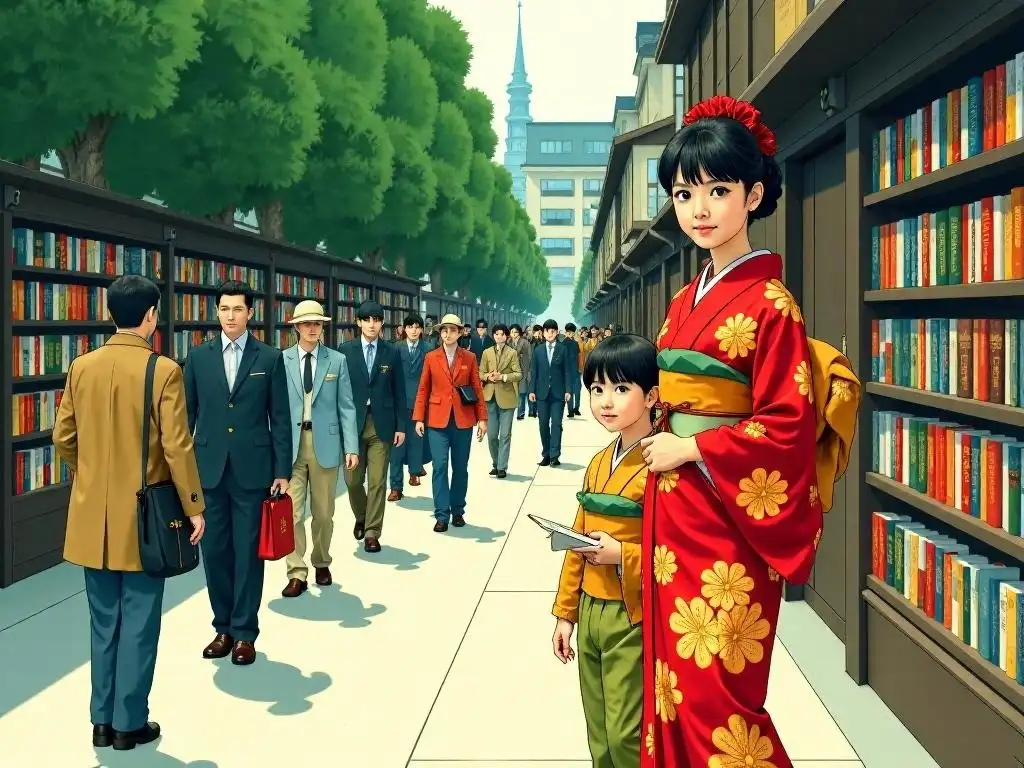
The Edo period (1603-1868) marked a transformative era in Japanese literature, particularly with the proliferation of novels. This period saw a surge in literary production, driven by increased literacy rates, a growing merchant class, and the development of urban centers. The novel emerged as a significant narrative form during this time, reflecting the complexities of society and the lives of ordinary people.
This era is characterized by the rise of ukiyo-zōshi (浮世草子), or "floating world books," which captured the transient pleasures of life in urban Edo (modern-day Tokyo). These novels often featured themes surrounding love, adventure, and the everyday experiences of the common folk, moving away from the classical themes found in earlier literature. The proliferation of novels during the Edo period profoundly influenced Japanese literature, establishing a foundation that would shape subsequent literary traditions.
The Edo period witnessed the birth of some of Japan's earliest novels, with significant contributions from authors such as Asai Ryōi and Ishikawa Takuboku. One of the pivotal works of this time is "The Tale of the Heike" (平家物語), which, while not a novel in the contemporary sense, laid the groundwork for narrative prose and influenced later literary forms.
- Key Works:
- "Shinju Ten no Amijima" by Chikamatsu Monzaemon: Often considered the first modern Japanese play script, this work showcased the intertwining of dramatic and literary prose.
- "The Life of an Amorous Man" by Ihara Saikaku: This novel depicted the escapades of a man immersed in the pleasures of the Edo period, illustrating the era's shifting social dynamics.
- "The Tale of Genji" by Murasaki Shikibu: Although written in the Heian period, its influence permeated into the Edo period, inspiring numerous adaptations and interpretations.
These works not only offered entertainment but also served as social commentary, reflecting the values, struggles, and aspirations of a rapidly changing society.
The Influence of the Merchant Class on Literary Themes
The rise of the merchant class during the Edo period had a significant impact on literary themes and styles. As the economic backbone of society, merchants became prominent figures in literature, leading to the emergence of narratives that focused on their lives, aspirations, and challenges. This shift marked a departure from the samurai-centric themes that dominated earlier literature.
- Key Themes:
- Commercialism and Prosperity: Novels began to explore themes related to wealth, trade, and the pursuit of success, encapsulating the experiences of the burgeoning merchant class.
- Romantic Relationships: The evolving dynamics of relationships, particularly those involving love and desire among the merchant class, became a common subject, often depicted in a more realistic and relatable manner.
- Social Mobility: Literature began to reflect the opportunities for upward mobility available to those outside the traditional samurai class, portraying a society where one's fortunes could change through commerce and trade.
This literary shift not only highlighted the merchants' experiences but also contributed to the broader understanding of social stratification and class dynamics in Edo-period Japan.
How Urbanization Affected the Prose Landscape
Urbanization during the Edo period played a crucial role in shaping the prose landscape of Japanese literature. The growth of cities, particularly Edo, Osaka, and Kyoto, created new cultural hubs that facilitated the exchange of ideas and artistic expressions. This urban environment fostered a unique literary atmosphere that nurtured the novel as a predominant form of storytelling.
- Effects of Urbanization:
- Increased Literacy Rates: As cities expanded, literacy became more widespread, with the establishment of terakoya (temple schools) catering to the education of the merchant class and their children. This influx of literate readers contributed to a growing demand for novels.
- Cultural Exchange: The urban centers became melting pots of culture where diverse influences converged. This intersection of ideas led to innovative narrative techniques and themes that reflected the vibrancy of urban life.
- Theatrical Influence: The popularity of kabuki theater also influenced prose writing, as playwrights and novelists began to share themes, character archetypes, and storytelling techniques, enriching the overall literary landscape.
As a result, the interplay between urbanization and literature during the Edo period not only transformed the novel into a vehicle for exploring contemporary life but also solidified its place as a key component of Japanese cultural heritage.
Major Themes and Styles in Japanese Novels

The evolution of prose during feudal Japan gave rise to distinct themes and styles that shaped Japanese literature profoundly. This transformation was marked by the introduction of novels, which allowed authors to explore a variety of societal issues and individual experiences. By examining major themes and styles in Japanese novels, we can gain a deeper understanding of their impact on Japanese literature.
Exploration of Identity and Society in Japanese Novels
Japanese novels of the feudal era often served as a mirror reflecting the complex interplay between individual identity and societal norms. Authors used their narratives to delve into the psychological and emotional landscapes of their characters, offering insights into the struggles of self-identity amidst rigid social hierarchies.
- Social Class and Status: Novels frequently explored the constraints imposed by social class. Characters navigated their roles within the feudal system, grappling with the expectations tied to their status. For instance, works like The Tale of Genji by Murasaki Shikibu not only depicted court life but also expressed the inner conflicts of individuals striving for personal fulfillment.
- Cultural Identity: This theme often reflected the tension between traditional values and emerging modern ideas. Authors like Natsume Sōseki illustrated this conflict in their works. In Kusamakura, Sōseki captured the clash between the rapidly changing Meiji society and the lingering influences of the Tokugawa period.
- Personal Relationships: The intricacies of personal relationships, including love, loyalty, and betrayal, played a crucial role in these narratives. Novels became a platform for examining how societal pressures shaped individual choices and the consequences that followed.
The impact of female authors and protagonists in Japanese literature cannot be understated. During the feudal era, women began to emerge as significant voices in the literary scene, challenging existing norms and contributing richly to the narrative landscape.
- Female Authors: Writers such as Murasaki Shikibu and Sei Shonagon broke through the male-dominated literary tradition with their innovative storytelling. Their works often featured strong female characters who navigated the complexities of their worlds with intelligence and agency.
- Portrayal of Women: Novels frequently highlighted women's experiences, revealing the intricacies of their lives within a patriarchal society. In The Pillow Book by Sei Shonagon, the author captured the subtleties of court life and female camaraderie, offering readers a unique perspective on women's roles.
- Empowerment through Narrative: The narratives crafted by female authors often served as a means of empowerment. By centering female experiences and perspectives, these novels contributed to a more nuanced understanding of gender dynamics in feudal Japan.
The Impact of Folklore and Mythology on Novel Writing
Folklore and mythology played an instrumental role in shaping the thematic and stylistic elements of Japanese novels. The blending of traditional narratives with novelistic forms enriched the literary landscape and provided a foundation for exploring cultural identity.
- Cultural Heritage: Many authors drew upon Japan's rich folklore, incorporating mythological elements into their narratives. This not only added depth to the stories but also connected readers to their cultural heritage. For example, in works like The Tale of the Heike, historical events are intertwined with legendary figures, creating a tapestry of history and myth.
- Symbolism and Motifs: Folklore contributed various motifs and symbols that enriched the storytelling. Themes such as the supernatural, fate, and moral lessons from traditional tales resonated within novelistic narratives, allowing authors to explore complex ideas through familiar cultural frameworks.
- Narrative Techniques: The techniques used in storytelling were also influenced by folklore. The use of episodic structures, vivid imagery, and character archetypes derived from traditional tales provided a narrative style that engaged readers and conveyed deeper meanings.
Through these themes and styles, Japanese novels not only reflected the complexities of life during feudal Japan but also forged a legacy that would continue to influence literature in the years to come. The impact of novels on Japanese literature remains a vital area of study, as it reveals the dynamic relationship between societal changes and literary expression.
The Transformative Impact of Novels on Japanese Literature
Shaping Literary Trends and Movements
The emergence of novels during the feudal era catalyzed profound changes in Japanese literature, giving rise to several notable literary trends and movements. Prior to the novel's rise, literature in Japan was dominated by poetry, courtly tales, and religious texts. However, the introduction of prose narratives allowed for greater exploration of character development and plot complexity.
One significant trend was the shift from oral to written storytelling. Early Japanese narratives, such as "The Tale of Genji," showcased the potential of prose to convey intricate emotional landscapes and social commentary. This transformation marked the beginning of a new literary paradigm that prioritized individual experience over collective narratives.
Additionally, the proliferation of novels led to the emergence of various genres, including the chūnagon (middle-level novels) and kibyōshi (illustrated books). These genres catered to different social classes and interests, allowing literature to become more accessible to the general populace. The influence of novels also encouraged the development of new narrative techniques, including the use of unreliable narrators and non-linear storytelling, which enriched the literary landscape.
The Influence of Novels on Other Art Forms: Theatre and Visual Arts
The impact of novels on Japanese literature extended beyond the written word, influencing theatre and visual arts during the feudal era. The themes and characters introduced in novels often found their way into Kabuki and Noh theatre, enriching performances with narratives drawn from literary sources. This cross-pollination allowed for a deeper exploration of character motivations and moral dilemmas, as playwrights adapted novelistic themes to suit the stage.
For instance, the Kabuki play "Tōkaidō Yotsuya Kaidan," which draws from popular novels, explores themes of betrayal, revenge, and the supernatural. These adaptations not only made literature more interactive but also broadened the audience's understanding of the narrative’s emotional and ethical implications.
Furthermore, the visual arts also reflected the influence of novels. Artists began to create ukiyo-e woodblock prints that depicted scenes from popular novels, thus bridging the gap between literature and visual storytelling. These prints served as a medium to popularize literary works, making them accessible to a wider audience and solidifying the cultural significance of novels within Japanese society.
Long-term Effects of Novel Proliferation on Modern Japanese Literature
The proliferation of novels during the feudal era laid the groundwork for modern Japanese literature, with its effects still resonating today. As novels became a staple of Japanese culture, they influenced the evolution of literary styles and themes that characterize contemporary works.
One of the most significant long-term effects is the diversification of narrative voices. The exploration of individual perspectives in feudal novels has paved the way for modern authors to delve into complex psychological portraits. This trend can be observed in the works of authors like Haruki Murakami, whose narratives often reflect the inner thoughts and struggles of their characters, echoing the depth found in earlier prose.
Moreover, the fusion of genres that began in the feudal era continues to thrive in modern literature. Writers now frequently blend elements of fiction, non-fiction, and even poetry, creating rich tapestries of storytelling that engage readers in innovative ways. The legacy of the novel's impact on Japanese literature is evident in the ongoing experimentation with form and content, ensuring that the art of storytelling remains dynamic and relevant.
The transformative impact of novels on Japanese literature is both profound and enduring, shaping not only literary trends and movements but also influencing various art forms and establishing a foundation for modern literary practices. This evolution underscores the crucial role that novels played in the cultural history of Japan, marking a significant turning point in the nation's literary journey.
Conclusion: The Lasting Legacy of Novels in Japanese Literature
The evolution of Japanese literature during the feudal era marked a transformative period in which novels played a pivotal role in shaping cultural narratives and societal values. The impact of novels on Japanese literature is profound, as they not only introduced new storytelling techniques and themes but also reflected and influenced the social dynamics of their time. As we reflect on this legacy, it becomes evident that the novels of the feudal era have laid the groundwork for contemporary Japanese literature, continually informing the works of modern authors.
Reflections on the Evolution of Japanese Literary Styles
The emergence of prose fiction in Japan can be traced back to the Heian period, but it was during the feudal era that novels began to flourish. This period saw the rise of renowned works such as The Tale of Genji and The Tale of Heike, which showcased complex characters and intricate plots. The shift from poetry to prose marked a significant evolution in literary styles, allowing for deeper exploration of human emotions and social issues.
- Narrative Complexity: Novels introduced multi-layered narratives that allowed for character development and thematic exploration. This complexity paved the way for future literary innovations.
- Cultural Reflection: Novels served as mirrors to society, capturing the essence of the samurai ethos, the role of women, and the nuances of class dynamics. They provided insights into the values and struggles of the time.
- Language and Style: The use of vernacular language in novels democratized literature, making it accessible to a broader audience. This shift helped standardize the Japanese language and influenced the development of modern writing styles.
The Continuing Influence of Feudal Era Novels Today
The novels of feudal Japan have not only shaped the literary landscape of their time but also continue to resonate in contemporary literature. The themes, character archetypes, and narrative techniques established during this era can be seen in modern Japanese novels and beyond.
- Cultural Relevance: Many modern authors draw inspiration from the themes of honor, loyalty, and love depicted in feudal novels. These themes remain relevant today, resonating with readers across cultures.
- Literary Techniques: The narrative styles introduced in feudal novels, such as stream of consciousness and unreliable narrators, have influenced contemporary storytelling methods, encouraging writers to experiment with form and structure.
- Adaptations and Translations: Feudal era novels have been adapted into various media, including film, theater, and manga. These adaptations keep the stories alive and introduce them to new generations, ensuring their relevance.
References and Further Reading on Japanese Literature and Novels
For those interested in delving deeper into the impact of novels on Japanese literature, the following resources provide valuable insights:
- Books:
- The Tale of Genji by Murasaki Shikibu – A foundational work of Japanese literature, often considered the world's first novel.
- The Tale of Heike – An epic account of the Genpei War, highlighting the transient nature of life and the samurai code.
- Japanese Literature: An Introduction for Western Readers by Donald Keene – Offers a comprehensive overview of Japanese literary history.
- Articles:
- "The Shift from Poetry to Prose in Japanese Literature" – An exploration of the literary transition that paved the way for novel writing.
- "Cultural Reflections in Feudal Japanese Novels" – Discusses how literature mirrored societal norms and values during the feudal era.
By understanding the rich history of novels in feudal Japan, we can appreciate their lasting influence on literature and culture, as well as their role in shaping the identity of modern Japan.
Frequently Asked Questions
What role did novels play in transforming Japanese literature?
Novels introduced new narrative styles and themes that diverged from traditional poetry, allowing for more complex character development and storytelling techniques.
How did the cultural context influence the development of novels in Japan?
The cultural context, including the feudal system and the rise of the merchant class, created a demand for literature that reflected the changing societal norms and aspirations of the time.
What are some notable novels from Japan's feudal era?
Key works such as "The Tale of Genji" and "The Tale of Heike" are often cited as foundational texts that paved the way for the growth of the novel as a literary form in Japan.
How did the printing press impact the spread of novels in Japan?
The introduction of the printing press facilitated the mass production of novels, increasing accessibility and allowing a broader audience to engage with literature, thus influencing public literacy rates.
In what ways have novels continued to shape modern Japanese literature?
Modern Japanese literature still reflects the innovative narrative techniques and thematic explorations that originated in early novels, continuing to evolve while maintaining a connection to historical roots.
Final Reflection: The Transformative Power of Novels in Japanese Literature
The impact of novels on Japanese literature is undeniable, shaping not only the narrative forms but also the cultural identity of a nation. As we explore the evolution of prose in Japan, it becomes clear that the rise of the novel has redefined storytelling, offering new avenues for expression and reflection. This transformation is not just a historical footnote; it resonates deeply in contemporary literature and continues to influence writers and readers alike.
Creative expression through novels has woven itself into the fabric of Japanese culture, allowing voices that were once marginalized to emerge and flourish. The novel has become a powerful medium for exploring complex themes such as identity, societal change, and emotional depth. As Haruki Murakami aptly puts it, The most important thing we learn at school is the fact that the most important things can't be learned at school.
This sentiment underscores the idea that literature, particularly novels, serves as a vital source of knowledge and understanding that transcends traditional education, shaping our perceptions and experiences.
As we reflect on the profound impact of novels on Japanese literature, I invite you to consider how this art form can inspire your own life. Take a moment to explore the novels that resonate with you, allowing their narratives to challenge your perspectives and broaden your understanding of the world. In doing so, you not only honor the legacy of Japanese literature but also empower yourself to engage with the stories that shape our collective human experience. Embrace the transformative power of prose, and let it guide you on your journey of discovery and reflection.
Unleash Your Inner Storyteller: Dive into Japanese Literature!
Thank you for exploring the captivating transformation of Japanese literature with us! You've journeyed through the rise of prose and discovered how novels have reshaped cultural narratives. Now, let's keep that inspiration flowing and take actionable steps to deepen your connection with this rich literary tradition.
- Join a local or online book club focused on Japanese literature to share insights and experience the joy of reading with fellow enthusiasts.
- Explore a classic Japanese novel that intrigues you; consider starting with works by celebrated authors like **Yukio Mishima** or **Haruki Murakami**.
- Create your own short story or poem inspired by the themes you’ve encountered, and share it with friends or on social media to spark meaningful conversations.
What story element from Japanese literature resonates most with you, and how do you think it reflects the complexities of human experience?