
The Role of Color in Edo Art: Symbolism and Aesthetics

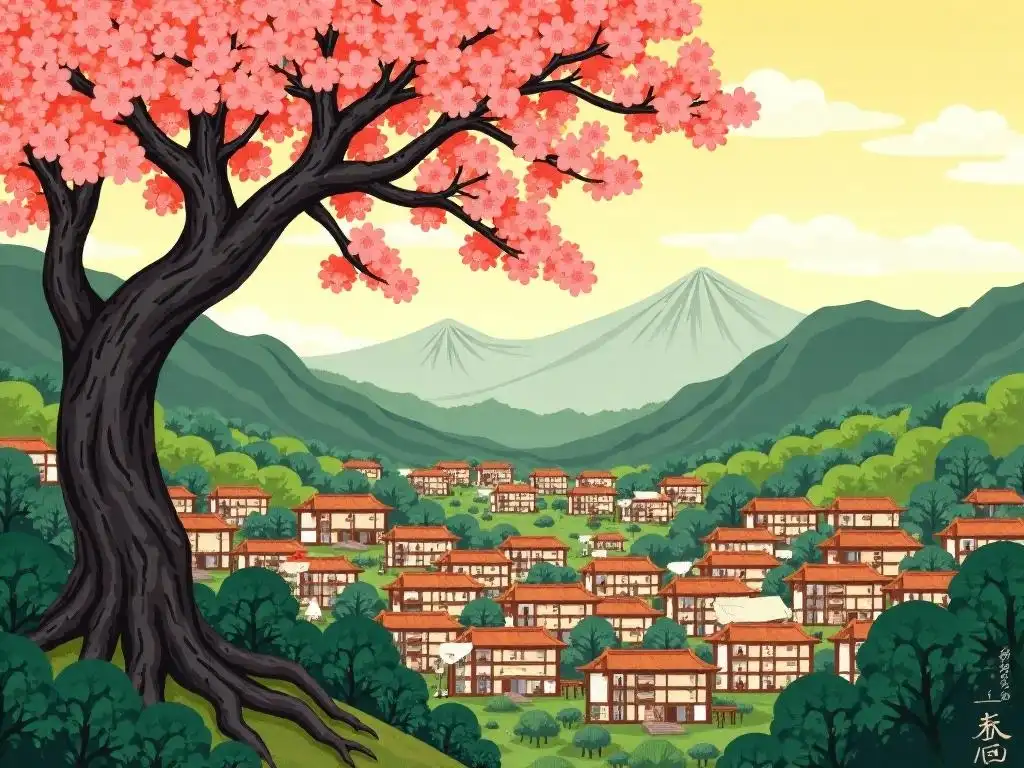
Welcome to Feudal Japan History, where we invite you to embark on a captivating journey through the rich tapestry of Japan's feudal era. In our latest exploration, "The Role of Color in Edo Art: Symbolism and Aesthetics," we unravel the intricate layers of Edo period art symbolism, revealing how vibrant hues and delicate brushstrokes conveyed profound meanings and cultural narratives.
As you delve deeper into this fascinating topic, prepare to uncover the hidden stories behind these masterpieces and discover how color shaped not just art, but the very essence of society during this transformative period. Join us in this artistic odyssey and let the colors of history come alive!
The Edo period (1603-1868) marks a significant chapter in Japan's cultural history, characterized by the flourishing of art and aesthetics that reflect the complexities of society during this time. One of the most fascinating aspects of Edo period art is the intentional use of color, which served not only as a medium for visual appeal but also as a rich language of symbolism. Artists and craftsmen of this era employed color to convey deeper meanings, social status, and emotional nuances, making it an integral part of their artistic expression.
In this article, we will delve into the multifaceted role of color in Edo art, exploring how various hues and tones were imbued with symbolism and aesthetic significance. From the vibrant prints of ukiyo-e to the delicate ceramics, each color choice carried implications that revealed much about the cultural and societal context of the time. This exploration will not only enhance our understanding of Edo period art symbolism but also provide insights into the broader cultural currents that shaped Japan during this transformative era.
Join us as we uncover the layers of meaning behind the colors that adorned the artworks of Edo, illustrating how they contributed to the visual narrative of a society in transition.
- Understanding Edo Period Art Symbolism
- Key Color Symbolism in Edo Period Art
- The Aesthetic Principles of Edo Art
- Techniques and Materials Influencing Color in Edo Art
- Cultural Context of Color in Edo Society
- Case Studies: Iconic Edo Artworks and Their Color Symbolism
- Conclusion: The Lasting Impact of Color Symbolism in Edo Art
-
Frequently Asked Questions
- What is the significance of color in Edo period art?
- How did artists in the Edo period use color to convey messages?
- What are some common color symbols in Edo period art?
- How did the societal context influence color choices in Edo period art?
- Are there specific examples of Edo period artworks that illustrate color symbolism?
- Final Reflection: The Enduring Power of Color in Edo Art
- Unlock the Vibrance of Edo Art Today!
Understanding Edo Period Art Symbolism
Overview of the Edo Period in Japan
The Edo period, spanning from 1603 to 1868, was a transformative era in Japan marked by relative peace, political stability, and isolation from foreign influence under the Tokugawa shogunate. This period saw the flourishing of urban culture, particularly in cities like Edo (modern-day Tokyo), Kyoto, and Osaka. The population grew significantly, leading to a vibrant merchant class that patronized the arts, which included literature, theater, and, notably, visual arts.
During this time, traditional art forms evolved, and new styles emerged. Ukiyo-e, or "pictures of the floating world," became one of the most recognized forms of art from this era, characterized by woodblock prints that depicted landscapes, kabuki actors, and scenes of everyday life. The Edo period was essential not only for its artistic developments but also for its cultural shifts, as it laid the groundwork for modern Japanese identity.
Importance of Color in Japanese Art
Color played a pivotal role in Edo period art, serving not only as a medium of aesthetic expression but also as a vehicle for conveying deeper meanings and cultural narratives. The use of specific colors was often tied to symbolism, where each hue could evoke particular emotions or represent various concepts. For example, red might symbolize happiness or good fortune, while black could indicate elegance or formality.
Artists utilized a wide range of colors derived from natural pigments, and the invention of new dyeing techniques allowed for more vibrant and varied palettes. The introduction of synthetic dyes later in the period expanded the array of colors available to artists, enhancing the depth of their work.
In addition to aesthetic appeal, colors were often employed to reflect social hierarchies and cultural beliefs. For instance, certain colors were reserved for specific classes or occasions, reinforcing societal norms through visual representation.
Definition of Symbolism in Edo Art
Symbolism in Edo period art refers to the nuanced use of imagery and color to convey messages, emotions, and cultural values. Artists often embedded layers of meaning within their works, allowing viewers to interpret their significance based on personal and collective experiences.
For example, the depiction of cherry blossoms in Edo art transcends mere flower representation; it symbolizes the transient nature of life, reflecting the concept of "mono no aware," or the beauty of fleeting moments. Similarly, the color white might symbolize purity and simplicity, while blue could evoke calmness or serenity.
The interplay of symbolism and color in Edo period art reflects the broader societal attitudes of the time. Artists not only aimed to beautify but to communicate complex ideas and emotions that resonate with viewers on multiple levels. This rich symbolic language continues to influence contemporary interpretations of Japanese culture and aesthetics.
Key Color Symbolism in Edo Period Art
The Edo period, spanning from 1603 to 1868, was a time of immense cultural flourishing in Japan, with art playing a pivotal role in reflecting societal values and beliefs. Color in Edo period art is not merely decorative but is imbued with rich symbolism that conveys deeper meanings about power, nature, and emotions. Understanding these colors can provide a more profound appreciation for the artworks of this era.
Red: Power and Protection
Red is a dominant color in Edo period art, symbolizing a range of concepts, from power to protection. This color often represented vitality and life force, making it a popular choice for depicting warriors, deities, and auspicious symbols.
- Symbol of Power: In many ukiyo-e prints, red is used to portray figures of authority, such as samurai and shoguns. The vibrancy of red evokes a sense of strength and dominance, reinforcing the status of these figures within society.
- Protection Against Evil: Red also served a protective purpose. Amulets and talismans often featured red hues, as it was believed to ward off evil spirits. In artworks, red accents were strategically placed to symbolize this protective nature.
- Cultural Significance: During festivals and celebrations, red would dominate decorations, signifying joy and the hope for prosperity. The use of red during New Year celebrations and weddings further emphasizes its importance in Edo culture.
Blue: Tranquility and Depth
Blue in Edo period art conveys tranquility and depth, often representing the vastness of the sea and sky. This color reflects both serenity and a sense of contemplation.
- Symbol of Nature: Artists frequently used blue to depict landscapes, particularly in seascapes and skyscapes. The use of varying shades of blue not only captured the beauty of nature but also conveyed a feeling of calmness, inviting viewers to immerse themselves in the artwork.
- Emotional Resonance: Blue can evoke feelings of nostalgia and introspection, adding layers of emotional depth to the artwork. For instance, the famous woodblock prints of Hokusai often feature striking blue waves, inviting viewers to reflect on the power and unpredictability of nature.
- Cultural Associations: The use of blue also found its way into textiles and clothing during the Edo period, symbolizing peace and harmony. It was commonly associated with the merchant class, who valued the elegance and sophistication that blue conveyed.
Green: Nature and Fertility
Green is another significant color in Edo period art, representing nature, fertility, and renewal. It is often linked to the agricultural aspects of life, reflecting the bountiful harvests and the importance of nature in Japanese culture.
- Symbol of Fertility: In agricultural scenes, green signifies growth and abundance. Artists depicted lush landscapes filled with rice fields and forests, emphasizing the importance of nature in sustaining life and providing for the community.
- Connection to the Seasons: Green is particularly prominent in spring-themed artworks, celebrating the beauty of cherry blossoms and fresh foliage. This seasonal connection underscores the Japanese appreciation for the transient beauty of nature.
- Cultural Context: Green hues were also popular in decorative arts and crafts, symbolizing freshness and vitality. The color was frequently used in textiles and ceramics, reflecting a harmonious relationship with nature.
The colors utilized in Edo period art are rich with symbolism, each carrying distinct meanings that resonate with the cultural, societal, and emotional landscapes of the time. Understanding the significance of colors like red, blue, and green enhances our appreciation of Edo period art and its reflection of the human experience.
Yellow: Wealth and Prosperity
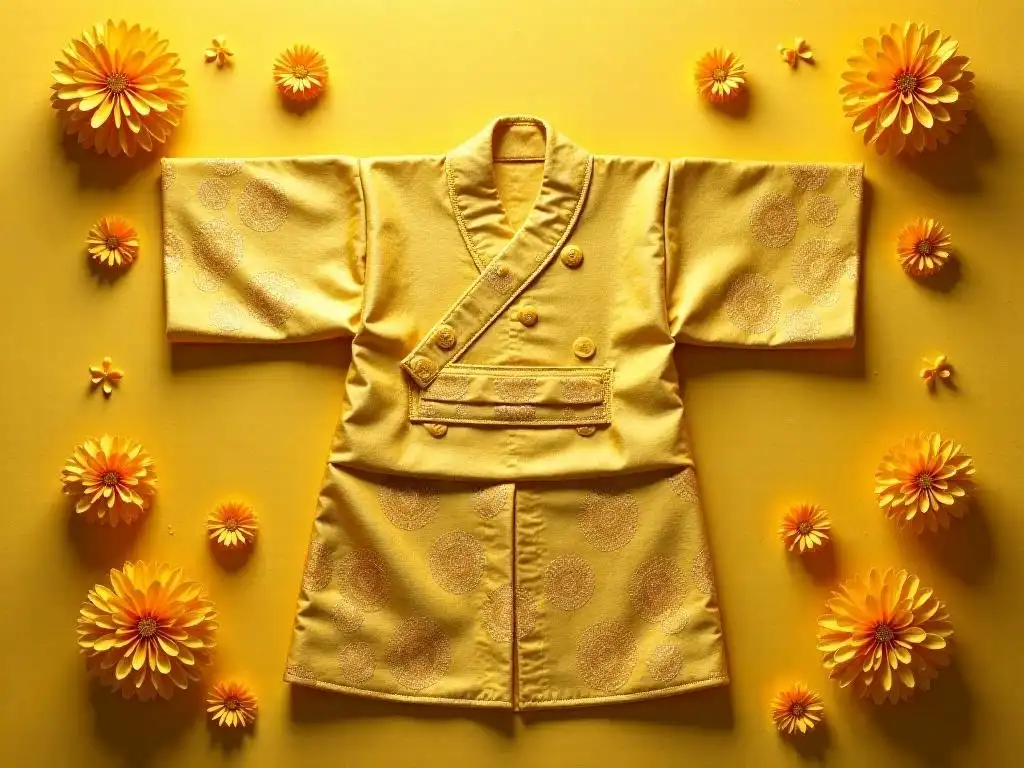
In the vibrant palette of Edo period art, yellow stands out as a color deeply intertwined with the themes of wealth and prosperity. This hue was often associated with the sun, symbolizing vitality and abundance. In ukiyo-e prints, yellow was frequently used to depict luxurious garments, gold leaf embellishments, and ornate decorations, thereby conveying a sense of affluence and status.
The use of yellow in art also had a cultural significance. For instance, during the Edo period, the emerging merchant class sought to display their wealth through art, and yellow became a favored choice in this pursuit. It was believed that the brighter the yellow, the greater the prosperity it signified. Artists would often utilize varying shades of yellow to create depth and richness in their compositions, enhancing the overall aesthetic appeal while reinforcing the notion of success and material gain.
Furthermore, yellow was sometimes employed in religious contexts, representing the divine light and blessings associated with prosperity. Temples and shrines would incorporate this color in their decorations, reinforcing the connection between spiritual and material wealth. Thus, in both secular and sacred art, yellow encapsulated a multifaceted symbolism that resonated with the aspirations of Edo society.
Black: Elegance and Mystery
Black occupies a unique space in the color spectrum of Edo period art, embodying both elegance and mystery. It is a color that evokes depth and sophistication, often used to create contrast and highlight other vibrant colors in a composition. In the context of Edo art, black was not merely a backdrop but a powerful symbol that enhanced the narrative and emotional weight of the artwork.
The use of black in clothing, particularly in the attire of the samurai class, signified authority and refinement. It was a color that conveyed strength and dignity, making it a popular choice in portraits and depictions of nobility. The interplay of black with other colors created a sense of drama, often drawing the viewer's attention to the central figures or motifs within the artwork.
Additionally, black also carried connotations of mystery and the unknown. In many ukiyo-e prints, the use of black can suggest hidden depths or emotions, inviting contemplation and interpretation. This duality of black—its capacity to symbolize elegance while simultaneously evoking mystery—made it an essential element in the artistic dialogue of the Edo period, allowing artists to explore complex themes within their work.
White: Purity and Simplicity
White is a color that resonates with notions of purity and simplicity, playing a significant role in the aesthetic expressions of Edo period art. Often associated with cleanliness and clarity, white was utilized to evoke a sense of tranquility and peace in various artworks. This color was frequently featured in landscapes, where the use of white could represent snow, clouds, or the ethereal qualities of nature.
In the cultural context of the Edo period, white also held religious significance. It was commonly used in Shinto rites and Buddhist practices, symbolizing purity and the sacred. Artists would incorporate white elements in their works to reflect the spiritual aspirations of the era, reinforcing the connection between art and the divine.
Moreover, the simplicity of white allowed for a minimalist approach that emphasized form and composition. By using white as a primary color, artists could create a stark contrast with bolder hues, drawing attention to the intricate details and craftsmanship of their work. This element of simplicity was not merely aesthetic but also philosophical, reflecting the Zen principles that permeated much of Japanese culture during the Edo period. Thus, white encapsulated a dual essence of purity and simplicity, making it a pivotal component in the symbolism of Edo period art.
The Aesthetic Principles of Edo Art
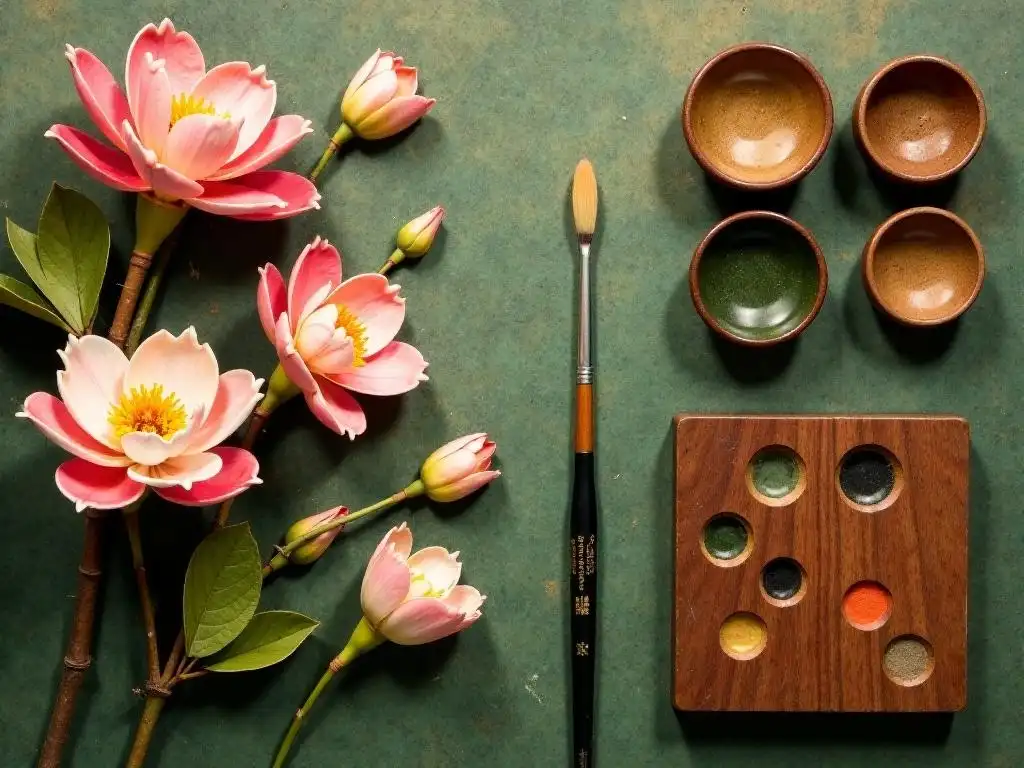
The aesthetic principles of Edo period art are deeply intertwined with the cultural and philosophical currents of the time. This era, spanning from 1603 to 1868, witnessed a flourishing of artistic expression that was marked by a distinctive use of color, form, and symbolism. The artists of the Edo period sought to convey complex emotions and narratives through their work, employing a rich palette that resonated with the cultural values of balance, beauty, and impermanence.
The Concept of Wabi-Sabi in Edo Aesthetics
Wabi-sabi, a fundamental principle in Japanese aesthetics, emphasizes the beauty of imperfection and transience. This concept profoundly influenced Edo period artists, who aimed to capture the fleeting nature of life through their artworks.
- Emphasis on Simplicity: Wabi-sabi values minimalism and simplicity, often seen in the understated design of traditional Ukiyo-e prints. The subtle use of color and form invites viewers to appreciate the inherent beauty in simplicity.
- Natural Elements: Many Edo artists incorporated natural motifs, such as flowers, landscapes, and seasonal changes, reflecting the changing seasons and the impermanence of life. For example, cherry blossoms (sakura) symbolize fleeting beauty and the transient nature of existence.
- Textures and Materials: The use of rough textures and organic materials in paintings and ceramics aligns with the wabi-sabi philosophy. Artists deliberately left some elements unfinished or asymmetrical, embracing the idea that imperfections add to the overall beauty of the piece.
Balance and Harmony in Color Usage
Color in Edo period art is not merely a decorative element; it serves as a vehicle for conveying meaning and emotion. The principles of balance and harmony were paramount in the use of color, allowing artists to create compositions that resonate deeply with viewers.
- Color Symbolism: Each color in Edo art carries its own symbolism. For instance, red often represents passion and vitality, while blue conveys calmness and tranquility. Artists carefully selected colors to evoke specific feelings or ideas, ensuring that the overall composition remained harmonious.
- Complementary Colors: The use of complementary colors enhances visual interest and creates a sense of balance. Artists like Katsushika Hokusai skillfully employed this technique, using contrasting colors to draw the viewer’s eye and create dynamic compositions.
- Gradation and Layering: Edo artists frequently utilized gradation techniques, layering colors to create depth and richness in their works. This not only added visual complexity but also reflected the multifaceted nature of the themes they explored.
The Role of Contrast in Visual Storytelling
Contrast plays a crucial role in Edo period art, serving as a tool for visual storytelling. Through the strategic use of light and dark, as well as varying colors, artists were able to convey complex narratives and emotions.
- Light vs. Dark: The interplay of light and shadow in artworks helps to establish mood and atmosphere. For example, a dark background may highlight a vibrant subject, intensifying the emotional impact of the piece.
- Emotional Contrast: Artists often juxtaposed contrasting elements to emphasize thematic dichotomies, such as life and death, joy and sorrow. This technique not only enriches the narrative but also engages the viewer on a deeper emotional level.
- Dynamic Compositions: By employing contrasting colors and forms, Edo artists created dynamic compositions that guide the viewer’s gaze and enhance the storytelling aspect of their work. This use of contrast encourages viewers to explore the nuances of the narrative and engage actively with the artwork.
The aesthetic principles of Edo period art are a compelling reflection of the era's cultural and philosophical context. The interplay of wabi-sabi, balance, harmony, and contrast not only shaped the visual language of this period but also allowed artists to convey profound meanings and emotions through their work. Understanding these principles offers a deeper appreciation of Edo period art symbolism and its enduring legacy in Japanese culture.
Techniques and Materials Influencing Color in Edo Art
The Edo period (1603-1868) was a time of remarkable artistic expression in Japan, particularly in the realm of color use within art. Artists employed various techniques and materials that not only created aesthetic appeal but also conveyed deep symbolism and meaning. Understanding these influences is crucial to appreciating Edo period art symbolism fully.
Pigments and Dyes Used in Edo Art
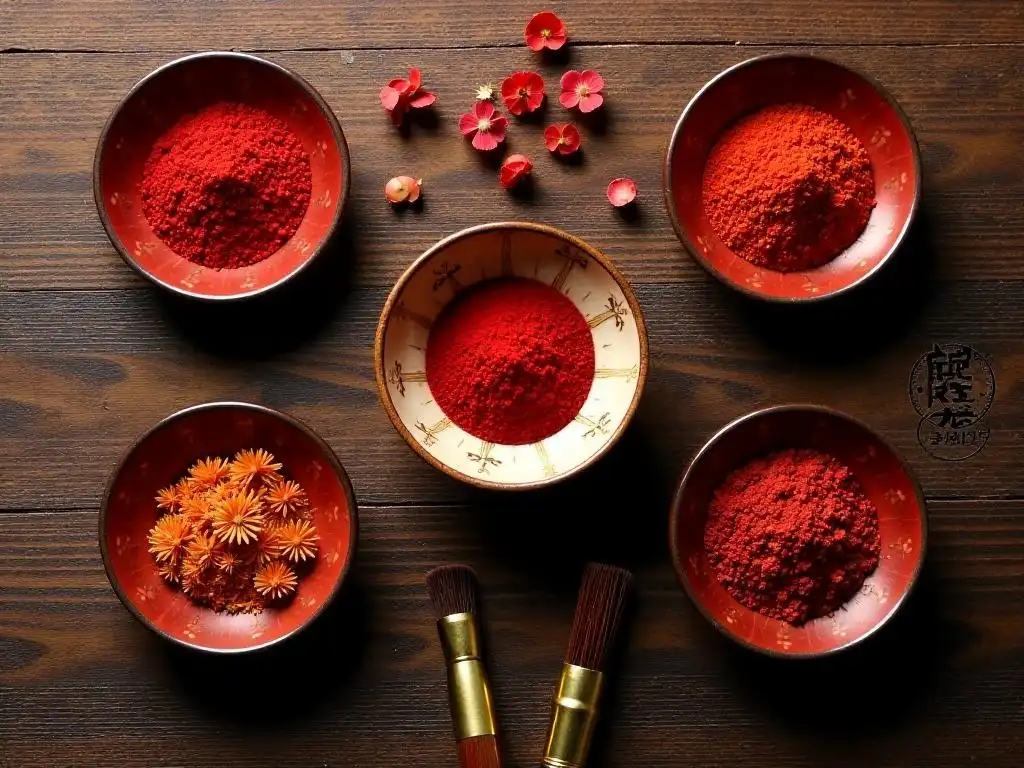
During the Edo period, artists utilized a range of natural pigments and dyes sourced from minerals, plants, and insects. The choice of these materials significantly affected the vibrancy and symbolism of the artworks.
- Mineral Pigments: Some common mineral pigments included:
- Azurite: A deep blue pigment that symbolized purity and tranquility.
- Malachite: Offering shades of green, it often represented nature and growth.
- Iron Oxide: Used for reds and browns, it indicated strength and resilience.
- Plant Dyes: Artists also turned to flora for their vibrant hues:
- Indigo: A staple for producing deep blues, often associated with the sky and water.
- Safflower: Yielding bright reds, symbolizing vitality and love.
- Insect Dyes: The use of kermes and cochineal insects provided rich reds and purples, colors that often signified nobility and luxury.
The careful selection of these materials not only enhanced the visual quality of the artworks but also embedded layers of meaning into the pieces, making color a central element in Edo period art symbolism.
Printmaking Techniques and Their Impact on Color
Edo artists were particularly renowned for their printmaking techniques, which played a significant role in the color application and overall aesthetic of their works.
- Ukiyo-e: This popular woodblock printing technique allowed for multiple color layers to be applied, creating depth and vibrancy. Each color was applied using a separate block, which required precise registration. The resulting prints often featured:
- Vivid Landscapes: Capturing the transient beauty of nature.
- Portraits of Kabuki Actors: Using bold colors to highlight the emotions and theatricality of the performances.
- Kento Registration: This method ensured accuracy in aligning colors, permitting artists to explore complex color combinations. This precision enhanced the artwork's clarity and attractiveness.
- Benizuri-e: This technique used only a limited palette, focusing on red, green, and yellow. The simplicity of these prints, while aesthetically pleasing, also conveyed essential themes of harmony and balance.
By mastering these printmaking techniques, Edo artists were able to manipulate color in ways that accentuated their intended messages, further enriching the symbolism inherent in their work.
The Influence of Nature on Color Choices
Nature served as a profound inspiration for artists during the Edo period, directly influencing their color choices and the themes portrayed in their artworks.
- Seasonal Changes: Artists often reflected seasonal shifts through color, using:
- Cherry Blossoms: Soft pinks to symbolize the fleeting beauty of life in spring.
- Autumn Foliage: Rich reds and oranges to convey the warmth and nostalgia of fall.
- Natural Landscapes: The colors of mountains, rivers, and skies dictated the palettes used in landscape paintings. For instance:
- Blue for Water: Representing calmness and serenity.
- Greens for Forests: Signifying life and renewal.
- Cultural Symbolism: Certain colors were universally associated with specific meanings derived from nature. For example, the use of white was often linked to purity and death, mirroring the color of snow.
The interplay between natural elements and color choices not only created visually stunning pieces but also served as a commentary on the relationship between humanity and the environment, an essential aspect of Edo period art symbolism.
The techniques and materials used in Edo period art significantly influenced the use of color, which in turn played a crucial role in conveying symbolism and aesthetics. Artists of the time seamlessly intertwined their artistic practices with natural elements, cultural significance, and innovative methods, resulting in a rich tapestry of visual storytelling that defines the essence of Edo period art.
Cultural Context of Color in Edo Society
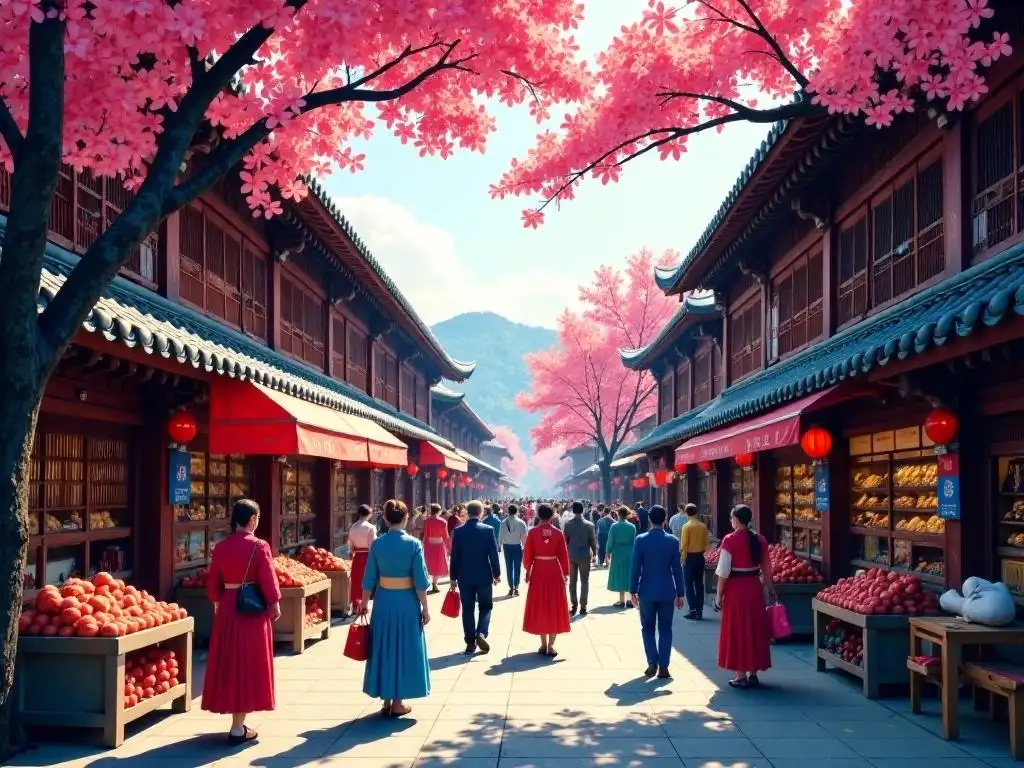
The Edo period, spanning from 1603 to 1868, was a time of significant cultural development in Japan, particularly in the realm of art. Color played a pivotal role in this development, serving not just as an aesthetic choice but also as a medium of communication. The use of color in Edo period art symbolism reflects the intricate social structures and cultural practices of the time.
In Edo society, colors were closely tied to social status and identity. Each class had specific colors associated with it, which were used in clothing, household items, and, importantly, in art.
- Samurai Class: The samurai, as the ruling class, often donned deep shades of indigo and black. These colors symbolized strength and authority. For example, the use of dark blue in samurai armor signified the warrior's prowess and stoicism.
- Merchant Class: On the other hand, the merchant class, who were often at odds with the samurai, embraced vibrant colors such as red and green. These hues represented wealth and prosperity, often seen in their elaborate kimono designs and ukiyo-e prints.
- Peasants and Commoners: For the peasant class, earthy tones like browns and muted greens were predominant. These colors reflected their connection to nature and the agrarian lifestyle.
The varying use of color not only reinforced social hierarchies but also allowed individuals to express their identity within the rigid class system of Edo Japan.
Festivals and Ceremonial Use of Colors
Colors played a crucial role during festivals and ceremonies in Edo Japan, marking significant cultural events and celebrations. Each festival had its own set of colors, which conveyed specific meanings and emotions.
- New Year Celebrations: Bright red was prominently featured during New Year festivities, symbolizing happiness and good fortune. Decorations often included red and white, representing purity and joy.
- Cherry Blossom Festivals: During hanami, or cherry blossom viewing, pastel shades of pink and white were celebrated, evoking feelings of renewal and the transient beauty of life. Artists captured these colors in their works, illustrating the ephemeral nature of the blossoms.
- Seasonal Festivals: Different seasons brought about distinct color palettes. For instance, in autumn, warm hues like gold and orange were used to reflect the harvest season's bounty.
Through these color associations, Edo period art served as a visual narrative of cultural values, encapsulating the essence of community and tradition.
The Influence of Religion on Color Symbolism
Religion significantly influenced the use of color in Edo period art, as various spiritual beliefs shaped the meanings attached to different hues.
- Shintoism: In Shinto, colors like white and red held great significance. White symbolized purity, often used in ceremonial garments, while red was believed to ward off evil spirits. This belief is reflected in artworks depicting Shinto rituals and ceremonies.
- Buddhism: In contrast, Buddhism introduced a different spectrum of color symbolism. For instance, the color gold was often associated with enlightenment and the divine. It was frequently used in temple decorations and religious artifacts, conveying a sense of sacredness and reverence.
- Color in Art Representations: Artists of the Edo period, such as Katsushika Hokusai and Utagawa Hiroshige, incorporated these religious color associations into their works. The use of vibrant colors in ukiyo-e prints not only enhanced the visual appeal but also carried profound spiritual meanings.
The interplay of religion and color in Edo period art symbolizes the deep-rooted cultural beliefs, showcasing how colors transcended mere aesthetics to embody the spiritual fabric of society.
The exploration of color in Edo period art is a testament to its rich cultural heritage, offering insights into the social hierarchies, traditions, and spiritual beliefs that shaped the era. Understanding these color associations provides a deeper appreciation of Edo period art symbolism and its enduring legacy in Japanese culture.
Case Studies: Iconic Edo Artworks and Their Color Symbolism
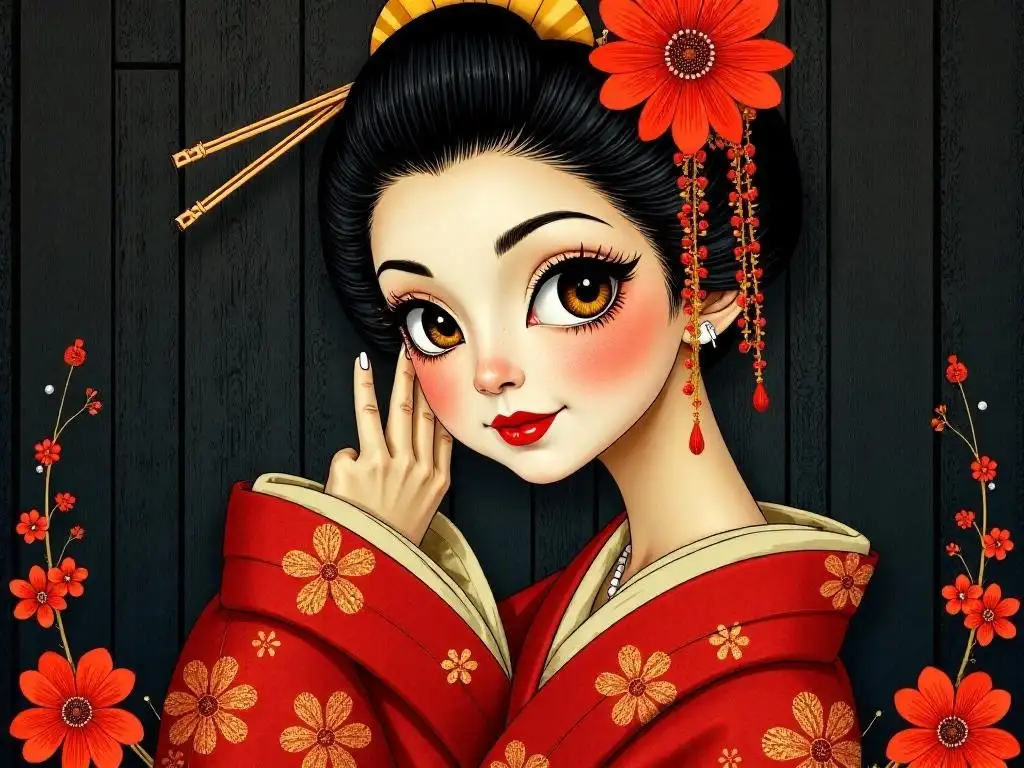
Analyzing Famous Ukiyo-e Prints
Ukiyo-e, or "pictures of the floating world," stands out as a defining art form of the Edo period, with its vibrant use of color conveying deep symbolism and cultural nuances. Each hue utilized in Ukiyo-e prints was not merely aesthetic but carried significant meaning, reflecting societal values, emotions, and seasonal changes.
- Red: Often associated with joy and happiness, red is a predominant color in Ukiyo-e, frequently found in depictions of celebrations and festivals. For instance, Hokusai’s "The Great Wave off Kanagawa" features red in the boats, symbolizing the courage of the fishermen facing nature's might.
- Blue: This color represents calmness and tranquility. It was popularized by the indigo dyeing techniques of the period. In prints like "The Fifty-three Stations of the Tōkaidō", blue hues convey the serene landscapes and the peaceful journey of travelers.
- Yellow: Associated with prosperity and wealth, yellow often appears in depictions of merchant life and luxury. An example can be seen in "The Courtesan" prints, where yellow garments signify the status and allure of the subject.
The careful selection and application of colors in these prints not only enhance visual appeal but also enrich the narrative, allowing viewers to grasp the societal context at a glance.
Color Symbolism in Edo Period Ceramics
Edo period ceramics, particularly porcelain, showcase an intricate relationship between color and symbolism. The vibrant glazes and designs were not only decorative but also imbued with meanings that reflected cultural beliefs and social status.
- Imari Ware: Characterized by its use of bright red, blue, and gold, Imari pottery symbolizes wealth and prestige. The intricate patterns often depict nature and mythology, with blue representing fidelity and red signifying happiness.
- Kyo Ware: Known for its soft colors and refined aesthetics, Kyo ware often employs pastel shades. The use of green in Kyo ceramics symbolizes harmony and growth, evident in tea ceremony utensils that highlight nature's beauty.
- Shino Ware: This pottery is notable for its earthy tones, particularly whites and oranges. The warm colors evoke feelings of comfort and simplicity, aligning with the Zen ideals of modesty and tranquility.
The colors in Edo ceramics not only served decorative purposes but also reflected the values of the time, emphasizing the significance of beauty in everyday life and the influence of nature on art.
The Role of Color in Edo Period Painting
In Edo period painting, color played a pivotal role in conveying themes and emotions, with artists meticulously choosing palettes to express deeper narratives. The symbolism of colors in paintings often reflected the philosophies and social attitudes of the era.
- Black: Symbolizing elegance and formality, black was frequently used in portraits and landscapes, representing the depth of the subject's character. In works like "Portrait of a Samurai", the use of black accents the subject's strength and stoicism.
- Gold: Often used to signify wealth, divinity, and power, gold leaf was a common element in Edo paintings. It highlights important figures in religious texts, representing enlightenment and spiritual wealth.
- Pastel Colors: Colors like soft pinks and light greens were commonly used in depictions of nature and seasonal changes. In works celebrating cherry blossoms, these pastels symbolize the transient beauty of life, resonating with the cultural concept of mono no aware.
Through these artistic choices, Edo period paintings communicated complex ideas and emotions, allowing viewers to engage with the cultural and philosophical undercurrents of the time. The thoughtful application of color not only beautified the artworks but also enriched their meaning, cementing the significance of Edo period art symbolism in the broader context of Japanese cultural history.
Conclusion: The Lasting Impact of Color Symbolism in Edo Art
The use of color in Edo period art is not merely an aesthetic choice; it is steeped in rich symbolism that reflects the cultural and social dynamics of the time. The intricate color palettes employed by artists conveyed meaning and emotion, serving as a bridge between the viewer and the deeper narratives of Japanese society. By understanding the significance of colors such as red for happiness and fortune, blue for calmness and tranquility, and black for elegance and formality, one can appreciate how these choices shaped the perception of art during the Edo period.
Summary of Key Points
- Symbolic Meanings of Colors: Each color in Edo art carried specific meanings, often linked to the seasons, emotions, and social status. For instance, white represented purity and simplicity, while gold symbolized wealth and prosperity.
- Cultural Context: The colors used in artworks also reflected the cultural context of the Edo period, showcasing the values, beliefs, and aesthetics of the time. Artists often utilized color to comment on social issues or to celebrate cultural traditions.
- Techniques and Materials: The techniques and materials used to create vibrant colors were also significant. Artists employed natural pigments and innovative printing methods, such as ukiyo-e, to achieve striking visual effects that enhanced the symbolic meanings.
- Influence on Art Movements: The color symbolism of the Edo period has influenced various art movements, both within Japan and internationally. The principles established during this era can be seen in modern interpretations of Japanese art, where color continues to play a crucial role.
The Legacy of Edo Period Art Symbolism in Modern Culture
The legacy of Edo period art symbolism extends far beyond its historical context, permeating modern culture and artistic expression. Contemporary artists often draw inspiration from the color symbolism of the Edo period, integrating these themes into their own work.
- Cultural Revitalization: In Japan, there is a growing movement to revive traditional arts and crafts, with a focus on the symbolic meanings of colors. This revival is evident in fashion, interior design, and contemporary art, where artists and designers reference the color palettes of the Edo period to evoke certain emotions or themes.
- Global Influence: Internationally, the appreciation for Edo period art has led to a broader understanding of Japanese aesthetics. Exhibitions showcasing Edo period works emphasize the importance of color symbolism, influencing artists worldwide to explore similar motifs in their own cultures and practices.
- Educational Initiatives: Various educational programs and workshops aim to teach the significance of color in Edo art, fostering a deeper appreciation for this aspect of cultural history. These initiatives encourage individuals to explore the meanings behind colors, not only in art but also in everyday life.
The symbolism of color in Edo period art remains a compelling aspect of Japanese cultural history, resonating through time and continuing to enrich modern artistic endeavors. Understanding these symbolic meanings enhances the appreciation of not only Edo period art but also the enduring impact of cultural heritage on contemporary expression.
Frequently Asked Questions
What is the significance of color in Edo period art?
Color in Edo period art carries deep symbolism and can represent various emotions, themes, and cultural beliefs, influencing the viewer's perception and understanding of the artwork.
How did artists in the Edo period use color to convey messages?
Artists utilized specific colors to symbolize concepts like purity, wealth, or seasonality, creating layers of meaning that resonate with the viewer's cultural context.
What are some common color symbols in Edo period art?
Common color symbols include red for happiness, black for elegance, and green for wealth. Each color serves to enhance the narrative and aesthetic appeal of the artwork.
How did the societal context influence color choices in Edo period art?
The societal values and belief systems of the Edo period shaped artists' color choices, reflecting the importance of nature, spirituality, and social hierarchy in their work.
Are there specific examples of Edo period artworks that illustrate color symbolism?
Yes, many woodblock prints and paintings, such as those by Hokusai and Hiroshige, vividly showcase color symbolism to enhance storytelling and evoke emotions, making them prime examples of Edo period art.
Final Reflection: The Enduring Power of Color in Edo Art
The exploration of color in Edo period art symbolism remains profoundly relevant today, as it not only enriches our understanding of historical aesthetics but also invites us to reflect on the meanings we ascribe to colors in our own lives. In a world increasingly dominated by visual stimuli, the lessons drawn from the Edo period remind us that color is not merely decoration; it is a language that communicates emotions, beliefs, and cultural narratives.
The vibrant hues and intricate patterns of Edo art serve as a testament to the power of visual storytelling, urging us to consider how we interpret and interact with the colors that surround us.
Edo art has left an indelible mark on the cultural landscape, influencing contemporary artists and designers while also shaping our collective consciousness about color and symbolism. The intricate interplay of colors in Edo art not only reflects the societal values of its time but also continues to inspire modern interpretations and expressions. As artist Takashi Murakami once said, Art is a reflection of the times, and color is its most potent voice.
This sentiment underscores the ongoing dialogue between past and present, reminding us that the colors we choose today can carry significant meaning and impact.
As we conclude this exploration of Edo period art symbolism, I invite you to reflect on the colors in your own life and the stories they tell. Consider how the hues you surround yourself with influence your emotions, your creativity, and your interactions with others. Let the lessons of Edo art inspire you to embrace color not just as a visual element, but as a powerful tool for expression and connection. In doing so, you can cultivate a deeper appreciation for the beauty and significance of color in your own narrative.
Unlock the Vibrance of Edo Art Today!
Thank you for diving into the captivating world of Edo art and its rich symbolism! By exploring the significance of color, you've gained valuable insights into how aesthetics shape cultural narratives. Now, let’s take that knowledge further:
- Dive into your creativity: Choose a color that resonates with you and create an artwork inspired by the techniques of Edo artists.
- Explore local galleries or museums to discover collections featuring Edo art, immersing yourself in its vibrant history.
- Share your newfound knowledge with friends or on social media—discuss how color can convey deeper meanings in art.
What color in your life do you believe holds the most significance, and how might it inspire your own creative journey?