
The Craft of Potpourri: Scent and Sensibility in Japanese Culture

Welcome to Feudal Japan History! Here, we invite you to embark on a captivating journey through Japan's feudal era, where the rich tapestry of history, culture, and societal nuances unfolds before you. Our latest article, "The Craft of Potpourri: Scent and Sensibility in Japanese Culture," delves into the Japanese potpourri cultural significance, revealing how this fragrant art form intertwines with Japan's deep-rooted traditions and aesthetics. Get ready to explore the delicate balance of scents and meanings that have shaped Japanese life for centuries—your adventure into this enchanting world begins now!
The art of potpourri in Japan is more than just a means of fragrance; it is a rich tapestry woven from historical traditions, cultural practices, and societal values. Often overlooked, the significance of potpourri reflects the Japanese ethos of harmony with nature, an appreciation for aesthetic beauty, and the intricate relationships between scent, memory, and emotion.
As we dive into the craft of potpourri, we will explore its historical roots, its evolution through the ages, and the profound impact it has had on Japanese culture. This exploration not only highlights the sensory pleasures associated with potpourri, but also reveals the deeper meanings and cultural significance it holds within the broader context of Japan's feudal era and beyond.
Introduction to Japanese Potpourri Cultural Significance
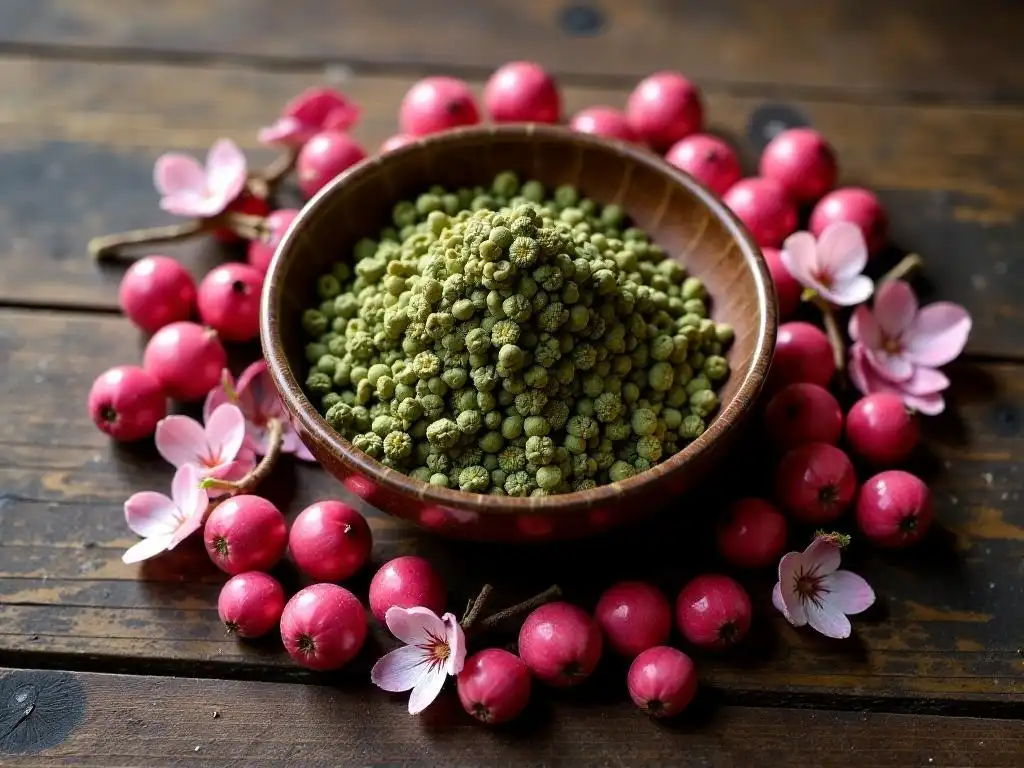
Japanese potpourri, known as "kōbako" (香箱), embodies a unique blend of artistry and cultural significance. The careful selection of dried flowers, herbs, and spices reflects a philosophy that values the ephemeral beauty of nature. In traditional Japanese culture, scents have long been associated with various aspects of life, from rituals and ceremonies to personal well-being and social interactions. Potpourri serves as a fragrant reminder of the changing seasons, inviting individuals to connect with the natural world around them.
The cultural significance of Japanese potpourri can be encapsulated in a few key themes:
- Aesthetic Appreciation: The harmonious arrangement of natural elements in potpourri is a form of visual art that aligns with the principles of wabi-sabi, celebrating imperfection and transience.
- Ritual and Ceremony: Potpourri has been used in various ceremonies and rituals, enhancing the sensory experience and adding a layer of meaning to these significant events.
- Emotional Connection: Scents evoke powerful memories and emotions, making potpourri a tool for remembrance and reflection, deeply rooted in the Japanese cultural psyche.
Overview of Potpourri in Japanese History
The history of potpourri in Japan can be traced back to ancient times, where natural fragrances played a critical role in daily life. Initially, the use of fragrant materials was primarily for practical purposes, such as masking unpleasant odors and purifying spaces. Over time, the craft of potpourri evolved, influenced by various cultural exchanges and the rise of aesthetic movements.
Key Historical Milestones:
- Heian Period (794-1185):
- The appreciation for scents began to flourish during the Heian period, when aristocrats engaged in the practice of "kō," a form of incense appreciation that laid the groundwork for later potpourri traditions.
- Muromachi Period (1336-1573):
- The introduction of tea culture brought with it an emphasis on sensory experiences, where potpourri became an integral part of tea ceremonies, enhancing the ambiance and enriching the overall experience.
- Edo Period (1603-1868):
- Potpourri gained widespread popularity among the samurai and merchant classes, who used it to demonstrate their refinement and taste. The era saw an explosion of materials and techniques, leading to the creation of diverse potpourri blends.
- Modern Era:
- Today, potpourri maintains its cultural significance while adapting to contemporary tastes. It continues to be a popular choice for home fragrance and is often associated with Japanese aesthetics in interior design.
Through these historical lenses, the craft of potpourri reveals a fascinating narrative that intertwines with Japan's broader cultural history, offering insights into societal values, artistic expression, and the enduring connection between scent and identity.
The Role of Scent in Japanese Culture
The significance of scent in Japanese culture extends beyond mere fragrance; it permeates the very fabric of social interactions, rituals, and aesthetics. Throughout history, scent has been intricately linked to emotions, memories, and the natural world. In Japan, the concept of kō (香), which translates to fragrance or aroma, reflects a deep appreciation for the subtleties of scent and its ability to influence mood and atmosphere. This cultural reverence is particularly evident in various traditional practices, such as kōdō (香道), the "way of fragrance," which emphasizes the art of appreciating incense.
Moreover, scent is closely associated with seasonal changes, where specific fragrances evoke particular times of the year. For instance, the scent of cherry blossoms in spring or the earthy aroma of fallen leaves in autumn captures the essence of these seasons, fostering a connection between individuals and nature. In this way, scent serves not only as a sensory experience but also as a conduit for cultural expression and emotional resonance.
Historical Context of Fragrance in Japan
Historically, the use of fragrance in Japan can be traced back to ancient times, with records indicating that scented materials were utilized in religious ceremonies and royal courts. The introduction of incense from China during the Heian period (794–1185) marked a significant evolution in the appreciation of scent, as it became an integral part of court life and spiritual practices. The aristocracy began to experiment with various aromatic woods, creating elaborate incense blends that were used in ceremonies and personal spaces.
During the Kamakura period (1185–1333), with the rise of the samurai class, the use of scent evolved further. The samurai valued fragrances not only for their olfactory pleasure but also for their perceived ability to enhance spiritual clarity and focus. The blending of Chinese and indigenous practices led to a distinct Japanese fragrance culture that emphasized subtlety and harmony, setting the stage for the development of potpourri as a craft.
Traditional Uses of Scent in Feudal Society
In feudal Japan, scent played a multifaceted role in daily life and social customs. It was commonly used in seasonal festivals, tea ceremonies, and religious observances to enhance the atmosphere and create a sense of tranquility. For instance, during the Hanami festival, the fragrance of cherry blossoms was celebrated, symbolizing the transient beauty of life.
Additionally, households often incorporated potpourri into their living spaces as a way to purify the air and create a welcoming environment. The practice of kōdō in feudal society also involved gatherings where participants would engage in the appreciation of different incense blends, fostering social bonds and spiritual connection. This social aspect of scent contributed to the nuanced understanding of fragrance as a means of expressing cultural identity and personal aesthetics.
Types of Ingredients Used in Japanese Potpourri
Japanese potpourri is characterized by a diverse array of ingredients, each contributing unique scents and cultural significance. The craft of creating potpourri involves selecting ingredients that not only smell appealing but also resonate with specific meanings and seasonal themes.
Natural Elements: Flowers, Herbs, and Spices
The primary components of Japanese potpourri include a variety of natural elements such as flowers, herbs, and spices. Commonly used flowers include cherry blossoms ( sakura), plum blossoms ( ume), and lavender, each offering distinct scents that reflect the beauty of nature.
Herbs like shiso and mint are often used for their refreshing qualities, while spices such as cinnamon and cloves add warmth and depth to the blend. The selection of these ingredients is typically influenced by seasonal availability, ensuring that the potpourri remains in harmony with the natural environment.
Symbolic Significance of Each Ingredient
Each ingredient in Japanese potpourri carries symbolic significance that reflects cultural beliefs and values. For instance, cherry blossoms symbolize the fleeting nature of life, a concept deeply rooted in Japanese philosophy. Lavender, known for its calming properties, is associated with peace and tranquility, making it a favored choice for creating a soothing atmosphere.
Additionally, shiso is often linked to protection against negative energies, while spices like cinnamon are believed to attract positive energies and enhance well-being. The thoughtful selection of these ingredients demonstrates the Japanese ethos of living in harmony with nature, where each component of potpourri is chosen for its beauty and deeper meaning.
Regional Variations in Potpourri Ingredients
Regional variations in the ingredients used for potpourri reflect Japan's diverse climates and local flora. In coastal areas, for example, seaweed and citrus peels might be incorporated, infusing the potpourri with fresh, briny scents that evoke the sea. Conversely, mountainous regions may utilize pine needles and wildflowers, capturing the essence of the forest.
Moreover, local customs and traditions influence the choice of ingredients, as certain regions may have specific scents associated with their festivals or seasonal celebrations. This regional diversity not only enriches the craft of potpourri but also highlights the intricate relationship between geography, culture, and scent in Japanese society.
Techniques for Crafting Japanese Potpourri
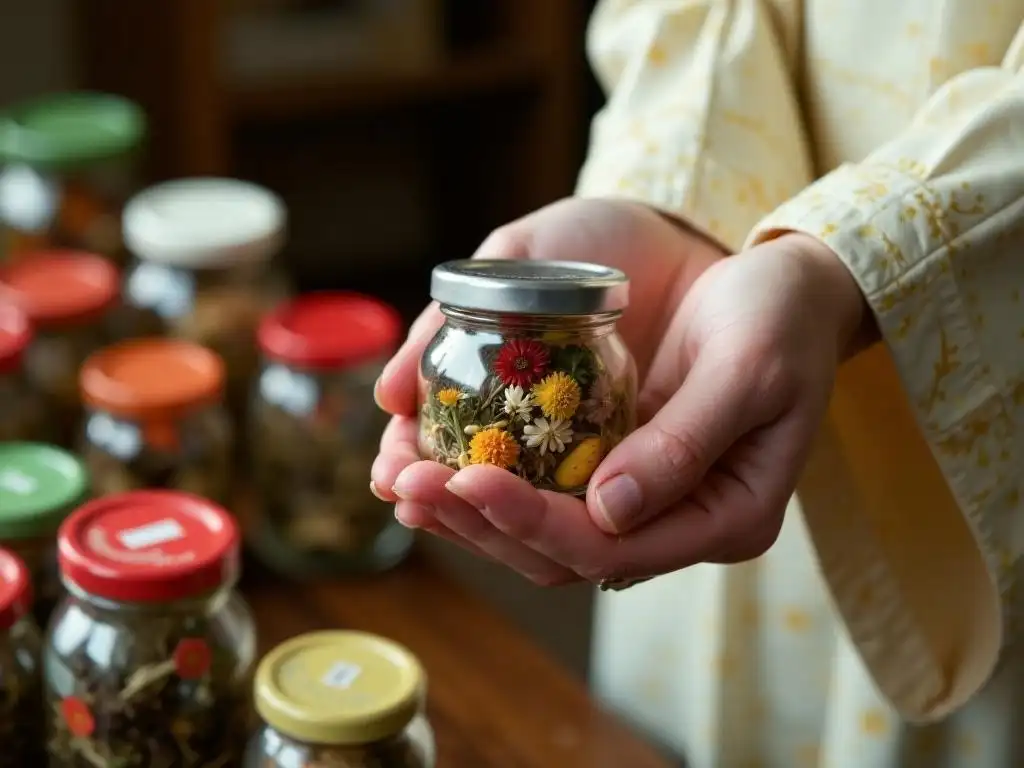
The craft of potpourri in Japan combines traditional artistry with an appreciation for natural scents and seasonal changes. This intricate process involves various techniques that enhance both the fragrance and aesthetic appeal of the final product.
Traditional Methods of Preparation
Traditional Japanese potpourri is often made using a variety of natural materials, including dried flowers, leaves, herbs, and spices. One of the most common techniques involves air-drying these ingredients to preserve their colors and scents. This method requires careful selection and preparation:
- Selection of Ingredients: Artisans choose seasonal blooms like cherry blossoms (sakura) or chrysanthemums, which not only provide unique scents but also represent cultural significance.
- Drying Process: The selected materials are laid out in a single layer on screens or trays, allowing air to circulate freely. This process can take several days to weeks, depending on humidity levels.
- Blending and Aging: Once dried, the ingredients are blended according to specific ratios, often guided by ancestral recipes. The mixture is then aged in a sealed container to allow the scents to meld over time.
This traditional approach not only preserves the essence of nature but also reflects the Japanese ethos of harmony and simplicity.
Modern Innovations in Potpourri Crafting
In contemporary Japan, potpourri crafting has evolved to include modern innovations that appeal to current tastes and lifestyles. These innovations often incorporate technological advancements and contemporary design:
- Use of Essential Oils: Many artisans now enhance traditional potpourri with essential oils to intensify the fragrance and introduce new scent profiles, offering a more personalized experience.
- Sustainable Practices: With a growing focus on sustainability, modern potpourri makers often source ingredients from organic farms or use foraged materials, ensuring eco-friendly production.
- Innovative Packaging: The presentation of potpourri has also seen a shift, with many artisans using attractive glass jars or eco-friendly pouches that appeal to aesthetic sensibilities and promote ease of use.
These innovations allow potpourri to remain relevant in a fast-paced world while preserving its cultural roots.
Importance of Seasonal Ingredients in Potpourri Making
Seasonal ingredients play a crucial role in the craft of Japanese potpourri, reflecting the natural cycles and cultural traditions of Japan. The emphasis on using ingredients that are in season not only enhances the fragrance but also embodies the Japanese principle of wabi-sabi, which appreciates the beauty found in imperfection and transience.
- Spring: Ingredients such as cherry blossoms and other floral elements symbolize renewal and beauty, capturing the essence of hanami (flower viewing).
- Summer: Citrus peels and refreshing herbs like mint evoke the vibrancy of summer, often used to create uplifting blends.
- Autumn: The use of fallen leaves and spices like cinnamon reflects the rich colors and scents of the harvest season, promoting warmth and comfort.
- Winter: Ingredients such as pine needles and dried fruits are used to create potpourri that resonates with the cold, crisp air and the festive spirit of the New Year.
By honoring these seasonal cycles, potpourri makers not only create unique fragrances but also foster a deeper connection to nature and the changing seasons.
The Cultural Significance of Potpourri in Japanese Society
Potpourri holds a distinct cultural significance in Japanese society, intertwining with various aspects of life, aesthetics, and tradition. Its use transcends mere fragrance, embodying deeper meanings and connections to Japan's rich cultural heritage.
Potpourri as a Reflection of Japanese Aesthetics
In Japanese culture, aesthetics are deeply rooted in simplicity, nature, and harmony. Potpourri serves as a tangible expression of these ideals:
- Natural Beauty: The choice of ingredients emphasizes the beauty of nature, often reflecting the changing seasons and local flora.
- Subtle Scents: Unlike overpowering fragrances, Japanese potpourri often features delicate scents that create an ambiance of tranquility and mindfulness, aligning with the principles of Zen.
- Artistic Arrangement: The visual presentation of potpourri—whether in a bowl or jar—often showcases an artistic arrangement, highlighting the importance of balance and proportion in Japanese aesthetics.
Through these elements, potpourri becomes a representation of the cultural values that define Japanese society.
The Role of Potpourri in Japanese Rituals and Ceremonies
Potpourri also plays an important role in various Japanese rituals and ceremonies. Its usage extends beyond home fragrance to encompass spiritual and social practices:
- Tea Ceremonies: In traditional tea ceremonies, potpourri may be used to enhance the sensory experience, creating a serene environment that complements the ritual of tea preparation and consumption.
- Seasonal Festivals: During festivals, seasonal potpourri can be crafted and displayed, symbolizing gratitude for nature's bounty and the celebration of life's cycles.
- Funerary Practices: Potpourri is sometimes incorporated into funerary rites, where its soothing scents may serve to provide comfort and honor the deceased.
These practices highlight potpourri's multifaceted role in cultural and spiritual life, reinforcing its significance within the community.
Potpourri’s Influence on Japanese Art and Literature
The influence of potpourri extends into the realms of Japanese art and literature, where its essence is captured in various forms:
- Visual Arts: Artists often depict potpourri in still-life paintings, celebrating the beauty of natural forms and colors. The arrangement of potpourri itself can inspire artistic expression in design and composition.
- Literature: Potpourri features in Japanese poetry and prose as a metaphor for transience and beauty, invoking imagery related to nature and the changing seasons. Haiku, in particular, may reference the scents of potpourri to evoke emotions tied to specific moments in time.
- Craftsmanship: The meticulous crafting of potpourri often parallels other traditional arts, such as ikebana (flower arranging), showcasing the dedication to detail and the appreciation of nature’s ephemeral qualities.
Through these influences, potpourri not only enriches the sensory experience of life in Japan but also serves as a bridge between nature, art, and cultural expression.
The Therapeutic Aspects of Japanese Potpourri
Japanese potpourri, known as mukuge or kōbako, transcends mere decorative appeal by embedding therapeutic qualities deeply rooted in the culture. The careful selection of natural ingredients not only creates pleasing aromas but also contributes to emotional and physical wellness. Historically, these fragrant blends were used in various settings, from homes to temples, aiming to cleanse the air and promote a sense of calm and tranquility.
The art of potpourri in Japan incorporates elements of aromatherapy, connecting scents with specific health benefits and psychological effects. The use of essential oils derived from plants and herbs illustrates a holistic approach to well-being, where the mind and body are treated as interconnected entities. This cultural practice highlights the importance that the Japanese place on balance and harmony, reaffirming the significance of potpourri within a broader context of wellness.
Aromatherapy and Its Roots in Japanese Culture
Aromatherapy, the practice of using aromatic plant extracts for healing, has profound roots in Japanese culture. Traditional Japanese medicine, Kampo, integrates the use of scents alongside herbs and teas to address various ailments. The connection between scent and health is evident in historical texts that describe how specific aromas can influence mood, enhance cognitive function, and even alleviate stress.
Incorporating scents like yuzu, sandalwood, and jasmine, Japanese potpourri serves not only as an olfactory delight but also as a means to achieve emotional balance. For instance, yuzu is often associated with revitalizing energy, while sandalwood promotes relaxation and grounding. These practices reflect an ancient understanding of how environmental factors, including scent, can significantly affect one's mental and physical state.
Health Benefits of Traditional Potpourri Ingredients
The ingredients commonly used in Japanese potpourri are chosen not only for their fragrance but also for their health benefits. Here are some key components and their associated health properties:
- Citrus Peels (e.g., Yuzu, Sudachi): Known for their uplifting aroma, citrus peels can help reduce anxiety and enhance mood.
- Lavender: Renowned for its calming effects, lavender is often used to promote better sleep and relieve stress.
- Sandalwood: This ingredient is celebrated for its grounding properties, aiding in meditation and relaxation.
- Cinnamon and Cloves: These spices not only add warmth to the scent but are also believed to have antimicrobial properties, contributing to a healthier indoor environment.
Through the careful combination of these ingredients, Japanese potpourri manifests as a multifaceted tool for promoting well-being, allowing individuals to immerse themselves in a fragrant experience that supports both mental clarity and physical health.
Challenges and Changes in the Craft of Potpourri
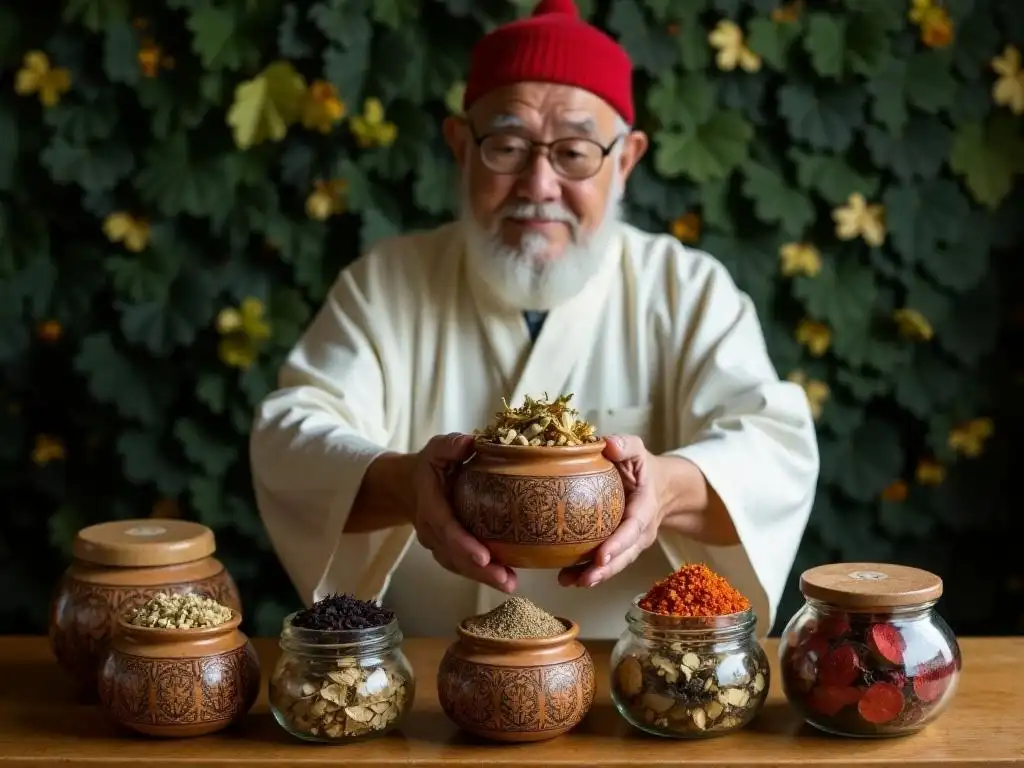
While the craft of potpourri-making has a rich history, it faces several challenges in the modern era. The pressures of globalization and commercialization pose threats to traditional practices, leading to a decline in the artisanal skills that have been passed down through generations. As lifestyles change and consumers become more accustomed to synthetic fragrances, the appreciation for natural potpourri may diminish.
Additionally, the sourcing of traditional ingredients has become more complex due to environmental concerns and changing agricultural practices. Many artisans find it increasingly difficult to obtain high-quality, organic materials that are essential for authentic potpourri, impacting the overall quality and integrity of their products.
The Impact of Modernization on Traditional Crafts
The impact of modernization on traditional crafts like potpourri-making cannot be understated. As Japan embraces rapid technological advancements, the demand for convenience and mass-produced products has overshadowed artisanal crafts. This shift has led to a decline in the number of skilled artisans who specialize in traditional potpourri-making, as fewer young people choose to pursue this path.
Moreover, the introduction of synthetic fragrances and pre-packaged potpourri options caters to a consumer base that values ease over traditional craftsmanship. This trend poses a risk of losing cultural heritage, as the intricate knowledge and practices associated with potpourri-making may fade into obscurity if not actively preserved.
Preservation of Potpourri Making in Contemporary Japan
Despite the challenges posed by modernization, there are ongoing efforts to preserve the craft of potpourri-making in contemporary Japan. Artisans and cultural organizations are working together to promote traditional methods through workshops, exhibitions, and educational programs. By engaging the younger generation and showcasing the cultural significance of potpourri, these initiatives aim to reignite interest in this age-old craft.
Additionally, there is a growing movement towards sustainability and the use of organic ingredients, which resonates with modern consumers who seek natural products. This shift not only helps preserve traditional practices but also aligns with a broader global trend towards eco-conscious living.
Through these efforts, the craft of potpourri-making remains a vibrant part of Japan's cultural landscape, blending historical significance with contemporary relevance. As the appreciation for natural scents and holistic well-being continues to rise, the future of Japanese potpourri looks promising, inviting both new artisans and enthusiasts to partake in its rich tradition.
Conclusion: The Lasting Legacy of Japanese Potpourri Cultural Significance
The cultural significance of Japanese potpourri extends far beyond its aromatic allure. It embodies a rich tradition interwoven with the aesthetics of simplicity, nature, and spirituality. Historically, potpourri has served not just as a means to fragrance living spaces but also as a way to connect with the natural world, reflecting the seasons and the transient beauty of life, a concept deeply rooted in Japanese philosophy.
The meticulous selection of ingredients, including dried flowers, herbs, and spices, speaks to the Japanese appreciation for detail and craftsmanship. Each component is chosen not only for its scent but also for its visual appeal, creating a harmonious composition that enchants the senses. This practice encourages mindfulness and a deeper connection to one’s surroundings, fostering a sense of peace and tranquility within the home.
Moreover, potpourri's role in rituals and ceremonies highlights its importance in social and familial gatherings, where the act of creating or sharing potpourri becomes a form of cultural expression and a means of preserving tradition. As such, it serves as a reminder of the values of harmony, respect, and beauty that characterize Japanese culture.
In essence, the legacy of Japanese potpourri is a testament to the enduring power of scent as a cultural touchstone, one that continues to resonate with modern practices while honoring the past.
Future of Potpourri in Japanese Arts and Crafts
The future of potpourri in Japanese arts and crafts appears promising, as contemporary artisans and enthusiasts embrace traditional techniques while innovating to meet modern tastes and lifestyles. With growing interest in natural, eco-friendly home decor and wellness products, potpourri is being rediscovered as both a fragrant embellishment and a therapeutic tool.
As sustainability becomes a central theme in crafts, many creators are focusing on locally sourced, organic materials for potpourri, ensuring that their practices honor the environment. This shift not only aligns with global trends but also reaffirms the Japanese ethos of living in harmony with nature.
Furthermore, the incorporation of technology into traditional crafts is opening new avenues for potpourri. Online platforms enable artisans to showcase their creations to a broader audience, while social media serves as a space for sharing recipes, DIY projects, and cultural insights. This digital engagement fosters a community of potpourri enthusiasts who celebrate and preserve this art form.
Workshops and educational programs focusing on the craft of potpourri are becoming increasingly popular, encouraging younger generations to connect with their heritage. By teaching the history, techniques, and cultural significance of potpourri, these initiatives ensure that this fragrant tradition continues to thrive.
As Japanese potpourri evolves, it retains its cultural significance while adapting to contemporary values and preferences, ensuring its place in the future of Japanese arts and crafts.
- Introduction to Japanese Potpourri Cultural Significance
- Overview of Potpourri in Japanese History
- The Role of Scent in Japanese Culture
- Types of Ingredients Used in Japanese Potpourri
- Techniques for Crafting Japanese Potpourri
- The Cultural Significance of Potpourri in Japanese Society
- The Therapeutic Aspects of Japanese Potpourri
- Challenges and Changes in the Craft of Potpourri
- Conclusion: The Lasting Legacy of Japanese Potpourri Cultural Significance
- Future of Potpourri in Japanese Arts and Crafts
Frequently Asked Questions
What is potpourri and its role in Japanese culture?
Potpourri is a mixture of dried flowers, herbs, and spices used for fragrance. In Japanese culture, it has historically been valued for its aesthetic appeal and its ability to enhance the ambiance of a space.
How did potpourri evolve in Japan?
Originally influenced by Chinese practices, potpourri evolved in Japan to incorporate local flora and cultural elements, reflecting a unique Japanese aesthetic that emphasizes harmony with nature.
What are the key ingredients commonly used in Japanese potpourri?
Common ingredients include sakura petals, citrus peels, and spices like cinnamon. These components not only provide fragrance but also carry deep cultural meanings and seasonal significance.
Why is the cultural significance of potpourri important?
The cultural significance of potpourri lies in its connection to Japanese traditions, aesthetics, and the concept of mono no aware, which expresses a deep appreciation for the beauty of fleeting moments.
How can one incorporate Japanese potpourri into their home?
To incorporate it into your home, choose a variety of natural ingredients that resonate with you. Display them in an artistic arrangement to create a sensory experience that reflects the tranquility and beauty of Japanese culture.
Final Reflection: The Essence of Japanese Potpourri and Its Cultural Significance
The craft of potpourri is not merely an art form; it embodies the intricate relationship between scent and sensibility in Japanese culture. As we explore the delicate balance of nature and aesthetics in the creation of potpourri, we uncover a profound connection to the values of harmony, tranquility, and mindfulness that permeate Japanese life today. This age-old tradition serves as a reminder of the beauty found in simplicity and the importance of engaging our senses in a fast-paced world.
Culturally, the significance of Japanese potpourri extends far beyond its aromatic appeal; it reflects a deep-rooted appreciation for nature and the changing seasons. The practice of crafting potpourri encourages us to pause and appreciate the fleeting moments of beauty in our surroundings. As the renowned Japanese poet Matsuo Bashō once said, The temple bell stops but I still hear the sound coming out of the flowers.
This sentiment resonates deeply in the context of potpourri, where each carefully selected ingredient tells a story of the natural world, inviting us to connect with our environment and ourselves.
As we conclude this exploration of Japanese potpourri, I invite you to reflect on the scents that surround you and the memories they evoke. Consider how you can incorporate the principles of mindfulness and appreciation for nature into your daily life. Whether through creating your own potpourri or simply taking a moment to breathe in the fragrances of the world around you, let this tradition inspire you to cultivate a deeper connection with your senses and the beauty of the present moment.
Unleash the Essence of Japanese Culture!
Thank you for exploring the beautiful art of potpourri and its deep connection to Japanese culture. You've uncovered the rich scents and traditions that evoke a sense of serenity and creativity. Now, let’s take the next step together and embrace these fragrant inspirations!
- Create your own potpourri: Gather dried flowers, spices, and essential oils to craft a blend that tells your unique story. Dive into the world of scents and let your senses guide you!
- Share your creation: Document your potpourri-making journey on social media and invite others to join in. Use the hashtag #PotpourriJourney to connect with fellow enthusiasts!
- Explore deeper: Discover more about traditional Japanese fragrances by visiting local botanical gardens or cultural exhibitions. Immerse yourself in the sights and aromas that have shaped this incredible craft.
What scents evoke the strongest memories for you, and how would you incorporate them into your own potpourri? We invite you to share your thoughts below!