
The Role of Calligraphy in Feudal Japanese Culture: More Than Just Writing


Welcome to Feudal Japan History, where we delve deep into the fascinating tapestry of Japan's feudal era. Here, history comes alive through expert-driven insights and detailed explorations of cultural and societal dynamics. In our featured article, we unravel the importance of calligraphy in feudal Japan, revealing how this elegant art form transcended mere writing to become a vital thread in the fabric of Japanese identity.
Prepare to embark on a journey that will not only enlighten you but also ignite your curiosity about the profound connections between artistry and culture during this remarkable period. Dive in and discover the stories that shaped a nation!
Introduction to Calligraphy in Feudal Japan
Calligraphy, known as shodō in Japanese, is more than a mere technique for writing; it is a profound art form that embodies the essence of Japanese culture during the feudal era. This period, spanning from the late 12th century to the early 19th century, witnessed the emergence of distinct social classes, intricate artistic expressions, and a rich tapestry of cultural practices. The importance of calligraphy in feudal Japan cannot be overstated, as it served not only as a means of communication but also as a vehicle for philosophical and aesthetic values.
Definition of Calligraphy and Its Cultural Significance
Calligraphy is defined as the art of beautiful handwriting, involving a meticulous and expressive approach to forming letters. In feudal Japan, calligraphy was deeply intertwined with various aspects of life, including religion, literature, and personal expression. It was a reflection of one's character, discipline, and spiritual depth. Through the flowing strokes of a brush, practitioners conveyed not just words but emotions and ideas, making calligraphy a vital cultural artifact that transcended mere functionality.
Overview of Feudal Japan and Its Historical Context
Feudal Japan was characterized by a hierarchical society dominated by the samurai class, who upheld the values of loyalty, honor, and discipline. This era saw significant developments in arts and crafts, with calligraphy occupying a prestigious position in both scholarly and artistic pursuits. As the country was divided into warring states, the unification efforts led by figures such as Oda Nobunaga and Toyotomi Hideyoshi fostered an environment where the arts flourished, paving the way for calligraphy to become synonymous with elegance and sophistication.
The Importance of Calligraphy in Feudal Japan
Calligraphy as an Art Form
Calligraphy in feudal Japan was celebrated not only for its aesthetic appeal but also for its philosophical underpinnings. Artists like Oda Nobunaga and Yamamoto Tsunetomo contributed to the refinement of calligraphic styles, emphasizing the balance between form and fluidity. The use of different brushes, inks, and papers allowed for a diverse range of expressions, making each piece a unique representation of the artist’s inner self.
The Role of Calligraphy in Education and Literacy
In an era where literacy was primarily confined to the elite, calligraphy played a pivotal role in education. Samurai, scholars, and monks were often trained in the art of writing, as it was seen as an essential skill that complemented their intellectual development. Schools dedicated to calligraphy emerged, where students learned not only the technical aspects of writing but also the cultural significance behind each stroke. This emphasis on calligraphy helped foster a literate society, where written communication was valued and respected.
Calligraphy and the Samurai Class: A Symbol of Status
For the samurai, calligraphy was more than an artistic pursuit; it was a symbol of status and refinement. Mastery of calligraphy was often considered as essential as martial prowess, reflecting a samurai's discipline and cultured demeanor. Elegant calligraphic scrolls adorned the walls of samurai homes, serving as a testament to their education and sophistication. The connection between calligraphy and the samurai class illustrates the deep-seated values of honor and respect that permeated feudal Japanese society.
Historical Development of Calligraphy Techniques
Calligraphy in feudal Japan evolved significantly from its introduction in the 5th century, influenced by Chinese calligraphy. Initially, Japanese scholars used Chinese characters (kanji) to transcribe their language, which laid the groundwork for the development of unique Japanese calligraphy styles. The Heian period (794-1185) marked a crucial turning point with the creation of kana, a syllabary that allowed for more fluid and expressive writing, reflecting the Japanese aesthetic and culture.
During the Kamakura period (1185-1333), calligraphy gained prominence as samurai and aristocrats began to appreciate the art as a symbol of status and education. This era saw the emergence of various schools and styles, each with distinctive techniques and philosophies. The Muromachi period (1336-1573) further refined these styles, incorporating elements of Zen aesthetics, emphasizing simplicity, spontaneity, and the beauty of imperfection in the writing process.
The Edo period (1603-1868) brought about mass literacy and the popularization of calligraphy, making it accessible to a broader audience. With the establishment of calligraphy schools, various techniques and styles flourished, including the popular use of the brush and ink on paper, which allowed for intricate designs and expressive forms. The historical development of calligraphy techniques thus reflects a rich tapestry of cultural influences, societal changes, and artistic evolution in feudal Japan.
Traditional Calligraphy Styles in Feudal Japan
In feudal Japan, several traditional calligraphy styles emerged, each carrying its own significance and aesthetic principles. The most notable styles include:
- Kaisho (Block Style): Characterized by its clear and structured forms, Kaisho is the foundation of Japanese calligraphy. It emphasizes legibility and is often used for formal documents.
- Gyosho (Semi-Cursive Style): This style allows for a more fluid and expressive approach to writing. Gyosho blends the clarity of Kaisho with the elegance of cursive forms, making it popular for poetry and personal letters.
- Sosho (Cursive Style): Known for its artistic freedom, Sosho is highly stylized and often difficult to read. It reflects the calligrapher's individual expression and is frequently used in artworks and seals.
- Reisho (Running Style): This style combines elements of the Kaisho and Gyosho, offering a balance between readability and elegance. It became prominent during the Edo period and is often used in official documents.
Each of these styles showcases the versatility of calligraphy as an art form and reflects the cultural values and aesthetics of the time. The mastery of these traditional styles required years of practice, demonstrating the immense dedication calligraphers had to their craft.
Calligraphy and Spirituality in Feudal Japan
Calligraphy in feudal Japan was not merely a means of communication; it held deep spiritual significance. The act of writing itself was often considered a meditative practice, connecting the calligrapher with both the physical and spiritual realms. Calligraphy was viewed as a way to express one’s inner thoughts and emotions, allowing for personal reflection and communication with the divine.
The emphasis on aesthetics in calligraphy also aligned with the broader spiritual beliefs of the time, as the creation of beautiful characters was seen as a reflection of the calligrapher's character and state of mind. The harmony between the brush, ink, and paper echoed the principles of balance and unity found in various spiritual philosophies prevalent in feudal Japan.
The Zen Influence on Calligraphy
Zen Buddhism had a profound impact on the development of calligraphy in feudal Japan. Zen teachings emphasized mindfulness, spontaneity, and the beauty of imperfection, principles that significantly influenced calligraphers. The practice of calligraphy became a form of meditation, where the calligrapher would enter a state of flow, fully immersed in the act of creation.
Zen calligraphy often rejected rigid rules and conventions, favoring a more intuitive approach. This led to the emergence of styles that celebrated spontaneity and freedom of expression. The writings produced during this period often reflected the calligrapher's state of mind, resulting in pieces that conveyed a sense of tranquility and inner peace. Notable Zen masters, such as Ikkyu Sojun, contributed to this unique form of calligraphy, elevating it to an art that transcended mere writing.
Calligraphy as a Meditative Practice
The practice of calligraphy in feudal Japan was deeply intertwined with meditation. Calligraphers often viewed the act of writing as a means to achieve mental clarity and focus. By engaging in calligraphy, practitioners cultivated a sense of mindfulness, allowing them to connect with their thoughts and emotions on a profound level.
This meditative aspect of calligraphy was not just about the end product; it was about the journey of creation. Each stroke of the brush required concentration and intention, transforming the process into a spiritual exercise. Over time, calligraphy became a revered practice among samurai, monks, and scholars, who recognized its potential for personal growth and self-discovery.
In essence, calligraphy served as a bridge between the physical and spiritual worlds, offering practitioners a unique avenue for exploration and expression within the rich tapestry of feudal Japanese culture.
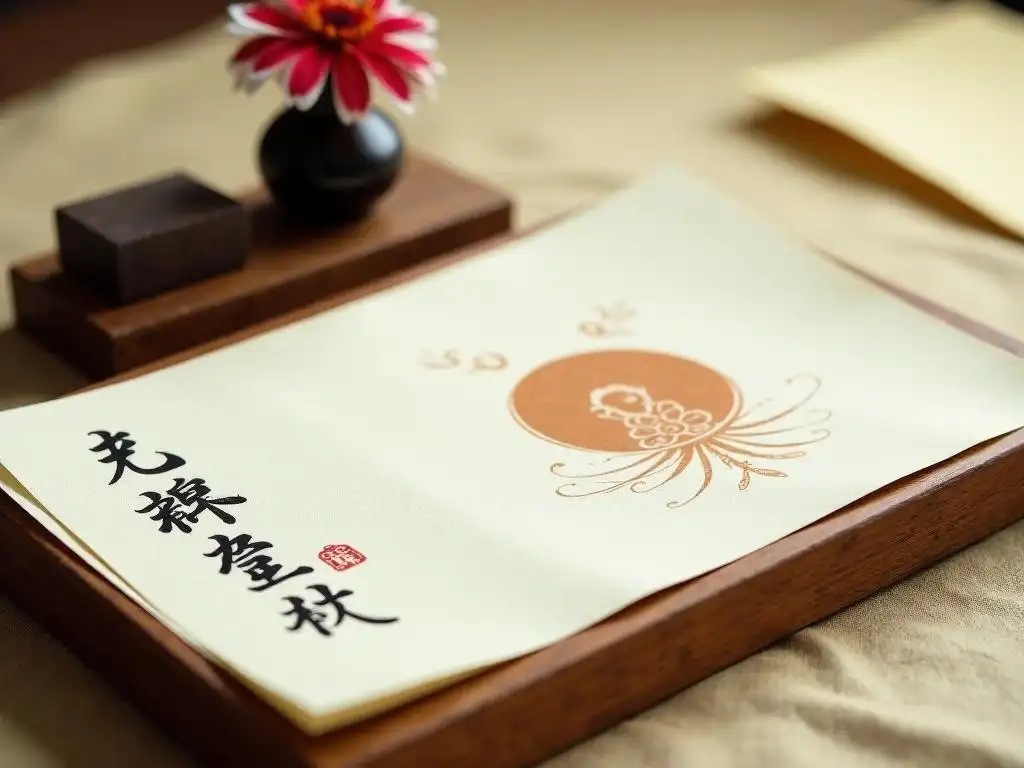
Calligraphy in feudal Japan was not merely an artistic endeavor; it held significant social and political implications. This refined form of writing served as a tool for expression, identity, and power. The aesthetic quality of calligraphy was often seen as reflective of the writer's character and status, making it a crucial aspect of social interactions among the elite.
In the hierarchical society of feudal Japan, the ability to produce beautiful calligraphy was considered a mark of education and refinement. Samurai, merchants, and members of the ruling class often showcased their calligraphy skills to demonstrate their cultural sophistication. As a result, calligraphy became a medium through which social status was conveyed, reinforcing existing hierarchies.
Moreover, calligraphy played a pivotal role in the political landscape. Official documents, decrees, and edicts were often inscribed in elegant styles, symbolizing authority and legitimacy. The visual appeal of these writings added to their gravitas, making them more impactful in the eyes of the public. The act of writing itself became intertwined with governance, as the precision and beauty of the script underscored the significance of the message being conveyed.
Calligraphy in Governance and Documentations
In feudal Japan, calligraphy was essential to governance and documentation. The ruling class relied heavily on written communication to maintain order and convey directives. Official documents such as laws, treaties, and proclamations were meticulously crafted, often employing specific calligraphic styles that conveyed formality and respect.
The use of calligraphy in official documents not only served a practical purpose but also elevated the written word to an art form. The aesthetic quality of these documents was paramount; they were often adorned with elaborate seals and stamps, further enhancing their importance. This practice underscored the notion that the act of writing was not merely functional but also a ritual imbued with cultural significance.
Additionally, the preservation of historical records relied on calligraphic traditions. Chroniclers and historians meticulously documented events, and their ability to produce legible and beautiful scripts ensured that these records would endure. The careful attention to detail in calligraphy allowed future generations to access and appreciate their cultural heritage, making it an integral part of Japan's historical narrative.
The Use of Calligraphy in Diplomacy and Communication
Calligraphy played a critical role in diplomacy and communication during the feudal era. The exchange of letters between feudal lords, samurai, and even foreign nations often featured calligraphy as a means of conveying respect and formality. The style and quality of the writing could influence perceptions and relationships, making it a significant factor in diplomatic interactions.
In this context, calligraphy became a language of its own, transcending mere words. The elegance and sophistication of the script could enhance the message, making it more compelling. For example, a beautifully penned letter from a shogun could convey not only the content of the message but also the authority and status of the sender, thereby strengthening diplomatic ties.
Moreover, calligraphy was often utilized in ceremonies and rituals, reinforcing the cultural values of respect and harmony in communication. The act of presenting a calligraphic piece during negotiations or celebrations symbolized sincerity and commitment, further emphasizing the importance of this art form in the social fabric of feudal Japan.
The Evolution of Calligraphy Beyond Feudal Japan
The evolution of calligraphy in Japan did not cease with the end of the feudal era; rather, it transitioned into new forms and practices that reflected the changing cultural landscape. As Japan modernized in the late 19th and early 20th centuries, calligraphy adapted to the influences of Western art and thought, leading to the emergence of new styles and techniques.
Transition from Feudal Traditions to Modern Practices
As Japan entered the Meiji Restoration period, traditional calligraphy began to blend with Western influences. This integration sparked a transformation in artistic expressions, as new materials, tools, and ideologies were introduced. Artists began to experiment with different styles, moving away from the rigid conventions of feudal calligraphy towards more expressive and individualistic forms.
Despite these changes, the core principles of calligraphy—such as the importance of brush technique, balance, and harmony—remained integral to practice. Contemporary calligraphers often draw upon the rich heritage of feudal traditions while also embracing modern aesthetics, creating a dynamic fusion that reflects Japan's evolving identity.
Contemporary Relevance of Calligraphy in Japanese Culture
Today, calligraphy remains a vital aspect of Japanese culture, celebrated for its artistic beauty and cultural significance. Modern calligraphers continue to explore traditional techniques while incorporating contemporary themes and materials, ensuring that the art form stays relevant in a rapidly changing society.
In educational settings, calligraphy is taught as a means of instilling discipline, patience, and a deeper appreciation for Japanese culture. Workshops and exhibitions regularly showcase the work of both established and emerging artists, fostering a vibrant community dedicated to preserving and innovating within this art form.
Furthermore, calligraphy has found new expressions in digital media and graphic design, illustrating its adaptability and enduring appeal. As Japan navigates the complexities of modernity, the importance of calligraphy in expressing identity, heritage, and emotion remains a powerful testament to its significance in both historical and contemporary contexts.
Conclusion: The Lasting Legacy of Calligraphy in Japanese History
Calligraphy in feudal Japan transcended mere writing; it served as a vital medium for expressing the cultural values and philosophical beliefs of the time. This intricate art form was not only a means of communication but also a reflection of social status, education, and personal identity. The elegance of brush strokes and the aesthetic principles governing calligraphy embodied the very essence of Japanese aesthetics and spirituality, making it an integral part of the cultural heritage.
The legacy of calligraphy continues to resonate in modern Japan, where the art form retains its significance in various aspects of life. The principles of harmony, balance, and beauty that underpin calligraphic practices influence contemporary art, design, and even everyday writing. As such, calligraphy serves as a bridge connecting the past with the present, reminding us of the rich tapestry of history that shapes contemporary Japanese culture.
Reflection on the Cultural Importance of Calligraphy
The cultural importance of calligraphy in feudal Japan can be attributed to several factors. Firstly, it was deeply intertwined with the philosophical teachings of Confucianism and Buddhism, both of which emphasized the value of education and self-discipline. Calligraphy was seen as a means of cultivating virtue and character, with master calligraphers often regarded as moral exemplars within their communities.
Furthermore, calligraphy played a pivotal role in the social hierarchy of feudal Japan. The ability to write beautifully was a mark of sophistication and education, elevating one's status in society. Samurai, scholars, and aristocrats often commissioned elaborate calligraphic works to showcase their refinement and cultural knowledge. Consequently, calligraphy became a symbol of power and prestige, influencing artistic trends and cultural practices across the era.
Future Perspectives on the Preservation of Calligraphic Arts
To ensure the continuity of calligraphic arts, it is essential to foster an environment that encourages both appreciation and education. Modern initiatives, such as workshops and exhibitions, play a crucial role in introducing calligraphy to younger generations. By integrating calligraphy into school curricula and cultural programs, there is potential for revitalizing interest in this traditional art form.
Additionally, the digital age presents new opportunities for the preservation and dissemination of calligraphic techniques. Online platforms and social media can serve as powerful tools for artists to share their work and connect with a global audience. By embracing contemporary methods while respecting traditional practices, the future of calligraphy can thrive, ensuring its place in the cultural narrative of Japan.
References and Further Reading
Suggested Books and Articles on Calligraphy and Feudal Japan
- "The Art of Japanese Calligraphy" by John Stevens - This book explores the historical context and artistic techniques of Japanese calligraphy, providing insights into its significance in feudal society.
- "Writing the Japanese Way: A Guide to Calligraphy and Painting" by S. Kato: - This guide offers a comprehensive introduction to the principles of Japanese calligraphy and its artistic nuances.
- "Calligraphy: A Complete Guide" by David Harris: - While not exclusively focused on Japan, this book provides an overview of calligraphic traditions worldwide, including a section dedicated to Japanese styles.
Key Museums and Collections to Explore Calligraphic Art
- The Tokyo National Museum: Home to an extensive collection of Japanese calligraphy, showcasing works from various historical periods, including the feudal era.
- The Kyoto National Museum: Features a variety of calligraphic pieces that highlight the artistry and cultural significance of this discipline in Japan.
- The Adachi Institute of Woodcut Prints: Offers exhibitions that often include calligraphy, providing a unique perspective on its integration with other art forms.
These resources and institutions play a crucial role in preserving the history and appreciation of calligraphy, ensuring that its legacy continues to inspire future generations.
- Introduction to Calligraphy in Feudal Japan
- The Importance of Calligraphy in Feudal Japan
- Historical Development of Calligraphy Techniques
- Calligraphy and Spirituality in Feudal Japan
- The Social and Political Implications of Calligraphy
- The Evolution of Calligraphy Beyond Feudal Japan
- Conclusion: The Lasting Legacy of Calligraphy in Japanese History
- References and Further Reading
- What was the significance of calligraphy in feudal Japan?
- How did calligraphy influence Japanese literature during the feudal era?
- Who were the prominent calligraphers in feudal Japan?
- How was calligraphy taught and practiced in feudal Japan?
- What materials were used for calligraphy in feudal Japan?
Frequently Asked Questions
What was the significance of calligraphy in feudal Japan?
Calligraphy held significant cultural importance in feudal Japan, serving as a means of artistic expression and a reflection of one’s social status and education.
How did calligraphy influence Japanese literature during the feudal era?
Calligraphy was instrumental in the preservation and presentation of Japanese literature, enhancing the aesthetic appeal of texts and making them more accessible to the educated elite.
Who were the prominent calligraphers in feudal Japan?
Notable calligraphers such as Kūkai and Murasaki Shikibu contributed to the art, often merging literary skills with calligraphy to create works that were both beautiful and meaningful.
How was calligraphy taught and practiced in feudal Japan?
Calligraphy was taught through formal education in samurai households and temples, emphasizing discipline and precision, with students practicing under the guidance of experienced masters.
What materials were used for calligraphy in feudal Japan?
Calligraphers primarily used brushes, ink, and rice paper. The quality of these materials was crucial, as they affected the texture and flow of the written characters.
Final Reflection: The Enduring Importance of Calligraphy in Feudal Japan
The significance of calligraphy in feudal Japan transcends mere aesthetics; it embodies the very essence of cultural identity and social hierarchy. In a time when words held immense power, the art of calligraphy was not just a means of communication but a reflection of one's status, education, and mastery of tradition. Today, as we navigate a world increasingly dominated by digital communication, the revival of interest in traditional arts like calligraphy serves as a poignant reminder of our roots and the profound impact that art can have on society.
The influence of calligraphy in feudal Japan continues to resonate in contemporary culture, shaping our understanding of artistry and discipline. The meticulous practice of this craft fostered a deep appreciation for beauty and precision, values that remain integral to Japanese culture today. As noted by the renowned calligrapher Yuuko Kato, Calligraphy is not just about writing; it is a way of expressing one's inner self and connecting with history.
This connection to the past enriches our present, reminding us of the importance of preserving cultural heritage in an ever-evolving world.
As we reflect on the lessons drawn from the art of calligraphy, let us embrace the opportunity to cultivate our own forms of expression. Consider how you can integrate the values of patience, dedication, and mindfulness into your daily life. Whether through art, writing, or any other passion, take a moment to honor the traditions that shape our identities and inspire future generations. In doing so, we not only celebrate the importance of calligraphy in feudal Japan but also reaffirm our commitment to the beauty of human expression in all its forms.
Unleash Your Inner Calligrapher and Embrace Ancient Art!
Thank you for diving into the fascinating world of calligraphy in feudal Japan! We hope you gained a deeper appreciation for this beautiful art form and its significance beyond mere writing. Now, it’s time to take that inspiration and **bring it to life**!
Here’s how you can connect with this art and culture:
- Start Practicing: **Begin your own calligraphy journey** by picking up a brush and practicing basic strokes. Let the rhythm of the brush connect you to the past!
- Explore Resources: Check out local workshops or online tutorials to dive deeper into techniques and styles. Learning from experts can enhance your skills and understanding.
- Share Your Art: Join online communities or social media groups to showcase your calligraphy. **Don’t hesitate to share your progress** and engage with fellow enthusiasts!
Are you ready to turn your passion for ancient arts into a creative hobby? What styles or techniques of calligraphy are you most excited to explore?