
The Role of Festivals in Promoting Traditional Japanese Arts and Crafts

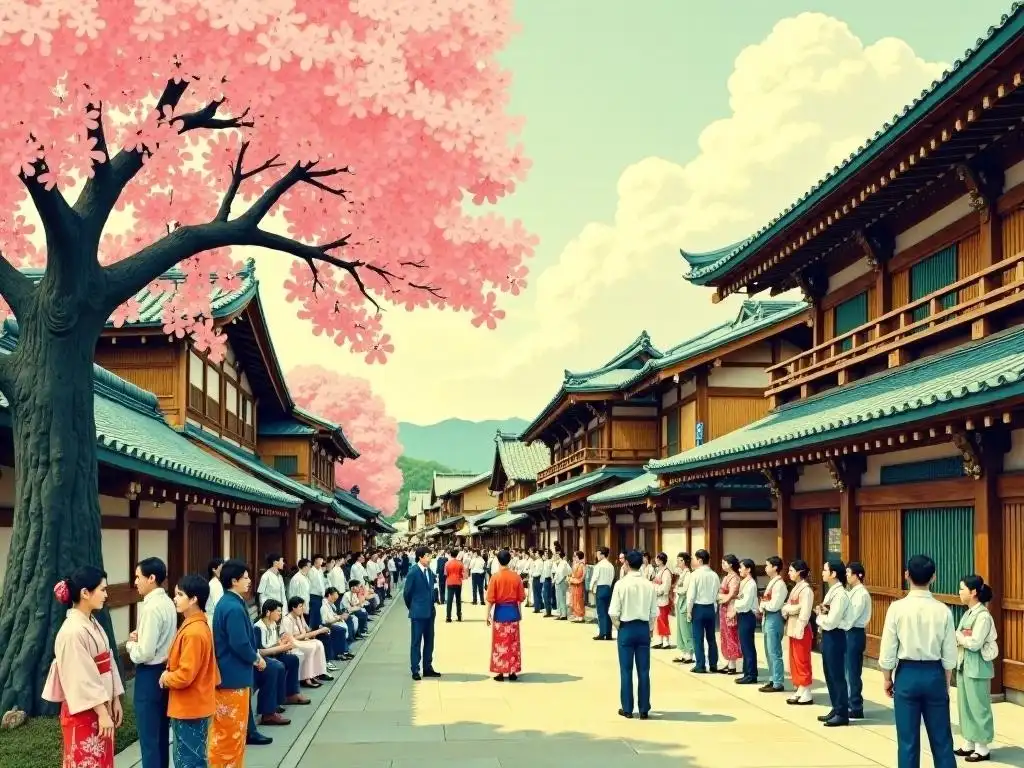
Welcome to Feudal Japan History, where we invite you to journey through the captivating tapestry of Japan's feudal era. Here, you will uncover the vibrant interplay of culture, history, and tradition, starting with our featured article on “The Role of Festivals in Promoting Traditional Japanese Arts and Crafts.” Discover how these lively celebrations have not only preserved the rich heritage of Japanese arts but also shaped the society that birthed them. Get ready to dive deep into the intriguing world of Japanese festivals and their enduring impact on culture—your exploration begins now!
Introduction to Japanese Festivals and Traditional Arts
Japanese festivals, known as matsuri, are vibrant celebrations that embody the rich tapestry of Japan's cultural heritage. These festivals not only serve as a means of community gathering and spiritual expression but also play a crucial role in promoting and preserving traditional arts and crafts.
From intricate textile designs to performance arts such as noh and kabuki, festivals provide a dynamic platform for artisans and performers to showcase their skills, ensuring that these cultural practices are passed down through generations. This article explores how Japanese festivals act as catalysts for the perpetuation of traditional arts, highlighting their significance within the broader context of Japan's cultural history.
Overview of Japanese Festivals
Japanese festivals are diverse and multifaceted, often tied to local traditions, seasonal changes, or historical events. They range from grand celebrations like the Gion Matsuri in Kyoto, which features elaborate floats and processions, to smaller, community-focused events such as local shrine festivals.
- Types of Festivals:
- Seasonal Festivals: Celebrating the changing seasons, such as hanami (cherry blossom viewing) and tanabata (star festival).
- Religious Festivals: Tied to Shinto and Buddhist beliefs, often involving rituals and prayers.
- Cultural Festivals: Focused on showcasing local arts, crafts, and performances.
These festivals not only attract tourists but also strengthen community bonds and revive interest in traditional practices.
Importance of Traditional Arts in Japanese Culture
Traditional arts are integral to Japanese identity, reflecting the values, beliefs, and aesthetics of the society. They encompass a wide range of disciplines, including:
- Visual Arts: Such as ukiyo-e woodblock printing and sumi-e ink painting.
- Performing Arts: Including kabuki, noh, and bunraku (puppet theater).
- Craftsmanship: Notable crafts like pottery, textile weaving, and lacquer ware.
The preservation of these arts is vital, as they convey historical narratives and cultural significance, ensuring that the essence of Japan’s heritage remains vibrant in contemporary society.
The Historical Context of Festivals in Japan
Understanding the role of festivals in promoting traditional arts requires a look back at their historical context. Festivals have evolved through various periods, reflecting the changing dynamics of society, politics, and culture.
Festivals in the Feudal Era
During Japan's feudal era, festivals were deeply intertwined with the agricultural calendar and religious practices. They often served as a means to appease deities for bountiful harvests and prosperity. Feudal lords would sponsor grand festivals, which included:
- Samurai Performances: Showcasing the martial prowess and cultural sophistication of the samurai class.
- Artisan Showcases: Local craftsmen would display their works, promoting both artistry and trade.
These events not only reinforced social hierarchies but also facilitated cultural exchange and the development of regional styles in arts and crafts.
Evolution of Traditional Arts During Historical Periods
As Japan transitioned from the feudal era to modernization during the Meiji Restoration and beyond, traditional arts faced both challenges and opportunities. Festivals adapted to these changes, serving as a bridge between the past and the present:
- Adaptation of Arts: Many traditional practices were revived and reinterpreted to appeal to modern audiences.
- Integration with New Forms: Contemporary art forms began to incorporate traditional elements, enriching the cultural landscape.
Through these transformations, festivals have remained a steadfast vehicle for the promotion and appreciation of traditional Japanese arts and crafts, ensuring their relevance in modern society.
Key Japanese Festivals Celebrating Traditional Arts
Japan is renowned for its rich tapestry of festivals, many of which serve as vibrant showcases for traditional arts and crafts. These festivals not only celebrate cultural heritage but also provide artisans with a platform to exhibit their skills, thereby preserving and promoting various art forms. Here are some key festivals that highlight Japan's commitment to its traditional arts:
Gion Matsuri: A Showcase of Kyoto's Heritage
The Gion Matsuri, held in Kyoto throughout July, is one of Japan's most famous festivals. Rooted in the 9th century, it originally began as a purification ritual to appease the gods during an epidemic. Today, it features a series of events, culminating in a grand parade known as the Yamaboko Junko.
During the festival, intricately designed floats called "yamaboko" showcase the skills of craftsmen, who meticulously create these wooden structures adorned with tapestries and traditional decorations. The craftsmanship involved in float making represents various traditional Japanese arts, such as textile weaving, metalwork, and wood carving. The festival also provides opportunities for local artisans to sell their crafts, including pottery, textiles, and traditional sweets, thus contributing to the local economy and cultural preservation.
Nebuta Matsuri: Colorful Parades and Craftsmanship
The Nebuta Matsuri takes place in Aomori during the first week of August and is famous for its stunning illuminated floats. These floats, made of painted washi paper over a wooden frame, depict historical and mythical figures, showcasing the artistry and storytelling inherent in Japanese culture.
Artisans spend months preparing for the festival, demonstrating their skills in paper crafting, painting, and float construction. The festival also features traditional music and dance, with performers dressed in vibrant costumes. As a result, the Nebuta Matsuri not only celebrates the artistic talents of local craftspeople but also reinforces community identity and pride through the shared experience of creating and participating in this spectacular event.
Takayama Matsuri: The Art of Float Making
Takayama Matsuri, celebrated in Takayama twice a year, showcases some of the finest examples of traditional Japanese float craftsmanship. The festival occurs in spring and autumn, featuring beautifully ornate floats known as "yatai," which are intricately decorated using traditional techniques.
These floats are unique in their construction, often incorporating mechanisms that allow for movement and sound, such as the playing of traditional music. The craftsmanship involved in creating these floats reflects a high level of skill and dedication, as artisans use time-honored methods passed down through generations. The Takayama Matsuri serves not only as a celebration of craftsmanship but also as a gathering point for communities to engage in cultural practices that strengthen bonds and foster a sense of belonging.
The Connection Between Festivals and Traditional Craftsmanship
Japanese festivals play a crucial role in connecting traditional craftsmanship with the broader community. They serve as vital platforms for artisans to showcase their work, allowing them to reach audiences who may not be familiar with their craft.
How Festivals Serve as Platforms for Artisans
Festivals provide artisans with visibility, enabling them to demonstrate their skills and sell their creations directly to the public. This direct interaction fosters appreciation for traditional arts and crafts, encouraging potential customers to engage with the artisans and learn more about their techniques and the cultural significance behind their work.
Moreover, festivals often include workshops and demonstrations, where visitors can experience hands-on learning about traditional crafts, further promoting the importance of these art forms. This interaction not only helps sustain the artisans' livelihoods but also ensures that these traditional skills are passed down to future generations.
The Role of Community in Preserving Traditional Arts
Community involvement is essential for the preservation of traditional arts. Festivals encourage local participation, where residents take pride in their cultural heritage and support local artisans. The sense of community fostered during these events helps to create a shared responsibility for maintaining and promoting traditional practices.
Additionally, festivals often serve as a venue for intergenerational exchange, where older artisans can pass on their knowledge and skills to younger community members. This exchange ensures that traditional arts remain relevant and continue to evolve, keeping the cultural fabric of Japan vibrant and alive. Festivals, therefore, are not just celebrations; they are vital threads in the tapestry of Japan's cultural history, linking the past, present, and future of traditional arts and crafts.
Cultural Significance of Festivals in Japan
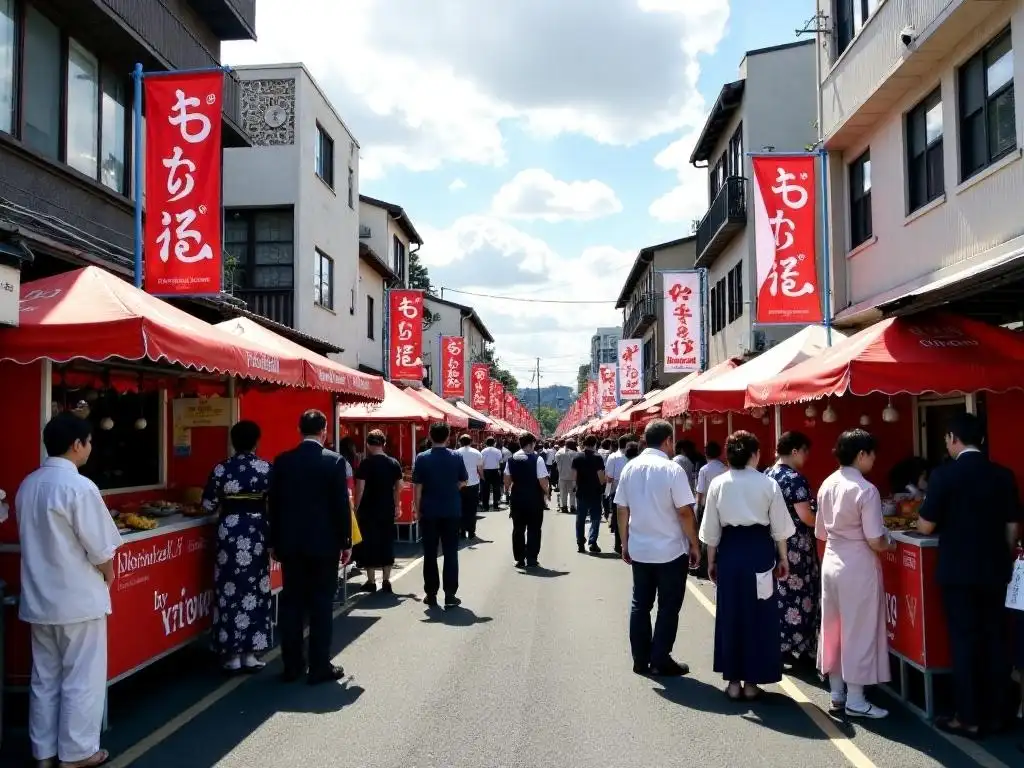
Festivals, or matsuri, hold a profound cultural significance in Japan, serving as focal points for community cohesion and cultural expression. These gatherings, often tied to agricultural cycles, religious observances, or historical events, reflect the essence of Japanese identity and the collective memory of its people. They provide a platform for showcasing traditional arts and crafts, helping to preserve these practices for future generations.
During festivals, local artisans and craftsmen display their work, from intricate textiles to beautifully crafted pottery. The sensory experience of vibrant costumes, rhythmic music, and traditional dances creates an immersive environment that celebrates Japan's rich heritage. This cultural tapestry is woven through generations, where each festival contributes to the narrative of regional identities and collective history, reinforcing social bonds and fostering a sense of belonging.
Festivals as Expressions of Japanese Identity
Japanese festivals serve as vital expressions of national and regional identity. Each festival embodies unique cultural traits, showcasing local customs, beliefs, and artistic traditions. For instance, the Gion Matsuri in Kyoto represents the city's rich history through its grand processions featuring elaborate floats, while the Nebuta Matsuri in Aomori emphasizes the region's connection to nature through vibrant lantern displays.
These festivals are often deeply intertwined with Shinto and Buddhist beliefs, illustrating the spiritual connection between the people and their deities. Participants engage in rituals that honor ancestors, celebrate seasonal changes, or seek blessings for bountiful harvests. Through these activities, attendees reaffirm their cultural heritage and strengthen their ties to their community, creating a sense of shared identity that resonates across generations.
The Influence of Festivals on Regional Arts and Crafts
Festivals play a crucial role in nurturing regional arts and crafts by providing artisans with opportunities to showcase their skills and sell their products. Each festival highlights local craftsmanship, encouraging artisans to innovate while preserving traditional techniques. For example, the Takayama Matsuri features beautifully crafted floats adorned with intricate carvings and textiles, showcasing the craftsmanship of local artisans.
Moreover, festivals stimulate local economies by attracting tourists and encouraging the purchase of handmade crafts. This economic boost reinforces the importance of traditional arts, ensuring that they remain a vital part of the local culture. As communities come together to celebrate their traditions, they also pass down valuable artistic knowledge, fostering a renewed interest in regional crafts among younger generations.
Modern Impacts of Festivals on Traditional Japanese Arts
In contemporary society, festivals continue to impact traditional Japanese arts, adapting to the changing cultural landscape while retaining their core significance. The interplay between tradition and modernity creates a dynamic environment where new artistic expressions can emerge, influenced by both local and global trends.
Revitalization of Traditional Crafts Through Festivals
Many festivals actively contribute to the revitalization of traditional crafts by integrating them into their programming. Workshops and demonstrations during festivals allow artisans to engage directly with the public, teaching traditional techniques and encouraging new practitioners. For instance, the Setouchi Triennale features artists and craftspeople who create site-specific works that blend modern art with traditional methods, revitalizing interest in local crafts.
Additionally, festivals often collaborate with educational institutions to promote traditional arts, offering courses and apprenticeships for young artisans. This proactive approach ensures that traditional crafts are not only preserved but also evolve, reflecting contemporary aesthetics while honoring historical practices.
Festivals in the Age of Globalization
In an increasingly globalized world, Japanese festivals face both challenges and opportunities regarding the preservation of traditional arts. While globalization introduces diverse influences and artistic forms, it also raises concerns about the dilution of cultural authenticity. However, many festivals have embraced this change, using globalization as a means to promote traditional arts on an international stage.
By inviting artists from around the world to participate in traditional festivals, Japan fosters cross-cultural exchanges that enrich its own artistic landscape. This openness encourages innovation while grounding contemporary practices in historical roots. Festivals like the Aichi Triennale exemplify this approach, blending traditional Japanese arts with global artistic trends, thereby creating a vibrant dialogue that celebrates both heritage and modernity.
Japanese festivals serve as vital conduits for the promotion and preservation of traditional arts and crafts, reinforcing cultural identity and fostering community engagement. Through their dynamic interplay with modernity and globalization, festivals ensure that Japan's rich artistic heritage continues to thrive.
Challenges Facing Traditional Arts in Festivals Today
Japanese festivals, or matsuri, have long served as vibrant celebrations of cultural heritage, showcasing traditional arts and crafts. However, these festivals face several challenges that threaten the continuity of these age-old practices.
One significant challenge is the declining participation in traditional arts due to a shrinking population in rural areas. As younger generations migrate to urban centers for education and employment, many local artisans struggle to find apprentices or successors for their craft. This demographic shift not only diminishes the number of skilled artisans but also affects the authenticity of the crafts presented at festivals.
Another challenge is the commercialization of festivals, where the focus shifts from showcasing traditional arts to creating a more marketable and entertaining experience for tourists. This trend can dilute the artistic integrity of the crafts and overshadow the cultural significance of the festivals. As a result, the very essence of these arts may be lost in the pursuit of attracting larger crowds.
The Impact of Urbanization on Traditional Practices
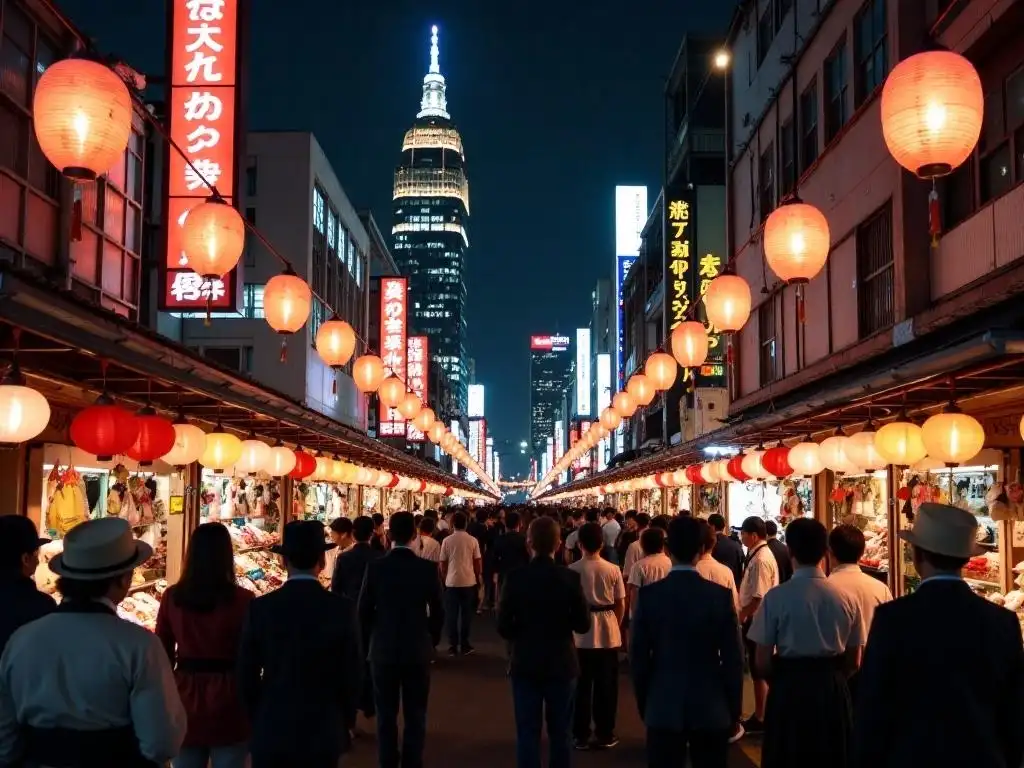
Urbanization has profoundly impacted traditional practices associated with Japanese festivals. As cities expand, many rural festivals, which often serve as the backbone for traditional arts, are either scaled down or canceled altogether. Urban environments tend to prioritize modern forms of entertainment, leaving less room for the preservation of traditional arts.
Additionally, urban festivals often struggle to maintain the authenticity of traditional practices. The urban setting can lead to the adaptation of traditional arts to fit contemporary tastes, which may result in a loss of cultural context. For instance, while some urban festivals incorporate traditional arts, the interpretation may lean towards novelty rather than authenticity, risking the erosion of cultural heritage.
Balancing Tradition and Modern Influences
The need to balance tradition with modern influences is becoming increasingly important in the context of Japanese festivals. While innovation can breathe new life into traditional arts, it is crucial to approach this integration thoughtfully.
Some festivals have begun to incorporate modern technology—such as digital media and interactive installations—to engage younger audiences. This can be effective for attracting interest but can also pose a challenge in maintaining the integrity of traditional crafts. Striking the right balance between innovation and authenticity is essential to ensure that the core cultural values of the festivals are preserved.
Moreover, collaboration between traditional artisans and contemporary artists can foster an environment where both styles enrich each other. This fusion can create a dynamic atmosphere at festivals, showcasing a spectrum of artistic expression that honors the past while looking toward the future.
Conclusion: The Future of Japanese Festivals and Traditional Arts
The future of Japanese festivals and traditional arts hinges on the collective efforts of communities, artisans, and cultural organizations. Ensuring the survival of these festivals requires a commitment to preserving cultural heritage while embracing necessary adaptations for contemporary relevance.
Preserving Heritage Through Festival Celebrations
Festival celebrations act as a vital conduit for preserving heritage. They provide opportunities for artisans to demonstrate their skills and for communities to engage with their cultural roots. By actively promoting traditional arts at these events, organizers can help sustain interest and participation in these crafts.
Moreover, educational components, such as workshops or demonstrations during festivals, can enhance public understanding and appreciation of traditional arts. This not only fosters a sense of community but also instills pride in cultural identity, ensuring that future generations remain connected to their heritage.
The Role of Younger Generations in Sustaining Traditional Arts
Younger generations play a crucial role in sustaining traditional arts within the context of Japanese festivals. Their involvement can lead to the revitalization of interest in these crafts. By participating in festivals as performers, volunteers, or artisans, they can bridge the gap between tradition and modernity.
Encouraging young people to engage with traditional arts through educational programs and hands-on experiences can cultivate a new wave of artisans. By fostering a sense of ownership and innovation among youth, the continuity of traditional arts is more likely to thrive, ensuring that these rich cultural practices endure for years to come.
While challenges persist, the dedication of communities and the active engagement of younger generations will be pivotal in shaping the future of Japanese festivals and traditional arts. By embracing both heritage and innovation, the rich tapestry of Japanese culture can continue to flourish.
- Introduction to Japanese Festivals and Traditional Arts
- The Historical Context of Festivals in Japan
- Key Japanese Festivals Celebrating Traditional Arts
- The Connection Between Festivals and Traditional Craftsmanship
- Cultural Significance of Festivals in Japan
- Modern Impacts of Festivals on Traditional Japanese Arts
- Challenges Facing Traditional Arts in Festivals Today
- The Impact of Urbanization on Traditional Practices
- Balancing Tradition and Modern Influences
- Conclusion: The Future of Japanese Festivals and Traditional Arts
- What is the significance of festivals in Japan's traditional arts?
- How do Japanese festivals impact local communities?
- What types of traditional arts are commonly featured in Japanese festivals?
- How do festivals help in the education of traditional Japanese arts?
- Are there any specific festivals dedicated to traditional arts in Japan?
Frequently Asked Questions
What is the significance of festivals in Japan's traditional arts?
Festivals in Japan play a crucial role in promoting and preserving traditional arts and crafts, serving as platforms for artists and artisans to showcase their skills and heritage.
How do Japanese festivals impact local communities?
Japanese festivals foster a strong sense of community and identity, bringing people together to celebrate their cultural heritage and support local traditions and craftsmanship.
What types of traditional arts are commonly featured in Japanese festivals?
Commonly featured traditional arts include calligraphy, ceramics, textiles, and performing arts such as Noh and Kabuki, which are integral parts of the festival experience.
How do festivals help in the education of traditional Japanese arts?
Festivals often include workshops and demonstrations, allowing attendees to learn about traditional techniques and the cultural significance behind various art forms.
Are there any specific festivals dedicated to traditional arts in Japan?
Yes, many festivals, such as the Takayama Matsuri and Gion Matsuri, specifically celebrate and promote traditional arts, showcasing local craftsmanship and performances that reflect Japan's rich cultural history.
Final Reflection: Celebrating Heritage Through Japanese Festivals
The significance of Japanese festivals in preserving and promoting traditional arts and crafts cannot be overstated; they serve as vibrant showcases of cultural heritage that resonate deeply in today's globalized world. As we navigate an era where cultural identities are often overshadowed by modernization, these festivals remind us of the importance of honoring and celebrating our roots. In a time when the essence of tradition is at risk of fading, the revival and appreciation of these arts through festivals become a powerful testament to their enduring relevance.
The impact of Japanese festivals extends beyond mere entertainment; they are a vital thread in the fabric of society that fosters community, creativity, and continuity. These events not only provide a platform for artisans to display their craftsmanship but also invite younger generations to engage with their heritage. As the renowned Japanese artist Katsushika Hokusai once said, The only thing that can be passed down from generation to generation is the spirit of the arts.
This spirit is alive and thriving in the heart of festivals, where the past meets the present in a celebration of identity and artistry.
As we reflect on the role of festivals in our lives, I invite you to consider how you can engage with and support traditional arts in your own community. Whether attending a local festival, learning a craft, or simply sharing the stories behind these traditions, every action contributes to the preservation of cultural heritage. Let us embrace the lessons of the past and carry them forward, ensuring that the beauty of Japanese arts and crafts continues to inspire future generations.
Unleash Your Inner Artisan: Celebrate Traditional Japanese Culture!
Thank you for diving into the vibrant world of Japanese festivals and their vital role in preserving traditional arts and crafts. We hope you’ve felt inspired by the unique ways these cultural celebrations keep age-old skills alive! Now, let’s turn that inspiration into action.
- Join a local festival: Experience the traditions firsthand! Look for upcoming festivals in your area that celebrate Japanese culture and immerse yourself in the art.
- Try your hand at a workshop: Seek out local classes or online tutorials where you can learn traditional crafts such as calligraphy, ikebana, or pottery. Unleash your creativity!
- Share your experiences: Connect with friends or online communities interested in Japanese culture. Share what you’ve learned and celebrate your journey!
What traditional Japanese art or craft inspires you the most, and how do you plan to connect with it?