
The Ritual of Tea: Exploring the Aesthetic of Chanoyu (Tea Ceremony)

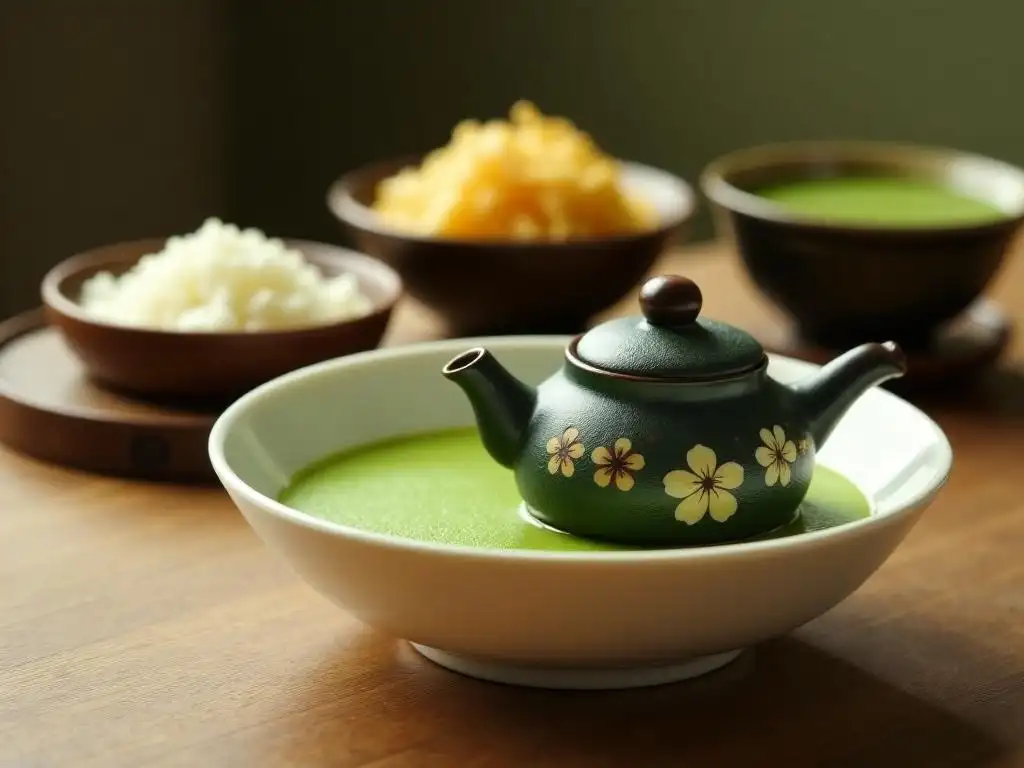
Welcome to Feudal Japan History, where we invite you to embark on a fascinating journey through the rich tapestry of Japan’s feudal era. In this exploration, we delve deep into the historical, cultural, and societal nuances that shaped a remarkable epoch. Our featured article, “The Ritual of Tea: Exploring the Aesthetic of Chanoyu (Tea Ceremony),” uncovers the profound significance and intricate traditions of the Japanese tea ceremony.
Are you ready to sip from the cup of history and discover how these timeless practices reflect the elegance and philosophy of a bygone era? Join us as we unravel the beauty of chanoyu and its enduring impact on Japanese culture.
Introduction to Japanese Tea Ceremony Traditions
The Japanese tea ceremony, known as Chanoyu, is much more than just a ritualistic preparation and serving of tea; it is a profound cultural practice that embodies the essence of Japanese aesthetics, philosophy, and social interaction. This intricate ceremony is a reflection of the historical evolution of Japanese society and its values, revealing the depths of spirituality and artistry intertwined in everyday life.
As a microcosm of Japanese culture, Chanoyu emphasizes harmony, respect, purity, and tranquility, making it a vital aspect of Japan's cultural heritage. Through this exploration, we will delve into the historical context, aesthetic principles, and the rich traditions surrounding the Japanese tea ceremony, shedding light on why it remains a cherished art form today.
Overview of Chanoyu and Its Significance
At the heart of Chanoyu lies the meticulous preparation of matcha (powdered green tea), which is served in a setting that promotes mindfulness and connection between host and guests. The ceremony is a harmonious blend of ritual, art, and etiquette, where each movement is imbued with intentionality, designed to foster appreciation for the moment.
The significance of Chanoyu extends beyond the act of drinking tea; it serves as an opportunity for participants to engage in a meditative experience, encouraging them to be present and mindful. As an embodiment of Japanese tea ceremony traditions, Chanoyu stands as a testament to the values of simplicity and beauty found in everyday life, inviting practitioners and observers alike to reflect on their own existence.
Historical Context of Japanese Tea Ceremony
The origins of the Japanese tea ceremony trace back to the 9th century, with the introduction of tea through the efforts of Buddhist monks who recognized its stimulating effects during meditation. Over the centuries, this practice evolved, influenced by various cultural and historical developments, particularly during the Muromachi period (1336-1573), when the tea ceremony began to take shape into a formalized ritual.
The aesthetic philosophies of notable figures such as Sen no Rikyū, who emphasized the principles of wabi-sabi, further transformed Chanoyu into an art form that celebrated the beauty of simplicity and imperfection. Today, the Japanese tea ceremony is celebrated as a cultural treasure, capturing the essence of a time when art and daily life were seamlessly intertwined.
The Aesthetic Principles of Chanoyu
One of the defining aesthetic principles of the Japanese tea ceremony is wabi-sabi, a philosophy that finds beauty in imperfection and transience. This concept is reflected in the choice of tea utensils, including rustic tea bowls that may exhibit asymmetry or natural wear, symbolizing the passage of time and the uniqueness of each object. The appreciation of these imperfections invites participants to embrace their own vulnerabilities and imperfections, fostering a deeper connection to the moment. Wabi-sabi encourages a mindset that celebrates the fleeting nature of beauty, allowing the tea ceremony to transcend mere aesthetics and become a spiritual practice.
Simplicity and Minimalism in Japanese Tea Ceremony Traditions
Simplicity and minimalism are integral to the essence of Chanoyu, where every element—from the arrangement of utensils to the choice of tea—reflects a deliberate effort to eliminate excess and distraction. This focus on minimalism creates a serene environment conducive to reflection and connection.
The tea room, often characterized by tatami mats and natural materials, serves as a refuge from the chaos of daily life, allowing participants to immerse themselves fully in the experience. By stripping away the superfluous, the Japanese tea ceremony invites practitioners to appreciate the subtle beauty of their surroundings and the act of tea preparation itself, reinforcing the profound impact of simplicity in Japanese tea ceremony traditions.
Elements of the Japanese Tea Ceremony
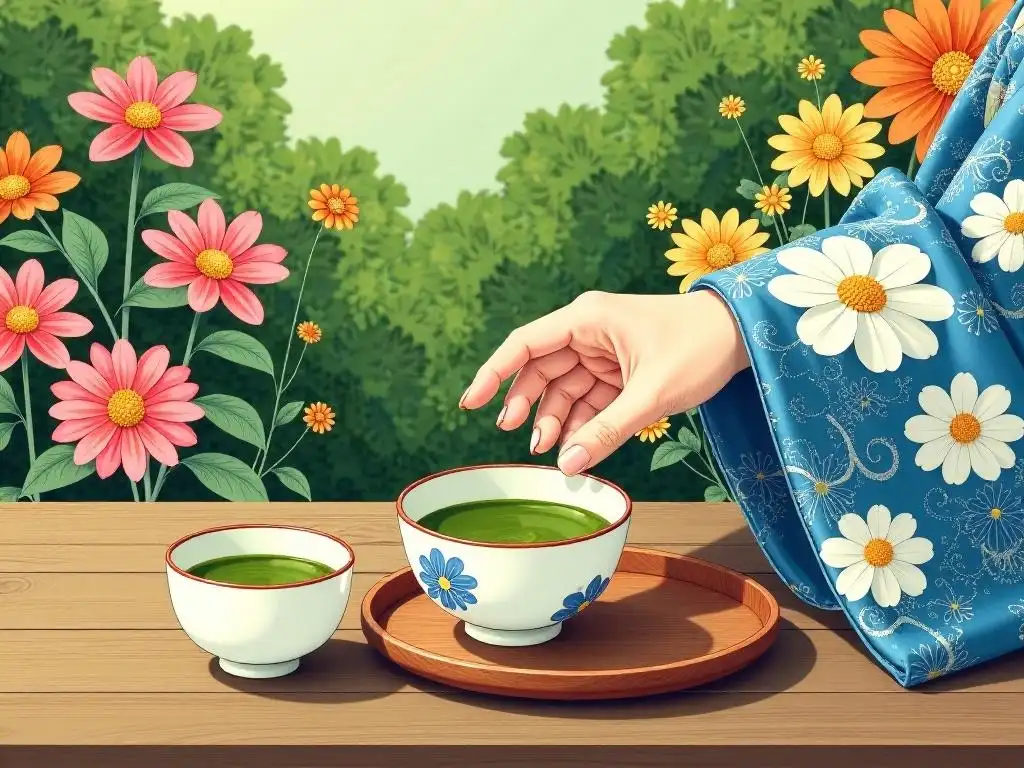
The Japanese tea ceremony, or Chanoyu, is a harmonious blend of aesthetics, philosophy, and ritual, rooted deeply in Japan’s cultural traditions. Various elements come together to create an experience that transcends the mere act of drinking tea. Each component holds significant meaning and contributes to the overall atmosphere of tranquility and mindfulness. From the choice of tea utensils to the design of the tea room, every detail is meticulously curated to enhance the ritual.
The Tea Utensils: Tools of the Chanoyu
The tea utensils are crucial in the Japanese tea ceremony, each serving a specific purpose while reflecting the principles of simplicity and beauty. The primary tools include:
- Chawan (Tea Bowl): The bowl used for whisking and drinking matcha. Its shape and glaze can vary, showcasing the potter's skill and the season's influence.
- Chasen (Tea Whisk): Made from bamboo, it is used to froth the matcha into a smooth, creamy texture. The chasen’s design is intricate and represents the delicate balance of form and function.
- Chashaku (Tea Scoop): Also crafted from bamboo, this scoop is used to measure matcha powder. Its elegant design highlights the importance of precision in the ceremony.
- Kensui (Waste Water Vessel): A container for any waste or leftover water, symbolizing the importance of cleanliness and respect for the space.
- Fukusa (Silk Cloth): Used to purify the utensils and handle them with care, the fukusa is a symbol of respect for both the tools and the tea.
These utensils not only serve practical purposes but also embody the aesthetic principles of wabi-sabi, which appreciates the beauty of imperfection and transience.
The Role of Matcha in Japanese Tea Ceremony Traditions
Matcha, finely powdered green tea, is the centerpiece of the Japanese tea ceremony. Its significance extends far beyond just being a beverage; it embodies the essence of the ceremony itself.
- Cultural Significance: Matcha has been consumed in Japan since the 12th century, originally brought over by Zen Buddhist monks. Its preparation and consumption became intertwined with spiritual practices, emphasizing clarity of mind and presence.
- Ceremonial Preparation: The preparation of matcha is a meditative process that requires skill and mindfulness. The tea is whisked with the chasen in the chawan, creating a frothy layer that symbolizes the harmony between the tea master and the guests.
- Flavor Profile: The unique umami flavor and vibrant green color of matcha engage the senses, enhancing the experience of the ceremony. This sensory engagement encourages participants to be fully present in the moment.
- Health Benefits: Rich in antioxidants and nutrients, matcha not only nourishes the body but also plays a role in promoting well-being, aligning with the holistic approach of the tea ceremony.
Through matcha, participants experience a direct connection to nature and the art of tea-making, reinforcing the values of mindfulness and appreciation.
The Setting: Tea Room Design and Aesthetics
The design of the tea room, or chashitsu, plays a vital role in the Japanese tea ceremony, reflecting the aesthetics of simplicity and natural beauty.
- Architecture: Traditional tea rooms are often constructed using natural materials such as wood and tatami mats, creating a warm and inviting atmosphere. The architecture is intentionally minimalist, allowing for a focused and serene experience.
- Entrance and Pathway: The approach to the tea room is an integral part of the experience. Often, a gravel path leads to a low entrance, requiring guests to bow as they enter, symbolizing humility and respect.
- Decorative Elements: The room’s decor is carefully curated, featuring seasonal flowers, calligraphy, and simple ceramics. These elements highlight the changing seasons and foster an appreciation for nature’s beauty.
- Lighting: Natural light is often utilized in the tea room, enhancing the tranquil ambiance. The interplay of light and shadow creates a dynamic environment that evolves throughout the day.
Together, these design elements create a sacred space where participants can engage in reflection, connection, and the appreciation of life’s simple pleasures.
The Process of the Japanese Tea Ceremony
The process of the Japanese tea ceremony is a structured yet fluid experience that emphasizes mindfulness, respect, and harmony among participants. Each step is imbued with meaning, transforming the act of sharing tea into a profound ritual.
Step-by-Step Guide to Conducting a Traditional Tea Ceremony
- Preparation: The host prepares the tea room and utensils, ensuring cleanliness and organization. This includes arranging seasonal flowers and setting out the necessary tools.
- Welcoming Guests: Guests are invited to enter the tea room, where they are greeted warmly. The host may offer a light snack, enhancing the overall experience.
- Purification of Utensils: The host demonstrates respect by purifying the utensils with the fukusa, symbolizing the importance of cleanliness and intention.
- Preparing Matcha: The host measures the appropriate amount of matcha using the chashaku and adds hot water. The tea is then whisked with the chasen, creating a frothy consistency.
- Serving Tea: The host presents the tea bowl to the first guest, who expresses gratitude and admires the bowl’s aesthetics before taking a sip. This process is repeated for each guest.
- Communication and Reflection: Guests engage in quiet conversation, reflecting on the flavors and experience of the tea. The emphasis is on mindfulness and connection with one another.
- Closing Ritual: After all guests have enjoyed their tea, the host cleans the utensils and expresses gratitude for the shared experience, concluding the ceremony.
This structured process not only fosters a sense of community but also cultivates an atmosphere of peace and tranquility.
The Importance of Ritual and Mindfulness in Chanoyu
Ritual and mindfulness are at the heart of the Japanese tea ceremony, profoundly influencing its practice and philosophy.
- Mindfulness: The tea ceremony encourages participants to be fully present in the moment. Each action, from whisking the tea to serving it, is performed with intention and care, fostering a deep sense of mindfulness.
- Ritual Significance: The ceremonial aspects of Chanoyu provide a framework that guides participants through a shared experience, reinforcing social bonds and cultural values.
- Emotional Connection: Engaging in the ritual allows participants to connect not only with each other but also with the environment and the traditions that have shaped the ceremony over centuries.
- Spiritual Reflection: For many, the tea ceremony serves as a form of meditation, offering a space for reflection and contemplation, thus enhancing one’s spiritual well-being.
Through ritual and mindfulness, the Japanese tea ceremony transcends the act of drinking tea, becoming a transformative experience that embodies the essence of harmony, respect, and tranquility.
Cultural Influences on Japanese Tea Ceremony Traditions
The Japanese tea ceremony, known as Chanoyu, is deeply entrenched in various cultural influences that have shaped its development over centuries. These influences stem from religious, philosophical, and artistic traditions, all of which contribute to the ceremony's rich symbolism and aesthetic values. The interplay of different cultural elements has resulted in a unique practice that reflects the ethos of Japan, emphasizing harmony, respect, purity, and tranquility.
One of the most significant influences on Chanoyu is Zen Buddhism, which has infused the ceremony with profound spiritual meaning. The simplicity and mindfulness inherent in Zen practices resonate throughout the tea ceremony, where every action is performed with intention and awareness. Furthermore, the aesthetics of wabi-sabi, a Japanese worldview that finds beauty in imperfection and transience, are central to the design of tea utensils and the overall atmosphere of the ceremony.
In addition to Zen Buddhism, the tea ceremony has also been influenced by the samurai class and their code of conduct, known as Bushido. The values of discipline, loyalty, and honor reflected in these principles have permeated the tea ceremony, making it not just a ritualistic activity but also a reflection of social status and cultural identity within feudal Japan.
Zen Buddhism and Its Impact on Chanoyu
Zen Buddhism has had a profound impact on the development of the Japanese tea ceremony, shaping both its philosophy and practice. The core tenets of Zen—mindfulness, meditation, and simplicity—are integral to Chanoyu, encouraging participants to engage fully in the present moment. This alignment with Zen practices promotes a sense of peace and tranquility, effectively transforming the tea ceremony into a meditative experience.
The aesthetics of Chanoyu can also be traced back to Zen principles. The choice of materials, the design of tea rooms, and the arrangement of tea utensils often reflect the Zen value of simplicity and naturalness. For instance, the use of rustic, unglazed pottery and natural wood in tea implements embodies the wabi-sabi aesthetic, emphasizing imperfection and the beauty of nature.
Moreover, Zen teachings encourage an appreciation for the transient nature of life, a theme that resonates in the ephemeral experience of the tea ceremony. Each session is unique, with the environment, participants, and even the tea itself creating a moment that will never occur again. This perspective fosters a deeper connection to the present and enhances the overall experience of Chanoyu, making it a spiritual practice as much as a cultural one.
The Evolution of Tea Ceremony Practices Through Feudal Japan
The evolution of tea ceremony practices throughout feudal Japan reflects the dynamic interplay of social, political, and cultural changes during this period. Initially introduced in the 9th century by Buddhist monks returning from China, tea drinking began as a simple act of consumption. However, over the centuries, it evolved into a sophisticated ritual with deep spiritual and aesthetic significance.
During the Muromachi period (1336-1573), the tea ceremony began to take its modern form, heavily influenced by figures such as Sen no Rikyū, who is credited with establishing the principles of wabi-cha, or "tea of rustic simplicity." Rikyū emphasized the importance of a serene environment, the humble presentation of tea, and the cultivation of a mindful approach to the ritual. His teachings became foundational in shaping the aesthetics and practices of Chanoyu.
The Edo period (1603-1868) marked a significant expansion of the tea ceremony's popularity among the samurai and merchant classes. It became a social event, where elaborate tea gatherings showcased the wealth and status of hosts. This period saw an increase in the production of exquisite tea utensils, which became symbols of prestige and artistic expression. However, despite this commercialization, the core principles of Zen remained at the heart of the ceremony, ensuring that it retained its spiritual essence.
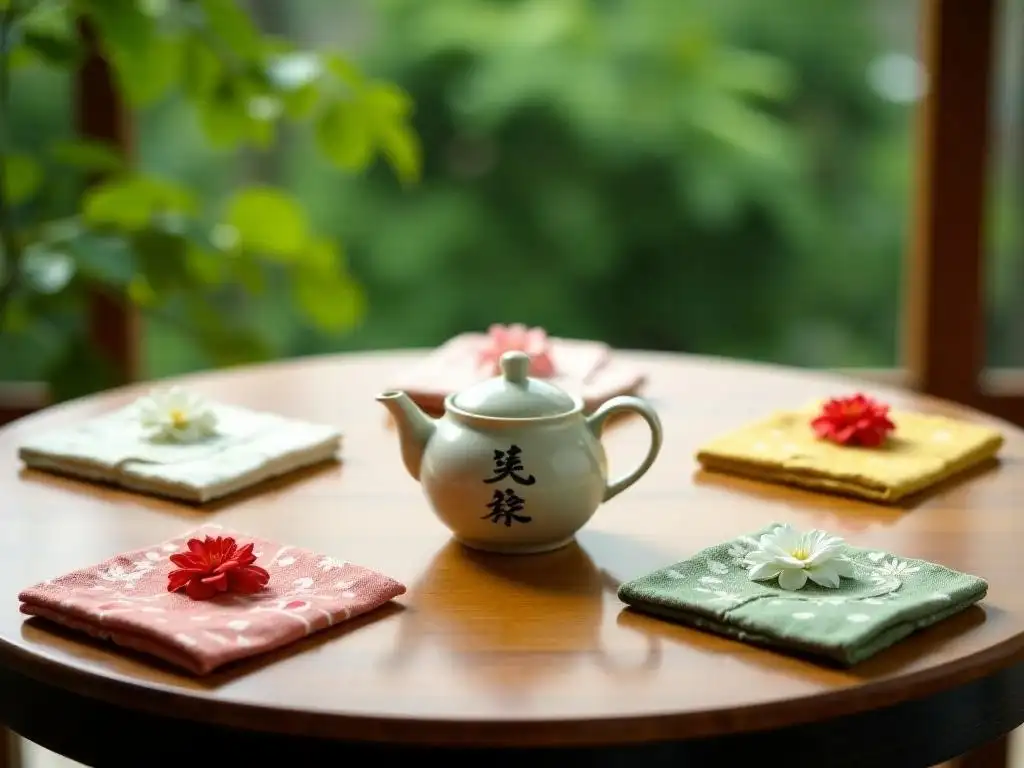
The Japanese tea ceremony serves as a vital social practice, fostering community and connection among participants. This ritual is not merely about the preparation and consumption of tea; it is also a means of building relationships and cultivating a sense of belonging. The shared experience of Chanoyu allows individuals to engage in meaningful interactions, reinforcing social bonds and cultural identity.
The tea ceremony provides a unique space where social hierarchies are momentarily set aside. Regardless of status, all participants are expected to adhere to the same rituals and etiquette, promoting equality and mutual respect. This democratizing aspect of Chanoyu encourages a sense of community, allowing individuals to connect on a deeper level through the shared appreciation of art, nature, and mindfulness.
Community and Connection in Tea Ceremony Traditions
Community plays a central role in the Japanese tea ceremony, as it is often conducted in a group setting where participants gather to share in the ritual. This communal aspect fosters a spirit of togetherness and collaboration, allowing individuals to bond over the experience of preparing and enjoying tea. The ceremony becomes a social event, where conversation and connection flourish in a tranquil environment.
The act of serving tea is imbued with respect and hospitality, reflecting the host's care for their guests. Through the meticulous preparation of tea, hosts convey their appreciation for the company of others, reinforcing social ties and creating a nurturing atmosphere. Participants are encouraged to engage in mindful conversation, further deepening their connections and fostering an environment of openness and understanding.
Additionally, the tea ceremony often serves as a platform for cultural exchange, where individuals from diverse backgrounds come together to share their experiences and perspectives. This engagement enriches the communal experience, as participants learn from one another and celebrate the beauty of varied traditions within the framework of Chanoyu.
The Role of Gender in the Practice of Chanoyu
Gender dynamics within the Japanese tea ceremony reveal both historical and contemporary perspectives on societal roles. Traditionally, the practice of Chanoyu has been predominantly associated with women, particularly in the context of kaiseki (a multi-course dining experience) and the preparation of tea. Women have played a vital role in the transmission of tea ceremony knowledge and skills, often serving as teachers and mentors.
However, the role of men in the tea ceremony has also been significant, particularly during the establishment of Chanoyu as a formalized art. Influential male figures, such as Sen no Rikyū, shaped the philosophy and practices of the tea ceremony, ensuring its growth and evolution. Men also participated in tea gatherings, demonstrating their skills and knowledge, which contributed to the overall prestige of Chanoyu.
In modern times, the tea ceremony has become more inclusive, with both men and women actively participating in its practice. Various schools of tea have emerged, offering diverse interpretations of Chanoyu that reflect contemporary values of gender equality. The evolving nature of the tea ceremony underscores the importance of inclusivity, allowing individuals of all genders to engage in and appreciate this rich cultural tradition.
Contemporary Relevance of Japanese Tea Ceremony Traditions
In today's fast-paced world, the Japanese tea ceremony, or Chanoyu, continues to hold significant relevance. This ancient practice, steeped in history and cultural symbolism, has evolved and adapted to fit modern lifestyles while retaining its core values. The tea ceremony promotes mindfulness, tranquility, and an appreciation for nature, making it a valuable practice for individuals seeking respite from the chaos of daily life.
Moreover, as global interest in wellness and mindfulness practices grows, the tea ceremony's emphasis on simplicity and beauty resonates with many. Workshops and classes on Chanoyu are increasingly popular, providing participants not only with skills to prepare and serve tea but also with insight into the philosophy behind the ritual. This contemporary relevance showcases how traditional practices can be integrated into modern life, fostering a deeper understanding of Japanese culture.
Modern Interpretations and Adaptations of Chanoyu
Modern interpretations of Chanoyu have emerged as a response to contemporary societal changes. While traditional ceremonies adhere strictly to established protocols, today’s practitioners often adapt the rituals to suit different contexts and audiences. For instance, some modern ceremonies may incorporate a wider variety of teas beyond the traditional matcha, appealing to diverse tastes and preferences.
Additionally, technology plays a role in the adaptation of Chanoyu. Online classes and virtual ceremonies have made the practice more accessible, allowing people worldwide to participate in this cultural experience without geographical limitations. These adaptations reflect a broader trend in which traditional arts are reimagined to remain relevant, ensuring that the essence of the tea ceremony—mindfulness, beauty, and connection—endures.
The Global Influence of Japanese Tea Ceremonies
The influence of Japanese tea ceremonies extends far beyond Japan's borders, impacting various cultures and practices around the world. As cultural exchange continues to flourish, elements of Chanoyu have been embraced in different contexts, inspiring new forms of tea rituals. For example, tea houses in the United States and Europe often incorporate aspects of the Japanese tea ceremony into their practices, emphasizing a serene environment and the aesthetic presentation of tea.
Moreover, the philosophies underlying Chanoyu—such as harmony, respect, purity, and tranquility—have found resonance in Western mindfulness and wellness movements. This cross-cultural interaction not only enriches the practice of tea drinking globally but also fosters a greater appreciation for Japanese culture and its artistic expressions.
Conclusion: The Enduring Legacy of Japanese Tea Ceremony Traditions
The legacy of Japanese tea ceremony traditions is enduring, reflecting a timeless appreciation for aesthetics, mindfulness, and cultural heritage. As the world continues to change, the tea ceremony stands as a testament to the importance of pausing to appreciate the present moment, fostering connections with others, and respecting nature.
Through the practice of Chanoyu, individuals can engage in a ritual that transcends mere tea preparation, transforming it into an art form and a spiritual experience. The enduring nature of these traditions demonstrates their ability to adapt and thrive, ensuring that future generations can appreciate the beauty and significance of the Japanese tea ceremony.
Reflections on the Aesthetic and Cultural Significance of Chanoyu
The aesthetic and cultural significance of Chanoyu lies in its multifaceted approach to beauty and spirituality. The careful arrangement of the tea room, the selection of utensils, and the graceful movements of the host all contribute to an environment that encourages contemplation and appreciation of simplicity. Each element of the ceremony is imbued with meaning, reinforcing the connection between the participants and the larger universe.
Furthermore, Chanoyu embodies the principles of wabi-sabi, a Japanese worldview that finds beauty in imperfection and transience. This philosophy encourages participants to embrace the moment and recognize the beauty in everyday life, reinforcing the relevance of the tea ceremony in contemporary society. In essence, the Japanese tea ceremony is not just a cultural artifact; it is a living tradition that continues to inspire and connect people across cultures and generations.
- Introduction to Japanese Tea Ceremony Traditions
- The Aesthetic Principles of Chanoyu
- Simplicity and Minimalism in Japanese Tea Ceremony Traditions
- Elements of the Japanese Tea Ceremony
- The Process of the Japanese Tea Ceremony
- Cultural Influences on Japanese Tea Ceremony Traditions
- The Social Aspects of the Japanese Tea Ceremony
- Contemporary Relevance of Japanese Tea Ceremony Traditions
- Conclusion: The Enduring Legacy of Japanese Tea Ceremony Traditions
- What is the significance of the Japanese tea ceremony in feudal Japan?
- How did the Japanese tea ceremony evolve during the feudal period?
- What are the essential elements of a traditional tea ceremony?
- How does the tea ceremony reflect Japanese aesthetics?
- Can the tea ceremony be practiced outside of Japan?
Frequently Asked Questions
What is the significance of the Japanese tea ceremony in feudal Japan?
The Japanese tea ceremony, or Chanoyu, plays a crucial role in cultural expression and reflects the aesthetic values of simplicity and mindfulness that were prominent during the feudal era.
How did the Japanese tea ceremony evolve during the feudal period?
The tea ceremony evolved through the influence of samurai culture and Zen Buddhism, emphasizing spiritual practice and the importance of hospitality, which shaped its rituals and aesthetics.
What are the essential elements of a traditional tea ceremony?
Key elements include the tea utensils, the tea itself, the setting, and the ritualistic movements, all of which contribute to the overall aesthetic and philosophical experience of Chanoyu.
How does the tea ceremony reflect Japanese aesthetics?
The tea ceremony embodies wabi-sabi, the beauty found in imperfection and transience, showcasing the deep connection between nature and human experience in Japanese culture.
Can the tea ceremony be practiced outside of Japan?
Yes, the Japanese tea ceremony can be practiced globally, often in cultural centers or through workshops, allowing people to appreciate its traditions and philosophy beyond Japan’s borders.
Final Reflection: Embracing the Serenity of Japanese Tea Ceremony Traditions
The Japanese tea ceremony traditions are not merely rituals; they are profound expressions of mindfulness and connection that resonate deeply in our fast-paced modern world. In a time where distractions abound and the art of slowing down seems lost, the tea ceremony offers a sanctuary for reflection and presence. It serves as a reminder that simplicity and beauty can be found in the most ordinary moments, inviting us to appreciate the delicate balance between nature and human interaction.
The influence of the tea ceremony extends far beyond its aesthetic appeal; it shapes our cultural and social landscapes by fostering a sense of community and mindfulness. The principles of harmony, respect, purity, and tranquility that underpin this tradition encourage us to cultivate deeper connections with ourselves and others. As the renowned tea master Sen no Rikyū once said, Tea is a religion of the art of life.
This philosophy continues to inspire individuals to seek beauty in simplicity and to create meaningful experiences in their daily lives.
As you reflect on the lessons of the Japanese tea ceremony traditions, consider how you can incorporate moments of mindfulness and appreciation into your own routine. Take a moment to brew a cup of tea, savor its warmth, and allow yourself to be present. Let the ritual of tea serve as a gentle reminder that in our quest for fulfillment, it is often the simplest practices that bring us the greatest joy. Embrace the serenity of the tea ceremony, and allow it to inspire a deeper connection with yourself and the world around you.
Embrace the Serenity of Chanoyu Today!
Thank you for taking the time to explore the enchanting world of the tea ceremony with us! We hope you gained insights into the beauty and mindfulness of Chanoyu. Now, it's time to bring that peace and aesthetic into your own life.
Here are a few simple yet impactful ways you can deepen your connection with this ritual:
- Create your own tea ceremony at home – gather your favorite teas, set up a calming space, and invite loved ones to join in this meditative experience.
- Explore local tea shops to try different varieties; consider attending a workshop to learn more about the art of tea preparation.
- Share your experience on social media or within a community group, inspiring others to appreciate the tranquility that comes with enjoying tea.
What unique ritual or element of mindfulness will you incorporate into your daily routine today?