
The Techniques of Japanese Woodblock Printing: A Historical Overview

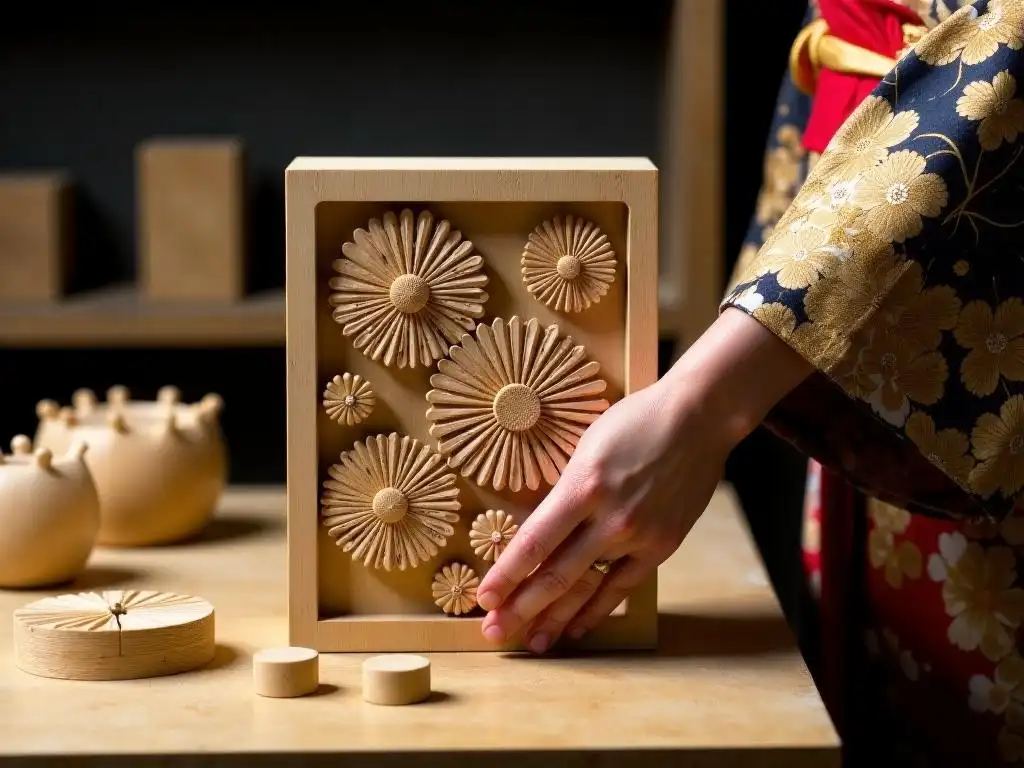
Welcome to Feudal Japan History, your gateway to an extraordinary journey through the captivating world of Japan's feudal era. Here, we unravel the intricate tapestry of historical, cultural, and societal narratives that shaped a nation. Dive into our featured article, “The Techniques of Japanese Woodblock Printing: A Historical Overview,” and discover the artistry behind this iconic craft that not only transformed visual expression but also played a pivotal role in cultural dissemination.
Prepare to be intrigued as we explore the secrets of these timeless techniques, inviting you to delve deeper into the rich legacy of Japan’s artistic heritage. Your adventure through history begins now!
Introduction to Japanese Woodblock Printing Techniques
Japanese woodblock printing, known as ukiyo-e, is a sophisticated art form that flourished during the Edo period (1603-1868), showcasing not only artistic beauty but also profound cultural significance. This printing technique involves carving images into wooden blocks and then using those blocks to print on paper, creating detailed and vibrant artworks that capture the essence of Japanese life, landscapes, and folklore. Understanding Japanese woodblock printing techniques is crucial as it provides insight into the artistic innovations and cultural narratives of feudal Japan.
Definition of Japanese Woodblock Printing
Japanese woodblock printing is a multi-step process that combines art, craftsmanship, and storytelling. At its core, this technique involves:
- Designing: An artist creates a design, often inspired by nature, everyday life, or historical events.
- Carving: Skilled artisans carve the design into cherry wood blocks, meticulously creating a relief that will transfer the ink onto paper.
- Inking: The carved blocks are inked using a brush, ensuring that only the raised areas receive color.
- Printing: Paper is placed onto the inked block, and pressure is applied, transferring the image to the paper.
This meticulous process allows for the creation of stunning visual narratives that resonate with audiences to this day.
Importance in Japanese Culture and History
Woodblock printing played a pivotal role in disseminating art and culture throughout Japan. It served as a vehicle for:
- Cultural Preservation: Many prints captured the essence of Edo-period life, preserving historical moments, traditional clothing, and social customs.
- Popularization of Art: Ukiyo-e made art accessible to the masses, allowing common people to own and appreciate beautiful imagery.
- Influence on Western Art: The techniques and aesthetics of Japanese woodblock printing significantly impacted Western artists in the 19th century, contributing to movements like Impressionism.
The cultural significance of Japanese woodblock printing extends beyond mere aesthetics, offering a glimpse into the values, beliefs, and experiences of people during a transformative time in Japan's history.
Overview of Historical Context
To fully appreciate the techniques of Japanese woodblock printing, one must consider the historical backdrop against which it developed. Originating from Chinese printing techniques, Japanese woodblock printing evolved uniquely due to:
- Isolation: Japan's self-imposed isolation during the Edo period allowed for the flourishing of distinct cultural practices, including woodblock printing.
- Economic Growth: The rise of a merchant class supported the demand for art, leading to increased production and innovation in printing techniques.
- Artistic Collaboration: The collaboration between artists, craftsmen, and publishers created a vibrant ecosystem that nurtured creativity and technical advancements.
This historical context laid the foundation for the rich tapestry of styles and techniques that characterize Japanese woodblock printing.
The Evolution of Japanese Woodblock Printing Techniques
Early Beginnings of Woodblock Printing in Japan
The origins of woodblock printing in Japan can be traced back to the 8th century, heavily influenced by Chinese techniques. Initially used for religious texts, the practice gradually evolved to include illustrations and decorative prints. By the 17th century, with the establishment of the Edo period, the art form began to flourish, marked by greater artistic freedom and experimentation.
Key Historical Figures in Woodblock Printing
Numerous artists have significantly contributed to the development of Japanese woodblock printing techniques. Some key figures include:
- Utagawa Hiroshige: Renowned for his landscape prints that capture the beauty of nature and changing seasons.
- Katsushika Hokusai: Famous for his iconic wave print, "The Great Wave off Kanagawa," which exemplifies the fusion of artistry and technical skill.
- Torii Kiyonaga: Known for his beautiful prints of women and kabuki actors, showcasing the diversity of subjects in ukiyo-e.
These artists not only mastered the techniques but also pushed the boundaries of creativity, leaving an enduring legacy in the world of art.
Development Through the Edo Period
The Edo period marked a golden age for Japanese woodblock printing, characterized by:
- Innovative Techniques: The introduction of multi-block printing allowed for more vibrant colors and intricate designs, enhancing the visual impact of prints.
- Diverse Themes: Artists began exploring a variety of themes, including landscapes, portraits, and scenes from everyday life, reflecting the dynamic culture of the time.
- Cultural Exchange: Increased trade and interaction with foreign cultures introduced new ideas and aesthetics, influencing the evolution of woodblock printing techniques.
This era solidified woodblock printing as a central facet of Japanese art, with techniques that continue to inspire and captivate audiences around the world.
Materials Used in Japanese Woodblock Printing
Japanese woodblock printing, or ukiyo-e, is a traditional art form that relies heavily on specific materials to achieve its unique aesthetic and quality. The primary components include wood, ink, pigments, and paper, each selected for its properties and compatibility with the printing process.
1. Wood Blocks: The wood used for creating printing blocks is crucial. Various types of wood are chosen for their density, grain, and ease of carving. The wood must be durable to withstand multiple prints while also being soft enough for intricate designs.
2. Inks and Pigments: The inks in woodblock printing are typically made from natural materials. The pigments are derived from minerals, plants, and even insects, providing a wide range of colors that can be layered to create depth and vibrancy in prints.
3. Paper: The choice of paper plays a significant role in the final appearance of the print. Traditional Japanese paper, known as washi, is favored for its texture and absorbency, allowing for the rich application of ink and pigment.
Types of Wood Utilized in Japanese Printmaking
In Japanese woodblock printing, the type of wood used can greatly influence both the carving process and the quality of the print.
- Cherry Tree (Sakura): This is one of the most popular woods used in printmaking due to its fine grain and resistance to warping. It holds details well, making it ideal for intricate designs.
- Magnolia: Known for its softness, magnolia wood is easier to carve, allowing for detailed work. However, it may not be as durable as cherry wood.
- Paulownia: This wood is lightweight and has a relatively fine grain, making it suitable for larger prints. Its ability to absorb ink well also contributes to the quality of the final print.
Inks and Pigments in Woodblock Printing
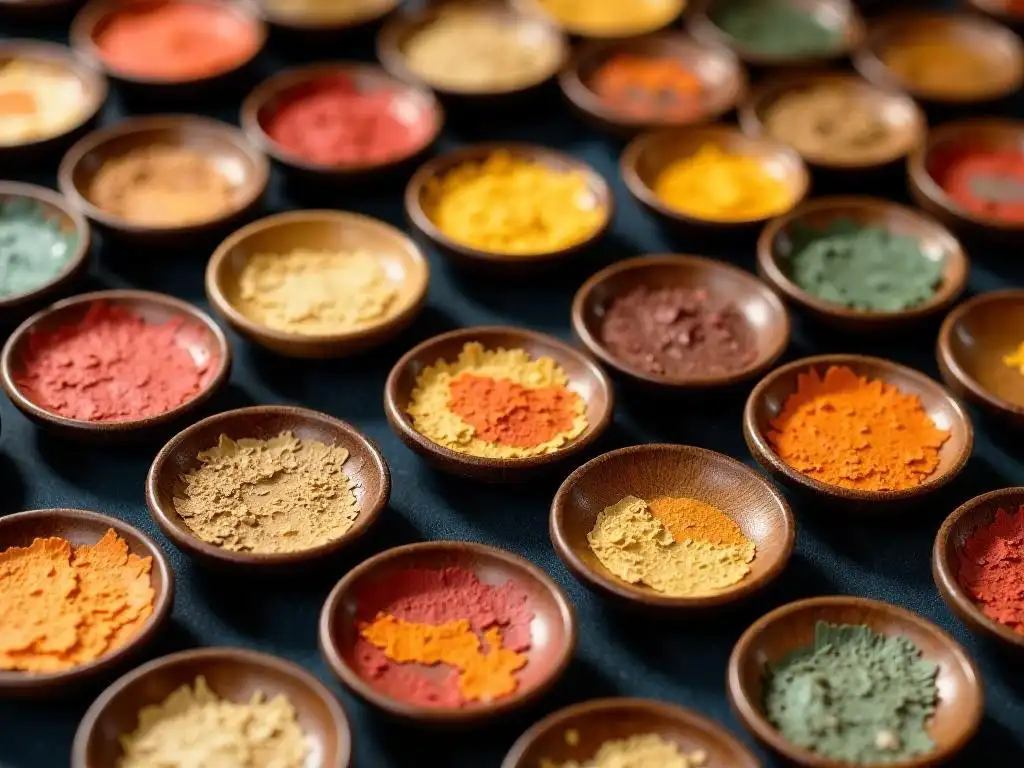
The inks and pigments used in Japanese woodblock printing are essential for the vibrancy and longevity of the prints.
- Natural Inks: Traditionally, inks are made from soot mixed with sticky rice paste and water, creating a thick, rich black ink that is highly valued for its depth.
- Pigments: A wide variety of pigments are utilized, including:
- Mineral Pigments: Such as azurite for blues and ochre for yellows.
- Plant-Based Pigments: Derived from plants like indigo for deep blues and safflower for reds.
- Insect-Based Pigments: Such as carmine, which is made from cochineal insects and used to produce bright reds.
Paper Selection for Printing Techniques
The selection of paper is a critical aspect of achieving the desired results in Japanese woodblock printing.
- Washi: This traditional Japanese paper is favored for its strength and texture. Made from the fibers of the mulberry tree, it allows for high absorbency and enhances the vibrancy of the inks.
- Thickness: The thickness of the paper affects how well it can absorb ink and the clarity of the print. Thinner papers are often used for delicate prints, while thicker papers are chosen for bolder, more robust works.
- Surface Texture: The texture of the paper can also impact the final print. Smooth papers yield clearer images, while textured papers can add a unique dimension to the prints.
Traditional Techniques of Japanese Woodblock Printing
Japanese woodblock printing encompasses a variety of traditional techniques that have evolved over centuries. Each technique contributes to the character of the prints produced.
Ukiyo-e: The Floating World Prints
Ukiyo-e translates to "pictures of the floating world," and this genre of woodblock prints flourished from the 17th to 19th centuries in Japan. These prints depict scenes of landscapes, kabuki actors, beautiful women, and everyday life, characterized by vibrant colors and intricate details.
- Themes and Subjects: The subjects often reflect the transient beauty of life, capturing moments of joy, leisure, and nature.
- Color Techniques: The use of multiple woodblocks for different colors allows for a layered approach, enhancing the visual richness of the prints.
Kento Registration Techniques
Kento registration is a crucial technique in Japanese woodblock printing that ensures precise alignment of multiple color layers in a single print.
- Kento Marks: These are small notches or grooves carved into the woodblock that serve as alignment guides. They help printmakers register each layer accurately, resulting in detailed and vibrant images.
- Precision and Skill: Mastery of the kento technique requires significant skill and practice, as even slight misalignments can disrupt the overall composition of the print.
Hand Printing vs. Mechanical Printing Methods
The traditional method of printing in Japanese woodblock printing is done by hand, which contrasts with mechanical printing methods that have become more prevalent in modern times.
- Hand Printing: This technique involves using a baren (a round disc) to apply pressure evenly across the paper. The tactile nature of hand printing allows for greater control over the ink application and results in unique variations in each print.
- Mechanical Printing: While it offers efficiency and uniformity, mechanical methods lack the nuanced quality that hand printing provides. The character of each print may be lost in the mass production process.
The techniques of Japanese woodblock printing are deeply rooted in tradition, employing a careful selection of materials and methods that result in timeless works of art. Each aspect, from the type of wood to the printing process, contributes to the rich history and cultural significance of this art form.
The Process of Creating Japanese Woodblock Prints
The creation of Japanese woodblock prints, or ukiyo-e, is a meticulous and intricate process that combines artistic vision with technical skill. This traditional craft is revered for its beauty and complexity, and each step involves a distinct set of techniques that contribute to the final artwork. Below, we explore the key steps involved in creating these stunning prints.
Step 1: Design and Sketching
The journey of a woodblock print begins with the artist's design. Initially, the artist creates a detailed sketch, known as a hanshita, which serves as the preliminary artwork. This sketch is often done in ink on paper, capturing the intended composition, shapes, and figures.
- Collaboration with a Designer: In many cases, the designer collaborates with a master printmaker to refine the composition. The designer's vision is translated into a sketch that outlines the essential elements of the print.
- Color Planning: The artist also plans the color palette at this stage, deciding which colors will be used and how they will interact in the final piece.
Step 2: Carving the Woodblocks
Once the design is finalized, the next step is to carve the woodblocks. This process is critical as it determines the print's final appearance.
- Choosing the Right Wood: Traditionally, cherry wood was preferred for its fine grain and durability. Each color in the design requires a separate block, which means multiple blocks are often carved for a single print.
- Carving Techniques: The carver uses specialized tools, such as chisels and knives, to remove areas of wood that are not part of the design. This requires a high level of precision, as any mistake can ruin the block.
Step 3: Inking the Woodblocks
After the woodblocks are carved, they are prepared for inking. This step involves applying ink to the carved surfaces of the blocks.
- Ink Application: A bamboo brush is typically used to apply a thin layer of pigment evenly across the raised areas of the block. The color choice is crucial, as it affects the overall mood and tone of the print.
- Use of Natural Pigments: Traditional ukiyo-e prints often utilized natural pigments derived from minerals and plants, which contributed to their vivid colors and longevity.
Step 4: Printing Techniques and Pressing
The actual printing process is where the magic happens, transforming the inked woodblock into a print.
- The Printing Press: A simple hand press is used in this stage. The artist places a sheet of paper on the inked block and applies pressure to transfer the image from the block to the paper.
- Layering Colors: For multi-colored prints, each color block is printed in succession, allowing the artist to build up layers for a rich, complex image. This requires precise registration to ensure that each color aligns perfectly.
Step 5: Final Touches and Editioning
Once the printing is complete, the final touches are added to the artwork.
- Hand-Editing: Artists may add additional details or embellishments by hand, enhancing certain features of the print.
- Editioning: Each completed print is often signed and numbered, establishing a limited edition that adds to its value. The artist might also include a date and a mark indicating the print's authenticity.
Influences on Japanese Woodblock Printing Techniques
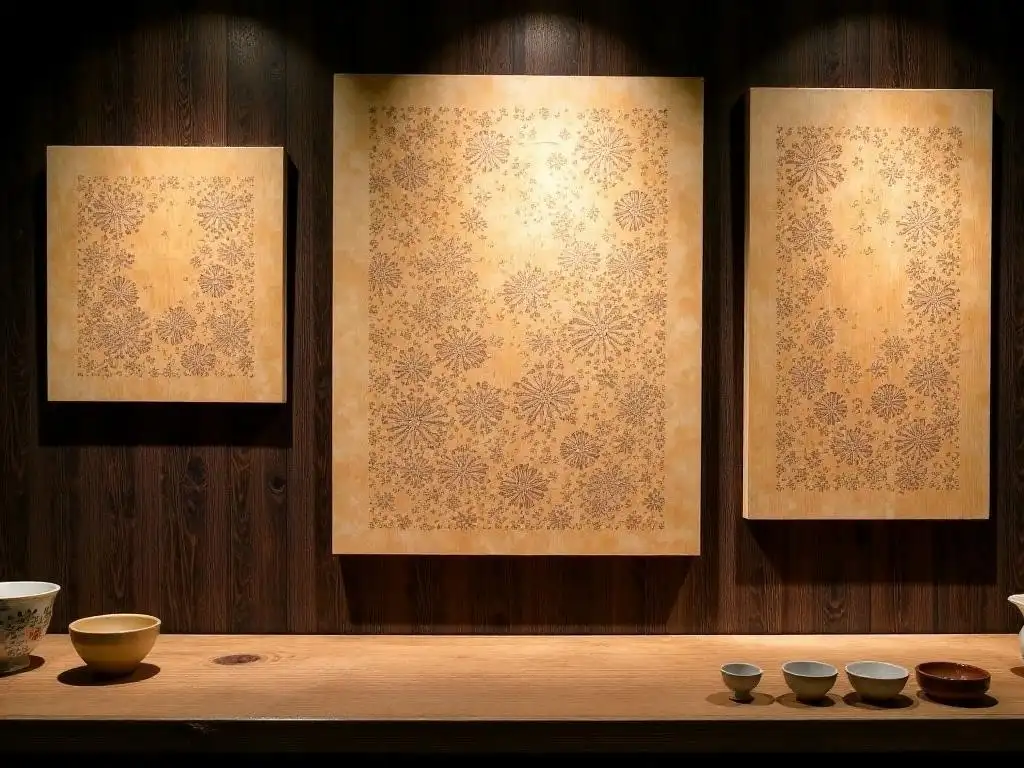
Japanese woodblock printing techniques were shaped by various cultural, historical, and artistic influences throughout history. Understanding these influences provides insight into the evolution of this art form.
Cultural Influences of the Heian Period
The Heian Period (794-1185) laid the groundwork for many artistic traditions in Japan, including woodblock printing.
- Literary Influences: The era's rich literary culture, characterized by works such as The Tale of Genji, inspired visual storytelling in printmaking. Artists often depicted scenes from literature, capturing the essence of the narratives.
- Aesthetic Values: The Heian period emphasized beauty, elegance, and refinement, values that became integral to the aesthetics of ukiyo-e prints.
Impact of Western Art on Japanese Prints
The introduction of Western art techniques in the 19th century had a profound impact on Japanese woodblock printing.
- Perspective and Composition: Western artists introduced new concepts such as linear perspective and more dynamic compositions, which influenced Japanese artists to experiment with depth and spatial relationships in their prints.
- Color and Techniques: The use of new colorants and printing techniques from the West allowed Japanese printmakers to expand their palettes and create more vibrant and diverse works.
Cross-Cultural Exchanges and Their Effects
Cross-cultural exchanges played a significant role in the development of Japanese woodblock printing techniques.
- Trade and Cultural Interactions: Increased trade with Europe and America during the Edo period exposed Japanese artists to different styles and techniques, fostering innovation within the woodblock printing tradition.
- Influence of European Impressionism: The aesthetics of European Impressionism, with its emphasis on light and color, inspired Japanese artists to explore new artistic expressions, leading to a unique fusion of styles that enriched the traditional woodblock print.
Preservation and Contemporary Relevance of Woodblock Printing Techniques
Japanese woodblock printing techniques, known as "ukiyo-e," have not only shaped the visual arts of Japan but also left an indelible mark on global art movements. As traditional practices face the threat of extinction, there is a renewed interest in preserving these techniques and understanding their relevance in contemporary art contexts.
The meticulous methods used in woodblock printing, from the carving of intricate designs to the precise application of color, serve as a testament to the skill and dedication of artisans. This craftsmanship has become a source of inspiration for modern creators, who seek to blend historical techniques with contemporary themes and materials.
The preservation of these techniques is crucial for maintaining cultural heritage and providing insight into historical artistic practices. Art institutions and universities are increasingly recognizing the significance of woodblock printing, integrating it into their curricula to ensure that new generations of artists and historians appreciate its value. The ongoing dialogue between traditional and contemporary practices fosters a vibrant artistic community that honors the past while exploring new creative possibilities.
Modern Artists Influenced by Traditional Techniques
Many modern artists have drawn inspiration from Japanese woodblock printing techniques, incorporating elements of this art form into their own work. Artists such as Takashi Murakami and Yoshitomo Nara have embraced the aesthetic qualities of ukiyo-e, reinterpreting themes of nature, beauty, and the human experience through a contemporary lens. Their work often reflects a fusion of traditional methods with modern concepts, creating a dialogue between the past and present.
Additionally, artists outside Japan have begun to explore these techniques, recognizing their potential for innovative expression. By studying the craftsmanship involved in woodblock printing, contemporary creators are able to expand their artistic vocabulary and challenge traditional boundaries. This cross-cultural exchange enriches the global art scene and highlights the enduring influence of Japanese woodblock printing.
Preservation Efforts for Historical Techniques
Preservation efforts for traditional Japanese woodblock printing techniques are vital for safeguarding this cultural heritage. Various organizations and museums in Japan, such as the Tokyo National Museum and the Kyoto National Museum, have established programs to document, conserve, and promote these practices. These institutions host exhibitions showcasing historical prints while also providing workshops and demonstrations to engage the public.
In addition, collaborations between artisans and scholars play a critical role in preserving knowledge about woodblock printing. These partnerships ensure that the skills and techniques are passed down through generations, preventing the loss of this intricate art form. Furthermore, digital archives and online platforms have emerged, allowing broader access to historical prints and the stories behind them, thus fostering greater appreciation for the craft.
Workshops and Learning Opportunities Today
Today, numerous workshops and learning opportunities are available for those interested in Japanese woodblock printing techniques. Many art schools and cultural institutions offer classes that allow participants to experience the process firsthand. From carving woodblocks to mixing inks and printing, these workshops provide a comprehensive introduction to the craft.
Moreover, some traditional artisans open their studios to the public, encouraging individuals to engage with the techniques in an authentic setting. This hands-on experience not only deepens understanding but also cultivates respect for the artistry involved. With the rise of interest in traditional crafts, these educational opportunities are becoming more accessible, ensuring that the knowledge and techniques of woodblock printing continue to thrive.
Conclusion: The Legacy of Japanese Woodblock Printing Techniques
The legacy of Japanese woodblock printing techniques is profound, influencing not only Japanese art but also the broader global artistic landscape. The intricate craftsmanship and aesthetic principles of ukiyo-e have inspired countless artists and movements, from Impressionism to contemporary graphic design. As these techniques continue to evolve, their historical roots remain a source of inspiration and respect.
Lasting Impact on Art and Culture
The impact of Japanese woodblock printing on art and culture cannot be overstated. Its techniques have shaped various artistic expressions, contributing to a rich tapestry of cultural narratives. The themes depicted in woodblock prints, such as nature, beauty, and daily life, resonate across cultures and eras, reflecting universal human experiences. This timeless relevance ensures that woodblock printing remains an essential part of the artistic dialogue.
Furthermore, the aesthetic qualities of woodblock prints have found their way into various media, including fashion, architecture, and graphic design. The vibrant colors and intricate patterns continue to captivate audiences, ensuring that the spirit of this traditional art form lives on in contemporary culture.
Future of Japanese Woodblock Printing Techniques
Looking to the future, Japanese woodblock printing techniques are poised to continue their evolution while maintaining their historical integrity. As artists explore new materials and technologies, there is potential for innovative adaptations of traditional methods. Digital tools, for instance, may complement hand-carving processes, allowing artists to experiment with new techniques while respecting the craft's roots.
Moreover, the global interest in sustainable and handcrafted art forms may further enhance the relevance of woodblock printing. As more people seek authentic artistic experiences, the demand for traditional crafts is likely to grow, providing opportunities for artisans to thrive. The future of Japanese woodblock printing techniques holds promise, blending the richness of tradition with the dynamism of contemporary art.
References and Further Reading
Japanese woodblock printing, or ukiyo-e, offers a rich tapestry of historical, artistic, and cultural insights. For those looking to delve deeper into this fascinating subject, a variety of resources are available. From scholarly articles to captivating exhibitions, numerous avenues exist to enhance your understanding of woodblock printing techniques.
Engaging with the following resources can provide further context and appreciation for the art form:
- Academic Journals: Articles in journals such as The Journal of Japanese Studies and The Art Bulletin often publish research on woodblock printing and its cultural significance.
- Online Archives: Websites like the National Gallery of Art and The British Museum have extensive collections and resources dedicated to Japanese woodblock prints, offering both images and informative texts.
- Documentaries: Visual storytelling through documentaries can bring the processes and history of woodblock printing to life, showcasing interviews with artists and curators.
Recommended Books on Japanese Woodblock Printing
-
"Ukiyo-e: The Art of the Japanese Woodblock Print" by James A. Michener
This comprehensive guide explores the history and techniques of ukiyo-e, complemented by stunning illustrations of key works.
-
"The Prints of Issey Miyake: A Study in Japanese Woodblock Printing" by David B. Brown
Focusing on a contemporary artist's engagement with traditional methods, this book reveals the enduring influence of woodblock printing in modern art.
-
"Japanese Woodblock Printing" by David S. Whiting
This detailed examination of the techniques and history of woodblock printing serves as an excellent introduction for both enthusiasts and scholars alike.
-
"The Art of Japanese Printmaking" by R. H. Van Gulik
Offering insights into both historical and contemporary practices, this book discusses the various techniques and their cultural implications.
-
"The World of the Japanese Print" by Richard Lane
A well-rounded exploration of the subject, this book discusses the evolution of printmaking from its origins to its impact on global art.
Notable Museums and Exhibitions
Several museums worldwide host remarkable collections of Japanese woodblock prints, showcasing the intricate beauty and craftsmanship of this art form. Here are some notable institutions:
-
The Tokyo National Museum
Home to a vast collection of ukiyo-e prints, this museum regularly features exhibitions that explore both historical and contemporary perspectives on woodblock printing.
-
The British Museum (London)
With an extensive collection of Japanese prints, the museum offers insights into various techniques and themes prevalent in woodblock printing.
-
The Art Institute of Chicago
Their collection includes significant works of ukiyo-e, often accompanied by exhibitions that highlight the artistry and history of Japanese prints.
-
The Cleveland Museum of Art
Known for its diverse collections, this museum showcases Japanese woodblock prints in the context of global art movements.
-
The Portland Art Museum
Featuring a dedicated section for Asian art, the museum hosts exhibitions that celebrate the rich tradition of Japanese printmaking.
These resources and institutions provide a well-rounded foundation for anyone interested in exploring the intricate world of Japanese woodblock printing techniques.
- Introduction to Japanese Woodblock Printing Techniques
- The Evolution of Japanese Woodblock Printing Techniques
- Materials Used in Japanese Woodblock Printing
- Types of Wood Utilized in Japanese Printmaking
- Inks and Pigments in Woodblock Printing
- Paper Selection for Printing Techniques
- Traditional Techniques of Japanese Woodblock Printing
- The Process of Creating Japanese Woodblock Prints
- Influences on Japanese Woodblock Printing Techniques
- Preservation and Contemporary Relevance of Woodblock Printing Techniques
- Conclusion: The Legacy of Japanese Woodblock Printing Techniques
- References and Further Reading
- Recommended Books on Japanese Woodblock Printing
- Notable Museums and Exhibitions
Frequently Asked Questions
What are Japanese woodblock printing techniques?
Japanese woodblock printing techniques involve carving images into woodblocks, which are then inked and pressed onto paper to create detailed prints. This method has a rich history, showcasing cultural artistry.
How did woodblock printing evolve in feudal Japan?
Woodblock printing evolved significantly during feudal Japan, driven by cultural exchange and technological advancements. It became a prominent art form, allowing for the mass production of images and literature.
What materials are used in Japanese woodblock printing?
Traditional Japanese woodblock printing employs handmade paper, natural inks, and specially carved wood blocks. These materials contribute to the unique aesthetic quality of each print.
What role did woodblock printing play in Japanese society?
Woodblock printing played a crucial role in disseminating literature, art, and cultural narratives throughout Japan. It enabled the spread of ideas and aesthetics during the feudal era.
Are there modern applications of Japanese woodblock printing techniques?
Yes, modern artists continue to explore Japanese woodblock printing techniques, blending traditional skills with contemporary themes. This revival helps preserve the cultural heritage while innovating in the field of art.
Final Reflection: The Enduring Legacy of Japanese Woodblock Printing Techniques
The techniques of Japanese woodblock printing are not merely historical artifacts; they are vibrant expressions of culture and artistry that continue to resonate in today's world. As we explore the intricate methods and rich history behind this art form, we uncover its relevance in contemporary practices, where traditional craftsmanship meets modern innovation. The beauty of these techniques lies in their ability to transcend time, reminding us of the profound connection between art and cultural identity.
The influence of Japanese woodblock printing techniques extends far beyond their origins, shaping the artistic landscape across the globe. From the delicate lines of ukiyo-e to the bold colors of contemporary interpretations, these techniques have inspired countless artists and movements. As we reflect on this impact, we are reminded of the words of renowned artist Katsushika Hokusai: The only thing I can do is to make a picture.
This sentiment encapsulates the essence of woodblock printing—an enduring commitment to creativity that continues to inspire new generations of artists and enthusiasts alike.
As we conclude our exploration of Japanese woodblock printing techniques, I invite you to reflect on the lessons embedded within this rich tradition. Consider how the values of patience, precision, and respect for materials can be woven into your own creative endeavors. Whether you are an artist, a historian, or simply an admirer of beauty, let the legacy of these techniques inspire you to embrace your own artistic journey, honoring the past while forging new paths for the future.
Unveil the Artistry of Japanese Woodblock Printing!
Thank you for diving into the fascinating world of Japanese woodblock printing with us! We hope you’ve gained a deeper appreciation for this intricate art form and its historical significance. Now, it’s time to take what you’ve learned and apply it to your own creative journey!
Here are a few actions you can take to further explore and engage with this captivating craft:
- Start your own woodblock printing project! Gather some basic materials and experiment with simple designs. Embrace the challenges and joys of creating your own art.
- Join a local or online community. Share your progress and learn from others who also appreciate this art form. Connecting with fellow enthusiasts can enhance your experience.
- Visit a museum or gallery featuring Japanese art to see woodblock prints in person. Observing these masterpieces up close can inspire your own work and deepen your understanding.
What unique design would you create if given the opportunity to produce your own woodblock print? Share your thoughts in the comments below!