
The Samurai Aesthetic: How Warrior Culture Influenced Japanese Crafts

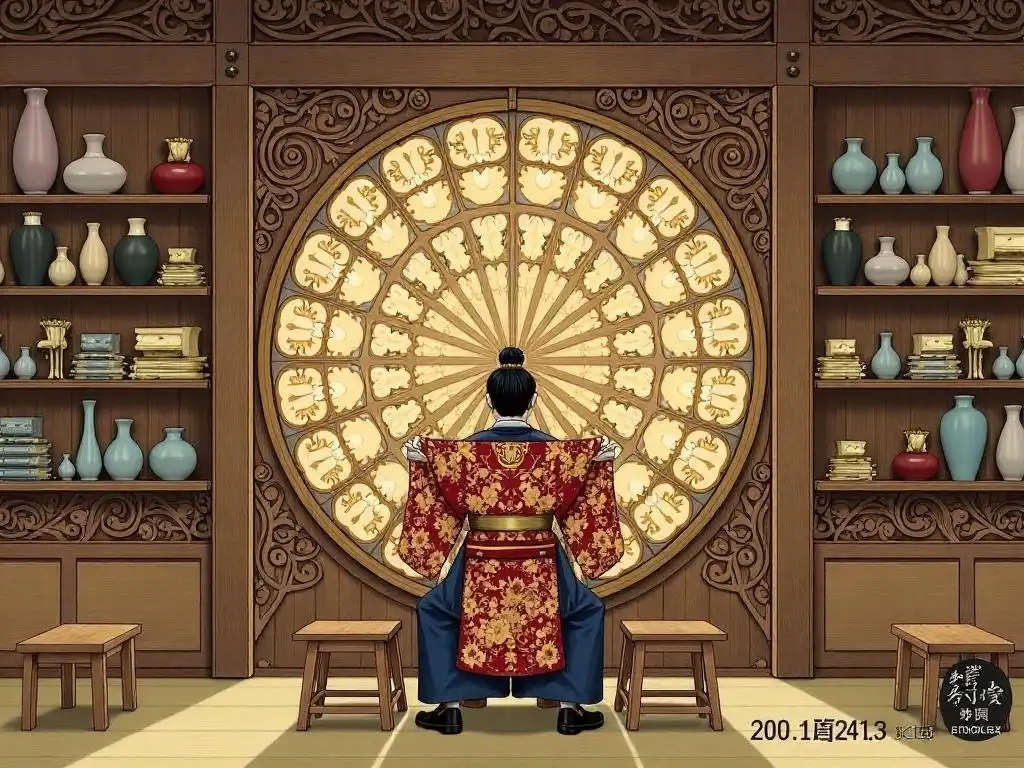
Welcome to Feudal Japan History, where we invite you on a fascinating journey through the intricate tapestry of Japan’s feudal era. Discover how the legendary samurai, often revered for their warrior spirit, left an indelible mark on the world of crafts, shaping not only artistry but also the very essence of Japanese culture.
In our featured article, “The Samurai Aesthetic: How Warrior Culture Influenced Japanese Crafts,” we delve deep into this captivating influence, exploring the seamless blend of functionality and beauty that defines these timeless creations. Prepare to uncover the hidden stories behind the crafts that echo the samurai's legacy and inspire your curiosity to explore more!
Introduction
The samurai, often romanticized as the quintessential warriors of feudal Japan, played a pivotal role not only in shaping the nation's military history but also in influencing its rich tapestry of arts and crafts. This article delves into the profound impact of samurai culture on Japanese craftsmanship, illuminating how the principles of bushido (the way of the warrior) and the aesthetics of samurai life permeated various artistic expressions. From intricate sword-making to the delicate art of textiles, the samurai's influence can be traced through numerous crafts that reflect both their martial spirit and their philosophical beliefs.
Understanding this connection is essential for appreciating the depth of Japanese culture, as the samurai aesthetic embodies a unique blend of functionality, beauty, and spirituality. As we explore the evolution of crafts under the shadow of the samurai, we will uncover the values and techniques that continue to resonate in contemporary Japanese artistry. Join us on this journey through time to discover how the legacy of the samurai has indelibly marked the landscape of Japanese crafts.
- What is the main focus of the article "The Samurai Aesthetic: How Warrior Culture Influenced Japanese Crafts"?
- How did samurai values influence Japanese craftsmanship?
- Can you name some crafts that were influenced by the samurai?
- What role did Zen Buddhism play in samurai-influenced crafts?
- Why is understanding samurai influence on crafts important for Japanese culture?
Understanding the Samurai Aesthetic
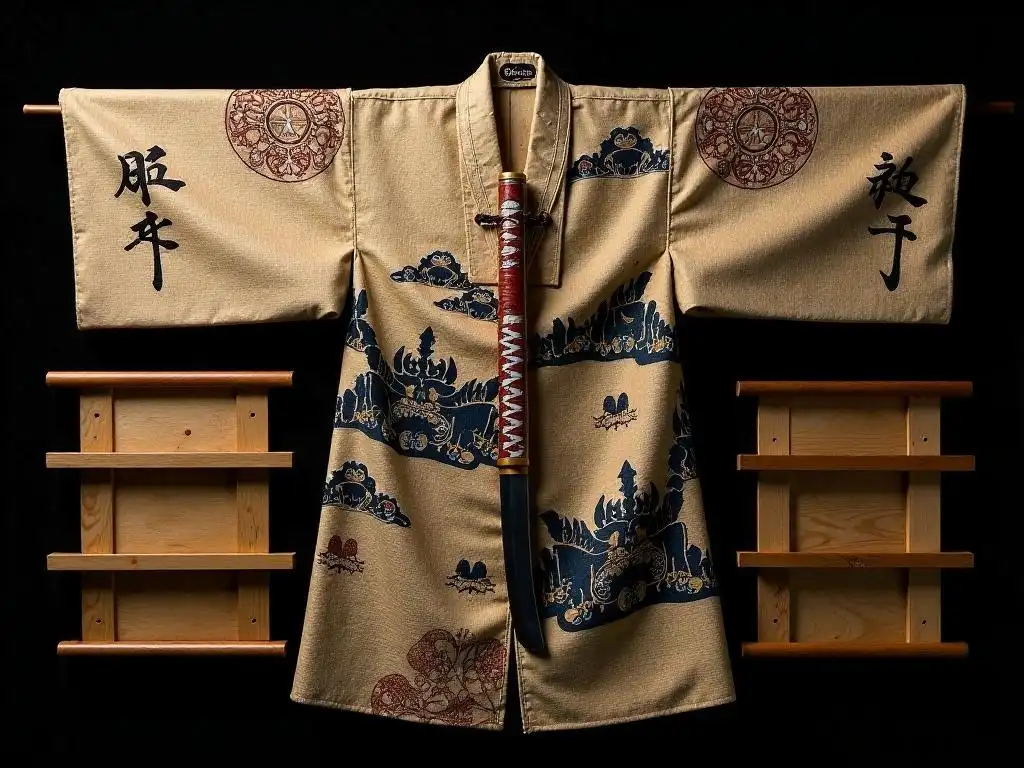
The concept of the Samurai aesthetic encompasses a unique blend of values, aesthetics, and philosophies that emerged from the warrior class of feudal Japan. This aesthetic is not merely about visual appeal; it represents a profound understanding of life, death, and nature that permeated various aspects of Japanese crafts and arts. The influence of the samurai can be seen in traditional practices, materials, and techniques that have shaped the cultural landscape of Japan, leading to a distinct expression of beauty and functionality.
Definition of Samurai Aesthetic in Arts and Crafts
The Samurai aesthetic in arts and crafts can be defined as an artistic expression that embodies the principles and values held by the samurai, including:
- Wabi-sabi: The acceptance of transience and imperfection, emphasizing natural materials, simplicity, and authenticity.
- Bunbu-ryodo: The duality of martial and literary arts, reflecting the balance between strength and intellect.
- Mono no aware: An awareness of the impermanence of things, fostering a deep appreciation for the beauty in fleeting moments.
In practical terms, this aesthetic manifests itself in various crafts, including sword-making, textile design, pottery, and calligraphy. Each craft reflects the samurai's values, showcasing not only skill and artistry but also a philosophical approach to life that respects nature and tradition.
Historical Context of Samurai Culture in Japan
The samurai emerged during the Heian period (794-1185) and became prominent during the Kamakura period (1185-1333). As the military elite of Japan, they upheld a code of honor known as Bushido, which emphasized loyalty, courage, and self-discipline. This code influenced not only their combat practices but also their artistic endeavors.
- Eras of Influence:
- Heian Period: Samurai began to establish their identity, leading to the development of distinct artistic styles.
- Kamakura Period: The samurai's role expanded as they gained political power, fostering a greater integration of military and artistic expression.
- Muromachi Period (1336-1573): A flourishing of the arts, with samurai patronage leading to advancements in ink painting, tea ceremonies, and the Noh theatre.
The samurai's influence on crafts was profound, as they sought to reflect their values through art. This intertwining of function and aesthetics became a hallmark of Japanese culture during and after the feudal era.
Core Principles of Samurai Aesthetic
The core principles of the Samurai aesthetic in arts and crafts can be categorized into several key themes that shaped its development:
- Simplicity and Minimalism:
- The samurai valued simplicity, often preferring understated designs that conveyed elegance without ostentation. This is evident in the design of katana (swords), where functionality is paramount, yet beauty is intrinsic.
- Natural Materials:
- Crafts often utilized materials sourced from nature, such as wood, clay, and textiles. The samurai believed that these materials carried the essence of the natural world, aligning with their respect for nature.
- Attention to Detail:
- Precision and meticulousness were vital in samurai crafts. Whether in the delicate strokes of calligraphy or the intricate patterns of textile designs, the emphasis on detail reflects the samurai's discipline and dedication to mastery.
- Cultural Narratives:
- Many crafts tell stories or convey historical lessons, embodying the samurai's connection to Japan's rich history. For instance, kintsugi (the art of repairing pottery with gold) symbolizes resilience and beauty in imperfection, resonating with the samurai's journey through adversity.
- Spiritual Connection:
- The samurai aesthetic often transcends the physical realm, inviting introspection and spiritual reflection. Crafts such as the tea ceremony embody this connection, promoting tranquility and mindfulness.
The Samurai influence on Japanese crafts is a complex interplay of historical, cultural, and philosophical dimensions that continues to resonate in contemporary practices. The aesthetic reflects a deep-seated reverence for nature, simplicity, and the pursuit of excellence, leaving an indelible mark on Japan's artistic heritage.
The Impact of Samurai Values on Japanese Crafts
The influence of samurai values on Japanese crafts is profound, reflecting a unique intersection between martial principles and artistic expression. The samurai class, which dominated Japan's feudal era, adhered to a code known as Bushido, which played a crucial role in shaping not only their way of life but also the cultural and artistic practices of the time. This impact can be observed in various crafts, from sword-making to textiles, each infused with the principles of honor, discipline, and aesthetics derived from the samurai ethos.
Bushido and Its Influence on Craftsmanship
Bushido, often translated as "the way of the warrior," encompasses a set of ethical principles that guided samurai behavior. Its core tenets—loyalty, courage, benevolence, respect, honesty, honor, and self-discipline—have deeply influenced the aesthetics and techniques of Japanese crafts.
Key Tenets of Bushido in Artistic Expression
- Honor (Meiyo): The concept of honor is paramount in both the samurai way of life and in the crafting of traditional Japanese items. Craftsmen often viewed their work as an extension of their personal honor, striving for perfection in every detail. For instance, swordsmiths dedicated years to mastering their craft, believing that the quality of their swords reflected their honor.
- Discipline (Shitsuke): The discipline required in bushido translates directly into the meticulous techniques used in various crafts. Artisans practiced their skills rigorously, often adhering to strict methods passed down through generations. This discipline is evident in the precise brush strokes of calligraphy and the intricate patterns of kimono fabric.
- Loyalty (Chuu): Loyalty to tradition and the art form itself is a guiding principle for many artisans. This loyalty manifests in the preservation of ancient techniques, ensuring that the crafts remain true to their historical roots. For example, traditional pottery methods have been safeguarded by potters who honor their lineage and the cultural significance of their craft.
- Benevolence (Jin): Benevolence, or compassion, is expressed through crafts that serve a greater purpose. Many samurai were patrons of the arts, supporting craftsmen who created beautiful items for the benefit of society. This resulted in the development of crafts that not only served aesthetic purposes but also contributed to communal well-being.
- Courage (Yuu): The courage inherent in the samurai spirit encourages artisans to innovate and push boundaries in their work. This has led to the creation of unique pieces that reflect both traditional and contemporary influences. For example, the fusion of ancient techniques with modern design concepts showcases this courageous spirit.
The Role of Honor and Discipline in Crafting
Honor and discipline are not just abstract concepts; they are integral to the identity of craftsmen in Japan. These values shape not only the final products but also the processes behind their creation.
- Meticulous Processes: Crafts such as tansu (Japanese chests) and kintsugi (the art of repairing pottery with gold) require immense attention to detail. Craftsmen often invest significant time and effort into each piece, reflecting their commitment to honor and discipline.
- Cultural Significance: Many crafts embody the historical narratives of samurai culture. For example, Nihonto (Japanese swords) are not merely weapons; they are symbolic of the samurai's spirit and are treated with the utmost respect. The crafting of these swords involves rituals that honor the materials and the lineage of craftsmanship.
- Artistic Integrity: The discipline inherent in the samurai tradition encourages artisans to maintain high standards of integrity in their work. This integrity is reflected in the authenticity and quality of handcrafted items that are produced, ensuring that each piece tells a story and embodies the values of its creator.
The samurai influence on Japanese crafts is a rich tapestry woven from the values of bushido, informing every aspect of craftsmanship from technique to the artistic philosophy. The legacy of these warriors persists in the beauty and meticulousness of Japanese art, illustrating the profound connection between culture and craft.
Key Japanese Crafts Influenced by Samurai Culture
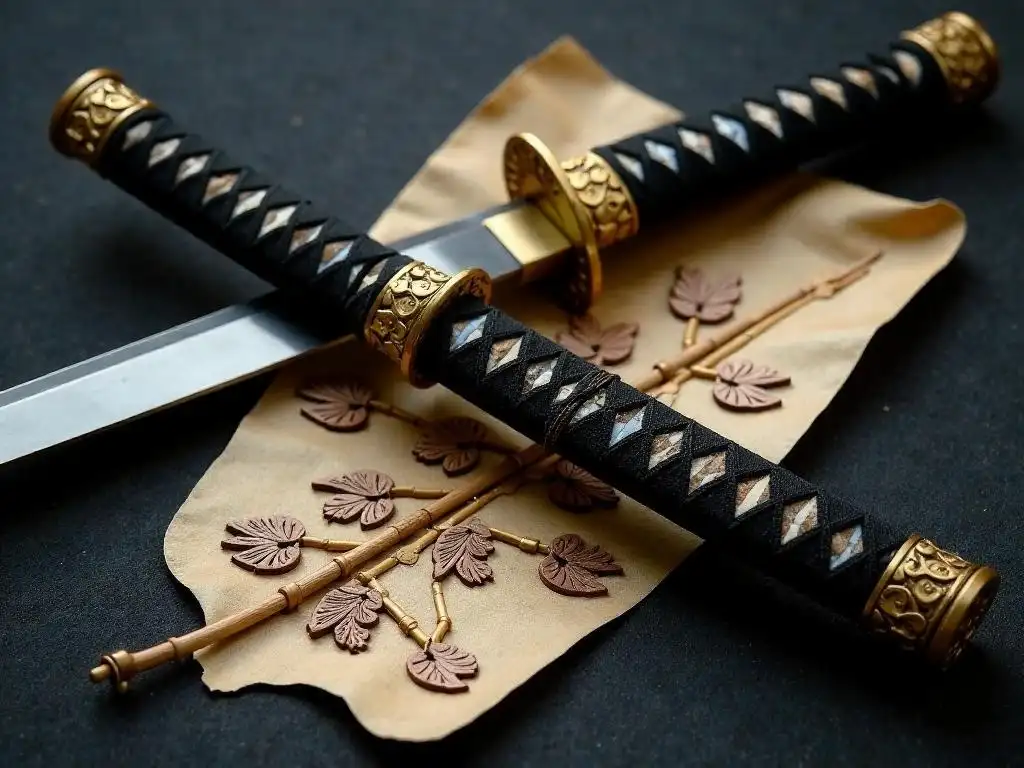
The samurai, as both warriors and cultural icons, have profoundly influenced various traditional Japanese crafts. Their aesthetic ideals, rooted in values such as honor, discipline, and beauty, permeated many artistic forms and crafts. This section will explore key crafts that reflect the samurai influence, particularly focusing on sword making and armor crafting.
Sword Making: The Art of Katana Craftsmanship
The katana, often considered the quintessential symbol of the samurai, is not merely a weapon but a masterpiece of craftsmanship. The process of creating a katana is steeped in tradition and embodies the samurai spirit through meticulous attention to detail and an unyielding pursuit of perfection.
Techniques and Materials in Katana Production
The katana's production involves several intricate techniques and a selection of high-quality materials. The primary materials used in katana crafting include:
- Tamahagane Steel: This traditional steel is produced from iron sand, resulting in a strong yet flexible blade.
- Carbon Content: The carbon levels in tamahagane are critical, as they determine the hardness and durability of the blade. A typical katana may have a carbon content ranging from 0.6% to 1.5%.
The crafting process can be broken down into several key stages:
- Forging: The tamahagane is heated and hammered repeatedly, folding the steel to eliminate impurities and enhance its strength. This process can involve up to 16 layers of folding.
- Shaping: The blade is shaped while still hot, creating the distinct curve that characterizes the katana. The curvature is essential for its cutting ability, allowing for swift slashes.
- Quenching: After shaping, the blade is heated again and then quenched in water or oil, creating different hardness levels along the blade. The edge becomes hard, while the spine remains softer and more flexible.
- Polishing: The final stage involves polishing the blade with various grades of stones. This not only sharpens the edge but also enhances the aesthetic beauty of the blade, revealing the unique patterns in the steel.
The art of katana craftsmanship is a testament to the samurai ethos, emphasizing precision, beauty, and functionality. The resulting swords are not only weapons but also works of art, reflecting the samurai's dedication to their craft.
Armor Crafting: The Intersection of Function and Art
The armor worn by samurai, known as yoroi, represents another critical aspect of samurai culture that significantly influenced Japanese craftsmanship. Samurai armor was designed for both protection in battle and expression of status and aesthetics.
The construction of yoroi involves a combination of materials and techniques, showcasing the samurai's commitment to both functionality and artistry.
Key Elements of Samurai Armor
- Materials:
- Leather and Iron: The primary components of samurai armor, providing a balance of flexibility and strength.
- Lacquer: Used to coat the armor, lacquer not only protects against the elements but also adds a visually striking finish.
- Design and Functionality:
- Individualized Craft: Each set of armor was often custom-made to fit the wearer, incorporating personal symbols or clan motifs.
- Layering: The armor typically consisted of multiple layers, allowing for greater mobility while maintaining adequate protection during combat.
- Aesthetic Features:
- Color and Decoration: The use of vibrant colors and intricate patterns reflected the samurai's lineage and personal identity.
- Sode and Kabuto: The shoulder guards (sode) and helmets (kabuto) featured ornate designs, often including crests or family emblems that signified the wearer’s status.
The intersection of functionality and aesthetics in samurai armor crafting illustrates how the samurai's influence extended beyond mere combat. Armor became a canvas for artistic expression, merging the ideals of beauty and strength that defined samurai culture.
Through these crafts—sword making and armor crafting—the samurai aesthetic not only shaped the functional aspects of these items but also elevated them to a form of high art, reflecting the values and ideals held dear by the samurai class.
Ceramics and Pottery: Samurai Aesthetics in Everyday Objects
The influence of samurai culture on ceramics and pottery during the feudal era of Japan is both profound and multifaceted. Samurai, as elite warriors, not only shaped the battlefield but also left an indelible mark on the aesthetics of everyday objects, including pottery. This influence can be seen in the pursuit of simplicity, functionality, and a connection to nature, which became essential characteristics of samurai-inspired ceramics.
One of the most notable styles of pottery influenced by samurai aesthetics is Raku ware. Originally developed for the tea ceremony, Raku ware embodies the samurai's appreciation for imperfection and the transient beauty of life. The unique firing process leads to natural variations in color and texture, reflecting the samurai's philosophy of wabi-sabi—embracing the beauty found in imperfection and transience. This connection to the tea ceremony, a practice that samurai often engaged in as a form of meditation and social ritual, highlights how aesthetics intertwined with their way of life.
Moreover, the samurai's love for nature is evident in the motifs and designs found in ceramics from this era. Blue and white porcelain, for instance, often featured natural themes such as landscapes, flora, and fauna, mirroring the samurai's reverence for the environment. The use of earthy tones and organic shapes in pottery also reflects a deep connection to the earth, demonstrating how these warriors sought to embody harmony in their surroundings.
The craftsmanship involved in creating ceramics was held in high esteem, paralleling the samurai's dedication to their martial skills. Artisans were often viewed as akin to warriors, reflecting the samurai's commitment to mastery and discipline. This respect for the artisan's craft ensured that pottery was not merely functional but also a canvas for artistic expression, combining utility with aesthetic beauty.
Textiles: The Influence of Samurai on Kimono Design
The samurai's influence on kimono design is a significant aspect of Japanese textile arts, showcasing how warrior culture permeated even the most personal aspects of attire. Kimonos worn by samurai were not only functional garments but also expressions of status, identity, and aesthetic values that mirrored their societal roles.
One of the most striking features of samurai kimonos is the use of bold, contrasting colors and intricate patterns. Unlike the muted tones favored by the common populace, samurai often donned kimonos that displayed their clan's colors and emblems, which served as symbols of their heritage and social standing. This practice established a visual language that communicated power and prestige, allowing samurai to assert their identity even in times of peace.
The techniques used in textile production also evolved under samurai influence. For instance, ikat and shibori dyeing methods gained prominence, allowing for unique patterns that reflected the samurai's connection to nature. These techniques required considerable skill and patience, resonating with the samurai's ethos of discipline and mastery. The resulting textiles were not only visually striking but also imbued with cultural significance, often telling stories of valor, loyalty, and the natural world.
Furthermore, the samurai's involvement in the arts led to the integration of calligraphy and poetry into kimono designs. Phrases and poems often embroidered onto garments served as personal talismans, reflecting the samurai's sophisticated appreciation for literature and aesthetics. This practice illustrated the harmony between the warrior's martial prowess and artistic sensibilities, emphasizing that samurai culture encompassed more than just combat; it was also deeply rooted in the arts.
The interplay between samurai culture and textile arts has left a lasting legacy on kimono design. The emphasis on bold colors, intricate patterns, and the incorporation of literary elements showcases how the samurai aesthetic continues to influence Japanese crafts, making them not only functional but also rich with cultural meaning.
The Philosophical Foundations of Samurai Influence
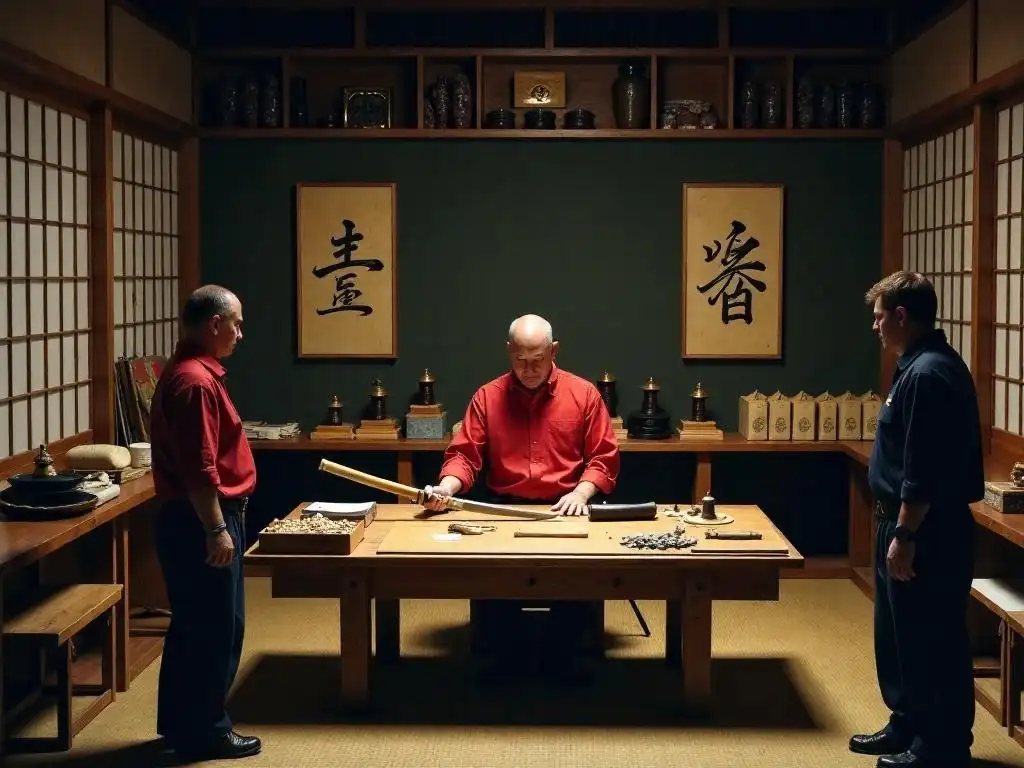
The samurai aesthetic is deeply rooted in the philosophical foundations that guided the warriors of feudal Japan. This aesthetic is characterized by principles that influenced not only martial practices but also the arts and crafts of the time. Central to this influence are the philosophies of Zen Buddhism and the appreciation of nature and simplicity, which together shaped the creative expressions of various crafts.
Zen Buddhism and Its Impact on Japanese Crafts
Zen Buddhism played a pivotal role in shaping the mindset of samurai and, consequently, the crafts they influenced. This spiritual practice emphasizes mindfulness, simplicity, and a deep connection with nature, which are critical elements reflected in Japanese arts and crafts.
- Mindfulness in Craftsmanship: The samurai’s dedication to their craft parallels the Zen principle of mindfulness. Craftsmen, inspired by the samurai, approach their work with a meditative focus, ensuring that every detail is attended to with precision and care. This practice is evident in the meticulous techniques employed in traditional crafts such as pottery, calligraphy, and textile weaving.
- Wabi-Sabi Aesthetic: Another important aspect of Zen that permeates Japanese crafts is the concept of wabi-sabi, which celebrates imperfection and transience. This philosophy encourages artisans to embrace simplicity and the beauty found in the natural aging process of materials. For example, in pottery, the subtle imperfections of a hand-thrown bowl are often seen as a testament to the artisan's skill and the organic nature of the medium.
- Connection to Nature: Zen Buddhism fosters a profound respect for nature, guiding samurai and artisans alike to draw inspiration from their surroundings. This connection is evident in various crafts, such as ikebana (flower arranging) and sumi-e (ink painting), where natural forms and elements are incorporated to reflect the beauty of the world.
Nature and Simplicity: Inspirations from Samurai Philosophy
The samurai ethos also emphasizes an appreciation for nature and simplicity, further influencing the aesthetics of Japanese crafts. This philosophy is rooted in the belief that true beauty lies in the unadorned and the authentic.
- Natural Materials: Samurai culture's reverence for the natural world is reflected in the choice of materials used in crafts. Traditional methods often prioritize local and natural resources, such as bamboo, wood, and clay, which not only honor the environment but also enhance the authenticity of the crafted items. For instance, the use of unrefined clay in Raku pottery results in unique textures and colors that celebrate the material's inherent qualities.
- Simplicity in Design: The samurai's preference for functional elegance is mirrored in the design of various crafts. In lacquerware, for example, simple forms are often adorned with minimalistic patterns that echo the samurai's disciplined lifestyle. This design philosophy promotes a sense of calm and order, reinforcing the idea that simplicity is a form of sophistication.
- Symbolism and Meaning: Many crafts incorporate symbolic elements that reflect the samurai's values, such as honor, loyalty, and bravery. For example, kintsugi, the art of repairing broken pottery with lacquer mixed with gold, symbolizes resilience and the beauty of embracing imperfections, mirroring the samurai's acceptance of their own flaws.
The philosophical foundations of samurai influence on Japanese crafts are profound and multifaceted. Through principles derived from Zen Buddhism and an appreciation for nature and simplicity, the samurai aesthetic continues to inspire artisans, creating a lasting legacy that enriches Japan's cultural heritage.
Case Studies of Notable Craftsmen
Examining the intricate relationship between samurai culture and Japanese crafts reveals a rich tapestry of artistry and skill. Two notable craftsmen, Masamune and Kunitoshi, stand out as exemplary figures whose works have profoundly influenced the samurai aesthetic and, by extension, Japanese crafts as a whole.
Masamune: Master of Sword Making
Masamune, often regarded as the greatest swordsmith in Japanese history, epitomizes the samurai's influence on the craftsmanship of katana. Active during the Kamakura period (1185-1333), his swords are not only functional weapons but also masterpieces of art, embodying the spiritual and aesthetic values of the samurai.
Contributions to Samurai Aesthetic
- Technique and Innovation:
- Masamune is credited with developing a unique forging technique known as tamahagane, a high-quality steel produced from iron sand. This method allowed for the creation of swords that were both resilient and flexible, essential qualities for a weapon used in combat.
- His "tachi" swords often featured a distinctive curvature that enhanced both the weapon's effectiveness and its beauty.
- Artistry and Symbolism:
- Each sword crafted by Masamune was imbued with symbolism, reflecting the spiritual beliefs of the samurai. The hamon (temper line) on the blade, which varied in appearance, was seen as a representation of the sword's soul.
- The aesthetic principles of simplicity and elegance defined Masamune’s work, aligning with the samurai's code of honor, known as Bushido. This connection between the blade and the warrior's spirit is a hallmark of samurai influence on Japanese crafts.
- Cultural Significance:
- Masamune's swords became treasured heirlooms, often passed down through generations. This practice reinforced the notion of swords as not just weapons, but as carriers of family honor and status.
- Today, Masamune’s legacy is celebrated in various forms of art and literature, highlighting the enduring impact of samurai aesthetics on Japanese culture.
Kunitoshi: Innovator in Armor Crafting
Kunitoshi, a renowned armor maker during the late Heian period (794-1185), played a pivotal role in shaping the functional and aesthetic aspects of samurai armor. His innovative designs and techniques contributed significantly to the evolution of armor in conjunction with the samurai’s martial needs.
Legacy and Influence on Future Generations
- Innovative Designs:
- Kunitoshi introduced several advancements in armor design, such as the do (chest armor) that featured layered plates for enhanced protection without compromising mobility. This adaptability was crucial for samurai during battle.
- His use of lacquer and metal alloys not only provided durability but also allowed for intricate decorative elements, merging functionality with artistry.
- Cultural Integration:
- The armor created by Kunitoshi often displayed family crests, reinforcing the samurai’s identity and loyalty. This practice highlighted the connection between craft and the societal structure of feudal Japan.
- Kunitoshi's work was instrumental in establishing armor as a symbol of status and nobility, influencing subsequent generations of armorers.
- Influence on Crafts:
- The techniques and styles pioneered by Kunitoshi laid the foundation for future armor makers, ensuring that the samurai aesthetic continued to evolve while maintaining its roots in tradition.
- His legacy is evident in modern interpretations of samurai armor, which continue to inspire artisans within the realm of Japanese crafts, demonstrating the lasting impact of samurai culture on craftsmanship.
Both Masamune and Kunitoshi exemplify how the samurai aesthetic has profoundly influenced Japanese crafts, from sword making to armor crafting. Their legacies endure, shaping not only the physical artifacts of their time but also the cultural identity of Japan itself.
The Evolution of Samurai Influence in Modern Japanese Crafts
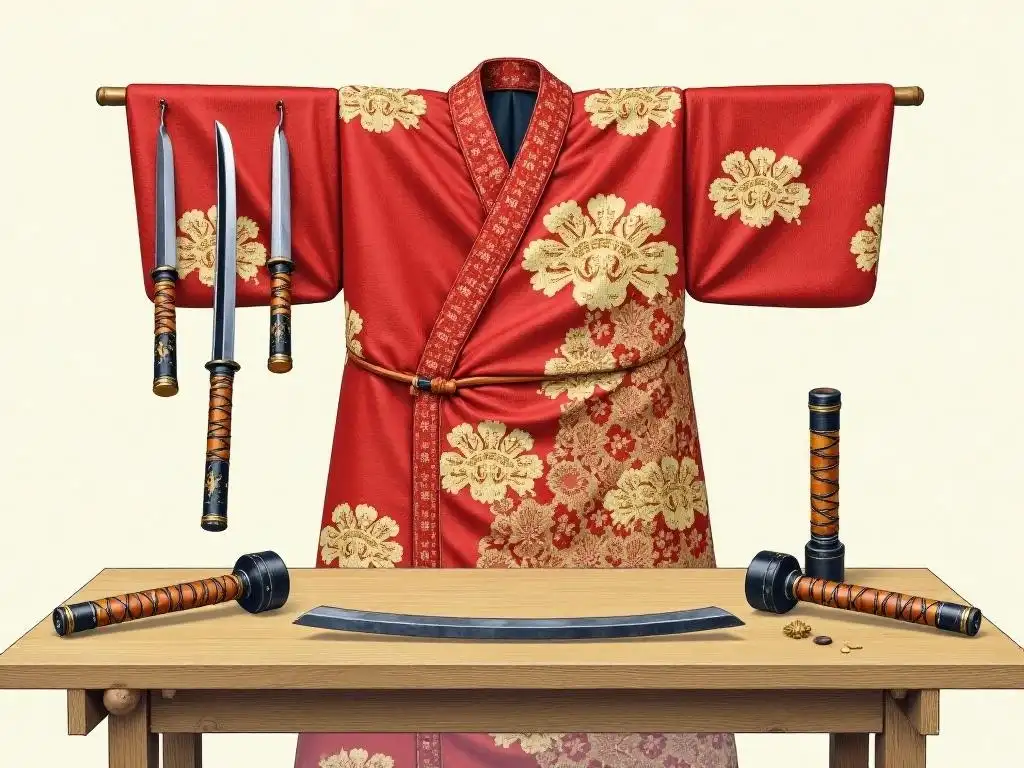
The samurai, as a symbol of discipline, honor, and artistry, has left an indelible mark on various aspects of Japanese culture, particularly in the realm of crafts. The evolution of this influence can be traced from the feudal era to contemporary times, where the principles and aesthetics of the samurai are reflected in modern craftsmanship.
The ethos of the samurai, characterized by values such as bushido (the way of the warrior), emphasizes not only martial prowess but also a profound appreciation for beauty and artistry. This duality has permeated various crafts, fostering a culture where functionality and aesthetics are inextricably linked. Thus, the samurai’s influence on Japanese crafts is not merely historical; it continues to inspire and shape modern artisans.
Contemporary Artisans Reflecting Samurai Aesthetic
Today, a new generation of artisans draws inspiration from the samurai's aesthetic, incorporating elements of this warrior culture into their work. The samurai's commitment to mastery and the pursuit of perfection resonates with contemporary craftsmen, leading to a resurgence in traditional methods.
- Swords and Blades:
- The art of tōkō (sword making) remains a prominent craft, with artisans meticulously crafting blades that reflect the elegance and strength of the samurai. Modern swordsmiths, such as Yoshihara Yoshihide, continue to uphold the ancient techniques, creating swords that not only serve as weapons but also as works of art.
- Textiles and Armor:
- Craftsmen specializing in textiles often draw from the intricate designs found in samurai armor. The use of colors and patterns in modern kimonos and obi (sashes) echoes the samurai's heraldry, blending tradition with contemporary fashion.
- Ceramics:
- The samurai also influenced pottery, with artisans like the famous Raku potters incorporating the samurai spirit into their designs. Raku ceramics, celebrated for their unique textures and glazes, reflect the samurai's connection to Zen Buddhism, emphasizing simplicity and natural beauty.
- Calligraphy and Ink Painting:
- The discipline of shodō (calligraphy) and ink painting has roots in samurai culture, where the written word was seen as an extension of personal honor. Modern calligraphers often incorporate samurai philosophies into their work, creating pieces that embody the spirit of the warrior.
This revival of the samurai aesthetic in contemporary crafts not only preserves traditional techniques but also enriches the cultural fabric of modern Japan.
Reviving Traditional Techniques in Modern Craftsmanship
As the samurai aesthetic influences modern craftsmanship, there is a palpable movement towards reviving traditional techniques that have been passed down through generations. This revival is crucial for maintaining cultural heritage and providing a deeper understanding of the samurai's impact on Japanese arts and crafts.
- Educational Workshops: Many artisans conduct workshops to teach traditional techniques, such as kintsugi (the art of repairing pottery with gold) and urushi (lacquerware), emphasizing the philosophical connections to samurai culture. These workshops not only pass on skills but also instill an appreciation for the craftsmanship that embodies the samurai spirit.
- Collaborative Projects: Contemporary artists are increasingly collaborating with traditional craftsmen to create innovative works that honor the samurai legacy. These collaborations often result in unique pieces that blend modern design with ancient techniques, reflecting a dynamic conversation between past and present.
- Cultural Exhibitions: Art exhibitions that focus on the samurai influence in crafts provide a platform for showcasing the works of both traditional and contemporary artisans. These events foster dialogue about the samurai's enduring legacy and its relevance in today’s society.
- Sustainability Practices: Modern artisans are also adopting sustainable practices influenced by the samurai’s respect for nature. This focus on sustainability not only aligns with contemporary values but also echoes the samurai's harmonious relationship with their environment.
The samurai's influence on Japanese crafts has evolved, adapting to modern sensibilities while maintaining its historical significance. As artisans continue to reflect and revive this aesthetic, the legacy of the warrior culture remains a vibrant part of Japan’s cultural landscape, ensuring that the values and artistry of the samurai endure in the crafts of today.
Conclusion
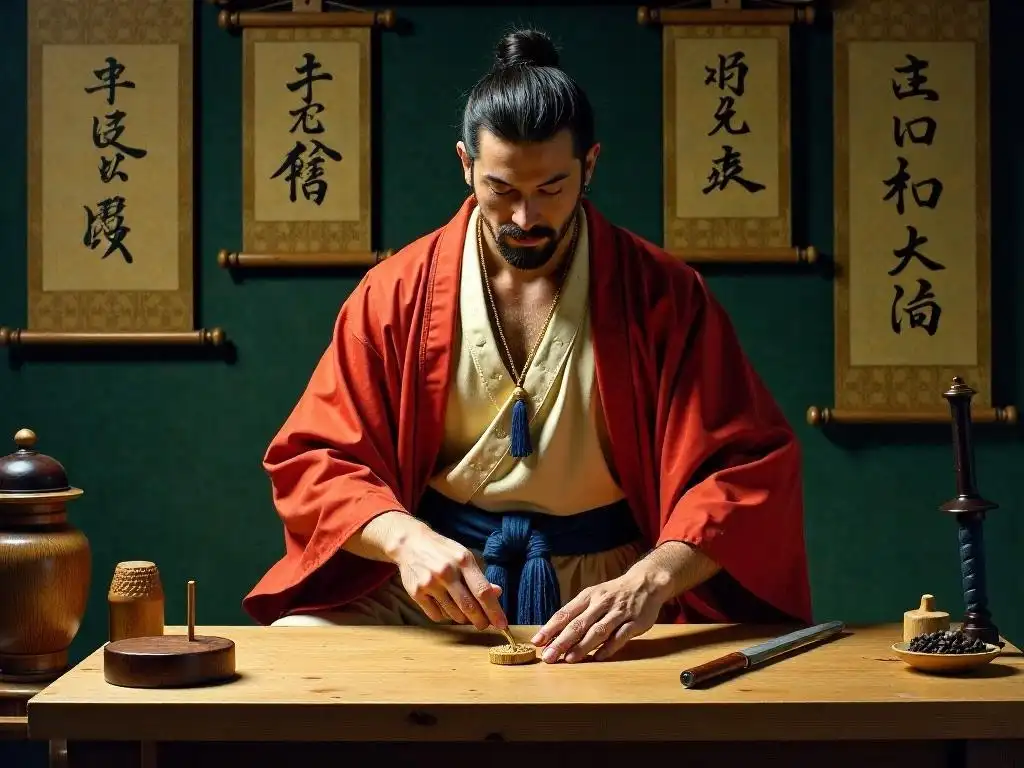
Summary of Samurai Influence on Japanese Crafts
The samurai influence on Japanese crafts is profound and multifaceted, intertwining aesthetics, philosophy, and functionality. Rooted in the values of honor, discipline, and beauty, samurai culture has permeated various art forms, shaping the way artisans approached their work. The samurai's emphasis on precision and craftsmanship is evident in traditional practices such as sword-making, where the katana is not merely a weapon but a symbol of mastery and artistry.
In addition to weaponry, the samurai's aesthetic principles have influenced textiles, ceramics, and woodblock printing. For instance, the elaborate designs of kimono fabrics often reflect the samurai's connection to nature and their spiritual beliefs. Similarly, the minimalistic yet striking aesthetics of tea ceremonies, which were patronized by the samurai class, emphasize simplicity and harmony—core tenets that have resonated through Japanese crafts.
The Lasting Legacy of Warrior Culture in Arts and Crafts
The legacy of samurai culture in arts and crafts is not just historical; it continues to resonate in contemporary Japanese society. Modern artisans draw inspiration from traditional samurai values, infusing their work with a sense of purpose and respect for materials, akin to their feudal predecessors. This is particularly evident in the revival of traditional crafts, where artisans strive to uphold the standards set by samurai craftsmen centuries ago.
Key Aspects of Samurai Legacy in Contemporary Crafts:
- Attention to Detail: The meticulous nature of samurai craftsmanship is mirrored in modern techniques, where artisans prioritize precision and quality.
- Cultural Narratives: Many contemporary crafts incorporate stories and symbols from the samurai era, preserving historical narratives through their work.
- Sustainability: The samurai's respect for nature is echoed in the modern trend towards sustainable practices, where artisans seek to minimize environmental impact while honoring traditional methods.
The samurai's influence on Japanese crafts is a testament to how warrior culture has shaped not only the aesthetic values of a society but also its approach to craftsmanship. This enduring impact serves as both a bridge to the past and a guiding principle for the future of Japanese arts and crafts.
Further Reading
Recommended Books and Resources on Samurai and Japanese Crafts
To delve deeper into the intricate relationship between the samurai and their influence on Japanese crafts, the following books and resources are invaluable:
- "The Samurai: A Military History" by John M. Collins
- This comprehensive work provides an in-depth look at the samurai's role in Japanese history, touching on their cultural significance and how their values permeated various crafts.
- "The Craft of the Samurai: A Study of Japanese Swordsmanship" by William Scott Wilson
- Focusing on the samurai's martial skills, this book also explores the artistry involved in crafting weapons, emphasizing the aesthetic principles that guided these creations.
- "Japanese Craft: A Cultural History" by David A. Scott
- This resource covers a broad spectrum of Japanese crafts, highlighting how samurai ideals influenced artisanship from textiles to ceramics.
- "The Art of the Samurai: Japanese Arms and Armor" by Stephen Turnbull
- This illustrated guide examines the craftsmanship behind samurai weapons and armor, showcasing the skills and artistry that reflect samurai values.
- "Zen and the Art of Japanese Crafts" by Rachael McCarthy
- This book explores the philosophical underpinnings of Japanese crafts, illustrating how samurai aesthetics, particularly Zen principles, shaped artistic expressions.
- Online Resources:
- The Japan Foundation - Offers a wealth of resources and articles on Japanese arts, including samurai influences on various crafts.
- The Metropolitan Museum of Art - Features extensive collections and articles on samurai culture and related crafts, providing context and visual references.
For readers interested in expanding their knowledge of feudal Japan and the samurai's impact on various aspects of culture, the following articles from "Feudal Japan History" are recommended:
- "The Role of the Samurai in Japanese Society"
- This article explores how samurai were not only warriors but also cultural figures who influenced art, philosophy, and social structures.
- "The Evolution of Japanese Armor and Weaponry"
- A detailed examination of how the technological advancements in samurai armory reflected broader cultural trends and aesthetic values.
- "The Influence of Zen Buddhism on Japanese Arts"
- An insightful look at how Zen principles, closely tied to samurai culture, permeated various forms of art and craft in Japan.
- "Traditional Japanese Textiles: Craftsmanship and Symbolism"
- This article highlights the intricate relationship between samurai values and the symbolism found in traditional textile arts.
- "Ikebana: The Art of Japanese Flower Arrangement"
- A deep dive into how samurai aesthetics influence this serene art form, reflecting the discipline and beauty cherished by the warrior class.
These resources and articles provide a well-rounded foundation for understanding the profound effects of samurai culture on Japanese crafts, enriching the reader's appreciation of this historical intersection.
Frequently Asked Questions
What is the main focus of the article "The Samurai Aesthetic: How Warrior Culture Influenced Japanese Crafts"?
The article explores the significant impact of samurai culture on various Japanese crafts, highlighting how warrior aesthetics shaped artistic expressions and techniques.
How did samurai values influence Japanese craftsmanship?
Samurai values such as discipline, honor, and perfection inspired artisans to elevate their craftsmanship, leading to a unique blend of functionality and beauty in their work.
Can you name some crafts that were influenced by the samurai?
The article discusses several crafts, including sword-making, armor design, and ceramics, showcasing how samurai ideals infused these art forms with a distinct philosophical depth.
What role did Zen Buddhism play in samurai-influenced crafts?
Zen Buddhism encouraged a meditative approach to craftsmanship, promoting mindfulness and simplicity. This spiritual influence helped shape the aesthetic principles found in samurai-related art forms.
Why is understanding samurai influence on crafts important for Japanese culture?
Recognizing the samurai's impact on crafts deepens our appreciation for Japanese culture, revealing how historical contexts have shaped modern artistic expressions and cultural identity.
Final Reflection: The Enduring Legacy of Samurai Influence on Japanese Crafts
The intricate relationship between the samurai aesthetic and Japanese crafts remains profoundly relevant today, as it embodies a unique blend of discipline, artistry, and cultural heritage. This connection is not merely a relic of the past; it continues to shape contemporary craftsmanship and design, reminding us that the values of honor, precision, and beauty are timeless. The samurai's influence on Japanese crafts serves as a testament to how warrior culture can inspire creativity and innovation, even in the modern world.
The samurai's legacy is woven into the very fabric of Japanese culture, influencing everything from textile arts to ceramics. This enduring impact is evident in the meticulous attention to detail and the pursuit of perfection found in traditional crafts. As we navigate a fast-paced, technology-driven society, the principles embodied by the samurai—such as dedication, respect, and the pursuit of mastery—offer a guiding light. Art is not a thing; it is a way,
a sentiment that resonates deeply with the samurai's approach to life and craft, emphasizing the journey over the destination.
As you reflect on the themes presented in this article, consider how the samurai's influence can inspire your own creative endeavors and personal growth. Embrace the spirit of the samurai in your daily life—strive for excellence, honor your craft, and cultivate a deep appreciation for the beauty that surrounds you. Let the lessons of the past guide you toward a future where artistry and discipline coexist, enriching not only your own life but also the lives of those around you.
Unveil Your Inner Warrior: Embrace the Samurai Aesthetic
Thank you for diving into the captivating world of the Samurai aesthetic and its profound influence on Japanese crafts! You’ve explored how this rich cultural heritage shapes artistry, elegance, and resilience. Now, it’s time to take action and channel that inspiration into your own life.
Here are a few steps you can take to deepen your connection with the Samurai aesthetic:
- Explore local art exhibits that showcase traditional Japanese crafts, immersing yourself in the beauty of designs influenced by Samurai culture.
- Try your hand at a craft inspired by Samurai techniques, whether it’s calligraphy, pottery, or a textile project that reflects the values of honor and discipline.
- Share your newfound knowledge with friends or on social media—discuss how the Samurai philosophy can inspire modern creativity and craftsmanship.
What aspect of Samurai culture resonates most with you, and how do you envision incorporating that into your own creative journey?