
The Influence of Seasonal Changes on Japanese Artistic Expression

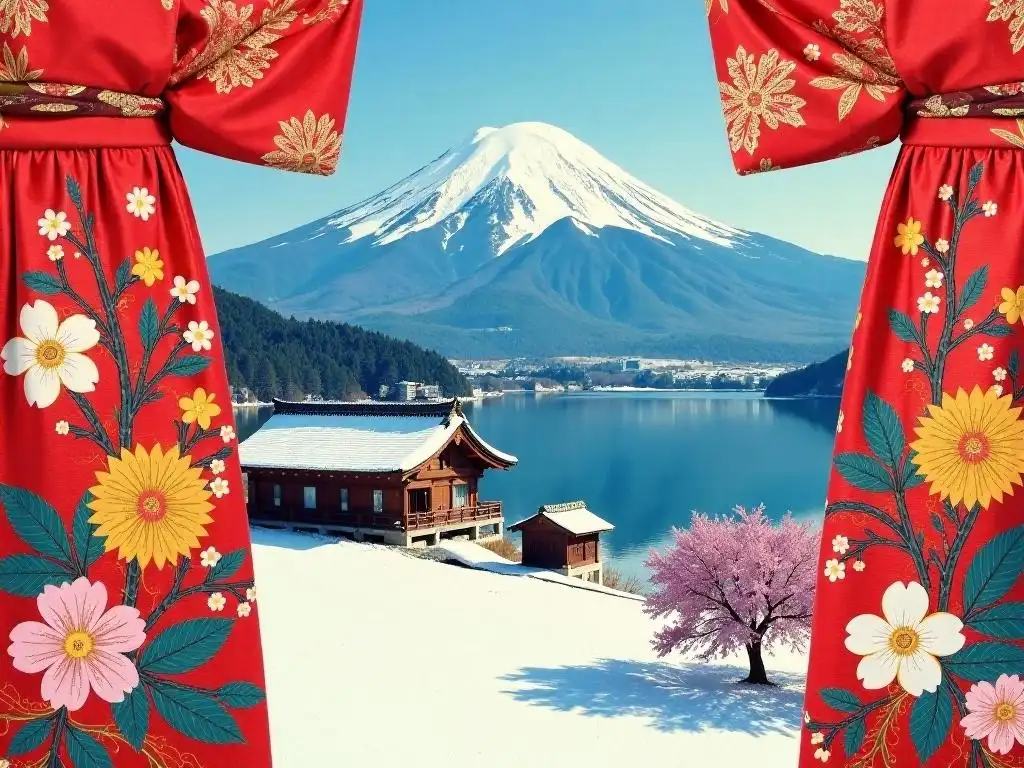
Welcome to Feudal Japan History, where we invite you to delve into the rich tapestry of Japan’s feudal era. Here, the intricate interplay of culture, history, and society unfolds before your eyes. In our featured article, “The Influence of Seasonal Changes on Japanese Artistic Expression,” we explore how the beauty of the changing seasons has profoundly shaped the realm of Japanese seasonal art influences.
Prepare to be captivated by the stories behind the brush strokes and the vibrant colors that echo the rhythms of nature. Join us on this journey through time, and discover how these seasonal shifts not only inspired artists but also reflected the very essence of Japanese identity. Ready to explore?
Introduction to Japanese Seasonal Art Influences
The intricate relationship between nature and art has always been a cornerstone of Japanese culture, particularly during the feudal era. This period, marked by the interplay of political strife and cultural refinement, produced a unique body of artistic expression that was profoundly influenced by the changing seasons.
From the delicate cherry blossoms of spring to the vibrant hues of autumn leaves, seasonal changes not only shaped the aesthetic choices of artists but also reflected deeper cultural values and philosophies. In this article, we will explore Japanese seasonal art influences, tracing how these natural transformations have inspired creative endeavors throughout history.
Understanding the Concept of Seasonal Influences in Art
The concept of seasonal influences in art is deeply rooted in the Japanese worldview, where nature is seen as a dynamic force that embodies beauty and transience. Artists often sought to capture the essence of a season, utilizing specific colors, themes, and motifs that resonate with the spirit of that time of year.
- Symbolism: Each season carries distinct symbolism:
- Spring: Renewal and optimism, often depicted through cherry blossoms.
- Summer: Vibrancy and abundance, illustrated with blooming flora and festivals.
- Autumn: Reflection and nostalgia, represented by falling leaves and harvest imagery.
- Winter: Stillness and introspection, showcased through snow-covered landscapes.
This seasonal approach fosters a deeper connection between the viewer and the artwork, evoking emotions that align with the rhythms of nature.
Importance of Seasons in Japanese Culture and Aesthetics
In Japan, the seasons are not just a backdrop for artistic expression; they are integral to the cultural fabric. The appreciation of seasonal changes, known as "mono no aware," highlights the beauty of impermanence and evokes a sense of melancholy. This aesthetic principle has greatly influenced various art forms, including:
- Poetry: Haiku poets often encapsulate seasonal imagery in just a few lines, reflecting the fleeting beauty of nature.
- Painting: Artists like Hokusai and Hiroshige immortalized seasonal landscapes, infusing their work with the essence of each time of year.
- Crafts: Traditional crafts, such as kimono design, frequently incorporate seasonal motifs, allowing wearers to celebrate the changes in nature.
Understanding these cultural ties enriches our appreciation for Japanese art and its profound connection to the natural world.
Historical Context of Seasonal Art in Japan
Overview of Japan’s Feudal Era and Artistic Developments
The feudal era of Japan, spanning from the late 12th century to the 19th century, was characterized by a complex social structure and a flourishing of artistic innovation. During this time, art became a means of both personal expression and social commentary. As samurai culture emerged, so too did an appreciation for the arts, leading to the development of various styles and techniques influenced by seasonal themes.
- Ukiyo-e: Woodblock printing became a popular medium, with artists capturing the transient beauty of landscapes, seasonal festivals, and everyday life.
- Tea Ceremony: The aesthetics of the tea ceremony, influenced by Zen Buddhism, emphasized simplicity and seasonal relevance, impacting the design of utensils and floral arrangements.
This period laid the groundwork for future artistic movements while staying deeply connected to the changing seasons.
Key Historical Events Impacting Artistic Expression
Several pivotal events during the feudal era influenced the trajectory of Japanese art:
- The Kamakura Period (1185-1333): This era saw the rise of warrior culture, which led to an increased patronage of the arts, especially in the form of ink painting and Noh theater that often featured seasonal themes.
- The Muromachi Period (1336-1573): The flourishing of Zen Buddhism inspired artists to create works that reflected the beauty of nature and the seasons, such as landscape paintings.
- The Edo Period (1603-1868): A time of peace and stability, which allowed for a boom in both the Ukiyo-e genre and seasonal festivals depicted in art.
These historical contexts provide insight into how Japanese seasonal art influences evolved, shaped by both cultural practices and significant events.
Major Seasons and Their Representation in Japanese Art
Japanese art has long been deeply intertwined with the changing seasons, reflecting the cultural and spiritual significance of these transformations. Artists have drawn inspiration from the natural world, using seasonal motifs to convey emotions, philosophies, and narratives. Each season brings its own palette, themes, and symbolism, allowing creators to express the transient beauty of life and the cyclical nature of existence. Through various forms of art, including painting, poetry, and crafts, the seasons of Japan serve as a backdrop for exploring deeper human experiences and emotions.
Spring: Symbolism and Artistic Themes
Spring in Japan is celebrated as a time of renewal and rebirth, marked by the blooming of cherry blossoms (sakura) and the awakening of nature. This season symbolizes hope, beauty, and the fleeting nature of life. Artists often capture the delicate beauty of sakura in their works, using light colors and soft brushstrokes to convey a sense of transience.
Poets and painters alike find inspiration in the lush landscapes that emerge in spring, employing imagery that evokes feelings of joy and optimism. The traditional practice of hanami, or flower-viewing, further emphasizes the cultural importance of spring; it is a time for communal gatherings, reflection, and appreciation of nature's beauty. This celebration of life and its ephemeral quality is a recurring theme in Japanese seasonal art, making spring a pivotal focus for artistic expression.
Summer: Vibrancy and Emotion in Artistic Works
Summer in Japan is characterized by warmth, vibrancy, and intense emotions, often symbolizing vitality and abundance. Artists capture the dynamic essence of summer through vivid colors and energetic depictions of nature. The lush, green landscapes, blooming flowers, and bustling festivals provide a rich source of inspiration for creative expression.
Japanese summer art often features themes of leisure and joy, as seen in depictions of traditional summer festivals (matsuri), fireworks (hanabi), and scenes of people enjoying outdoor activities. The contrast between the vibrant summer colors and the serene moments of introspection creates a balance that resonates with viewers. Artists use techniques such as bold brushwork and intricate patterns to evoke the heat and liveliness of the season, immersing the audience in the emotional depth of summer experiences.
Autumn: Reflection and Change in Japanese Art
Autumn represents a time of reflection and transition in Japanese art, with its breathtaking displays of colorful foliage and the harvest season. This season is often associated with themes of change, nostalgia, and the passage of time. The vibrant reds, oranges, and yellows of autumn leaves inspire artists to explore the beauty of decay and the impermanence of life.
Artists frequently depict scenes of rural landscapes, showcasing the rich harvest and the interplay of light and shadow. The imagery captures both the beauty and melancholy of autumn, inviting viewers to contemplate their own experiences of change and loss. The practice of moon-viewing (tsukimi) during this season further emphasizes the connection between nature and human emotion, as artists create works that reflect the serene beauty of the autumn moon and its symbolic meanings.
Winter: Serenity and Minimalism in Artistic Expression
Winter in Japan is a season marked by stillness, introspection, and minimalism, often portrayed through serene landscapes blanketed in snow. The simplicity and quietude of winter prompt artists to explore themes of solitude and contemplation. This season invites a focus on the beauty of minimalism, as artists use muted colors and clean lines to convey the starkness of winter scenery.
Traditional Japanese art often reflects the serene beauty of winter through depictions of snow-covered mountains, quiet village scenes, and delicate details in nature. The use of negative space and subtle brushwork enhances the sense of tranquility and allows viewers to engage in a meditative experience. Winter art captures the essence of inner peace, inviting contemplation of the deeper meanings of existence and the cycle of life.
Techniques and Materials Used in Seasonal Art
The techniques and materials employed in Japanese seasonal art are integral to expressing the unique characteristics of each season. Artists utilize traditional practices that have evolved over centuries, combining them with natural materials to create works that resonate with the emotions and aesthetics of their environments.
Traditional Japanese Art Techniques Related to Seasons
Various traditional techniques have been developed to convey the essence of each season in Japanese art. Ukiyo-e, or woodblock printing, is one of the most iconic methods, allowing artists to create vibrant and detailed images that capture seasonal scenes. This technique is particularly effective for depicting the fleeting beauty of cherry blossoms in spring or the colorful festivals of summer.
Sumi-e, or ink wash painting, is another traditional method that emphasizes the use of monochromatic ink to create evocative landscapes. This technique is often employed in winter scenes, where the simplicity of brush strokes reflects the serene beauty of snow-covered scenery. Additionally, artists may incorporate calligraphy, using seasonal poetry to enhance the visual impact of their works and convey deeper meanings.
Common Materials and Their Seasonal Significance
The materials used in Japanese seasonal art are often sourced from nature, reflecting the connection between the artist and their environment. Rice paper (washi) is a staple material, prized for its texture and ability to absorb ink and color, making it ideal for various painting techniques.
Natural pigments, derived from minerals, plants, and other organic sources, are used to achieve vibrant colors that resonate with seasonal themes. For example, indigo dye is commonly associated with summer textiles, while ochre and red pigments evoke the warmth of autumn foliage.
In addition, silk is frequently utilized in textiles, adding a luxurious element to seasonal art forms such as kimonos and tapestries. The choice of materials not only enhances the visual appeal but also embodies the essence of each season, creating a harmonious relationship between art and nature.
Influential Japanese Artists and Their Seasonal Works
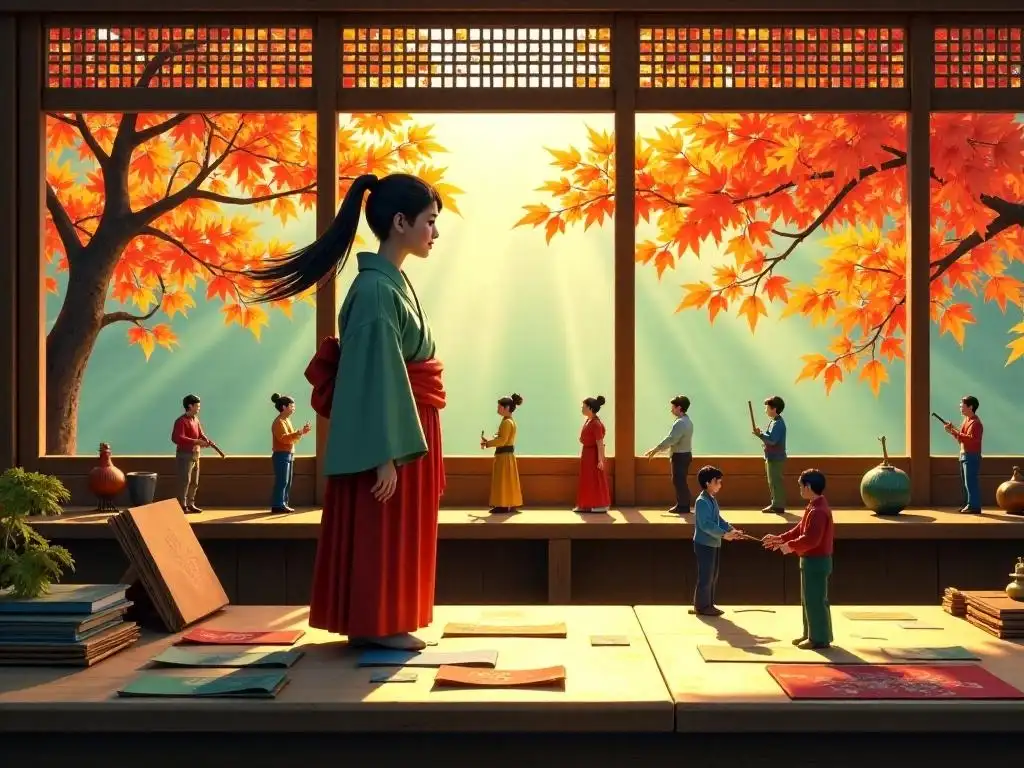
Throughout Japan's rich artistic history, numerous artists have drawn inspiration from the ever-changing seasons. This connection to nature and its cycles has not only influenced the themes and subjects of their works but has also shaped the techniques and materials used. Artists such as Katsushika Hokusai, Utagawa Hiroshige, and Takashi Murakami have created significant pieces that reflect the beauty and transience of seasonal changes.
- Katsushika Hokusai: Famous for his woodblock prints, Hokusai's series "Thirty-Six Views of Mount Fuji" captures the majestic mountain in various seasons, illustrating how the landscape transforms from winter's snow to spring's blossoms. His meticulous attention to detail and vibrant colors evoke the essence of each season.
- Utagawa Hiroshige: A contemporary of Hokusai, Hiroshige is renowned for his landscape prints, particularly in his series "The Fifty-Three Stations of the Tōkaidō." His works often encapsulate the fleeting beauty of cherry blossoms in spring or the vivid hues of autumn leaves, showcasing how seasonal changes can evoke emotional responses.
- Takashi Murakami: In modern times, Murakami's art often incorporates seasonal motifs, blending traditional Japanese aesthetics with contemporary themes. His vibrant, flower-filled designs reflect the joy of spring and the transient nature of life, further bridging the gap between seasonal influences and modern expression.
These artists exemplify how seasonal changes in Japan have inspired a diverse range of artistic expressions, each bringing their unique perspective to the narrative of nature's influence.
Profiles of Notable Artists Influenced by Seasonal Changes
- Katsushika Hokusai (1760-1849)
- Style: Ukiyo-e woodblock prints
- Signature Works: "The Great Wave off Kanagawa," "Thirty-Six Views of Mount Fuji"
- Seasonal Influence: Captured the essence of nature and the changing seasons, focusing on moments of beauty and transience.
- Utagawa Hiroshige (1797-1858)
- Style: Ukiyo-e, landscape prints
- Signature Works: "One Hundred Famous Views of Edo," "The Fifty-Three Stations of the Tōkaidō"
- Seasonal Influence: Depicted seasonal landscapes, emphasizing the interplay between human activity and nature's transformations.
- Takashi Murakami (1962-present)
- Style: Contemporary pop art, superflat technique
- Signature Works: "Flowers," "Mr. Dob"
- Seasonal Influence: Utilizes seasonal imagery to explore themes of life, death, and renewal in a modern context.
These artists illustrate the profound impact of seasonal changes on Japanese art, each contributing uniquely to the cultural tapestry of the era.
The Role of Nature in Shaping Japanese Artistic Expression
Nature has always been a predominant theme in Japanese art, serving as a source of inspiration and reflection. The changing seasons, with their distinct colors, sounds, and feelings, have been captured in various art forms, from traditional painting and printmaking to poetry and ceramics. The Japanese aesthetic values harmony with nature, which is deeply embedded in the artistic practices of the time.
Japanese artists often employed seasonal motifs to convey deeper philosophical meanings. For instance, the ephemeral nature of cherry blossoms symbolizes the fleetingness of life, while vibrant autumn leaves represent change and the acceptance of impermanence. This connection to nature not only enhances the beauty of the artwork but also invites contemplation on life's transitory nature.
The integration of nature into artistic expression has also fostered a sense of place and identity in Japanese culture. Artists have portrayed landscapes, flora, and fauna specific to Japan, allowing viewers to appreciate and connect with the country's diverse environments. This relationship with nature continues to influence contemporary Japanese artists, who often explore themes of ecology and sustainability in their work.
Nature as a Muse in Japanese Arts and Crafts
In traditional Japanese arts and crafts, nature acts as a profound muse, inspiring artisans to create works that resonate with the natural world. From pottery and textiles to calligraphy and floral arrangements, the influence of seasonal changes is evident in various crafts.
- Ceramics: Many Japanese potters, such as those from the Mingei movement, draw inspiration from natural forms and seasonal changes. The subtle variations in glaze colors mimic the hues of spring flowers or autumn foliage, creating pieces that reflect the beauty of the changing seasons.
- Ikebana: The art of flower arrangement, or Ikebana, emphasizes seasonal blooms and natural elements. Practitioners carefully select flowers and branches to create harmonious compositions that reflect the current season, showcasing the beauty of nature in a minimalist form.
- Textiles: Traditional Japanese textiles often feature intricate patterns inspired by seasonal motifs. Fabrics may showcase cherry blossoms in spring or snowflakes in winter, allowing wearers to carry a piece of nature with them throughout the year.
Through these crafts, artists and artisans celebrate the beauty of nature while fostering a deeper connection to the environment.
The Interplay Between Nature and Seasonal Changes
The interplay between nature and seasonal changes is a dynamic aspect of Japanese artistic expression. As seasons shift, so do the themes, colors, and emotions depicted in art. This cyclical relationship not only influences individual artworks but also reflects broader cultural values surrounding nature and its cycles.
- Symbolism: Each season carries its own symbolism in Japanese art. For example, spring is often associated with renewal and hope, while autumn evokes nostalgia and reflection. Artists use these symbols to convey complex emotions and narratives, enriching the viewer's experience.
- Techniques: Seasonal changes have also led to the development of specific artistic techniques. For instance, in painting, the use of color palettes may shift to reflect the vibrancy of summer or the muted tones of winter. Similarly, in printmaking, artists might experiment with different materials to capture the essence of a particular season.
- Cultural Events: Many Japanese festivals and events celebrate seasonal changes, providing artists with further inspiration. Festivals like Hanami (cherry blossom viewing) and Momiji (autumn leaf viewing) encourage the creation of art that reflects the beauty and significance of these moments in the cultural calendar.
The interplay between nature and seasonal changes is a fundamental aspect of Japanese artistic expression, enriching the cultural landscape and offering profound insights into the human experience.
Contemporary Reflections of Seasonal Influences in Japanese Art
Japanese art has a rich history of reflecting seasonal changes, and this tradition continues to thrive in contemporary practices. Modern artists draw inspiration from the unique beauty of Japan's four distinct seasons, translating the ephemeral qualities of nature into various artistic forms. This ongoing connection to the seasons not only preserves a cultural legacy but also allows for new interpretations and expressions that resonate deeply with both Japanese and global audiences.
The seasonal transformations in Japan, characterized by cherry blossoms in spring, vibrant foliage in autumn, summer festivals, and serene winter landscapes, prompt artists to explore themes of transience and beauty. As such, contemporary Japanese art often incorporates traditional techniques and materials while embracing innovative methods that reflect the artists' personal experiences and contemporary issues, making seasonal influences a pivotal aspect of their work.
Modern Artists and Their Seasonal Inspirations
Many modern artists in Japan have effectively harnessed the essence of seasonal changes to inspire their work. For instance, Yayoi Kusama, known for her polka dots and immersive installations, often reflects the cycle of nature in her pieces, using seasonal motifs to explore concepts of infinity and the interconnectedness of life.
Similarly, Takashi Murakami, with his superflat style, integrates elements of traditional Japanese aesthetics with modern themes. His works frequently celebrate cherry blossoms, encapsulating the brief beauty of spring and the concept of mono no aware—the awareness of the impermanence of things.
Moreover, artists like Rina Banerjee incorporate seasonal aspects into their mixed-media creations, drawing from diverse cultural backgrounds while maintaining a strong connection to the Japanese seasonal experience. This blend of traditional inspiration and contemporary relevance allows their art to resonate on various levels, inviting viewers to reflect on their personal relationships with the seasons.
Evolution of Seasonal Themes in Contemporary Japanese Art
The evolution of seasonal themes in contemporary Japanese art has been significant, adapting to new societal contexts while remaining rooted in tradition. The post-war period saw a shift as artists began to explore international influences and modern techniques, leading to an expanded interpretation of seasonal themes beyond traditional paintings and prints.
In the 1980s and 1990s, the emergence of neo-pop artists revitalized interest in seasonal imagery, often incorporating commercial elements and modern materials. This shift allowed artists to comment on consumerism, nature, and identity, creating a dialogue that reflects contemporary challenges while honoring historical contexts.
Today, digital art and installation pieces have further transformed how seasonal influences are expressed. Artists utilize technology to create immersive environments that evoke the sensations of each season, allowing audiences to experience the changing landscapes in innovative ways. This evolution illustrates how Japanese seasonal art influences adapt to contemporary life, continually engaging with both personal and collective narratives.
Conclusion: The Enduring Legacy of Seasonal Influences in Japanese Art
The legacy of seasonal influences in Japanese art is profound and continues to shape artistic expression in modern times. By embracing the transient beauty of nature, artists create works that reflect cultural heritage while simultaneously addressing contemporary issues. This dynamic interplay reinforces the importance of seasons in shaping identity and artistic vision.
Summary of Key Points on Japanese Seasonal Art Influences
- Cultural Heritage: Seasonal changes have historically influenced Japanese art, fostering a deep connection to nature and transience.
- Modern Interpretations: Contemporary artists like Yayoi Kusama and Takashi Murakami draw from traditional seasonal motifs to create relevant and engaging works.
- Evolving Themes: Seasonal themes have evolved through various art movements, adapting to societal changes and technological advancements.
- Immersive Experiences: The use of digital art and installations provides new ways to experience and engage with seasonal influences.
Final Thoughts on the Impact of Seasons on Artistic Expression in Japan
The impact of seasons on artistic expression in Japan is undeniable, serving as a source of inspiration and reflection for generations of artists. As they explore the beauty and impermanence of nature, they offer audiences an opportunity to connect with their own experiences of time and change. The enduring legacy of seasonal influences not only highlights the richness of Japanese cultural history but also emphasizes the universal themes of beauty, transience, and renewal that resonate across cultures and time.
- Introduction to Japanese Seasonal Art Influences
- Historical Context of Seasonal Art in Japan
- Major Seasons and Their Representation in Japanese Art
- Techniques and Materials Used in Seasonal Art
- Influential Japanese Artists and Their Seasonal Works
- The Role of Nature in Shaping Japanese Artistic Expression
- Contemporary Reflections of Seasonal Influences in Japanese Art
- Conclusion: The Enduring Legacy of Seasonal Influences in Japanese Art
- What is the main focus of the article "The Influence of Seasonal Changes on Japanese Artistic Expression"?
- How did seasonal changes affect Japanese art during the feudal era?
- What types of art were influenced by the seasons in Japan?
- Can you provide examples of seasonal art in Japanese culture?
- Why is understanding seasonal influences important for appreciating Japanese art?
Frequently Asked Questions
What is the main focus of the article "The Influence of Seasonal Changes on Japanese Artistic Expression"?
The article explores how seasonal changes have significantly influenced Japanese artistic expression, showcasing the integration of nature's cycles into various art forms throughout feudal Japan.
How did seasonal changes affect Japanese art during the feudal era?
During the feudal era, artists often depicted seasonal themes in their work, reflecting the transient beauty of nature and highlighting the importance of nature's cycles in Japanese culture.
What types of art were influenced by the seasons in Japan?
Painting, poetry, and ceramics are among the art forms deeply influenced by the seasons, with specific techniques and motifs that celebrate the beauty of nature and its seasonal transitions.
Can you provide examples of seasonal art in Japanese culture?
Examples include the cherry blossom festivals celebrated in paintings and haikus, as well as thematic ceramics that represent seasonal elements like snow, flowers, and autumn leaves.
Why is understanding seasonal influences important for appreciating Japanese art?
Understanding these influences allows us to appreciate the cultural significance of seasonal changes in Japanese art, as they reflect deeper philosophical and aesthetic values rooted in the relationship between humans and nature.
Final Reflection: Embracing the Beauty of Change in Japanese Seasonal Art
The profound connection between nature and art is more relevant today than ever, as we navigate a world increasingly disconnected from the rhythms of the seasons. The exploration of Japanese seasonal art influences reveals not only the aesthetic beauty found in nature’s transformations but also the deep cultural significance these changes hold. In an era where rapid urbanization and technology often overshadow the natural world, understanding and appreciating these artistic expressions can remind us of the importance of harmony with our environment.
Cultural expressions are a mirror reflecting the society from which they emerge, and Japanese seasonal art is no exception. The delicate brushstrokes of a cherry blossom painting or the vibrant hues of autumn leaves in a woodblock print serve as a testament to the Japanese ethos of finding beauty in transience.
As the poet Matsuo Bashō once said, “The temple bell stops but I still hear the sound coming out of the flowers.” This quote encapsulates the essence of how seasonal changes not only inspire art but also resonate deeply within our souls, urging us to pause and appreciate the fleeting moments of beauty in our lives.
As we reflect on the lessons of Japanese seasonal art, let us invite ourselves to engage more deeply with the world around us. Take a moment to observe the subtle changes in your environment, whether it’s the first bloom of spring or the crisp air of autumn. Allow these experiences to inspire your own creativity and appreciation for the beauty in change. By embracing the lessons of nature and the artistic expressions they inspire, we can cultivate a richer, more connected existence that honors the cycles of life.
Unveil the Beauty of Seasonal Artistry!
Thank you for exploring the depths of Japanese artistic expression influenced by the changing seasons. We hope you’ve enjoyed discovering how these natural transformations shape creativity and culture. Now, it’s time to dive deeper and uncover your own inspirations!
Here are a few ways you can take action right now:
- Explore local art galleries or museums that showcase seasonal Japanese art; immerse yourself in these stunning transformations!
- Create your own seasonal artwork inspired by Japanese aesthetics—whether it's painting, photography, or crafts, let nature guide your creativity.
- Share your insights! Join online forums or social media groups focused on Japanese art and culture to connect with fellow enthusiasts and exchange ideas.
What seasonal change inspires your creativity or artistic expression? We invite you to share your thoughts below!