
The Influence of Western Art on Japanese Crafts During the Meiji Restoration

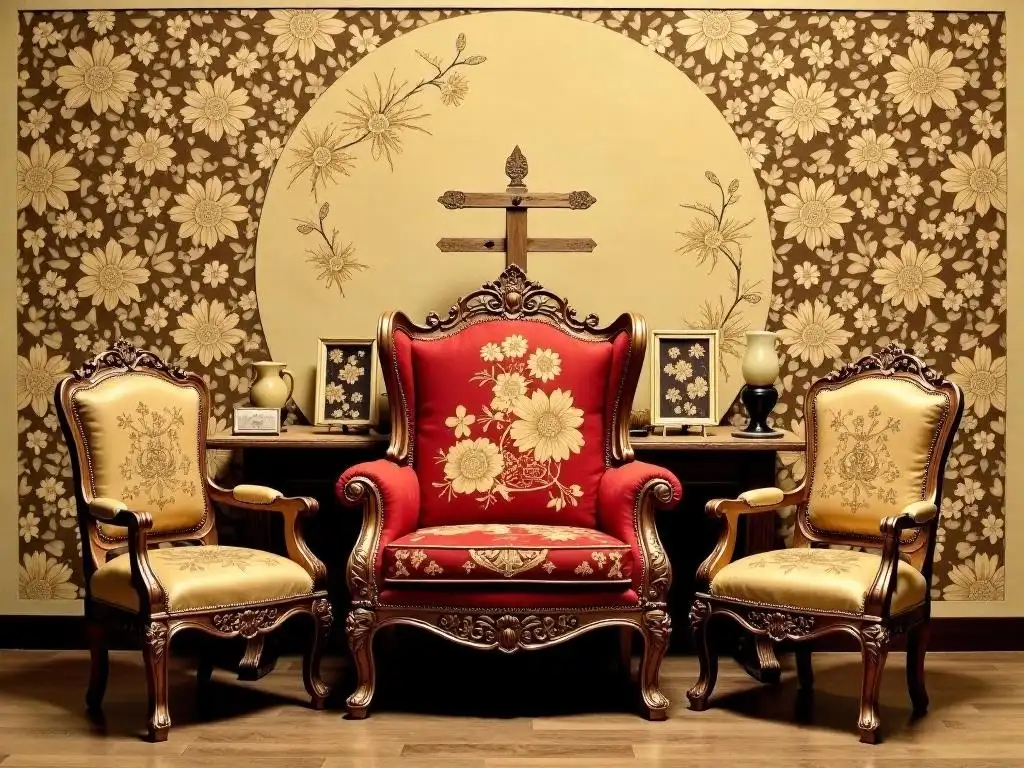
Welcome to Feudal Japan History, where we embark on a remarkable journey through the intricate tapestry of Japan’s feudal era. Here, you will uncover the profound connections between cultural history and the evolution of craftsmanship, notably how Western Art Impact on Japanese Crafts played a pivotal role during the transformative Meiji Restoration. Prepare to be captivated as we delve into the rich interplay of tradition and innovation, revealing secrets that will inspire your curiosity and deepen your understanding of this fascinating period. Join us as we explore the layers of influence that shaped a nation’s artistic identity!
Introduction to the Meiji Restoration and Its Cultural Context
The Meiji Restoration, which began in 1868, marks a transformative period in Japanese history characterized by rapid modernization and the adoption of Western influences. This era saw Japan transition from a feudal society into a modern state, which significantly impacted various aspects of life, including arts and crafts.
The interaction between traditional Japanese aesthetics and Western artistic principles during this time led to a unique fusion that reshaped the country's cultural landscape. Understanding the Western Art Impact on Japanese Crafts during the Meiji Restoration is crucial to appreciate the profound changes that occurred within Japanese artistry and craftsmanship and how they laid the groundwork for contemporary Japanese art forms.
Overview of the Meiji Restoration
The Meiji Restoration was not merely a political revolution but also a cultural reawakening. Following centuries of isolation under the Tokugawa shogunate, Japan opened up to the world, seeking to learn from Western nations. This led to significant advancements in technology, education, and governance. The restoration aimed to strengthen Japan against imperialist powers, resulting in the adoption of Western methods and ideologies. As a result, the arts were not exempt from this transformation; they became a reflection of this new, modern Japan. Traditional crafts began to evolve, merging with Western techniques and aesthetics, leading to an enriched cultural identity.
Key Changes in Japanese Society and Culture
During the Meiji era, Japanese society underwent profound changes that transformed its cultural fabric. The feudal class system was dismantled, leading to the emergence of a new social order. Education became more accessible, fostering a new generation of artists and craftsmen who were inspired by Western styles. The introduction of Western concepts such as realism and perspective challenged the established norms of traditional Japanese art, which was often characterized by stylization and abstraction. Furthermore, the Western influence extended beyond visual arts to include literature, music, and theater, creating a dynamic cultural exchange that influenced Japanese crafts.
The Emergence of Western Art in Japan
As Western art began to permeate Japan, it was met with both curiosity and resistance. Artists and craftsmen sought to integrate Western elements into their work while still retaining aspects of traditional Japanese aesthetics. This period saw an influx of Western artists and educators who introduced new techniques, materials, and philosophies. The establishment of art schools and exhibitions facilitated the exchange of ideas, allowing Japanese artists to explore and reinterpret Western art forms. Consequently, this led to the development of unique hybrid styles that celebrated both the heritage of Japanese craftsmanship and the innovations of Western art.
Understanding Western Art and Its Characteristics
To appreciate the Western Art Impact on Japanese Crafts, it is essential to first understand what constitutes Western art and its defining characteristics. This section will delve into the definition, historical context, and stylistic features that distinguish Western art from traditional Japanese crafts.
Definition and Features of Western Art
Western art refers to the artistic traditions that originated in Europe and later expanded across the globe, characterized by various movements such as Renaissance, Baroque, Romanticism, and Impressionism. Key features of Western art include:
- Realism: A focus on depicting subjects as they appear in real life.
- Perspective: Techniques that create depth and dimension in two-dimensional artworks.
- Use of Light and Shadow: The manipulation of light to enhance the three-dimensional quality of subjects.
- Diverse Media: An exploration of various materials and techniques, including oil painting, sculpture, and printmaking.
These characteristics contrast sharply with the traditional Japanese approach, which often emphasizes flatness, symbolism, and a deep connection to nature.
Historical Background of Western Art Influences
The influence of Western art in Japan can be traced back to the late Edo period when the first European traders and missionaries arrived. However, it was during the Meiji Restoration that these influences became more pronounced. Japanese artists began to travel to Europe, where they were exposed to the latest developments in art, architecture, and design.
This exposure led to a greater appreciation for Western methodologies and a desire to incorporate them into Japanese crafts. The introduction of Western art movements played a vital role in shaping the modern art scene in Japan, leading to the establishment of new artistic identities.
Comparison of Western Art Styles with Traditional Japanese Crafts
The contrast between Western art styles and traditional Japanese crafts is striking. While Western art often prioritizes realism and individualism, traditional Japanese crafts are rooted in communal practices and aesthetic principles that value harmony and balance. Key differences include:
| Feature | Western Art | Traditional Japanese Crafts |
|---|---|---|
| Focus | Individual expression and realism | Community and nature-inspired |
| Techniques | Use of perspective and chiaroscuro | Flat, stylized forms and patterns |
| Materials | Oils, acrylics, and mixed media | Natural materials like wood, silk |
| Themes | Varied, including personal narratives | Nature, spirituality, and seasonal changes |
This collision of styles during the Meiji Restoration resulted in innovative approaches to crafts, enriching the cultural tapestry of Japan and establishing a legacy that continues to influence contemporary Japanese art.
The Impact of Western Art on Japanese Crafts
The Meiji Restoration, which began in 1868, marked a pivotal period in Japanese history when the country opened its doors to Western influences after centuries of isolation. This era brought about a significant transformation in many facets of Japanese life, including the arts and crafts.
The impact of Western art on Japanese crafts was profound, leading to the evolution of traditional techniques, the introduction of new materials and tools, and a remarkable fusion of aesthetic principles from both cultures. As Japanese artisans began to absorb Western ideas, they adapted their traditional crafts to incorporate these influences, resulting in unique hybrid forms that celebrated both Japanese heritage and Western innovation.
Transformation of Traditional Craft Techniques
The introduction of Western art during the Meiji period prompted Japanese artisans to reconsider and modify their traditional craft techniques. Many craftsmen began to adopt Western methods, tools, and practices, which led to a reinvention of age-old crafts. For instance, the techniques used in pottery and ceramics evolved, embracing Western glazing methods that enhanced durability and aesthetic appeal. Artisans experimented with new firing techniques and designs, allowing for greater creativity and expression in their work.
Additionally, the concept of perspective, a hallmark of Western painting, began to influence Japanese artisans in their craft. This led to a shift in how spatial relationships and depth were depicted in various art forms. The incorporation of Western artistic principles encouraged Japanese craftsmen to break away from the rigid conventions of traditional designs, leading to innovative approaches in their work.
Introduction of New Materials and Tools
The Meiji Restoration also saw the introduction of new materials and tools, thanks to increased trade and interaction with Western countries. For example, the availability of new pigments and dyes allowed for more vibrant colors in textiles and ceramics, surpassing traditional Japanese color palettes. Moreover, Western industrial advancements brought about new manufacturing techniques and machinery, which improved the efficiency and precision of crafting processes.
This era also witnessed the introduction of materials such as glass and metal in Japanese crafts. Artisans began to incorporate these materials into their work, creating new forms of art that blended traditional Japanese aesthetics with Western functionality. This fusion not only expanded the range of products available but also elevated the craftsmanship to new heights, allowing for both artistic expression and practical application.
The Fusion of Aesthetics: Western and Japanese Art
The merging of Western and Japanese aesthetics during the Meiji Restoration resulted in a unique visual language that characterized many Japanese crafts. Western art's emphasis on realism and naturalism began to permeate Japanese art forms, leading to a re-examination of traditional motifs and themes. Artisans started to incorporate Western styles, such as Impressionism and Art Nouveau, into their works, creating pieces that were both culturally significant and visually striking.
This cross-cultural exchange also fostered a greater appreciation for individual expression among Japanese craftsmen. The blending of aesthetic principles allowed artists to explore new narratives and themes in their work, often reflecting the complexities of modernization and globalization during this period. As a result, the aesthetic dialogue between Western and Japanese art not only enriched the crafts but also contributed to the broader cultural landscape of Japan during the Meiji Restoration.
Case Studies of Specific Crafts Affected by Western Art
Western Influence on Pottery and Ceramics
Pottery and ceramics experienced significant transformation due to Western influence during the Meiji era. Traditional Japanese pottery, characterized by its earthy tones and minimalist designs, began to incorporate Western techniques such as glazing and painting. Notably, the introduction of the electric kiln allowed potters to achieve higher temperatures and greater control over the firing process. This shift enabled artisans to produce more intricate designs and vibrant colors, which were previously unattainable.
Additionally, Western styles such as porcelain became popular among Japanese craftsmen, leading to the emergence of new forms and decorative techniques. For example, the Kutani and Imari styles adopted Western floral motifs and patterns, marking a departure from traditional Japanese aesthetics while still retaining a unique identity.
Evolution of Textile Arts: From Kimono to Western Fabrics
The textile arts in Japan underwent a remarkable evolution during the Meiji Restoration, heavily influenced by Western styles and techniques. The traditional kimono began to incorporate Western fabrics, such as wool and cotton, which were more readily available due to the influx of Western trade. Artisans started to experiment with new weaving techniques and patterns, blending traditional Japanese designs with Western influences, resulting in garments that were both modern and culturally resonant.
Notably, the introduction of sewing machines revolutionized the textile industry, allowing for faster production and more elaborate designs. This technological advancement enabled the creation of hybrid clothing that maintained the elegance of the kimono while embracing Western styles, such as the dress and suit. As a result, the textile arts flourished, showcasing a dynamic interplay between traditional craftsmanship and modern innovation.
Woodblock Printing: Merging Western Techniques with Japanese Traditions
Woodblock printing, a quintessential Japanese art form, experienced significant changes during the Meiji Restoration as Western techniques became integrated into traditional practices. Artists began to explore new methods of color application, such as the use of multiple blocks to achieve intricate color gradations and complexities. This allowed for richer, more vibrant prints that reflected Western artistic styles while retaining the essence of Japanese aesthetics.
Furthermore, the thematic content of woodblock prints expanded to include Western subjects, including landscapes, portraits, and scenes from daily life. This blending of themes exemplified the broader cultural exchange taking place during this period, as Japanese artists began to embrace and reinterpret Western narratives through the lens of their own cultural heritage. The result was a revitalized art form that celebrated both its roots and the new possibilities presented by Western influences.
The Role of Artists and Craftsmen During the Meiji Era
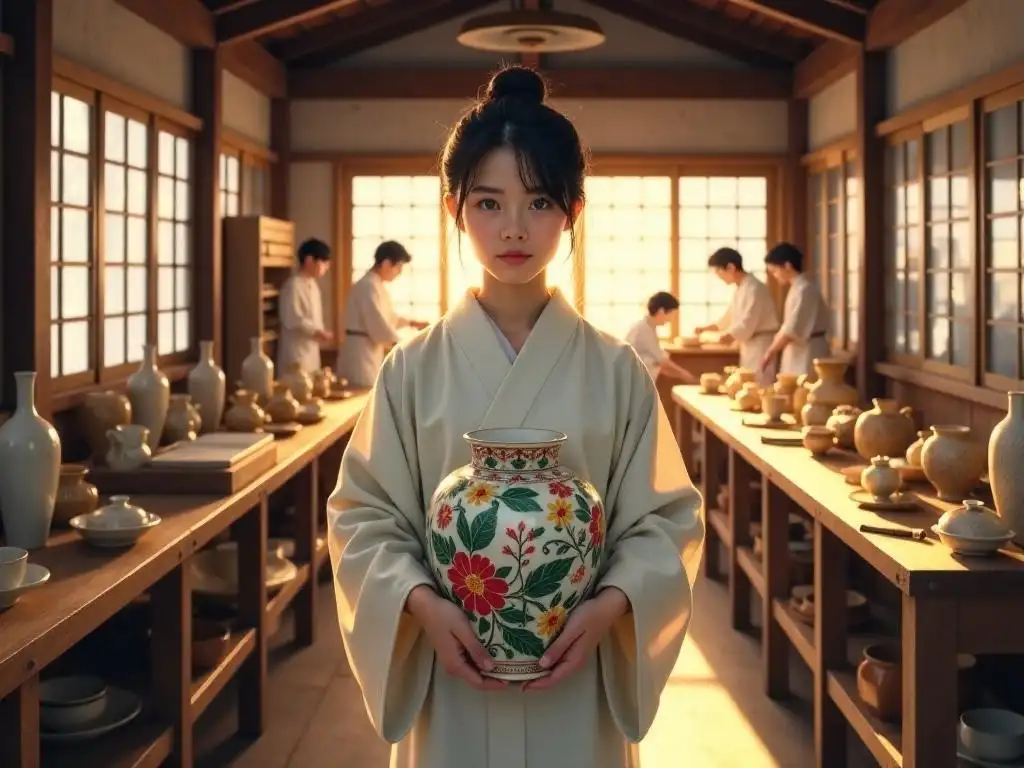
During the Meiji Era (1868-1912), Japan underwent a transformational shift as it opened its doors to Western influences. This period marked a significant change for artists and craftsmen who were navigating the complexities of a culture steeped in tradition while simultaneously engaging with new Western ideas. Artists were not just creators; they became mediators between the old and the new, blending traditional Japanese aesthetics with Western techniques.
Craftsmen, especially those involved in pottery, textiles, and woodwork, began to experiment with styles that incorporated Western motifs and functions. They took inspiration from Western paintings, sculptures, and architectural designs, which prompted a reevaluation of their own craft. As they learned about perspective, proportion, and other artistic principles from the West, Japanese craftsmen began to innovate, leading to the development of unique hybrid styles that reflect both cultures.
Furthermore, the Meiji government actively promoted Western art forms, encouraging artists and craftsmen to embrace these influences. This governmental endorsement played a crucial role in the acceptance of Western art and techniques, as it was seen as a way to modernize Japan and elevate its status on the global stage. Thus, the role of artists and craftsmen during this era was not merely reactive; they were pivotal in shaping the future of Japanese art and craftsmanship.
Notable Japanese Artists Influenced by Western Art
Several prominent Japanese artists emerged during the Meiji Restoration who were significantly influenced by Western art. One such figure is Yasuda Yukihiko, who studied in Europe and integrated the Impressionist style into his landscape paintings. His works demonstrated a unique interplay of light and color, showcasing his ability to merge Western techniques with traditional Japanese themes.
Another notable artist is Kuroda Seiki, known as a pioneer of Western-style painting in Japan. His commitment to oil painting and the Impressionist approach set a new standard for Japanese art. Kuroda's works, such as "Morning Toilette," highlighted the human figure using Western methods, while still maintaining a distinctly Japanese sensibility in composition.
Moreover, Takeuchi Seiho emerged as a significant figure in the Nihonga (Japanese-style painting) movement, adapting Western techniques while preserving traditional Japanese aesthetics. His works often featured scenes of nature and women, beautifully blending the precision of Western realism with the fluidity of Japanese brushwork.
These artists exemplify how Western art not only influenced individual styles but also contributed to the broader evolution of Japanese craftsmanship during the Meiji era.
The Integration of Western Art Education in Japan
The integration of Western art education in Japan was a critical aspect of the Meiji Restoration. The government established art schools that focused on Western techniques, such as the Tokyo School of Fine Arts, founded in 1889. This institution played a vital role in training a new generation of artists who would go on to redefine Japanese art and crafts.
Curricula included Western painting methods, sculpture, and the study of perspective, which were largely absent from traditional Japanese art education. Students were encouraged to explore and experiment with these new concepts, leading to innovative practices in various crafts.
Moreover, foreign instructors were invited to teach in Japan, bringing with them not only new techniques but also fresh perspectives on art. This exchange fostered a unique environment where Japanese students could learn directly from Western masters, further enhancing the assimilation of Western influences into Japanese craftsmanship.
The impact of this educational shift was profound; it laid the groundwork for a cultural renaissance that encouraged experimentation and blending of styles, ultimately leading to the emergence of modern Japanese art.
The Influence of Foreign Artists in Japanese Craftsmanship
Foreign artists played a significant role in shaping Japanese craftsmanship during the Meiji era. Many Western artists traveled to Japan, drawn by its rich culture and artistic traditions. Their presence not only introduced new techniques but also inspired Japanese craftsmen to think differently about their own work.
Artists such as Vincent van Gogh were influenced by Japanese woodblock prints, which they incorporated into their own art. This cross-cultural interaction led to a reciprocal exchange where Japanese craftsmen began to adopt Western techniques and styles in their work.
Additionally, the collaboration between Japanese artisans and foreign artists often resulted in unique hybrid creations. For instance, the Arita pottery tradition was revitalized through the introduction of Western glazing techniques, resulting in new aesthetic qualities in ceramic works. These collaborations helped to elevate Japanese crafts in the global market, showcasing their adaptability and creativity.
The influence of foreign artists also extended to the realm of design, where Western styles began to merge with traditional Japanese motifs, leading to innovative furniture, textiles, and decorative arts that appealed to both domestic and international audiences.
Societal Reactions to the Western Art Influence
The societal reactions to the influence of Western art during the Meiji Restoration were complex and varied. On one hand, there was a wave of enthusiasm and acceptance among many artists and craftsmen who saw the potential for growth and innovation. On the other hand, there was significant criticism from traditionalists who viewed this Westernization as a threat to Japanese cultural identity.
Acceptance and Adaptation Among Japanese Artisans
Many Japanese artisans embraced the influence of Western art, seeing it as an opportunity to expand their creative horizons. This acceptance was not merely passive; artisans actively sought to integrate Western techniques into their practices. For example, textile weavers began experimenting with Western patterns and dyeing techniques, resulting in vibrant fabrics that appealed to a modern audience.
Moreover, the Meiji government’s support for modernization fueled this adaptation. Artisans were encouraged to participate in international exhibitions, showcasing their works that fused Western and Japanese elements. This exposure not only validated their efforts but also allowed them to gain recognition on a global scale.
Artists and craftsmen who adapted to these new influences helped to establish a new identity for Japanese art, one that was both innovative and respectful of tradition. This balance enabled the emergence of a distinct style that was reflective of Japan's evolving cultural landscape.
Criticism of Westernization in Japanese Crafts
Despite the acceptance of Western influences, there was a significant backlash from traditionalists who criticized the Westernization of Japanese crafts. Many felt that the adoption of foreign techniques diluted the essence of Japanese artistry, which was deeply rooted in centuries of tradition.
Critics argued that the beauty of Japanese crafts lay in their historical techniques and philosophies, and that Western methods were incompatible with the spiritual and aesthetic values of Japanese culture. This sentiment was particularly strong among artisans who specialized in traditional crafts, such as kimono making and ceramics, where the emphasis on heritage and technique was paramount.
Furthermore, some intellectuals and artists expressed concern that the rapid adoption of Western styles could lead to cultural homogenization, eroding Japan's unique identity. As a result, there was a movement to preserve traditional crafts and techniques, advocating for a balance between innovation and heritage in Japanese art.
The Balance Between Tradition and Modernity in Art
The Meiji era was marked by a dynamic tension between tradition and modernity in Japanese art. As artists and craftsmen navigated the influences of Western art, they sought to strike a balance that honored their cultural heritage while embracing new ideas and techniques.
This balance was exemplified in the Nihonga movement, where artists blended traditional Japanese techniques with Western methods to create a style that was distinctly modern yet respectful of its roots. The movement emphasized the importance of traditional materials and aesthetics, while encouraging innovation in form and subject matter.
Moreover, the concept of wabi-sabi, which celebrates the beauty of imperfection and transience, continued to influence artists during this time. Many craftsmen found ways to incorporate this philosophy into their modern works, creating pieces that resonated with both traditional values and contemporary sensibilities.
Ultimately, the Meiji era can be seen as a period of experimentation and synthesis, where the interplay of Western influences and traditional Japanese art led to the development of a vibrant and diverse artistic landscape. This balance between tradition and modernity not only enriched Japanese craftsmanship but also laid the foundation for future artistic movements in Japan.
Conclusion: Lasting Effects of Western Art on Japanese Crafts
The Meiji Restoration marked a pivotal juncture in Japan's history, ushering in significant transformations in various domains, particularly in arts and crafts. The influence of Western art during this period catalyzed a re-evaluation and modernization of traditional Japanese crafts. Artisans began to integrate Western techniques, materials, and aesthetics, leading to the creation of hybrid forms that respected their heritage while embracing new possibilities. This synthesis not only enriched the visual landscape of Japanese crafts but also helped in fostering a global dialogue about artistry and cultural identity.
As a result of these changes, the crafts of Japan evolved into a dynamic field that reflected both traditional values and contemporary innovations. The lasting effects of this period can be seen in the ongoing development of crafts that continue to merge local traditions with global influences, showcasing the adaptability and resilience of Japanese artisans.
The Legacy of the Meiji Restoration on Contemporary Japanese Crafts
The legacy of the Meiji Restoration is profoundly evident in contemporary Japanese crafts. Artisans today draw inspiration from the blend of Western and Japanese styles established during this transformative era. For instance, ceramicists and textile designers frequently incorporate Western design principles while maintaining traditional craftsmanship techniques. This continuity reflects a broader cultural narrative wherein Japanese artisans honor their roots while engaging with modernity.
Furthermore, the establishment of institutions during the Meiji period, such as art schools and craft organizations, laid the groundwork for the professionalization and global competitiveness of Japanese crafts. This educational foundation continues to influence contemporary practices, promoting innovation and collaboration among artisans. Today, many craftspeople actively participate in international exhibitions, showcasing their works and expanding the reach of Japanese craftsmanship worldwide.
Reflection on the Ongoing Influence of Western Art in Japan Today
The ongoing influence of Western art on Japanese crafts can be seen in various facets of contemporary art scenes. Artists and designers frequently experiment with materials and concepts that stem from Western methodologies, leading to a rich tapestry of artistic expression. For example, the use of industrial materials in traditional crafting techniques has given rise to contemporary art forms that challenge the boundaries of what defines Japanese craftsmanship.
Moreover, the globalization of art has facilitated the exchange of ideas and techniques between Japan and the West. This interaction fosters a creative dialogue that allows artisans to reinterpret their cultural practices through an international lens. As a result, the impact of Western art is not merely historical but is an active component of Japan's artistic evolution, prompting ongoing experimentation and innovation.
Further Exploration of Cultural Interactions
The interaction between Western art and Japanese crafts during the Meiji Restoration opens a wealth of avenues for exploration. Understanding this cultural exchange provides insight into how societies adapt and transform through art. This section aims to delve into various aspects of these interactions, highlighting their significance in both historical and contemporary contexts.
Related Topics in Cultural History
- The Role of Art in National Identity: Explore how art movements, including the integration of Western styles, have shaped Japan's national identity during and after the Meiji Restoration.
- Craftsmanship and Modernization: Investigate how traditional craftsmanship in Japan has evolved in response to modernization and globalization.
- Cultural Appropriation vs. Appreciation: Analyze the fine line between cultural appropriation and appreciation within the context of Western influences on Japanese crafts.
Suggested Readings on Japanese Crafts and Western Influence
- Crafting a Nation: How the Meiji Period Shaped Modern Japanese Arts by Hiroshi Tanaka
- East Meets West: The Influence of Western Art on Japanese Aesthetics by Naomi Kuroda
- The Art of Adaptation: Japanese Crafts in the Age of Globalization by Akira Fujimoto
- Tradition and Innovation: Japanese Crafts in the 21st Century by Yuki Matsumoto
These readings provide a deeper understanding of the intricate relationship between Western art and Japanese crafts, exploring themes of cultural exchange, adaptation, and the preservation of traditional techniques amid changing artistic landscapes.
- Introduction to the Meiji Restoration and Its Cultural Context
- Understanding Western Art and Its Characteristics
- The Impact of Western Art on Japanese Crafts
- Case Studies of Specific Crafts Affected by Western Art
- The Role of Artists and Craftsmen During the Meiji Era
- Societal Reactions to the Western Art Influence
- Conclusion: Lasting Effects of Western Art on Japanese Crafts
- Further Exploration of Cultural Interactions
Frequently Asked Questions
What was the Meiji Restoration?
The Meiji Restoration was a pivotal period in Japan's history, beginning in 1868, marked by the end of feudalism and the restoration of imperial rule, leading to significant political, social, and economic changes.
How did Western art influence Japanese crafts?
During the Meiji era, Western art introduced new techniques and styles that inspired Japanese artisans, leading to a fusion of traditional Japanese craftsmanship with Western aesthetics.
What are some examples of Japanese crafts affected by Western art?
Notable examples include ceramics, textiles, and woodblock printing, where artisans integrated Western themes and techniques, creating innovative and unique artworks.
What role did the government play in this artistic transformation?
The Meiji government actively promoted the adoption of Western art to modernize Japan, establishing institutions and exhibitions that encouraged artisans to explore and integrate Western influences into their work.
How did this artistic exchange impact Japanese culture?
The influence of Western art on Japanese crafts led to a cultural renaissance, allowing for a blend of tradition and modernity that enriched Japan's artistic heritage and promoted international appreciation.
Final Reflection: Embracing the Fusion of Cultures
The impact of Western art on Japanese crafts during the Meiji Restoration is a testament to the power of cultural exchange and adaptation. As Japan opened its doors to the West, the infusion of new artistic techniques and philosophies not only transformed traditional crafts but also redefined the very essence of Japanese identity. This historical moment serves as a reminder that embracing external influences can lead to innovation and growth, challenging the notion of cultural purity.
Cultural landscapes are continually shaped by the interplay of diverse influences, and the Meiji Restoration exemplifies this dynamic beautifully. The integration of Western aesthetics into Japanese crafts not only enriched the artistic vocabulary of the time but also laid the groundwork for contemporary Japanese art forms. As art historian John Dower stated, The encounter between Japan and the West was not a clash of civilizations but a complex dialogue that reshaped both.
This ongoing dialogue continues to resonate today, as artists and craftsmen draw inspiration from a myriad of sources, creating works that reflect a globalized world.
As we reflect on the lessons from this transformative period, let us consider how we can apply these insights in our own lives. Embrace the diversity of influences around you, and allow them to inspire your creativity and personal growth. Whether through art, craftsmanship, or any other form of expression, remember that the fusion of ideas can lead to remarkable innovations. Take a moment to reflect on how you can incorporate new perspectives into your work and life, fostering a spirit of openness and collaboration that honors the rich tapestry of cultural exchange.
Embrace the Fusion of Cultures!
Thank you for diving into the captivating world of Western art's influence on Japanese crafts during the Meiji Restoration! Your interest in this unique cultural blend reveals the richness of history and the power of artistic evolution. Now, it’s time to take your fascination further with these actionable steps:
- Explore a local gallery or museum showcasing Meiji art to witness the incredible craftsmanship firsthand.
- Share this article with fellow art enthusiasts or friends to spark a conversation about cultural intersections.
- Consider creating your own craft piece inspired by the Meiji period— you might just create something beautiful!
What aspect of this art fusion resonates with you the most, and how might it influence your own creative journey?