
Silk and Dyeing Techniques: The Alchemy of Japanese Fabric Arts

Welcome to Feudal Japan History! Immerse yourself in the rich tapestry of Japan’s feudal era, where history intertwines with culture and artistry. In this journey, we unveil the captivating world of Japanese silk dyeing techniques, an exquisite craft that reflects the ingenuity and aesthetic sensibilities of the time. Discover how these intricate methods transformed simple fabric into vibrant masterpieces, and let your curiosity lead you deeper into the alchemy of Japanese fabric arts. Prepare to explore the fascinating layers of cultural history that shaped a nation—your adventure begins now!
- Introduction to Japanese Silk Dyeing Techniques
- The Historical Context of Japanese Silk Dyeing
- Key Japanese Silk Dyeing Techniques
- Materials Used in Japanese Silk Dyeing
- Cultural Significance of Japanese Silk Dyeing
- Modern Adaptations of Traditional Japanese Silk Dyeing Techniques
- Conclusion: The Enduring Legacy of Japanese Silk Dyeing Techniques
- Additional Resources on Japanese Silk Dyeing Techniques
-
Frequently Asked Questions
- What are the key characteristics of Japanese silk dyeing techniques?
- How have Japanese silk dyeing techniques evolved over time?
- What materials are commonly used in Japanese silk dyeing?
- Are there specific regions in Japan known for their dyeing techniques?
- How do cultural practices influence Japanese silk dyeing techniques?
- Final Reflection: The Enduring Legacy of Japanese Silk Dyeing Techniques
- Unveil the Art of Japanese Fabric!
Introduction to Japanese Silk Dyeing Techniques
Japanese silk dyeing techniques represent a remarkable fusion of artistry, tradition, and craftsmanship that has evolved over centuries. Rooted deeply in Japan’s cultural history, these techniques not only showcase the exquisite beauty of silk fabrics but also reflect the intricate social and economic dynamics of feudal Japan.
The art of silk dyeing was not merely a means of creating beautiful textiles; it embodied the very essence of Japanese aesthetics, spirituality, and community life. In this article, we will delve into the historical significance of Japanese silk, explore the various dyeing techniques employed by artisans, and understand the pivotal role these practices played in shaping the fabric arts of Japan.
Overview of Japanese Silk and Its Significance
Japanese silk has long been revered for its exceptional quality and luster, making it a prized material both domestically and internationally. The cultivation of silkworms and the production of silk fabric became an integral part of Japan’s economy during the Heian period (794-1185). The art of sericulture flourished, particularly in regions such as Kyoto and Nagano, where the climate and soil conditions were ideal for mulberry cultivation—essential for feeding silkworms.
- Cultural Symbolism:
- Silk was not only a luxury item but also a symbol of status and wealth. It played a vital role in traditional ceremonies, including weddings and religious rites.
- The intricate patterns and vibrant colors of dyed silk often conveyed specific meanings, reflecting the values and beliefs of the society.
- Economic Importance:
- The silk industry contributed significantly to Japan’s economic landscape, providing employment and fostering trade both within Japan and with foreign nations.
- Japanese silk was sought after in global markets, leading to the establishment of trade routes that would further enhance the country's cultural exchange.
The Role of Dyeing in Japanese Fabric Arts
Dyeing techniques in Japan are as diverse as they are intricate, with each method imparting unique qualities to the silk fabric. Traditional dyeing techniques not only enhance the aesthetic appeal of textiles but also serve to communicate cultural narratives and artistic expressions.
- Key Dyeing Techniques:
- Shibori: A resist-dyeing technique that involves folding, twisting, or bunching the fabric to create intricate patterns. Each piece is unique, showcasing the artisan's skill.
- Kyo-Yaki: Originating from Kyoto, this technique involves the use of natural dyes derived from plants and minerals, resulting in rich, earthy tones.
- Yuzen: A method of painting designs directly onto the fabric, often used for kimono making, which allows for detailed and colorful imagery.
- Cultural Impact:
- The dyeing process often incorporates seasonal elements, reflecting the changing nature of the environment and the Japanese philosophy of harmony with nature.
- Dyeing techniques have been passed down through generations, preserving traditional knowledge while also allowing for innovation and creativity in contemporary fabric arts.
Through the exploration of these techniques, we gain insight into the intricate relationship between culture, art, and craftsmanship in feudal Japan, illustrating how the legacy of silk dyeing continues to influence modern practices.
The Historical Context of Japanese Silk Dyeing
Origins of Silk Production in Japan
Silk production in Japan can be traced back to the 3rd century, with evidence suggesting that the ancient Japanese were influenced by Chinese sericulture practices. The introduction of silk farming coincided with the establishment of the Yayoi period, during which agricultural techniques began to flourish. The Japanese adapted these methods, eventually leading to a unique silk culture characterized by local variations.
- Sericulture: The process of raising silkworms, specifically the Bombyx mori, became a crucial agricultural practice. By the 7th century, silk was already being produced in significant quantities, primarily in regions such as Kōchi and Ehime.
- Cultural Significance: Silk was not merely a fabric; it represented wealth and status. The nobility and samurai class favored silk garments, which became intricate embodiments of social hierarchy and cultural identity.
- Religious Influence: During the Nara period (710-794), silk was often associated with religious practices, where it was used in ceremonial garments and offerings. This intertwining of silk with spirituality added another layer to its historical significance.
Evolution of Dyeing Techniques Through the Feudal Era
As Japan transitioned through various feudal periods, the dyeing techniques used on silk evolved significantly, reflecting both technological advancements and cultural influences. Each era contributed to the rich tapestry of Japanese silk dyeing, leading to the development of distinctive styles.
- Heian Period (794-1185): The Heian era saw the rise of kyo-yaki, a dyeing technique that utilized natural dyes derived from plants and minerals. This period is marked by a focus on aesthetics, where colors were chosen for their symbolic meanings. For instance, indigo (from ai) was popular for its deep blue hue, symbolizing purity and tranquility.
- Kamakura and Muromachi Periods (1185-1573): The introduction of new dyeing methods, such as yūzen, emerged during this time. Yūzen involved stenciling and intricate hand-painting techniques, allowing artisans to create detailed designs on silk. This innovation enabled the production of textiles that were both vibrant and complex, reflecting the dynamic nature of Japanese culture.
- Edo Period (1603-1868): The Edo period marked a significant turning point in Japanese silk dyeing techniques. The development of shibori (tie-dye) and katazome (stencil dyeing) became prominent. These techniques allowed for greater creativity and variation in patterns, contributing to a flourishing textile industry. The use of synthetic dyes began to emerge towards the end of this period, gradually influencing traditional methods.
- Modern Influences: In contemporary Japan, traditional silk dyeing techniques continue to thrive, often blending with modern aesthetics and technologies. The revival of natural dyeing methods reflects a growing appreciation for sustainability and heritage in fabric arts.
The evolution of Japanese silk dyeing techniques is a testament to the country’s rich cultural history, showcasing the interplay of tradition, innovation, and artistry throughout the feudal era and beyond.
Key Japanese Silk Dyeing Techniques
Japanese silk dyeing techniques are renowned for their intricate processes and stunning results, reflecting the country’s rich cultural heritage and artistic innovation. These techniques not only enhance the fabric's aesthetic appeal but also tell stories of tradition, craftsmanship, and the natural world. Below are some of the most significant methods employed in the art of Japanese silk dyeing.
Shibori: The Art of Tying and Dying
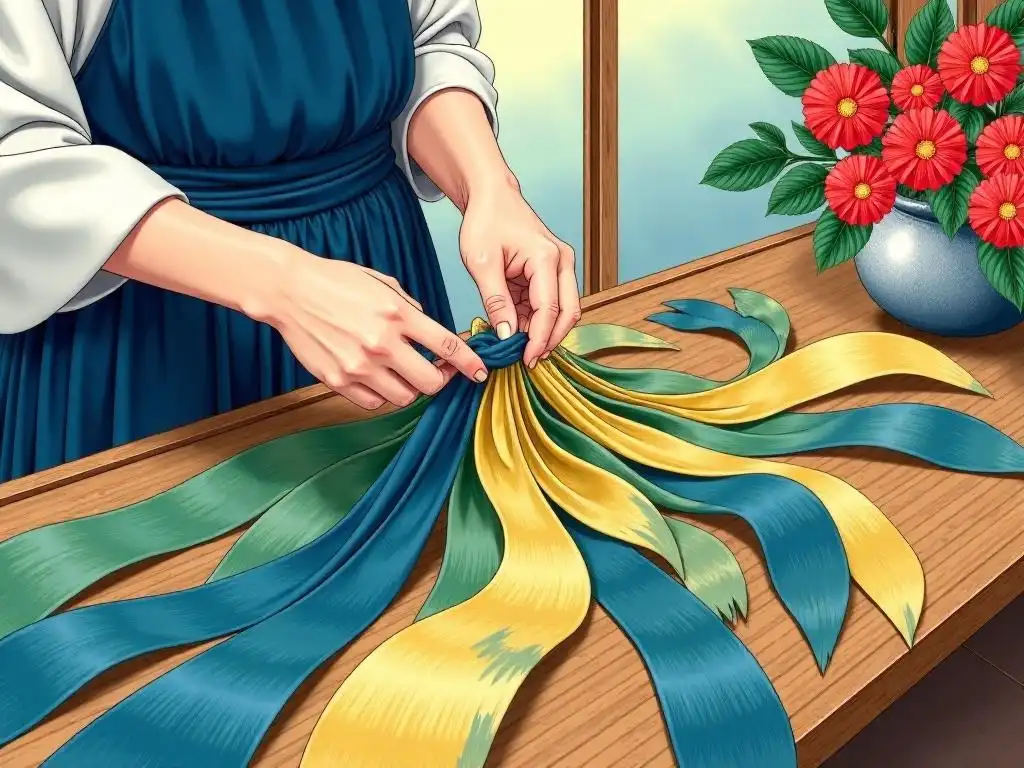
Shibori is an ancient Japanese dyeing technique that involves folding, twisting, or bunching the fabric and then binding it tightly before dyeing. This method creates unique patterns by resisting the dye in specific areas. There are several variations of shibori, each yielding different designs:
- Kumo Shibori (Cloud Shibori): Involves creating a cloud-like pattern by gathering the fabric.
- Nui Shibori (Stitched Shibori): Uses running stitches to gather fabric, creating intricate designs upon dyeing.
- Arashi Shibori (Storm Shibori): Fabric is wrapped around a pole and bound tightly, resulting in diagonal patterns reminiscent of rain.
The dye traditionally used in shibori is indigo, which produces deep blue hues that complement the organic textures of the fabric. Shibori not only serves as a dyeing technique but also as a form of artistic expression, with each piece reflecting the artisan's creativity.
Yuzen: The Detailed Hand-Painting Method
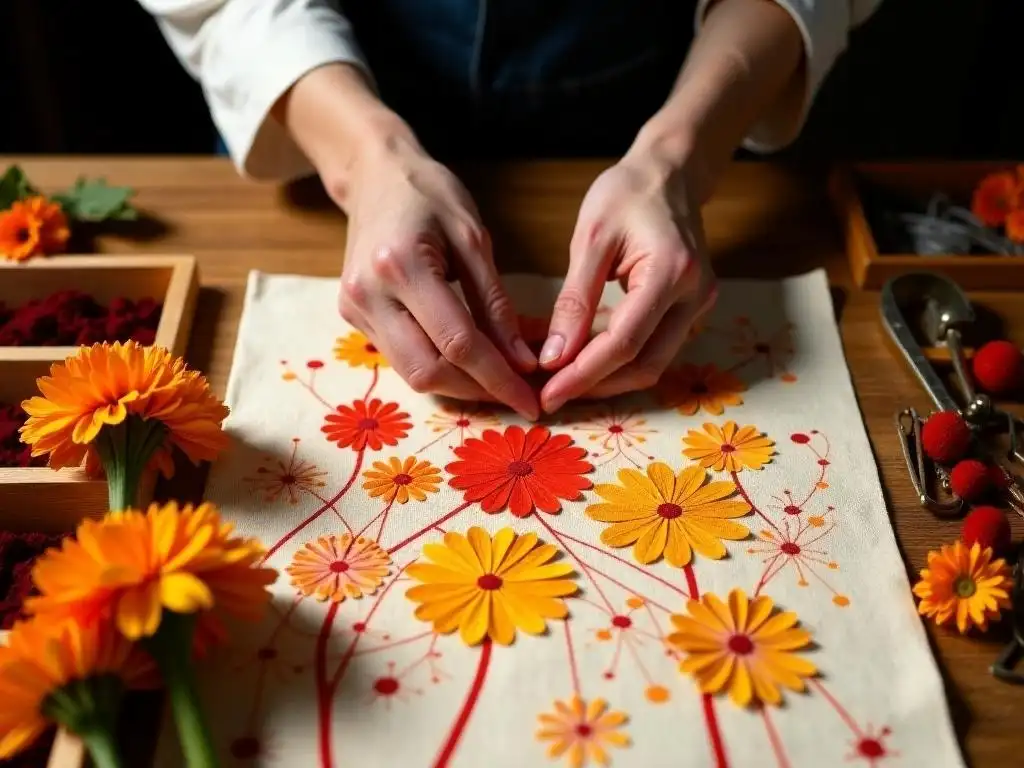
Yuzen is a unique approach to silk dyeing that combines meticulous hand-painting with the application of dye. Originating in the 17th century, this technique is particularly celebrated for its ability to create highly detailed, colorful designs. The process involves several steps:
- Preparation of the Silk: The silk is first washed and treated to ensure a smooth surface for painting.
- Outline Creation: Artists use a resist paste made from rice flour to outline the design. This ensures that the areas remain undyed.
- Dye Application: After the paste dries, vibrant dyes are applied by hand using brushes. The colors are often mixed to create gradients and depth.
- Fixing the Dye: Once the dyeing is complete, the fabric is steamed to set the colors, ensuring their permanence.
Yuzen designs often feature elements of nature, such as flowers, birds, and landscapes, making them a favored choice for kimono fabrics. The precision and artistry involved in yuzen dyeing highlight the skill of the artisans and the cultural significance of the motifs.
Itajime: The Technique of Clamp-Dyeing
Itajime is a sophisticated dyeing method that utilizes clamps to create geometric patterns on fabric. This technique is similar to shibori but distinct in its use of wooden blocks to resist dye. The process involves several key steps:
- Fabric Preparation: The silk is prepped and laid flat between two wooden boards.
- Clamping: The boards are tightened together, compressing the fabric and preventing dye from reaching certain sections.
- Dyeing Process: The fabric is then submerged in dye, usually indigo or other vibrant colors, allowing the exposed areas to absorb the dye while the clamped sections remain untouched.
- Releasing the Fabric: After dyeing, the fabric is carefully un-clamped, revealing striking symmetrical patterns.
Itajime is particularly favored for its ability to create bold, graphic designs that stand out on silk. The precision of this technique makes it ideal for contemporary fashion, as many designers incorporate it into modern textiles, showcasing the enduring legacy of Japanese fabric arts.
These key techniques—shibori, yuzen, and itajime—illustrate the rich tapestry of Japanese silk dyeing techniques, each contributing to the country's artistic legacy. By mastering these methods, artisans continue to breathe life into traditional practices while adapting them for modern aesthetics, ensuring that the beauty of Japanese silk remains timeless.
Kumihimo: The Braiding of Silk Threads
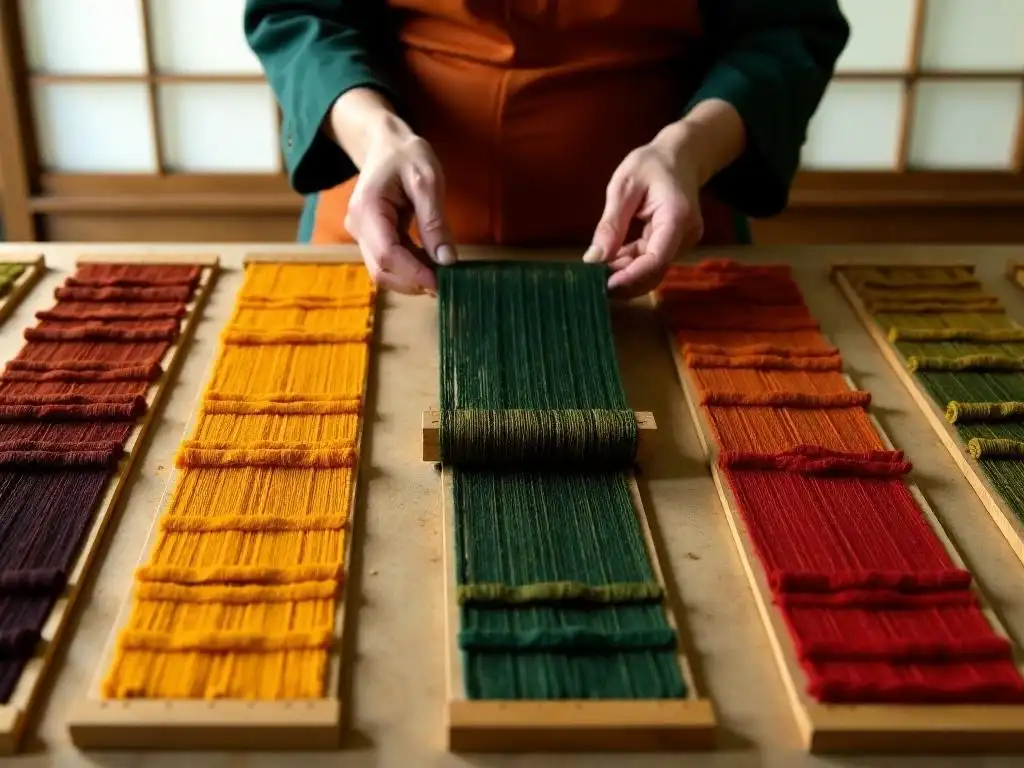
Kumihimo, which translates to "braided cords," is a traditional Japanese technique that exemplifies the exquisite craftsmanship involved in silk dyeing and weaving. This intricate art form dates back to the Heian period (794-1185) and has evolved considerably over the centuries, becoming a hallmark of Japanese textile arts. Kumihimo involves the braiding of silk threads into decorative cords, which were historically used for various purposes, including securing garments, decorating armor, and even as part of ceremonial attire.
The technique is characterized by its unique patterns and color combinations, achieved through the careful selection of dyed silk threads. Artisans often use a variety of dyeing techniques, such as itome (single thread dyeing) and kakeori (pattern dyeing), which allow them to create vibrant and intricate designs. The choice of colors and the arrangement of threads are crucial, as they not only affect the aesthetic appeal but also the symbolism associated with the finished piece. For instance, specific color combinations may represent different seasons or signify auspicious meanings.
Kumihimo is traditionally performed using a marudai, a wooden braiding stand that assists in keeping the threads organized while braiding. This method enables the artisan to achieve precise tension and uniformity in the braiding process. The process can be time-consuming, often requiring hours or even days to complete a single piece, but the result is a beautifully crafted cord that reflects the skill and dedication of the artisan.
In contemporary Japan, kumihimo has seen a resurgence in popularity, not only as a means of preserving traditional craftsmanship but also as a source of inspiration for modern designers. The versatility of kumihimo allows it to be incorporated into various applications, from fashion accessories to home décor. This enduring tradition serves as a testament to the rich cultural history of Japan and the ongoing appreciation for its textile arts, particularly in the realm of silk dyeing techniques.
Through kumihimo, artisans continue to explore the alchemy of color and texture, ensuring that the legacy of Japanese silk dyeing remains vibrant and relevant in today's artistic landscape.
Materials Used in Japanese Silk Dyeing
Japanese silk dyeing techniques have evolved over centuries, relying heavily on specific materials that enhance the beauty and longevity of the fabrics. Understanding these materials is crucial to appreciating the intricate processes involved in dyeing silk.
Types of Silk Fabrics Commonly Dyed
In the context of Japanese silk dyeing, several types of silk fabrics are frequently used, each providing unique qualities that influence the dyeing process and the final appearance of the textile. Here are some notable examples:
- Habutae: A lightweight silk often used for kimonos and formal garments. It has a soft, smooth texture that absorbs dye well, resulting in vibrant colors.
- Tsumugi: A handwoven fabric known for its durability and slightly coarse texture. Tsumugi is often dyed using natural dyes, which highlight its rustic charm.
- Shantung: Characterized by its crispness and slight sheen, Shantung silk is typically used in more structured garments. Its ability to hold dye makes it popular for designers looking for bold color statements.
- Chirimen: A crepe silk that features a unique wrinkled texture. Chirimen is often dyed with intricate patterns, showcasing the skilled craftsmanship involved in Japanese dyeing techniques.
- Kyo Yuzen: A silk fabric specifically associated with the Kyoto region, Kyo Yuzen is often hand-painted with elaborate designs and is typically dyed using traditional methods.
Natural Dyes vs. Synthetic Dyes in Japanese Dyeing Practices
The choice between natural and synthetic dyes plays a significant role in Japanese silk dyeing techniques. Each type of dye offers distinct advantages and challenges, influencing the aesthetic and cultural significance of the dyed fabrics.
Natural Dyes
Natural dyes have been used in Japan for centuries, derived from plants, minerals, and insects. Some commonly used natural dyes include:
- Indigo (Ai): Sourced from the leaves of the indigo plant, this dye produces rich blue shades. Indigo dyeing techniques, such as shibori (tie-dye), are emblematic of Japanese textile traditions.
- Safflower (Benibana): This flower yields a vibrant red dye known for its lightfastness. Historically, safflower dyeing was a labor-intensive process, contributing to the value of the dyed fabric.
- Madder (Akane): Extracted from the roots of the madder plant, this dye produces a range of reds and oranges. The use of madder in dyeing reflects the deep connection between nature and Japanese artistry.
Natural dyes are often favored for their aesthetic quality and historical significance. However, they can be less predictable in terms of color consistency and require a deeper understanding of dyeing techniques.
Synthetic Dyes
In contrast, synthetic dyes emerged in the late 19th century, revolutionizing the dyeing industry with their vibrant colors and ease of use. These dyes offer several advantages:
- Color Fastness: Synthetic dyes often provide greater resistance to fading and washing, ensuring that colors remain vibrant over time.
- Variety: A wider range of colors can be achieved with synthetic dyes, allowing for more experimentation and creativity in textile design.
- Cost-Effectiveness: Synthetic dyes are generally more affordable than natural counterparts, making them accessible for mass production.
Despite their advantages, synthetic dyes can lack the depth and richness of natural dyes. As such, many contemporary artisans and designers in Japan are returning to traditional dyeing practices, blending both natural and synthetic methods to create unique fabrics that honor the past while embracing modernity.
The materials used in Japanese silk dyeing, including the types of silk fabrics and the choice between natural and synthetic dyes, play a crucial role in shaping the aesthetics and cultural significance of Japanese textile arts. Understanding these elements allows for a deeper appreciation of the craftsmanship and artistry involved in this ancient practice.
Cultural Significance of Japanese Silk Dyeing
Japanese silk dyeing techniques are not just a means of creating beautiful fabrics; they represent a rich cultural heritage deeply intertwined with the identity and traditions of Japan. The art of dyeing silk has evolved over centuries, reflecting the values, beliefs, and aesthetic sensibilities of the Japanese people. This section delves into the cultural significance of these techniques, exploring their historical roots and the profound symbolism they carry in the context of Japanese society.
Symbolism of Colors in Japanese Fabric Arts
In Japanese fabric arts, colors are imbued with rich symbolism and meaning. The choice of colors in silk dyeing is not arbitrary; each hue conveys specific emotions, seasons, and cultural beliefs. Here are some notable examples:
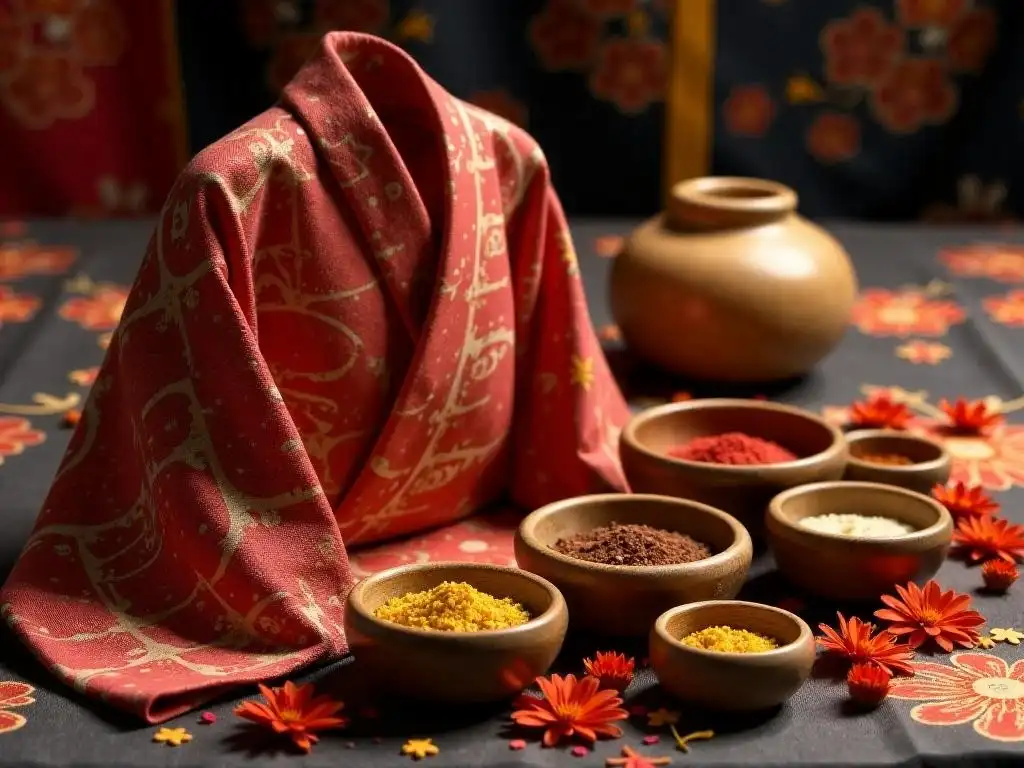
- Red: Often associated with joy and celebration, red is a prominent color in traditional garments worn during festivals and weddings. It symbolizes happiness, good fortune, and protection against evil spirits.
- Blue: This color represents calmness and tranquility. Traditionally, indigo dyeing (a technique called aizome) has been used to create deep blue fabrics, which were believed to possess protective qualities.
- White: In Japanese culture, white is symbolic of purity and is commonly used in ceremonial garments, such as wedding kimonos. However, it also represents mourning in specific contexts.
- Black: While often associated with formality and elegance, black can also signify mourning. The duality of black's meanings reflects the complex nature of life and death in Japanese philosophy.
The significance of colors extends beyond aesthetics, influencing ceremonies, rituals, and everyday life. For example, specific colors are chosen for particular occasions, reinforcing social and cultural norms.
The Role of Dyeing Techniques in Traditional Clothing
Japanese silk dyeing techniques play a crucial role in the creation of traditional clothing, particularly the kimono. Each technique, whether it be shibori (tie-dye), yuzen (stencil dyeing), or kyo-yaki (Kyoto-style ceramics), contributes to the overall artistry of the garment, allowing for intricate patterns and vibrant colors that tell a story.
- Shibori: This ancient technique involves folding, twisting, and binding fabric before dyeing, creating beautiful, textured patterns. It is often used to produce unique, one-of-a-kind pieces that reflect the wearer's personality and status.
- Yuzen: A method that utilizes stencils to create detailed designs, yuzen is renowned for its vivid colors and intricate motifs. This technique allows artisans to depict nature, mythology, and seasonal changes directly onto the fabric, infusing each piece with narrative and cultural significance.
- Kyo-yaki: Though primarily associated with ceramics, the principles of kyo-yaki are also applied in fabric dyeing, showcasing the interconnectedness of Japanese arts. The careful attention to detail and the use of natural dyes highlight the philosophy of harmony with nature.
These dyeing techniques not only enhance the visual appeal of traditional clothing but also serve as a means of preserving and expressing cultural identity. Each garment becomes a canvas that reflects the historical context, regional influences, and individual artistry of the dyers, ensuring that the legacy of Japanese silk dyeing techniques continues to thrive in contemporary fashion.
The cultural significance of Japanese silk dyeing techniques is profound, with colors symbolizing deeper meanings and dyeing methods playing an essential role in the creation of traditional clothing. Through these practices, the rich tapestry of Japan's artistic heritage is woven, celebrating the beauty and complexity of its cultural history.
Modern Adaptations of Traditional Japanese Silk Dyeing Techniques
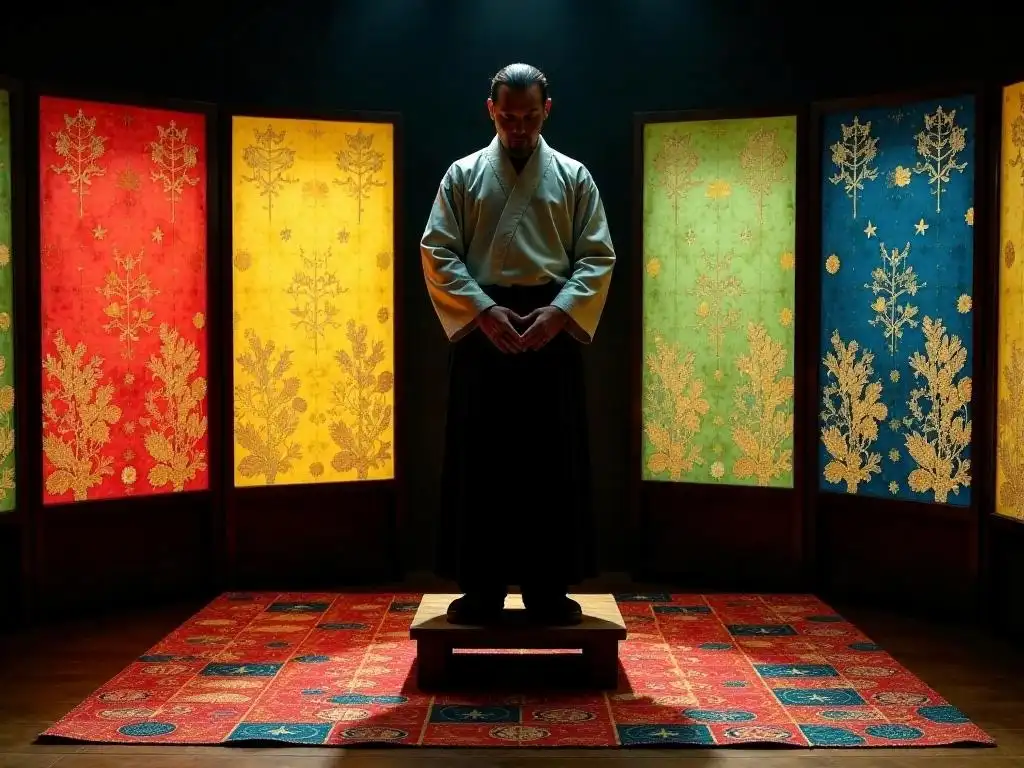
Fusion of Traditional and Contemporary Practices
The landscape of Japanese silk dyeing techniques has evolved significantly, with artisans and designers blending traditional methods with contemporary aesthetics. This fusion not only preserves the cultural heritage but also revitalizes it, making it relevant in today's fashion and textile industries.
- Innovative Techniques: Modern artisans are experimenting with traditional dyeing techniques such as shibori (tie-dye) and tsujigahana (a resist dyeing method). By integrating modern materials and methods, they create unique designs that appeal to both local and global markets.
- Collaborations: Many contemporary designers collaborate with traditional dyers to produce exclusive collections that reflect a dialogue between the past and present. For example, brands may use traditional indigo dyeing methods while applying them to modern silhouettes, bridging the gap between ancient techniques and contemporary fashion trends.
- Artistic Expression: While traditional silk dyeing is often rooted in specific patterns and cultural significance, modern adaptations encourage personal expression. Artists are now incorporating abstract designs and bold colors, transforming silk into a canvas that reflects individual creativity rather than a strict adherence to historical practices.
- Global Influence: The influence of global fashion trends has prompted Japanese artisans to rethink traditional dyeing techniques. By incorporating elements from Western fashion or mixing in techniques from other cultures, these artisans are creating a hybrid style that resonates with a wider audience.
Sustainable Practices in Modern Silk Dyeing
Sustainability has become a crucial consideration in modern silk dyeing practices. With an increasing awareness of environmental issues, many artisans are revisiting traditional methods that inherently promote sustainability.
- Natural Dyes: A resurgence in the use of natural dyes—derived from plants, minerals, and insects—has gained popularity. These dyes not only produce vibrant colors but also minimize the environmental impact compared to synthetic dyes. For instance, colors like indigo, derived from the Indigofera plant, have been used for centuries and are now being revitalized as a sustainable alternative.
- Eco-friendly Processes: Artisans are adopting eco-friendly practices in their dyeing processes. Techniques such as water-saving methods and organic farming of silk worms help reduce the carbon footprint associated with silk production.
- Community Initiatives: Many silk dyers are part of community-based initiatives that focus on sustainable practices. These groups often provide education on traditional dyeing methods, promote the use of local materials, and support fair trade practices, ensuring that artisans receive fair compensation for their work.
- Cultural Preservation: Emphasizing sustainability also allows for the preservation of traditional techniques that might otherwise fade into obscurity. By valuing these methods as part of a sustainable future, modern dyers are ensuring that the rich heritage of Japanese silk dyeing continues to thrive.
The modern adaptations of traditional Japanese silk dyeing techniques not only honor the past but also pave the way for a sustainable and innovative future within the textile arts. Through the fusion of traditional and contemporary practices, and a commitment to eco-friendly methods, artisans continue to elevate the cultural significance of Japanese silk dyeing in today's world.
Conclusion: The Enduring Legacy of Japanese Silk Dyeing Techniques
The intricate art of Japanese silk dyeing techniques represents a profound legacy that has transcended time, influencing not only the fabric arts of Japan but also inspiring global textile practices. These techniques, developed during a rich historical tapestry, encapsulate the essence of Japanese culture, aesthetic sensibilities, and craftsmanship. The methods employed, from the traditional kyo-yaki and yūzen to the contemporary adaptations seen today, showcase an evolution that honors the past while embracing innovation.
The legacy of Japanese silk dyeing is not merely about the visual splendor of the fabrics produced; it also reflects a deeper connection to nature, spirituality, and community. Each piece of dyed silk tells a story, often rooted in the seasons, landscapes, and traditions of Japan. This narrative quality continues to captivate artisans and consumers alike, ensuring that the essence of these techniques endures.
The impact of these historical techniques can be observed in various modern fabric arts, where artisans blend traditional practices with contemporary designs, maintaining relevance in today's fast-paced world. This connection between past and present is vital for the ongoing appreciation and evolution of Japanese silk dyeing techniques, ensuring their place in the cultural heritage of Japan.
The Impact of Historical Techniques on Contemporary Fabric Arts
The historical techniques of Japanese silk dyeing have left an indelible mark on contemporary fabric arts, influencing not only the aesthetics but also the methods employed by modern artisans. Techniques such as shibori, a method of resist dyeing that creates intricate patterns, and the use of natural dyes derived from plants and minerals, have seen a resurgence in popularity.
- Innovative Techniques: Contemporary artisans are experimenting with historical techniques, often blending them with modern materials and technologies. For instance:
- Digital Printing: Some have started incorporating digital printing methods alongside traditional dyeing to create unique patterns while maintaining the quality and richness of silk.
- Sustainability: The shift towards sustainable fashion has led many artists to revisit natural dyeing methods, emphasizing eco-friendly practices that were commonplace in historical silk dyeing.
- Cultural Fusion: The influence of Japanese silk dyeing techniques is evident in various global textile arts, where artisans are inspired by the aesthetic principles of balance and harmony inherent in Japanese designs. This cultural fusion enriches the fabric arts, encouraging cross-pollination of ideas and techniques.
The historical techniques of Japanese silk dyeing continue to inform and inspire contemporary fabric arts, fostering a dynamic dialogue between tradition and modernity.
Preservation and Revival of Japanese Silk Dyeing Traditions
The preservation of Japanese silk dyeing traditions is crucial in maintaining the cultural heritage and craftsmanship that has been passed down through generations. As modernity threatens to overshadow traditional arts, efforts to revive and sustain these practices have become increasingly vital.
- Education and Workshops: Many artisans and organizations are dedicated to teaching traditional dyeing techniques through workshops and educational programs. These initiatives not only pass on skills but also instill a sense of pride and appreciation for Japan's rich textile history.
- Cultural Festivals: Events such as the Kyoto Textile Festival celebrate the art of silk dyeing, showcasing the work of both traditional artisans and contemporary artists. These festivals serve as platforms for dialogue, exchange, and innovation, reinforcing the community's commitment to preserving these techniques.
- Government Support: The Japanese government recognizes the importance of preserving traditional crafts, offering grants and support for artisans engaged in silk dyeing. This institutional backing helps to ensure that these techniques continue to thrive in a rapidly changing world.
- Documentation and Research: As part of preservation efforts, there is a concerted initiative to document techniques, materials, and stories associated with Japanese silk dyeing. This research not only aids in the revival of techniques but also provides valuable insights into the cultural significance of these practices.
The preservation and revival of Japanese silk dyeing traditions are essential to ensure that the artistry, techniques, and cultural significance of this heritage continue to be passed on to future generations. Through education, community engagement, and institutional support, the legacy of Japanese silk dyeing techniques remains vibrant and relevant in today's world.
Additional Resources on Japanese Silk Dyeing Techniques
Recommended Books and Publications
For those interested in delving deeper into the world of Japanese silk dyeing techniques, a variety of books and publications provide comprehensive insights into both historical practices and contemporary methods. Below is a curated list of essential readings:
- "The Art of Japanese Dyeing" by Yoshiko Wada
- This book explores the rich traditions of Japanese dyeing, including a detailed examination of techniques such as shibori and katazome. Wada's expertise shines through, offering both practical guidance and cultural context.
- "Japanese Textiles: The Artistic Tradition" by John T. Carpenter
- Carpenter's publication offers an in-depth look at the aesthetics and craftsmanship of Japanese textiles, including a chapter dedicated to silk dyeing, which highlights traditional methods and their evolution.
- "Indigo: The Color That Changed the World" by Catherine Legrand
- Although focused primarily on indigo dyeing, this book provides valuable insights into the broader context of dyeing in Japan, illustrating the significance of color in Japanese culture and its textile arts.
- "The Book of Kimono: The Complete Guide to Style, Fabric, and Wear" by Noriko Sato
- This guide covers various aspects of kimono fabrics, including the intricate dyeing techniques that contribute to their beauty. It serves as a perfect introduction to understanding how these techniques influence traditional dress in Japan.
Workshops and Learning Opportunities in Fabric Arts
Engaging in hands-on learning experiences can significantly enhance one’s understanding of Japanese silk dyeing techniques. Various workshops and learning opportunities are available for both beginners and experienced artisans:
- Local Art Centers and Community Colleges
- Many art centers offer workshops focused on traditional Japanese dyeing methods. Check local listings for classes that cover techniques like shibori and tsutsugaki. These workshops often provide materials and expert instruction.
- Online Courses
- Platforms such as Skillshare and Udemy offer online courses on Japanese fabric arts, including silk dyeing techniques. These courses allow participants to learn at their own pace and often include video demonstrations and downloadable resources.
- Cultural Exchange Programs
- Various cultural institutions and organizations provide exchange programs where participants can travel to Japan to study traditional dyeing techniques directly from master artisans. This immersive experience can deepen one’s appreciation and skill in fabric arts.
- Textile Museums and Exhibitions
- Visiting textile museums that feature Japanese fabric arts often provides opportunities for workshops. Institutions such as the Kyoto National Museum and the Tokyo National Museum frequently host events focusing on traditional dyeing techniques, allowing attendees to learn from experts in the field.
By exploring these resources and participating in workshops, enthusiasts can gain a richer understanding of Japanese silk dyeing techniques, contributing to the preservation and appreciation of this exquisite art form.
Frequently Asked Questions
What are the key characteristics of Japanese silk dyeing techniques?
Japanese silk dyeing techniques are renowned for their intricate patterns and vibrant colors, often achieved through methods like shibori and yuzen. These techniques reflect the cultural heritage and craftsmanship of Japan's feudal era.
How have Japanese silk dyeing techniques evolved over time?
Over the centuries, Japanese silk dyeing techniques have evolved from traditional methods to incorporate modern innovations while preserving historical artistry. This evolution showcases a blend of ancient practices and contemporary influences.
What materials are commonly used in Japanese silk dyeing?
The primary material used in Japanese silk dyeing is silk fabric, often dyed with natural dyes derived from plants, minerals, and insects. This creates rich, sustainable colors that are integral to the artistic expression of Japanese textiles.
Are there specific regions in Japan known for their dyeing techniques?
Yes, regions such as Kyo-Yaki in Kyoto and Okinawa are famous for their unique dyeing techniques. Each area has its own traditional methods and styles, contributing to the diversity of Japanese fabric arts.
How do cultural practices influence Japanese silk dyeing techniques?
Cultural practices play a significant role in Japanese silk dyeing techniques, as they often reflect seasonal themes, festivals, and symbolism. This deep connection between art and culture enhances the aesthetic value of the dyed fabrics.
Final Reflection: The Enduring Legacy of Japanese Silk Dyeing Techniques
Japanese silk dyeing techniques represent not just an art form but a profound connection to culture and history. In a world increasingly dominated by mass production and digital experiences, the meticulous craftsmanship and deep-rooted traditions of Japanese fabric arts remind us of the beauty found in patience and dedication. The intricate processes involved in silk dyeing are a testament to the skill and creativity of artisans who have preserved these techniques through generations, ensuring that the essence of their culture remains vibrant and alive.
The influence of these dyeing techniques extends far beyond the fabric itself; they shape the cultural landscape and inspire contemporary artists and designers. The revival of interest in traditional crafts has sparked a renaissance in textile arts, encouraging a new generation to explore and innovate upon these ancient practices. As the renowned textile artist Yoshiko Wada once said, The beauty of textiles lies in their ability to tell stories, to connect us to our past, and to inspire our future.
This connection to history and the ongoing dialogue between tradition and modernity highlights the importance of preserving these techniques, not only as a means of artistic expression but also as a way to foster cultural identity.
As we reflect on the significance of Japanese silk dyeing techniques, let us embrace the lessons they impart about craftsmanship, sustainability, and the value of heritage. I invite you to explore these techniques in your own life, whether through learning a new skill, supporting artisans, or simply appreciating the artistry in everyday fabrics. By engaging with these traditions, we not only honor the past but also contribute to a future where craftsmanship and creativity continue to thrive.
Unveil the Art of Japanese Fabric!
Thank you for diving into the enchanting world of Japanese silk and dyeing techniques! You've explored the intricate craftsmanship that brings these stunning textiles to life. Now, it’s time to take your newfound knowledge further and immerse yourself in the vibrant fabric arts of Japan.
Here are some powerful next steps you can take:
- Explore local fabric shops or online marketplaces to find textiles that resonate with you. Consider starting your own project using these unique materials.
- Join a local textile workshop or an online class to practice traditional dyeing techniques. Experience the joy of creating something beautiful with your own hands!
- Share your discoveries with friends or on social media. Discuss what you've learned about these fascinating techniques and inspire others to appreciate the art of Japanese fabric.
How will you incorporate the beauty of Japanese textile arts into your daily life?