
Kimono Craftsmanship: A Deep Dive into Traditional Textile Art

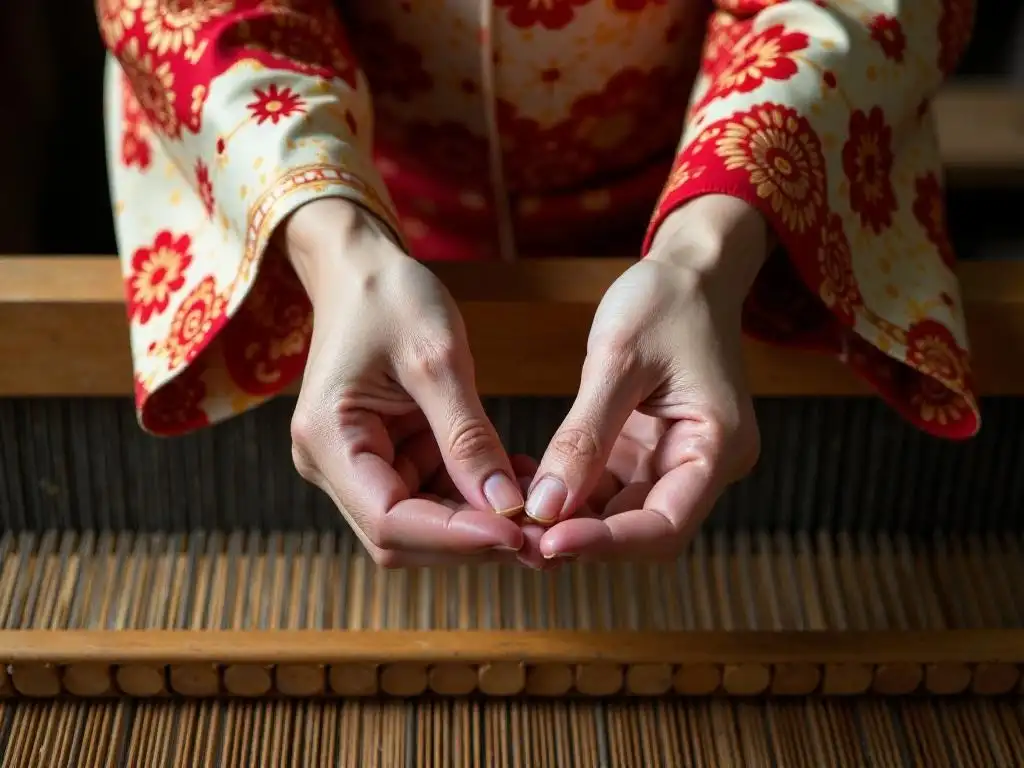
Welcome to Feudal Japan History, where we invite you to embark on a journey through the intricate tapestry of Japan's feudal era. Here, we delve into the rich historical, cultural, and societal aspects that shaped this fascinating period. In our featured article, “Kimono Craftsmanship: A Deep Dive into Traditional Textile Art,” you'll uncover the secrets behind the timeless art of traditional Japanese kimono craftsmanship. What makes these garments so emblematic of Japanese heritage? Join us as we unravel the threads of history, artistry, and tradition—there's much more to discover!
- Introduction to Traditional Japanese Kimono Craftsmanship
- Historical Background of Kimono Craftsmanship
- Materials Used in Traditional Japanese Kimono Craftsmanship
- Techniques and Methods in Kimono Craftsmanship
- Cultural Significance of Kimonos in Japanese Society
- Preserving Traditional Japanese Kimono Craftsmanship
- Contemporary Interpretations of Kimono Craftsmanship
- Conclusion: The Future of Traditional Japanese Kimono Craftsmanship
- Frequently Asked Questions
- Final Reflection: The Enduring Legacy of Traditional Japanese Kimono Craftsmanship
- Embrace the Beauty of Kimono Craftsmanship Today!
Introduction to Traditional Japanese Kimono Craftsmanship
The art of kimono craftsmanship is a vibrant thread woven into the rich tapestry of Japan's cultural history. This traditional textile art not only showcases remarkable skill and creativity but also embodies the aesthetic values and societal norms of different historical periods, particularly during the feudal era. Kimonos, with their distinct designs, colors, and fabrics, have long been more than mere garments; they are powerful symbols of identity, status, and artistry. This article delves deeply into the intricate world of traditional Japanese kimono craftsmanship, exploring its historical significance, the techniques involved, and its enduring legacy in contemporary society.
Overview of Kimono as a Cultural Symbol
Kimonos have transcended their functional purpose to become profound cultural symbols within Japanese society. Traditionally, the style and fabric of a kimono could signify a wearer’s age, marital status, and even social class. For instance, young women might wear colorful and elaborately patterned kimonos, while older individuals would often opt for more subdued and elegant designs.
- Symbolism in Design: Each motif used in kimono design carries specific meanings. Common symbols include:
- Crane: Represents longevity and good fortune.
- Cherry Blossoms: Symbolizes the transient nature of life.
- Waves: Represents resilience and adaptability.
This symbolism extends beyond aesthetics; the choice of colors and patterns often reflects seasonal changes, festivals, and important life events, making the kimono a living canvas of cultural expression.
Importance of Textile Art in Feudal Japan
During the feudal era, textile art reached new heights of sophistication and importance. The production of textiles, particularly kimonos, became a significant industry, deeply intertwined with the economy and social structure of the time.
- Craftsmanship Techniques: The techniques used in kimono making, such as:
- Weaving: Techniques like Nishijin-ori and Kasuri are renowned for their intricate patterns.
- Dyeing: Traditional methods like Yuzen and Shibori allow for vibrant colors and complex designs.
These methods not only showcase the artisan's skill but also reflect the regional specialties and resources available in different areas of Japan.
- Cultural Practices: The craft was often associated with various ceremonies and rituals, highlighting its integral role in daily life. For example, the kimono is central to ceremonies such as weddings and tea ceremonies, where it serves as a visual representation of tradition and respect.
Traditional Japanese kimono craftsmanship is more than just an art form; it is a profound expression of cultural identity, history, and social values that continues to evolve while maintaining its essential heritage. As we explore this topic further, we will uncover the nuances of its craftsmanship and its significance throughout Japanese history.
Historical Background of Kimono Craftsmanship
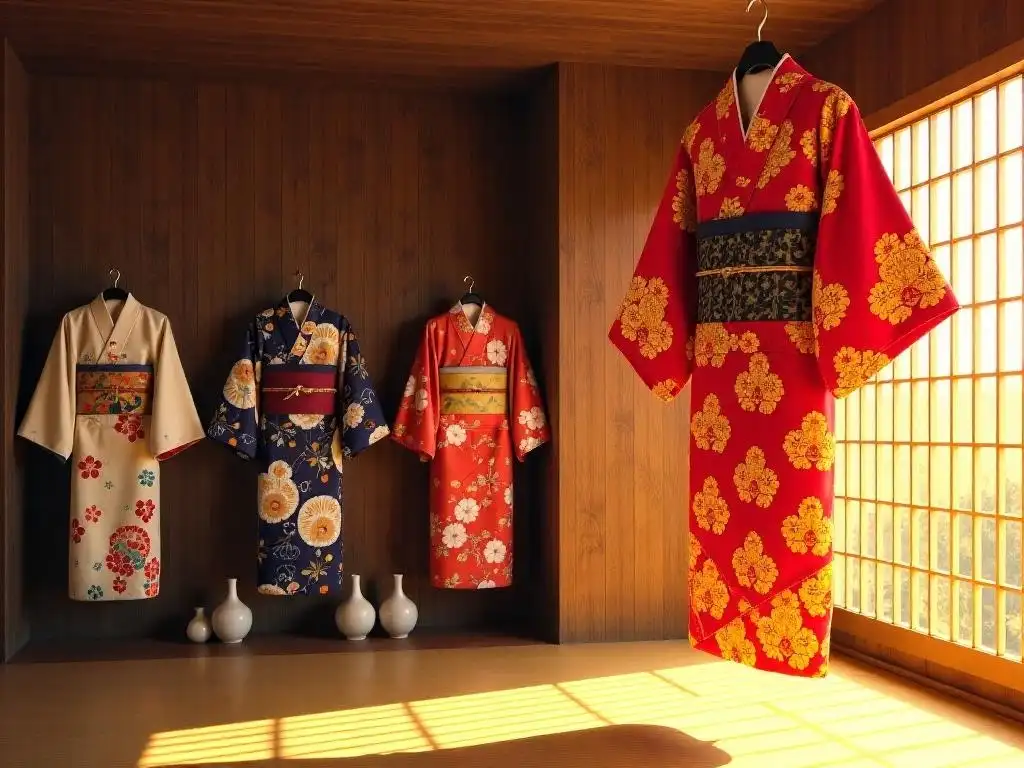
The tradition of kimono craftsmanship is deeply rooted in Japan's history, reflecting the evolution of its culture and society. Kimonos, which are traditional garments, originated in the Heian period (794-1185) and have undergone various transformations influenced by shifting social norms, economic conditions, and artistic trends.
The Evolution of Kimono Design Through the Ages
Throughout the centuries, the design of kimonos has evolved significantly, marking the passage of time and changes in societal structure.
- Heian Period (794-1185): The earliest kimonos were simple, often made from plain fabrics. The focus was on layering and color combinations, as the number of layers indicated social status. The junihitoe, a complex layered kimono worn by noblewomen, exemplified this trend.
- Kamakura Period (1185-1333): With the rise of the samurai class, kimonos began to reflect martial values. Designs became more subdued, focusing on dark colors and utilitarian cuts.
- Muromachi Period (1336-1573): The introduction of the Noh theater influenced kimono aesthetics, incorporating bold colors and intricate patterns that symbolized nature and spirituality.
- Edo Period (1603-1868): This period saw the flourishing of kimono craftsmanship, characterized by the use of luxurious fabrics like silk and elaborate dyeing techniques. The yuzen dyeing method, which allowed for detailed designs, became popular. Kimonos reflected the wearer’s status and were often adorned with seasonal motifs, showcasing the connection between nature and art.
- Modern Era (1868-Present): The Meiji Restoration introduced Western fashion, leading to a decline in kimono usage. However, traditional craftsmanship endured, evolving into contemporary styles while maintaining historical techniques, resulting in a unique blend of old and new.
Key Historical Figures in Kimono Craftsmanship
Several influential figures and artisans have played pivotal roles in shaping kimono craftsmanship throughout history:
- Mizuno Koshin: Known for his contributions to the yuzen dyeing technique, Koshin elevated the craft by introducing new patterns and colors that captivated the public during the Edo period. His works are celebrated for their intricate details and vibrant aesthetics.
- Kawashima Textile Co.: Founded by the Kawashima family in the late Edo period, this company became renowned for its high-quality silk and innovative designs. They preserved traditional techniques while adapting to contemporary tastes, ensuring the longevity of kimono craftsmanship.
- Kōbō Daishi (Kūkai): Though primarily known as a significant figure in Japanese Buddhism, Kūkai's influence extended to the realm of textile arts, promoting the integration of spirituality into designs, which continues to resonate in kimono craftsmanship today.
Influence of Feudal Society on Kimono Styles
Feudal Japan's social hierarchy profoundly impacted kimono styles, dictating not only the designs but also the materials used and the occasions for which kimonos were worn.
- Samurai Class: The samurai wore kimonos that represented their status and allegiance, often featuring family crests (mon) and subdued colors. Their kimonos were practical, designed for mobility, and crafted from durable materials.
- Merchant Class: As commerce flourished during the Edo period, the merchant class began to adopt more extravagant kimonos, showcasing wealth through vibrant colors and elaborate patterns. This shift marked a significant cultural transition, emphasizing individuality and personal expression.
- Court Nobility: Kimonos worn by the court nobility were characterized by their intricate layering and use of precious materials. The designs often included seasonal motifs and were carefully selected to reflect the wearer’s status and beauty ideals.
- Cultural Festivals: Kimonos were integral to various cultural festivals and ceremonies. Specific styles and colors were designated for different occasions, reinforcing the connection between garment and social context. For instance, the shichi-go-san festival featured children dressed in special kimonos to signify their growth and the importance of tradition.
The interplay between feudal society and kimono craftsmanship highlights the garments as more than mere clothing; they are a reflection of Japan's intricate history and cultural identity. Through various eras, traditional Japanese kimono craftsmanship continues to be celebrated for its artistry and significance in the social fabric of Japan.
Materials Used in Traditional Japanese Kimono Craftsmanship
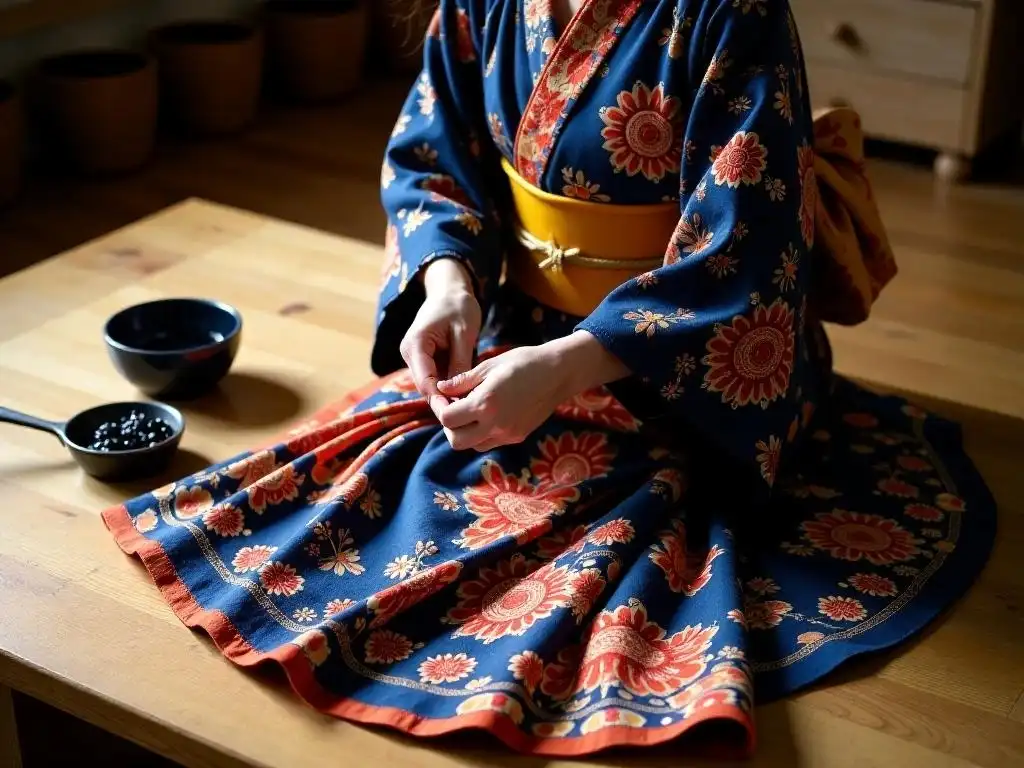
Types of Fabrics Commonly Used in Kimono Making
The foundation of traditional Japanese kimono craftsmanship lies in the selection of high-quality fabrics. Various types of textiles are utilized, each with unique characteristics that contribute to the kimono's beauty and functionality. The most common fabrics include:
- Silk (絹, Kinu): This luxurious material is the most esteemed in kimono making. It has a natural sheen and softness, making it perfect for formal occasions. Different types of silk, such as habutae, chirimen, and tsumugi, are employed, each offering distinct textures and weights.
- Cotton (綿, Men): Traditionally used for more casual kimonos, cotton is breathable and comfortable, making it suitable for summer wear. Yukata, a lightweight cotton kimono, is especially popular during summer festivals.
- Ramie (麻, Asa): A lesser-known fabric, ramie is derived from a plant and is valued for its durability and crisp texture. It is often blended with silk to enhance the overall strength of the kimono.
- Wool (ウール, Wūru): Though not as traditional, wool has been incorporated into kimono making, especially in colder climates. It provides warmth and is often used in modern adaptations of kimono styles.
These materials not only contribute to the aesthetic appeal of kimonos but also reflect the wearer's social status and the occasion for which the kimono is worn.
Natural Dyes and Their Significance in Textile Art
The vibrant colors of traditional Japanese kimonos are primarily achieved through the use of natural dyes. These dyes are derived from various plants, minerals, and insects, and each color carries its own cultural significance:
- Indigo (藍, Ai): A staple in traditional dyeing, indigo is revered for its deep blue hues. It symbolizes purity and was often used in everyday garments.
- Persimmon (柿, Kaki): The tannins from persimmons create shades of orange and brown, which are associated with autumn and the changing seasons.
- Safflower (紅花, Benibana): Known for its brilliant red dye, safflower has been used historically in textiles to signify bravery and strength.
- Logwood (黒檀, Kokutan): This dye produces rich purples and blacks, often used for formal kimonos. The color black represents elegance and sophistication.
The use of natural dyes not only enhances the visual appeal of kimonos but also connects them to the environment and the cultural heritage of Japan. Each dyeing process is labor-intensive, requiring skilled artisans to achieve the desired hues and patterns.
Techniques for Weaving and Stitching Kimonos
The artistry of traditional Japanese kimono craftsmanship extends beyond fabric selection and dyeing techniques. Weaving and stitching methods play a crucial role in the overall quality and design of the kimono. Key techniques include:
- Kasuri (絣): This resist-dyeing technique involves tying sections of the fabric before dyeing to create intricate patterns. The result is a unique, blurred effect that adds depth to the design.
- Nishijin-ori (西陣織): Originating from Kyoto, this weaving technique is known for its elaborate patterns and use of metallic threads. Nishijin-ori kimonos are highly sought after for their luxurious appearance and intricate craftsmanship.
- Sashiko (刺し子): A form of decorative stitching, sashiko involves creating patterns with running stitches. Originally used for reinforcing fabric, it has evolved into an art form, adding texture and visual interest to kimonos.
- Boro (ぼろ): This technique involves patching together scraps of fabric to create a new garment. Boro kimonos are celebrated for their history and the stories woven into them, showcasing the frugality and resourcefulness of the Japanese people.
These techniques not only enhance the aesthetic value of kimonos but also embody the cultural significance of craftsmanship in Japanese society. Each stitch and weave tells a story, connecting the wearer to a rich heritage of artistry and tradition.
Techniques and Methods in Kimono Craftsmanship
The world of traditional Japanese kimono craftsmanship is rich with intricate techniques and methods that have been honed over centuries. Each method contributes to the unique beauty and cultural significance of the kimono, making it not just a garment but a work of art. This section delves into three prominent techniques: Yuzen dyeing, Shibori tie-dyeing, and hand-embroidery, exploring their historical backgrounds, processes, and artistic expressions.
The Art of Yuzen Dyeing: A Detailed Process
Yuzen dyeing, known as “Yūzen-zome”, is a traditional method that originated in the early Edo period (1603-1868). This technique involves a meticulous process that allows artisans to create vibrant, detailed patterns on fabric, particularly silk.
- Preparation of Fabric:
- The process begins with the selection of high-quality silk. The fabric is then washed and treated to ensure it absorbs dye effectively.
- Design Creation:
- Artisans sketch intricate designs on paper, often inspired by nature, seasonal motifs, or historical themes. These designs are transferred onto the fabric using a special rice paste technique that acts as a resist.
- Dye Application:
- Using natural dyes derived from plants and minerals, artisans carefully apply colors to the fabric. The application is done with precision to maintain the integrity of the design.
- Fixation and Finishing:
- After dyeing, the fabric is steamed or heated to fix the colors. This is followed by a washing process to remove the rice paste, revealing the beautiful patterns.
The result is a stunning, colorful fabric that showcases the artisan's skill and creativity. Yuzen dyeing is not only a craft but also an expression of cultural heritage, with each piece telling a unique story.
Shibori Technique: The Craft of Tie-Dyeing
Shibori is a fascinating technique of tie-dyeing that has been practiced in Japan for centuries. It encompasses various methods of folding, twisting, and compressing fabric to create intricate patterns.
- Folding and Binding:
- The first step involves folding the fabric in specific ways, such as accordion-style or spiral folds. These folds are then secured with string or rubber bands to create resist areas.
- Dyeing Process:
- The bound fabric is submerged in dye baths, often using indigo or natural dyes. The areas that are secured will resist the dye, resulting in unique patterns once the fabric is dried.
- Unbinding and Revealing Patterns:
- After dyeing, the binding is removed to reveal the striking patterns. The contrast between dyed and undyed areas creates a dynamic visual effect.
Shibori can produce a variety of designs, from delicate, intricate patterns to bold, striking visuals. Each piece is unique, reflecting the individual craftsmanship and creativity of the artisan.
The Role of Hand-Embroidery in Kimono Decoration
Hand-embroidery plays a crucial role in enhancing the visual appeal of traditional kimonos. This technique adds texture and depth to the fabric, often making each kimono a unique masterpiece.
- Techniques of Hand-Embroidery:
- Various embroidery techniques, such as Sashiko, Kogin, and Nui, are employed. These methods often involve geometric patterns or natural motifs, enhancing the overall design.
- Symbolism and Themes:
- The motifs used in embroidery carry significant cultural meanings. For instance, crane designs symbolize longevity and good fortune, while cherry blossoms represent the transient nature of life.
- Integration with Other Techniques:
- Hand-embroidery is frequently combined with Yuzen dyeing and Shibori to create layered designs. This integration allows for a richer aesthetic experience, showcasing the harmony of various textile arts.
Hand-embroidery not only adorns the kimono but also reflects the skill and dedication of the artisans. Each stitch tells a story, adding depth to the garment's cultural significance.
The techniques of Yuzen dyeing, Shibori tie-dyeing, and hand-embroidery are integral to traditional Japanese kimono craftsmanship. They showcase a deep respect for artistry and cultural heritage, ensuring that each kimono is a unique representation of Japan's rich textile history.
Cultural Significance of Kimonos in Japanese Society
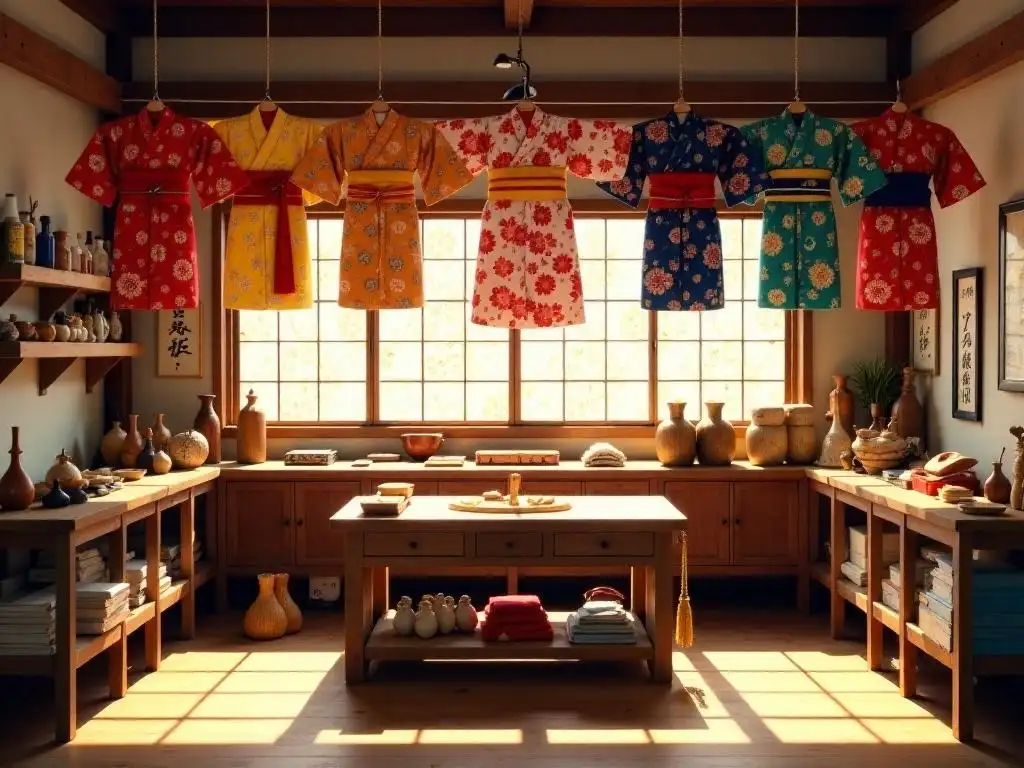
Kimonos are more than just garments; they are woven symbols of Japan's rich cultural heritage. Traditionally, the kimono represents various social values, aesthetic principles, and historical narratives, making it an integral part of Japanese identity. The craftsmanship involved in creating these garments showcases intricate techniques passed down through generations, reflecting a deep connection to the past while adapting to contemporary contexts.
The kimono's significance transcends mere fashion. It plays a vital role in social and cultural practices, encapsulating the zeitgeist of different eras in Japan. The art of kimono craftsmanship not only highlights the skills of artisans but also serves as a canvas for expressing the nuances of Japanese culture across various contexts.
Kimonos in Ceremonial Practices and Festivals
Kimonos are predominantly worn during significant ceremonies and festivals, where they embody tradition and cultural identity.
- Weddings: In Japanese weddings, the bride typically wears a white kimono called shiromuku, symbolizing purity. This is often followed by a colorful uchikake kimono, showcasing elaborate designs and patterns that signify good fortune.
- Coming-of-Age Day: On this day, young adults wear kimonos to celebrate their transition into adulthood. Women often don brightly colored furisode, which feature long sleeves and vibrant patterns, symbolizing youth and vitality.
- Seasonal Festivals: Festivals such as Hanami (cherry blossom viewing) and Obon (a festival to honor deceased ancestors) see participants donning kimonos. The choice of kimono varies by season, often featuring seasonal motifs that connect wearers to nature and the cyclical changes of life.
This ceremonial use of kimonos not only highlights their aesthetic appeal but also reinforces community ties and the transmission of cultural values from one generation to the next.
The Symbolism Behind Kimono Colors and Patterns
The colors and patterns of kimonos carry significant meanings, often reflecting the wearer's sentiments, status, or even the season.
- Colors:
- Red: Symbolizes happiness and good fortune, commonly used in celebratory contexts.
- Black: Often associated with formality and mourning, indicating respect in solemn occasions.
- Blue and Green: Represent tranquility and harmony, frequently chosen for everyday wear.
- Patterns:
- Asanoha (Hemp Leaf): Symbolizes growth and resilience, often favored for children's kimonos.
- Kikkō (Tortoise Shell): Represents longevity and good fortune, making it a popular choice for auspicious occasions.
Understanding these symbols enhances appreciation for the craftsmanship involved in creating kimonos. The meticulous choice of colors and patterns not only enhances visual appeal but also conveys deep cultural narratives and personal stories.
Gender Differences in Kimono Styles and Usage
Kimono styles and usage vary significantly between genders, reflecting broader social roles and expectations within Japanese society.
- Women’s Kimonos:
- Women's kimonos are often more diverse and elaborate, featuring a range of styles from the formal furisode to the casual yukata. The intricate designs and longer sleeves of women's kimonos allow for a greater expression of individuality and social status.
- Accessories, such as obi (sashes) and kanzashi (hair ornaments), play a crucial role in completing the look, with styles changing based on seasons and occasions.
- Men’s Kimonos:
- Men's kimonos are generally simpler in design, focusing on practicality and functionality. The most common style, the hakama, is worn over a kimono and is often associated with formal events.
- Colors tend to be more muted, with darker shades dominating, reflecting a traditional view of masculinity and restraint.
Despite these differences, both men's and women's kimonos illustrate the artistry of traditional Japanese kimono craftsmanship, with each garment representing a unique intersection of culture, gender, and personal expression.
The cultural significance of kimonos in Japanese society is profound, encompassing historical, ceremonial, and personal dimensions. The traditional Japanese kimono craftsmanship reflects a rich tapestry of meanings, making these garments timeless symbols of Japan's artistic and cultural legacy.
Preserving Traditional Japanese Kimono Craftsmanship
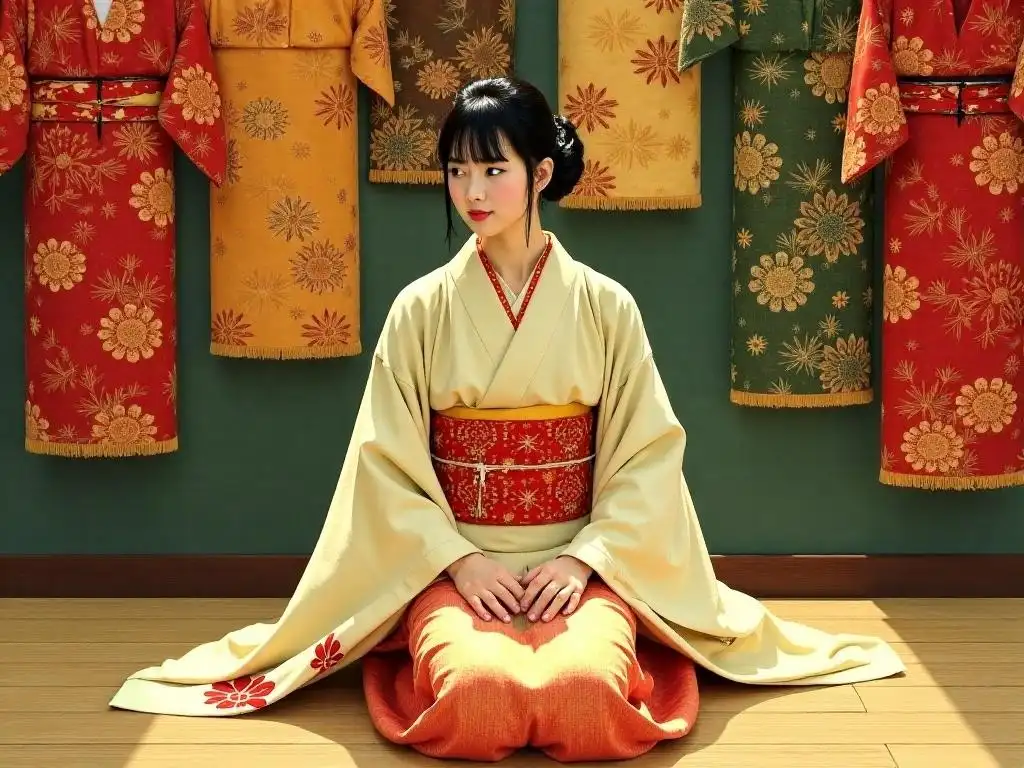
The art of crafting traditional Japanese kimonos, a practice steeped in centuries of history, is facing significant challenges in the modern world. As society evolves, so too do the cultural practices associated with kimono-making. The impact of globalization, changing fashion trends, and societal roles has led to a decline in both the number of skilled artisans and the demand for handcrafted kimonos. Preserving this intricate craftsmanship requires understanding the challenges and implementing effective initiatives to revive traditional techniques.
Challenges Facing Modern Kimono Artisans
The landscape of kimono craftsmanship is fraught with obstacles that threaten its survival:
- Decline in Demand:
- As Western fashion dominates everyday wear, fewer individuals choose to wear kimonos regularly, leading to reduced demand.
- Special occasions, such as weddings and ceremonies, now often favor more modern attire, further diminishing the market for kimonos.
- Aging Artisan Population:
- Many skilled artisans who have inherited the craft from previous generations are aging and nearing retirement, with few younger individuals stepping into the profession.
- The lengthy apprenticeship required to master the art of kimono-making deters potential newcomers, as it demands years of dedicated training.
- High Production Costs:
- The intricate processes involved in creating a kimono—such as dyeing, weaving, and sewing—require significant time and resources, leading to higher prices.
- This can make traditional kimonos less accessible to a broader audience, as mass-produced alternatives become more financially appealing.
- Cultural Disconnect:
- Younger generations may feel less connected to traditional Japanese culture, leading to a diminished appreciation for the craftsmanship behind kimonos.
- The lack of awareness about the historical significance and artistry involved in kimono-making can contribute to its decline.
Initiatives for Reviving Traditional Techniques
In response to these challenges, various initiatives are being undertaken to revitalize traditional Japanese kimono craftsmanship:
- Workshops and Community Classes:
- Many artisans are offering workshops to educate the public about the kimono-making process, from dyeing techniques to sewing methods.
- These classes not only help to preserve skills but also foster a greater appreciation for the artistry involved.
- Collaboration with Fashion Designers:
- Innovative collaborations between traditional artisans and contemporary fashion designers are creating modern interpretations of the kimono, attracting a younger audience.
- By integrating traditional techniques into contemporary design, artisans can present kimonos as fashionable items rather than purely ceremonial attire.
- Government and Non-Profit Support:
- Various organizations are providing funding and resources to support traditional artisans, helping to preserve their craft through grants and promotional events.
- Initiatives aimed at increasing awareness of the cultural significance of kimonos are being launched, targeting schools and community organizations.
The Role of Education in Preserving Textile Arts
Education is pivotal in preserving traditional Japanese kimono craftsmanship, ensuring that the skills and knowledge are passed down to future generations:
- Formal Education Programs:
- Institutions are beginning to offer specialized programs in textile arts, focusing on the history and techniques of kimono-making.
- These programs aim to equip students with both practical skills and a deep understanding of the cultural heritage associated with kimonos.
- Mentorship Opportunities:
- Pairing experienced artisans with apprentices can create a nurturing environment for skill development.
- These mentorships help to cultivate a new generation of artisans who are not only skilled but also passionate about preserving the craft.
- Cultural Heritage Workshops:
- Schools and community centers are incorporating workshops on traditional crafts into their curricula, fostering an early appreciation for textile arts.
- By engaging children and young adults with hands-on experiences, there is potential to ignite interest in becoming future artisans.
The preservation of traditional Japanese kimono craftsmanship is a multifaceted endeavor requiring concerted efforts in education, community engagement, and innovative practices. By addressing modern challenges and fostering a new generation of artisans, the rich heritage of kimono-making can continue to thrive in contemporary society.
Contemporary Interpretations of Kimono Craftsmanship
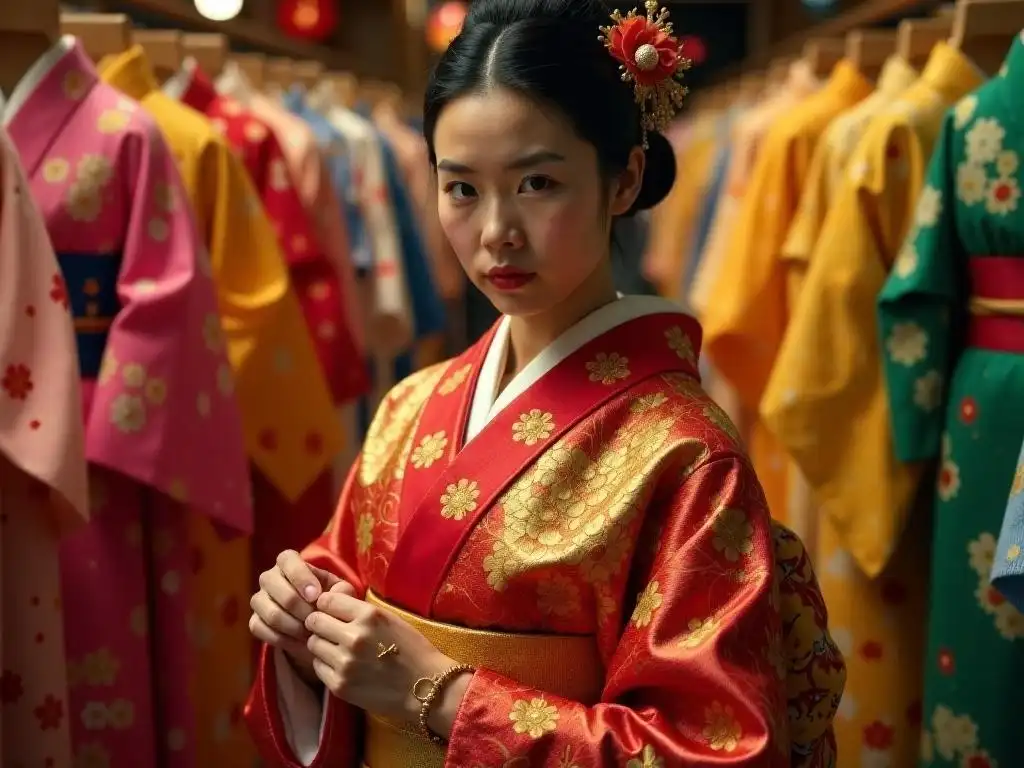
The traditional Japanese kimono, with its rich history and intricate craftsmanship, continues to inspire contemporary artists and designers around the world. This section explores how modern interpretations and adaptations of kimono craftsmanship have emerged, showcasing both respect for tradition and innovation in design.
Modern Designers Influenced by Traditional Techniques
In recent years, a wave of modern designers has embraced traditional Japanese kimono craftsmanship, integrating it into their collections while maintaining the essence of the art form. Designers such as Issey Miyake and Yohji Yamamoto have skillfully incorporated kimono silhouettes and techniques into their work, pushing the boundaries of fashion while paying homage to their heritage.
- Issey Miyake: Known for his innovative use of pleating and fabric manipulation, Miyake often draws inspiration from the kimono's flowing lines and structural elements. His collections often feature garments that, while modern, reflect the timeless elegance of traditional kimonos.
- Yohji Yamamoto: Renowned for his avant-garde approach, Yamamoto's designs frequently showcase the layering and draping techniques characteristic of kimono craftsmanship. His use of dark colors and oversized silhouettes creates a contemporary interpretation that still resonates with traditional aesthetics.
These designers exemplify how the principles of traditional Japanese kimono craftsmanship can be adapted to create contemporary fashion that appeals to a global audience.
Fusion of Western Styles with Traditional Kimono Craftsmanship
As global fashion trends continue to evolve, the fusion of Western styles with traditional kimono craftsmanship has become increasingly prevalent. This blending results in unique designs that celebrate the beauty of both cultures.
- Streetwear Influence: Many streetwear brands have begun to incorporate kimono elements into their collections, such as oversized fits and bold prints. This has led to the creation of garments that maintain a sense of traditional Japanese aesthetics while appealing to a younger, more urban demographic.
- High Fashion Collaborations: Collaborations between Western designers and traditional Japanese artisans have also emerged. For instance, luxury brands may collaborate with kimono makers to produce limited-edition pieces that feature traditional dyeing techniques, such as shibori or yuzen, combined with contemporary cuts and styles.
This fusion highlights the versatility of traditional kimono craftsmanship, showcasing how it can transcend cultural boundaries and resonate with diverse fashion sensibilities.
The Global Impact of Japanese Kimono Fashion
The influence of Japanese kimono fashion extends far beyond the borders of Japan. Its global impact can be seen in various aspects of the fashion industry, from haute couture to everyday wear.
- Cultural Appreciation: The increasing interest in kimono craftsmanship has led to a broader appreciation of Japanese culture. Fashion events and exhibitions dedicated to kimono art have gained popularity, allowing audiences worldwide to engage with this traditional textile art form.
- Sustainable Fashion Movement: The kimono's durability and the traditional techniques used in its creation align with the principles of sustainable fashion. As consumers become more conscious of their environmental impact, the longevity and craftsmanship of kimonos serve as a model for sustainable practices in contemporary fashion.
- Global Fashion Weeks: Many designers showcase kimono-inspired pieces at international fashion weeks, further solidifying its place in global fashion discourse. This visibility not only promotes Japanese craftsmanship but also encourages dialogue about cultural heritage in the fashion industry.
The global impact of Japanese kimono fashion underscores its significance as a cultural artifact and a source of inspiration for modern design, bridging the gap between the past and the present.
Conclusion: The Future of Traditional Japanese Kimono Craftsmanship
As we look toward the future of traditional Japanese kimono craftsmanship, it is essential to understand its significance not only as a cultural artifact but also as a living art form that reflects the values and aesthetics of Japanese society. The survival of this intricate craftsmanship hinges on the recognition and appreciation of its cultural heritage.
The kimono, with its rich patterns, colors, and symbolic meanings, serves as a canvas illustrating Japan's history, social structures, and artistic evolution. In an increasingly globalized world, preserving such unique traditions ensures that they remain relevant and appreciated, fostering a deep connection between past and present.
The Importance of Cultural Heritage in Modern Society
Cultural heritage, particularly in the realm of textile arts, contributes significantly to a community's identity and continuity. Traditional Japanese kimono craftsmanship embodies techniques and stories passed down through generations. Here's why it matters:
- Cultural Identity: The kimono is more than just clothing; it represents the values, aesthetics, and traditions of Japanese culture. Wearing a kimono can evoke a sense of pride and connection to one's roots.
- Artistic Expression: The craftsmanship involved in creating kimonos showcases the remarkable skills of artisans. This art form requires meticulous attention to detail, from dyeing and weaving to embroidery, encapsulating the essence of Japanese aesthetics.
- Economic Impact: The revival and appreciation of traditional crafts can contribute to local economies. By supporting artisans and small businesses, communities can benefit economically while preserving cultural practices.
- Educational Value: Understanding the processes involved in traditional kimono craftsmanship provides insights into Japan's historical context, social dynamics, and artistic evolution. It serves as an educational tool for both locals and visitors to Japan.
Encouraging New Generations to Embrace Textile Arts
To ensure the longevity of traditional Japanese kimono craftsmanship, it is crucial to encourage new generations to engage with and appreciate textile arts. Here are some strategies to achieve this:
- Educational Programs: Implementing workshops and classes that teach the techniques of kimono making can inspire younger individuals. Schools can incorporate textile arts into their curricula, highlighting both the practical and historical aspects.
- Cultural Festivals: Hosting events that celebrate kimono craftsmanship can spark interest. Activities such as fashion shows, exhibitions, and hands-on workshops can attract diverse audiences and create a lively atmosphere of learning and appreciation.
- Collaboration with Designers: Encouraging contemporary designers to incorporate traditional techniques into modern fashion can bridge the gap between old and new. This fusion can make kimonos appealing to younger demographics while respecting their cultural significance.
- Online Platforms: Utilizing social media and online tutorials can reach a broader audience. Engaging content showcasing the beauty and intricacies of kimono craftsmanship can inspire curiosity and admiration in a younger, tech-savvy generation.
- Community Involvement: Local communities can create guilds or groups dedicated to the preservation of textile arts. By fostering a sense of belonging and shared purpose, individuals can feel motivated to carry on these traditions.
The future of traditional Japanese kimono craftsmanship lies in the hands of those who recognize its value and are willing to invest time and effort into its preservation. By emphasizing cultural heritage, fostering educational initiatives, and encouraging new generations to embrace textile arts, we can ensure that this beautiful art form continues to thrive in the years to come.
Frequently Asked Questions
What is the significance of the kimono in Japanese culture?
The kimono is a traditional garment that symbolizes Japanese heritage and cultural identity. Its designs often reflect specific seasons, occasions, and social status.
How is kimono craftsmanship traditionally practiced?
Kimono craftsmanship involves a meticulous process of weaving, dyeing, and sewing that has been refined over centuries. Craftsmen often utilize handmade techniques passed down through generations.
What materials are commonly used in traditional kimono making?
Silk is the most prized material for traditional kimonos, valued for its luster and softness. Other materials include cotton and linen, which are used for casual or summer kimonos.
Are there different styles of kimono?
Yes, there are various styles of kimono, each with its own purpose and occasion. For example, the furisode is worn by young women, while the hifu is typical for older women, showcasing the diversity in design and usage.
How has kimono craftsmanship evolved in modern times?
While the essence of kimono craftsmanship remains, modern techniques and materials have emerged, leading to new designs and trends. However, many artisans strive to maintain the traditional methods that define this art form.
Final Reflection: The Enduring Legacy of Traditional Japanese Kimono Craftsmanship
In a world increasingly dominated by fast fashion and mass production, the art of traditional Japanese kimono craftsmanship stands as a testament to the beauty of patience, skill, and cultural heritage. This timeless craft not only represents the intricate artistry of textile creation but also serves as a reminder of the stories woven into each garment, connecting generations and preserving history. The relevance of this craftsmanship today is profound, as it invites us to reflect on the value of authenticity and the importance of sustaining our cultural identities amidst globalization.
Cultural heritage is not merely a relic of the past; it is a living, breathing entity that continues to shape our present and future. The influence of traditional kimono craftsmanship can be seen in contemporary fashion, art, and even in the revival of artisanal practices around the world. As we embrace the beauty of these textiles, we also acknowledge the artisans who dedicate their lives to this craft, ensuring that their skills and traditions are passed down. Art is the most beautiful of all lies.
This quote encapsulates the essence of craftsmanship, where every stitch and dye tells a story that transcends time.
As we conclude this exploration of traditional Japanese kimono craftsmanship, I invite you to reflect on how you can incorporate the principles of this art into your own life. Consider the stories behind the garments you wear, the artisans who create them, and the cultural significance they hold. Let us honor the craftsmanship that has shaped our world by supporting sustainable practices and celebrating the artistry that enriches our lives. In doing so, we not only preserve the past but also pave the way for a future where tradition and innovation coexist harmoniously.
Embrace the Beauty of Kimono Craftsmanship Today!
Thank you for taking the time to explore the rich tradition of kimono craftsmanship with us. You've uncovered the intricate artistry that has shaped Japanese culture for centuries! Now, it's time to carry this appreciation forward.
Here are some simple and rewarding steps you can take:
- Visit a Local Artisan: Seek out a local textile artist or craft fair to witness the beauty of kimono making firsthand.
- Share Your Newfound Knowledge: Discuss the significance of kimonos with friends and family, encouraging them to explore this art form as well.
- Join a Workshop: Look for online or community workshops where you can learn to create your own textile pieces inspired by the beautiful patterns of kimonos.
Are you ready to step into the world of kimono craftsmanship and create lasting connections with this beautiful art? What aspect of kimono making intrigues you the most?