
The Role of Women in Japanese Arts and Crafts During the Feudal Era

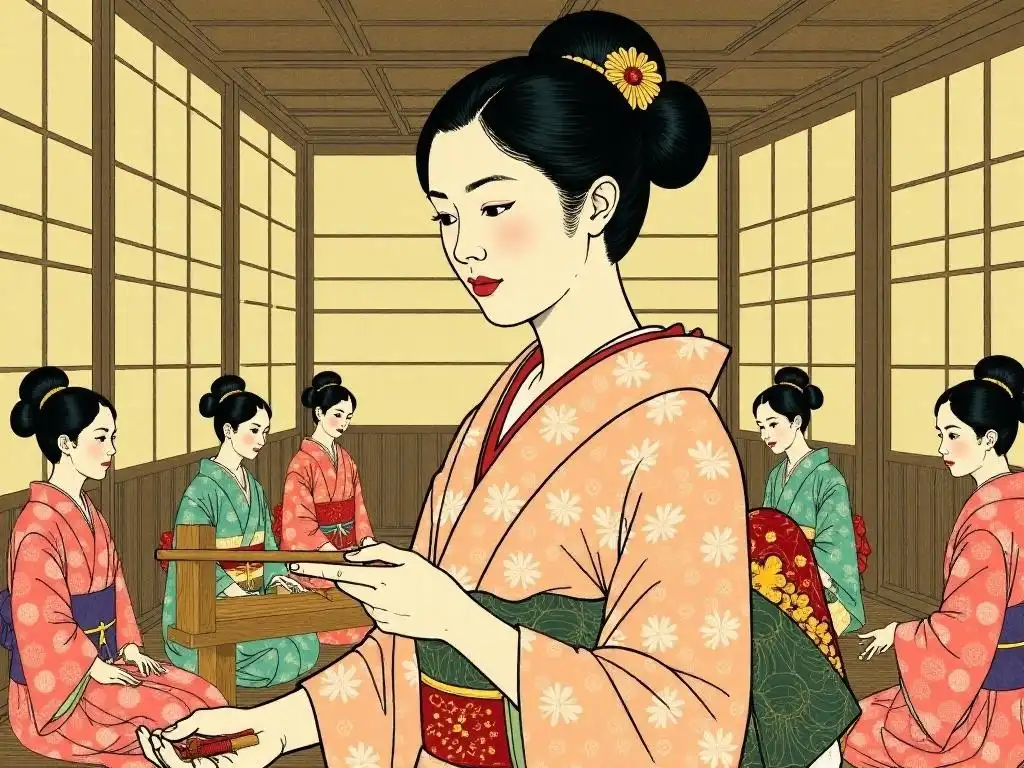
Welcome to Feudal Japan History, where we embark on a captivating journey through the intricate tapestry of Japan’s feudal era. Here, we delve deep into the historical, cultural, and societal nuances that shaped this remarkable period. In our featured article, we explore the often-overlooked contributions of women in Japanese feudal arts, shedding light on their vital roles in crafting the artistic heritage of a nation. What secrets lie within their creations? Join us as we uncover the rich stories and legacies that await you, inviting you to explore the vibrant world of Japanese culture like never before.
Introduction to Women in Japanese Feudal Arts
The role of women in Japanese arts and crafts during the feudal era is a rich and multifaceted topic that often goes unrecognized in mainstream historical narratives. While the focus tends to be on male artists and samurai warriors, women played a pivotal role in shaping Japan's cultural landscape through their contributions to various art forms and crafts. This article aims to illuminate the significant yet often overlooked contributions of women in the realm of Japanese feudal arts, exploring their societal roles, the cultural context in which they operated, and the lasting impact of their work on Japanese heritage.
Overview of the Feudal Era in Japan
The feudal era in Japan, spanning roughly from the 12th to the 19th century, was characterized by a rigid class structure and the dominance of the samurai warrior class. This period saw the emergence of powerful clans and the establishment of a feudal system that dictated social hierarchies and economic relationships. Key features of this era included:
- Social Stratification: Society was divided into distinct classes, including the samurai, farmers, artisans, and merchants.
- Cultural Flourishing: Despite the political turmoil, the arts flourished, with the development of unique styles in painting, pottery, textile arts, and more.
- Influence of Buddhism and Shinto: Religious beliefs significantly impacted artistic expression, with themes of spirituality and nature prevalent in many works.
Understanding this backdrop is crucial to appreciate the specific roles women occupied within these artistic realms and how their contributions were both shaped by and reflective of the broader societal contexts.
Significance of Women in Cultural History
Women in feudal Japan were not merely passive observers of the arts; they were active participants and influential creators. Their roles varied widely, from skilled artisans to patrons of the arts, and they often served as the backbone of cultural transmission within their families and communities. Some key points regarding their significance include:
- Cultural Preservation: Women were vital in preserving traditional crafts and practices, often teaching these skills to the next generation.
- Artistic Innovation: Many women contributed to the evolution of various art forms, infusing them with unique perspectives and techniques.
- Economic Contributions: Women's involvement in arts and crafts provided essential income for families and communities, especially during times of economic instability.
Recognizing the contributions of women in Japanese feudal arts not only enriches our understanding of cultural history but also highlights the importance of gender in the narrative of artistic development.
Historical Context of Women in Arts and Crafts
The Societal Status of Women in Feudal Japan
The societal status of women in feudal Japan was complex and varied depending on factors such as class and region. While women in the samurai class had certain privileges, those in lower classes faced more stringent limitations. Key aspects of women's status include:
- Legal Rights: Women were often subject to the authority of their male relatives, which restricted their independence in many areas.
- Work and Labor: Many women worked alongside men in artisanal trades, contributing significantly to household economies, yet their labor was frequently undervalued.
- Cultural Influence: Despite societal constraints, women exerted considerable influence in domestic spheres, shaping cultural practices and traditions.
Understanding these dynamics is essential to appreciate how women navigated their societal roles and contributed to the arts and crafts of the time.
Key Historical Periods Influencing Women’s Roles in Arts
Several key historical periods significantly influenced the roles of women in Japanese arts and crafts:
- Heian Period (794-1185): Marked by the rise of court culture, women like Murasaki Shikibu emerged as notable writers, showcasing the literary abilities of women.
- Kamakura Period (1185-1333): The establishment of the samurai class saw women playing vital roles in managing households and preserving cultural traditions.
- Edo Period (1603-1868): This era brought about urbanization and the rise of a merchant class, leading to new opportunities for women in arts and crafts, particularly in textile production and painting.
Each of these periods reflects shifting societal norms and offers valuable insights into the evolving roles of women within the arts, highlighting their resilience and creativity in the face of historical challenges.
Forms of Arts and Crafts Practiced by Women
During the feudal era in Japan, women played a significant role in the arts and crafts, contributing their skills and creativity to various forms of artistic expression. The involvement of women in these fields was not only vital for the preservation of cultural heritage but also for the development of unique styles and techniques that characterized the period.
Women's contributions spanned multiple disciplines, including textile arts, pottery and ceramics, painting and calligraphy, as well as traditional crafts like woodblock printing and bamboo work. Each of these areas showcases the talent and ingenuity of female artisans, revealing how they shaped Japan's artistic landscape.
Textile Arts: Weaving and Dyeing Techniques
Textile arts were among the most prominent forms of craftsmanship practiced by women in feudal Japan. The techniques of weaving and dyeing were often passed down through generations, with women honing these skills from a young age.
- Weaving: Women created intricate textiles using looms, producing kimonos and other garments that reflected personal and regional identities. The weaving process involved meticulous attention to detail, often incorporating designs that held cultural significance.
- Dyeing Techniques: Natural dyes derived from plants, insects, and minerals were commonly used to achieve vibrant colors. Techniques like shibori (tie-dyeing) and yūzen (silk painting) allowed women to express their creativity while adhering to traditional aesthetics.
Through their expertise in textile arts, women not only contributed to the economy through the production of clothing but also played a pivotal role in the cultural and ceremonial aspects of Japanese society.
Pottery and Ceramics: Contributions of Women Artisans
Women were integral to the pottery and ceramics scene in feudal Japan, often working alongside their male counterparts in both rural and urban areas.
- Rural Pottery: In many villages, women were responsible for creating functional pottery such as cookware, storage jars, and decorative pieces. Their work often reflected local traditions and resources, leading to a diverse range of styles and techniques.
- Artistic Ceramics: Some women also ventured into more artistic forms of ceramics, producing tea utensils and decorative items that were sought after in the burgeoning tea culture. Notable examples include the Mizusashi (water jar) and Chawan (tea bowl), where women artisans showcased their skill in both form and glaze application.
The contributions of women in pottery and ceramics not only fulfilled practical needs but also enriched Japan’s cultural practices, particularly in the context of tea ceremonies.
Painting and Calligraphy: Female Artists in Feudal Japan
The realms of painting and calligraphy were also significantly impacted by female artists during the feudal era.
- Painting: Women artists often specialized in genres such as Nihonga (Japanese-style painting) and Ukiyo-e (pictures of the floating world). They captured everyday life, nature, and historical events through their artwork, leaving behind a legacy of rich visual narratives.
- Calligraphy: Calligraphy, regarded as a prestigious art form, saw women mastering the brushwork and style associated with traditional Japanese scripts. Female calligraphers contributed to the documentation of literature and poetry, making their mark in the literary arts.
These artistic pursuits allowed women to express their inner thoughts and emotions while contributing to the cultural fabric of feudal Japan.
Traditional Crafts: Woodblock Printing and Bamboo Work
In addition to the previously mentioned arts, women engaged in traditional crafts such as woodblock printing and bamboo work, showcasing their versatility and craftsmanship.
- Woodblock Printing: Women contributed to the production of prints, often collaborating with male artists and printers. They were involved in the carving of blocks and the application of colors, playing a key role in the dissemination of popular prints that depicted scenes from literature and daily life.
- Bamboo Work: Female artisans excelled in bamboo crafts, creating items like baskets, mats, and decorative objects. The intricate weaving techniques used in bamboo work required patience and skill, and women often specialized in this craft, passing down their knowledge to younger generations.
These traditional crafts not only provided practical items for daily use but also served as artistic expressions that enriched Japan's cultural heritage.
Women as Educators and Preservers of Craft Techniques
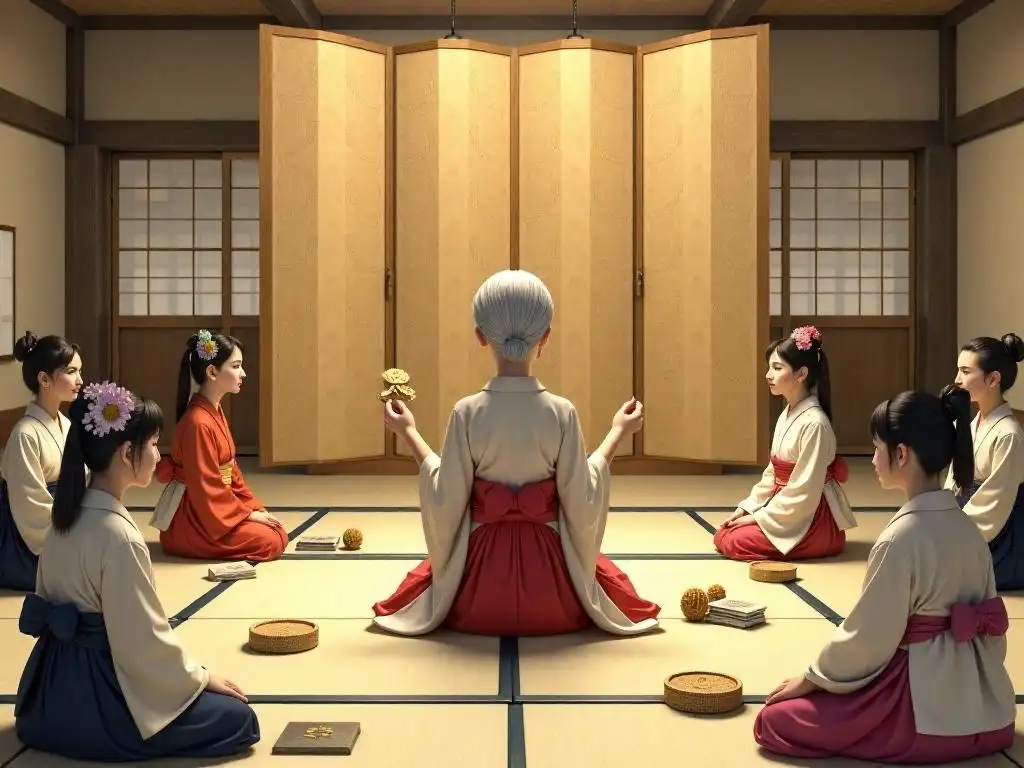
Women in feudal Japan were not only creators but also educators who played a crucial role in preserving craft techniques. Their contributions were essential for maintaining the continuity of artistic traditions and ensuring that skills were transmitted through the generations.
Role of Women in Family Craft Traditions
In many families, women were the primary educators of craft techniques, teaching their daughters the skills necessary to create textiles, pottery, and other forms of art. This familial transmission of knowledge ensured that traditional methods were preserved and adapted over time.
- Mentorship: Mothers often took on the role of mentors, guiding their daughters through the processes of creation and instilling a sense of pride in their craft.
- Community Involvement: Women would also engage in community workshops, sharing techniques and collaborating with neighbors, thus fostering a collective knowledge base that was vital for preserving local traditions.
Transmission of Skills Through Generations
The transmission of skills was a deeply ingrained practice in feudal Japan, and women played a pivotal role in this process.
- Apprenticeships: Many young girls began their training as apprentices under the guidance of experienced artisans, learning the intricacies of their chosen crafts.
- Cultural Events: Festivals and communal gatherings often showcased women's crafts, providing them with opportunities to demonstrate their skills and educate others in their community.
This emphasis on education and skill transmission not only ensured the survival of traditional crafts but also empowered women by recognizing their contributions to Japan's artistic legacy.
During Japan's feudal era, the intricate social hierarchy significantly shaped the roles and contributions of women in arts and crafts. The feudal system, characterized by a rigid class structure, dictated not only the social mobility of individuals but also their access to education, resources, and opportunities in artistic expression. Women’s participation in arts varied dramatically across different classes, exhibiting both privilege and limitation.
In the upper echelons of society, particularly among the samurai and noble classes, women were often afforded more opportunities to engage in artistic endeavors. They were encouraged to learn skills such as poetry, calligraphy, and painting, which were considered essential for cultural refinement. Conversely, women from lower classes, including peasants and artisans, faced significant restrictions. Their primary roles revolved around domestic responsibilities and labor-intensive tasks, which constrained their ability to explore creative outlets.
Despite these disparities, women across all classes contributed to the arts uniquely. Noblewomen often created elaborate textiles and participated in tea ceremonies that showcased their artistic sensibilities. On the other hand, peasant women played a crucial role in folk arts, crafting utilitarian items that were both functional and aesthetically pleasing, thereby enriching the local culture. Thus, while social hierarchy imposed limitations, it also provided distinct avenues for artistic expression that reflected the diverse experiences of women in feudal Japan.
Women in the Samurai Class: Artistic Contributions
Women of the samurai class held a unique position within the cultural landscape of feudal Japan, often contributing significantly to the arts. Educated and expected to embody the ideals of grace and refinement, these women participated in various artistic pursuits that were integral to samurai culture. Among their contributions were traditional crafts such as kimono making and lacquerware, which not only demonstrated their skill but also conveyed the status of their families.
Samurai women were also known for their involvement in literary arts. Many were proficient in calligraphy, an art form that required years of practice and was highly respected. They composed poetry and engaged in intellectual discussions, contributing to the rich tradition of haiku and tanka. This literary involvement was not merely a hobby; it represented a deeper engagement with the cultural values of the time.
Furthermore, samurai women played a vital role in the tea ceremony, a practice that fused art, philosophy, and social interaction. Their ability to host and conduct these ceremonies showcased their artistic sensibilities and adherence to the aesthetics of Zen Buddhism. Thus, the artistic contributions of samurai women were multifaceted, blending practicality with cultural sophistication, and reflecting the complexities of their identities within the feudal framework.
Peasant Women and Their Craft Practices
Peasant women, despite facing numerous societal constraints, became the backbone of Japan's artisanal crafts during the feudal era. Their contributions, often overlooked, played a crucial role in sustaining local economies and preserving cultural traditions. Engaged in various forms of handicrafts, these women produced textiles, pottery, and woven goods that were not only practical but also embodied the aesthetic values of their communities.
One of the most notable craft practices among peasant women was weaving. Utilizing locally sourced materials, they created intricate patterns and colorful fabrics which were essential for clothing and household items. The skills passed down through generations reflected not only their craftsmanship but also the cultural narratives of their respective regions.
Moreover, peasant women engaged in folk art, which served as a medium for expressing their daily lives and experiences. This art often included decorative items for festivals and rituals, reinforcing community bonds and cultural identity. Despite their lower social status, the artistic endeavors of peasant women were vital in maintaining the cultural fabric of feudal Japan, highlighting their resilience and creativity in the face of adversity.
Challenges Faced by Women in Japanese Feudal Arts
The artistic contributions of women during the feudal period were not without challenges. Various societal and economic obstacles hindered their full participation in the arts, limiting their opportunities for expression and recognition.
Societal Restrictions and Gender Norms
Societal restrictions rooted in Confucian ideals greatly influenced the roles of women in the arts. The prevailing gender norms emphasized obedience and domesticity, often relegating women to subordinate positions. Artistic pursuits were frequently viewed as secondary to their primary responsibilities as wives and mothers. This hierarchical view not only restricted women’s access to formal training but also limited their opportunities to showcase their work publicly.
Moreover, the expectations placed on women to maintain the household often conflicted with their artistic ambitions. In many cases, women who sought to pursue artistic careers faced criticism or disapproval from their families and communities. The societal perception that art was a male domain further compounded these challenges, leading to the erasure of many women’s contributions from historical narratives.
Economic Constraints and Limited Opportunities
Economic constraints posed significant barriers to women pursuing careers in the arts. For many, the necessity to contribute to the family income took precedence over artistic endeavors. Peasant women, in particular, were required to focus on agricultural work and household duties, leaving little time or resources for artistic pursuits.
Additionally, the lack of financial independence limited women’s ability to invest in materials or training. While some women from wealthier families could afford to pursue arts as a leisure activity, those from lower classes faced stark choices between survival and artistic expression. This economic disparity meant that many talented women remained unrecognized, their artistic legacies lost to history.
While women in Japanese feudal arts made significant contributions, they navigated a landscape fraught with challenges deeply intertwined with societal expectations and economic realities. Their resilience and creativity, however, left an indelible mark on the cultural heritage of Japan, reflecting the complexity of their experiences during this era.
Celebrating Women in Japanese Arts and Crafts
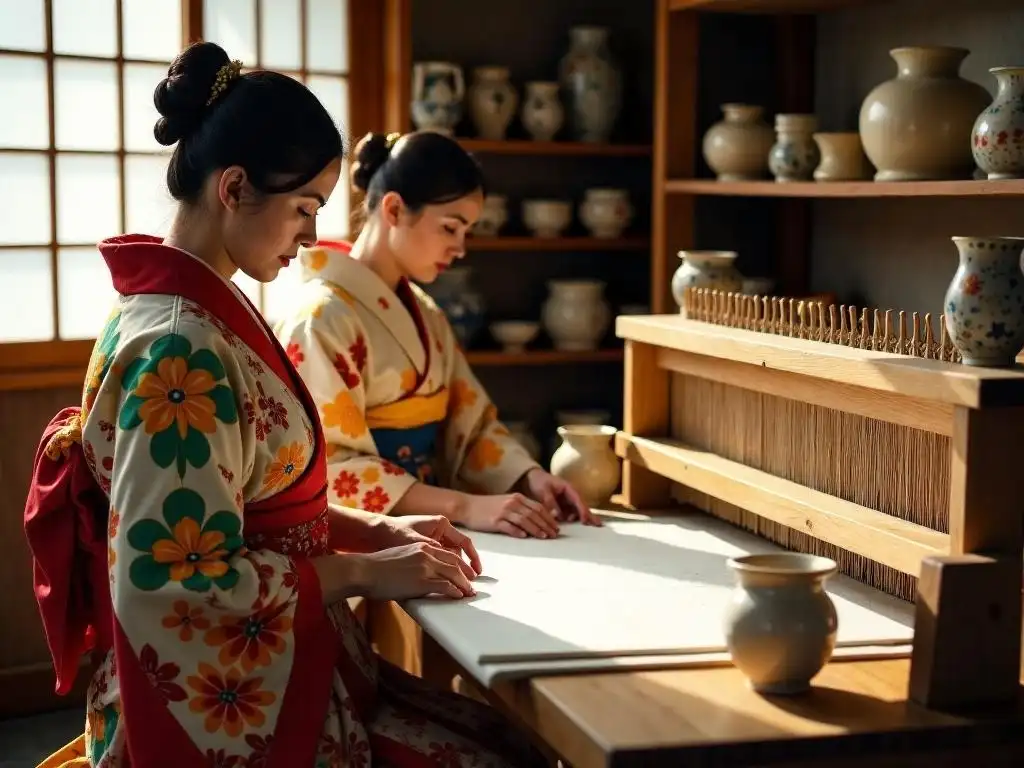
During the feudal era in Japan, women played a pivotal role in the arts and crafts, contributing significantly to the nation's cultural tapestry. The intricate designs and techniques seen in textiles, pottery, and other crafts often reflected a blend of personal expression and communal tradition. Women were not merely passive participants; they were influential creators and innovators who honed their skills through generations, passing down knowledge and techniques that enriched Japanese artistry.
Women engaged in various forms of artistic expression, from traditional needlework to the intricate art of kimono making. The labor-intensive process involved not only technical skill but also an understanding of cultural symbolism and aesthetics. As the main custodians of domestic arts, they infused their work with narratives that celebrated their experiences, heritage, and the aesthetics of their time. This period also saw women participating in the production of other arts, including painting and calligraphy, often collaborating with male artists or working independently to create exquisite pieces that are still revered today.
Notable Female Artists and Artisans of the Era
The feudal era witnessed several remarkable women whose contributions to the arts were significant yet often overlooked in historical narratives. One notable figure is Yamato Takeru, a legendary warrior whose mythological tales inspired various artistic representations, including those created by women. Additionally, Katsushika Hokusai's daughter, Oei, was known for her skills in ukiyo-e (woodblock printing) and played a crucial role in continuing her father's legacy while developing her style.
Another important artisan was Kōrin Ogata, renowned for her exquisite lacquerware and textiles. While Ogata Kōrin himself is more widely recognized, his sister, Okiie, contributed significantly to the development of the family’s artistic lineage, showcasing exceptional skills in weaving and dyeing.
Moreover, during the Edo period, many women became recognized for their expertise in crafts like Kintsugi, the art of repairing pottery with gold, which transformed broken items into beautiful works of art. These women were not only skilled artisans but also symbols of resilience and creativity, embodying the spirit of their time.
Cultural Recognition and Legacy of Women in Arts
The cultural recognition of women in Japanese arts and crafts during the feudal era was often influenced by the societal norms of the time. Although their contributions were significant, women artists frequently worked within the shadows of their male counterparts. However, as the appreciation for traditional arts grew, so did the acknowledgment of women's roles.
Over time, the legacy of women in the arts began to shift, particularly with the advent of movements that sought to document and celebrate women's contributions. This change is evident in various art forms, from literature to visual arts, where female perspectives started receiving more visibility. The craftsmanship exhibited by women in traditional arts fostered a unique identity that continues to influence modern Japanese culture.
Today, the influence of these women is seen in contemporary Japanese art, where traditional techniques are merged with modern sensibilities. Galleries and exhibitions increasingly feature the works of female artists, aiming to highlight the historical contributions made by women and ensuring that their legacies are preserved for future generations.
Conclusion: The Lasting Impact of Women in Japanese Feudal Arts
The impact of women in Japanese feudal arts extends far beyond their immediate contributions to crafts and aesthetics. Their work not only shaped the cultural landscape of feudal Japan but also laid a foundation that would influence future generations. The intricate patterns, designs, and techniques developed by these women reflect a rich tapestry of cultural heritage that continues to resonate today.
Reflections on Women’s Contributions to Cultural Heritage
Reflecting on the contributions of women in Japanese arts and crafts reveals a deeper understanding of cultural heritage. Women’s roles were often intertwined with the fabric of daily life, and their artistic endeavors served as a means of preserving traditions, documenting societal changes, and fostering community bonds. The stories and meanings embedded within their works provide invaluable insights into the lives of women during the feudal era, showcasing their resilience and creativity.
As scholars and enthusiasts explore this rich history, it becomes essential to recognize and celebrate these contributions, ensuring that women’s voices and experiences are included in the broader narrative of Japanese cultural history.
The Evolution of Women’s Roles in Subsequent Eras
The roles of women in Japanese arts and crafts have evolved significantly since the feudal era. In subsequent periods, such as the Meiji Restoration and beyond, women began to gain more visibility in the arts, actively participating in movements that encouraged modernity and innovation. This evolution paved the way for women to not only preserve traditional crafts but also to embrace new forms of artistic expression, influencing various fields including literature, painting, and performing arts.
As societal norms shifted, women artists began to challenge conventions and assert their identities, leading to a richer and more diverse artistic landscape. Today, contemporary female artists in Japan continue to draw inspiration from their predecessors, blending traditional techniques with modern themes and narratives. This ongoing evolution highlights the enduring legacy of women in Japanese arts and crafts, affirming their integral role in shaping the country's cultural identity throughout history.
References for Further Exploration
Delving into the role of women in Japanese arts and crafts during the feudal era reveals a rich tapestry of history, culture, and societal dynamics. The following resources provide valuable insights and further exploration into this multifaceted topic.
Suggested Readings on Women in Japanese Arts
-
"Women and the Arts in Japan" by Patricia J. Graham
This book offers an extensive overview of the contributions of women in various art forms throughout Japanese history, with specific emphasis on the feudal era. It highlights the impact of societal norms on women's artistic expression.
-
"The Women of the Samurai" by William Wayne Farris
Farris explores the lives of women during the samurai period, including their roles in arts and crafts. This book provides context on how women's societal positions influenced their artistic endeavors.
-
"Japanese Women: Constraints and Choices" by H. D. Haruki
This work examines the broader societal constraints faced by women and how these shaped their participation in the arts. It includes case studies that illustrate women's creativity in the feudal era.
-
"Crafting Women: Gender and the Arts in Japan" by Ellen P. Conant
Conant's book focuses on the intersection of gender and craftsmanship, documenting the contributions of women to traditional crafts and their cultural significance.
-
"The Art of Japanese Textiles" by Janet L. K. McNaughton
This publication offers a closer look at textile arts, including the significant role of women in creating and preserving textile traditions during the feudal period.
Historical Sources on Feudal Japan's Cultural Practices
-
"The Tale of Genji" by Murasaki Shikibu
Written in the early 11th century, this classic work of literature provides insight into the lives and roles of women in Heian society, setting the stage for later cultural practices during the feudal era.
-
"The Diary of Lady Murasaki"
This personal account gives a unique perspective on the court life of women and their engagement with arts and literature, reflecting broader cultural practices that influenced feudal Japan.
-
"The Noh Theater: A History of the Classical Japanese Drama" by John E. B. McCullough
This book discusses the origins and evolution of Noh theater, including the contributions of women as performers and patrons in the arts.
-
"Japanese Art: A Cultural History" by Yuya T. Hoshino
Hoshino's comprehensive text traces the development of Japanese art across periods, with sections dedicated to the roles women played in various artistic movements during the feudal era.
-
"Women in Japan: A History from Ancient Times to the Present" by E. J. P. Hara
This historical overview addresses women's roles in society, including their contributions to arts and crafts, providing essential context for understanding their significance in feudal Japan.
These readings and historical sources offer a deeper understanding of the vital contributions women made to the arts and crafts during Japan's feudal era, showcasing their creativity, resilience, and influence in shaping cultural practices.
- Introduction to Women in Japanese Feudal Arts
- Historical Context of Women in Arts and Crafts
- Forms of Arts and Crafts Practiced by Women
- Women as Educators and Preservers of Craft Techniques
- The Influence of Social Hierarchy on Women in Arts
- Challenges Faced by Women in Japanese Feudal Arts
- Celebrating Women in Japanese Arts and Crafts
- Conclusion: The Lasting Impact of Women in Japanese Feudal Arts
- References for Further Exploration
- What was the role of women in Japanese feudal arts?
- How did societal norms affect women's involvement in the arts?
- Were women recognized for their contributions to Japanese arts?
- What types of crafts were predominantly practiced by women?
- How has the perception of women in Japanese arts changed over time?
Frequently Asked Questions
What was the role of women in Japanese feudal arts?
During the feudal era, women played a significant role in arts and crafts, contributing to various traditional practices such as weaving, pottery, and painting.
How did societal norms affect women's involvement in the arts?
Societal norms often dictated that women focus on domestic responsibilities, but many still pursued artistic endeavors, showcasing their creativity and skill in the feudal arts.
Were women recognized for their contributions to Japanese arts?
While women had a profound influence on Japanese arts, their contributions were often overlooked or undervalued in historical records, with many artists remaining anonymous.
What types of crafts were predominantly practiced by women?
Women were mainly involved in crafts such as kimono making, embroidery, and ceramics, which were essential to both the household and cultural identity during the feudal period.
How has the perception of women in Japanese arts changed over time?
Over time, there has been a growing recognition of women's roles in the feudal arts, leading to a re-evaluation of their contributions and a celebration of their artistic achievements in modern contexts.
Final Reflection: The Enduring Legacy of Women in Japanese Feudal Arts
The contributions of women in Japanese feudal arts are not just historical footnotes; they are powerful narratives that shape our understanding of creativity and resilience today. As we navigate a world that often overlooks the voices of women, the stories of these artisans remind us of the profound impact that gender dynamics have had on cultural expression. The artistry and craftsmanship of women during the feudal era serve as a testament to their strength and ingenuity, challenging us to recognize and celebrate their contributions in the broader tapestry of art history.
The influence of women in Japanese feudal arts continues to resonate in contemporary society, inspiring new generations of artists and creators. Their ability to blend tradition with innovation has paved the way for a richer, more inclusive understanding of art. As we reflect on their legacy, we are reminded of the words of artist Yayoi Kusama: The only thing I can do is to create.
This sentiment encapsulates the spirit of those women who, despite societal constraints, found ways to express their creativity and assert their identities through their crafts.
As we conclude this exploration of women in Japanese feudal arts, I invite you to reflect on the lessons learned from their stories. Consider how you can honor the legacy of these remarkable women in your own life, whether through supporting female artists, advocating for gender equality in creative fields, or simply recognizing the often-overlooked contributions of women in all areas of society. Let their resilience inspire you to embrace your own creativity and to uplift the voices of those who have been marginalized throughout history.
Celebrate the Legacy: Dive Deeper into Women’s Arts in Feudal Japan!
Thank you for exploring the vital role women played in Japanese arts and crafts during the feudal era. Your interest not only sheds light on an often-overlooked part of history but also empowers us to honor their incredible contributions. Now, let's take the next step in celebrating this rich heritage!
- Join a local art workshop that focuses on traditional Japanese crafts—experience the techniques firsthand!
- Share your newfound knowledge with friends or on social media to inspire others to appreciate these significant historical contributions.
- Deepen your understanding by researching specific artists or craftswomen from this era—discover the new insights that await you!
What aspect of women’s contributions will you explore next, and how will you honor their legacy in your own creative endeavors?