
The Cultural Significance of Tsuba: Ornamental Sword Guards in Samurai Culture

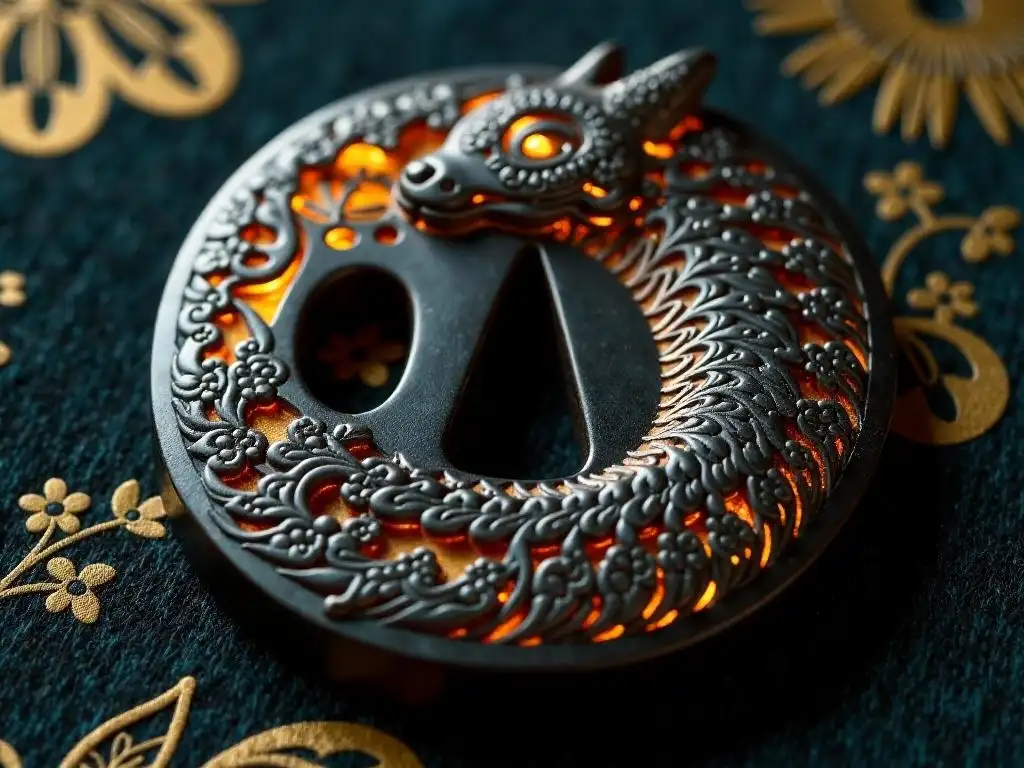
Welcome to Feudal Japan History, where we invite you to embark on a captivating journey through the rich tapestry of Japan's feudal era. In our exploration, we delve deep into the cultural significance of tsuba, the intricately designed sword guards that not only protected the samurai’s blade but also served as a canvas for artistic expression and cultural storytelling. Discover how these remarkable artifacts reflect the values, aesthetics, and societal norms of a time long past. Let your curiosity guide you as you uncover the layers of meaning behind these exquisite creations and their enduring legacy in samurai culture.
In the rich tapestry of Japan’s feudal era, the tsuba, or ornamental sword guard, stands out as a remarkable fusion of art and function. These intricate pieces not only served a practical purpose in the samurai's weaponry but also carried profound cultural significance. As we delve into the cultural significance of tsuba, we will uncover how these decorative elements reflect the values, beliefs, and artistic expressions of their time.
Tsuba are not merely accessories; they embody the spirit of the samurai, showcasing craftsmanship, identity, and the intricate relationship between art and warfare in feudal Japan. This article will provide a comprehensive exploration of the tsuba, tracing its evolution, its role within samurai culture, and its enduring legacy in Japanese history.
Introduction to Tsuba
What is Tsuba?
Tsuba are the hand guards found on Japanese swords, primarily katana and wakizashi. They are typically made from various materials, including iron, brass, and sometimes even precious metals, and are adorned with elaborate designs and motifs. The primary function of a tsuba is to protect the user's hands while wielding the sword, but their aesthetic appeal and symbolic meanings have made them much more than just functional objects.
- Materials Used:
- Iron
- Copper
- Brass
- Silver
- Gold
The craftsmanship involved in creating tsuba varies widely, with some being simple and utilitarian, while others are masterpieces of intricate artistry, reflecting the skills of the artisans who made them.
Historical Context of Tsuba in Samurai Culture
The history of tsuba is closely tied to the evolution of the samurai class during the feudal period in Japan, which spanned from the late 12th century to the 19th century. During this time, as warfare became more prevalent, the need for effective weaponry increased, leading to innovations in sword design that included the development of tsuba.
- Key Historical Points:
- Heian Period (794-1185): The earliest forms of tsuba appeared.
- Kamakura Period (1185-1333): Tsuba began to reflect the status and identity of the samurai.
- Edo Period (1603-1868): The tsuba reached its zenith in terms of artistic expression, with various schools of artisans developing distinct styles.
These historical developments illustrate how tsuba became symbols of identity and prestige among samurai, showcasing not just their martial prowess but also their cultural sophistication.
The Role of Tsuba in Feudal Japan
Tsuba as Functional Art
In feudal Japan, tsuba were regarded as functional art, merging utility with aesthetic beauty. The designs etched or carved into the tsuba often conveyed deep meanings, representing nature, mythology, or personal beliefs.
- Symbolism and Themes:
- Nature motifs (e.g., flowers, animals)
- Mythological figures
- Family crests (Kamon)
By analyzing the motifs and techniques used in tsuba design, we gain insight into the social norms, aesthetics, and values of the samurai class, as well as the broader societal beliefs of the time.
The Evolution of Tsuba Design Over Time
As the cultural landscape of Japan evolved, so too did the design of tsuba. Different periods and regional styles produced variations in shape, size, and decoration, reflecting broader artistic movements and technological advancements.
- Notable Styles:
- Mizuno School: Known for its intricate landscape designs.
- Yamamoto School: Characterized by bold, minimalist forms.
- Kyo School: Famous for its elaborate and colorful techniques.
The evolution of tsuba design not only illustrates the changing tastes of the samurai but also highlights the influence of broader cultural currents, making them a fascinating subject of study in understanding Japan’s feudal history and artistic heritage.
Symbolism Behind Tsuba Designs
Tsuba, the ornamental sword guards of the Japanese katana, serve as more than mere functional elements; they are rich in symbolism and reflect the cultural values and beliefs of the samurai class. Each tsuba design is imbued with meaning, often drawing inspiration from nature, mythology, and philosophical concepts.
For instance, motifs such as cranes and turtles symbolize longevity and good fortune, while floral designs may represent beauty and the fleeting nature of life, echoing the concept of mono no aware. Additionally, certain tsuba incorporate elements from Zen Buddhism, emphasizing simplicity and harmony, which are central to samurai ethics. The careful selection of imagery and the stories they tell reveal the personal ideals and aspirations of the samurai who wielded the swords.
Common Themes and Motifs in Tsuba Art
The art of tsuba is characterized by various recurring themes and motifs that resonate deeply within samurai culture. Some of the most prevalent themes include:
- Nature: Designs often feature flora and fauna, such as cherry blossoms, pine trees, and koi fish, symbolizing different virtues like resilience, beauty, and perseverance.
- Mythology: Many tsuba incorporate figures from Japanese folklore, such as gods, legendary heroes, and mythical creatures, which reflect the samurai's quest for honor and valor.
- Warrior Symbols: Certain motifs, such as the kōbō daishi (a revered Buddhist monk) or the tachi (sword), signify the samurai's connection to martial prowess and spiritual guidance.
- Geometric Patterns: These designs often convey a balance of strength and elegance, representing complex philosophies about life and death.
These themes are not just decorative; they communicate the samurai's values, beliefs, and cultural identity, making each tsuba a unique artifact of art and history.
Cultural Stories Represented in Tsuba

Tsuba serve as narrative devices, telling stories that are often deeply rooted in Japanese culture and history. Each piece can encapsulate a particular anecdote, moral lesson, or historical event, enriching the heritage of the samurai.
For example, some tsuba depict scenes from famous battles or legendary tales, such as the Tale of the Heike, illustrating the bravery and sacrifice of warriors. Others may represent philosophical concepts like the Way of the Warrior (Bushido), emphasizing loyalty, honor, and courage.
Moreover, these sword guards can also reflect personal narratives; samurai often commissioned tsuba that resonated with their individual experiences or aspirations. Thus, tsuba not only adorn weapons but also preserve and convey the rich tapestry of Japanese culture and history.
The Craftsmanship of Tsuba
The craftsmanship of tsuba is a refined art form that showcases the skills and techniques of artisans who dedicate their lives to this intricate work. Each tsuba is handcrafted, with artisans employing a variety of methods to create pieces that are not only functional but also visually stunning.
The process begins with selecting appropriate materials, often metals such as iron, brass, or silver, which allow for intricate designs and durability. Artisans then engage in detailed engraving, inlay work, and polishing, each step requiring immense precision and artistry. The final product is a testament to the artisan's skill, reflecting both aesthetic appeal and cultural significance.
Materials Used in Tsuba Making
The materials chosen for tsuba making play a critical role in both the aesthetic and functional aspects of these ornamental sword guards. Common materials include:
- Iron: Widely used for its durability and malleability, iron tsuba can be intricately engraved and shaped.
- Brass and Copper: These metals are often used in inlay work or as a base for decorative elements due to their ability to hold fine details.
- Silver and Gold: Although less common, precious metals are sometimes used to create luxurious tsuba, often inlaid with intricate designs to signify wealth and status.
- Wood and Other Materials: In some cases, artisans may incorporate wood or lacquer, adding a unique texture and color to the tsuba.
The choice of materials not only influences the visual appeal but also reflects the status and personal tastes of the samurai who owned the weapon.
Techniques and Skills of Tsuba Artisans
Tsuba artisans employ a range of specialized techniques and skills that have been honed over generations. These techniques include:
- Forging: The artisan begins by forging the base material, shaping it into the desired form while ensuring strength and integrity.
- Engraving: This process involves etching intricate designs into the surface, often requiring a steady hand and a deep understanding of the desired motifs.
- Inlaying: This technique allows artisans to add color and contrast to their designs by embedding different materials into the tsuba, creating multi-dimensional artwork.
- Polishing: The final stage involves polishing the tsuba to enhance its shine and reveal the depth of the designs, ensuring a beautiful finish.
These techniques not only highlight the craftsmanship involved but also emphasize the cultural significance of tsuba as representations of both art and identity within samurai culture.
The Cultural Significance of Tsuba in Samurai Identity
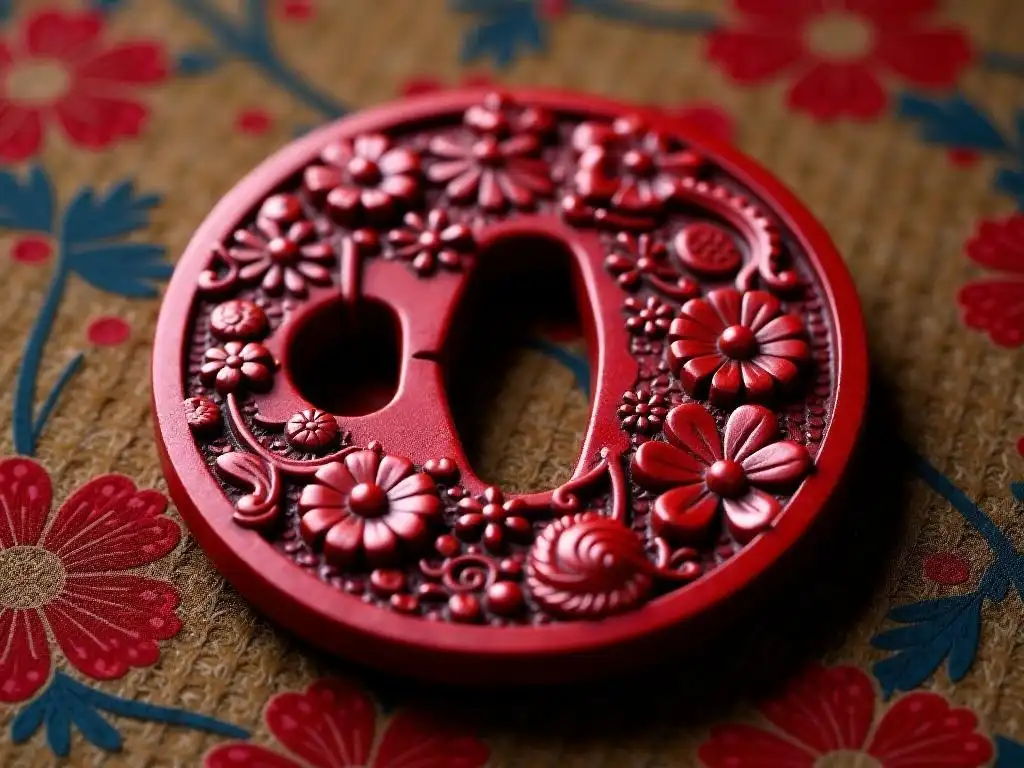
The tsuba, or ornamental sword guard, serves not just a functional purpose but also embodies the rich tapestry of cultural significance within samurai identity. These intricate metalworks were often the most visible aspect of a samurai's katana, making them a canvas for personal expression and an extension of the samurai's character. As reflections of their owner's ethos, tsuba contributed to the samurai's identity, showcasing individuality, heritage, and loyalty to clan values.
Through the centuries, the tsuba evolved from a mere protective component to a significant cultural artifact. Each piece tells a story, often featuring symbols, motifs, and craftsmanship that represent the owner's status, beliefs, and social standing. The artistry of tsuba not only highlights the skill of the artisans but also serves as a means for samurai to communicate their values and ideals, intertwining their personal narratives with broader historical themes.
Tsuba as a Reflection of Samurai Values
Tsuba designs frequently encapsulated the core values held by samurai, such as honor, bravery, and loyalty. Many tsuba featured motifs drawn from nature, mythology, and history, which resonated deeply within the samurai's worldview. For instance, designs portraying cranes symbolized longevity and good fortune, while images of tigers represented courage and strength.
This connection to nature and mythology also reinforced the samurai's relationship with the world around them. The craftsmanship behind each tsuba was a testament to the dedication of its maker, often involving detailed engraving, inlays, and other artistic techniques that demanded great skill. The tsuba thus became a medium through which samurai could reflect their inner values, aspirations, and the ideals of bushido—the code of conduct that governed their lives.
The Status Symbolism of Tsuba within Samurai Ranks
In the hierarchical structure of samurai society, tsuba also served as a status symbol. The materials used, the intricacy of the design, and the craftsmanship quality often indicated the wealth and rank of the samurai. Higher-ranking samurai could afford more elaborate and luxurious tsuba made from precious metals and adorned with gemstones, while lower-ranking warriors might possess simpler designs.
Moreover, specific styles of tsuba became associated with particular clans or regions, further solidifying their role as markers of identity. Collectively, these elements contributed to the understanding of a samurai's place within the societal structure, making the tsuba not only a personal artifact but also a communal symbol of prestige and lineage.
Tsuba in Contemporary Culture
In modern times, the tsuba has transcended its original role as a mere functional object and has become an important cultural icon. Artists, collectors, and enthusiasts appreciate tsuba not only for their historical significance but also for their aesthetic appeal. This resurgence in interest has led to a revival of traditional craftsmanship and design, fostering a deeper understanding of samurai heritage among new generations.
Modern Interpretations of Tsuba Design
Contemporary artisans are now reinterpreting tsuba designs, blending traditional motifs with modern aesthetics. While some craftsmen adhere strictly to historical styles, others experiment with new materials and techniques, thus creating innovative pieces that reflect current artistic trends. This fusion of old and new has resulted in a vibrant market for tsuba that appeals to both collectors and those seeking unique decorative items.
Moreover, the incorporation of tsuba into modern fashion and design—such as jewelry and home decor—demonstrates their enduring influence. Exhibitions and galleries often showcase contemporary tsuba as fine art, emphasizing their craftsmanship and cultural heritage while inviting dialogue about their significance in today’s society.
The Influence of Tsuba on Japanese Art and Collectibles Today
The influence of tsuba extends beyond the realm of weaponry into the broader spectrum of Japanese art and collectibles. As an emblem of samurai culture, tsuba has inspired countless artists, leading to the creation of various art forms, including paintings, sculptures, and graphic designs. Their intricate designs and historical narratives provide a rich source of inspiration for both traditional and contemporary artists.
Additionally, tsuba has become a sought-after collectible in the art market. Collectors value these pieces not only for their historical significance but also for their artistic merit. Auctions featuring tsuba often attract considerable attention, with rare and exquisite pieces fetching high prices. This growing interest in tsuba has helped preserve traditional craftsmanship while fostering appreciation for Japan's cultural heritage, ensuring that the legacy of these ornamental sword guards continues to resonate in modern society.
Conclusion
The cultural significance of tsuba in samurai history extends far beyond their practical function as sword guards. These intricate pieces of art encapsulate the aesthetic values, social status, and philosophical beliefs of the samurai class in feudal Japan. Tsuba not only served as functional components of a sword but also acted as a canvas for artistic expression, showcasing the craftsmanship and creativity of their makers.
Through their designs and materials, tsuba communicated the identity and values of individual samurai, reflecting their allegiance, personality, and even their aspirations. As such, these ornamental sword guards are a vital aspect of understanding the broader cultural and historical contexts of the samurai era.
The Lasting Legacy of Tsuba in Japanese Culture
The legacy of tsuba transcends the samurai period and continues to influence contemporary Japanese culture. Today, tsuba are revered not only as historical artifacts but also as symbols of Japan’s rich artistic heritage. Collectors, historians, and artisans alike recognize the importance of these objects in preserving traditional craftsmanship and fostering appreciation for Japanese aesthetics.
In modern times, tsuba have inspired various forms of art and design, from fashion to interior decor. Their intricate designs and cultural symbolism resonate with people seeking a connection to Japan's storied past. Moreover, exhibitions and museums dedicated to samurai culture often showcase tsuba, allowing new generations to explore their beauty and significance.
Additionally, the craftsmanship involved in creating tsuba has been preserved through dedicated artisans who continue to practice traditional techniques. This dedication ensures that the artistry of tsuba remains alive, contributing to Japan's cultural narrative and serving as a reminder of the intricate interplay between function and art.
Final Thoughts on the Cultural Significance of Tsuba in Samurai History
The cultural significance of tsuba in samurai history is profound and multifaceted. These ornamental sword guards serve as a testament to the sophistication of samurai culture, revealing the values, beliefs, and artistic sensibilities of a bygone era. Each tsuba tells a story, encapsulating the spirit of the samurai and their relationship with their weapons, which were not just tools of war but extensions of their identity and honor.
Understanding the role of tsuba within the larger context of samurai culture enriches our appreciation of Japan's feudal history. As we continue to explore and celebrate this legacy, the tsuba remains a powerful symbol of the artistry and cultural depth that characterized an essential period in Japan's past. Through ongoing study and appreciation, we ensure that the legacy of tsuba—and what they represent—endures for future generations.
- Introduction to Tsuba
- The Role of Tsuba in Feudal Japan
- Symbolism Behind Tsuba Designs
- Common Themes and Motifs in Tsuba Art
- Cultural Stories Represented in Tsuba
- The Craftsmanship of Tsuba
- Materials Used in Tsuba Making
- Techniques and Skills of Tsuba Artisans
- The Cultural Significance of Tsuba in Samurai Identity
- Tsuba in Contemporary Culture
- Conclusion
Frequently Asked Questions
What are tsuba and their role in Samurai culture?
Tsuba are ornamental sword guards used primarily in Japanese swords. They not only serve as a functional element to protect the hand but also as a canvas for artistic expression, reflecting the owner's status and personality.
How did tsuba evolve throughout Japan's feudal era?
Tsuba evolved significantly over the centuries, influenced by changing aesthetic values and technological advancements. Initially simple, they became increasingly intricate, showcasing various craftsmanship styles and materials during the Edo period.
What materials were commonly used to make tsuba?
Tsuba were traditionally crafted from materials like iron, brass, and copper. Artisans often employed inlays of gold or silver and used techniques such as lacquering to enhance their visual appeal and durability.
How does the design of tsuba reflect cultural values?
The design of tsuba often incorporates symbolism and themes from nature, mythology, or philosophy. Each design choice serves as a reflection of the owner's beliefs, values, and social status, revealing much about Samurai culture.
Are tsuba still relevant in modern Japanese culture?
While primarily historical artifacts, tsuba continue to hold cultural significance in Japan today. They are appreciated by collectors and are often featured in art exhibitions, symbolizing the artistry and craftsmanship of the feudal era.
Final Reflection: The Enduring Legacy of Tsuba in Samurai Culture
The cultural significance of tsuba transcends mere functionality, embodying a rich tapestry of artistry, history, and identity that resonates in today's world. As we explore the intricate designs and meanings behind these ornamental sword guards, we uncover a profound connection to the values and aesthetics of the samurai era. In a time where craftsmanship and symbolism are often overshadowed by mass production, the tsuba stands as a striking reminder of the importance of individuality and heritage in our modern society.
The influence of tsuba extends beyond the realm of martial arts and into the broader cultural landscape, where it serves as a symbol of honor, discipline, and artistic expression. The intricate designs of tsuba not only reflect the personal stories of their creators but also encapsulate the spirit of the samurai, who valued beauty alongside strength. Art is the most beautiful of all lies.
This quote resonates deeply as we consider how tsuba, in their delicate forms, tell stories of bravery, tradition, and the relentless pursuit of perfection. The ongoing appreciation for these artifacts in contemporary art and culture highlights their lasting impact and the lessons they impart about the significance of heritage.
As we reflect on the cultural significance of tsuba, I invite you to consider how the values embodied in these ornamental sword guards can inspire your own life. What stories do you carry, and how can you express them through your passions? Embrace the artistry of your journey, and let the spirit of the samurai guide you in honoring your own heritage while creating a legacy that resonates with future generations. Remember, every detail matters, and like the tsuba, your unique story is worthy of celebration.
Unveil the Artistry of Tsuba – Take Action Today!
Thank you for diving into the fascinating world of Tsuba and their cultural significance in Samurai heritage! You've uncovered the beauty and craftsmanship behind these exquisite sword guards, and now it’s time to embrace that inspiration fully.
Here’s how you can deepen your connection to this captivating aspect of history:
- Explore local museums or exhibitions that feature Samurai artifacts, taking time to observe and appreciate the artistry of Tsuba firsthand.
- Share your newfound knowledge with friends and family by discussing what makes Tsuba so unique – consider starting a book club focused on the art and culture of Japan!
- Consider creating your own Tsuba-inspired artwork or craft project, using materials you have at home to express what you’ve learned in a personal way.
What aspect of Tsuba resonates most with you, and how do you think it reflects the values of Samurai culture? We invite you to share your thoughts below!