
The Art of Weaving: Techniques and Traditions in Feudal Japan

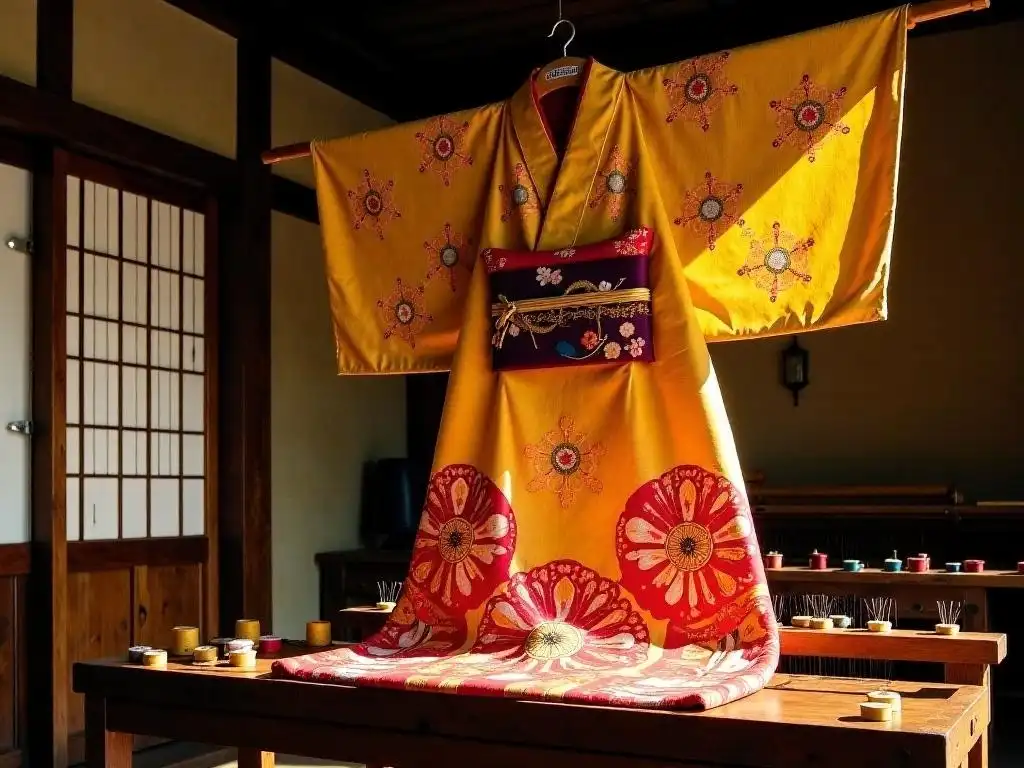
Welcome to Feudal Japan History, where we invite you to embark on an enthralling journey through the rich tapestry of Japan’s feudal era. Here, you’ll uncover the intricate weaving techniques that not only shaped textiles but also influenced the very fabric of society. From the delicate artistry of traditional patterns to the cultural significance woven into each thread, our latest article, “The Art of Weaving: Techniques and Traditions in Feudal Japan,” promises to reveal the hidden stories behind this timeless craft. Prepare to be captivated as you delve deeper into the fascinating world of feudal Japan!
Introduction to Feudal Japan Weaving Techniques
Weaving in feudal Japan is more than just a craft; it is an intricate art form deeply woven into the fabric of Japanese culture and history. During this era, which spanned from the 12th to the 19th centuries, various weaving techniques emerged, reflecting the unique regional styles and the socio-economic conditions of the time.
From the luxurious silk textiles of the aristocracy to the practical yet beautiful garments of the common folk, the art of weaving played a crucial role in both everyday life and ceremonial occasions. This article delves into the diverse techniques and traditions of feudal Japan weaving, exploring how these practices not only shaped the aesthetics of the time but also conveyed cultural significance and social status.
Overview of Weaving in Feudal Japan
Weaving in feudal Japan encompassed a variety of techniques and materials, primarily focusing on silk, cotton, and hemp. The process was labor-intensive, often involving multiple stages, including spinning, dyeing, and weaving itself. Traditional looms, such as the tateyoko, were commonly used, allowing artisans to produce intricate patterns and textures. Throughout the feudal period, various regions developed their own styles, leading to a rich tapestry of techniques that showcased local resources and artistic expression.
Some notable weaving techniques included:
- Kasuri: A resist-dyeing method that creates blurred patterns, often found in clothing for both the elite and the common class.
- Boro: A technique involving patchwork created from scraps, representing the resourcefulness of the lower classes during periods of scarcity.
- Noren: Fabric dividers often used in shops and homes, showcasing the artistic flair of local weavers.
Importance of Weaving in Japanese Culture
The art of weaving held significant cultural importance in feudal Japan, symbolizing not just utility but also identity and status. Textiles were often imbued with meanings that reflected the wearer's social standing, beliefs, and even aspirations. For instance, the choice of fabric and pattern could indicate one's rank within the samurai class or showcase the artistry of a particular region.
Moreover, weaving was closely tied to various rituals and festivals, with specific patterns reserved for ceremonial garments. The act of weaving itself was often considered a spiritual endeavor, with artisans respecting the materials and processes as a form of homage to their ancestors. This cultural reverence for weaving ensured that the techniques would be preserved and passed down through generations.
Historical Context of Weaving in Feudal Japan
The Evolution of Weaving Techniques Through the Ages
As Japan transitioned through different periods of feudalism, weaving techniques evolved significantly. The Kamakura period (1185-1333) saw the rise of samurai culture, which brought the need for durable and refined textiles. This era introduced more sophisticated dyeing techniques, such as yuzen, allowing for vibrant colors and intricate motifs.
The Muromachi period (1336-1573) further advanced weaving methods, with the introduction of the ikat technique, where threads are dyed before weaving to create striking patterns. By the Edo period (1603-1868), the flourishing urban centers led to a boom in textile production, with merchants and artisans collaborating to create high-quality fabrics that catered to a growing consumer base.
Key Historical Figures Influencing Weaving Traditions
Throughout feudal Japan, several key figures played a pivotal role in shaping the art of weaving. One notable figure is Kōbō Daishi, a Buddhist monk who is credited with spreading traditional dyeing techniques that enhanced the vibrancy of textiles.
Additionally, the Tokugawa shogunate fostered a period of relative peace and stability, allowing artisans to focus on their crafts. This era birthed influential weaving masters such as Echigo’s Tōkaidō weavers, who specialized in producing high-quality silk fabrics that were sought after by the elite.
The contributions of these individuals and the broader societal trends of each period significantly influenced the evolution and enduring legacy of feudal Japan weaving techniques, ensuring that this art form remains celebrated in contemporary culture.
Traditional Weaving Techniques in Feudal Japan
The art of weaving in feudal Japan encompasses a variety of techniques that reflect the intricate relationship between culture and craftsmanship. Each method not only serves a functional purpose but also embodies aesthetic principles and regional traditions. Weaving was pivotal in producing textiles that were not only used in clothing but also held cultural significance in ceremonies and daily life. Among the most notable techniques are Kasuri, Tsumugi, and Nishijin-ori, each representing a unique aspect of Japan's rich textile heritage.
Kasuri: The Art of Resist-Dyeing
Kasuri is a traditional Japanese weaving technique that involves a resist-dyeing process, creating distinctive patterns on fabric. The term "kasuri" translates to "blurred" or "to blur," which aptly describes the soft edges of the patterns produced. This technique typically employs cotton or silk threads, which are dyed before weaving.
The process begins with tying sections of the threads to resist dye penetration, creating intricate patterns once woven. The patterns can be geometrical or depict natural motifs, showcasing the weaver's skill and creativity. Historically, Kasuri textiles were primarily produced in regions such as Okayama and Tokushima, where local artisans honed their craft over generations. The resulting fabrics are not only visually striking but also embody a deep connection to the cultural narratives of the regions they originate from.
Tsumugi: The Craft of Silk Weaving
Tsumugi, recognized as one of the finest silk weaving techniques in Japan, is renowned for its rustic texture and subtle elegance. This method involves weaving silk threads that are often hand-spun, resulting in a fabric that is durable yet soft. The silk used in Tsumugi is typically sourced from the sericulture of the region, emphasizing local production.
One of the most famous types of Tsumugi is "Tsumugi from Togei," where artisans employ a labor-intensive process that includes dyeing the threads in natural colors derived from plants. Tsumugi fabrics are characterized by their rich, muted tones and are often used for kimono, reflecting a sophisticated yet understated aesthetic. The technique not only highlights the skill of the weavers but also promotes an appreciation for natural materials and sustainable practices.
Nishijin-ori: The Luxurious Brocade Weaving
Nishijin-ori is a prestigious brocade weaving technique that originates from the Nishijin district of Kyoto. This method is distinguished by its complex patterns and vibrant colors, often incorporating gold and silver threads to create opulent textiles. The craftsmanship involved in Nishijin-ori is meticulous, requiring high levels of precision and expertise.
The weaving process involves a Jacquard loom, allowing for intricate designs that can depict scenes from nature, mythology, or traditional motifs. Nishijin-ori textiles are highly sought after for formal occasions and ceremonies, such as weddings and tea ceremonies. The luxurious quality and rich history associated with Nishijin-ori make it a symbol of cultural heritage and artistic achievement in feudal Japan.
Other Notable Weaving Techniques
In addition to Kasuri, Tsumugi, and Nishijin-ori, several other weaving techniques contributed to the textile landscape of feudal Japan. Techniques such as Shima (striped weaving), Kumihimo (braided cords), and Sukiya (a form of patterned weaving) reflect the diversity of styles and applications in Japanese textiles. Each of these methods showcases regional variations and the influence of local resources, demonstrating the adaptability and evolution of weaving practices throughout Japanese history.
Materials Used in Feudal Japan Weaving
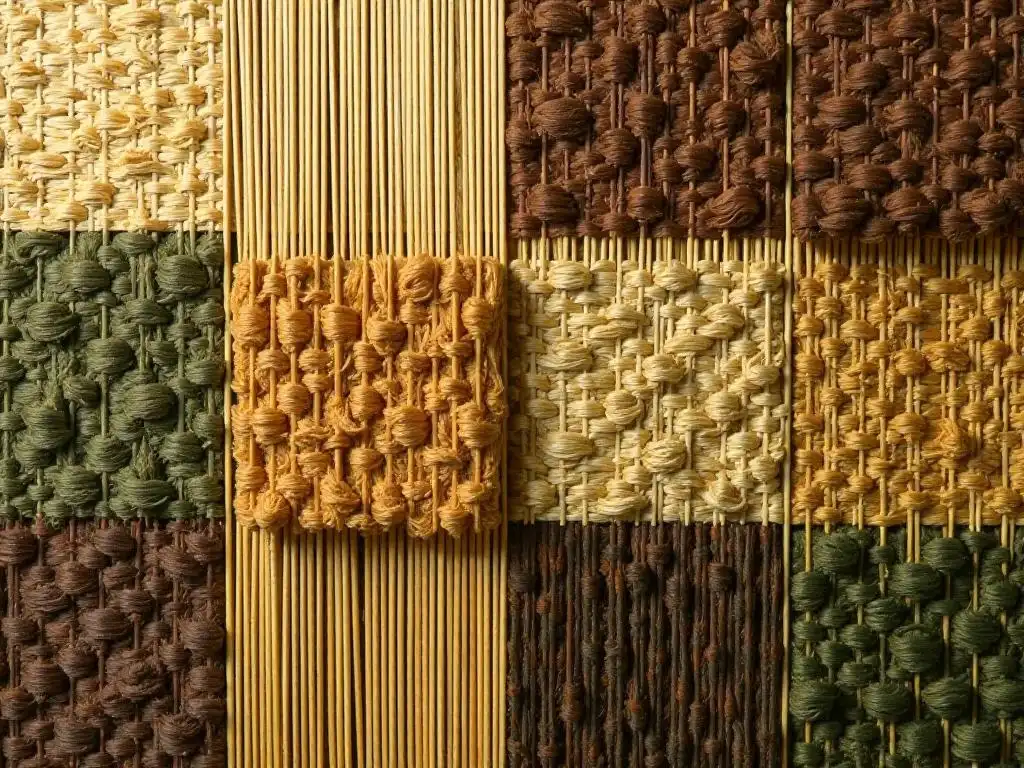
The materials utilized in feudal Japan weaving were integral to the quality and character of the finished textiles. Artisans relied on natural fibers and dyes, which not only determined the aesthetic qualities of the fabrics but also played a significant role in their cultural significance.
Natural Fibers: Silk, Cotton, and Hemp
Silk, cotton, and hemp were the primary natural fibers used in feudal Japan weaving. Silk, known for its luxurious texture and sheen, was predominantly used for formal garments. It was often cultivated through sericulture, making it a symbol of status and wealth.
Cotton, introduced from China, became increasingly popular, especially among the lower classes, due to its affordability and comfort. Hemp, valued for its durability and strength, was commonly used for everyday clothing and household textiles. The choice of fiber greatly influenced the weaving techniques employed and reflected the socio-economic status of the wearers.
Dyes and Their Cultural Significance
Dyes used in feudal Japan were predominantly natural, derived from plants, minerals, and insects. The process of dyeing was often as intricate as weaving itself, with specific colors holding cultural meanings. For instance, indigo dye was favored for its rich hue and resistance to fading, symbolizing protection and longevity.
The use of colors also conveyed social status; brighter, more vibrant dyes were often reserved for the upper classes, while muted tones were commonplace among commoners. Seasonal festivals and rituals also influenced dye choices, making them integral to cultural practices and regional customs.
Tools and Equipment for Weaving
The tools and equipment used in feudal Japan weaving were designed with precision and functionality in mind. The primary apparatus was the loom, which varied in complexity from simple hand looms to more advanced Jacquard looms used in Nishijin-ori.
Additional tools included shuttles for carrying the weft thread, bobbins for organizing threads, and intricate weaving patterns known as tsuzure. Weavers also used natural materials such as bamboo and wood to create tools that complemented their crafting techniques. The craftsmanship of these tools reflects the deep respect artisans had for their materials and the traditions they upheld.
Cultural Significance of Weaving in Feudal Japan
Weaving in feudal Japan transcended mere functionality; it was imbued with cultural significance that reflected the social hierarchy, artistic expressions, and spiritual beliefs of the time. The intricate patterns and colors woven into textiles conveyed messages about the weaver's identity, status, and regional heritage. Weaving was not only a craft but also a means of storytelling, where each fabric told a tale of its origins, the techniques employed, and the cultural influences that shaped it.
In a society where aesthetics were highly valued, woven textiles became a canvas for artistic expression. Patterns often drew inspiration from nature, mythology, and seasonal changes, showcasing the connection between people and their environment. These textiles played a crucial role in ceremonies, festivals, and daily life, serving both practical purposes and as symbols of beauty and artistry.
Weaving as a Symbol of Status and Identity
Weaving techniques in feudal Japan often served as a reflection of one's social status and identity. The quality, type, and color of fabric were indicators of wealth and rank. For instance, the aristocracy favored luxurious silk textiles, often adorned with elaborate designs that signified their high status. In contrast, commoners typically wore simpler fabrics made from cotton or hemp, which were more accessible but lacked the intricate designs of their wealthier counterparts.
Moreover, specific patterns and colors were associated with particular classes and occasions. For example, the use of certain hues like indigo or red was reserved for ceremonial garments, while everyday attire might feature more subdued tones. The distinct weaving styles and motifs of different regions also contributed to the identity of the wearer, showcasing their heritage and local culture.
The Role of Women in Weaving Traditions
Women played a pivotal role in the weaving traditions of feudal Japan, often serving as the primary weavers in families and communities. The craft was traditionally passed down through generations, with mothers teaching their daughters the skills necessary to produce textiles. This not only ensured the preservation of techniques and patterns but also empowered women within their domestic spheres.
The act of weaving was often a communal activity, fostering social bonds among women. It was common for women to gather and weave together, sharing stories and experiences while working. This camaraderie enriched the cultural fabric of their communities and highlighted the importance of weaving as a social and creative outlet.
Weaving in Religious and Spiritual Practices
In feudal Japan, weaving was closely tied to religious and spiritual practices. Certain textiles were believed to have protective qualities and were used in rituals and ceremonies. For example, garments woven for religious figures or during significant festivals were often crafted with specific intentions, invoking blessings or protection.
The symbolism inherent in weaving also extended to Shinto and Buddhist practices, where textiles could represent purity, spirituality, and the connection between the physical and spiritual worlds. The meticulous process of weaving itself was often regarded as a meditative practice, allowing artisans to connect with their craft on a deeper level.
Regional Variations in Weaving Techniques
Japan's diverse geography and cultural influences resulted in regional variations in weaving techniques. Each area developed its own distinct styles, reflecting local resources, traditions, and aesthetic preferences. This regional diversity contributed to the richness of Japan's textile heritage and made weaving a vibrant part of cultural expression.
Differences in Weaving Styles Across Japan
Different regions of Japan showcased unique weaving styles that were influenced by local customs and materials. For example, the Kanto region is famous for its Echigo Jofu, a lightweight, hand-woven fabric made from hemp that features intricate patterns. In contrast, the Bingata technique from Okinawa utilizes a resist-dyeing process to create vibrant, colorful textiles that depict traditional motifs and themes.
Other notable styles include Tsukumo-gami from the Tohoku region, characterized by its use of natural dyes and environmentally sustainable practices, and Sado Island's unique approach that integrates local flora into the weaving process. These regional distinctions not only highlight the creativity of artisans but also illustrate how geography and culture shape artistic practices.
The Influence of Local Resources on Weaving Techniques
The availability of local resources significantly influenced the weaving techniques developed across Japan. Regions rich in specific materials often specialized in particular types of textiles. For instance, areas with abundant silk production, such as the Kanto and Kyoto regions, became renowned for their exquisite silk garments, while regions with access to cotton and hemp focused on more utilitarian fabrics.
Additionally, the climate and environment played a role in shaping weaving practices. For example, colder regions developed thicker, warmer textiles suited for their climate, while warmer areas favored lighter, breathable fabrics. This adaptation to local resources not only ensured the practicality of the textiles produced but also fostered a deep connection between the weavers and their surroundings.
Weaving in feudal Japan was a multifaceted art form that encompassed cultural significance, regional diversity, and spiritual connections, making it an integral part of Japan's rich historical tapestry.
Preservation of Weaving Techniques Today
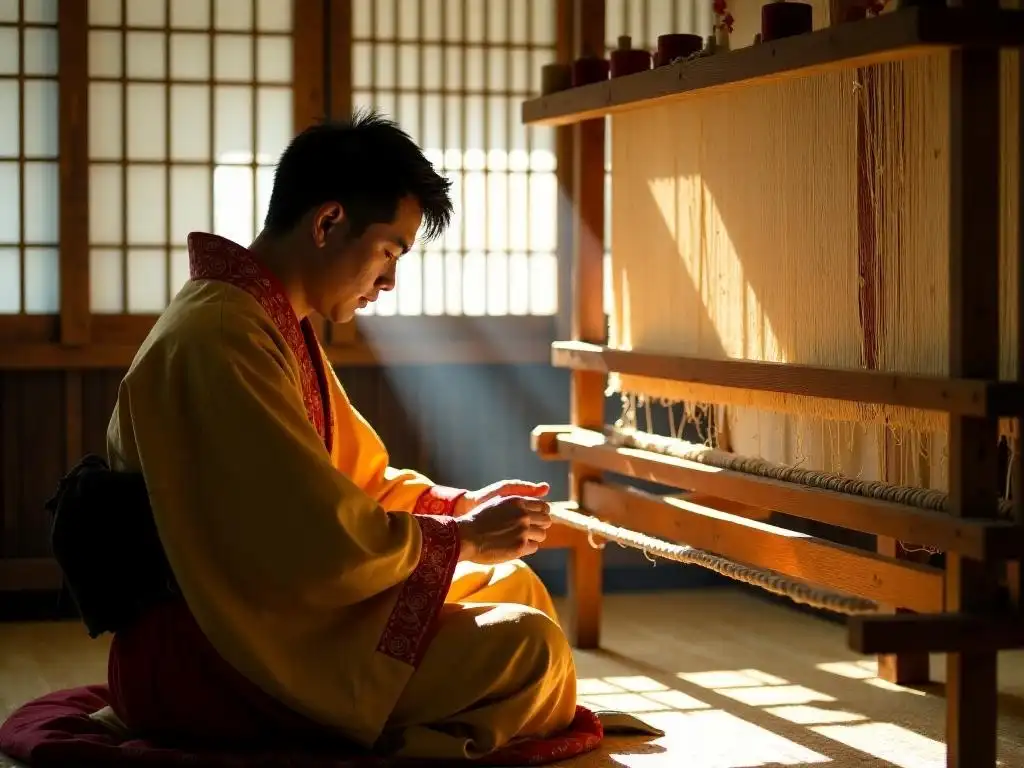
The preservation of weaving techniques from feudal Japan is a vital endeavor that ensures the survival of a rich cultural heritage. Modern artisans and craft enthusiasts are actively working to keep these techniques alive, often through workshops, demonstrations, and educational programs. Many of these practices, which date back to the Edo period and earlier, are being revitalized in an effort to maintain their authenticity and significance in contemporary society.
Moreover, weaving techniques such as kasuri (ikat) and noren (fabric curtains) are experiencing a renaissance as younger generations express interest in traditional crafts. By integrating modern materials and methods while holding true to historical practices, artisans are creating a bridge between past and present, showcasing the adaptability of these techniques to today's aesthetic and functional needs.
Modern Interpretations of Feudal Japan Weaving
In recent years, we have seen a surge in modern interpretations of feudal Japan weaving techniques. Designers and artists are taking inspiration from traditional patterns and methods, incorporating them into contemporary fashion and home decor. For example, the intricate patterns of shibori (a tie-dye technique) are being used in high-fashion collections, while tsumugi (pongee silk) is being reinvented for modern textiles.
These reinterpretations serve not only to honor the original techniques but also to introduce them to a broader audience. By blending traditional craftsmanship with modern design principles, weavers are able to produce unique pieces that resonate with both history and current trends, thus demonstrating the timelessness of these ancient skills.
Efforts to Preserve Traditional Weaving Crafts
Numerous organizations and initiatives are dedicated to preserving traditional weaving crafts in Japan. Such efforts include establishing schools and training programs that teach younger generations the skills necessary for mastering these techniques. For instance, the Japan Traditional Crafts Aoyama Square in Tokyo provides a platform for artisans to showcase their work and for the public to engage with the craft.
Additionally, cultural festivals often feature weaving demonstrations, allowing artisans to share their knowledge with enthusiasts and the general public. These events not only celebrate traditional techniques but also create a sense of community around the craft, promoting its importance and relevance in modern society.
The Role of Artisans in Sustaining Weaving Heritage
Artisans play a crucial role in sustaining the heritage of feudal Japan weaving techniques. They are the custodians of knowledge, carrying forward the traditions and skills passed down through generations. By participating in workshops, exhibitions, and cultural events, these artisans help raise awareness of the artistry and significance of their crafts.
Furthermore, many artisans collaborate with designers and researchers to explore innovative applications of traditional techniques. This collaboration fosters an environment where tradition and innovation coexist, allowing for a dynamic evolution of weaving practices while maintaining the core values and aesthetics of feudal Japan.
Conclusion: The Legacy of Weaving in Feudal Japan
The legacy of weaving in feudal Japan is profound, representing not only a functional craft but also an artistic expression deeply intertwined with cultural identity. The techniques developed during this period are characterized by their intricate patterns, vibrant colors, and a profound connection to the natural world.
Summary of Key Techniques and Traditions
Key techniques such as kasuri, shibori, and noren have left an indelible mark on the fabric of Japanese culture. Each of these methods embodies a unique approach to dyeing and weaving, resulting in textiles that tell stories of the past. The use of natural dyes and organic materials further reflects the harmony between craftsmanship and nature that is a hallmark of feudal Japan's weaving traditions.
The Continuing Influence of Feudal Japan Weaving on Contemporary Arts
The influence of feudal Japan weaving on contemporary arts is evident in various fields, from fashion to interior design. Many artists draw inspiration from the patterns and textures of traditional textiles, incorporating them into modern creations. This ongoing dialogue between the past and present not only keeps the techniques alive but also enriches contemporary art forms, ensuring that the legacy of feudal Japan weaving continues to inspire future generations.
The art of weaving in feudal Japan is not merely a relic of the past; it is a living tradition that continues to evolve, reflecting the enduring spirit of creativity and craftsmanship inherent in Japanese culture.
References and Further Reading on Feudal Japan Weaving Techniques
The study of feudal Japan's weaving techniques offers a fascinating glimpse into the cultural and societal values of the era. To delve deeper into this intricate art form, here are some recommended resources that provide rich insights and expert analyses.
Suggested Books and Articles
-
"The Fabric of Culture: Weaving in Japan" by John R. Smith
This book explores the historical significance of weaving in Japanese culture, detailing various techniques and the evolution of textiles throughout the feudal period. It provides a comprehensive overview of the materials used and the societal implications of weaving practices.
-
"Japanese Textiles: A History" by Yoko N. Kato
This scholarly work offers a detailed examination of the development of textile arts in Japan, including weaving techniques. Kato discusses the interplay between art and function in textiles and presents a rich array of illustrations.
-
"The Art of Japanese Weaving" by Hiroshi Koizumi
A focused exploration of traditional weaving methods used in feudal Japan, this book highlights the craftsmanship and techniques that define various regional styles. Koizumi's work is particularly notable for its practical insights into the weaving process.
-
"Threads of Identity: Japanese Textiles and Their Role in Society" by Akiko Fujimoto
This article discusses how weaving techniques contributed to social identity in feudal Japan. It examines the symbolism embedded in textile patterns and the role of artisans within the community.
-
"Woven Histories: The Cultural Significance of Japanese Textiles" by Emiko Tanaka
Tanaka's article provides an analytical perspective on how weaving techniques reflect broader cultural narratives and shifts throughout the feudal era. It is an essential read for understanding the historical context of Japanese textiles.
Online Resources for Learning More About Weaving Traditions
-
The Japan Society
This online platform offers a wealth of resources, including articles, videos, and workshops dedicated to traditional Japanese arts, including weaving. The Japan Society's commitment to cultural preservation makes it a vital resource for enthusiasts and scholars alike.
-
The Textile Museum
The Textile Museum's website features an extensive digital collection of Japanese textiles, along with educational materials that delve into various weaving techniques. Visitors can explore online exhibitions that highlight the artistry of Japanese weavers.
-
YouTube Channels on Traditional Crafts
Channels dedicated to Japanese arts and crafts often feature tutorials and demonstrations of traditional weaving techniques. Look for channels that focus on cultural heritage, as they provide visual insights into the processes and tools used by artisans.
-
University Archives
Many universities with programs in Asian studies or textile arts maintain online archives containing research papers, theses, and dissertations on Japanese weaving. Exploring these academic resources can yield in-depth analyses and historical perspectives.
-
Online Courses on Weaving Techniques
Platforms like Coursera or Udemy may offer courses specifically focused on traditional Japanese weaving. These courses often include instructional videos, historical context, and community forums for learners to share insights and experiences.
By consulting these resources, readers can gain a deeper understanding of feudal Japan's weaving techniques and their significance within the broader cultural landscape.
- Introduction to Feudal Japan Weaving Techniques
- Historical Context of Weaving in Feudal Japan
- Traditional Weaving Techniques in Feudal Japan
- Materials Used in Feudal Japan Weaving
- Cultural Significance of Weaving in Feudal Japan
- Regional Variations in Weaving Techniques
- Preservation of Weaving Techniques Today
- Conclusion: The Legacy of Weaving in Feudal Japan
- References and Further Reading on Feudal Japan Weaving Techniques
- What are the primary weaving techniques used in feudal Japan?
- How did cultural influences shape Japanese weaving?
- What materials were commonly used in feudal Japan weaving?
- How did weaving techniques contribute to the economy in feudal Japan?
- What role did weaving play in Japanese society and culture?
Frequently Asked Questions
What are the primary weaving techniques used in feudal Japan?
The primary weaving techniques in feudal Japan included kasuri and shifu. These methods involved intricate patterns and textures, showcasing the craftsmanship of the era.
How did cultural influences shape Japanese weaving?
Cultural influences from neighboring countries, like China and Korea, significantly shaped Japanese weaving. The integration of these influences led to the development of unique styles and patterns.
What materials were commonly used in feudal Japan weaving?
In feudal Japan, weavers primarily used silk, cotton, and hemp. Each material contributed to the durability and aesthetic qualities of the woven products.
How did weaving techniques contribute to the economy in feudal Japan?
Weaving techniques played a vital role in the economy by enabling the production of textiles for both local use and trade. This helped establish economic stability and fostered regional craftsmanship.
What role did weaving play in Japanese society and culture?
Weaving was not only a means of creating clothing but also a reflection of social status and regional identity. It played a crucial role in cultural practices, ceremonies, and even spiritual beliefs.
Final Reflection: The Enduring Legacy of Feudal Japan Weaving Techniques
The intricate weaving techniques of feudal Japan are not just relics of the past; they resonate profoundly in today's world. As we navigate a rapidly changing society, the artistry and craftsmanship of these traditional methods remind us of the importance of preserving cultural heritage. The delicate patterns and vibrant textiles crafted centuries ago continue to inspire contemporary artists and artisans, proving that the essence of feudal Japan weaving techniques is timeless and relevant.
The influence of these weaving traditions extends beyond mere aesthetics; they shape our understanding of community, identity, and sustainability. In a world increasingly dominated by mass production, the value of handmade craftsmanship stands out more than ever. As we appreciate the stories woven into each fabric, we recognize the dedication and skill passed down through generations. Art is not what you see, but what you make others see.
– Edgar Degas. This quote encapsulates the transformative power of art, inviting us to reflect on how these techniques have shaped not only the textiles but also the cultural fabric of society.
As we conclude our exploration of feudal Japan's weaving techniques, I invite you to reflect on the significance of craftsmanship in your own life. Consider how you can incorporate the values of patience, dedication, and creativity into your daily pursuits. Let the legacy of these artisans inspire you to appreciate the beauty of tradition while also encouraging innovation. Embrace the art of weaving—both literally and metaphorically—as you create your own tapestry in the world.
Embrace the Art of Weaving: Start Your Journey Today!
Thank you for immersing yourself in the fascinating world of weaving techniques and traditions in feudal Japan. Your curiosity not only enriches your knowledge but also helps keep these remarkable practices alive. Now, it’s time to take action and explore this art form even further!
Here are some ways you can dive deeper and celebrate the rich heritage of Japanese weaving:
- Visit a local museum or cultural center to see traditional woven pieces up close— experience the textures and colors that have stood the test of time.
- Join a weaving workshop in your area; you'll not only learn valuable skills but also connect with fellow enthusiasts, helping to keep this ancient craft thriving.
- Share your newfound knowledge! Consider writing a blog post or discussing the significance of Japanese weaving traditions with friends— your enthusiasm could inspire others to explore this beautiful art form as well.
What aspect of Japanese weaving resonates with you the most, and how do you plan to incorporate it into your life?