
Ceramics of Feudal Japan: From Functional Beauty to Artistic Expression

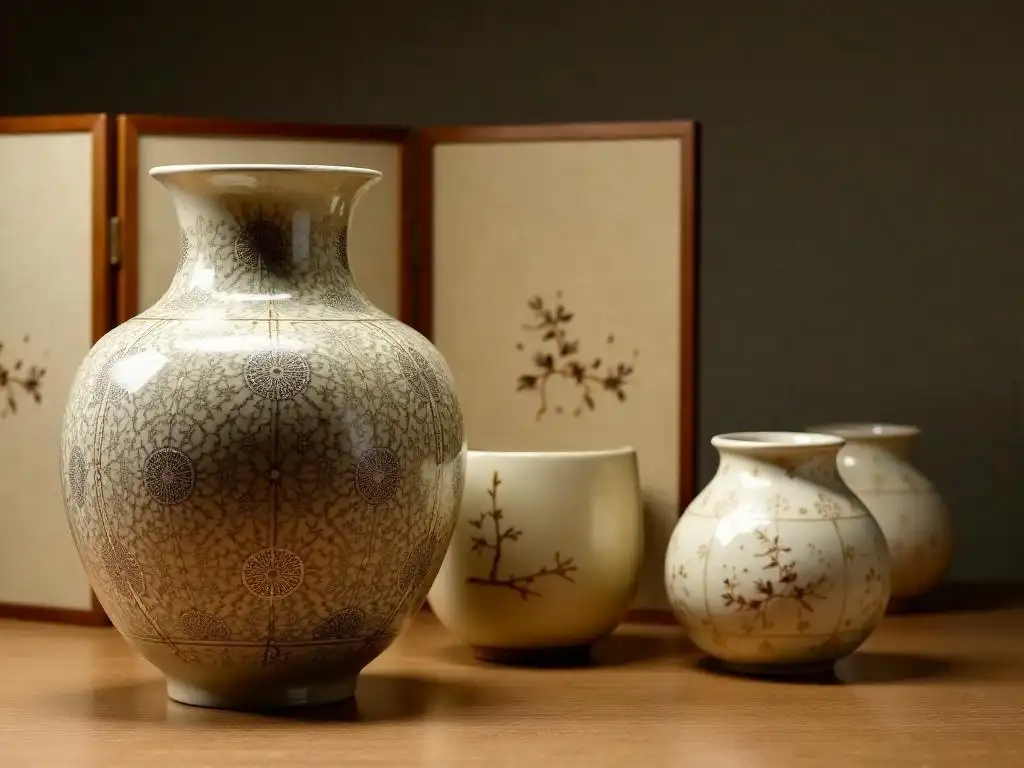
Welcome to Feudal Japan History, where we invite you to journey through the intricate tapestry of Japan's feudal era. Here, history comes alive as we delve into the captivating world of ceramics, a fascinating intersection of functionality and artistry. In our featured article, "Ceramics of Feudal Japan: From Functional Beauty to Artistic Expression," you'll uncover the rich cultural significance and craftsmanship that defined this era.
What secrets do these delicate pieces hold about the lives and values of those who created them? Join us as we explore the profound impact of ceramics on feudal society and awaken your curiosity for the cultural history that shaped a nation.
- Introduction to Ceramics in Feudal Japan
- The Origins of Ceramics in Feudal Japan
- The Evolution of Ceramics in Feudal Japan
- Major Types of Ceramics in Feudal Japan
- Notable Ceramics Styles and Techniques
- The Role of Ceramics in Japanese Society
- The Artistic Expression in Ceramics
- The Legacy of Ceramics in Feudal Japan
- Conclusion: The Lasting Influence of Feudal Japanese Ceramics
-
Frequently Asked Questions
- What were the primary uses of ceramics in feudal Japan?
- How did the aesthetics of ceramics evolve during feudal Japan?
- What role did ceramics play in Japanese tea ceremonies?
- Which techniques were commonly used in the production of ceramics in feudal Japan?
- How did ceramics reflect the social status in feudal Japan?
- Final Reflection: The Enduring Legacy of Ceramics in Feudal Japan
- Unleash Your Creativity with Ceramics!
Introduction to Ceramics in Feudal Japan
Ceramics in Feudal Japan encapsulate a fascinating interplay of functionality, artistry, and cultural significance that reflects the era's socio-economic dynamics. This comprehensive exploration delves into the evolution of ceramic practices, highlighting how artisans transformed clay into vessels, decorative items, and symbols of status.
From the humble tea bowl to ornate vases adorned with intricate designs, ceramics served not only practical purposes but also as canvases for artistic expression. Understanding the role of ceramics in Feudal Japan is essential to appreciating the broader cultural narrative of this historical period, where craftsmanship flourished alongside the philosophies of Zen Buddhism and the intricate social hierarchies of samurai society.
Overview of Feudal Japan's Cultural Landscape
The cultural landscape of Feudal Japan, spanning from the late 12th century to the early 17th century, was marked by significant developments in art, religion, and social structure. During this time, Japan was characterized by a feudal system where power was decentralized, leading to the rise of local lords known as daimyōs and the samurai warrior class. This period witnessed the flourishing of various art forms, including literature, theater, and notably, ceramics.
Key Cultural Influences:
- Zen Buddhism: The influence of Zen philosophy emphasized simplicity and natural beauty, which deeply impacted ceramic aesthetics, leading to the popularity of unadorned, rustic forms.
- Tea Ceremony: The Japanese tea ceremony (chanoyu) played a pivotal role in popularizing ceramics, particularly the tea bowl (chawan), which became a symbol of Zen principles and the aesthetic of wabi-sabi—embracing imperfection and transience.
- Artistic Techniques: The introduction of techniques such as Raku firing and the use of glazes allowed artisans to experiment with colors and textures, elevating ceramics from mere utilitarian objects to items of artistic merit.
Importance of Ceramics in Historical Context
Ceramics in Feudal Japan were more than just functional items; they were integral to the cultural identity and daily life of the Japanese people. The production and use of ceramics evolved alongside the changing dynamics of society, reflecting shifts in economic prosperity, trade, and cultural exchange.
- Economic Significance: As trade routes expanded, ceramics became a valuable commodity, both domestically and internationally. The export of Japanese ceramics, particularly to countries like China and Europe, introduced unique styles and techniques that enriched global art.
- Social Status: The materials and craftsmanship of ceramics often indicated the social standing of their owners. Elaborate, finely crafted pieces were typically reserved for the elite, while simpler designs were more common among the lower classes.
- Cultural Preservation: As cultural artifacts, ceramics serve as historical records that provide insights into the customs, beliefs, and daily lives of people from the feudal era. Archaeological discoveries of ceramics have allowed historians to piece together the narratives of Japan's past.
Ceramics in Feudal Japan represent a rich tapestry of art and culture, embodying both the functional needs and the aesthetic aspirations of society. This article will further explore the evolution, significance, and artistry of ceramics during this pivotal period in Japanese history.
The Origins of Ceramics in Feudal Japan
Early Pottery Techniques and Materials
The origins of ceramics in Feudal Japan can be traced back to ancient practices that emerged during the Jomon period (14,000 – 300 BCE). Pottery from this era is characterized by its distinctive cord-marked designs and utilitarian form. As the centuries progressed, particularly into the Yayoi period (300 BCE – 300 CE), advancements in pottery techniques became evident.
By the time of the Heian period (794 – 1185), the Japanese began refining their pottery skills, adopting new methods and materials. The introduction of the potter's wheel from China enabled artisans to produce more uniform and intricate shapes. Key materials used during this era included:
- Clay: Various types of clay, such as stoneware and earthenware, were commonly utilized.
- Glazes: The development of glazes allowed for enhanced aesthetics, leading to the emergence of colorful and decorative ceramics.
- Firing Techniques: Techniques such as reduction firing improved the quality and durability of ceramics, making them suitable for both functional and artistic purposes.
The shift from simple, functional pottery to more refined and decorative forms marked a significant evolution in Japanese ceramics. This transformation laid the foundation for the diverse ceramic traditions that would flourish throughout the feudal era.
Influences from Neighboring Cultures
Ceramics in Feudal Japan were not developed in isolation. Throughout the centuries, various external influences shaped Japanese pottery, enriching its techniques and styles. Key influences include:
- Chinese Ceramics: The trade routes established between Japan and China during the Tang (618–907) and Song (960–1279) dynasties brought in sophisticated Chinese ceramics. This exchange introduced Japanese potters to high-fired stoneware and porcelain, inspiring them to innovate their own styles.
- Korean Pottery: Korea’s pottery traditions, especially during the Goryeo dynasty (918–1392), had a profound impact on Japanese ceramics. The introduction of celadon glazes and intricate inlay techniques can be traced back to these influences, leading to the creation of unique Japanese adaptations.
- Indigenous Techniques: Local practices and regional materials also played a crucial role. For instance, the use of local clays and firing methods in regions like Seto and Mino resulted in distinctive styles such as Seto ware and Mino ware, which became staples of Japanese ceramics.
The interplay between these influences and local traditions resulted in a vibrant ceramic culture that served both practical and artistic purposes. As artisans continued to experiment with forms, glazes, and techniques, ceramics evolved into a significant aspect of Japanese culture, reflecting the society and values of the feudal era.
The Evolution of Ceramics in Feudal Japan
The evolution of ceramics in Feudal Japan reflects a remarkable journey from utilitarian objects to intricate works of art. This transformation was deeply intertwined with the changing cultural, social, and economic landscapes of Japan during this period, spanning from the late 12th century to the early 17th century.
Initially, ceramics served primarily functional purposes. Everyday items such as bowls, plates, and jars were crafted to meet the practical needs of households. Pottery techniques were simple, focusing on durability and utility. However, as trade routes expanded and cultural exchanges flourished, the aesthetic dimensions of ceramics began to take shape.
The influence of Chinese ceramics, particularly during the Song Dynasty, introduced new techniques and styles that captivated Japanese artisans. As a result, Japanese potters started experimenting with glazes and forms, gradually shifting their focus from mere functionality to artistic expression. This shift was not just a change in materials and aesthetics; it represented an evolving mindset that valued artistry and craftsmanship alongside utility.
Through the centuries, various styles emerged, each reflecting the unique characteristics of the regions from which they originated. This diversification was essential in shaping the identity of Japanese ceramics, leading to a rich tapestry of forms and techniques.
The Transition from Functional to Artistic Ceramics
The transition from functional to artistic ceramics in Feudal Japan can be understood through several key developments.
- Technological Advancements: Innovations in firing techniques and the introduction of new materials allowed artisans to experiment with different forms and glazes. The discovery of new clay types, particularly stoneware, enabled the production of more refined and aesthetically pleasing pieces.
- Cultural Influences: The importation of Chinese and Korean ceramics brought new ideas and craftsmanship to Japan. This influence prompted local potters to elevate their work, blending functionality with beauty. The emergence of the tea ceremony in the 15th century further catalyzed this artistic transformation, as specific types of tea bowls became symbols of status and refinement.
- Artisanship and Aesthetic Principles: The rise of the wabi-sabi philosophy, which values simplicity and the beauty of imperfection, significantly impacted ceramic art. This aesthetic encouraged artisans to embrace natural forms, organic textures, and asymmetry, leading to the creation of unique, expressive pieces.
- Social Status and Collectibility: As ceramics became intertwined with social identity, the demand for aesthetically pleasing wares increased. Wealthy patrons commissioned ceramicists to create elaborate pieces for display, further encouraging the production of artful ceramics.
This transition marked a pivotal moment in Japanese history, where ceramics evolved not only as functional objects but also as profound expressions of culture and identity.
Key Historical Periods in Japanese Ceramics
The history of ceramics in Feudal Japan can be divided into several key periods, each characterized by distinctive styles, techniques, and cultural influences:
| Period | Key Characteristics | Notable Styles |
|---|---|---|
| Kamakura Period (1185-1333) | Emphasis on simplicity and functionality; introduction of new glazing techniques | Shino, Oribe |
| Muromachi Period (1336-1573) | Flourishing of the tea ceremony; wabi-sabi aesthetics emerge | Raku, Mino |
| Azuchi-Momoyama Period (1573-1603) | Explosion of artistic expression; ceramics become symbols of wealth | Kyo-yaki, Hagi-yaki |
| Edo Period (1603-1868) | Increased production and regional diversity; ceramics become accessible to the masses | Imari, Arita |
Each of these periods played a crucial role in shaping the trajectory of ceramics in Feudal Japan. The intersection of artistry and functionality during these times laid the groundwork for Japan's rich ceramic heritage, which continues to influence modern pottery and art.
The evolution of ceramics in Feudal Japan exemplifies a fascinating blend of historical influences, technological advancements, and artistic expressions that reflect the broader cultural shifts within Japanese society. Ceramics were not merely utilitarian items but evolved into significant cultural artifacts that captured the essence of their time.
Major Types of Ceramics in Feudal Japan
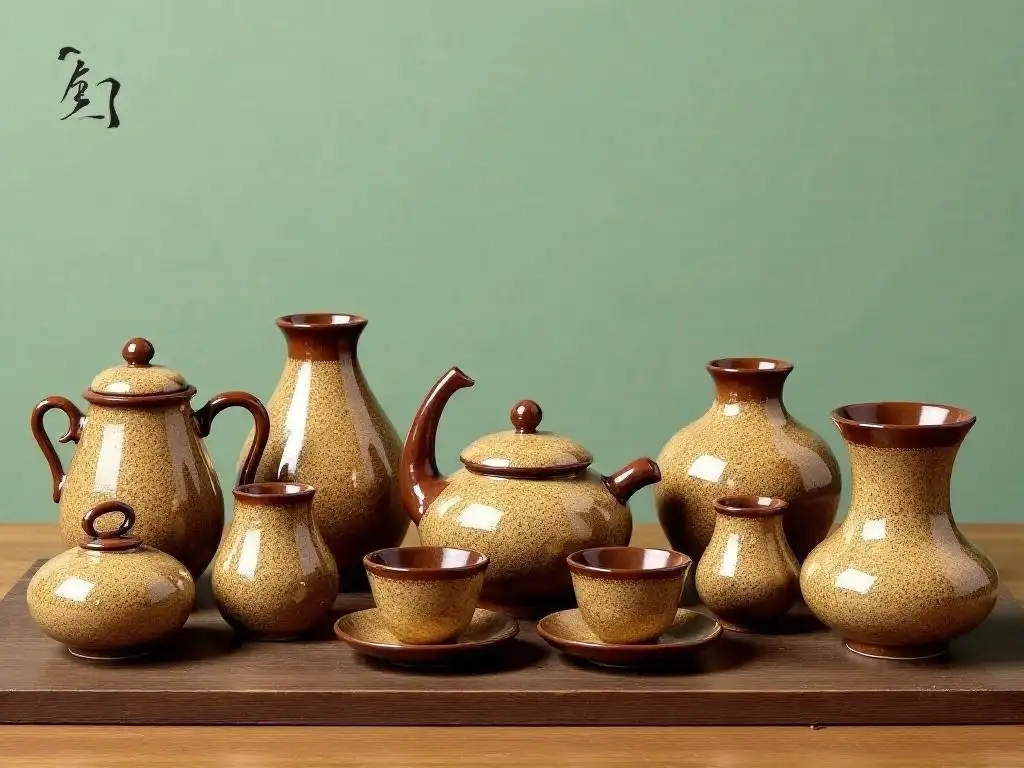
The ceramics of Feudal Japan are diverse and reflect the intricate relationship between functionality and artistry that characterized this era. Each type of ceramic served specific purposes while also showcasing the unique cultural and aesthetic values of the time. Below, we explore the three major types of ceramics: stoneware, earthenware, and porcelain.
Stoneware: Characteristics and Uses
Stoneware is a type of ceramic known for its durability and resistance to thermal shock. It is typically fired at high temperatures, resulting in a dense, non-porous material. The key characteristics of stoneware include:
- Durability: Stoneware is robust and can withstand daily use, making it ideal for functional items such as cooking pots, bowls, and storage jars.
- Texture: The surface of stoneware can range from smooth to rough, often depending on the type of clay used and the firing technique.
- Glazing: Stoneware often features a variety of glazes, which can enhance its aesthetic appeal while also providing a waterproof surface. Common glazes include ash glazes, which were popular in the Kamakura period (1185-1333).
Uses of Stoneware
In Feudal Japan, stoneware was utilized for a variety of purposes:
- Cooking and Serving: Many households used stoneware vessels for cooking and serving food. The ability to withstand high temperatures allowed for versatile applications in the kitchen.
- Storage: Large stoneware jars were commonly used for storing pickled vegetables, rice, and other staples, preserving their freshness and flavor.
- Ritualistic Items: Some stoneware pieces were crafted for religious ceremonies, reflecting the spiritual significance of everyday objects in Japanese culture.
Overall, stoneware played a crucial role in daily life during Feudal Japan, balancing utility and beauty in its design.
Earthenware: Practical Applications and Aesthetic Qualities
Earthenware is one of the oldest types of ceramics and is characterized by its porous nature and lower firing temperatures compared to stoneware and porcelain. The primary attributes of earthenware include:
- Porosity: Unlike stoneware, earthenware remains somewhat porous, which allows for breathability but also means it requires glazing to be functional for liquids.
- Color: The natural color of earthenware clay can vary from reddish-brown to buff, depending on the iron content and firing conditions.
- Decoration: Earthenware often features intricate decorations, including hand-painted designs and stamped patterns, showcasing the artistic expression of the potters.
Uses of Earthenware
Earthenware was commonly used in various aspects of life in Feudal Japan:
- Household Items: Everyday items such as plates, bowls, and tea cups were often crafted from earthenware, making it accessible to the general population.
- Garden Decor: Earthenware pots and garden ornaments were popular for their aesthetic charm, often used to enhance the natural beauty of Japanese gardens.
- Cultural Artifacts: Many heirloom pieces, including ceremonial vessels and traditional tea ware, were made from earthenware, reflecting the cultural practices and artistic sensibilities of the period.
The practicality of earthenware, combined with its aesthetic qualities, made it a beloved choice among artisans and consumers alike.
Porcelain: The Pinnacle of Ceramic Craftsmanship
Porcelain represents the height of ceramic artistry in Feudal Japan, known for its translucency, strength, and exquisite beauty. Key characteristics of porcelain include:
- Firing Temperature: Porcelain is fired at extremely high temperatures (over 1,300°C), resulting in a fine, hard, and non-porous material.
- Translucency: High-quality porcelain exhibits a remarkable translucency, allowing light to pass through, which adds to its visual appeal.
- Delicate Designs: The smooth surface of porcelain provides an ideal canvas for intricate decorations, often featuring detailed paintings, underglaze, and overglaze techniques.
Uses of Porcelain
Porcelain held a prestigious place in Feudal Japan, often reserved for special occasions and elite circles:
- Tea Ceremony: The Japanese tea ceremony (chanoyu) placed a strong emphasis on the aesthetics of the utensils used, with porcelain teacups and tea bowls being highly prized for their beauty and craftsmanship.
- Gift Giving: Porcelain items were commonly given as gifts during important events, symbolizing wealth and status.
- Collectibles: Over time, porcelain pieces became sought after by collectors, with specific styles such as Imari and Kakiemon gaining international acclaim.
Porcelain not only exemplified the technical mastery of Japanese potters but also served as a cultural marker, reflecting the values of refinement and artistry during Feudal Japan.
The exploration of these major types of ceramics in Feudal Japan highlights their significance in both daily life and the broader cultural landscape, illustrating the seamless blend of function and beauty that defines this remarkable era.
Notable Ceramics Styles and Techniques
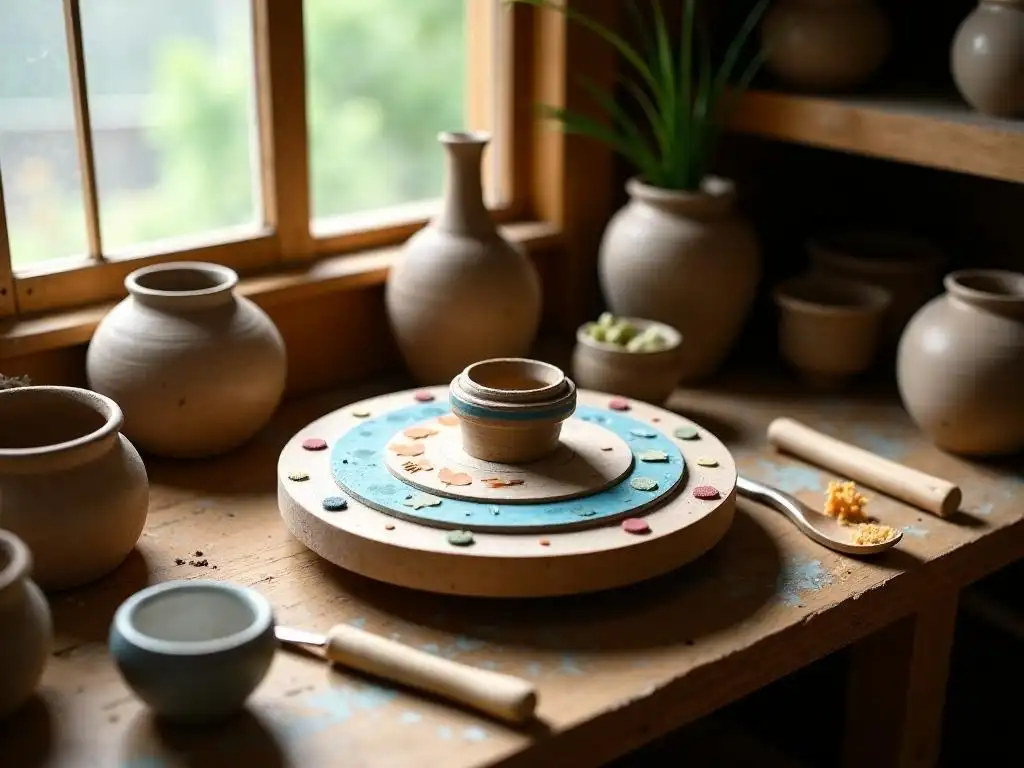
The ceramics of Feudal Japan reflect a rich tapestry of cultural influences, aesthetic philosophies, and practical applications. Various styles and techniques emerged during this era, each with its unique characteristics and significance. This section delves into some of the most notable ceramics styles, emphasizing their historical contexts and artistic merits.
Raku: The Art of Spontaneous Creation
Raku ceramics, a technique that originated in the 16th century, epitomize the merging of functionality and artistic expression. Developed primarily for the tea ceremony, Raku is characterized by its unique firing process, which involves removing pottery from the kiln while it is still hot and placing it in combustible materials. This method creates a dramatic contrast of textures and colors, resulting in unpredictable surfaces that are both visually stunning and tactile.
- Key Features of Raku:
- Spontaneity: Each piece is a unique creation, as the reduction process in the post-firing stage leads to varied outcomes.
- Surface Texture: The rapid cooling and interaction with combustibles create crackled finishes and vibrant, sometimes metallic glazes.
- Cultural Significance: Raku embodies the Zen philosophy of impermanence and simplicity, aligning with the aesthetics of the Japanese tea ceremony.
Raku pottery often showcases designs that are minimalistic, emphasizing the beauty of form over ornamentation. The colors can range from deep blacks to bright reds and greens, and the irregular shapes add to the charm of each piece, making Raku a favorite among collectors and enthusiasts alike.
Shino and Oribe: Color and Form in Tea Ceramics
Shino and Oribe are two distinct styles that emerged during the late 16th century and are closely associated with the Japanese tea ceremony. Both styles are known for their bold use of color and innovative forms, offering a stark contrast to the more subdued Raku ceramics.
- Shino Ceramics:
- Characteristics: Shino is recognized for its creamy white surface, often enhanced by vibrant orange, red, or black glazes. The glazes tend to have a thick, textured finish that can appear smooth or rugged.
- Cultural Context: Initially used for utilitarian purposes, Shino ware transformed into a medium for artistic expression, often featured in tea ceremonies, where the aesthetic of the tea utensils plays a critical role.
- Variations: There are several subtypes of Shino, each with distinct glaze recipes and firing techniques, leading to unique visual effects.
- Oribe Ceramics:
- Characteristics: Oribe is marked by its green glazes, often adorned with bold designs, including abstract shapes and motifs inspired by nature. The shapes of Oribe vessels are often more playful and asymmetrical.
- Cultural Significance: Named after the famed tea master Furuta Oribe, this style reflects a fusion of traditional Japanese aesthetics with influences from Chinese ceramics, resulting in a vibrant, expressive form of pottery.
- Innovative Designs: Oribe pieces often include features such as cutouts and unusual handles, showcasing an inventive approach to traditional tea ware.
Together, Shino and Oribe ceramics represent a dynamic exploration of color and form, enriching the cultural landscape of Feudal Japan’s artistic expression.
Imari and Kakiemon: Luxury and Export Ceramics
During the Edo period (1603–1868), Imari and Kakiemon ceramics emerged as two of the most celebrated styles of export pottery, known for their intricate designs and vibrant colors. These ceramics played a vital role in Japan's trade with Europe and other regions, symbolizing the country's artistic prowess.
- Imari Ceramics:
- Characteristics: Imari ware is distinguished by its elaborate underglaze blue decorations, complemented by vibrant overglaze enamels in red, green, and gold. The patterns often feature floral motifs, landscapes, and mythical creatures.
- Cultural Impact: Named after the port of Imari, where these ceramics were shipped, Imari became synonymous with luxury and was highly sought after in international markets. The craftsmanship displayed in Imari pieces reflects both the technical skill and artistic sensibilities of the time.
- Kakiemon Ceramics:
- Characteristics: Kakiemon ware is known for its delicate, painterly designs, often featuring motifs inspired by nature, including birds, flowers, and trees. The colors tend to be softer and more pastel compared to Imari, showcasing a refined elegance.
- Cultural Legacy: Kakiemon ceramics were particularly prized in Europe, where they were collected by royalty and aristocrats. The style influenced European porcelain production, leading to a lasting legacy in global ceramics.
Both Imari and Kakiemon ceramics illustrate the intersection of art and commerce during Feudal Japan, highlighting how local traditions adapted to meet the demands of international markets while maintaining their unique cultural identity.
The Role of Ceramics in Japanese Society
Ceramics played a pivotal role in the daily lives of people during Feudal Japan, serving both practical and aesthetic functions. As a medium that combined functionality with beauty, ceramics were integral to the cultural and social fabric of the time. The craftsmanship involved in creating ceramics not only reflected the skills of artisans but also conveyed deeper societal values and status.
Ceramics in Daily Life: Practicality and Functionality
In Feudal Japan, ceramics were ubiquitous, forming the backbone of everyday life. The variety of ceramic wares produced catered to different aspects of domestic living and rituals. Common types of ceramics included:
- Tableware: Bowls, plates, and cups were essential for serving food and drink. The design and quality of these items often varied based on the household's wealth and status.
- Storage Containers: Jars and pots were used for preserving food, storing grains, and keeping liquids, showcasing the functional aspect of ceramics in daily chores.
- Tea Ceremony Implements: The tea ceremony, a significant cultural practice, utilized specialized ceramics such as chawan (tea bowls) and kyusu (teapots), emphasizing the artistry involved in functional items.
The production of ceramics was not merely a craft; it was an art form that required skill, creativity, and an understanding of materials. Techniques such as glazing and firing were perfected over generations, leading to innovations that enhanced both the utility and aesthetic appeal of the wares. For instance, the use of celadon glazes and intricate carvings became prevalent, elevating simple utensils to objects of beauty.
Ceramics as a Status Symbol in Feudal Japan
Beyond their practical uses, ceramics also served as indicators of social status and wealth during Feudal Japan. The intricacies of design, the quality of materials, and the provenance of certain ceramics could signify a person's or family's standing within the feudal hierarchy. Some notable aspects include:
- Distinctive Styles: Specific regions became renowned for their unique ceramic styles. For example, Imari and Arita porcelain were highly sought after among the elite, reflecting sophistication and taste.
- Display and Collection: Wealthy families often displayed their ceramic collections prominently, using them to impress guests and establish their refined status. The arrangement of ceramics in the home was a form of self-expression and cultural pride.
- Ceramics in Rituals: Ceramics were often integral to religious and social rituals, such as tea ceremonies and festivals. The choice of ceramics used during these occasions could convey messages about the host's status and reverence for tradition.
The evolution of ceramics in Feudal Japan illustrates a deep interconnection between artistic expression and societal values. As both functional objects and symbols of prestige, ceramics encapsulated the complexities of life in a feudal society, making them a captivating subject for exploration in the broader context of Japanese cultural history.
The Artistic Expression in Ceramics
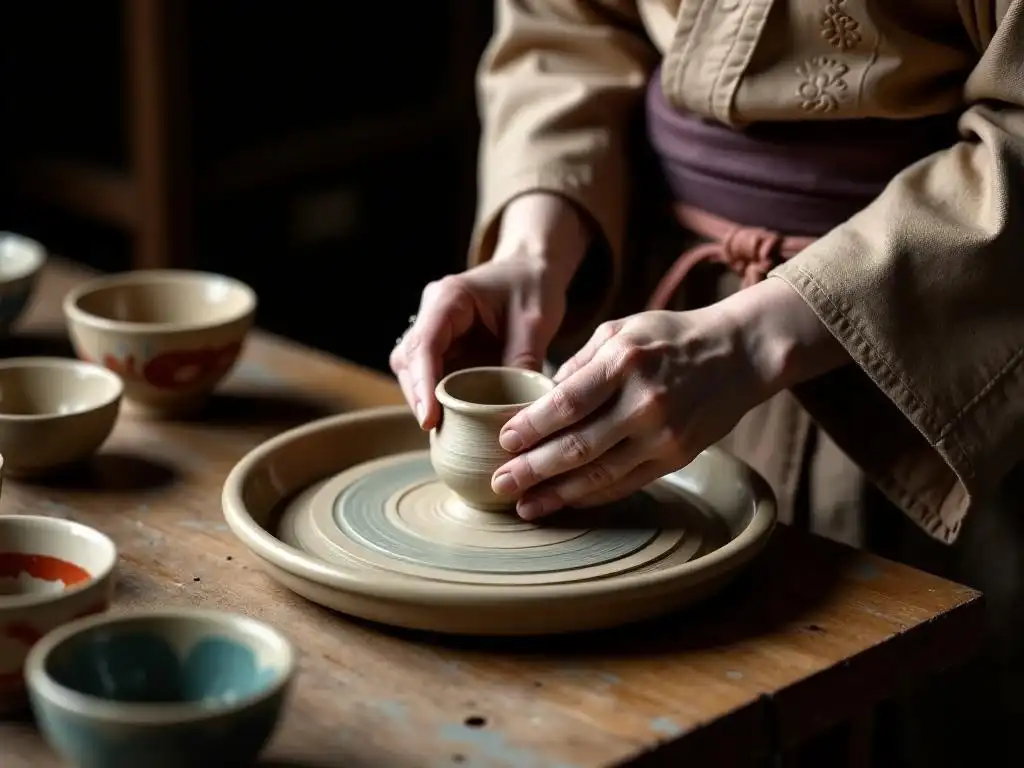
Ceramics in Feudal Japan transcended mere functionality; they became a profound medium for artistic expression, reflecting the culture, beliefs, and aesthetics of the time. The artistry involved in creating ceramics was not only about the skill of the potter but also about the philosophical and cultural narratives embedded within the pieces. As the feudal era progressed, ceramics evolved, showcasing a diversity of styles and techniques that mirrored societal changes and artistic movements.
The intricate designs and forms of Japanese ceramics often served to communicate deeper meanings and values. Ceramics became a canvas for expressing the spiritual and natural worlds, with motifs inspired by nature, mythology, and everyday life. The aesthetic principles of simplicity, asymmetry, and imperfection, which became prominent during this era, were deeply rooted in the cultural context of feudal Japan, making ceramics a vital aspect of artistic exploration.
Symbolism and Themes in Feudal Japanese Ceramics
Feudal Japanese ceramics are rich in symbolism, drawing on themes that reflect the beliefs and values of the time. Common motifs included:
- Nature: Many ceramic pieces featured designs inspired by flora and fauna, symbolizing the harmony between humans and the natural world. For example, cherry blossoms and bamboo were popular motifs, representing the transient beauty of life and resilience.
- Spirituality: Elements of Shinto and Buddhist beliefs often manifested in ceramic art. Symbols like the lotus flower, which represents purity and enlightenment, were frequently depicted.
- Cultural Identity: Ceramics served as a means of expressing regional identities. Different provinces developed distinctive styles that reflected local resources and traditions, such as the tea ceremony ceramics from the Mino and Shizuoka regions.
The thematic exploration in ceramics played a crucial role in conveying the societal values of feudal Japan, emphasizing the interconnectedness of art, culture, and spirituality.
The Influence of Zen Buddhism on Ceramic Art
Zen Buddhism had a profound impact on the development of ceramics in Feudal Japan, shaping both the philosophy and aesthetics of the craft. The simplicity and mindfulness emphasized in Zen practices resonated deeply within the ceramic arts, leading to innovative techniques and a focus on natural forms.
- Wabi-Sabi Philosophy: This concept celebrates the beauty of imperfection and the transient nature of life. In ceramics, this translated into a preference for asymmetrical shapes and earthy, muted glazes, which highlighted the raw, unrefined beauty of the material.
- Tea Ceremony Influence: The tea ceremony, a ritual deeply rooted in Zen principles, significantly influenced ceramic production. The utensils used, such as tea bowls (chawan), were crafted not only for functionality but also for aesthetic appreciation. Each piece was designed to enhance the tea-drinking experience, reflecting the meditative quality of the ceremony.
- Natural Materials: Zen aesthetics encouraged the use of locally sourced materials, leading to a closer connection between the artist and the environment. This approach fostered a deep respect for the natural world, evident in the earthy tones and textures of the ceramics produced during this period.
The fusion of Zen philosophy with ceramic art transformed the way artisans approached their craft, elevating ceramics in Feudal Japan from mere utility to a profound expression of cultural and spiritual significance.
The Legacy of Ceramics in Feudal Japan
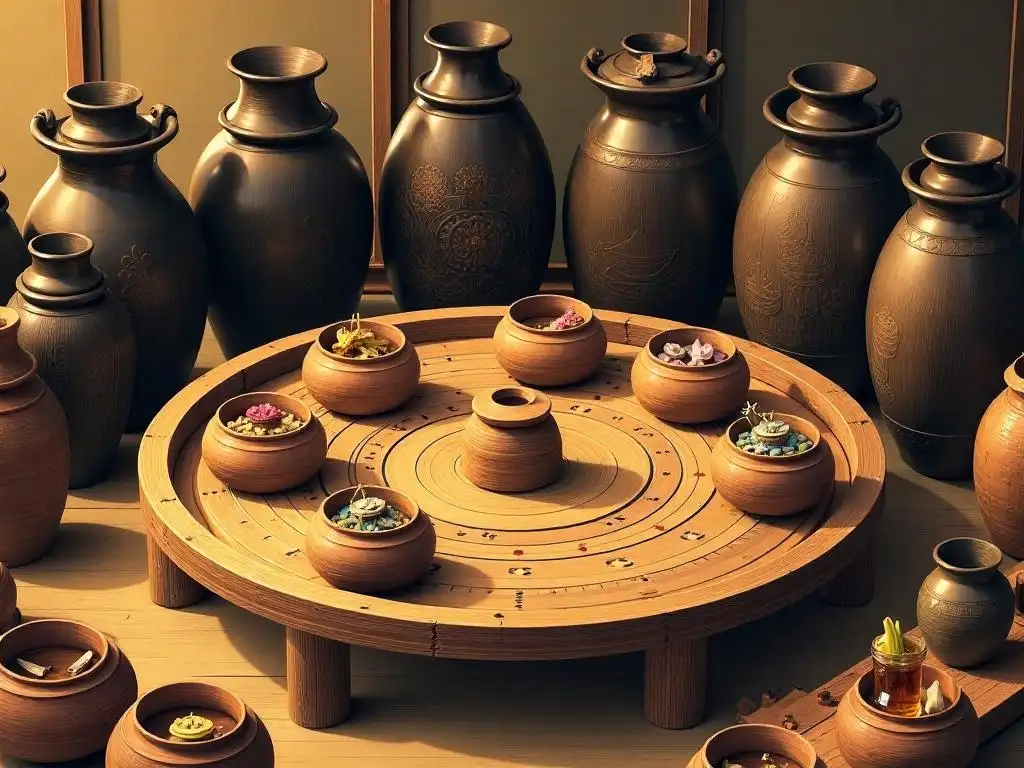
The legacy of ceramics in Feudal Japan is profound, reflecting the intricate interplay of culture, functionality, and artistry that characterized this historical period. From the practical wares used in daily life to the exquisite pieces crafted for ceremonial purposes, ceramics served multiple roles that transcended mere utility.
Impact on Modern Japanese Ceramics
The influence of Feudal Japan's ceramics is evident in the works of contemporary Japanese potters, who draw inspiration from traditional methods and aesthetics. Modern Japanese ceramics can be categorized into several distinct styles, many of which trace their roots back to the feudal era. For instance, the Mizusashi (water jar) and Chawan (tea bowl) remain popular, not only as functional items but also as art pieces.
- Traditional Techniques: Many artisans today employ ancient techniques such as Raku, a method developed during the 16th century for tea ceremony ware, which emphasizes the spontaneity of the firing process. This technique continues to influence modern interpretations of ceramics, creating a bridge between past and present.
- Aesthetic Principles: The aesthetic principles of wabi-sabi, which celebrate imperfection and transience, are deeply rooted in the ceramics of Feudal Japan. Modern potters often embrace these principles, producing pieces that reflect a connection to nature and the subtle beauty of simplicity.
- Cultural Significance: The significance of ceramics in the tea ceremony, a central cultural practice in Feudal Japan, has not diminished. Contemporary tea ceremonies often utilize traditional ceramics to honor this rich heritage, reinforcing the cultural continuity from the feudal period.
Preservation and Revival of Traditional Techniques
The preservation and revival of traditional ceramic techniques from Feudal Japan have become a focal point for artisans and cultural historians alike. As globalization threatens to dilute these unique practices, various initiatives aim to ensure that the artistry and craftsmanship of feudal ceramics endure.
- Craft Schools and Workshops: Numerous schools and workshops across Japan have emerged, offering courses in traditional pottery techniques. These institutions not only teach the skills necessary to create ceramics but also educate students about the cultural significance and historical context of these practices.
- Artisan Communities: Local artisan communities play a crucial role in keeping traditional methods alive. By fostering collaboration among potters and sharing knowledge, these communities ensure that techniques such as Shino and Oribe, known for their distinctive glazes and forms, are passed down to new generations.
- Cultural Festivals: Events celebrating traditional crafts, such as pottery fairs and exhibitions, promote awareness and appreciation for feudal ceramics. These gatherings often showcase the works of contemporary artisans who reinterpret historical styles, creating a dialogue between past and present.
- Research and Documentation: Ongoing research into historical ceramic techniques, alongside efforts to document these methods, is vital for their preservation. Academic institutions and museums work to catalog artifacts and practices, ensuring that knowledge is retained and shared with future generations.
By recognizing and valuing the legacy of ceramics in Feudal Japan, modern society can continue to appreciate the beauty and significance of these art forms, ensuring their survival and relevance in today's world.
Conclusion: The Lasting Influence of Feudal Japanese Ceramics
Feudal Japanese ceramics represent a remarkable confluence of function and artistry, encapsulating the cultural heritage of Japan. These ceramics have not only served practical purposes throughout history but have also evolved into significant artistic expressions that reflect the values, beliefs, and aesthetics of the time. The intricate designs, techniques, and materials employed by artisans of the feudal era laid the groundwork for contemporary Japanese pottery and continue to inspire artists and collectors worldwide.
Reflection on Ceramics as Cultural Heritage
The ceramics produced during the feudal period, including notable styles such as Raku, Imari, and Shino, are more than mere artifacts; they embody a rich narrative of Japanese identity and tradition. Each piece tells a story of the social and political context in which it was created, reflecting the interplay between artisans and their patrons, such as samurai and tea masters.
- Symbolism and Functionality:
- Tea Ceremony: The Raku ware, used in the Japanese tea ceremony, symbolizes harmony and simplicity. The intentional imperfections of Raku pieces represent the beauty of transience and the value of impermanence in Japanese culture.
- Everyday Use: Functional ceramics, such as the utilitarian stoneware of the Jomon period, showcase the adaptability of ceramics in daily life, highlighting the importance of craftsmanship in both practical and aesthetic domains.
- Cultural Transmission:
- The techniques and styles of feudal ceramics have been passed down through generations, influencing not only Japanese artisans but also other cultures. The introduction of Japanese aesthetics in Western art movements, particularly in the late 19th century, illustrates the global impact of these ceramics.
Future Directions in the Study of Feudal Japanese Ceramics
As the field of ceramics studies continues to evolve, scholars and enthusiasts are increasingly exploring various aspects of feudal Japanese ceramics to better understand their historical significance and cultural implications.
- Interdisciplinary Approaches: Future research can benefit from interdisciplinary collaborations, integrating anthropology, archaeology, and art history to provide a holistic view of ceramics in feudal Japan. This approach can uncover new insights into the socio-economic aspects of ceramic production and trade.
- Technological Advances: The application of modern analytical techniques, such as X-ray fluorescence (XRF) and thermoluminescence dating, can enhance our understanding of the materials and methods used in feudal ceramics. Such advancements may reveal the origins of clay sources and the chemical compositions of glazes, offering deeper insights into historical practices.
- Preservation and Education: Promoting awareness of feudal Japanese ceramics through exhibitions, workshops, and educational programs can foster appreciation for this cultural heritage. Efforts to preserve ancient techniques while encouraging contemporary interpretations will ensure that the legacy of feudal ceramics continues to thrive.
The study of ceramics in feudal Japan is a vibrant and dynamic field that holds much promise for future inquiry. By appreciating the depth of this cultural heritage and embracing new methodologies, researchers can continue to uncover the profound significance of these beautiful artifacts.
Frequently Asked Questions
What were the primary uses of ceramics in feudal Japan?
Ceramics in feudal Japan served both functional and aesthetic purposes, ranging from everyday items like dishes and pots to intricate tea ceremony wares that showcased the artistic expression of the time.
How did the aesthetics of ceramics evolve during feudal Japan?
The aesthetics of ceramics evolved significantly, reflecting changes in cultural values and artistry, transitioning from purely functional designs to more decorative and artistic expressions influenced by Zen philosophy.
What role did ceramics play in Japanese tea ceremonies?
Ceramics were crucial in Japanese tea ceremonies, with specific teaware designed for both functionality and beauty, emphasizing the importance of simplicity and naturalness in the ritual.
Which techniques were commonly used in the production of ceramics in feudal Japan?
Common techniques included wheel-throwing, hand-building, and glazing, with many potters exploring local materials to create distinctive styles such as Raku and Imari ceramics.
Ceramics often reflected social status, with elite classes using finely crafted and ornate pieces, while the lower classes utilized more utilitarian items, highlighting the hierarchical structure of feudal society.
Final Reflection: The Enduring Legacy of Ceramics in Feudal Japan
The intricate artistry and functional beauty of ceramics in Feudal Japan continue to resonate profoundly in today's world. As we explore the evolution of these ceramic traditions, we uncover not just the craftsmanship but also the cultural narratives that shaped a society. The delicate balance between utility and aesthetic appeal in these ceramics serves as a reminder that art can transcend its practical origins, influencing contemporary design and craftsmanship in ways we are only beginning to understand.
Ceramics in Feudal Japan have left an indelible mark on our cultural landscape, inspiring artists and collectors alike. The stories behind each piece—crafted with intention and steeped in history—encourage us to appreciate the artistry in everyday objects. As the renowned potter Shoji Hamada once said, The potter's work is a reflection of the world around him.
This sentiment rings true today, as we see the revival of traditional techniques and the integration of these time-honored practices into modern artistic expressions. The legacy of Feudal Japan's ceramics invites us to reflect on our own relationship with art and functionality.
As we conclude our exploration of ceramics in Feudal Japan, I invite you to consider how the lessons of this rich tradition can be woven into your own life. Take a moment to appreciate the beauty in the objects around you, recognizing that each piece carries its own story and significance. Whether you are an artist, a collector, or simply an admirer of beauty, let the spirit of these ancient ceramics inspire you to create, cherish, and celebrate the artistry that exists in your world.
Unleash Your Creativity with Ceramics!
Thank you for diving into the fascinating world of ceramics in Feudal Japan! We hope you found inspiration in how these everyday items transformed into breathtaking artistic expressions. Now, it’s time to put that inspiration into action!
Here are a few steps you can take to deepen your connection with this art form:
- Explore local pottery classes to discover the joy of creating your own ceramic pieces.
- Share your newfound knowledge! Discuss the significance of Feudal Japanese ceramics with friends or on social media to spark interest in this beautiful art.
- Consider starting an online journal to document your pottery journey, blending functional beauty with your unique artistic interpretation.
What aspects of Feudal Japanese ceramics resonate with you the most, and how will you express your creativity through this timeless craft?