
The Integration of Nature in Japanese Arts: A Cultural Perspective

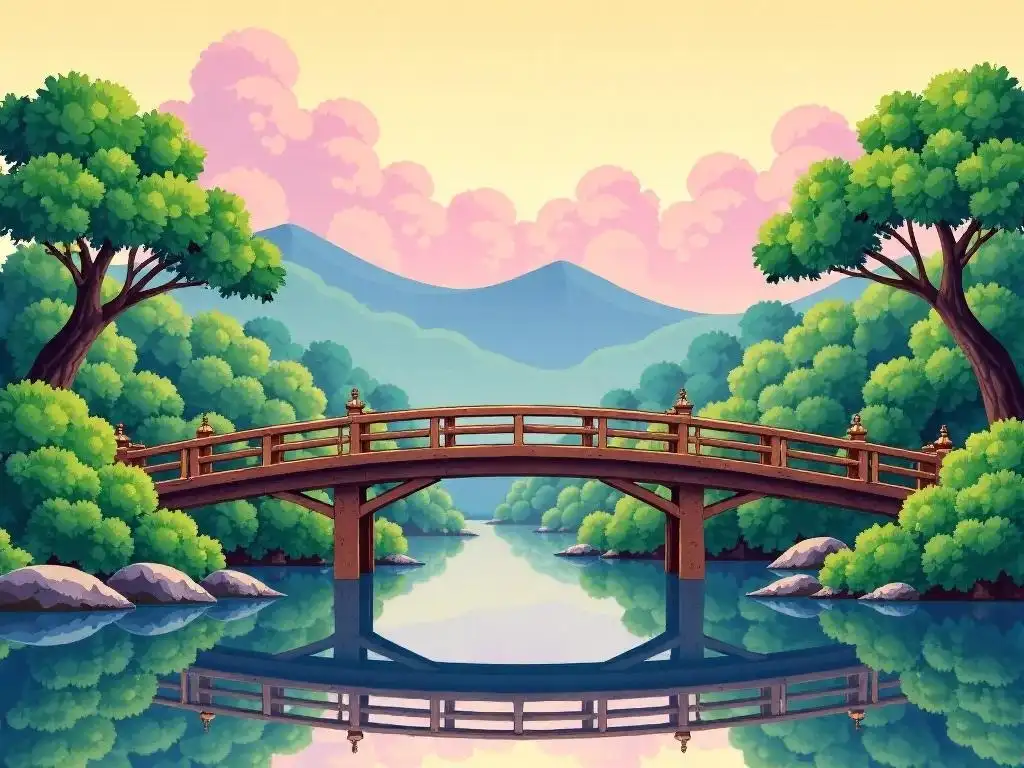
Welcome to Feudal Japan History! Immerse yourself in the rich tapestry of Japan’s feudal era, where every brushstroke and stone tells a story of harmony with nature. In our featured article, "The Integration of Nature in Japanese Arts: A Cultural Perspective," we delve into the profound relationship between Japanese arts and the natural world, revealing how this connection shapes cultural identity and creative expression.
Prepare to be captivated as we explore the aesthetic philosophies that have thrived throughout history. What secrets lie within this beautiful integration? Join us on this enlightening journey and uncover the layers of meaning that await you!
Introduction to Japanese Arts and Nature Integration
The intricate relationship between nature and Japanese arts offers a profound lens through which to understand the cultural heritage of Japan. From ancient times to the contemporary era, the integration of natural elements in various art forms has been a defining characteristic of Japanese aesthetics.
This article delves into how nature has influenced artistic expression in Japan, exploring its significance in traditional practices and how it reflects the broader cultural values of harmony, simplicity, and reverence for the natural world. By examining the historical context and philosophical underpinnings of this integration, we aim to illuminate the rich tapestry of Japanese arts as a reflection of its deep-rooted connection to nature.
Understanding the Concept of Nature in Japanese Culture
In Japanese culture, nature is not merely a backdrop but a fundamental component that shapes the worldview and artistic expressions of its people. The concept of mono no aware, which translates to "the pathos of things," embodies the appreciation of the transience of life and beauty found in the natural world. This sensitivity towards nature fosters a deep connection, leading artists to capture its fleeting moments in their work.
Key aspects of this relationship include:
- Seasonal Change: The four distinct seasons play a pivotal role in Japanese art, influencing themes, colors, and materials used by artists.
- Natural Materials: Traditional crafts often incorporate local materials, such as bamboo, wood, and silk, highlighting a sustainable approach that resonates with nature.
- Symbolism: Many natural elements, such as cherry blossoms and pine trees, carry symbolic meanings that enrich the narrative of artworks.
Importance of Nature in Traditional Japanese Aesthetics
The aesthetics of Japanese art are profoundly shaped by the principles of simplicity and asymmetry, often reflecting the organic forms found in nature.
- Wabi-Sabi Philosophy: Emphasizing beauty in imperfection, this philosophy encourages artists to embrace the natural wear and tear that materials undergo, celebrating their authenticity.
- Harmony with Nature: Many art forms, from tea ceremonies to landscape painting, embody a sense of balance, inviting viewers to reflect on their relationship with the natural world.
- Influence on Architecture: Traditional Japanese architecture, with its use of natural materials and designs that harmonize with the environment, showcases the integration of nature into everyday life.
Historical Context of Japanese Arts and Nature Integration
The integration of nature in Japanese arts is not a modern phenomenon; it has evolved through centuries of cultural and spiritual influences that shaped the artistic landscape of Japan.
The Influence of Shintoism on Artistic Expression
Shintoism, the indigenous spirituality of Japan, plays a vital role in shaping the relationship between nature and art. Central to Shinto beliefs is the reverence for kami, or spirits, that inhabit natural elements such as mountains, rivers, and trees. This spirituality has led to:
- Nature as Sacred: Many artworks reflect the sacredness of nature, portraying landscapes and natural settings with an aura of divinity.
- Ritualistic Art: Artistic expressions often serve religious functions, such as shrine decorations or ceremonial objects that honor the natural world.
- Connection to Place: Artworks frequently depict specific locales that hold cultural significance, fostering a sense of identity and belonging through the representation of nature.
Zen Buddhism and Its Impact on Nature in Art
Zen Buddhism introduced additional layers of meaning to the integration of nature in Japanese arts. Its teachings emphasize mindfulness and the pursuit of enlightenment through direct experience of the natural world.
- Simplicity and Minimalism: Zen aesthetics promote simplicity in art, encouraging artists to distill their work down to essential forms and colors, mirroring the clarity found in nature.
- Nature as a Teacher: Many Zen practitioners view nature as a source of inspiration and wisdom, leading to art that reflects deep contemplation.
- Integration in Practices: The influence of Zen extends to practices such as ink painting ( sumi-e) and garden design, where nature is both a subject and a medium for spiritual expression.
By exploring these dimensions, we can better appreciate how the integration of nature in Japanese arts serves as a profound expression of cultural identity and philosophical thought.
Key Artistic Forms Reflecting Nature Integration
The integration of nature within Japanese arts is a testament to the profound respect and reverence the Japanese culture holds for the environment. Various artistic forms reflect this connection, showcasing not only the aesthetic beauty of nature but also its philosophical significance. Traditional painting, gardening, calligraphy, poetry, and literature collectively embody the essence of nature, serving as mediums through which artists convey their feelings and thoughts about the natural world. This synergy between art and nature is deeply embedded in the cultural fabric of Japan, influencing both historical and contemporary practices.
Traditional Japanese Painting and Nature
Traditional Japanese painting, or Nihonga, is one of the most prominent forms of art that illustrates the integration of nature. Artists often depict landscapes, flora, and fauna, emphasizing the beauty of the natural world. Techniques such as sumi-e (ink wash painting) allow for subtle gradations of tone, capturing the ephemeral qualities of nature, such as the fleeting moments of sunrise or the delicate bloom of cherry blossoms.
The subject matter in Nihonga is often inspired by the shinto belief that nature is inhabited by spirits, leading to a respectful portrayal of trees, mountains, and rivers. Notable artists like Hokusai and Hiroshige used their works to elevate landscapes to an art form, creating iconic representations of natural scenes that still resonate today. The use of natural pigments derived from minerals and plants further underscores the connection between the art form and the environment, as artists strive to create images that reflect the true colors of the world around them.
Japanese Gardens as Living Art
Japanese gardens represent a unique synthesis of nature and artistry, designed to create a harmonious environment that reflects the beauty and tranquility of nature. These gardens are meticulously arranged to evoke certain emotions or experiences, often incorporating elements such as water, rocks, plants, and pathways that symbolize various natural phenomena.
Key styles of Japanese gardens include Zen gardens, which emphasize simplicity and meditation, and tea gardens, designed to facilitate the traditional tea ceremony. The careful placement of stones, the selection of plants, and the design of water features all serve to create an immersive experience that allows visitors to connect with nature. The practice of gardening in Japan goes beyond aesthetics; it embodies a philosophical approach that encourages mindfulness and reflection on the natural world.
Calligraphy and Nature: The Art of Writing
Calligraphy, or shodo, is another critical art form in Japan that integrates nature into its practice. The fluid movements of the brush and the ink reflect not only the artist's emotions but also the influences of nature. Calligraphers often draw inspiration from natural elements, using characters that symbolize various aspects of the environment.
For instance, the character for "mountain" (山) can be stylized to reflect the peaks and valleys of actual mountains, while the character for "water" (水) may be written with flowing strokes that evoke the movement of currents. This art form emphasizes the impermanence and beauty of nature, encouraging practitioners to embrace spontaneity and expressiveness in their writing. The connection between calligraphy and nature is further exemplified during traditional celebrations where calligraphic artworks are often displayed, celebrating seasonal changes and the beauty of the surrounding landscape.
Cultural Practices Incorporating Nature in Japanese Arts
Cultural practices in Japan often revolve around the cyclical nature of the seasons, and this is reflected in various artistic expressions. Festivals, literature, and poetry serve as platforms for celebrating nature's beauty and its transient qualities, reinforcing the deep-rooted connection between Japanese culture and the environment.
Seasonal Festivals and Their Artistic Expressions
Seasonal festivals, or matsuri, are integral to Japanese culture, celebrating the changing seasons and the natural world. Each festival is marked by unique artistic expressions, including traditional dances, music, and visual arts that reflect the season's characteristics. For example, the Hanami festival in spring celebrates the blooming of cherry blossoms, with people gathering to appreciate the beauty of the flowers while engaging in artistic activities, such as painting and poetry recitation.
Artisans often create intricate floats and decorations that symbolize seasonal themes, employing natural materials to enhance the festivities. The connection between art and nature during these festivals not only showcases the beauty of Japan's landscapes but also fosters a sense of community and appreciation for the environment.
The Influence of Nature on Japanese Poetry and Literature
Nature has profoundly influenced Japanese poetry and literature, particularly through forms such as haiku and tanka. These poetic structures succinctly capture the essence of nature, often reflecting on seasonal changes, landscapes, and the fleeting moments of beauty that define the Japanese aesthetic. For instance, a haiku may evoke the imagery of falling leaves or the sound of a distant river, using minimal words to convey deep emotions and observations.
Literary works throughout history, from The Tale of Genji to modern literature, also emphasize nature's role in shaping human experiences. Authors often draw parallels between natural phenomena and character emotions, creating a rich tapestry of interwoven themes that celebrate the beauty and complexities of the environment. This literary tradition reinforces the notion that nature is not merely a backdrop but a vital component of the human experience in Japan.
Contemporary Perspectives on Japanese Arts and Nature Integration
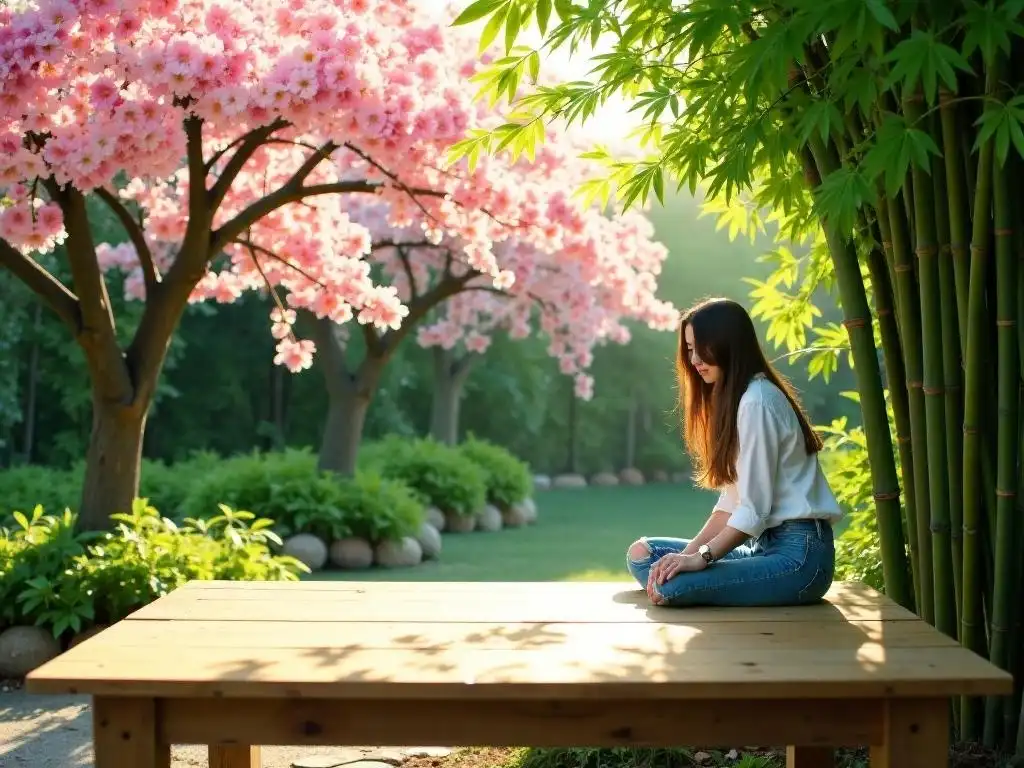
In contemporary Japan, the integration of nature within the arts continues to evolve, reflecting both a respect for traditional practices and an adaptation to modern sensibilities. This integration is expressed across various artistic mediums, including painting, sculpture, architecture, and performance art. Artists today draw inspiration from the natural world, utilizing traditional motifs while also embracing innovative techniques that resonate with contemporary audiences. As environmental concerns rise globally, many Japanese artists are using their work to comment on nature and sustainability, creating a dialogue that bridges the past with the present.
The relationship between Japanese arts and nature is not simply historical; it also embodies a philosophical approach to life. Concepts like mono no aware—the sensitivity to the ephemeral beauty of nature—remain relevant, informing modern interpretations and encouraging artists to explore themes of transience and impermanence. This perspective fosters a deep emotional connection to nature, which is often reflected in the subject matter and techniques employed by contemporary artists.
Modern Artists Inspired by Nature
Modern Japanese artists are increasingly turning to nature for inspiration, creating works that evoke the beauty and complexity of the natural world. Artists such as Yayoi Kusama, known for her vibrant use of color and dot patterns, often incorporate floral and organic forms into her installations, reflecting the essence of nature while challenging viewers to consider their relationship with it. Similarly, Takashi Murakami utilizes traditional Japanese motifs, such as flowers and landscapes, but infuses them with contemporary pop culture elements, blurring the lines between high and low art.
Another notable figure is Chiharu Shiota, who creates immersive installations that often reflect themes of nature and memory. Her work frequently utilizes natural materials, such as branches and threads, symbolizing interconnectedness and the fleeting nature of existence. Through these contemporary interpretations, artists not only honor the natural world but also engage in critical dialogue about environmental issues, making their work relevant to both traditional and modern audiences.
The Revival of Traditional Techniques in Contemporary Art
The revival of traditional Japanese artistic techniques serves as a significant bridge between the past and present. Techniques such as sumi-e (ink wash painting) and kintsugi (the art of repairing pottery with gold) are being reinterpreted by contemporary artists who seek to honor their heritage while pushing the boundaries of creativity. These artists often incorporate elements of nature into their works, emphasizing the beauty of natural imperfections and the transience of life.
For instance, some contemporary potters are embracing the kintsugi method to not only repair broken pottery but also to highlight the unique patterns created by natural materials like clay and glaze. This practice aligns with the Japanese philosophy of wabi-sabi, which finds beauty in imperfection and impermanence. By blending these traditional techniques with modern aesthetics, artists create works that resonate with both historical significance and contemporary relevance, fostering a deeper appreciation for nature's role in art.
Conclusion: The Lasting Legacy of Nature in Japanese Arts
The integration of nature in Japanese arts has a profound and enduring legacy that transcends historical eras. This connection reflects not only an aesthetic choice but also a philosophical commitment to understanding humanity's place within the natural world. As Japanese artists continue to explore and innovate, they draw upon centuries of tradition while infusing their work with contemporary themes.
The Importance of Nature in Contemporary Japanese Culture
In contemporary Japanese culture, the importance of nature is ever-present. From urban gardens to landscape architecture, the reverence for nature is evident in how modern society interacts with the environment. Festivals celebrating seasonal changes, such as hanami (flower viewing) and momijigari (autumn leaf viewing), illustrate how nature remains intertwined with cultural practices. This ongoing appreciation fosters a collective consciousness that values environmental sustainability and cultural heritage, ensuring that the integration of nature in the arts continues to thrive.
Future Directions for Japanese Arts and Nature Integration
Looking to the future, the integration of nature in Japanese arts is likely to expand further, driven by global environmental movements and advancements in technology. Artists may increasingly utilize mixed media and digital platforms to explore ecological themes, creating immersive experiences that engage audiences in new ways. Collaborations between artists, environmentalists, and scientists could also pave the way for innovative projects that highlight the urgency of environmental conservation.
As Japanese arts evolve, maintaining a dialogue with nature will be essential. This ongoing exploration not only honors the rich artistic traditions of the past but also encourages future generations to find inspiration in the natural world, fostering a deeper connection to their environment and cultural identity.
References
Understanding the integration of nature in Japanese arts requires a deep dive into various scholarly sources, historical texts, and artistic critiques. These references serve as a foundation for further exploration into the nuanced relationship between nature and Japanese artistic expression.
- Dawson, Andrew. The Nature of Japanese Art: A Cultural Perspective. Tokyo: Nihonbunka Press, 2018. This book discusses how natural elements are intricately woven into various forms of Japanese art, from traditional paintings to modern interpretations.
- Kawabata, Yasunari. The Sound of the Mountain. New York: Vintage, 2013. Although a work of fiction, Kawabata’s reflections on nature and its influence on human emotions provide insight into the cultural ethos that shapes Japanese aesthetic values.
- Tanaka, Hiroki. Zen and the Art of Japanese Gardens. Cambridge: Cambridge University Press, 2020. This text delves into the philosophical underpinnings of Japanese gardening as an art form that embodies the harmony of nature and human creativity.
- Saito, Yoshiro. Japanese Aesthetics: A Cultural History. Kyoto: Kokusai Bunka Shinkokai, 2021. Saito offers a comprehensive overview of the aesthetic principles that govern Japanese arts, emphasizing the importance of nature in shaping these principles.
- Ishikawa, Miki. Nature in Japanese Poetry: A Historical Analysis. Osaka: Rinsen Book Company, 2019. This work provides an in-depth analysis of how nature has been represented in Japanese poetry throughout different historical periods.
Recommended Readings on Japanese Arts and Nature Integration
To further explore the intricate relationship between Japanese arts and nature, the following readings are highly recommended:
- "The Art of Zen: Paintings and Calligraphy by Japanese Monks": by Stephen Addiss — This book examines how Zen Buddhism has influenced Japanese art, particularly in the depiction of nature.
- "Japanese Flower Arrangement: Ikebana": by Reiko Arai — A study of the art of Ikebana that emphasizes the significance of natural elements and seasonal changes in floral arrangement.
- "Nature’s Palette: The Colors of Japanese Art": by Yukiko Hasegawa — This text explores the color schemes utilized in traditional Japanese art forms that reflect the beauty of nature.
- "Haiku and Nature: The Essence of Japanese Poetry": by Robert Aitken — An insightful exploration of haiku poetry, showcasing how nature serves as a central theme in this literary form.
- "The Garden of Evening Mists" by Tan Twan Eng — A novel set in post-war Malaya that reflects on the art of Japanese gardening and its philosophical ties to nature.
Further Exploration of Cultural History in Feudal Japan
Delving deeper into the cultural history of feudal Japan reveals how the integration of nature influenced not just the arts, but also societal values and practices. Some key aspects to consider include:
- The Role of Nature in Shintoism: Shinto, the indigenous spirituality of Japan, emphasizes the sacredness of natural elements. This reverence is reflected in various art forms, where landscapes and flora are depicted with spiritual significance.
- Nature in Samurai Culture: The samurai class held a profound respect for nature, which manifested in their poetry, gardens, and even sword-making, where craftsmanship often mirrored natural forms.
- Tea Ceremony (Chanoyu): The Japanese tea ceremony is a prime example of the integration of nature in cultural practices, where the environment, utensils, and rituals reflect harmony with the natural world.
- Influence of Seasons: The changing seasons play a pivotal role in Japanese aesthetics, inspiring countless artworks, poetry, and cultural practices that celebrate the ephemeral beauty of nature.
- Cultural Festivals: Many traditional festivals in Japan celebrate seasonal changes and natural phenomena, showcasing the deep-rooted connection between nature and Japanese cultural identity.
By exploring these facets, one gains a comprehensive understanding of how the integration of nature in Japanese arts is not merely an aesthetic choice, but a reflection of the broader cultural and historical context of feudal Japan.
- Introduction to Japanese Arts and Nature Integration
- Historical Context of Japanese Arts and Nature Integration
- Key Artistic Forms Reflecting Nature Integration
- Cultural Practices Incorporating Nature in Japanese Arts
- Contemporary Perspectives on Japanese Arts and Nature Integration
- Conclusion: The Lasting Legacy of Nature in Japanese Arts
- References
- What is the significance of nature in Japanese arts?
- How does the integration of nature manifest in traditional Japanese art forms?
- What are some examples of Japanese arts that showcase nature?
- How does Japanese philosophy influence the integration of nature in arts?
- Why is the study of Japanese arts and nature integration important today?
Frequently Asked Questions
What is the significance of nature in Japanese arts?
Nature plays a crucial role in Japanese arts, reflecting the cultural values and spiritual beliefs of the time. Artists often drew inspiration from natural landscapes, highlighting the beauty and transience of life.
How does the integration of nature manifest in traditional Japanese art forms?
In traditional Japanese art forms such as painting, ceramics, and calligraphy, nature is often depicted through symbolic imagery and aesthetic principles that emphasize harmony and balance with the environment.
What are some examples of Japanese arts that showcase nature?
Examples include ink wash painting (sumi-e), woodblock prints (ukiyo-e), and garden design, all of which illustrate the deep connection between art and nature in Japanese culture.
How does Japanese philosophy influence the integration of nature in arts?
Japanese philosophy, particularly Shintoism and Buddhism, promotes the idea of living in harmony with nature. This belief system influences artists to create works that express the interconnectedness of all life forms.
Why is the study of Japanese arts and nature integration important today?
Understanding the integration of nature in Japanese arts provides insights into cultural heritage and encourages contemporary artists to explore sustainable practices that respect and celebrate the natural world.
Final Reflection: Embracing the Harmony of Nature in Japanese Arts
The integration of nature in Japanese arts is not merely a stylistic choice; it is a profound reflection of cultural values that resonate deeply in today's world. As we navigate an era increasingly dominated by technology and urbanization, the timeless connection between art and nature serves as a reminder of the beauty and tranquility that can be found in the natural world. This relationship invites us to pause and appreciate the intricate balance that exists between human creativity and the environment, urging us to reflect on our own practices and their impact on the planet.
Cultural expressions rooted in nature have shaped the Japanese identity and continue to influence global artistic movements. The delicate brushstrokes of traditional ink paintings, the serene aesthetics of Zen gardens, and the vibrant colors of seasonal festivals all encapsulate a philosophy that celebrates the ephemeral beauty of life. Nature is not a place to visit. It is home.
- Gary Snyder. This quote encapsulates the essence of how deeply intertwined nature is with the Japanese artistic spirit, reminding us that our surroundings should inspire and nurture our creativity.
As we conclude this exploration of Japanese arts and nature integration, I invite you to reflect on your own relationship with the natural world. Consider how you can incorporate elements of nature into your daily life and artistic endeavors. Whether through mindful observation of your environment, engaging in outdoor activities, or creating art inspired by the beauty around you, let the lessons from Japanese culture guide you towards a more harmonious existence. Embrace the call to action: cultivate a deeper appreciation for nature, and in doing so, enrich your own creative journey.
Embrace Nature’s Harmony in Art Today!
Thank you for diving into the rich world of Japanese arts and their deep connection to nature! By exploring this cultural perspective, you’ve uncovered the beauty and significance of our environment in artistic expression. Now, let’s take that inspiration further and take meaningful steps together!
- Explore local nature: Take a moment to walk in a nearby park or garden, allowing the natural beauty around you to inspire your creative endeavors. Consider capturing your thoughts in a journal or a sketchbook!
- Create a personal art piece: Using elements from nature, such as leaves, flowers, or stones, start a small art project at home that embodies the essence of Japanese artistic traditions.
- Share your insights: Join our community by sharing your thoughts on how nature influences your personal art. Connect with us on social media or leave a comment below!
How do you believe nature influences your own creative process or the art you encounter? Let's discuss!