
The Symbolism of Colors in Feudal Japanese Art and Crafts

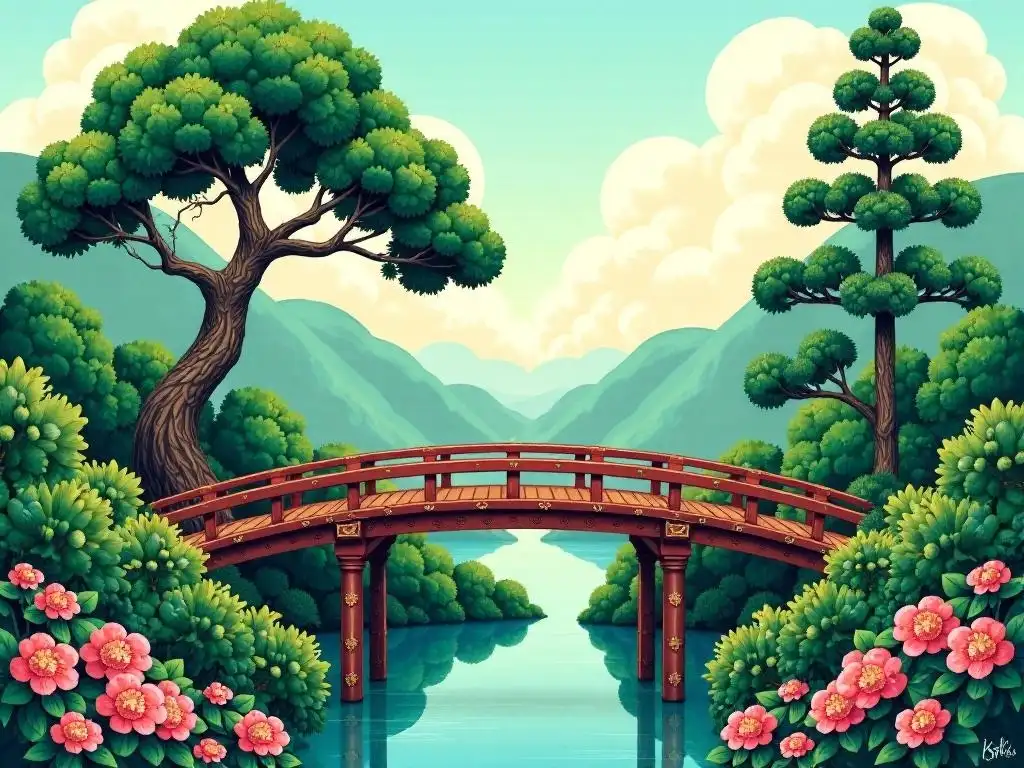
Welcome to Feudal Japan History, where we invite you to embark on an enthralling journey through the intricate tapestry of Japan’s feudal era. In this exploration, we delve into the rich cultural history that shaped a nation, revealing the profound symbolism of colors in Japan. Discover how vibrant hues conveyed meanings and emotions in art and crafts, and learn what these colors can tell us about the society and values of the time. Prepare to uncover layers of significance that might surprise you as you dive deeper into this fascinating aspect of feudal Japanese culture!
Introduction to the Symbolism of Colors in Japan
The symbolism of colors in Japan is a rich and intricate aspect of the country's cultural heritage, deeply ingrained in the arts and crafts of the feudal era. Colors were not merely aesthetic choices; they were imbued with significance, reflecting societal values, beliefs, and the natural world.
In feudal Japan, colors conveyed messages about status, spirituality, and emotional states, creating a vibrant tapestry that enriched artistic expression. This article aims to delve into the multifaceted meanings behind colors in feudal Japanese art and crafts, exploring how these hues shaped the cultural landscape of the time and continue to influence modern interpretations.
As we explore this topic, we will examine the historical context that defined color usage, the profound influence of religious beliefs such as Buddhism and Shinto, and the specific meanings associated with various colors. Through this comprehensive exploration, readers will gain insight into how colors served as a language of their own, conveying complex ideas and emotions in a society where every detail was thoughtfully considered.
Historical Context of Color Usage in Feudal Japan
In feudal Japan, color played a pivotal role in various aspects of life, from the garments worn by the samurai to the intricate designs in traditional crafts. The use of color was often dictated by social hierarchy, seasonal changes, and cultural practices. The availability of natural pigments and dyes also influenced color choices, leading to variations in symbolism across different regions and time periods.
- Social Hierarchy and Color:
- Certain colors were exclusive to specific classes. For example, purple was often reserved for the aristocracy, symbolizing nobility and power.
- Commoners were typically limited to more subdued colors, reflecting their status within society.
- Seasonal and Natural Influence:
- Colors were also used to represent the changing seasons, with specific hues associated with spring, summer, autumn, and winter.
- For example, pink and green were commonly linked to spring, while red and gold represented the vibrancy of summer.
The Influence of Buddhism on Color Symbolism
Buddhism has had a profound impact on Japanese culture, and its influence is particularly notable in the realm of color symbolism. Various colors were associated with different Buddhist concepts, beliefs, and deities.
- White: Symbolizes purity and enlightenment, often used in religious ceremonies and rituals.
- Blue: Represents wisdom and tranquility, frequently seen in Buddhist iconography.
- Yellow: Signifies the earth and is associated with the teachings of Buddha, often used in monk robes.
In Buddhist art, the careful selection of colors not only enhanced the aesthetic appeal but also served to convey spiritual meanings and teachings, making the artwork a powerful medium for religious expression.
Shinto Beliefs and Color Interpretation
Shinto, Japan's indigenous spirituality, also contributed significantly to the understanding of color symbolism. In Shinto beliefs, colors were believed to reflect the essence of kami (spiritual beings), and each color held specific meanings tied to nature and the divine.
- Red: Often used in Shinto shrines and torii gates, it symbolizes protection against evil and is associated with life and vitality.
- Green: Represents fertility and the natural world, reflecting the deep connection between the Japanese people and their environment.
- Black: While often associated with death in many cultures, in Shinto, black can represent the fertility of the soil and the mysteries of the universe.
The interplay between Shinto beliefs and color symbolism enriched the arts and crafts of feudal Japan, allowing for a profound expression of spirituality and cultural identity through color.
Major Colors and Their Symbolism in Feudal Japanese Art
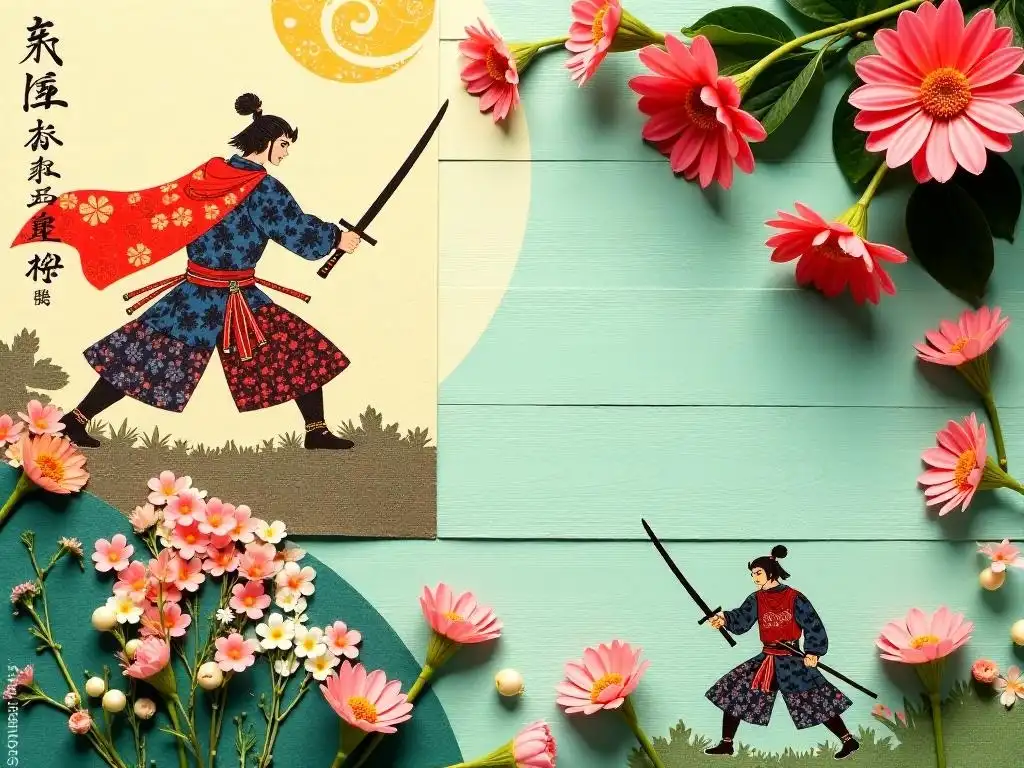
In feudal Japan, colors were not merely aesthetic choices; they carried deep meanings and symbolisms that influenced art, clothing, and crafts. The vibrant palette found in traditional artworks reflects the cultural, spiritual, and societal values of the time. Each color was associated with specific emotions, elements, and even social status. Understanding the symbolism of colors in Japan during this period provides insight into the mindset and beliefs of the people, as well as the artistic expressions that emerged from these ideologies.
Red: Power, Protection, and Passion
Red is one of the most significant colors in feudal Japanese art, symbolizing power, protection, and passion. It is often associated with life and vitality, making it a prevalent choice in celebratory contexts. For instance, the use of red in traditional wedding attire signifies joy and happiness, while red banners and flags were commonly used in battle to invoke courage and strength.
In Buddhist iconography, red represents the protection offered by deities, and it is frequently seen in temple decorations and rituals. The powerful connotations of red make it a dynamic element in art, infusing pieces with energy and urgency.
Blue: Tranquility and Depth
Blue, often representing tranquility and depth, holds a unique place in feudal Japanese culture. It is associated with the sky and sea, symbolizing calmness and stability. In paintings and textiles, blue hues create a sense of serenity, making them ideal for landscapes and serene scenes.
The indigo dyeing technique, known as aizome, was widely used in textiles, promoting both beauty and durability. Additionally, blue can connote loyalty and trust, which were essential values in a society that emphasized relationships and social hierarchies. The calming effects of blue in art reflect a harmonious balance within the often turbulent world of feudal Japan.
Yellow: Purity and Wealth
Yellow in feudal Japanese art symbolizes purity and wealth. This color was often associated with the sun and its life-giving properties, signifying brightness and happiness. In the context of art, yellow was commonly used to depict luxury and opulence, particularly in the attire of nobility and in decorative elements of samurai armor. The color’s association with gold further enhances its representation of wealth and status. Yellow is also linked to spiritual enlightenment, making it a multifaceted symbol in religious contexts. Through its application in art and crafts, yellow evokes a sense of richness, both materially and spiritually.
Black: Elegance and Mystery
Black is a color that conveys elegance and mystery in feudal Japanese art. It is often utilized to create contrast and depth, providing a backdrop for other colors to shine. In clothing, black was worn by the samurai class, symbolizing power and authority. In art, black lacquerware exemplifies sophistication, showcasing intricate designs and craftsmanship. However, black also carries a dual nature, as it can represent the unknown or the spiritual realm, often appearing in religious themes and symbolism. This complexity makes black a profound color in the cultural narrative of feudal Japan, inviting viewers to explore its deeper meanings.
White: Purity and Simplicity
White symbolizes purity and simplicity in feudal Japanese culture, often associated with cleanliness and new beginnings. In traditional ceremonies, such as weddings and funerals, white garments are worn to signify a fresh start or a return to purity. This color is also linked to the concept of wabi-sabi, which embraces the beauty found in simplicity and imperfection. In art, white space is used strategically to create balance and contrast, allowing other colors to stand out. The prevalence of white in both spiritual and everyday contexts underscores its importance as a symbol of clarity and tranquility in feudal Japanese life.
The Application of Color Symbolism in Crafts
The symbolism of colors in feudal Japan extends beyond visual art into various crafts, where skilled artisans employed specific hues to convey deeper meanings. Each craft has its unique traditions and techniques, integrating color symbolism in ways that reflect cultural values and societal norms. This application of colors in crafts not only enhances their aesthetic appeal but also imbues them with significant cultural narratives.
Traditional Textiles and Dyeing Techniques
In traditional textiles, the symbolism of colors is profoundly expressed through dyeing techniques. Craftsmen employed methods such as shibori (tie-dye) and aizome (indigo dyeing) to create intricate patterns that held meaning. For example, indigo was prized not only for its beautiful hue but also for its antibacterial properties, making it practical as well as symbolic.
The use of colors in textiles often reflected social status, with certain dyes reserved for the elite. Patterns and colors in kimono fabrics were chosen carefully to convey messages about the wearer’s identity, mood, and social standing, showcasing the intricate relationship between color and culture in Japanese textiles.
Ceramics and Pottery: Color Choices and Meanings
Ceramics and pottery in feudal Japan often featured a rich array of colors, each chosen for its significance. For instance, the famous Imari porcelain exhibits vibrant colors like cobalt blue and rich reds, symbolizing prosperity and good fortune. The glazing techniques used in pottery not only enhanced the visual appeal but also served as a medium for conveying cultural narratives through color.
Artisans often incorporated motifs that resonated with seasonal themes or auspicious symbols, linking the pottery to the natural world and cultural beliefs. The color choices in ceramics reflect the deep-rooted traditions and aesthetic sensibilities of feudal Japanese society.
Woodwork and Lacquerware: Crafting with Colors
In woodwork and lacquerware, colors are meticulously applied to create stunning visual effects and convey meaning. The application of layers of lacquer results in a glossy finish that enhances the color's vibrancy. Traditional colors such as vermilion and gold are often used to symbolize wealth and elegance.
The intricate designs carved into the wood frequently reflect themes from nature, mythology, or social status, with colors chosen to represent specific narratives. This careful craftsmanship highlights the importance of color in communicating cultural values and enhancing the aesthetic experience of these objects, making them not just items of utility but also works of art.
Modern Interpretations of Color Symbolism in Japanese Art
The symbolism of colors in Japanese art is not only rooted in the feudal era but has evolved significantly over time. In modern interpretations, artists and craftsmen often revisit traditional color meanings while incorporating contemporary themes and techniques. For instance, the color red, historically associated with protection and strength, continues to be prevalent in modern works, symbolizing both vitality and passion. Artists like Takashi Murakami blend traditional color symbolism with pop culture elements, creating pieces that resonate with both historical significance and modern aesthetics.
Moreover, the integration of technology in art has led to new interpretations of color symbolism. Digital artists are experimenting with vibrant hues and unconventional palettes, often drawing inspiration from traditional Japanese colors such as aizome (indigo dye) and sakura (cherry blossom pink), but presenting them in a way that speaks to contemporary audiences. This fusion of old and new allows for a dynamic understanding of colors, maintaining their cultural significance while appealing to a globalized society.
Continued Relevance in Contemporary Practices
Despite the passage of time, the traditional meanings associated with colors in Japan remain influential in contemporary practices. Designers in fashion, interior design, and graphic arts often draw upon these deep-rooted color associations to evoke specific emotions or convey messages. For instance, the use of green, which represents nature and tranquility, is commonly seen in modern Japanese architecture and landscape design, promoting harmony and balance.
Additionally, events such as seasonal festivals and cultural ceremonies continue to reflect color symbolism. The vibrant displays of colors during Hanami (cherry blossom viewing) or Tanabata (the Star Festival) highlight the importance of nature and the transient beauty of life, echoing the historical significance of these colors. This ongoing relevance underscores how the symbolism of colors in Japan is not just a relic of the past but a living tradition that adapts to modern contexts while retaining its essence.
Global Influence: Japanese Colors in International Art
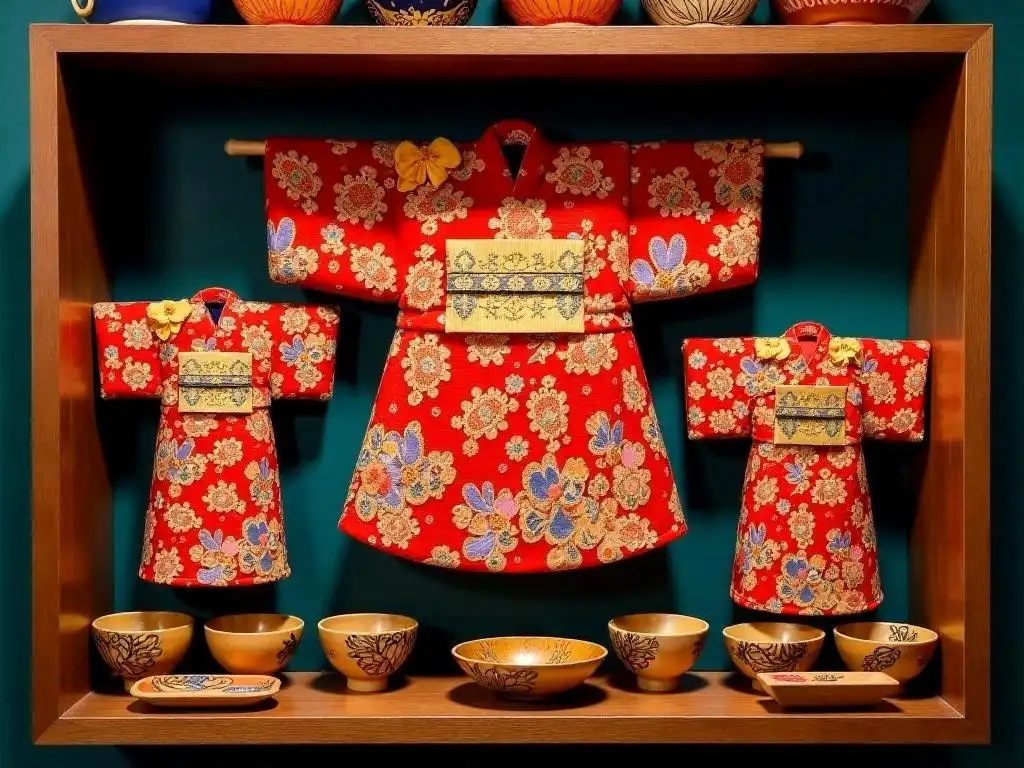
The impact of Japanese color symbolism extends beyond its borders, influencing international art movements and practices. Artists worldwide have embraced the aesthetic qualities and meanings of Japanese colors, integrating them into their work. For example, the minimalist approach seen in Japanese art has inspired Western artists to explore simplicity and the emotional resonance of color in their own creations.
Moreover, color symbolism in Japanese art has played a significant role in the development of movements like Impressionism and Abstract Expressionism. Artists such as Claude Monet and Mark Rothko have drawn from the emotional depth and harmony found in Japanese color palettes, leading to a richer understanding of color use in their works. Exhibitions showcasing Japanese art have also contributed to this global dialogue, allowing audiences to appreciate the intricate meanings behind colors and their applications in various cultural contexts.
Conclusion: The Enduring Legacy of Color Symbolism in Japan
The symbolism of colors in Japan serves as a bridge connecting the past and the present, illustrating the enduring legacy of this cultural element. From the vibrant hues of samurai armor to the delicate pastels of ukiyo-e prints, colors in Japanese art convey complex narratives and emotions that continue to be relevant today. This rich tradition not only informs modern artistic practices but also resonates with global audiences, demonstrating the universal appeal of color symbolism.
As Japan continues to navigate its cultural identity in a rapidly changing world, the significance of colors remains a powerful tool for expression and communication. The ongoing exploration of color symbolism in both traditional and contemporary contexts affirms its place as a vital aspect of Japan's cultural history, ensuring that the meanings behind these colors will endure for generations to come.
Further Reading and Resources on Color Symbolism in Japan
Exploring the symbolism of colors in Japan offers a rich avenue for understanding the cultural and historical context of various artworks and crafts. Here are some recommended readings and resources that delve deeper into the fascinating world of color symbolism in Japan:
-
Books:
-
"Color and Meaning: Art, Science, and Symbolism" by John Gage
This book provides a comprehensive overview of how color is perceived and used across different cultures, including Japan. It discusses the psychological impact of colors and their symbolic meanings in various art forms.
-
"Japanese Color Harmony" by Yoko Kawai
Focused specifically on Japanese aesthetics, this book explores traditional color palettes used in Japanese art and crafts, highlighting the meanings attributed to each color and their historical significance.
-
-
Academic Journals:
-
“The Journal of Japanese Studies”
This academic journal often features articles on various aspects of Japanese culture, including studies on color symbolism in art. Searching back issues may yield valuable insights and analyses.
-
“Asian Art”
This journal covers a wide range of topics related to Asian art and culture. Many articles address the significance of color in different artistic movements, including those prevalent during the feudal era in Japan.
-
-
Online Resources:
-
The Japan Foundation
Their website contains numerous resources and publications that explore Japanese culture, including color symbolism. They often feature articles written by experts in the field.
-
The Metropolitan Museum of Art - Heilbrunn Timeline of Art History
This resource provides essays and images related to specific artworks, often discussing the use of color within the context of Japanese art history.
-
-
Museums and Exhibitions:
-
The National Museum of Modern Art, Tokyo
This museum hosts exhibitions that frequently explore themes of color in contemporary and historical Japanese art. Visiting their exhibitions can provide direct insight into how color has been utilized across time.
-
The Kyoto National Museum
Known for its extensive collection of traditional Japanese art, the museum often highlights the use of color in its displays, offering educational programs that discuss the symbolic meanings of various hues.
-
-
Documentaries and Lectures:
-
“The Colors of Japan” – Documentary Series
This series showcases how colors are integral to Japanese art and culture, featuring interviews with artists and scholars who provide context and analysis of color symbolism.
-
Online Lectures from Universities
Many universities offer free online lectures on Japanese art and culture which may include discussions on color symbolism, perfect for those looking to expand their knowledge on the topic.
-
By engaging with these resources, enthusiasts and scholars alike can gain a deeper understanding of the intricate symbolism of colors in Japan's rich artistic heritage.
- Introduction to the Symbolism of Colors in Japan
- Historical Context of Color Usage in Feudal Japan
- The Influence of Buddhism on Color Symbolism
- Shinto Beliefs and Color Interpretation
- Major Colors and Their Symbolism in Feudal Japanese Art
- The Application of Color Symbolism in Crafts
- Modern Interpretations of Color Symbolism in Japanese Art
- Continued Relevance in Contemporary Practices
- Global Influence: Japanese Colors in International Art
- Conclusion: The Enduring Legacy of Color Symbolism in Japan
- Further Reading and Resources on Color Symbolism in Japan
- What is the significance of color symbolism in feudal Japan?
- How did colors reflect social hierarchy in feudal Japan?
- What are some examples of colors and their meanings in Japanese art?
- How did the natural environment influence color choices in feudal Japan?
- Are there any traditional crafts that highlight the symbolism of colors?
Frequently Asked Questions
What is the significance of color symbolism in feudal Japan?
The symbolism of colors in feudal Japan played a crucial role in conveying cultural meanings and social status, influencing everything from art to clothing.
Colors such as purple and gold were often reserved for the nobility, while commoners utilized more subdued colors, reflecting their social standing and prestige.
What are some examples of colors and their meanings in Japanese art?
In feudal Japanese art, red often symbolized joy and happiness, while black could represent elegance or mystery, showcasing the rich cultural significance of colors.
How did the natural environment influence color choices in feudal Japan?
The natural environment provided a palette of colors, with elements like blue representing water and green reflecting nature, which artists incorporated into their crafts and artworks.
Are there any traditional crafts that highlight the symbolism of colors?
Yes, traditional crafts such as kimono dyeing and ceramics often utilize specific colors to convey symbolic meanings, merging aesthetic beauty with cultural significance.
Final Reflection: The Enduring Legacy of Color Symbolism in Japan
The exploration of color symbolism in feudal Japanese art and crafts remains profoundly relevant today, as it reveals the intricate relationship between culture and perception. In a world increasingly driven by visual communication, understanding how colors convey meaning can deepen our appreciation for both historical and contemporary art forms. The significance of colors, from the serene blues of the ocean to the vibrant reds of celebration, continues to resonate, reminding us that every hue carries a story waiting to be told.
The impact of color symbolism extends beyond mere aesthetics; it shapes cultural identity and influences social dynamics. As we navigate through modern life, the lessons from feudal Japan remind us of the power that colors hold in expressing emotions and values. Colors are the smiles of nature,
said Leigh Hunt, and this sentiment echoes the essence of how colors in Japanese art not only beautify but also communicate the spirit of a society. The careful selection of colors in traditional crafts reflects a deep understanding of human experience, inviting us to engage with our surroundings on a more profound level.
As you reflect on the symbolism of colors in Japan, consider how these lessons can be applied in your own life. Embrace the colors that resonate with you, and allow them to guide your emotions and decisions. Whether through art, fashion, or personal expression, let the rich tapestry of color inspire you to create a narrative that is uniquely yours. In doing so, you honor the legacy of those who came before us, weaving their wisdom into the fabric of your own journey.
Thank you for exploring the fascinating world of feudal Japanese art and crafts with us! You've uncovered the rich symbolism that colors held in this unique culture, enhancing your understanding of historical narratives through visual elements. Now, let’s take that knowledge further and celebrate these vibrant traditions!
Here’s how you can engage more deeply with this captivating topic:
- Dive Deeper: Research the significance of a specific color in feudal Japan. What stories or emotions did it convey? Share your findings in our community forum!
- Create Your Art: Experiment with colors inspired by traditional Japanese aesthetics. Craft your own artwork and showcase your interpretation of these age-old symbols!
- Spread the Knowledge: Share this article with friends or on social media. Help others discover the beauty and meaning behind these colorful expressions.
What color resonates most with your personality, and how might you interpret its symbolism through art? Let's discuss!