
The Role of Folktales in Shaping Japanese Artistic Traditions

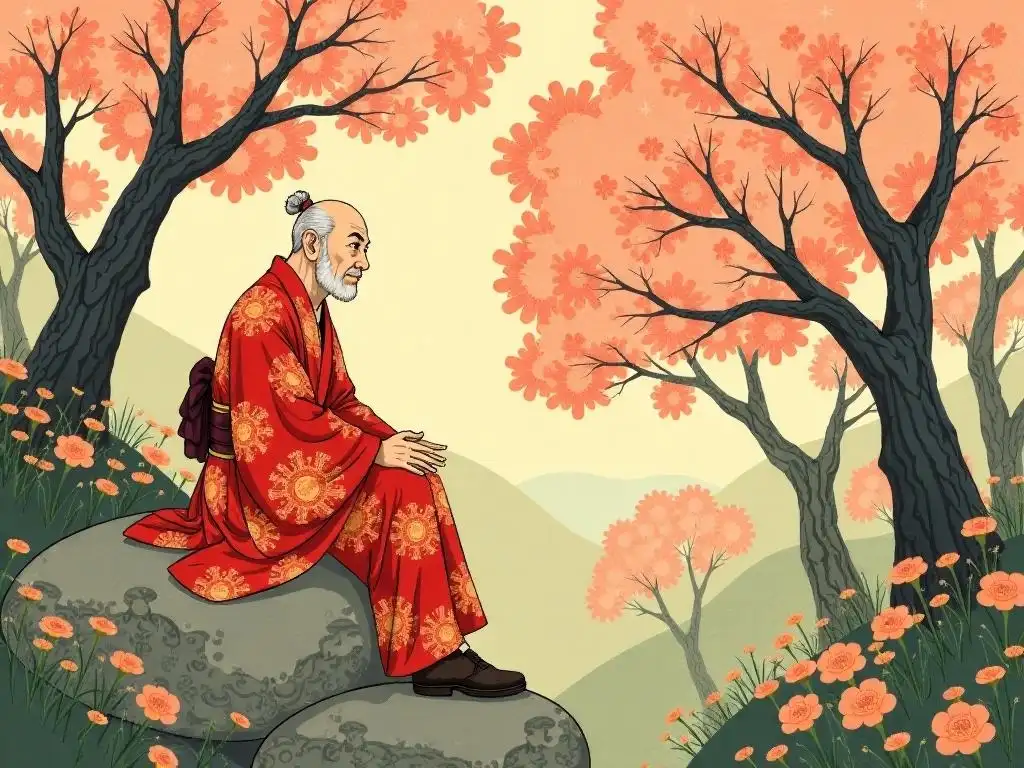
Welcome to Feudal Japan History, where we embark on a captivating journey through the intricate tapestry of Japan's feudal era. Here, we delve deep into the rich cultural history that has shaped the nation's identity, offering you expert-driven insights and in-depth articles. In our featured piece, "The Role of Folktales in Shaping Japanese Artistic Traditions," we invite you to explore how Japanese folktales and art intertwine, revealing the profound influence of storytelling on artistic expression. Prepare to uncover the enchanting narratives and vibrant artistry that have defined an era—your adventure into the heart of feudal Japan starts here!
Introduction to Japanese Folktales and Art
Japanese folktales hold a pivotal role in the cultural tapestry of Japan, weaving together narratives that have transcended generations and shaped various artistic expressions. These stories, rich with symbolism and moral lessons, offer insights into the values, beliefs, and daily lives of the Japanese people, particularly during the feudal era.
As we delve into the intricate relationship between Japanese folktales and art, we uncover a world where storytelling and creativity converge, influencing everything from traditional paintings and ceramics to theater and literature. This exploration not only highlights the artistic legacy of Japan but also emphasizes the profound impact of folklore on societal norms and collective identity.
Understanding the significance of Japanese folktales
At the heart of Japanese culture, folktales serve as a mirror reflecting the ethos of society. They often encapsulate themes of good versus evil, the importance of community, and the interplay between humans and nature. These narratives are not merely entertainment; they are educational tools that impart wisdom and ethical values. For instance, tales like "Momotaro" and "The Tale of the Bamboo Cutter" illuminate virtues such as bravery, kindness, and perseverance, thus shaping the moral compass of their audiences.
Moreover, the significance of these folktales extends beyond their narrative content. They have been instrumental in preserving the Japanese language and dialects, fostering a sense of unity among diverse regions. The oral tradition of storytelling has allowed these tales to evolve, adapting to changing societal contexts while retaining their core messages.
Overview of the connection between folktales and art in Japan
The connection between Japanese folktales and art is profoundly intertwined, with each influencing the other throughout history. Artistic interpretations of these tales can be found in various forms, such as ukiyo-e woodblock prints, Noh and Kabuki theater, and even contemporary visual arts. Artists have drawn inspiration from the rich imagery and characters within folktales, translating them into visual representations that resonate with audiences.
For example, the vibrant illustrations in woodblock prints often depict scenes from well-known folktales, bringing to life the fantastical elements and cultural narratives embedded in these stories. Similarly, traditional performances like Noh and Kabuki dramatize folktales, allowing audiences to experience the narratives through movement, music, and elaborate costumes. This dynamic interplay not only enriches the artistic landscape of Japan but also ensures that these folktales remain relevant and cherished across generations.
Historical Context of Japanese Folktales
Origins of Japanese folktales in feudal society
The origins of Japanese folktales can be traced back to the feudal period, a time characterized by social stratification, power struggles, and a rich tapestry of cultural exchange. During this era, stories were often shared among the common people, passed down through oral traditions in villages and communities. These tales reflected the realities of feudal life, capturing the essence of the samurai ethos, agrarian lifestyles, and the spiritual beliefs prevalent in society.
Folktales often served as a means of social commentary, subtly addressing societal issues such as class disparity, honor, and the relationship between humans and the divine. They provided a voice for the marginalized, allowing them to navigate their circumstances through allegorical narratives. This historical backdrop is crucial for understanding how these folktales evolved and adapted over time, influencing not only art but also the broader cultural landscape of Japan.
Influence of oral traditions on storytelling and art forms
Oral traditions played a significant role in the development of Japanese folktales, shaping both their content and the methods of artistic expression. Storytellers, known as "rakugoka," would engage audiences with their performances, using voice modulation, facial expressions, and minimal props to convey complex narratives. This emphasis on oral storytelling not only preserved the tales but also inspired various art forms that sought to capture the essence of these performances.
As these narratives transitioned from spoken word to visual representation, artists began to experiment with different mediums to express the themes and characters of the folktales. This led to the emergence of various artistic styles, including paintings, ceramics, and textiles, all of which drew inspiration from the rich imagery and moral lessons found in the stories. The interplay between oral traditions and visual arts created a unique cultural synergy that continues to influence Japanese art to this day.
Key Themes in Japanese Folktales
Japanese folktales are rich in themes that reflect the values, beliefs, and historical contexts of their time. These narratives often encapsulate the essence of Japanese culture, showcasing the interplay between humanity and nature, the supernatural, and societal norms. Central themes include:
- Nature and Harmony: Many folktales emphasize the importance of living in harmony with nature, portraying characters who either respect or disregard the natural world. This theme highlights the Shinto belief in the sacredness of nature and the spirits (kami) that inhabit it.
- Good vs. Evil: This classic dichotomy is prevalent in numerous tales, where protagonists often face moral dilemmas or confront malevolent forces. The resolution of these conflicts typically reinforces the idea that virtue will ultimately triumph, reflecting cultural ideals of justice and righteousness.
- Transformation and Identity: Tales often explore themes of transformation, whether through magical means or personal growth. Characters may undergo physical changes or evolve emotionally, embodying the belief in the fluidity of identity and the potential for redemption.
Common motifs and symbols in Japanese folktales
Japanese folktales are characterized by recurring motifs and symbols that convey deeper meanings. Some notable examples include:
- Animals as Characters: Animals often serve as protagonists or antagonists, embodying traits that reflect human characteristics. For instance, the fox (kitsune) may represent cunning and trickery, while the crane symbolizes grace and longevity.
- Magical Objects: Items such as enchanted swords, magical scrolls, or talismans frequently appear, symbolizing power, protection, or transformation. These objects often play crucial roles in the narrative, guiding characters on their journeys.
- Journey and Quest: Many folktales revolve around a hero's journey, representing personal growth and self-discovery. This motif often includes challenges that test the hero's resolve, moral fiber, and connection to their cultural roots.
Exploration of moral lessons and cultural values reflected in folktales
At their core, Japanese folktales impart moral lessons and cultural values that resonate through generations. These stories often serve as cautionary tales, teaching important life lessons about:
- Respect for Elders and Authority: Many folktales illustrate the significance of respecting one's elders and the wisdom they impart. Disregarding this value often leads to dire consequences for the characters involved.
- Importance of Community: The theme of community and collective responsibility is prevalent, showcasing how individuals must work together for the greater good. This reflects the communal nature of Japanese society and the value placed on harmony.
- Reverence for the Supernatural: Folktales frequently explore the relationship between humans and the supernatural, emphasizing the need for respect and humility in the face of powerful forces beyond human understanding.
The Impact of Folktales on Japanese Art Forms
Folktales have significantly influenced various Japanese art forms, infusing them with narrative depth and cultural significance. Artists have drawn inspiration from these stories, weaving them into their creations across different mediums.
Traditional Japanese painting and its narrative elements
Traditional Japanese painting often incorporates elements from folktales, creating rich visual narratives that convey the essence of these stories. Artists utilize:
- Symbolic Representation: Many paintings feature motifs derived from folktales, such as animals, mythical creatures, or scenes of transformation. These symbols enhance the storytelling aspect of the artwork and invite viewers to explore the underlying messages.
- Composition and Flow: The arrangement of figures and landscapes in traditional paintings often reflects the narrative progression found in folktales. Artists carefully structure their compositions to guide the viewer's eye and convey a sense of movement, mirroring the unfolding of a story.
- Color and Emotion: The use of color in traditional Japanese paintings often conveys emotional depth, aligning with the moods depicted in folktales. Bright hues may signify joy and celebration, while muted tones can evoke melancholy or reflection.
The role of folktales in Ukiyo-e woodblock prints
Ukiyo-e, a genre of woodblock prints that flourished during the Edo period, is deeply intertwined with Japanese folktales. These prints often depict scenes from popular stories, illustrating:
- Vivid Storytelling: Ukiyo-e artists captured the essence of folktales through dynamic compositions and expressive characters, making stories accessible to a broader audience. This democratization of art allowed common people to engage with cultural narratives.
- Character Portrayal: Prominent figures from folktales, such as heroes, deities, and supernatural beings, are frequently depicted in Ukiyo-e. These prints not only celebrate the stories themselves but also contribute to the cultural mythology surrounding these characters.
- Cultural Reflection: The themes and motifs found in Ukiyo-e often mirror societal values and concerns of the time, establishing a dialogue between art, culture, and folklore that resonates throughout Japanese history.
Influence of folktales on Japanese theater (Noh and Kabuki)
Japanese theater, particularly Noh and Kabuki, has been profoundly influenced by folktales, integrating their narratives into performance art. This intersection of storytelling and performance highlights:
- Character Development: Folktales provide rich character backgrounds that enhance the depth of Noh and Kabuki performances. Actors draw upon the moral complexities and emotional arcs present in these stories, creating compelling portrayals that resonate with audiences.
- Thematic Exploration: Both theater forms explore themes found in folktales, such as love, betrayal, and the supernatural. The dramatization of these narratives allows for a nuanced examination of cultural values and human experience.
- Visual and Aesthetic Elements: The elaborate costumes and staging in Noh and Kabuki often reflect the visual style of traditional Japanese art, including motifs and symbols derived from folktales. This synthesis of visual and narrative elements creates a holistic artistic experience that celebrates Japan's rich cultural heritage.
Artistic Expression and Cultural Identity
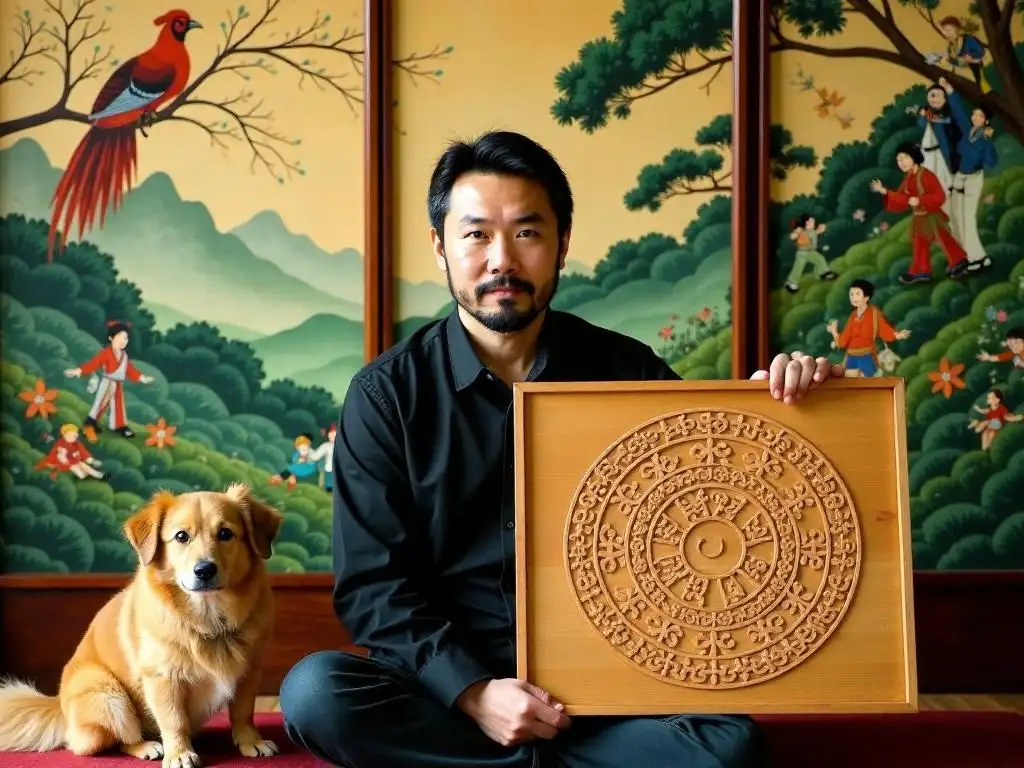
Japanese folktales are an integral part of the nation's artistic heritage, acting as a bridge between the past and present. These narratives encapsulate the values, beliefs, and historical experiences of the Japanese people, serving not only as moral lessons but also as sources of inspiration for countless artists throughout history. The rich tapestry of folktales reflects the diverse cultural influences that have shaped Japan, including Shintoism, Buddhism, and local customs, which in turn has led to varied artistic expressions.
Art forms such as painting, sculpture, theater, and literature have drawn heavily from these narratives, illustrating the deep connection between storytelling and artistic identity. From traditional ukiyo-e woodblock prints to contemporary installations, the themes and characters of folktales continue to resonate in modern Japanese art, reinforcing a sense of cultural continuity. This symbiotic relationship highlights how folktales have shaped not only individual artworks but also broader cultural identities, making them a crucial element in understanding Japan's artistic landscape.
How Japanese folktales contribute to national identity in art
Japanese folktales contribute significantly to the national identity represented in art by encapsulating universal themes such as love, loyalty, courage, and the supernatural, which are central to the Japanese ethos. Artists often draw upon these narratives to evoke feelings of nostalgia, pride, and connection to the collective past. For instance, the story of Momotaro, the Peach Boy, symbolizes bravery and the triumph of good over evil, serving as a metaphor for Japan’s resilience and unity, especially during challenging historical periods.
In various art forms, from literature to visual arts, these folktales are reinterpreted to resonate with contemporary issues while maintaining their traditional essence. This adaptability allows the folktales to remain relevant and vital in the ongoing discourse surrounding Japanese culture and identity. Moreover, exhibitions and public art installations often feature themes from these stories, fostering a shared cultural narrative that reinforces national pride and a sense of belonging among the Japanese people.
The role of folklore in regional artistic variations across Japan
Japan's diverse geography has led to a rich variety of regional folktales, which in turn influence local artistic expressions. Each region boasts unique narratives that reflect specific historical events, natural surroundings, and social customs. For example, the Tohoku region is known for its tales related to nature and the supernatural, often depicted through traditional crafts such as textiles and ceramics. In contrast, the stories from the Kansai region, particularly those from Kyoto, often center around courtly life and historical figures, influencing fine arts and classical theater.
These regional variations are crucial in understanding the local identity and artistic practices, as they shape not only the themes and motifs in artwork but also the techniques and materials used by artists. The result is a vibrant tapestry of art that celebrates both the uniqueness of each region and the shared cultural heritage of Japan as a whole. By examining these regional differences, one can gain deeper insight into how folklore serves as a foundation for artistic diversity within the country.
Case Studies: Notable Works Inspired by Japanese Folktales
Analysis of "The Tale of the Bamboo Cutter" in contemporary art
"The Tale of the Bamboo Cutter," one of Japan's oldest and most beloved folktales, has inspired numerous contemporary artists, transcending its origins to explore themes of identity, femininity, and nature. The story of Kaguya-hime, the celestial princess discovered in a bamboo stalk, has been reinterpreted in various mediums, including film, painting, and digital art.
In contemporary interpretations, artists often focus on Kaguya-hime's struggle between her ethereal origins and earthly existence, reflecting broader themes of societal expectations and individual desires. For example, modern illustrations may emphasize her connection to nature, using vibrant colors and organic forms that evoke the bamboo forests of the tale. Additionally, multimedia installations might explore the dichotomy of beauty and sorrow inherent in her story, inviting viewers to engage with the narrative on a personal level. This ongoing artistic engagement demonstrates how traditional folktales can evolve while retaining their cultural significance.
Examination of Katsushika Hokusai's "The Dream of the Fisherman's Wife" and its connection to Japanese folktales
Katsushika Hokusai's renowned woodblock print "The Dream of the Fisherman's Wife" exemplifies the fusion of folklore and art, drawing inspiration from the mythic tales of the sea and supernatural beings. The print depicts a woman in an intimate encounter with a large octopus, which can be interpreted as a representation of the union between humanity and the natural world.
This artwork connects to various folktales that feature sea creatures and spirits, reflecting the cultural fascination with the ocean and its mysteries. Hokusai's ability to blend eroticism with mythical elements not only highlights the sensuality often found in Japanese folklore but also showcases the intricate relationship between nature, desire, and the human experience.
The piece serves as a testament to how folktales have informed artistic expression, allowing artists to explore complex themes and emotions while remaining rooted in cultural narratives. Through such works, Hokusai has contributed to the ongoing dialogue about the role of folklore in shaping Japanese artistic traditions.
Contemporary Interpretations of Japanese Folktales in Art
Japanese folktales have long served as a rich source of inspiration for artists, but in recent years, a wave of contemporary reinterpretations has emerged, breathing new life into these traditional narratives. Artists are not only reimagining the stories themselves but also exploring their themes and characters through various mediums, resulting in a fusion of old and new that reflects the complexities of modern Japanese society.
The resurgence of interest in Japanese folktales in art can be seen in various exhibitions, installations, and performances across the nation. This trend reflects a broader cultural movement that seeks to reconnect with Japan's historical roots while addressing contemporary issues. As artists delve into the folklore of their heritage, they bring forward unique perspectives that resonate with audiences today, making ancient tales relevant in a rapidly changing world.
Modern artists reinterpreting traditional folktales, such as Takashi Murakami
One prominent figure in this movement is Takashi Murakami, known for his vibrant, pop-art style that often incorporates elements of traditional Japanese art and folklore. Murakami draws upon the rich tapestry of Japanese mythology, combining it with contemporary themes and aesthetics. His works, which often feature characters reminiscent of traditional folktale figures like Yokai (supernatural creatures), are a testament to how these stories can be recontextualized within modern art.
Murakami's pieces not only reflect the narratives of Japanese folktales but also engage with global pop culture, creating a dialogue between the past and present. For example, his iconic "Superflat" theory highlights the two-dimensionality of both traditional art and modern media, merging these influences to create a distinctive artistic voice that speaks to a diverse audience. By reinterpreting folktales, Murakami and other contemporary artists help preserve these stories while making them accessible and appealing to younger generations.
The resurgence of interest in folktales in contemporary Japanese art through exhibitions and installations
Beyond individual artists, there has been a notable resurgence of interest in Japanese folktales through various exhibitions and installations. Galleries and museums increasingly curate shows that celebrate the intersection of folklore and contemporary art, inviting artists to reinterpret traditional narratives and explore their significance in today's context.
For instance, exhibitions like "Yokai Encounter: The Japanese Monster Show" have showcased the fascinating world of Yokai in contemporary art, featuring works from both established and emerging artists. These exhibitions not only highlight the artistic interpretations of folktales but also engage the audience in discussions about the relevance of these stories in modern society.
Furthermore, installations that incorporate interactive elements allow viewers to immerse themselves in the narratives, creating a dynamic experience that fosters a deeper understanding of the cultural significance of Japanese folktales. This revival of folklore in contemporary art serves as a reminder of the enduring power of these stories to inspire creativity and reflection.
Conclusion
Summary of the relationship between Japanese folktales and art
Japanese folktales and art have a deeply intertwined relationship that has evolved over centuries. From ancient woodblock prints to modern installations, these narratives have inspired countless artists to explore themes of identity, morality, and the supernatural. The reinterpretation of folktales in contemporary art not only honors the traditions of the past but also addresses the complexities of modern life, creating a bridge between generations.
Final thoughts on the enduring influence of folklore in Japanese artistic traditions
The enduring influence of folklore in Japanese artistic traditions is a testament to the cultural resonance of these stories. As contemporary artists continue to draw inspiration from folktales, they ensure that these narratives remain alive and relevant, fostering a deeper appreciation for Japan's rich cultural heritage. The dialogue between tradition and modernity enriches the artistic landscape, making Japanese folktales a vital component of the country's ongoing narrative in the world of art. This dynamic interplay not only preserves the past but also invites innovation and interpretation, ensuring that folklore will continue to inspire future generations of artists.
- Introduction to Japanese Folktales and Art
- Historical Context of Japanese Folktales
- Key Themes in Japanese Folktales
- The Impact of Folktales on Japanese Art Forms
- Artistic Expression and Cultural Identity
- Case Studies: Notable Works Inspired by Japanese Folktales
- Contemporary Interpretations of Japanese Folktales in Art
- Conclusion
Frequently Asked Questions
What are Japanese folktales?
Japanese folktales are traditional stories that reflect the culture, values, and beliefs of Japan. They often feature mythical creatures, heroes, and moral lessons, serving as a means of cultural transmission.
How do folktales influence Japanese art?
Folktales significantly influence Japanese art by providing inspiration for various forms, including paintings, ceramics, and theater. Artists often draw from these stories to depict characters and themes, enriching the cultural landscape.
What is the significance of artistic traditions in Japan?
Artistic traditions in Japan hold great significance as they embody the historical, cultural, and spiritual aspects of the society. They serve as a visual representation of Japanese identity and heritage.
Can you give examples of art forms influenced by folktales?
Yes, art forms such as woodblock prints, Noh theater, and ceramic art have been heavily influenced by Japanese folktales. These mediums often utilize narrative elements from tales to convey deeper meanings and cultural insights.
Why are folktales important for understanding Japanese culture?
Folktales are vital for understanding Japanese culture as they encapsulate the values, beliefs, and historical experiences of the people. They provide context to artistic expressions and help preserve the cultural heritage for future generations.
Final Reflection: The Enduring Legacy of Japanese Folktales in Art
The intricate relationship between Japanese folktales and art remains profoundly relevant today, as these narratives continue to inspire contemporary creators and resonate with audiences across the globe. In a world increasingly driven by technology and rapid change, the timeless themes and moral lessons embedded in these folktales serve as a reminder of our shared humanity and cultural heritage. The power of storytelling transcends generations, and the artistic expressions derived from these tales not only preserve history but also breathe new life into age-old traditions.
The influence of Japanese folktales on the artistic landscape is undeniable, shaping not only visual arts but also literature, theater, and performance. These stories weave a rich tapestry of cultural identity, reflecting the values, fears, and aspirations of the Japanese people. As artist Takashi Murakami once said, Art is a reflection of society, and in Japan, our folktales are the mirror that reveals our soul.
This ongoing dialogue between folklore and artistic expression highlights the importance of preserving these narratives, as they continue to inform and inspire new generations of artists and storytellers.
As we contemplate the lessons embedded in these folktales, I invite you to reflect on your own relationship with storytelling and art. Consider how these narratives can enrich your understanding of culture and identity, and how you might incorporate their wisdom into your own creative endeavors. Let us celebrate the beauty of Japanese folktales and their profound impact on art, encouraging ourselves to explore, share, and create stories that honor our diverse heritages and inspire future generations.
Unveil the Stories Behind the Art!
Thank you for diving into the rich world of Japanese folktales and their impact on artistic traditions. You’ve uncovered valuable insights into how these narratives shape culture and inspire creativity. Now, it’s time to take that inspiration and put it into action!
Here’s what you can do next:
- Explore a Folktale: Choose a Japanese folktale that resonates with you and create a piece of art inspired by its themes. Whether through painting, writing, or crafting, let the story guide your creative process!
- Share Your Experience: Join our community by sharing your artwork or reflections on social media using the hashtag #FeudalJapanArt. Connect with others who appreciate these timeless tales!
- Discover More: Visit our website for additional articles and resources that delve into Japanese folklore and its influence on various art forms.
Which folktale will you bring to life through your art, and what personal significance does it hold for you? We invite you to share your thoughts below!