
The Craft of Tsukuri: The Art of Crafting Japanese Swords

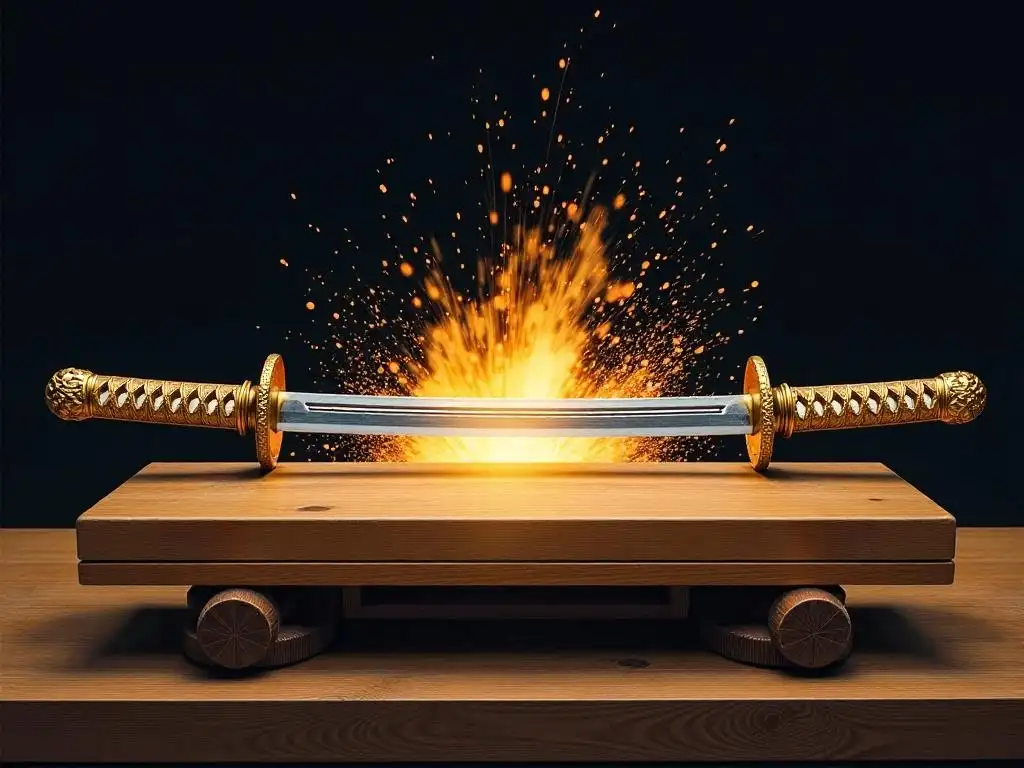
Welcome to Feudal Japan History, where we invite you to embark on a fascinating journey through the captivating tales of Japan's feudal era. Here, you’ll uncover the rich tapestry of historical, cultural, and societal aspects that shaped a unique epoch. In our featured article, “The Craft of Tsukuri: The Art of Crafting Japanese Swords,” we delve into the intricate Japanese sword crafting techniques that have stood the test of time.
Prepare to be enthralled as we reveal the secrets behind this revered art form, sparking your curiosity and illuminating the profound significance of these legendary blades. Dive in, and let the exploration begin!
Japanese sword crafting, known as Tsukuri, is a revered art form that combines intricate techniques, historical significance, and cultural depth. This meticulous process not only produces weapons of exceptional quality but also embodies the spirit and philosophy of Japanese craftsmanship. The significance of Japanese sword crafting techniques extends far beyond mere functionality; it is a reflection of the values, aesthetics, and the martial heritage of feudal Japan. As we delve into this fascinating subject, we will explore the various crafting techniques, the historical context of these magnificent blades, and their profound impact on Japanese culture and society.
Introduction to Japanese Sword Crafting
The craft of Japanese sword making is a time-honored tradition that has evolved over centuries, resulting in some of the most iconic and respected weaponry in the world. The techniques involved in crafting these swords—primarily the katana, tanto, and wakizashi—are characterized by a unique blend of artistry and functionality. The crafting process typically involves several key steps, including:
- Tamahagane Production: The creation of high-quality steel through traditional smelting methods.
- Forging: Shaping the steel through a combination of heating and hammering, often involving folding techniques to enhance strength and flexibility.
- Shaping and Polishing: Carefully refining the blade’s geometry and surface finish to achieve both aesthetic beauty and sharpness.
Overview of Japanese Sword Crafting Techniques
Japanese sword crafting techniques are distinguished by their complexity and precision. Key aspects include:
- Folding: This technique involves folding the steel multiple times to eliminate impurities and create layers, resulting in a strong and resilient blade.
- Differential Hardening: By heating and cooling different sections of the blade differently, artisans create a hardened edge while maintaining a softer spine for flexibility.
- Yaki-ire: The quenching process that gives the blade its springiness and sharpness, crucial for the sword's performance.
These techniques, honed over generations, showcase the craftsmanship and skill that go into every Japanese sword, making each piece a unique work of art.
Historical Significance of Japanese Swords
The historical importance of Japanese swords cannot be overstated. They symbolize the warrior class and serve as a testament to the martial culture of feudal Japan. Swords were not merely weapons; they were seen as sacred objects imbued with spiritual significance. Throughout history, these blades have played pivotal roles in:
- Military Conflicts: Swords were essential for samurai during battles, shaping the outcome of many confrontations.
- Cultural Identity: They represented the ideals of honor, loyalty, and bravery, integral to samurai ethos.
As such, the crafting of these swords is intertwined with Japan's historical narrative, reflecting the socio-political landscape of the time.
The Cultural Importance of Japanese Swords in Feudal Japan
In feudal Japan, swords transcended their role as weapons; they became integral symbols of status and identity. They were often regarded as an extension of the samurai's spirit and a representation of their commitment to their code of conduct.
Symbolism of the Katana in Samurai Culture
The katana, in particular, holds a central place in samurai culture. Its design and craftsmanship reflect:
- Elegance and Power: The katana’s curved blade and intricate hilt design showcase the aesthetic beauty that complements its deadly efficiency.
- Spiritual Connection: Many samurai believed that their swords possessed spiritual energy, making the act of sword crafting a sacred ritual.
The katana not only served as a weapon but also as a symbol of the samurai's honor and a reflection of their identity.
The Role of Swords in Japanese Warfare and Society
Swords played a crucial role in shaping the social hierarchy and military strategies of feudal Japan. They influenced:
- Battle Tactics: The katana's design allowed for swift movements and effective combat techniques, which became essential in samurai warfare.
- Social Status: Ownership of swords was often regulated, and possessing a finely crafted blade was a mark of prestige among the samurai class.
As we continue to explore the intricate world of Japanese sword crafting, we will uncover more about the methods, significance, and enduring legacy of these remarkable weapons.
Traditional Japanese Sword Crafting Techniques
Japanese sword crafting techniques, known as tsukuri, are steeped in centuries of tradition and artistry. These techniques are characterized by a meticulous approach to both materials and methods, ensuring that each sword is not merely a weapon but also a work of art. The craftsmanship involves several stages, each demanding a high level of skill and attention to detail. Traditional techniques include the use of tamahagane, a high-quality steel made from iron sand, and the application of folding methods that enhance the blade's strength and flexibility.
The process is not just about the forging of a blade; it reflects a philosophical approach where the smiths, known as to-shin, imbue their work with a spiritual significance. The blending of craftsmanship and spirituality is pivotal, as many artisans believe that the spirit of the sword is a reflection of the smith's soul. Additionally, the use of kitae, or the layering of different types of steel, contributes to the blade's distinctive patterns and enhances its performance. These techniques have been passed down through generations, with each smith contributing their unique touch to the art.
Materials Used in Japanese Sword Crafting
The choice of materials is crucial in the crafting of Japanese swords, with each component playing a significant role in the final product. The primary material used is tamahagane, produced from iron sand in a traditional smelting furnace known as a tatara. This steel is renowned for its purity and ability to be folded multiple times to create layers, resulting in a strong and resilient blade.
Other materials include:
- Clay: Used to coat the blade during the quenching process, affecting the cooling rate and resulting in the characteristic hamon, or temper line.
- Wood: Essential for the hilt and scabbard, often crafted from hardwoods like magnolia for durability and beauty.
- Lacquer and Silk: Employed in the finishing touches of the sword’s handle and scabbard, adding aesthetic appeal and protection against the elements.
Each material is selected with care, ensuring that it not only meets functional requirements but also contributes to the sword's overall beauty and character.
The Process of Forging a Japanese Sword
The forging of a Japanese sword is a complex and labor-intensive process that can take weeks or even months to complete. It begins with the preparation of tamahagane, which is sorted into different grades based on carbon content. The smith then uses a tatara to smelt the iron sand, resulting in the high-quality steel essential for sword making.
Once the steel is ready, the smith begins the forging process by heating the steel and folding it to create layers. This folding technique not only enhances the blade's strength but also creates beautiful patterns that are visible on the surface. After the blade has been shaped, it undergoes quenching, where it is rapidly cooled to harden the steel. Following this, the blade is tempered to reduce brittleness and increase toughness.
Finally, the finishing touches are applied, including polishing the blade to an exquisite shine, which can reveal the intricate hamon and highlight the craftsmanship involved in its creation. This entire process encapsulates the essence of Japanese sword making, where each step is performed with precision and care.
The Tsukuri Process: Step-by-Step Guide to Crafting a Japanese Sword
Step 1: Selecting the Right Materials
The first step in crafting a Japanese sword is the careful selection of materials. The smith chooses tamahagane, focusing on the quality and carbon content to ensure optimal performance. The selection of other materials, such as the wood for the hilt and scabbard, is also essential, as these components contribute to the sword's balance and aesthetics.
Step 2: Preparing the Forge
Once the materials are selected, the next step involves preparing the forge. The smith sets up the tatara, ensuring that it is properly lined and ready for smelting. The forge must reach high temperatures necessary for melting the iron sand and creating tamahagane. This preparation includes gathering the right amount of charcoal and ensuring a steady airflow to maintain the required heat.
Step 3: Forging the Blade
With the forge ready, the smith begins the forging process. The tamahagane is heated until it becomes malleable, and then it is repeatedly hammered and folded. This process not only shapes the blade but also increases its density and strength through the layering of steel. The smith must monitor the temperature closely and apply precise techniques to ensure an even distribution of heat.
Step 4: Quenching and Tempering Techniques
After the blade has been forged, it undergoes quenching to harden the steel. The blade is rapidly cooled in water or oil, which creates a hard surface while leaving the core softer, providing flexibility. This is followed by tempering, where the blade is reheated to a specific temperature to reduce brittleness and enhance toughness. These techniques are critical in achieving the desired balance between hardness and resilience.
Step 5: Polishing and Finishing the Sword
The final step in the crafting process involves polishing and finishing the sword. This is done using a series of increasingly finer stones to achieve a mirror-like finish. The polishing reveals the hamon, a beautiful pattern that signifies the quality of the blade. The hilt is then wrapped, and the scabbard is crafted, ensuring that every detail reflects the artistry and skill of the smith. The result is a sword that embodies both functionality and aesthetic beauty, a true testament to the art of tsukuri.
Master Craftsmen and Their Influence on Japanese Sword Crafting
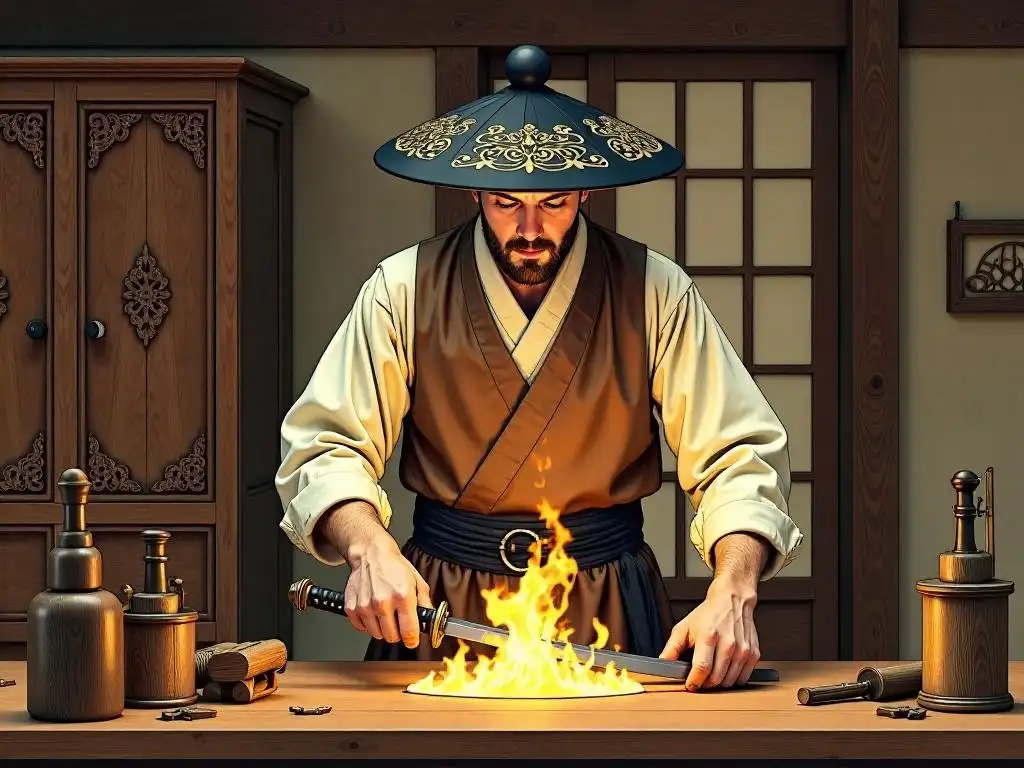
The art of crafting Japanese swords, or Tsukuri, has been deeply influenced by master craftsmen known as Tōkō. These skilled artisans not only perfected the techniques involved in sword-making but also shaped the cultural and spiritual significance of the sword throughout Japanese history. Their mastery over materials, along with an intimate understanding of the traditions and aesthetic values of their craft, allowed them to create swords that were not merely weapons but also symbols of status, honor, and artistry.
The influence of master craftsmen extends beyond the individual swords they forged. They established schools, passed down techniques through generations, and contributed to the development of distinct regional styles. This lineage of craftsmanship ensured that Japanese sword-making remained a highly respected and revered profession, deeply embedded in the cultural fabric of Japan. The dedication to perfection in every blade reflects a broader philosophy within Japanese culture, emphasizing harmony between form and function.
The Role of the Swordsmith (Tōkō)
The swordsmith, or Tōkō, plays a pivotal role in the creation of Japanese swords. Their responsibilities encompass the entire production process, which includes selecting the right materials, forging the blade, and final polishing. A Tōkō must possess not only technical skills but also a profound understanding of the sword's historical significance and aesthetic qualities.
Key Responsibilities of a Tōkō:
- Material Selection: Choosing high-quality iron, often from traditional sources, to ensure the sword's durability and effectiveness.
- Forging: Utilizing techniques such as folding, where iron is repeatedly heated and hammered to remove impurities and enhance strength.
- Quenching: Carefully cooling the blade in oil or water to harden the steel, a critical step that influences the sword's resilience and sharpness.
- Polishing: A meticulous process that not only sharpens the blade but also enhances the aesthetic quality, revealing the unique grain patterns of the steel.
The Tōkō carries the weight of tradition, often dedicating years to mastering their craft. Many swordsmiths adhere to a spiritual and philosophical approach, viewing each sword as a living entity imbued with the spirit of the artisan.
Famous Japanese Swordsmiths Throughout History
Throughout Japanese history, several swordsmiths have gained prominence for their exceptional skills and contributions to the art of sword-making. Here are a few of the most renowned:
- Masamune (1264-1343): Often regarded as the greatest Japanese swordsmith, Masamune's blades are celebrated for their beauty and sharpness. His swords are known to possess a unique quality, often referred to as "Masamune's spirit."
- Muramasa (circa 1500-1570): Known for the ferocity of his swords, Muramasa’s creations were reputed to be cursed, bringing misfortune to their bearers. Despite this, they were highly sought after for their exceptional cutting ability.
- Kanezane (14th century): A highly respected swordsmith, Kanezane's blades are characterized by their elegance and craftsmanship, often associated with the Muromachi period.
These craftsmen not only influenced sword-making techniques but also left a lasting legacy that continues to inspire contemporary artisans. Their work is often sought after by collectors and historians, underscoring the enduring fascination with traditional Japanese swords.
Modern Adaptations of Traditional Sword Crafting Techniques
As the world evolves, so too does the craft of Japanese sword-making. Modern artisans have begun to adapt traditional techniques to meet current demands while preserving the essence of Tsukuri. This blend of old and new has resulted in innovative practices that maintain the cultural significance of the sword while embracing contemporary technology.
Innovations in Japanese Sword Making
Modern swordsmiths are incorporating various innovations into their craft, including:
- Advanced Materials: The introduction of high-carbon steels and modern alloys allows for blades that are not only sharper but also more resilient than traditional materials.
- Technological Tools: The use of digital design tools and machinery aids in precision cutting and shaping, allowing for a level of accuracy that was previously unattainable.
- Hybrid Techniques: Some artisans blend traditional methods with modern practices, creating swords that retain their historical essence while showcasing contemporary design elements.
These innovations have broadened the appeal of Japanese swords, attracting a new generation of enthusiasts while ensuring the survival of this ancient craft.
The Influence of Western Techniques on Japanese Sword Crafting
The intersection of Western and Japanese sword-making practices has sparked a fascinating evolution in the craft. As globalization has increased, Japanese swordsmiths have begun to adopt certain Western techniques, which have influenced the aesthetics and functionality of Japanese swords.
- Heat Treatment: Western approaches to heat treatment have been integrated into some practices, enhancing the durability and performance of the blades.
- Design Philosophy: The incorporation of ergonomic designs from Western swords has led to improved handling and usability, appealing to martial artists and collectors alike.
- Market Dynamics: The demand for Japanese swords in Western markets has prompted artisans to adapt their techniques and designs to cater to a diverse clientele, blending traditional artistry with modern consumer preferences.
This fusion of techniques has not only enriched the craft of Japanese sword-making but has also created a dynamic dialogue between cultures, ensuring the craft remains relevant in today's world.
Preserving the Art of Japanese Sword Crafting
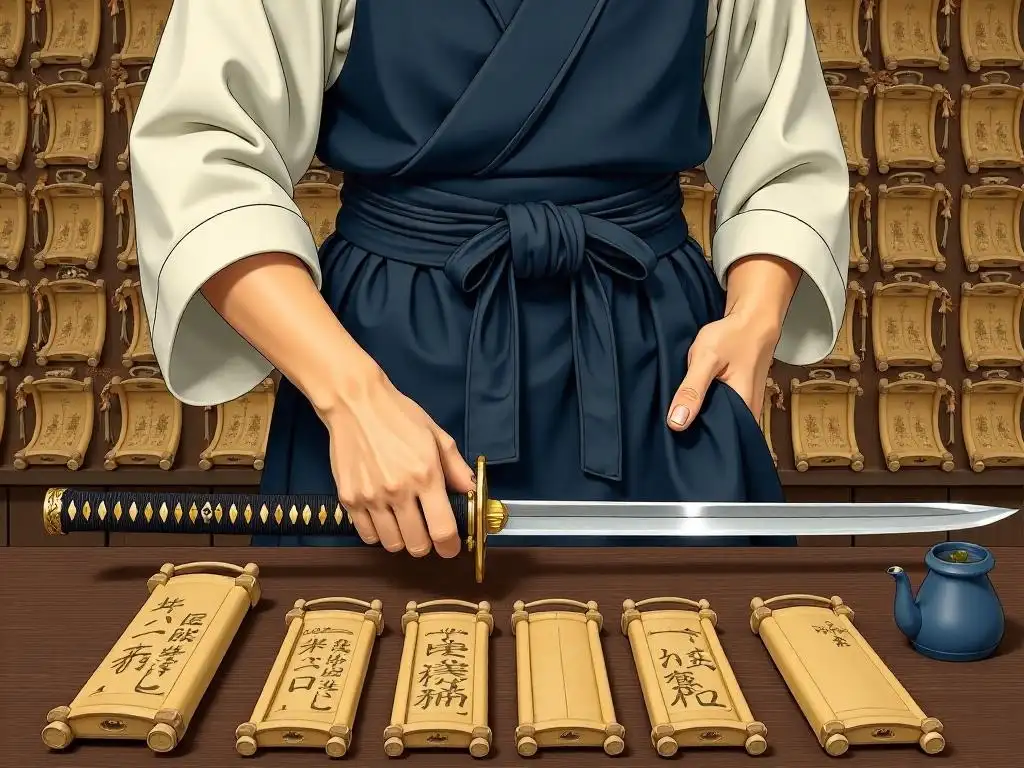
The art of crafting Japanese swords, known as tsukuri, is a tradition that has been meticulously preserved over centuries. This preservation is critical, not only for maintaining the cultural heritage of Japan but also for passing down intricate techniques that have defined sword-making throughout history.
Craftsmen, known as tōkō, dedicate their lives to mastering the delicate processes involved in sword-making, which include forging, tempering, polishing, and attaching the handle. The skills required are often honed through years of apprenticeship, where aspiring artisans learn not just the technical aspects but also the philosophy and historical significance of their craft.
In recent years, there has been a growing recognition of the importance of safeguarding these traditional techniques. Organizations and local governments have initiated efforts to support craftsmen through grants and promotional activities. This ensures that the knowledge is not only preserved but is also appreciated by future generations.
Educational Programs and Workshops
To further bolster the preservation of Japanese sword crafting, various educational programs and workshops have emerged across Japan. These initiatives aim to engage the public and instill an appreciation for the art form by providing firsthand experience with sword-making techniques.
- Workshops: Many artisans open their studios to the public, offering hands-on workshops that allow participants to experience the forging process. These workshops often cover the entire sword-making process, from selecting raw materials to the final polishing of the blade.
- Courses: Some institutions have developed structured courses that delve into the history, philosophy, and practical skills of sword crafting. These courses often include lectures from master craftsmen and hands-on training, providing a comprehensive understanding of the craft.
- Cultural Exchange Programs: Initiatives aimed at international audiences allow participants from around the world to engage with Japanese sword crafting, fostering a global appreciation for the craft and its significance.
These educational efforts are paramount in ensuring that the techniques and cultural narratives surrounding sword crafting are not lost but instead thrive in a modern context.
The Future of Japanese Sword Crafting Techniques
As the world evolves, so too does the art of Japanese sword crafting. The future of this craft is poised at an intriguing crossroads, where traditional techniques meet modern innovations.
- Integration of Technology: Some contemporary craftsmen are beginning to incorporate modern technology into their processes. Techniques such as computer-aided design (CAD) and laser cutting are being explored, allowing for precision and efficiency while still respecting traditional methods.
- Global Influence: The international interest in Japanese swords has led to collaborations between Japanese artisans and craftsmen from other cultures. This exchange of ideas has the potential to enrich the art, introducing new techniques and styles while still maintaining the core principles of tsukuri.
- Sustainability Focus: As awareness of environmental issues grows, there is an increased emphasis on sustainable practices within the sword-making community. This includes sourcing materials responsibly and minimizing waste during the crafting process.
The future of Japanese sword crafting techniques will likely blend the old with the new, creating a dynamic art form that continues to resonate with both history and modernity.
Conclusion
The craft of tsukuri remains a vibrant part of Japan's cultural heritage, embodying a rich tradition that melds artistry with functionality. As we explore the nuances of Japanese sword crafting techniques, it becomes evident that this art form is not merely about the creation of blades but is deeply intertwined with the values, philosophy, and history of Japan.
The Enduring Legacy of Japanese Sword Crafting
The legacy of Japanese sword crafting is profound, extending beyond mere weaponry to symbolize honor, craftsmanship, and the very spirit of the samurai. Each sword tells a story, representing the skill of its maker and the era in which it was crafted.
Today, collectors and martial artists alike cherish these swords, not only for their aesthetic beauty but also for their historical significance. The continued appreciation for Japanese swords ensures that the legacy of tsukuri will endure, inspiring future generations to explore and uphold this remarkable craft.
Final Thoughts on the Art of Tsukuri
In a world that often prioritizes speed and mass production, the art of Japanese sword crafting stands as a testament to the value of patience, tradition, and skill. The dedication of craftsmen to preserve and innovate within this craft is commendable, and it invites us all to reflect on the importance of preserving cultural practices.
As we look to the future, it is essential to support these artisans and their efforts to keep the art of tsukuri alive. By engaging with and appreciating this unique craft, we contribute to its legacy and ensure that the beauty and significance of Japanese sword crafting techniques continue to resonate for generations to come.
References and Further Reading
The art of crafting Japanese swords, known as tsukuri, is steeped in tradition, rich history, and intricate techniques. For those interested in diving deeper into this fascinating topic, numerous books and online resources provide valuable insights and knowledge. Below are some recommended materials that can enhance your understanding of Japanese sword crafting techniques.
Recommended Books on Japanese Sword Crafting
-
"The Craft of the Japanese Sword" by Leon Kapp, Hiroko Kapp, and Yoshindo Yoshihara
This comprehensive guide explores the entire sword-making process, from selecting raw materials to the final polishing. It includes detailed illustrations and photographs showcasing the intricate techniques employed by master swordsmiths.
-
"The Japanese Sword: A Comprehensive Guide" by Kōkan Nagai
This book delves into the history, culture, and craftsmanship of Japanese swords. It provides an in-depth examination of various sword types, their evolution, and the artistry involved in their creation.
-
"Japanese Swords: Cultural Icons of a Nation" by Ian Bottomley
Focusing on the cultural significance of swords in Japan, this book discusses their role in samurai culture, as well as the craftsmanship behind them. It also highlights famous swordsmiths and their contributions to the art.
-
"Tachi and Katana: A Complete Guide to the Japanese Sword" by Robert H. H. Tanaka
This book offers a detailed analysis of different sword styles, including the tachi and katana. It includes illustrations and historical context that enrich the reader's understanding of Japanese sword-making traditions.
-
"The Samurai Sword: A Handbook" by John M. Yumoto
This accessible handbook is perfect for beginners. It covers the basics of Japanese sword crafting, including care and maintenance, while also providing historical context and illustrations.
Online Resources for Aspiring Swordsmiths
-
Japanese Sword Arts
This website offers a variety of resources, including articles, videos, and forums dedicated to the art of Japanese sword making. Aspiring swordsmiths can find tips, techniques, and connect with experienced practitioners.
-
The Nihonto Message Board
An online community where enthusiasts and experts discuss Japanese swords, detailing their experiences in crafting and collecting. The forums are a valuable resource for learning about specific techniques and getting advice from seasoned swordsmiths.
-
YouTube Channels
Channels such as "Katanas by Kazu" and "The Art of Sword Making" provide visual demonstrations of sword crafting techniques, making it easier to understand the intricate processes involved. These channels often feature interviews with master craftspeople, offering insights into their methods and philosophies.
-
Facebook Groups
Joining Facebook groups focused on Japanese sword making can be an excellent way to engage with a community of craftsmen and enthusiasts. Members often share techniques, resources, and personal experiences, which can be beneficial for those looking to learn more.
These resources serve as a foundation for anyone interested in the art of Japanese sword crafting, providing both historical context and practical techniques essential for mastering this intricate craft.
- Introduction to Japanese Sword Crafting
- The Cultural Importance of Japanese Swords in Feudal Japan
- Traditional Japanese Sword Crafting Techniques
- The Tsukuri Process: Step-by-Step Guide to Crafting a Japanese Sword
- Master Craftsmen and Their Influence on Japanese Sword Crafting
- The Role of the Swordsmith (Tōkō)
- Famous Japanese Swordsmiths Throughout History
- Modern Adaptations of Traditional Sword Crafting Techniques
- Preserving the Art of Japanese Sword Crafting
- Conclusion
- References and Further Reading
- What are Japanese sword crafting techniques?
- How does the process of sword crafting in feudal Japan differ from modern techniques?
- What materials are typically used in Japanese sword crafting?
- Why is the art of Japanese sword making considered significant in Japanese culture?
- Are there specific regions in Japan known for their sword crafting?
Frequently Asked Questions
What are Japanese sword crafting techniques?
Japanese sword crafting techniques include traditional methods passed down through generations, focusing on the quality of materials and precision in forging. These techniques enhance the sword's strength and aesthetic appeal.
How does the process of sword crafting in feudal Japan differ from modern techniques?
In feudal Japan, sword crafting involved time-honored practices such as folding steel to create a strong blade, whereas modern techniques may utilize machinery and mass production, which can compromise the artistry.
What materials are typically used in Japanese sword crafting?
The primary materials include high-carbon steel for the blade, natural wood for the handle, and leather or ray skin for the grip, all chosen for their durability and functionality.
Why is the art of Japanese sword making considered significant in Japanese culture?
Japanese sword making embodies cultural heritage and represents samurai values such as honor, discipline, and craftsmanship, making it a vital aspect of Japan's historical identity.
Are there specific regions in Japan known for their sword crafting?
Yes, regions like Seki City, Osaka, and Kōfu are renowned for their swordsmiths and have a long history of producing some of the finest Japanese swords, often characterized by unique local styles.
Final Reflection: The Enduring Legacy of Japanese Sword Crafting Techniques
The art of crafting Japanese swords is not merely a skill; it is a profound expression of culture and tradition that resonates deeply in today's world. As we navigate an era increasingly dominated by technology and mass production, the meticulous techniques of tsukuri remind us of the value of craftsmanship and the stories embedded within each blade. The dedication and artistry involved in creating these swords serve as a striking testament to human creativity and the pursuit of perfection.
Crafting Japanese swords has shaped not only the physical landscape of Japan but also its cultural identity, influencing art, philosophy, and even modern martial practices. The legacy of these techniques continues to inspire artisans and enthusiasts alike, fostering a deep appreciation for the craftsmanship that transcends generations. A sword is a reflection of its maker; it carries the spirit of the artisan.
This sentiment encapsulates the essence of tsukuri, highlighting how each sword is not just a weapon but a narrative of skill, history, and passion.
As you reflect on the intricate world of Japanese sword crafting, consider how the principles of dedication, patience, and artistry can be applied in your own life. Embrace the lessons of tsukuri—whether in your personal endeavors or professional pursuits—and strive for excellence in all that you create. Let the spirit of the craftsman inspire you to forge your own path, honoring tradition while innovating for the future.
Unleash Your Inner Artisan: Embrace the Craft of Tsukuri!
Thank you for exploring the intricate world of Tsukuri and discovering the rich heritage of Japanese sword crafting! Your interest in this timeless art helps keep the spirit of craftsmanship alive. Now, it’s time to take the next step and immerse yourself further in this fascinating craft.
Here are some actionable suggestions to help you deepen your engagement with the art of sword making:
- Explore local workshops: Find a nearby studio or retreat that offers hands-on experiences in traditional Tsukuri techniques. Many artisans welcome newcomers!
- Join a community: Connect with passionate individuals by participating in online forums or social media groups dedicated to Japanese craftsmanship and sword making.
- Create your own sword design: Grab some paper and sketch your vision of a sword. This exercise can spark creativity and enhance your understanding of this art form.
How do you envision your journey in mastering the art of Tsukuri, and what unique sword style would you create? We invite you to share your thoughts with us!