
The Aesthetics of WabiSabi in Feudal Japanese Art and Design

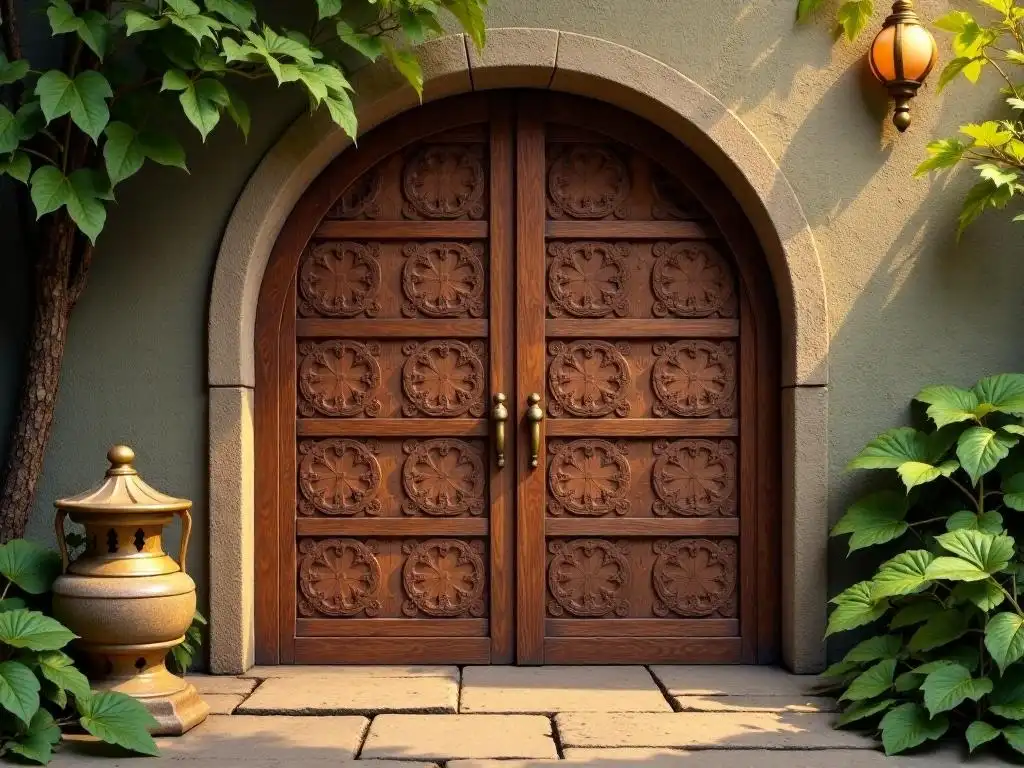
Welcome to Feudal Japan History, where we invite you to delve into the rich tapestry of Japan’s feudal era. Here, you will uncover the intricate layers of historical, cultural, and societal elements that shaped this fascinating period. Our featured article, "The Aesthetics of Wabi Sabi in Feudal Japanese Art and Design," offers a captivating exploration of the philosophy of Wabi Sabi and its profound impact on Japanese artistry.
Prepare to be intrigued as we unveil the hidden beauty found in imperfection and transience. Join us on this journey and discover how these timeless principles continue to resonate within the fabric of Japanese culture. Your adventure into the depths of feudal Japan begins now!
The aesthetic philosophy of Wabi Sabi plays a fundamental role in understanding the nuanced and profound intricacies of feudal Japanese art and design. Rooted deeply in the cultural fabric of Japan, Wabi Sabi embraces the beauty found in imperfection, transience, and the natural world. This article aims to delve into the aesthetic principles of Wabi Sabi, exploring its significance in the artistic expressions during Japan's feudal era.
From the rustic simplicity of pottery to the understated elegance of traditional architecture, the influence of Wabi Sabi permeates various art forms, reflecting a worldview that celebrates the ephemeral nature of life and the inherent beauty of impermanence. By examining the historical, cultural, and societal aspects surrounding Wabi Sabi, we can gain a deeper appreciation of its role in shaping Japanese art.
Introduction to Wabi Sabi in Japanese Art
Wabi Sabi serves as a lens through which we can view the artistic endeavors of feudal Japan. It promotes an appreciation for the imperfect and the incomplete, encouraging artists and craftsmen to find beauty in the mundane and the transient. This philosophy resonates in various art forms, including tea ceremonies, calligraphy, and architecture, where simplicity and natural materials evoke a sense of tranquility and harmony. Understanding Wabi Sabi is essential for anyone interested in the rich tapestry of Japanese cultural history and its artistic expressions.
Understanding the Concept of Wabi Sabi
Definition of Wabi Sabi in Japanese Culture
Wabi Sabi is often described as a worldview that finds beauty in imperfection, irregularity, and the natural processes of aging. In Japanese culture, "Wabi" refers to a rustic simplicity or understated elegance, while "Sabi" embodies the beauty that comes with age and wear. Together, these concepts create a rich aesthetic that values the passage of time and the fleeting nature of existence. This perspective encourages individuals to appreciate the beauty found in the imperfect and the incomplete, fostering a deeper connection to nature and the world around them.
Historical Origins of Wabi Sabi Aesthetics
The roots of Wabi Sabi can be traced back to Zen Buddhism, which emerged in Japan during the 12th century. The Zen philosophy emphasized mindfulness, simplicity, and a deep appreciation for the natural world, laying the groundwork for Wabi Sabi aesthetics. As this philosophy evolved, it found expression in various art forms, particularly during the Muromachi period (1336-1573), where the tea ceremony became a prominent cultural practice.
The aesthetics of Wabi Sabi were further solidified through the works of influential figures such as Sen no Rikyū, who emphasized the importance of simplicity and natural beauty in the tea ceremony. Over time, these principles transcended the tea ceremony, influencing a wide range of artistic practices, from pottery to painting, and leaving an indelible mark on Japan's cultural heritage.
The Role of Wabi Sabi in Feudal Japanese Art
Wabi Sabi plays a crucial role in defining the aesthetic values of feudal Japanese art. Rooted in Zen Buddhism, this philosophy embraces the beauty of impermanence and imperfection, encouraging artists and craftsmen to find beauty in simplicity and the natural world. In a society that often revered the ornate and grand, Wabi Sabi offered an alternative perspective, focusing on the understated and the humble. This perspective influenced not only individual artists but also the broader cultural movements of the era, shaping how art was created, perceived, and appreciated.
The appreciation of Wabi Sabi led to a significant shift in artistic practices, prioritizing natural materials and processes over synthetic and artificial means. This philosophy manifested in various art forms, encouraging artists to embrace asymmetry, roughness, and the passage of time in their works. As a result, the artworks produced during this era often evoke a deep sense of nostalgia and connection to nature, reflecting the transient nature of life itself.
Influence of Wabi Sabi on Traditional Japanese Art Forms
The influence of Wabi Sabi permeated various traditional Japanese art forms, including ink painting, calligraphy, and pottery. In ink painting, artists sought to capture the essence of landscapes and flora with minimal brushstrokes, reflecting the beauty of simplicity and the fleeting nature of existence. This approach emphasized spontaneity and intuition, allowing for a direct expression of the artist’s emotions.
Calligraphy, another critical art form, showcased the principles of Wabi Sabi through its emphasis on the beauty of imperfect strokes and the fluidity of movement. The characters were not merely representations of language but artistic expressions that conveyed the artist's spirit, embodying the harmony between form and meaning.
In pottery, the Wabi Sabi aesthetic encouraged the use of natural materials and traditional techniques, resulting in unique, one-of-a-kind pieces that reflected the artist's personal journey. The charm of these works lay in their irregular shapes, muted colors, and the visible hand of the maker, celebrating the uniqueness of each creation.
Key Characteristics of Wabi Sabi in Visual Arts
Wabi Sabi in visual arts is characterized by several distinct features that set it apart from more conventional artistic movements. These characteristics include:
- Imperfection: Embracing flaws and irregularities as integral parts of beauty, artists sought to highlight the uniqueness of each piece.
- Simplicity: Stripping away unnecessary embellishments, the focus was placed on essential forms, materials, and colors.
- Natural Materials: A preference for organic materials such as wood, clay, and natural fibers reflected a connection to the environment.
- Asymmetry: Unlike Western ideals of symmetry and balance, Wabi Sabi celebrates asymmetry, encouraging a more dynamic and organic visual experience.
- Transience: Works often evoke a sense of nostalgia, reminding viewers of the fleeting nature of life and beauty.
These characteristics not only define the aesthetic of Wabi Sabi but also serve as guiding principles for artists and craftsmen throughout the feudal era, influencing their approach to creation and the meaning behind their work.
Wabi Sabi in Japanese Design
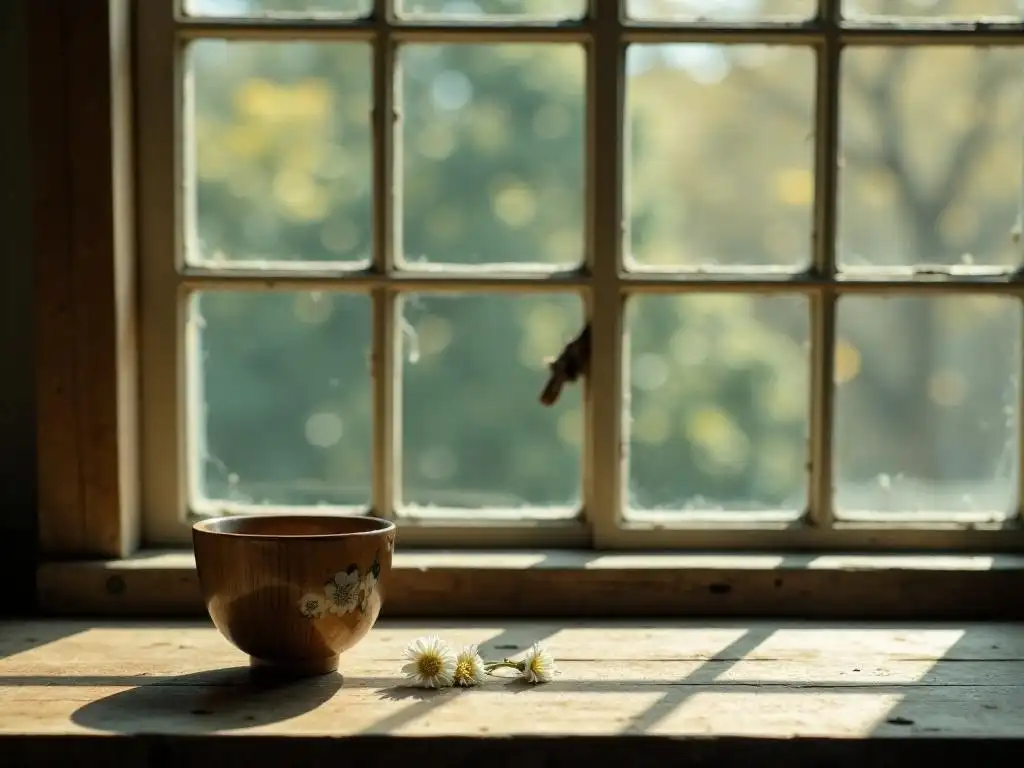
Wabi Sabi transcends the realm of visual arts, significantly influencing Japanese design across various disciplines. This aesthetic philosophy encouraged designers to create spaces and objects that reflect the beauty of nature, simplicity, and the passage of time. In architecture, ceramics, and textile arts, Wabi Sabi principles fostered a deep appreciation for craftsmanship and the natural world, leading to designs that resonated with authenticity and harmony.
The Application of Wabi Sabi in Architecture
In feudal Japan, architecture was profoundly influenced by Wabi Sabi principles, leading to the development of structures that harmoniously blended with their natural surroundings. Traditional Japanese homes, known as minka, often featured organic materials such as wood and bamboo, which aged gracefully over time. The use of sliding doors and tatami mats allowed for fluidity and adaptation within the space, embodying the Wabi Sabi ideals of simplicity and functionality.
The aesthetic was also evident in temple architecture, where structures were designed to evoke a sense of tranquility and connection to nature. Gardens were integrated into the architectural layout, creating meditative spaces that encouraged reflection and a deeper appreciation for the transient beauty of the natural world.
Wabi Sabi Principles in Ceramics and Pottery
The principles of Wabi Sabi are particularly prominent in Japanese ceramics and pottery, where the aesthetic celebrates the uniqueness of each piece. Traditional pottery techniques, such as raku, highlight the beauty of irregularities and the effects of fire, resulting in surfaces that showcase the raw nature of the materials.
Craftsmen embraced imperfections, allowing for variations in texture, color, and form. This approach not only reflects the individual artist's hand but also tells a story of the creation process, inviting viewers to appreciate the beauty found in the unexpected. The resulting pieces, often used in traditional tea ceremonies, embody the spirit of Wabi Sabi, transforming everyday objects into vessels of art that resonate with history and emotion.
Wabi Sabi and Textile Arts in Feudal Japan
Textile arts in feudal Japan also embraced Wabi Sabi principles, evident in the designs and materials used in garments and home textiles. Techniques such as boro, which involves patching and mending worn fabrics, reflect the Wabi Sabi philosophy by celebrating the passage of time and the beauty of wear. This practice not only extended the life of textiles but also transformed them into unique, multi-layered artworks.
Natural dyes and fibers were favored, resulting in muted colors and textures that resonated with the natural environment. The aesthetic of Wabi Sabi encouraged a more mindful approach to fashion and textiles, emphasizing quality, craftsmanship, and the stories woven into each piece. As a result, the textile arts of feudal Japan encapsulated the essence of Wabi Sabi, creating a rich tapestry of beauty that continues to inspire contemporary design.
Cultural Significance of Wabi Sabi in Feudal Society
Wabi Sabi emerged as a profound aesthetic philosophy during the feudal era in Japan, deeply rooted in the cultural and spiritual fabric of society. It transcended mere artistic expression, embodying a way of understanding life, beauty, and impermanence. At its core, Wabi Sabi emphasizes the appreciation of nature's imperfections and the transient nature of existence, principles that resonated with the tumultuous social and political landscape of feudal Japan.
This philosophy offered a counterbalance to the rigid, hierarchical structures prevalent in feudal society. It encouraged individuals to find beauty in simplicity, rusticity, and the passage of time. The aesthetics of Wabi Sabi fostered a sense of humility and mindfulness, promoting the idea that true beauty lies in the natural cycle of growth, decay, and renewal. As a result, it became a significant influence on various aspects of life, from the design of homes and gardens to the creation of art and pottery.
Furthermore, Wabi Sabi's emphasis on impermanence aligned seamlessly with the Buddhist philosophy that permeated feudal Japan, allowing it to integrate into the daily lives of people across social classes. The acceptance of flaws and the celebration of the ephemeral became a means of coping with the uncertainties of life, making Wabi Sabi a vital cultural cornerstone in understanding the ethos of the time.
Wabi Sabi as a Reflection of Buddhist Philosophy
Wabi Sabi is profoundly intertwined with Buddhist philosophy, particularly the concepts of impermanence (anicca), suffering (dukkha), and non-self (anatta). These teachings suggest that all things are transient and subject to change, and this perspective permeated the arts and crafts of feudal Japan. Artists and craftsmen embraced Wabi Sabi as a way to reflect these core Buddhist values, creating works that resonated with the understanding that beauty is inherently fleeting.
The simplicity of Wabi Sabi echoes the Zen Buddhist practice of mindfulness, encouraging individuals to appreciate the present moment and the natural world around them. This aesthetic philosophy led to the creation of art forms that avoid excess and ornamentation, focusing instead on the raw materials and the beauty of natural imperfections. By celebrating the incomplete or the asymmetrical, Wabi Sabi reflects a deeper understanding of life's transitory nature, inviting observers to cultivate a sense of awareness and gratitude for the moment.
Moreover, Wabi Sabi's emphasis on natural materials aligns with the Buddhist principle of interconnectedness, recognizing that all elements of nature are part of a larger whole. This worldview fostered a profound respect for the environment, influencing the choice of materials in art and design. In this way, Wabi Sabi not only served as an aesthetic guideline but also as a spiritual practice that encouraged individuals to engage with their surroundings thoughtfully and respectfully.
How Wabi Sabi Influenced Daily Life and Practices
Wabi Sabi's influence permeated daily life in feudal Japan, shaping various practices and customs that emphasized simplicity and mindfulness. In domestic spaces, the Wabi Sabi aesthetic was reflected in the use of natural materials, such as wood, stone, and clay, to create functional yet beautifully imperfect objects. This philosophy encouraged families to embrace minimalism and to find joy in the everyday, mundane aspects of life, such as preparing meals or tending to gardens.
Tea ceremonies, a quintessential expression of Wabi Sabi, exemplified this integration into daily practice. The rituals surrounding the preparation and serving of tea were designed to foster a sense of tranquility and reflection, highlighting the beauty of simplicity and the importance of being present. The utensils used in these ceremonies often embodied Wabi Sabi principles, featuring uneven surfaces and organic forms that reminded participants of the beauty in imperfection.
Additionally, Wabi Sabi impacted the design of traditional Japanese gardens, which were created to evoke a sense of harmony with nature. These gardens often incorporated asymmetrical layouts, weathered stones, and plants in various stages of growth, reflecting the natural cycle of life. The influence of Wabi Sabi in everyday practices not only enriched the aesthetic experience of individuals but also deepened their connection to the spiritual and natural world.
Notable Examples of Wabi Sabi in Feudal Japanese Art and Design
Wabi Sabi found remarkable expression in various art forms during the feudal era, showcasing its enduring legacy in Japanese culture. Notable examples include ceramics, textiles, and architectural designs that illustrate the principles of simplicity, asymmetry, and the beauty of natural aging. The embrace of Wabi Sabi aesthetics allowed artists to create works that resonated deeply with both their spiritual beliefs and the realities of their environment.
Famous Artists and Craftsmen Embracing Wabi Sabi
Several prominent artists and craftsmen during the feudal era exemplified the Wabi Sabi philosophy through their works. One of the most notable figures is Sen no Rikyū, a tea master who profoundly influenced the Japanese tea ceremony. Rikyū's approach emphasized the beauty of simplicity and the importance of imperfection, advocating for the use of rustic, handcrafted tea utensils that embodied the Wabi Sabi spirit.
Another key figure is Shoji Hamada, a renowned potter who embraced the philosophy in his ceramic works. Hamada's pieces often displayed irregular shapes and textures, celebrating the natural qualities of clay. His commitment to traditional methods and the use of local materials created artworks that resonated with the essence of Wabi Sabi.
Additionally, Kawai Kanjiro, a celebrated ceramic artist, integrated Wabi Sabi into his practice by focusing on the beauty of handmade pottery. His creations reflect a deep respect for the natural world, showcasing the raw, unrefined characteristics of the materials he used. These artists and craftsmen not only produced stunning works but also helped to elevate Wabi Sabi as a significant aesthetic and philosophical movement in Japanese art.
Iconic Artworks and Designs Exemplifying Wabi Sabi Aesthetics
Several iconic artworks and designs from feudal Japan exemplify the principles of Wabi Sabi, showcasing the beauty found in imperfection and the passage of time. One notable example is Raku pottery, a unique firing technique that produces ceramics characterized by irregularities in shape and glaze. Raku pieces often feature earthy colors and textures that reflect the natural aging process, embodying the essence of Wabi Sabi.
The Japanese tea bowl, or chawan, is another significant representation of Wabi Sabi. Tea bowls crafted for tea ceremonies are often intentionally asymmetrical, with variations in texture and glaze that highlight the beauty of the handmade process. These bowls serve not only as functional objects but also as vessels of mindfulness, inviting users to appreciate the moment and the artistry behind each piece.
Moreover, the traditional Japanese garden is a living example of Wabi Sabi aesthetics, designed to evoke a sense of tranquility and harmony with nature. Elements such as weathered stones, moss, and uneven pathways emphasize the beauty of the natural world and the impermanence of life. These gardens embody the principles of Wabi Sabi, creating spaces that encourage contemplation and a deeper connection to the environment.
Through these notable examples, the influence of Wabi Sabi in feudal Japanese art and design is vividly illustrated, showcasing its enduring relevance and the profound impact it has had on Japanese culture and aesthetics.
The Legacy of Wabi Sabi in Contemporary Japanese Art
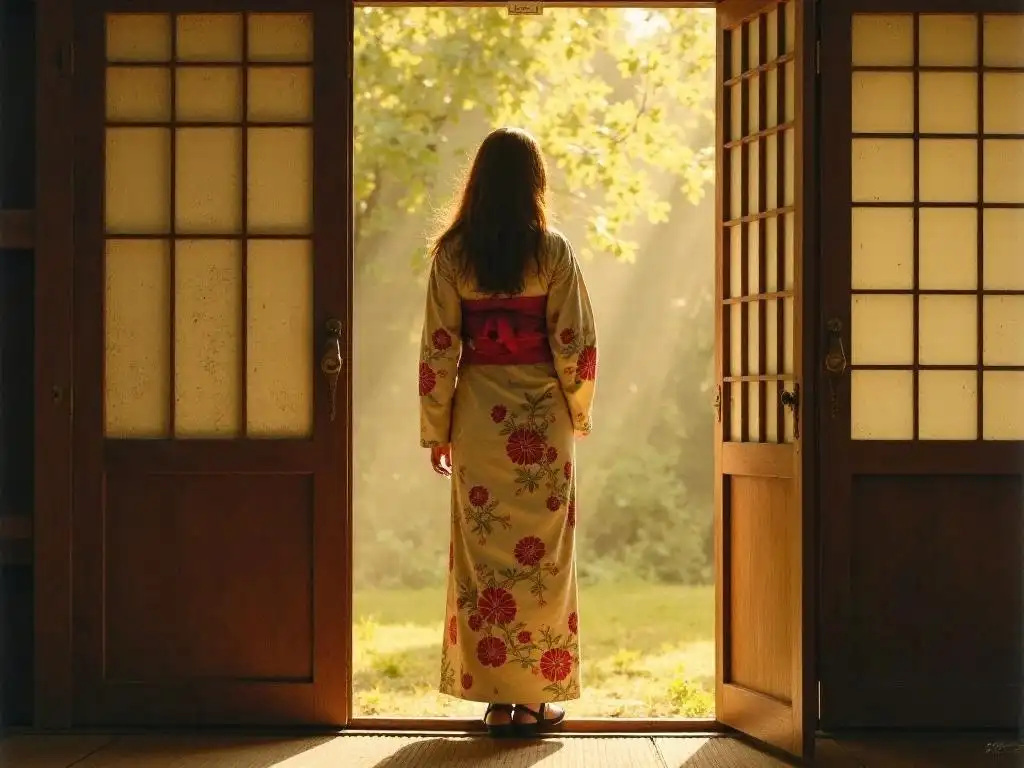
The principles of Wabi Sabi, which celebrate simplicity, imperfection, and the natural cycle of growth and decay, have left an indelible mark on contemporary Japanese art. Artists today continue to draw inspiration from these age-old aesthetics, seeking to evoke emotion and connection through the beauty found in the transient and the flawed. The legacy of Wabi Sabi can be observed in various forms of modern artistic expression, where the focus remains on authenticity and the appreciation of the ephemeral nature of life.
This legacy is not only reflected in traditional arts, such as pottery and calligraphy, but also in contemporary practices including painting, sculpture, and installation art. Artists like Yoshitomo Nara and Takashi Murakami blend traditional motifs with modern themes, showcasing how Wabi Sabi can be reinterpreted to resonate with current societal narratives.
Moreover, Wabi Sabi aesthetics challenge the fast-paced consumer culture of modern Japan, reminding individuals to find beauty in the mundane and the overlooked. This ethos has fostered a renewed appreciation for handcrafted objects, where imperfections are not merely tolerated but celebrated as integral to their character and story.
Modern Interpretations of Wabi Sabi Aesthetics
Modern interpretations of Wabi Sabi aesthetics emphasize a profound connection to nature and a mindfulness towards the environment. Contemporary artists often incorporate natural materials—such as clay, wood, and stone—into their works, allowing the inherent qualities of these materials to shine through. The imperfections in texture, color, and structure become focal points, inviting viewers to engage with the piece on a deeper level.
In addition to visual arts, Wabi Sabi principles have influenced various design movements, including architecture and interior design. Spaces designed with Wabi Sabi in mind prioritize natural light, organic materials, and a sense of tranquility, creating environments that encourage reflection and a slower pace of life. This approach aligns with the minimalistic trends prevalent in modern design, where clutter is minimized, and the beauty of simplicity is highlighted.
Furthermore, fashion designers are increasingly embracing Wabi Sabi by crafting garments that reflect an artisanal quality. Textiles may exhibit asymmetrical cuts, natural dyes, and intentional fraying, all of which celebrate the beauty of imperfection and individuality in clothing.
The Revival of Wabi Sabi in Contemporary Design Practices
The revival of Wabi Sabi in contemporary design practices is evident across various disciplines, from product design to urban planning. Designers are recognizing the value of creating sustainable, eco-friendly products that resonate with the Wabi Sabi philosophy. This includes using recycled materials, embracing handmade techniques, and designing for longevity rather than disposability.
In urban environments, Wabi Sabi principles are being integrated into public spaces, where the focus is on creating areas that reflect the beauty of the surrounding landscape. Parks and gardens are designed to incorporate native plants, allowing nature to dictate the layout and aesthetics. This harmonious integration of built environments with nature embodies the essence of Wabi Sabi, promoting a sense of peace and mindfulness in urban settings.
Moreover, the digital age has provided new platforms for Wabi Sabi to evolve. Online communities and social media allow for the sharing of Wabi Sabi-inspired art and design, creating a global dialogue that encourages the appreciation of these aesthetics. This digital revival strengthens the connection between traditional Japanese art and contemporary expressions, ensuring that the essence of Wabi Sabi continues to thrive.
Conclusion: The Enduring Appeal of Wabi Sabi in Japanese Art
The enduring appeal of Wabi Sabi in Japanese art lies in its ability to resonate with the universal human experience. By embracing imperfection and the transient nature of life, Wabi Sabi offers a poignant counter-narrative to the often superficial values of modern society. This philosophical framework encourages individuals to seek depth and meaning in their experiences, art, and surroundings.
The Impact of Wabi Sabi on Global Art and Design Trends
Wabi Sabi's influence has transcended Japanese borders, impacting global art and design trends. Artists and designers around the world have begun to adopt Wabi Sabi principles, leading to a broader appreciation for the aesthetics of imperfection. This shift can be seen in various art movements that embrace the raw and unfinished, challenging conventional notions of beauty and craftsmanship.
In the realm of interior design, Wabi Sabi has inspired a movement towards more sustainable and mindful living spaces. The concept has encouraged a departure from mass-produced items towards unique, handcrafted pieces that tell a story. This global trend towards authenticity and sustainability mirrors the core tenets of Wabi Sabi, fostering a deeper connection between individuals and their environments.
Why Wabi Sabi Continues to Resonate Today
Wabi Sabi continues to resonate today because it speaks to a collective longing for simplicity and authenticity in an increasingly complex world. As people seek meaning and connection, the Wabi Sabi philosophy offers a framework for appreciating the fleeting moments of beauty in everyday life. Its principles encourage mindfulness, inviting individuals to slow down and engage with their surroundings in a more profound way.
In a time marked by rapid technological advancement and consumerism, the values embedded in Wabi Sabi provide a refreshing perspective. It reminds us to cherish the imperfect, to celebrate the transient nature of existence, and to find beauty in the ordinary. As such, Wabi Sabi remains not only a historical aesthetic but also a relevant philosophy that continues to inspire creativity and reflection in contemporary art and design.
References and Further Reading on Wabi Sabi in Japanese Art
To deepen your understanding of the aesthetic concept of Wabi Sabi and its influence on Japanese art, several essential texts and resources can provide valuable insights. Below is a curated list of references that explore the philosophical underpinnings, historical context, and practical applications of Wabi Sabi in various art forms.
Books
-
"Wabi-Sabi: for Artists, Designers, Poets & Philosophers" by Leonard Koren
This seminal book delves into the essence of Wabi Sabi, defining its principles and offering a philosophical perspective on beauty in imperfection. Koren's exploration provides a foundational understanding for artists and designers looking to incorporate these aesthetics into their work.
-
"The Book of Tea" by Okakura Kakuzō
Although primarily focused on tea culture, this classic text highlights the significance of Wabi Sabi in the tea ceremony and Japanese aesthetics. Kakuzō eloquently describes how simplicity and transience play a vital role in the appreciation of beauty.
-
"Wabi-Sabi: The Japanese Art of Impermanence" by Andrew Juniper
This book examines the transient nature of beauty and how Wabi Sabi is reflected in various art forms, including pottery, architecture, and garden design. Juniper's insights are particularly useful for understanding the practical applications of Wabi Sabi principles.
Articles and Journals
-
"The Aesthetic of Wabi Sabi in Japanese Art and Culture"
This scholarly article explores the historical development of Wabi Sabi and its manifestations in traditional Japanese art forms. The author analyzes how cultural shifts have influenced the perception and relevance of Wabi Sabi in contemporary settings.
-
"Wabi Sabi: Embracing Imperfection in Art"
This article from a reputable art journal discusses the relevance of Wabi Sabi in modern art practices, highlighting contemporary artists who embody this aesthetic in their work. It serves as an excellent resource for those interested in seeing how Wabi Sabi continues to inspire creativity today.
Online Resources
-
The Wabi Sabi Project
This website is dedicated to the exploration of Wabi Sabi across different media. It offers articles, essays, and visual content that illustrate how Wabi Sabi can be integrated into various forms of art and design.
-
Wabi Sabi in Japanese Pottery
This online exhibition features a collection of Japanese pottery that reflects Wabi Sabi aesthetics. The site provides context and analysis of each piece, demonstrating the principles of impermanence and natural beauty in ceramics.
Documentaries and Films
-
"Wabi-Sabi: The Japanese Art of Impermanence" (Documentary)
This documentary explores the concept of Wabi Sabi through interviews with artists and designers, as well as footage of traditional practices. It highlights how Wabi Sabi informs the creative process and the appreciation of art in Japan.
-
"The Way of Tea" (Film)
This film delves into the Japanese tea ceremony, emphasizing the role of Wabi Sabi in this cultural practice. It showcases how the aesthetics of imperfection and simplicity are woven into the fabric of this ritual.
By engaging with these references, readers can develop a comprehensive understanding of Wabi Sabi's influence on Japanese art and design, enriching their appreciation of the cultural history that shapes this profound aesthetic philosophy.
- Introduction to Wabi Sabi in Japanese Art
- Understanding the Concept of Wabi Sabi
- The Role of Wabi Sabi in Feudal Japanese Art
- Wabi Sabi in Japanese Design
- Cultural Significance of Wabi Sabi in Feudal Society
- Notable Examples of Wabi Sabi in Feudal Japanese Art and Design
- The Legacy of Wabi Sabi in Contemporary Japanese Art
- Conclusion: The Enduring Appeal of Wabi Sabi in Japanese Art
- References and Further Reading on Wabi Sabi in Japanese Art
Frequently Asked Questions
What is Wabi Sabi in Japanese art?
Wabi Sabi is a philosophical concept that emphasizes the beauty of imperfection, transience, and the natural cycle of growth and decay in art and design.
How did Wabi Sabi influence Feudal Japan?
During Feudal Japan, Wabi Sabi became a central aesthetic in art, promoting a deeper appreciation for simplicity and natural elements, often seen in traditional tea ceremonies and pottery.
Can you give examples of Wabi Sabi in art and design?
Notable examples include rustic pottery, weathered wood, and asymmetrical arrangements, all of which reflect the beauty of aging and imperfection characteristic of Wabi Sabi.
How is Wabi Sabi different from Western aesthetics?
Unlike Western ideals that often celebrate perfection and grandeur, Wabi Sabi finds beauty in humility, modesty, and the fleeting nature of life, focusing on the natural state of objects.
Why is Wabi Sabi relevant today?
Wabi Sabi remains relevant as it encourages a mindfulness approach to art and life, promoting sustainability, simplicity, and appreciation for the natural world amidst the fast-paced modern lifestyle.
Final Reflection: Embracing Imperfection in Wabi Sabi
The aesthetics of Wabi Sabi in Japanese art remind us that beauty lies in imperfection and transience. In a world increasingly obsessed with perfection and uniformity, the principles of Wabi Sabi resonate more than ever, urging us to appreciate the fleeting moments and the unique character of each object and experience. This philosophy not only enriches our understanding of art but also challenges us to reconsider our own lives and the beauty found within our imperfections.
Culturally, Wabi Sabi has permeated various aspects of life, influencing not just art and design but also our approach to relationships and self-acceptance. The notion that beauty can be found in the worn, the aged, and the incomplete encourages a deeper connection to our surroundings and ourselves. As the artist Leonard Koren beautifully stated, Wabi-sabi is the beauty of things imperfect, impermanent, and incomplete.
This perspective invites us to find solace in the natural ebb and flow of life, fostering a sense of peace and acceptance amidst chaos.
As you reflect on the lessons of Wabi Sabi, consider how you can incorporate this philosophy into your daily life. Embrace the imperfections, celebrate the fleeting moments, and recognize the beauty in the unique stories that each experience brings. Allow yourself to let go of the pursuit of perfection and instead, cultivate a mindset that appreciates the beauty of the imperfect journey we all share. In doing so, you may discover a richer, more fulfilling existence that honors the essence of Wabi Sabi.
Embrace the Beauty of Imperfection Today!
Thank you for taking the time to explore the fascinating world of Wabi-Sabi and its impact on Feudal Japanese art and design. You've unlocked profound insights into the celebration of impermanence and natural beauty. Now, let’s put that knowledge into action and deepen your connection to this timeless philosophy!
- Start your own Wabi-Sabi journey by finding an object in your home that embodies imperfection, and display it intentionally to reflect its unique story.
- Join our community by sharing your Wabi-Sabi finds and creations on social media with the hashtag #WabiSabiInAction to inspire others.
- Explore local art exhibits or workshops focused on Japanese aesthetics, and discover firsthand how Wabi-Sabi influences contemporary art.
What unique imperfections do you cherish in your life, and how might they inspire your creativity?