
The Intersection of Art and Spirituality in Feudal Japan

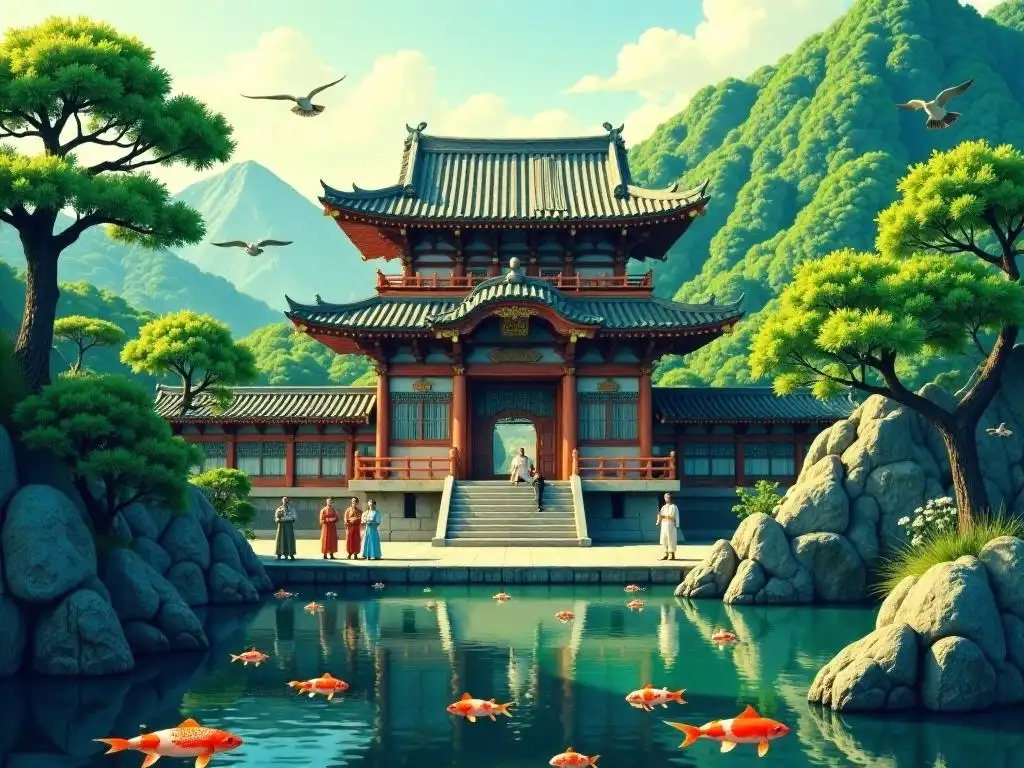
Welcome to Feudal Japan History, where we invite you to embark on a captivating journey through the intricate tapestry of Japan's feudal era. In our featured article, “The Intersection of Art and Spirituality in Feudal Japan,” we delve into the profound connections that shaped the artistic expressions and spiritual beliefs of this fascinating time. Discover how creativity and devotion intertwined to influence society and culture in ways that continue to resonate today.
Are you ready to unlock the secrets of an era where every brushstroke and chant held deeper meaning? Join us as we explore the rich legacy of art and spirituality that defined feudal Japan!
The intricate relationship between art and spirituality in feudal Japan offers a fascinating lens through which to explore the cultural and historical tapestry of this era. During the feudal period, which spanned from the 12th to the 19th century, Japan witnessed a profound evolution in artistic expression that was deeply intertwined with spiritual beliefs and practices.
The creations of this time reflect not only aesthetic values but also the philosophical and religious underpinnings that shaped the lives of its people. This article delves into the multifaceted connections between art and spirituality in feudal Japan, examining how these elements coalesced to influence societal norms and cultural heritage.
Understanding Art and Spirituality in the Context of Feudal Japan
Definition of Art in Feudal Japan
Art in feudal Japan encompassed a broad spectrum of forms, including painting, sculpture, ceramics, textiles, and architecture. Notably, these artistic expressions were not merely for aesthetic pleasure; they played a vital role in community identity and cultural continuity. The art produced during this period often depicted nature, historical events, and religious themes, serving as a reflection of the prevailing values and beliefs. Key forms included:
- Ink Painting: Characterized by its simplicity and emphasis on natural landscapes.
- Ceramics: Like tea utensils, which were integral to the tea ceremony, reflecting both beauty and functionality.
- Woodblock Printing: An innovative method that allowed for the widespread distribution of artistic works, often depicting everyday life and folklore.
Definition of Spirituality in Feudal Japan
Spirituality during feudal Japan was primarily shaped by two major religions: Buddhism and Shintoism. This spiritual framework provided the populace with a sense of purpose and a way to understand the world around them. Key elements included:
- Buddhism: Introduced from China and Korea, it emphasized concepts such as enlightenment and the transience of life.
- Shintoism: Rooted in the veneration of kami (spirits), it focused on the importance of nature and the ancestral spirits.
Spirituality was not confined to religious practices; it permeated daily life, influencing rituals, festivals, and artistic endeavors.
The Relationship Between Art and Spirituality
The intersection of art and spirituality in feudal Japan is most vividly illustrated through the integration of religious themes in artistic works. Art served as a medium for spiritual expression, conveying moral teachings and cultural narratives. Notable aspects of this relationship include:
- Art as a Spiritual Practice: Artists often viewed their work as a form of meditation, channeling their spiritual beliefs into their creations.
- Symbolism: Many artistic elements incorporated spiritual symbols, such as the lotus flower in Buddhist art, representing purity and enlightenment.
- Ceremonial Art: Items crafted for spiritual rituals, such as altars and ceremonial masks, were designed to enhance the spiritual experience.
Historical Overview of Feudal Japan’s Artistic Traditions
Key Historical Periods Influencing Art
Feudal Japan can be divided into several key historical periods, each contributing unique influences on art. These periods include:
- Heian Period (794-1185): Marked by the flourishing of literature and the introduction of distinct Japanese aesthetics.
- Kamakura Period (1185-1333): Characterized by the rise of samurai culture and the influence of Zen Buddhism.
- Muromachi Period (1336-1573): Noted for the emergence of ink painting and the tea ceremony.
- Edo Period (1603-1868): A time of peace and stability, leading to the proliferation of woodblock printing and popular culture.
Major Artistic Movements and Schools
During these historical periods, several artistic movements and schools emerged, each reflecting the socio-political landscape of the time. Major movements included:
- Nihonga: Traditional Japanese painting that emphasized natural materials and themes.
- Ukiyo-e: A genre of woodblock prints that depicted the "floating world" of pleasure districts and landscapes.
- Sōsaku-hanga: An innovative movement that combined traditional techniques with individual artistic expression.
Influences of Buddhism and Shintoism on Art
Buddhism and Shintoism significantly influenced the themes and techniques used in Japanese art. For instance:
- Buddhist Art: Often featured serene figures of Buddha and bodhisattvas, emphasizing compassion and enlightenment.
- Shinto Art: Highlighted natural elements and kami, often seen in shrine architecture and ritual objects.
This symbiotic relationship between spirituality and artistic expression in feudal Japan not only enriched the cultural landscape but also laid the foundations for future generations of artists and spiritual seekers.
Art Forms Reflecting Spirituality in Feudal Japan
Art in feudal Japan was deeply intertwined with spirituality, serving as a medium for expressing religious beliefs and philosophical ideas. Various art forms emerged that not only showcased the technical skills of the artists but also embodied the spiritual ethos of the time. This intersection of art and spirituality can be observed in painting, sculpture, and architecture, each reflecting the core values and beliefs inherent in Japanese culture during this era. Artists often sought to create works that transcended mere aesthetics, aiming instead to evoke a sense of the divine and connect viewers to spiritual realms.
Painting and Calligraphy: Sacred Expressions
Painting and calligraphy were highly esteemed art forms in feudal Japan, often associated with Zen Buddhism and Shinto practices. Many paintings depicted Buddhist themes, such as serene landscapes or enlightened figures like the Buddha and Bodhisattvas, serving to inspire contemplation and meditation. Artists like Sesshū Tōyō revolutionized ink painting by integrating calligraphy into their works, creating a harmonious blend of visual art and written expression that communicated deeper spiritual truths.
Calligraphy, or shodō, was regarded as a spiritual practice in its own right. The act of writing kanji characters with a brush was seen as a form of meditation, emphasizing the importance of the artist's state of mind. The flow of ink on paper mirrored the artist's inner spirit, allowing viewers to connect with the essence of the written word. Works such as the “Four Great Masters” of calligraphy exemplified how this art form was not only a means of communication but also a profound expression of the artist's spirituality.
Sculpture: Divine Representations in Wood and Stone
Sculpture in feudal Japan often took the form of religious figures, particularly in Buddhist temples and Shinto shrines. Carved from wood or stone, these sculptures served as representations of divine beings and were believed to embody spiritual power. Notable examples include the Nara period’s Great Buddha (Daibutsu) at Todai-ji Temple, which stands as a monumental symbol of Buddhist faith and artistry.
The craftsmanship involved in creating these sculptures was meticulous, with artisans dedicating years to mastering techniques. Each piece conveyed not only the physical likeness of deities but also aimed to inspire reverence and devotion among worshippers. The intricate details and lifelike expressions of these sculptures were intended to evoke a sense of the sacred, reinforcing the intimate connection between art and spirituality in feudal Japan.
Architecture: Temples and Shrines as Spiritual Spaces
Architecture in feudal Japan was profoundly influenced by spiritual beliefs, particularly evident in the design of temples and shrines. These structures were constructed as sacred spaces where individuals could engage with the divine, reflecting a deep respect for nature and spirituality. The design principles of Shinto shrines and Buddhist temples emphasized harmony with the natural environment, often incorporating elements such as wooden beams, tatami mats, and sliding doors (fusuma) to create serene interiors.
Notable examples include the Ise Grand Shrine, which embodies the Shinto belief in purity and simplicity, and the Hōryū-ji Temple, one of the oldest wooden structures in the world that showcases the architectural sophistication of Buddhist influence. The careful arrangement of these spaces, along with their natural settings, allowed worshippers to feel a sense of tranquility and connection to a higher power, reinforcing the notion that architecture itself could be a spiritual experience.
The Role of Nature in Art and Spirituality
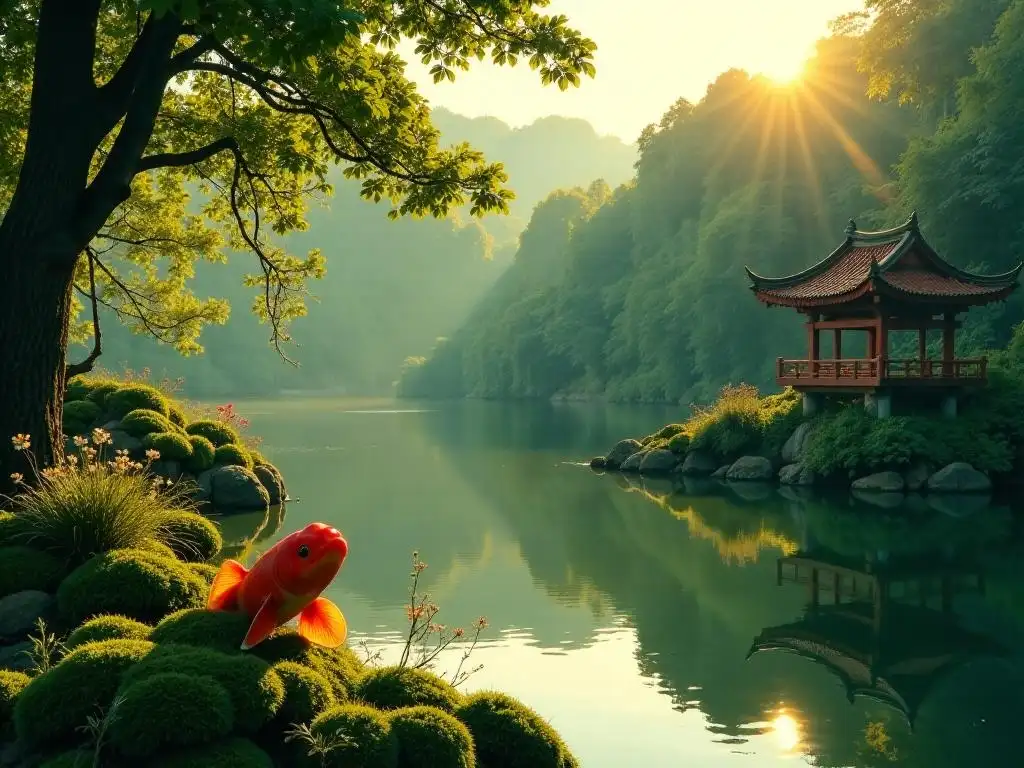
Nature played a pivotal role in shaping the art and spiritual practices of feudal Japan. The Japanese worldview, deeply rooted in Shinto beliefs, emphasized a profound connection with the natural world, where mountains, rivers, and trees were considered sacred. This reverence for nature not only influenced artistic expression but also informed spiritual practices, leading to a holistic understanding of life that integrated the physical and the spiritual.
Nature as Inspiration in Feudal Japanese Art
Feudal Japanese artists drew heavily from nature for inspiration, creating artworks that celebrated the beauty and transience of the natural world. Landscapes, flora, and fauna were recurring themes in various art forms, including painting, pottery, and textiles. The works of artists such as Hokusai and Hiroshige exemplified the aesthetic appreciation of nature, with pieces like “The Great Wave off Kanagawa” and the “Fifty-Three Stations of the Tōkaidō” capturing the essence of Japan's diverse landscapes.
This connection to nature reflected the broader philosophical concepts of impermanence and the cyclical nature of life, resonating with the spiritual beliefs of the time. Art became a means to honor the fleeting beauty of the seasons, encouraging viewers to appreciate the present moment and recognize the divine presence within the natural world.
Symbolism of Natural Elements in Spiritual Practices
Natural elements such as trees, mountains, and water held significant symbolic meanings in the spiritual practices of feudal Japan. For instance, cherry blossoms (sakura) represented the ephemeral nature of life, embodying the concept of mono no aware, or the awareness of impermanence. Similarly, pine trees were seen as symbols of longevity and resilience, often featured in paintings and decor associated with New Year celebrations.
These symbols were not merely decorative; they served as visual reminders of the spiritual beliefs central to Japanese culture. Rituals and festivals often incorporated elements of nature, reinforcing the idea that the sacred and the earthly were intertwined. The use of natural symbolism in art provided a deeper understanding of spiritual concepts, allowing individuals to engage with their beliefs through visual representation.
The Concept of Wabi-Sabi in Art and Spirituality
Wabi-sabi, a traditional Japanese aesthetic, embodies the beauty found in imperfection and transience. This concept is deeply rooted in Zen Buddhism and emphasizes the appreciation of the natural cycle of growth, decay, and renewal. In feudal Japan, artists embraced wabi-sabi in their works, creating pieces that reflected simplicity, asymmetry, and an organic connection to the material world.
Ceramics, particularly tea bowls used in the tea ceremony, exemplified this philosophy. Artisans often left marks and imperfections deliberately, celebrating the unique history of each piece. This approach encouraged individuals to find beauty in the mundane and to embrace the spiritual significance of everyday life. As a result, wabi-sabi became a powerful lens through which art and spirituality coalesced, highlighting the interconnectedness of human experience and the natural world.
Notable Artists and Their Spiritual Influence
The rich tapestry of feudal Japan is woven with the threads of art deeply intertwined with spirituality. This intersection is epitomized by several notable artists whose works not only reflect aesthetic beauty but also convey profound spiritual messages. These artists, through their crafts, have shaped the cultural landscape and left an indelible mark on the spiritual life of their time.
Influential Painters and Their Contributions
Among the most influential painters of the period was Sesshū Tōyō, a master of ink painting who is renowned for his ability to evoke spiritual themes through minimalistic landscapes. His works often depict serene natural scenes that invite contemplation, embodying the Zen Buddhist philosophy of finding beauty in simplicity. Sesshū's "Winter Landscape", for instance, not only showcases his technical prowess but also serves as a meditative piece, encouraging viewers to reflect on the transient nature of life.
Another pivotal figure was Tawaraya Sōtatsu, known for his decorative style that blended traditional Japanese aesthetics with a spiritual undertone. His collaboration with the poet Kōetsu led to the creation of the "Waka Poems on Folding Screens", where art and poetry merged to celebrate Shinto beliefs and the natural world. This integration of literature and visual art exemplifies the holistic approach to spirituality during feudal Japan.
Sculptors and Their Spiritual Masterpieces
Sculptors in feudal Japan also played a critical role in expressing spirituality through their art. Kōbō Daishi, a revered monk and artist, is credited with creating many statues that embody the essence of Buddhist teachings. His "Dainichi Nyorai", a depiction of the cosmic Buddha, reflects deep spiritual insights and is often used as a focal point for worship, illustrating the belief that art can serve as a conduit for divine connection.
Another significant sculptor, Unkei, is known for his dynamic wooden figures of Buddhist deities, such as the "Nio Guardians" at the Great Buddha Hall in Nara. These sculptures not only showcase exceptional craftsmanship but also convey powerful spiritual narratives, embodying the protectors of Buddhist teachings. Unkei's work emphasizes the belief that art has the power to evoke a sense of reverence and awe, serving as a reminder of the divine.
The Legacy of Artisans in Feudal Japan
The artisan class in feudal Japan, encompassing potters, weavers, and other craftspeople, contributed significantly to the spiritual landscape through their dedication to craftsmanship. Many artisans adhered to the wabi-sabi philosophy, which embraces imperfection and transience, reflecting a deeper spiritual understanding of life. This approach is particularly evident in the tea ceremony, where pottery used for tea utensils, such as those created by Raku ware, captures the essence of simplicity and mindfulness.
Moreover, the Nō theater, with its intricate masks and costumes crafted by skilled artisans, integrates elements of spirituality into performance art. The masks, often representing various deities and spirits, are designed to convey the inner emotions and spiritual journeys of the characters, thus reinforcing the connection between art, spirituality, and the audience's experience.
The social hierarchy of feudal Japan significantly influenced the production and appreciation of art, shaping how spirituality was expressed across different classes. The interplay between the ruling samurai class, the peasantry, and artisans created a diverse artistic landscape, each contributing unique perspectives on spirituality.
The Role of the Samurai Class in Artistic Patronage
The samurai class, with their status and wealth, played a crucial role in the patronage of the arts. They commissioned works that not only depicted their power but also reflected their spiritual beliefs. The samurai's code of bushido, which emphasized loyalty, honor, and the pursuit of enlightenment, found expression in various art forms, including calligraphy and ink painting.
Notable samurai patrons, such as Ashikaga Yoshimitsu, supported artists and craftsmen, fostering an environment where art could flourish. Yoshimitsu's patronage of Zen gardens and his interest in the aesthetics of simplicity led to the development of garden design as a form of spiritual expression, where landscapes became meditative spaces that reflected the samurai's inner journey.
Peasant Art and Spirituality: A Different Perspective
In contrast, peasant art provided a grassroots perspective on spirituality, often rooted in Shinto beliefs and agrarian traditions. Art created by peasants, such as folk paintings and textiles, typically depicted daily life, seasonal changes, and nature. These works served not only as decoration but also as talismans and offerings to deities, highlighting the spiritual connection between the land and its people.
For example, the Mikoshi (portable shrines) created for festivals illustrate the communal spirit of the peasantry, as these vibrant structures are adorned with elaborate decorations that celebrate the gods and the harvest. This art form underscores the belief that spirituality is intertwined with everyday life and the rhythms of nature.
Women’s Contribution to Art and Spiritual Practices
Women in feudal Japan made significant contributions to the arts and spiritual practices, often working within the confines of their domestic spheres. Many women were skilled in kintsugi (the art of repairing pottery with gold) and textile arts, creating beautiful works that embodied resilience and beauty in imperfection. This practice reflects a deep understanding of the spiritual value of embracing flaws, resonating with the broader philosophical themes of wabi-sabi.
Additionally, women contributed to spiritual literature, poetry, and the Japanese tea ceremony, which became a profound expression of spirituality. The "Tanka" poems written by women not only captured personal experiences but also explored themes of nature, love, and spirituality, enriching the cultural heritage of feudal Japan. Women’s roles in these artistic realms highlight their essential place in the spiritual landscape, often overlooked yet vital to the era's artistic expression.
Art and Spirituality in Daily Life During Feudal Japan
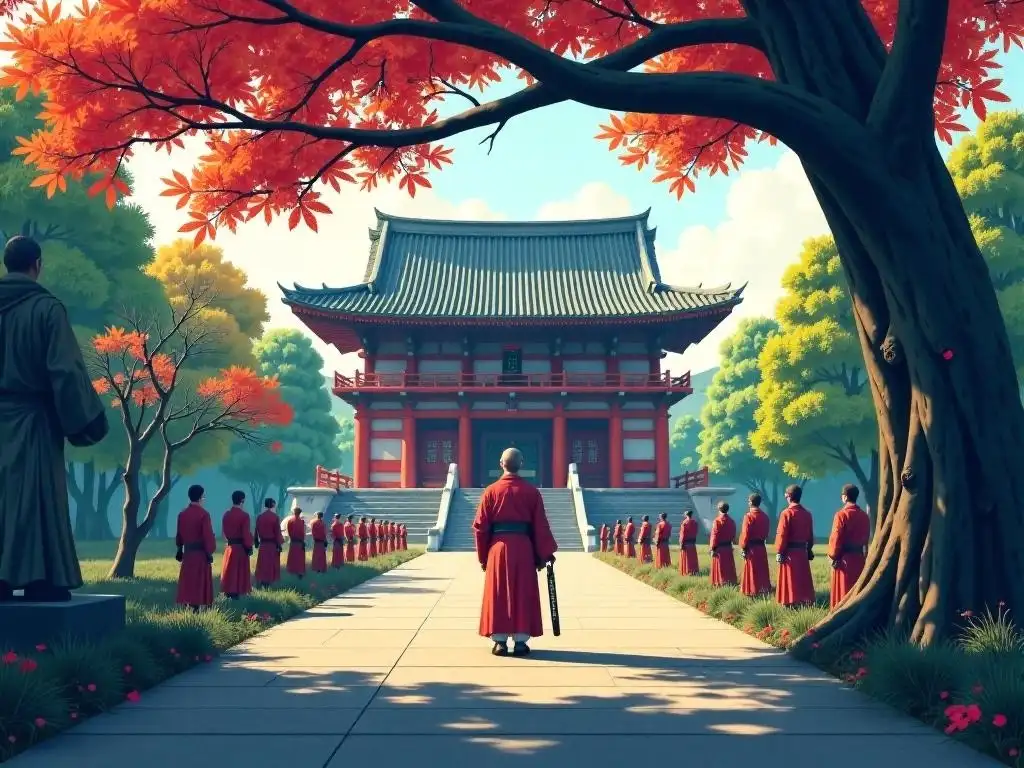
In feudal Japan, art and spirituality were intricately woven into the fabric of daily life. The belief systems prevalent during this era, particularly Shinto and Buddhism, significantly influenced artistic expressions. Every aspect of life, from mundane tasks to elaborate ceremonies, was seen through a spiritual lens, with art acting as a medium to convey these beliefs.
Household items often featured intricate designs that held spiritual significance. For instance, everyday utensils were not merely functional but also bore motifs that reflected nature or religious symbols. The practice of decorating homes with seasonal art, such as floral arrangements (ikebana) and calligraphy, was commonplace. These decorations were believed to invite positive energies and blessings into the home, demonstrating a seamless blend of aesthetics and spirituality.
Moreover, the creation of art was often viewed as a spiritual practice. Artists sought inspiration from nature and divinity, believing that their work was an offering to the gods. This mindset fostered a deep reverence for the artistic process, with practitioners often engaging in rituals before commencing their creations, ensuring that their art would resonate with the spiritual realm.
Rituals and Ceremonies: The Integration of Art
Rituals and ceremonies in feudal Japan were elaborate events that showcased the deep connection between art and spirituality. From tea ceremonies to religious festivals, these gatherings featured various artistic expressions that enhanced the spiritual atmosphere.
The tea ceremony, known as chanoyu, is a quintessential example where art and spirituality converge. This ritual emphasizes harmony, respect, purity, and tranquility, with each element—tea, utensils, and the surrounding environment—carefully curated to create a serene experience. The aesthetic beauty of the tea room, including the arrangement of flowers and calligraphy scrolls, reflects spiritual values and serves to elevate the participants' consciousness.
Similarly, during religious ceremonies, such as Obon, art played a pivotal role. Lanterns, which are crafted with intricate designs, are lit to guide the spirits of ancestors home. The act of creating these lanterns is not just an artistic endeavor but a spiritual one, reinforcing familial bonds and honoring heritage.
Art as a Medium for Spiritual Reflection
Art served as a powerful medium for spiritual reflection in feudal Japan. Various forms of artistic expressions, such as painting, sculpture, and poetry, provided individuals with a means to explore and articulate their spiritual experiences and beliefs.
Buddhist paintings, known as mandalas, exemplified this connection. These intricate designs are not only visually stunning but also serve as tools for meditation, allowing practitioners to visualize their spiritual journey and attain enlightenment. The process of creating and contemplating these artworks was seen as a sacred act, enhancing the artist's and viewer's connection to the divine.
Additionally, poetry, particularly in the form of haiku, captured the essence of fleeting moments in nature, often infused with spiritual meaning. Through minimalistic language, poets expressed profound reflections on existence, nature, and the interconnectedness of life, inviting readers to contemplate their own spiritual paths.
The Decline of Feudal Japan’s Art and Spirituality
The decline of feudal Japan's art and spirituality can be attributed to several interrelated factors, leading to a significant transformation in artistic practices and cultural expressions.
Factors Leading to the Transformation of Artistic Practices
As Japan transitioned from the feudal era to the modern period, societal changes began to alter the landscape of artistic practices. The Meiji Restoration in the late 19th century marked a pivotal shift, as Japan opened its doors to Western influences. This period saw the decline of traditional artistic forms, as artists and craftsmen began to adopt Western techniques and styles, diluting the spiritual significance of their work.
Furthermore, the rise of urbanization and industrialization shifted focus from communal and spiritual practices to individualism and materialism. Traditional rituals and ceremonies that had once been celebrated with artistic expressions became less prevalent, leading to a loss of the deep spiritual connections that characterized earlier artistic endeavors.
The Impact of Western Influence on Japanese Art
The influx of Western art styles and philosophies profoundly influenced Japanese artists, leading to a significant transformation in the aesthetic landscape. While some artists embraced this change, integrating Western techniques into their work, others struggled to maintain their cultural identity amidst the overwhelming influence.
The introduction of oil painting and perspective shifted the focus from traditional forms, such as ink wash and ukiyo-e prints, which were deeply rooted in spiritual and cultural narratives. This led to a divergence from the spiritual themes that had previously dominated Japanese art, as artists began to explore more secular subjects, reflecting contemporary societal changes rather than historical or spiritual ones.
Preservation of Spiritual Art in Modern Japan
Despite the challenges posed by modernization, efforts to preserve spiritual art in contemporary Japan remain strong. Many artists and cultural practitioners work diligently to revive traditional techniques and themes, ensuring that the rich heritage of feudal Japan is not lost.
Organizations dedicated to preserving traditional crafts, such as pottery, textiles, and calligraphy, play a crucial role in this effort. Workshops and exhibitions showcase the beauty and spiritual significance of these art forms, allowing new generations to connect with their cultural roots. Additionally, contemporary artists often blend traditional and modern styles, creating works that resonate with both the past and the present, thereby keeping the spirit of feudal Japan alive in a rapidly changing world.
While the intersection of art and spirituality in feudal Japan has evolved, the enduring legacy of this relationship continues to influence contemporary Japanese culture, making it a vital aspect of the nation's identity.
Conclusion: The Lasting Legacy of Art and Spirituality in Feudal Japan
The interplay between art and spirituality during the feudal era of Japan has left a profound and lasting legacy that continues to influence contemporary culture. This relationship was characterized by a deep reverence for nature, a commitment to craftsmanship, and a spiritual ethos that permeated various forms of artistic expression. The intricate designs of Zen gardens, the delicate brush strokes of ink paintings, and the ethereal beauty of Noh theater all serve as testaments to this unique fusion.
Reflection on the Historical Significance
Historically, the art and spirituality of feudal Japan were not merely aesthetic pursuits but were integral to the social and cultural fabric of the time. Artists and craftsmen often viewed their work as a form of spiritual practice, encapsulating the essence of Shinto beliefs and Buddhist philosophies. This perspective fostered a sense of harmony and balance, which was critical in a society often marked by conflict and change.
The artisans of this era were seen as conduits of divine inspiration, where their creations were imbued with meaning and intended to elevate the spirit. For instance, the meticulous process of creating a tea ceremony set was not merely about the final product but about the meditative practice involved in its creation, reflecting a deep spiritual engagement. This historical significance emphasizes how art served as a medium for spiritual expression and communal identity, shaping the worldview of feudal Japan.
The Modern Relevance of Feudal Artistic and Spiritual Practices
In today's society, the artistic and spiritual practices of feudal Japan resonate strongly in various aspects of modern life. The principles of wabi-sabi, which embrace imperfection and transience, continue to influence contemporary design, architecture, and even lifestyle choices. Many artists today draw inspiration from the spiritual philosophies of Zen Buddhism, incorporating mindfulness and simplicity into their work.
Moreover, the resurgence of interest in traditional practices such as calligraphy, Ikebana (flower arranging), and tea ceremonies highlights a collective yearning for authenticity and connection to heritage. These practices not only serve as artistic outlets but also as means of spiritual reflection and personal growth, bridging the gap between the past and the present. This modern relevance underscores the idea that the intersection of art and spirituality is not confined to history but remains a vital part of cultural expression and individual identity.
Final Thoughts on the Intersection of Art and Spirituality
The intersection of art and spirituality in feudal Japan presents a rich tapestry of cultural heritage that is both fascinating and instructive. It illustrates how creativity can serve as a pathway to understanding deeper spiritual truths and how these truths can, in turn, inspire the creation of beauty. This dynamic interplay fosters a holistic worldview that celebrates life, nature, and the divine.
As we reflect on this legacy, it becomes clear that the principles and practices established during the feudal era continue to offer valuable insights into our contemporary lives. By embracing the lessons learned from the past, we can cultivate a deeper appreciation for the beauty around us and find spiritual fulfillment through artistic expression. The enduring legacy of art and spirituality in feudal Japan not only enriches our understanding of history but also invites us to explore the profound connections that bind creativity and the human spirit.
- Understanding Art and Spirituality in the Context of Feudal Japan
- Historical Overview of Feudal Japan’s Artistic Traditions
- Art Forms Reflecting Spirituality in Feudal Japan
- The Role of Nature in Art and Spirituality
- Notable Artists and Their Spiritual Influence
- The Impact of Social Structure on Art and Spirituality
- Art and Spirituality in Daily Life During Feudal Japan
- The Decline of Feudal Japan’s Art and Spirituality
- Conclusion: The Lasting Legacy of Art and Spirituality in Feudal Japan
- What is the significance of art in feudal Japan?
- How did spirituality influence artistic expression during this period?
- What are some examples of art forms that emerged in feudal Japan?
- How did the samurai class contribute to the art scene in feudal Japan?
- What role did religion play in the creation of art in feudal Japan?
Frequently Asked Questions
What is the significance of art in feudal Japan?
Art in feudal Japan served as a vital expression of cultural identity and was deeply intertwined with spiritual beliefs and practices that reflected the values of the time.
How did spirituality influence artistic expression during this period?
Spirituality played a crucial role, with Buddhist and Shinto beliefs shaping themes, styles, and mediums, leading to art that was not only visually appealing but also spiritually resonant.
What are some examples of art forms that emerged in feudal Japan?
Painting, calligraphy, ceramics, and architecture flourished during this era, each incorporating elements of spirituality and serving both aesthetic and ritualistic purposes.
How did the samurai class contribute to the art scene in feudal Japan?
The samurai class patronized various art forms, using them to convey their status and philosophical ideals, which often included themes of honor, loyalty, and spirituality.
What role did religion play in the creation of art in feudal Japan?
Religion was central to art creation, as many pieces were commissioned for temples or shrines, serving both as devotional objects and as reflections of the spiritual beliefs of the era.
Final Reflection: The Enduring Legacy of Art and Spirituality in Feudal Japan
The intricate relationship between art and spirituality in feudal Japan continues to resonate profoundly in today's world. As we navigate an era increasingly defined by technological advancement and rapid change, the timeless values and aesthetics derived from this historical intersection remind us of the importance of introspection and connection to something greater than ourselves. The art of feudal Japan was not merely a reflection of its time; it was a profound expression of the spiritual beliefs that shaped the lives of its people.
Culture is a living tapestry, woven from the threads of past influences that shape our present and future. The artistic practices of feudal Japan, from Zen gardens to ink paintings, serve as a testament to the enduring power of spirituality in creative expression. These art forms not only provided aesthetic pleasure but also offered a pathway to enlightenment and deeper understanding of the self and the universe. As the philosopher D.T. Suzuki once said, The Zen mind is a creative mind.
This notion underscores how the spiritual practices of the time fostered an environment where creativity flourished, leaving an indelible mark on both Japanese culture and the global art scene.
As we reflect on the lessons of art and spirituality in feudal Japan, I invite you to consider how these principles can enrich your own life. Take a moment to explore your own creative expressions—whether through art, writing, or any other form—and seek the deeper meanings that resonate within you. Embrace the idea that creativity can be a spiritual journey, one that connects you to your inner self and the world around you. Let the legacy of feudal Japan inspire you to cultivate a harmonious balance between your artistic pursuits and spiritual growth, fostering a richer, more meaningful existence.
Unveil the Spiritual Essence of Feudal Japan!
Thank you for exploring the fascinating world of art and spirituality during Feudal Japan! By diving into this rich intersection, you've gained insights into how culture and spiritual beliefs influenced creativity. Now it's time to put that knowledge into action!
Here are some ways you can further embrace and explore this captivating theme:
- Visit a local art gallery that showcases Japanese art, or create your own piece inspired by the spiritual concepts from this era.
- Read a book on Zen Buddhism or the philosophy surrounding art in Japan to deepen your understanding.
- Engage with online communities or forums to share your thoughts and learn from others who share a passion for Feudal Japan.
What aspects of spiritual art from Feudal Japan resonate with you the most, and how do you plan to incorporate them into your daily life?