
The Mystique of Netsuke: Miniature Sculpture and Its Cultural Significance

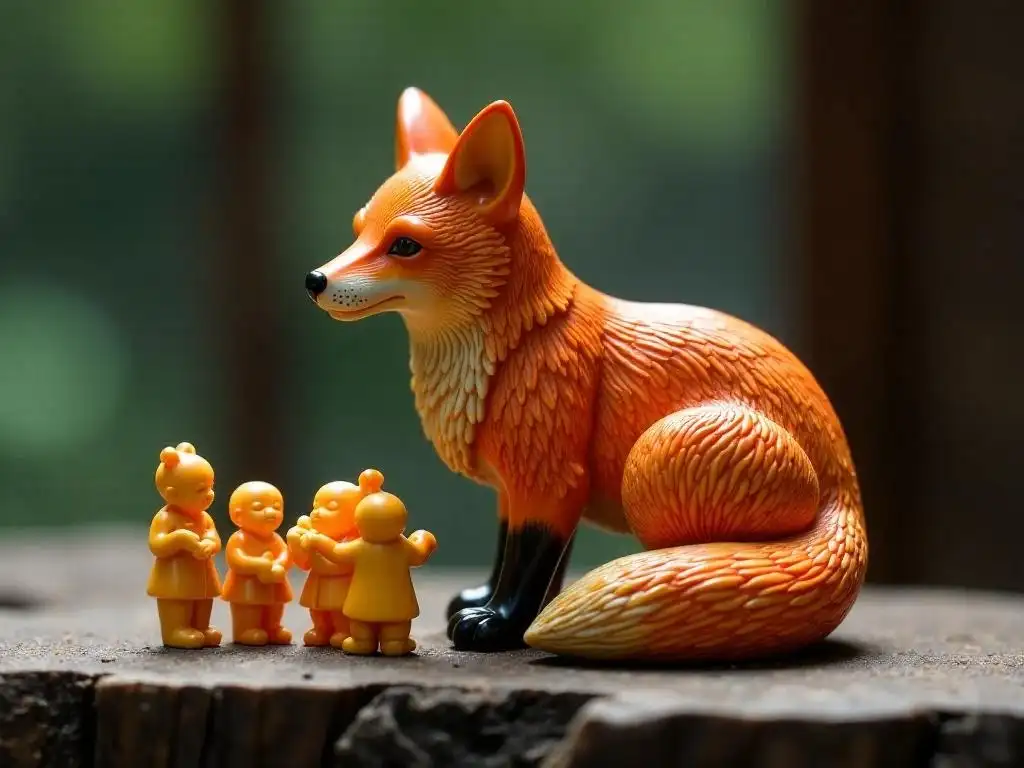
Welcome to Feudal Japan History, where we invite you to journey through the captivating tapestry of Japan’s feudal era. Here, you’ll uncover the rich historical and cultural threads woven into every corner of this fascinating period. In our featured article, “The Mystique of Netsuke: Miniature Sculpture and Its Cultural Significance,” we delve into the enchanting world of netsuke, exploring how these intricate miniature sculptures symbolize much more than mere artistry.
Prepare to be intrigued as we unravel the stories and meanings behind these remarkable pieces—each one a key to understanding Japan’s vibrant cultural heritage. What secrets do these tiny masterpieces hold? Read on to discover their profound significance in the fabric of feudal Japan!
Introduction to Netsuke
Netsuke, the captivating miniature sculptures of Japan, serve as a bridge between art and functionality, encapsulating the rich cultural tapestry of the country's feudal era. Originally designed as toggles for securing small items to the obi (sash) of kimono, these intricate works of art have transcended their utilitarian purpose to become cherished collectibles and symbols of Japanese craftsmanship.
The cultural significance of netsuke in Japan is profound, reflecting not only the artistic mastery of their creators but also the societal values, beliefs, and historical contexts of their time. In this article, we will delve into the definition, historical background, artistry, materials, techniques, and notable artists associated with netsuke, revealing the layers of meaning embedded within these exquisite sculptures.
Definition of Netsuke in Japanese Culture
Netsuke (根付) are small, carved sculptures that originated in Japan during the Edo period (1603-1868). These functional art pieces were primarily crafted from wood, ivory, or other materials and served as essential accessories for kimono-wearing individuals. Given the absence of pockets in traditional garments, netsuke were used to secure small items, such as pouches or tools, to the obi. The word "netsuke" itself translates to "to pull" or "to fasten," underscoring its practical role in daily life.
Beyond their functionality, netsuke are celebrated for their intricate designs, often depicting animals, mythical creatures, and scenes from folklore. Each piece is a testament to the artisan's skill and creativity, showcasing meticulous attention to detail and a deep understanding of subject matter.
Historical Background of Netsuke in Feudal Japan
The emergence of netsuke can be traced back to the late 17th century, during a time when Japan was experiencing significant social and economic changes. The Edo period saw an increase in the merchant class, who sought ways to express their wealth and status. As a result, netsuke became symbols of individuality and refinement.
Initially, netsuke were simple and utilitarian, but as artisans honed their skills, they evolved into highly decorative pieces of art. The popularity of netsuke surged, leading to the establishment of specialized workshops and guilds. The craftsmanship of netsuke reached new heights, with intricate designs that often conveyed narratives or moral lessons deeply rooted in Japanese culture.
The Artistry of Netsuke
Netsuke are not merely functional objects; they represent a unique blend of artistry, culture, and history. The craftsmanship involved in creating these miniature sculptures reflects a deep understanding of materials, techniques, and artistic expression.
Materials Used in Netsuke Crafting
Netsuke are traditionally crafted from a variety of materials, each contributing to the piece's aesthetic and cultural significance. Common materials include:
- Wood: Often used for its availability and workability, wood allowed artisans to create detailed and intricate designs.
- Ivory: Sought after for its durability and fine texture, ivory netsuke often featured highly detailed carvings.
- Bone: Similar to ivory, bone provided a unique medium for crafting delicate designs.
- Ceramics and Stone: Some netsuke were made from clay or stone, showcasing diverse artistic approaches.
Each material not only influences the visual appeal of netsuke but also carries its own cultural implications, reflecting the resources and values of the time.
Techniques Employed by Netsuke Artists
The artistry of netsuke involves a variety of techniques that contribute to their intricate designs and forms. Key techniques include:
- Carving: The primary technique used by netsuke artists, involving the meticulous shaping of the material to achieve detailed features.
- Inlay: Some netsuke incorporate the use of contrasting materials to create intricate patterns or designs, enhancing visual depth.
- Polishing: The finishing touches involve careful polishing to bring out the beauty of the material, particularly in wood and ivory pieces.
These techniques require not only technical skill but also an understanding of aesthetics and cultural symbolism, making netsuke a true form of art.
Notable Netsuke Artists and Their Contributions
Throughout history, numerous artisans have made significant contributions to the craft of netsuke. Some notable artists include:
- Toshimitsu: Renowned for his detailed and expressive figures, Toshimitsu's work reflects the cultural narratives prevalent during his time.
- Masanao: A master of wood netsuke, Masanao's pieces often depict themes from Japanese folklore, showcasing the connection between art and storytelling.
- Kōzan: Known for his ivory netsuke, Kōzan's intricate carvings demonstrate a delicate balance between form and detail.
These artists not only shaped the evolution of netsuke but also left a lasting legacy that continues to inspire contemporary craftsmen and collectors alike. Their works serve as a reminder of the rich cultural heritage encapsulated within each miniature sculpture, and the ongoing relevance of netsuke in understanding Japan's artistic history.
The Cultural Significance of Netsuke in Japan
Netsuke, the tiny yet intricately carved sculptures that originated in Japan during the Edo period (1603-1868), hold a profound cultural significance that transcends their functional role. Initially designed to secure the cords of pouches (inro) worn by the samurai class, netsuke eventually evolved into a unique form of artistic expression. These miniature sculptures embody the aesthetics and philosophies of Japanese culture, serving as a bridge between utility and artistry. Each netsuke tells a story, often reflecting the intricate relationship between humans and nature, mythology, and societal values.
The craftsmanship involved in creating netsuke is highly regarded, showcasing the skills of artisans who painstakingly carve designs from materials such as wood, ivory, and ceramic. This dedication to detail not only emphasizes the aesthetic beauty of netsuke but also highlights the cultural reverence for craftsmanship and the relationship between the artist and their work. As objects of art, netsuke are appreciated for their beauty and are considered valuable collectors’ items, further solidifying their place in Japanese cultural history.
Symbolism of Netsuke in Japanese Society
The symbolism embedded in netsuke often reflects various aspects of Japanese society and thought. Many netsuke depict animals, mythological figures, or scenes from folklore, representing traits admired in Japanese culture, such as loyalty, bravery, and wisdom. For instance, the depiction of the tiger symbolizes strength and courage, while the crane is often associated with longevity and good fortune. These symbols provide deeper meanings to the netsuke beyond their physical appearance, allowing them to serve as talismans or cultural reminders of the virtues valued in society.
Furthermore, netsuke can also represent social status. The choice of materials and complexity of design often indicated the owner’s wealth and taste. For example, netsuke made from rare materials such as ivory or intricate carvings could signify higher social standing. This interplay of symbolism and social commentary illustrates how netsuke functioned not just as decorative objects but also as reflections of individual identity within the broader cultural framework.
Netsuke as a Reflection of Japanese Values and Beliefs
Netsuke encapsulate core Japanese values such as harmony with nature, appreciation for beauty, and the transient nature of life, commonly expressed in the concept of mono no aware, or the beauty of ephemeral things. The themes depicted in netsuke often celebrate nature, portraying flora and fauna with reverence and delicacy. This focus on natural elements aligns with the Shinto belief in the sacredness of nature, emphasizing humanity's connection to the environment.
Moreover, the intricate storytelling found within netsuke serves to preserve and transmit cultural narratives across generations. Each piece can convey morals, folklore, or historical events, functioning as miniature vessels of cultural heritage. The ability of netsuke to maintain tradition while also showcasing individual artistry exemplifies the duality of Japanese culture, where collective heritage and personal expression coexist harmoniously.
Netsuke in Modern Context
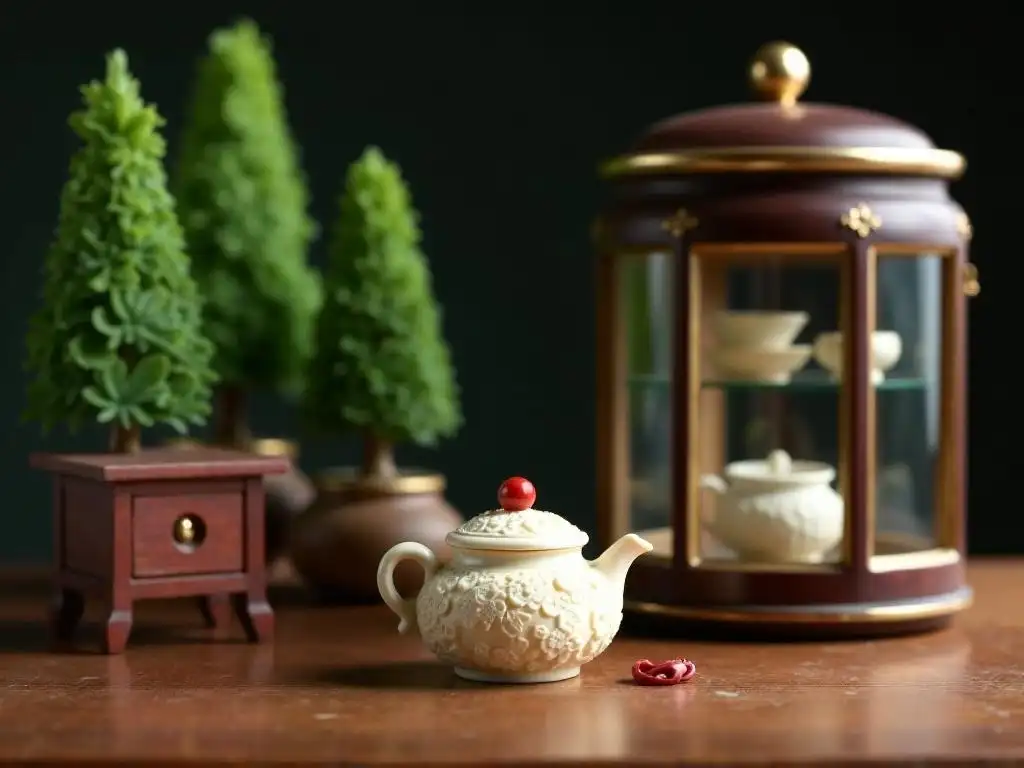
The relevance of netsuke has not diminished in the modern era; rather, it has adapted and evolved, maintaining its cultural significance while embracing contemporary interpretations.
The Evolution of Netsuke: From Utility to Art
As Japan transitioned into the Meiji era (1868-1912) and beyond, the purpose of netsuke began to shift. While originally functional, as Western clothing styles gained popularity, the practical need for netsuke diminished. This transition allowed artisans to focus more on the artistic aspects, leading to the creation of highly stylized and imaginative designs that showcased personal expression and creativity. Today, netsuke are often collected as fine art pieces rather than functional items, marking a significant evolution in their purpose and appreciation.
Contemporary Interpretations of Netsuke
Modern artists and craftsmen continue to draw inspiration from traditional netsuke, resulting in innovative interpretations that blend old techniques with new ideas. Contemporary netsuke may incorporate a variety of materials and styles, reflecting current themes and societal issues. Some artisans experiment with form and function, creating pieces that challenge traditional aesthetics while still honoring the historical roots of netsuke. This evolution not only keeps the craft alive but also expands its relevance within the global art community.
The Global Appreciation of Netsuke: Beyond Japan
The appreciation for netsuke has transcended Japan's borders, finding a place in international art markets and exhibitions. Collectors from around the world recognize the beauty and craftsmanship of these miniature sculptures, leading to a growing interest in Japanese art and culture.
Museums and galleries often showcase netsuke in exhibitions dedicated to Japanese art, further enhancing their visibility and significance on a global scale. This international interest has fostered cultural exchange, allowing people from diverse backgrounds to appreciate the intricate artistry and rich history of netsuke, ultimately solidifying their status as an important cultural artifact not only in Japan but across the world.
Collecting Netsuke
Collecting netsuke has become a popular hobby for many art enthusiasts and historians alike, as these miniature sculptures encapsulate a rich tapestry of Japanese culture and craftsmanship. Originally designed to secure the cords of traditional Japanese garments, netsuke evolved into intricate art pieces that reflect various themes, including mythology, nature, and daily life. Collectors often seek out netsuke not only for their aesthetic appeal but also for their historical significance and the stories they tell.
The world of netsuke collecting is diverse, with enthusiasts ranging from casual hobbyists to serious investors. Each piece offers a glimpse into the artistic styles and societal values of the time it was created, making netsuke a fascinating area of study. Collectors often engage with the history, craftsmanship, and cultural narratives behind each piece, enhancing their appreciation of these small yet significant artifacts.
How to Identify Authentic Netsuke
Identifying authentic netsuke requires a keen eye and an understanding of the materials, craftsmanship, and historical context. Here are key aspects to consider:
- Materials: Traditional netsuke were made from a variety of materials, including wood, ivory, and ceramic. Authentic pieces will typically show signs of natural aging, such as a patina or slight wear.
- Craftsmanship: Examine the intricacies of the carving. Authentic netsuke will showcase detailed workmanship, where even the smallest features are carefully crafted.
- Signature: Many netsuke artists signed their work. Look for a signature or a seal, which can help verify its authenticity.
- Provenance: Provenance refers to the history of ownership. Pieces with documented history or from reputable collections are more likely to be authentic.
By paying attention to these details, collectors can better navigate the market and avoid counterfeit items.
Tips for Collecting Netsuke: What to Look For
When embarking on a netsuke collecting journey, consider the following tips to enhance your collection:
- Research: Familiarize yourself with different styles, periods, and artists. Understanding the historical context can help you make informed decisions.
- Condition: Assess the condition of a netsuke before purchase. Look for cracks, chips, or repairs that might affect its value.
- Theme and Subject Matter: Netsuke often depict specific themes or narratives. Choose pieces that resonate with you personally or that represent significant cultural stories.
- Size and Scale: Netsuke vary in size. Smaller pieces may be more difficult to find and can be more valuable due to their intricacy and craftsmanship.
- Networking: Connect with other collectors, dealers, and experts in the field. They can provide valuable insights and may offer access to rare pieces.
By following these strategies, collectors can build a meaningful collection that showcases the artistic and cultural significance of netsuke.
The Market for Netsuke: Trends and Insights
The market for netsuke has seen fluctuations over the years, influenced by various factors such as cultural interest, economic conditions, and collector demographics. Currently, there is a growing appreciation for traditional Japanese arts, with netsuke being recognized not only for their beauty but also as valuable historical artifacts.
- Auction Houses: Major auction houses often feature netsuke in their sales, attracting both seasoned collectors and newcomers. Prices can vary widely based on the piece's age, condition, and artist.
- Online Platforms: With the rise of online marketplaces, collectors can now access a broader range of netsuke. This accessibility has made it easier for enthusiasts to buy and sell pieces, but it has also increased the importance of verifying authenticity.
- Cultural Exhibitions: Museums and galleries are increasingly showcasing netsuke in exhibitions, further driving interest in their historical and cultural significance.
Overall, the market for netsuke is vibrant, reflecting both the enduring legacy of these miniature sculptures and the evolving tastes of collectors.
Conclusion
The mystique of netsuke lies not only in their intricate designs but also in their deep-rooted cultural significance in Japan. As collectors, historians, and enthusiasts continue to explore the world of netsuke, they uncover the stories and traditions that these small sculptures represent, solidifying their place in Japanese cultural history.
The Enduring Legacy of Netsuke in Japanese Culture
The legacy of netsuke is profound, transcending their original functional purpose to become symbols of Japanese artistry and cultural identity. Over the centuries, netsuke have evolved from practical accessories to cherished collectibles and art forms that celebrate Japan's rich heritage. They serve as a bridge connecting the past with the present, reminding us of the artistry, craftsmanship, and cultural narratives that define Japanese society.
Netsuke continue to inspire contemporary artists and collectors alike, and their presence in museums and exhibitions worldwide highlights their lasting importance. As cultural artifacts, they encapsulate the essence of Japanese aesthetics and philosophies, ensuring that their legacy endures for future generations.
Final Thoughts on the Cultural Significance of Netsuke in Japan
Netsuke are not merely decorative objects; they are significant cultural artifacts that embody the artistic spirit and historical richness of Japan. Their intricate designs and the stories they tell reflect the values, beliefs, and daily lives of the people who created them. As we delve deeper into the world of netsuke, we gain a greater appreciation for their role in Japanese culture and their timeless appeal.
As interest in netsuke continues to grow, both in Japan and internationally, it is essential to recognize and preserve their cultural significance. Collectors, scholars, and enthusiasts play a crucial role in ensuring that these remarkable pieces of art are celebrated and appreciated for generations to come. 🌸
- Introduction to Netsuke
- The Artistry of Netsuke
- The Cultural Significance of Netsuke in Japan
- Netsuke in Modern Context
- Collecting Netsuke
- Conclusion
Frequently Asked Questions
What are netsuke and their primary function in feudal Japan?
Netsuke are miniature sculptures that served as functional accessories to secure items like pouches and tobacco cases to the kimono. They reflect the artistic craftsmanship of the era.
How does netsuke reflect the cultural significance of Japan?
Netsuke encapsulate the aesthetic values and symbolism of Japanese culture, often depicting mythical creatures, nature, and daily life, showcasing the fusion of art and utility.
What materials are commonly used to create netsuke?
Netsuke are traditionally made from materials such as wood, ivory, and horn, with each material offering a unique texture and visual appeal that contributes to the artistic legacy of these pieces.
What themes are commonly represented in netsuke designs?
Common themes in netsuke designs include folklore, nature, and animals, each carrying its own symbolic meaning that often reflects the philosophies and beliefs of Japanese society.
How has the perception of netsuke evolved in modern Japan?
In contemporary Japan, netsuke are valued not only for their historical significance but also as art pieces. They have gained recognition in the art market, attracting collectors and enthusiasts globally.
Final Reflection: The Enduring Legacy of Netsuke in Japanese Culture
The cultural significance of Netsuke in Japan transcends mere artistry; it embodies a rich tapestry of history, tradition, and identity. As we explore the intricate craftsmanship and storytelling behind these miniature sculptures, we realize that they serve as a bridge connecting past and present, reminding us of the profound ways art can encapsulate cultural narratives. In today’s fast-paced world, where the ephemeral often overshadows the enduring, the intricate details and meanings embedded in Netsuke resonate more than ever, urging us to appreciate the depth of our cultural heritage.
The influence of Netsuke extends beyond its aesthetic appeal, shaping our understanding of Japanese culture and its values. These small yet powerful artifacts reflect the intricacies of human experience and the importance of storytelling in preserving cultural identity. As we admire these sculptures, we are reminded of the words of the renowned Japanese artist Katsushika Hokusai: The only thing that can be truly understood is what is created with the heart.
This sentiment encapsulates the essence of Netsuke, as each piece is not just a decorative object but a heartfelt expression of cultural significance that continues to inspire and educate.
As we conclude this exploration of Netsuke, I invite you to reflect on the cultural artifacts that surround you and the stories they tell. Consider how you can engage with your own heritage or the art forms that resonate with you. Whether through collecting, creating, or simply appreciating, let the lessons of Netsuke inspire you to delve deeper into the narratives that shape our identities and communities. In doing so, we not only honor the past but also pave the way for a more enriched and connected future.
Unveil the World of Netsuke: Take Action Today!
Thank you for diving into the fascinating world of netsuke with us! You've uncovered the intricate artistry and rich cultural significance behind these miniature sculptures. Now, let's channel that newfound knowledge into action!
Here are a few exciting ways you can explore further and engage with the beauty of netsuke:
- Visit local exhibits or museums showcasing netsuke collections—immersing yourself in their craftsmanship and history can be truly inspiring!
- Join an online community or social media group focused on Japanese art where you can share your thoughts and learn from fellow enthusiasts.
- Create your own mini netsuke art piece! Gather some materials and let your creativity flow—who knows what masterpiece you might create?
We’d love to know: What aspect of netsuke fascinates you the most, and how do you plan to explore its cultural significance further?