
Exploring the Craft of Sado: The Way of Tea in Artistic Practice

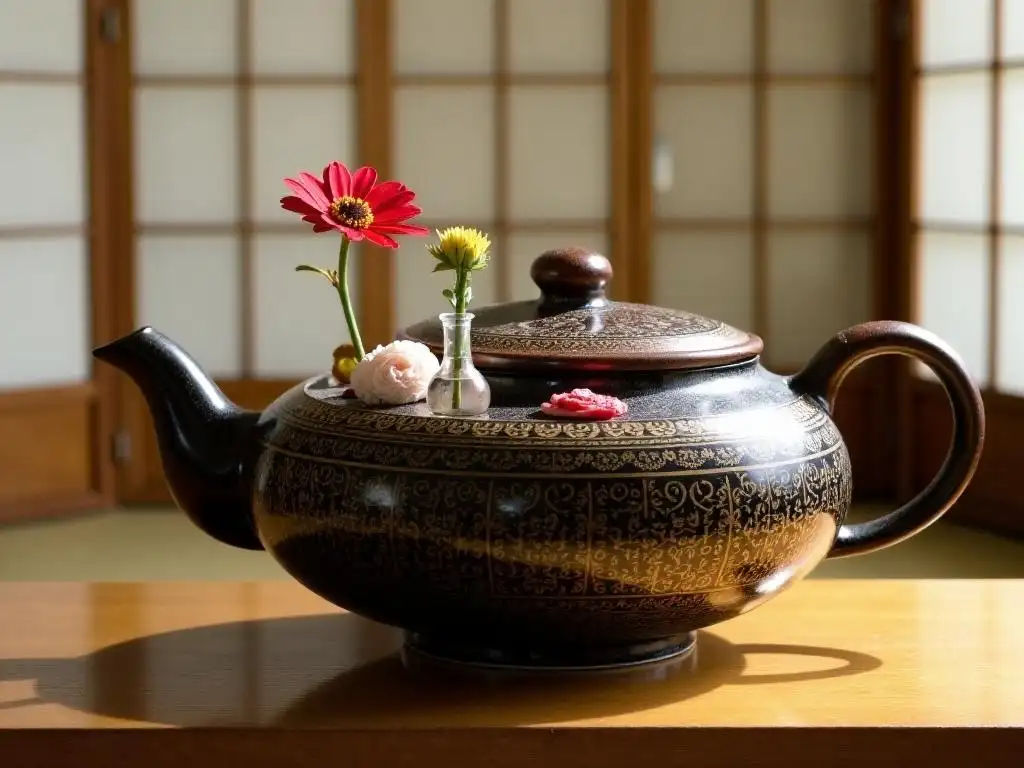
Welcome to Feudal Japan History, where we embark on a captivating journey through the intricate tapestry of Japan's feudal era. Delve into the rich historical, cultural, and societal narratives that shaped this fascinating period. In our featured article, "Exploring the Craft of Sado: The Way of Tea in Artistic Practice," we invite you to uncover the profound significance of the Sado tea ceremony history—a ritual steeped in tradition and artistry. Prepare to be intrigued as we unveil the layers of meaning and craftsmanship that define this elegant practice. Your exploration begins here—what secrets of the past will you uncover?
The Sado tea ceremony, often referred to as the "Way of Tea," is a profound cultural practice that transcends mere beverage preparation, embodying the essence of Japanese aesthetics, spirituality, and social interaction. This intricate art form emphasizes harmony, respect, purity, and tranquility—principles that resonate deeply within the rich tapestry of Japan's feudal history.
As we delve into the world of Sado, we will uncover its definition and origins, its significance in Japanese culture, and the historical context that shaped its evolution. This exploration will not only enhance our understanding of Sado tea ceremony history but also illustrate its enduring impact on Japanese arts and crafts.
Introduction to Sado: The Essence of the Tea Ceremony
Understanding Sado: Definition and Origin
Sado, or the "Way of Tea," is a traditional Japanese tea ceremony that involves the meticulous preparation and serving of matcha, a powdered green tea. The origins of Sado can be traced back to the 9th century when tea was first introduced to Japan from China. Over the centuries, this practice evolved, influenced by Zen Buddhism, which emphasized mindfulness and simplicity. The term "Sado" itself reflects a journey towards aesthetic perfection and spiritual enlightenment through the art of tea.
The Significance of Sado in Japanese Culture
Sado holds a pivotal role in Japanese culture, serving as a medium for social connection and personal introspection. The ceremony is not merely about drinking tea; it is an immersive experience that fosters a deep appreciation for nature, art, and the ephemeral beauty of life. Through the ritualistic elements of Sado, participants engage in a dialogue that transcends words, cultivating a sense of community and a shared understanding of tranquility and respect.
The Historical Context of Sado Tea Ceremony
Sado Tea Ceremony History: Roots in Feudal Japan
The history of the Sado tea ceremony is intricately linked to Japan's feudal era, particularly during the 15th and 16th centuries. It was during this time that tea ceremonies became popular among the samurai class, who embraced the ritual as a means of fostering camaraderie and demonstrating their cultural sophistication. The influence of prominent tea masters, such as Sen no Rikyū, played a crucial role in formalizing the practices and aesthetics of Sado, marking a significant turning point in its historical development.
Influential Figures in the Development of Sado
Throughout its history, several key figures have shaped the evolution of Sado. Notably, Sen no Rikyū, often hailed as the most influential tea master, introduced the principles of wabi-sabi—finding beauty in imperfection and transience—into the practice of tea. His teachings emphasized simplicity and naturalness, which became foundational to the Sado philosophy. Other notable figures include tea masters like Takeno Jōō and Kobori Enshū, who contributed to the refinement and dissemination of tea culture during the Edo period.
Key Events that Shaped Sado Practices
Several pivotal events have significantly influenced the practices of Sado throughout its history. The establishment of the tea school system during the Muromachi period laid the groundwork for the formal transmission of tea knowledge and techniques. Additionally, the rise of the merchant class during the Edo period brought new perspectives and innovations to Sado, integrating elements from various cultural traditions. These developments not only enriched the tea ceremony but also ensured its survival and adaptation through centuries of social and political change in Japan.
The Philosophy Behind Sado
The philosophy behind Sado, or the Japanese tea ceremony, is deeply rooted in spiritual and aesthetic principles that transcend mere beverage preparation. At its core, Sado embodies a way of life that emphasizes harmony, respect, purity, and tranquility. This philosophical framework transforms the act of making and drinking tea into a meditative practice, fostering mindfulness and presence in each moment. The rituals and traditions of Sado are a reflection of centuries of cultural evolution, interwoven with elements from various philosophical schools, particularly Zen Buddhism and the aesthetic appreciation of imperfection and transience.
Zen Buddhism and Its Influence on the Tea Ceremony
Zen Buddhism has had a profound impact on the development of Sado, shaping not only its practices but also its underlying principles. Central to Zen is the concept of mindfulness, the practice of being fully present in the moment. This principle is vividly expressed in the tea ceremony, where each action, from the preparation of the tea to the serving of the first cup, is performed with deliberate care and awareness.
The simplicity and minimalism found in Sado echo Zen teachings, stripping away distractions to focus on the essence of the experience. The tea room, often designed to be a tranquil space, exemplifies this philosophy, offering a refuge from the complexities of the outside world. Additionally, the practice of Sado encourages participants to embrace impermanence, a key tenet of Zen, reminding them to find beauty in fleeting moments.
Aesthetics of Wabi-Sabi in Sado
Wabi-sabi, the Japanese aesthetic that embraces imperfection and transience, is another cornerstone of Sado. This philosophy celebrates the beauty found in natural processes and the flaws that come with them. In the context of the tea ceremony, wabi-sabi emphasizes simplicity, rusticity, and a connection to nature.
Ceramics used in Sado, such as tea bowls, often exhibit asymmetry or rough textures, reflecting the idea that beauty lies in the imperfect. The tea ceremony itself is structured to highlight the transient nature of life, with each session being unique and unrepeatable. This aesthetic invites practitioners to appreciate the moment as it is, encouraging a deep sense of gratitude and presence.
Components of the Sado Tea Ceremony
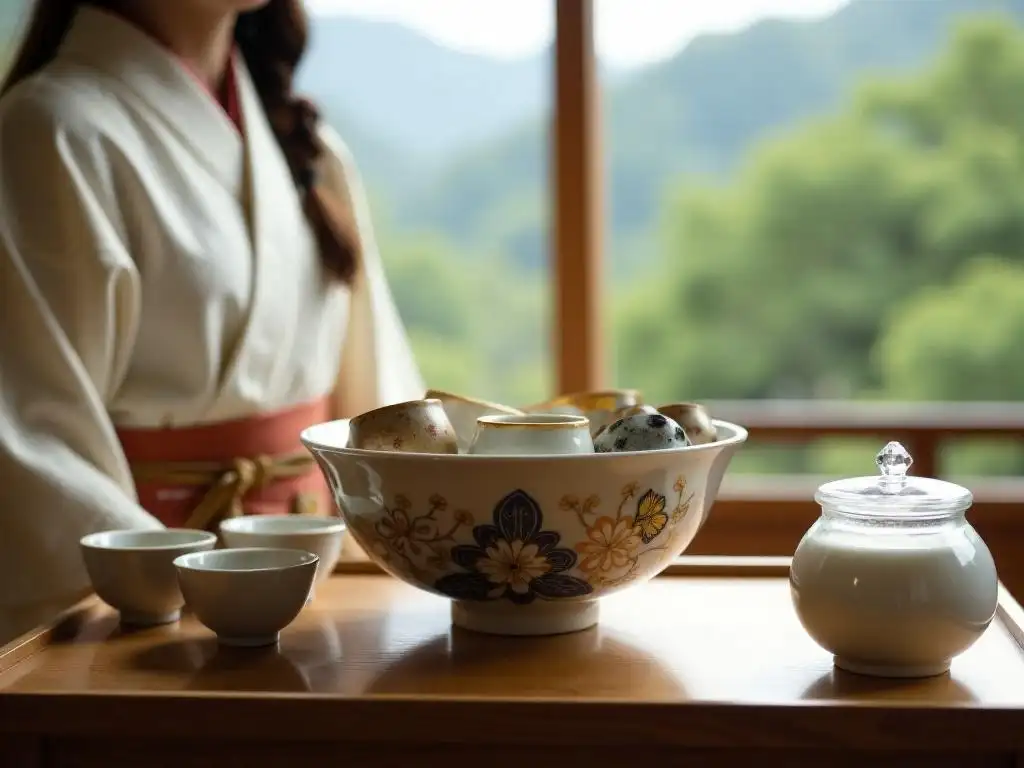
The Sado tea ceremony comprises various components, each thoughtfully chosen to enhance the overall experience and convey its philosophical underpinnings. From the setting to the rituals involved, these elements come together to create a harmonious and mindful atmosphere.
Essential Tools and Utensils in Sado
The tools and utensils used in Sado are integral to the ceremony's execution and embody its aesthetic values. Key items include:
- Chawan (Tea Bowl): Often handmade, each bowl is unique and reflects the principles of wabi-sabi.
- Chasen (Bamboo Whisk): Used to whisk the matcha tea, symbolizing the delicate balance of effort and grace in the ceremony.
- Chashaku (Bamboo Scoop): A tool for measuring out tea powder, emphasizing the importance of precision.
- Kensui (Waste Water Bowl): A practical item that holds the waste water, reflecting the ceremony's mindfulness about cleanliness and respect.
These utensils are not merely functional; they are also chosen for their aesthetic qualities and the emotions they evoke, reinforcing the connection between form and philosophy in Sado.
Ingredients Used in the Sado Tea Ceremony
The primary ingredient used in Sado is matcha, a finely ground green tea powder that plays a central role in the ceremony. Matcha is celebrated not only for its rich flavor but also for its health benefits, including antioxidants and calming properties. The preparation of matcha involves careful attention to detail, from the selection of high-quality tea leaves to the precise method of whisking the powder with hot water.
In addition to matcha, seasonal sweets known as wagashi are often served alongside the tea. These confections are crafted to complement the tea's flavor and reflect the changing seasons, adding another layer of appreciation for nature's cycles within the experience of Sado.
The Role of the Tea Master in Sado
The tea master, or sensei, plays a pivotal role in the Sado tea ceremony, guiding participants through the intricate rituals and imparting the philosophy behind each action. A tea master is not merely a facilitator; they are a custodian of tradition, embodying the values of respect, mindfulness, and harmony that define Sado.
Training to become a tea master involves years of study and practice, during which one learns not only the technical skills required but also the deeper meanings behind the rituals. The tea master sets the tone for the ceremony, creating an atmosphere of tranquility and focus. Their expertise ensures that each ceremony is a unique and meaningful experience, inviting participants to engage fully with the art of tea.
The Artistic Practices in Sado
Sado, often referred to as the "Way of Tea," embodies a profound artistic practice that transcends mere tea preparation. It is an intricate blend of aesthetics, philosophy, and ritual, deeply rooted in Japanese culture. The artistry inherent in Sado is reflected in every aspect of the ceremony, from the selection of utensils to the arrangement of flowers. Practitioners, known as "Sadōka," engage in a meditative process that emphasizes mindfulness and presence, transforming the act of tea-making into a form of art.
The utensils used in Sado, including the tea bowl (chawan), tea whisk (chasen), and tea caddy (natsume), are often chosen not only for their functionality but also for their aesthetic qualities. Each element is imbued with meaning, reflecting the seasons, the host's emotions, and the overall theme of the gathering. The choice of tea, typically matcha, is crucial, as it represents harmony and tranquility. The presentation of tea is not merely about taste; it is a visual and sensory experience that aims to evoke feelings of serenity and appreciation.
Moreover, the setting in which Sado occurs plays a vital role in the artistic practices. Traditional tea rooms (chashitsu) are designed to create an intimate atmosphere, often featuring tatami mats, sliding doors (fusuma), and carefully curated garden views. This environment fosters a deep connection between nature, art, and the participants, enhancing the overall experience of the tea ceremony.
The Rituals Involved in Sado: Step-by-Step
The rituals of Sado are meticulously structured, each step holding symbolic significance. The ceremony can be broken down into several key stages:
- Preparation of the Space: The tea room is cleaned and arranged, ensuring that the environment reflects tranquility and simplicity. Seasonal flowers are placed in a vase, adding a natural element to the setting.
- Welcoming Guests: The host greets the guests with a bow, preparing them for the experience. This moment emphasizes respect and gratitude.
- Serving the Tea: The host prepares the matcha by whisking it with hot water in the tea bowl. This action requires skill and grace, as the host demonstrates the art of making tea.
- Presentation: The tea is served to the first guest, who receives it with both hands, symbolizing respect. The guest admires the bowl's craftsmanship before taking a sip, highlighting the importance of appreciation.
- Sharing the Experience: Guests take turns enjoying the tea, engaging in conversation while maintaining an atmosphere of mindfulness and respect.
- Cleansing: After the ceremony, the utensils are cleaned with care, signifying the end of the ritual and the importance of maintaining the tools of the art.
Each of these steps is performed with deliberate movement, illustrating the harmony between action and intention that characterizes Sado.
The Importance of Movement and Grace in Sado
Movement in Sado is not just functional; it is an essential component of the artistic expression within the tea ceremony. The host's movements are deliberate, fluid, and filled with grace, embodying the principles of Zen Buddhism which emphasize mindfulness and focused attention. This gracefulness is crucial in creating an atmosphere of tranquility and respect, allowing participants to fully immerse themselves in the experience.
Every gesture, from the way the tea is whisked to how the bowl is presented, is choreographed to reflect beauty and harmony. Practitioners spend years honing these movements, as they believe that the energy and intention behind each action profoundly influence the overall experience of the ceremony. The aesthetic quality of movement in Sado serves to engage the senses of the participants, inviting them to appreciate the art form on multiple levels.
Moreover, the relationship between the host and guests is enhanced through these movements. The host's grace serves as a model for guests, encouraging them to engage with the ceremony mindfully and respectfully. This interplay of movement and intention fosters a collective experience that is both personal and communal.
Artistic Expression through Tea: Visual and Sensory Elements
The artistic expression inherent in Sado transcends the act of tea preparation, encompassing a rich tapestry of visual and sensory elements. The aesthetics of the ceremony are carefully curated to create a holistic experience that appeals to all the senses.
- Visual Elements: The beauty of the tea utensils, the arrangement of seasonal flowers, and the serene setting of the tea room all contribute to the visual feast that is Sado. Each bowl, whisk, and caddy is often chosen for its artistic merit, with many crafted by renowned artisans. The visual harmony achieved through careful selection and arrangement fosters a sense of peace and appreciation.
- Sensory Experience: Beyond sight, Sado engages the sense of taste through the rich flavors of matcha. The aroma of the tea, combined with the subtle fragrances of the tea room and flowers, creates an immersive sensory environment. The sound of the whisk as it incorporates air into the tea adds another layer to the experience, enhancing the meditative quality of the ceremony.
- Emotional Resonance: The combination of these elements elicits emotional responses from the participants, inviting them to reflect on the significance of the moment. The act of sharing tea becomes a conduit for connection, fostering a deeper understanding of oneself and others.
Through these visual and sensory elements, Sado becomes more than just a ritual; it is a profound artistic practice that encapsulates the essence of Japanese cultural heritage.
Comparing Sado with Other Tea Practices
Sado stands out not only for its unique artistic practices but also for its distinct cultural significance when compared to other tea traditions around the world. Understanding these differences enriches our appreciation of Sado and its place in the global context of tea culture.
Sado vs. Chinese Tea Ceremony: Cultural Differences
The Chinese tea ceremony, known as "Gongfu Cha," shares similarities with Sado but diverges significantly in its approach and cultural context. While both ceremonies emphasize respect for tea and the act of serving, the Gongfu Cha focuses heavily on the skillful brewing of tea, often using multiple steeping techniques to highlight the tea's nuances.
- Utensils and Techniques: In Chinese ceremonies, a diverse array of tea leaves is used, and the preparation involves various teapots and cups. The art of brewing is highly technical, with emphasis placed on temperature, timing, and the type of tea. In contrast, Sado predominantly uses matcha and emphasizes the aesthetic presentation of utensils.
- Cultural Context: The Chinese ceremony has roots in Confucianism, emphasizing social interactions and hospitality. Sado, however, is deeply influenced by Zen Buddhism, focusing on mindfulness and the individual’s inner experience. This difference shapes the atmosphere and purpose of each ceremony, with Sado fostering a more introspective experience.
Sado vs. Western Tea Traditions: A Comparative Analysis
When comparing Sado to Western tea traditions, such as the British afternoon tea, the distinctions become even more pronounced. While both practices celebrate tea as a social activity, their approaches and meanings differ significantly.
- Ritualistic Elements: Western tea traditions often center around social gatherings and the enjoyment of various accompaniments, like sandwiches and pastries. In contrast, Sado emphasizes a meditative experience centered exclusively on the tea itself. The rituals in Sado are formalized, whereas Western traditions tend to be more relaxed and informal.
- Focus on Aesthetics: Sado places a strong emphasis on the aesthetics of the tea-making process, including the beauty of the utensils and the setting. Western tea traditions, while they may incorporate a degree of presentation, often prioritize the social aspect of sharing tea over the artistry of preparation.
- Cultural Significance: In Western cultures, tea is often a vehicle for social interaction, while in Sado, it becomes a practice of mindfulness and spiritual reflection. This fundamental difference highlights how cultural values shape the way tea is experienced and appreciated.
By understanding these comparisons, one can gain insight into the unique qualities of Sado and its enduring significance within the broader context of global tea culture.
Modern Interpretations and Adaptations of Sado
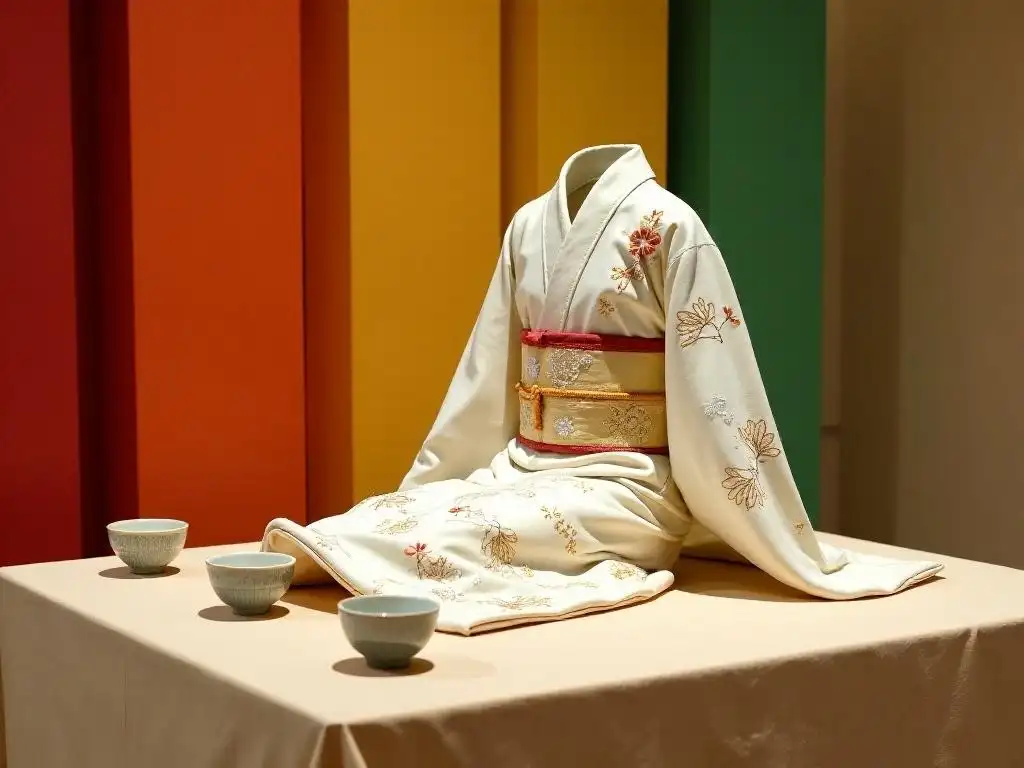
The Sado tea ceremony, or the "Way of Tea," has undergone significant transformations since its inception in the 15th century. In contemporary society, the principles of Sado are adapted to fit modern lifestyles while maintaining its core values of harmony, respect, purity, and tranquility. As a result, we see a variety of interpretations that cater to different audiences, from traditionalists to those seeking a more casual approach to tea-making.
Today, numerous tea schools and practitioners are experimenting with innovative techniques, integrating elements from other artistic disciplines, such as calligraphy and flower arranging. This fusion not only enriches the sensory experience but also attracts younger generations who may find traditional forms overly rigid. Moreover, workshops and classes are increasingly being held in urban settings, making Sado more accessible and appealing to a broader demographic.
Contemporary Sado Practices: Evolution Over Time
Contemporary Sado practices reflect an evolution that balances tradition with modernity. While the foundational rituals remain intact, practitioners often incorporate contemporary values, such as sustainability and mindfulness. Many tea masters now emphasize locally sourced ingredients, environmentally friendly materials for utensils, and the importance of mental well-being through mindful practices.
New interpretations also include adaptations in the layout of tea rooms. While traditional tea rooms are designed with specific architectural principles, modern designs may integrate open spaces, natural light, and minimalistic aesthetics that resonate with current architectural trends. Additionally, the use of technology, such as virtual reality and online classes, has expanded the reach of Sado, allowing international audiences to engage with this unique art form.
Sado in Popular Culture: Influence and Representation
Sado has permeated various aspects of popular culture, influencing literature, film, and even fashion. Notable films and television series often depict tea ceremonies, showcasing the aesthetic beauty and philosophical depth of the practice. These representations help demystify Sado for global audiences, emphasizing its importance in Japanese culture.
Literature also plays a significant role in popularizing Sado. Authors frequently reference the tea ceremony to explore themes of simplicity, beauty, and the passage of time. Furthermore, fashion designers have drawn inspiration from the elegance of kimono fabrics and the serene aesthetics of tea utensils, translating these elements into contemporary fashion statements.
Conclusion: The Legacy of Sado in Japanese Cultural History
The legacy of Sado transcends its role as merely a ceremonial practice; it embodies the essence of Japanese cultural identity. Rooted in Zen philosophy, Sado represents a unique blend of art, spirituality, and community. The emphasis on mindfulness and connection to nature resonates deeply with Japan's cultural ethos, making it a timeless practice that continues to thrive.
The Enduring Impact of Sado on Japanese Arts and Crafts
Sado has left an indelible mark on various Japanese arts and crafts, influencing disciplines such as pottery, textile design, and floral arrangements. The meticulous attention to detail and harmony found in Sado is mirrored in the craftsmanship of tea utensils and ceramics, creating a profound relationship between the tea ceremony and other artistic expressions. This interconnectedness highlights the holistic nature of Japanese culture, where different art forms complement and enrich each other.
Moreover, the principles of Sado have inspired contemporary artists to explore themes of tranquility and introspection in their work. As a result, Sado continues to serve as a source of inspiration, fostering innovation while honoring traditional practices.
Future Directions for Sado and Its Practice
Looking ahead, the future of Sado appears promising as it adapts to an ever-changing world. The growing interest in wellness and mindfulness suggests that Sado will continue to be embraced as a practice that fosters mental clarity and emotional balance. As more people seek refuge from the chaos of modern life, Sado's emphasis on simplicity and presence will likely attract new practitioners.
Furthermore, ongoing globalization may lead to the emergence of hybrid practices that blend Sado with other cultural tea traditions. Such interactions have the potential to enrich the practice further, creating a dialogue between different cultures while preserving the essence of Sado. The future of Sado is not merely about preservation but also about evolution, ensuring that this cherished tradition remains relevant in the contemporary landscape.
References
Key Texts and Resources on Sado Tea Ceremony History
Understanding the rich history of Sado, or the Japanese tea ceremony, requires delving into a variety of texts and resources that document its evolution, philosophy, and artistic expression. Here are some seminal works that provide valuable insights into the Sado tea ceremony:
- "The Book of Tea" by Okakura Kakuzō: This classic text, published in 1906, explores the aesthetics of the tea ceremony and its deeper philosophical implications. Kakuzō discusses how tea transcends mere consumption and becomes a pathway to understanding Japanese culture and art.
- "Tea in Japan: Essays on the History of Chanoyu" by Paul Varley: Varley's comprehensive examination of the history of Chanoyu (the Japanese term for tea ceremony) offers a detailed analysis of its development from the 12th century to modern times. This work is essential for understanding the socio-political influences on the art of tea.
- "The Art of Japanese Tea Ceremony" by Sen Soshitsu XV: Written by a master of the tea ceremony, this book presents a firsthand account of the practices and philosophies behind the ritual. The text not only covers techniques but also delves into the spiritual side of Sado.
- "Japanese Tea Ceremony: A History" by Senko Kato: This resource provides an in-depth exploration of the historical milestones of the tea ceremony, including significant figures and events that shaped Sado's evolution.
Suggested Readings for Further Exploration of Sado and Its Arts
For those interested in expanding their knowledge of Sado and its artistic practice, the following readings are recommended. They explore various aspects of the tea ceremony, including aesthetics, ceramics, and related Japanese arts:
- "Wabi-Sabi: The Japanese Art of Embracing Imperfection" by Andrew Juniper: This book examines the philosophy of wabi-sabi, which deeply influences the aesthetics of Sado. Understanding this concept enriches one's appreciation of the tea ceremony's minimalist beauty.
- "The Zen of Tea: A Journey Through Japanese Teas" by David M. McCormick: This work explores the relationship between Zen Buddhism and the tea ceremony, highlighting how spiritual practices intertwine with the art of tea.
- "Japanese Tea Ceramics: The Art of Tea in Japan" by Simon H. Houghton: This text focuses on the ceramics used in Sado, discussing how the choice of teaware can reflect the aesthetic principles of the ceremony and the personal philosophies of practitioners.
- "Chado: The Way of Tea" by Shizuko Saito: Saito’s book provides an accessible overview of the tea ceremony, its traditions, and how these practices are maintained in contemporary Japan. It serves as a practical guide for interested beginners.
These resources collectively contribute to a deeper understanding of the Sado tea ceremony, offering insights into its historical context, artistic significance, and its ongoing relevance in contemporary culture.
- Introduction to Sado: The Essence of the Tea Ceremony
- The Historical Context of Sado Tea Ceremony
- The Philosophy Behind Sado
- Components of the Sado Tea Ceremony
- The Artistic Practices in Sado
- Comparing Sado with Other Tea Practices
- Modern Interpretations and Adaptations of Sado
- Conclusion: The Legacy of Sado in Japanese Cultural History
- References
Frequently Asked Questions
What is the Sado tea ceremony?
The Sado tea ceremony, also known as the Way of Tea, is a traditional Japanese ritual centered around the preparation and presentation of matcha. It emphasizes aesthetic principles, mindfulness, and the artistic practice of tea-making.
How did Sado develop during the feudal era?
Sado evolved significantly during the feudal era as it became intertwined with samurai culture and Zen Buddhism. The practice was refined to reflect the values of simplicity, elegance, and spiritual depth.
What are the key components of a Sado tea ceremony?
Key components of a Sado tea ceremony include utensils like the tea bowl and whisk, the tea itself, and the ritualistic elements that emphasize harmony, respect, purity, and tranquility, known as wa, kei, sei, and jaku.
How does Sado reflect Japanese culture?
Sado embodies Japanese cultural values such as simplicity, attention to detail, and a deep appreciation for nature. It also serves as a medium for artistic expression and promotes social harmony through shared experiences.
What impact did Sado have on Japanese art and society?
Sado has significantly influenced Japanese art forms, including pottery and calligraphy, while also fostering social ties and a sense of community. It remains a vital part of Japanese heritage and continues to be practiced today.
Final Reflection: The Timeless Art of Sado and Its Enduring Legacy
The exploration of Sado, or the Japanese tea ceremony, reveals a profound connection between art and mindfulness that remains incredibly relevant in today's fast-paced world. In an era where instant gratification often overshadows the appreciation of slow, deliberate practices, the history of Sado serves as a powerful reminder of the beauty found in patience and presence. The ritualistic nature of Sado not only enriches our understanding of Japanese culture but also invites us to cultivate a deeper sense of awareness in our daily lives.
Sado has significantly influenced both cultural and social landscapes, transcending its origins to become a symbol of harmony, respect, and tranquility. The principles embedded in the tea ceremony resonate with contemporary values, encouraging us to foster connections with ourselves and others. As we navigate the complexities of modern life, the teachings of Sado remind us of the importance of creating sacred spaces for reflection and connection. Tea is a religion of the art of life.
— Okakura Kakuzō. This quote encapsulates the essence of Sado, illustrating how the practice is not merely about tea but about embracing life with intention and grace.
As we conclude our exploration of Sado, I invite you to reflect on how you can incorporate the lessons of this ancient art into your own life. Consider setting aside time for mindful practices, whether through tea, meditation, or simply being present in the moment. Embrace the opportunity to create your own rituals that foster connection and appreciation for the beauty around you. By doing so, you not only honor the rich history of Sado but also contribute to a more mindful and harmonious world.
Embrace the Art of Tea: Take Your First Steps Today!
Thank you for diving into the world of Sado, the serene and beautiful way of tea. You've uncovered the essence of this artistic practice and its profound connections to culture and mindfulness. Now, it's time to bring that inspiration into your own life!
Here are some simple yet impactful actions you can take:
- Join a local tea ceremony: Experience Sado firsthand by participating in a workshop or ceremony in your community.
- Explore related arts: Delve into traditional Japanese arts such as Ikebana (flower arranging) or calligraphy to enhance your appreciation of Japanese aesthetics.
- Share your insights: Discuss your newfound knowledge with friends or share your experiences on social media to inspire others to explore Sado as well!
What aspect of Sado resonates most with you, and how do you plan to incorporate its principles into your daily routine?