
The Relationship Between Feudal Hierarchy and Artistic Patronage

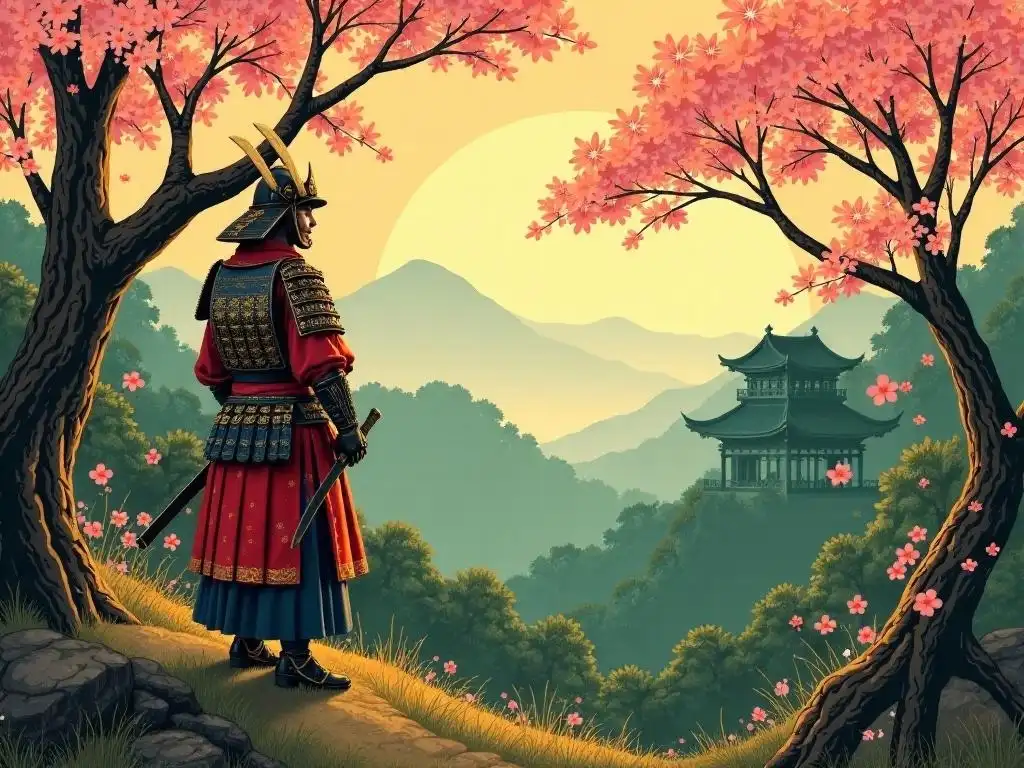
Welcome to Feudal Japan History, where we embark on a fascinating journey through the intricate tapestry of Japan’s feudal era. Here, we delve deep into the relationship between feudal hierarchy and artistic patronage, uncovering how the power dynamics of the time influenced the rich cultural expressions that define this historical period. Are you curious about how samurai, shoguns, and daimyos shaped the art that still captivates us today?
Join us as we unravel the stories behind the masterpieces and the patrons who championed them, inviting you to explore the profound connections between society and creativity. Read on to discover the artistic legacy that emerged from the complexities of feudal Japan!
The intricate tapestry of Japan’s feudal era is woven with not only the threads of power and societal structure but also the vibrant colors of artistic expression. The feudal hierarchy, characterized by a rigid class system, played a pivotal role in shaping the cultural landscape of Japan.
This article delves into the relationship between feudal hierarchy and artistic patronage, exploring how the social stratification of the time influenced artistic endeavors and the production of cultural artifacts. By examining the key figures within the feudal system, as well as the mechanisms of patronage that existed, we will uncover the profound impact of societal structures on the arts in Japan.
Introduction to Feudal Hierarchy in Japan
Understanding the complexities of the feudal hierarchy in Japan provides essential context for examining its influence on art. The feudal system, which developed during the late 12th century and lasted until the 19th century, was characterized by a decentralized political structure where land ownership and loyalty defined relationships between classes.
Understanding the Feudal System in Japan
The feudal system in Japan was marked by a strict hierarchy that determined social status and power dynamics. At the top of this structure were the Emperor and the Shogun, who wielded significant influence and military power. Below them were the Daimyo, powerful feudal lords who governed large territories and commanded samurai warriors. The common people, including farmers, artisans, and merchants, occupied the lower tiers of the hierarchy.
- Emperor: The symbolic figurehead of Japan with limited political power.
- Shogun: The military leader who held actual power and controlled the samurai.
- Daimyo: Feudal lords governing specific regions, responsible for local governance and military.
- Samurai: The warrior class serving the Daimyo, known for their loyalty and martial skills.
- Commoners: Farmers, artisans, and merchants who formed the backbone of the economy.
Key Figures in the Feudal Hierarchy
The feudal hierarchy was populated by influential figures whose decisions and patronage significantly impacted the arts. Notable among them were:
- Minamoto no Yoritomo: The first Shogun, who established the Kamakura shogunate and set the foundation for feudal rule.
- Oda Nobunaga: A powerful Daimyo whose patronage of the arts helped to foster the development of cultural practices.
- Tokugawa Ieyasu: The founder of the Tokugawa shogunate, he was instrumental in promoting the arts during the Edo period, leading to a flourishing of cultural expression.
The Intersection of Feudal Hierarchy and Art
The relationship between feudal hierarchy and art in Japan is profound, revealing the ways in which societal structures shaped artistic expression. The patronage provided by the ruling classes not only financed the creation of art but also influenced its themes and styles.
How Feudal Structure Influenced Artistic Expression
Art in feudal Japan was closely tied to the values and aesthetics of the ruling classes. The samurai class, in particular, emphasized ideals of loyalty, honor, and nature, which found expression in various art forms such as:
- Sumi-e (ink painting): Reflected Zen principles and the beauty of nature.
- Ceramics: Utilitarian objects elevated to art through craftsmanship, often commissioned by the elite.
- Theater (Noh and Kabuki): These dramatic arts depicted historical themes and samurai virtues, often supported by wealthy patrons.
Patronage Systems in Feudal Japan
Patronage systems were critical in the development of the arts during the feudal era. The support of the Daimyo and wealthy samurai enabled artists to thrive. This patronage took various forms, including:
- Commissioned Works: Artists were often commissioned to create specific pieces for temples, castles, and the homes of the elite.
- Cultural Events: Daimyo hosted cultural events that featured performances, poetry readings, and art exhibitions, promoting the arts within their domains.
- Support for Artists: Wealthy patrons provided artists with financial support, allowing them to focus on their craft without the burden of economic pressures.
The relationship between feudal hierarchy and artistic patronage in Japan reveals a dynamic interplay between power and creativity. The structured class system not only dictated the distribution of resources but also shaped the very essence of artistic expression, reflecting the values and aspirations of the society it governed.
Artistic Movements Under Feudal Rule
During Japan's feudal era, which spanned from the late 12th century to the 19th century, various artistic movements emerged, deeply influenced by the hierarchical structure of society. The feudal hierarchy established a distinct class system, with the samurai, farmers, artisans, and merchants occupying specific roles. This structure not only dictated economic and social interactions but also shaped the patronage of art and the development of artistic styles.
One notable movement was the Nihonga style, which sought to resurrect traditional Japanese painting techniques using natural materials. This movement flourished under the patronage of wealthy samurai and elite families who wished to express their cultural identity and status. Similarly, the Ukiyo-e prints, depicting scenes of the "floating world," became popular among merchants and the rising middle class, showcasing a shift in artistic focus from the aristocracy to the urban populace.
In addition to these, Zen Buddhism greatly influenced art, particularly in the realm of ink painting and garden design. The samurai class, embracing Zen principles, commissioned works that reflected simplicity, natural beauty, and meditation, further intertwining art with the values of the feudal hierarchy.
Overview of Prominent Art Forms in Feudal Japan
Feudal Japan was marked by a diverse range of art forms that reflected the cultural values and social dynamics of the time. These included:
- Painting: Traditional styles like Sumi-e (ink wash painting) and Yamato-e (Japanese painting) flourished, often depicting natural landscapes, historical events, and religious themes.
- Calligraphy: Highly regarded as an art form, calligraphy was practiced widely among the samurai and the literate elite. The beauty of written characters was seen as a reflection of the writer's inner character.
- Ceramics: The production of ceramics, especially in regions like Seto and Imari, showcased both functionality and artistic expression. Pottery styles often displayed intricate glazes and designs, reflecting the aesthetics valued by the feudal elite.
- Theatrical Arts: Noh and Kabuki theatre emerged, combining performance with elaborate costumes and set designs, heavily patronized by feudal lords and samurai who attended performances as a form of cultural engagement.
- Textiles: The production of silk and other textiles was an important craft, with patterns and dyeing techniques that reflected the status and wealth of the patron, often used in clothing for the samurai class.
These art forms were not merely creative expressions but also served as status symbols within the rigid feudal hierarchy, reinforcing the social order through visual representation.
Case Studies of Artistic Patronage
Artistic patronage during Japan's feudal era can be examined through various case studies, illustrating the direct connection between the feudal hierarchy and the art produced. One prominent example is the patronage of Ashikaga Yoshimitsu, the third shogun of the Ashikaga shogunate, who significantly influenced the development of Zen art. His support of artists led to the creation of exquisite gardens and tea houses that embodied the aesthetic values of Zen Buddhism.
Another important case is the Hōgen family, who were influential in the promotion of Nihonga painting. Their resources allowed them to commission works from leading artists, ensuring the continuation of traditional techniques while also adapting to contemporary tastes. This demonstrates how powerful families could shape artistic trends according to their preferences and societal aspirations.
Prominent Artists and Their Patrons
Several notable artists stood out during the feudal era, often linked to influential patrons who played a crucial role in their success:
- Kano Eitoku: As a leading painter of the Kano school, Eitoku enjoyed the patronage of powerful lords like Toyotomi Hideyoshi. His large-scale screen paintings decorated castles and temples, symbolizing the power and prestige of his patrons.
- Hokusai: Although more recognized in the Edo period, Hokusai's work was heavily influenced by the artistic patronage of samurai and merchants who sought to adorn their homes with beautiful Ukiyo-e prints. His iconic "Thirty-Six Views of Mount Fuji" series exemplifies how art captured the essence of both nature and cultural identity.
- Sen no Rikyū: A tea master whose philosophy and aesthetics influenced the tea ceremony, Rikyū was patronized by various samurai, including Toyotomi Hideyoshi. His emphasis on simplicity and natural beauty in tea utensils and the tea environment reflected the values of Zen and the cultural aspirations of the samurai class.
These artists not only contributed to the rich tapestry of Japanese art but also exemplified the profound impact of patronage on the artistic landscape during Japan's feudal hierarchy. The relationship between artists and their patrons was essential in shaping the artistic movements that defined this era.
The Impact of Feudal Hierarchy on Cultural Identity
The feudal hierarchy in Japan, characterized by a strict social structure, played a significant role in shaping the cultural identity of the nation. This hierarchy was primarily divided into four classes: the emperor and nobility, samurai, farmers, and artisans and merchants. Each class had distinct roles and responsibilities, which influenced not only social interactions but also artistic expressions. The samurai class, for example, had a profound impact on the martial arts, literature, and visual arts, promoting themes of loyalty, honor, and valor through their patronage.
Art became a vehicle for expressing the values and ideals associated with each class. The nobility often commissioned elaborate paintings and poetry that celebrated their status and the beauty of nature, while the samurai focused on art forms that reflected their warrior ethos. This dynamic interplay between social standing and artistic expression fostered a cultural identity that was deeply intertwined with the feudal system, creating a legacy that would resonate throughout Japanese history.
Art in feudal Japan is a clear reflection of the social stratification inherent in the feudal hierarchy. Each class influenced the types of art produced and the themes conveyed. For instance, the nobility favored refined aesthetics and elaborate craftsmanship, often commissioning intricate folding screens (byōbu) and luxurious textiles that depicted scenes of court life and nature. These works were designed to showcase their wealth and sophistication.
Conversely, the samurai class produced art that emphasized their martial values. Swords were not only weapons but also artistic expressions, often adorned with exquisite craftsmanship reflecting the samurai's skill and honor. The themes of loyalty and duty were prevalent in many artworks, including ukiyo-e prints that depicted heroic tales from history and folklore.
The lower classes, while less visible in the art world, contributed significantly through practical crafts and everyday objects, which often featured functional beauty. This stratified approach to art made it a reflection of societal values and priorities, encapsulating the essence of feudal Japan's cultural landscape.
The Preservation of Cultural Heritage Through Art
Art played a crucial role in preserving Japan's cultural heritage during the feudal era. As the ruling classes commissioned various artistic works, they not only expressed their power and status but also ensured the continued transmission of cultural narratives and traditions. For example, the creation of illustrated manuscripts and scrolls preserved historical events, religious texts, and folklore, allowing future generations to access their cultural roots.
Moreover, the establishment of schools and guilds for artists led to the formalization of artistic techniques and styles, which were passed down through generations. This preservation was not merely about maintaining aesthetic forms; it also involved the safeguarding of cultural values and historical narratives central to Japanese identity. As a result, much of what we understand about feudal Japan today is derived from the artistic expressions of that time, highlighting the vital role of art in cultural continuity.
Conclusion: The Legacy of Feudal Hierarchy in Japanese Art
The legacy of feudal hierarchy in Japanese art is marked by its profound influence on the themes, styles, and practices that emerged during the era. The social structure dictated not only who could create art but also what kinds of art were deemed valuable. This structured approach resulted in a rich tapestry of artistic expressions that reflected the complexities of Japanese society and culture.
The patronage system established during this time laid the groundwork for the evolution of various art forms, including painting, calligraphy, and textile arts. As we analyze this legacy, it becomes clear that the artistic expressions of feudal Japan were not isolated phenomena but interconnected reflections of a broader societal framework.
Reflection on the Lasting Influence of Feudal Patronage on Contemporary Art
The influence of feudal patronage is still observable in contemporary Japanese art. Modern artists often draw inspiration from the themes and techniques established during the feudal era, infusing traditional aesthetics into their works. This continuity can be seen in contemporary practices such as the revival of classical crafts and the integration of historical narratives into modern storytelling through art.
Furthermore, the hierarchical structures of the past can still resonate in today's art world, where patronage plays a crucial role in the careers of many artists. The relationship between artists and patrons continues to evolve, reflecting both historical influences and contemporary sensibilities.
The Relevance of Feudal Hierarchy and Art in Japan Today
The relevance of feudal hierarchy and art in Japan today extends beyond mere historical interest; it informs discussions about cultural identity and artistic expression in a modern context. The challenges of globalization and the preservation of local traditions often bring the legacy of feudal art to the forefront of cultural discourse. Artists and cultural institutions grapple with how to honor this legacy while innovating and adapting to contemporary trends.
Additionally, the themes of social stratification that characterized feudal Japan can still be seen in modern society, prompting artists to explore these dynamics through their works. By examining the interplay between feudal hierarchy and artistic patronage, we gain insight into how past structures continue to influence the cultural landscape of Japan today, making the study of this relationship not only relevant but essential for understanding the evolution of Japanese art.
- Introduction to Feudal Hierarchy in Japan
- The Intersection of Feudal Hierarchy and Art
- Artistic Movements Under Feudal Rule
- Overview of Prominent Art Forms in Feudal Japan
- Case Studies of Artistic Patronage
- Prominent Artists and Their Patrons
- The Impact of Feudal Hierarchy on Cultural Identity
- How Art Reflected Social Stratification
- The Preservation of Cultural Heritage Through Art
- Conclusion: The Legacy of Feudal Hierarchy in Japanese Art
- Reflection on the Lasting Influence of Feudal Patronage on Contemporary Art
- The Relevance of Feudal Hierarchy and Art in Japan Today
Frequently Asked Questions
What is the feudal hierarchy in Japan?
The feudal hierarchy in Japan consisted of several classes, including the emperor, shogun, daimyōs, samurai, and peasants. Each class had distinct roles and responsibilities within the societal structure.
How did artistic patronage function in feudal Japan?
Artistic patronage in feudal Japan was primarily driven by the wealthy daimyōs and samurai, who commissioned artworks to display their status and wealth. This led to the flourishing of various art forms, including painting, sculpture, and tea ceremonies.
What role did religion play in the art of feudal Japan?
Religion, particularly Buddhism and Shintoism, greatly influenced the themes and subjects of art in feudal Japan. Many artworks were created to reflect spiritual beliefs and serve as offerings to deities.
How did the samurai class influence Japanese art?
The samurai class not only appreciated art but also actively participated in patronage. They supported the creation of martial arts paintings and related works that depicted their values of loyalty, honor, and bravery.
What is the significance of the relationship between feudal hierarchy and art?
The relationship between feudal hierarchy and art in Japan highlights how social status and wealth could dictate artistic expression. This dynamic allowed art to flourish as a means of cultural identity and political power during the feudal era.
Final Reflection: The Enduring Legacy of Feudal Hierarchy on Artistic Patronage in Japan
The intricate relationship between feudal hierarchy and artistic patronage in Japan remains profoundly relevant today, as it reveals the enduring impact of social structures on cultural expression. The historical interplay between power and art not only shaped the aesthetics of a bygone era but also continues to influence contemporary artistic practices and societal values. Understanding this connection allows us to appreciate how art serves as both a reflection of and a response to the hierarchical systems that govern society.
The legacy of feudal hierarchy in Japan has left an indelible mark on the cultural landscape, shaping not only the art of the past but also the ways in which we perceive and value creativity today. As we navigate a world where social stratification still exists, the lessons from Japan's feudal era remind us of the power dynamics at play in artistic patronage. Art is the most beautiful of all lies.
This quote encapsulates the dual nature of art as both a product of its time and a commentary on the structures that define it, urging us to question who holds the power to create and who gets to appreciate that creation.
As we reflect on the themes of feudal hierarchy and art, I invite you to consider your own relationship with art and the systems that influence it. How can you engage with and support artistic expressions that challenge existing hierarchies? By recognizing the historical context of art and its patronage, we can foster a more inclusive and equitable cultural landscape. Let us take these insights into the future, advocating for art that transcends boundaries and empowers voices that have long been marginalized.
Unveil the Artistic Legacy of Feudal Japan!
Thank you for taking the time to explore the fascinating relationship between feudal hierarchy and artistic patronage in Japan. You've gained valuable insights into how the social structure shaped the artistic landscape of this remarkable period. Now, it’s time to put that knowledge into action!
Here are some steps you can take to deepen your appreciation and understanding of this captivating topic:
- Join our online community: Connect with fellow enthusiasts by participating in discussions on our forum. Share your thoughts on how feudal structures influenced various art forms!
- Visit a local museum or exhibition: Seek out displays showcasing traditional Japanese art from the feudal era. Capture some photos and share your experiences with us!
- Challenge yourself: Try creating your own piece of art inspired by the themes of feudal Japan. Share your creation on social media and tag us!
What aspect of feudal artistic patronage intrigues you the most, and how do you think it influences modern art? Let’s discuss in the comments below!