
Edo Period Mythology: Folklore and Its Cultural Significance


Welcome to Feudal Japan History, where we invite you to embark on a fascinating journey through the rich tapestry of Japan’s feudal era. In our featured article, “Edo Period Mythology: Folklore and Its Cultural Significance,” we delve into the enchanting world of Edo period folklore, uncovering its profound impact on cultural identity and societal values. What secrets do these age-old tales hold, and how do they continue to shape modern Japan? Prepare to be captivated as we unravel the intricate connections between mythology and history, sparking your curiosity to explore more about this remarkable period.
- Introduction to Edo Period Mythology and Folklore
- Key Elements of Edo Period Folklore
- Cultural Significance of Edo Period Folklore
- The Role of Folklore in Edo Society
- Notable Folktales from the Edo Period
- The Impact of Edo Period Folklore on Modern Japanese Culture
- Conclusion: The Enduring Legacy of Edo Period Folklore
- References
- Frequently Asked Questions
- Final Reflection: Embracing the Depth of Edo Period Folklore Significance
- Unveil the Richness of Edo Period Folklore!
Introduction to Edo Period Mythology and Folklore
The Edo Period (1603-1868) stands as a remarkable era in Japanese history, characterized by profound cultural, social, and political transformations. As the country transitioned from the tumultuous Sengoku era to a time of relative peace and stability under the Tokugawa shogunate, a rich tapestry of mythology and folklore emerged, reflecting the values, beliefs, and everyday lives of the people.
This period is not only significant for its artistic and literary advancements but also for the way folklore served as a vessel for cultural expression and collective identity. In this article, we will delve into the Edo period folklore significance, exploring its roots, its role in society, and its enduring impact on Japanese culture.
Overview of the Edo Period
The Edo Period was a time of great change in Japan. Following the unification of the country by Tokugawa Ieyasu, the shogunate established a centralized government that brought about peace and order. This stability allowed for the flourishing of arts, commerce, and urban culture.
- Political Structure: The Tokugawa shogunate implemented a strict caste system, with samurai at the top, followed by farmers, artisans, and merchants. This hierarchy influenced social interactions and cultural outputs.
- Urbanization: Major cities like Edo (modern-day Tokyo) became bustling centers of commerce and culture, leading to the rise of a new urban class that contributed significantly to the development of folklore and entertainment.
- Cultural Developments: The Edo Period saw the emergence of various art forms, including ukiyo-e (woodblock prints), kabuki theatre, and literature, all of which incorporated elements of folklore and mythology.
This rich cultural landscape provided fertile ground for the proliferation of folklore, which often intertwined with the daily lives of the people, shaping their worldview and communal identity.
Importance of Folklore in Edo Culture
Folklore during the Edo Period was not merely a collection of stories; it served several critical functions in society.
- Cultural Identity: Folklore helped to forge a sense of identity among the people. Tales of local deities, spirits, and legendary heroes were often rooted in specific geographical locations, fostering a connection to the land and its history.
- Moral Lessons: Many folktales contained moral lessons and ethical teachings, reflecting societal values and expectations. These stories were often shared among families and communities, reinforcing cultural norms and behavioral standards.
- Entertainment: As urban centers grew, so did the demand for entertainment. Folklore provided a rich source of storytelling for kabuki theater, puppet shows (bunraku), and oral traditions, captivating audiences and ensuring the preservation of these narratives.
- Spiritual Beliefs: The Edo Period was also a time when Shinto and Buddhist beliefs were deeply intertwined with daily life. Folklore often included tales of kami (gods) and supernatural beings, illustrating the spiritual dimensions of the Edo culture.
In essence, the significance of folklore during the Edo Period cannot be overstated; it was a vital component of cultural expression that influenced art, social norms, and spiritual life, leaving a legacy that continues to resonate in modern Japanese culture.
Key Elements of Edo Period Folklore
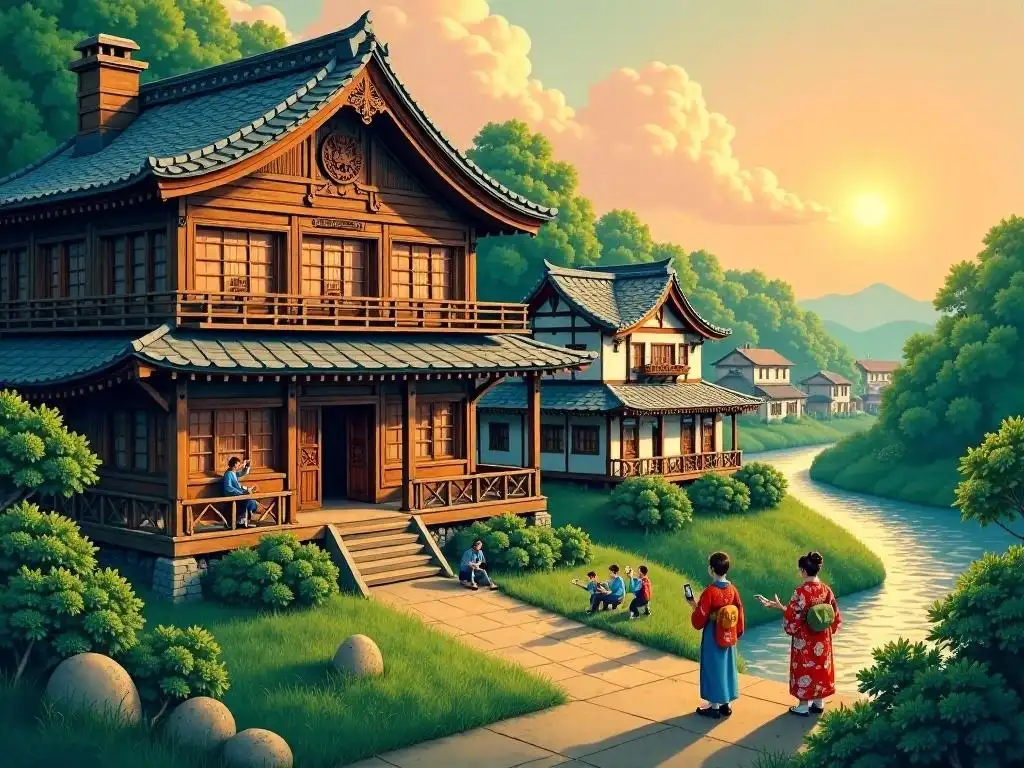
Edo period folklore, which flourished from the early 17th century to the mid-19th century, is a rich tapestry of traditional stories, mythical beings, and moral teachings that reflect the cultural and societal values of the time. Understanding the Edo period folklore significance reveals not only the imaginative landscape of the era but also its profound impact on Japanese identity and worldview. Here, we will explore the vital components of this folklore, including traditional stories and legends, mythical creatures and deities, and the themes and morals found in folktales.
Traditional Stories and Legends
The traditional stories of the Edo period are an essential part of Japanese folklore, often passed down through generations. These narratives include tales of heroism, love, and supernatural events, many of which center around historical figures or events and are imbued with moral lessons.
Some notable examples include:
- The Tale of the Bamboo Cutter (Taketori Monogatari): Considered one of Japan's oldest stories, it tells of a bamboo cutter who discovers a tiny, radiant princess named Kaguya-hime. The tale explores themes of unattainable love and the ephemeral nature of beauty.
- Urashima Taro: This story narrates the adventures of a fisherman who rescues a turtle, which takes him to the Dragon Palace under the sea. After spending what seems like a few days there, he returns to find that many years have passed. This tale underscores the importance of time and the consequences of one's actions.
- Momotaro (Peach Boy): A beloved hero born from a peach, Momotaro embarks on a quest to defeat ogres terrorizing his village. The story emphasizes bravery, teamwork, and the fight against evil.
These stories not only entertain but also serve as vessels for cultural values, reflecting the social norms and beliefs of the Edo period society.
Mythical Creatures and Deities
Mythical creatures and deities are prominent figures in Edo period folklore, embodying various aspects of nature, human emotion, and spirituality. These beings often represent the duality of good and evil and provide insight into the Japanese understanding of the world.
Some significant entities include:
- Yokai: Supernatural creatures that range from mischievous spirits to malevolent beings. Examples include the Kappa, a water-dwelling creature known for its trickery, and the Tengu, often depicted as bird-like figures associated with mountains and forests. Yokai stories often serve as cautionary tales about respecting nature and societal norms.
- Kami: These deities, worshipped in Shinto, play a vital role in folklore. Each kami has specific attributes and responsibilities, often tied to natural elements like rivers, mountains, and trees. The reverence for kami during the Edo period reflects the spiritual connection between humans and their environment.
- Yurei: Ghosts of the deceased, often portrayed as spirits who have unfinished business. The stories surrounding yurei explore themes of mortality, grief, and the consequences of one’s actions in life.
The presence of these mythical beings in folklore illustrates the Edo period's complex relationship with spirituality and the natural world.
Folktales: Themes and Morals
Edo period folktales often encapsulate universal themes and morals that resonate across cultures. These narratives serve as a medium for imparting life lessons and ethical standards to the community.
Common themes include:
- Justice and Retribution: Many stories emphasize the importance of justice, often depicting the triumph of good over evil. For example, tales of Kintaro, a child warrior, highlight the value of strength and honor in protecting the innocent.
- The Transience of Life: Reflecting Buddhist influences, stories often explore the fleeting nature of life and beauty, encouraging appreciation for the present moment. The tale of Kaguya-hime serves as a poignant reminder of the inevitable passage of time.
- Community and Cooperation: Themes of teamwork and community spirit are prevalent, as seen in the tale of Momotaro, where collaboration among allies is crucial for success. These narratives promote the importance of working together for the common good.
The morals embedded in these folktales not only offer entertainment but also provide guidance and reflect the ethical frameworks of Edo period society.
The Edo period folklore significance lies in its multifaceted elements, from traditional stories and legendary creatures to the moral teachings that shaped the cultural landscape of Japan. These narratives continue to influence contemporary Japanese culture, preserving the rich heritage of the Edo period for future generations.
Cultural Significance of Edo Period Folklore

The folklore of the Edo period (1603-1868) serves as a crucial lens through which we can understand the cultural significance of this era in Japan. This period was marked by relative peace and stability, allowing arts, literature, and various cultural expressions to flourish. Folklore, with its rich tapestry of myths, legends, and oral traditions, played an essential role in shaping the social and cultural landscape of Edo Japan.
Edo period folklore not only reflects the beliefs and values of the society but also acts as a vehicle for moral and ethical lessons. It was a means for the common people to convey their experiences, fears, and aspirations, often through stories that featured supernatural beings, local deities, and heroic figures. This folklore contributed to a sense of community and identity, as well as an understanding of the natural and spiritual worlds.
Influence on Art and Literature
The artistic landscape of the Edo period was profoundly influenced by its folklore, which permeated various forms of art and literature.
- Ukiyo-e Prints: These woodblock prints often depicted scenes from famous folktales, showcasing legendary heroes, mythical creatures, and historical events. Artists like Hokusai and Hiroshige drew inspiration from folklore, helping to popularize these stories among the masses.
- Nihonbashi and Kabuki Theatre: Folklore narratives were frequently adapted into kabuki plays, merging dramatic performance with storytelling. This theatrical form allowed for a dynamic representation of folklore, bringing characters like the ghostly Yotsuya to life and engaging audiences emotionally.
- Literature: Folklore also found its way into literature through collections like the "Konjaku Monogatari," a compilation of tales from the late Heian to early Edo period. These stories often contained moral lessons and reflections on human nature, encapsulating the essence of Edo society.
The influence of folklore on art and literature not only enriched cultural expressions but also facilitated a shared understanding of societal norms and values.
Folklore in Festivals and Celebrations
Festivals (matsuri) during the Edo period were vibrant celebrations deeply intertwined with folklore. These events served as communal gatherings that reinforced cultural traditions and local identities.
- Seasonal Festivals: Many festivals marked seasonal changes and agricultural cycles, invoking local deities and spirits through rituals and processions. For instance, the Aoi Matsuri in Kyoto involved a procession that echoed the ancient myths surrounding the city’s origin.
- Local Legends: Celebrations often highlighted local folktales, fostering pride in regional history. The Kintaibo Festival in the Okayama region celebrated the legendary hero Kintaro, showcasing performances that narrated his adventures and accomplishments.
- Spiritual Significance: Festivals also functioned as a means of appeasing spirits and ensuring bountiful harvests. Through offerings and rituals, communities sought to honor their folklore, thus maintaining a connection to their ancestral roots and beliefs.
These festivals not only served to entertain but also played a vital role in preserving and transmitting folklore, allowing it to evolve while remaining rooted in cultural significance.
Preservation of Cultural Identity through Folklore
The folklore of the Edo period was instrumental in preserving Japan's cultural identity during a time of significant change.
- Community Bonds: Folklore fostered a sense of belonging among community members. Through shared stories and traditions, people could connect with their heritage, reinforcing social ties and communal values.
- Adaptation and Resilience: As Japan faced external influences and internal transformations, folklore adapted to reflect contemporary concerns. This resilience ensured that traditional narratives remained relevant, often incorporating elements that resonated with the changing society.
- Educational Role: Folklore served an educational purpose, particularly for the younger generation. Stories conveyed moral lessons, historical knowledge, and cultural practices, ensuring that traditional wisdom was passed down through generations.
Ultimately, the preservation of folklore during the Edo period was not merely about maintaining the past; it was a dynamic process that allowed cultural identity to thrive in the face of transformation. The enduring significance of Edo period folklore continues to resonate in modern Japan, where these stories are celebrated as vital components of national heritage.
The Role of Folklore in Edo Society
The Edo period (1603-1868) marked a significant transformation in Japanese society, with folklore playing a pivotal role in shaping social dynamics, cultural identity, and community cohesion. Folklore during this era was not merely entertainment; it was a vital tool that reflected the values, beliefs, and experiences of the Edo populace.
Edo period folklore served as a unifying force, fostering a sense of belonging among the diverse population of townspeople, farmers, and artisans. Through shared stories, myths, and legends, communities forged connections that transcended social classes.
- Common Themes: Many folktales emphasized common themes such as loyalty, bravery, and the importance of family. These narratives resonated with everyday experiences and provided moral lessons that were easily digestible for individuals of all ages.
- Festivals and Rituals: Local festivals often incorporated folklore, with performances and storytelling that celebrated community heritage. For example, the "Kagura" performances at shrines brought together villagers, reinforcing communal bonds and shared cultural narratives.
Folklore in Edo was not just a reflection of the past; it was a living narrative that shaped social interactions and community identity.
This function of folklore contributed to a cohesive social fabric, making it a critical element in the stability and harmony of Edo society.
Educational Functions of Folktales
Folktales during the Edo period also played a significant educational role, particularly in a time when formal education was not universally accessible.
- Moral Instruction: Many stories were designed to impart moral lessons, teaching values such as honesty, diligence, and respect for elders. This educational aspect was crucial in shaping the character of the youth, who were often the primary audience for these tales.
- Cultural Transmission: Folklore served as a vehicle for passing down traditions, customs, and historical knowledge. Elders would recount tales that illuminated the origins of local customs, helping the younger generation understand their cultural heritage.
| Function | Description |
|---|---|
| Moral Lessons | Stories that emphasize ethical behavior and virtues |
| Cultural Heritage | Tales that transmit historical and cultural knowledge |
| Entertainment | Engaging narratives that provide enjoyment and leisure |
Overall, folktales were instrumental in educating the public, ensuring that essential cultural narratives and social norms were preserved and propagated.
Folklore in the Daily Lives of Edo Citizens
The daily lives of Edo citizens were intricately woven with folklore, influencing various aspects of their existence.
- Celebrations and Traditions: Folklore was integral to seasonal festivals and celebrations, with specific tales linked to events such as the New Year or harvests. This connection provided a rhythm to life in Edo, marking time through shared cultural experiences.
- Art and Literature: The influence of folklore extended into the arts, inspiring kabuki theater, ukiyo-e prints, and literature. Artists and writers drew upon these rich narratives to create works that reflected the societal values and concerns of the time.
Incorporating folklore into daily life not only preserved cultural memory but also allowed citizens to navigate the complexities of their world through familiar narratives.
The significance of Edo period folklore transcended mere storytelling; it was an essential component of social cohesion, education, and daily life. By examining the role of folklore in Edo society, we gain valuable insights into the cultural landscape of this transformative period in Japanese history.
Notable Folktales from the Edo Period

The Edo period (1603-1868) was a time of relative peace and stability in Japan, which allowed for the flourishing of arts and literature, including folklore. Folktales from this era often reflect the cultural values, beliefs, and social structures of the time. Below, we delve into some of the most notable folktales that emerged during the Edo period, exploring their narratives and the significance they hold in Japanese culture.
The Tale of the Bamboo Cutter
One of the most famous folktales from the Edo period is The Tale of the Bamboo Cutter (竹取物語, Taketori Monogatari). This story centers around an elderly bamboo cutter who discovers a tiny, radiant princess inside a bamboo stalk. He and his wife raise her as their own, naming her Kaguya-hime. As Kaguya grows up, she attracts many suitors, including noblemen and the emperor, who all seek her hand in marriage. However, Kaguya sets impossible tasks for her suitors, ultimately rejecting them all.
The tale culminates with Kaguya revealing her true identity as a celestial being and her longing to return to the moon. She bids farewell to her earthly parents, leaving them heartbroken. This story has deep cultural significance, symbolizing themes of longing, beauty, and the transient nature of life. It also reflects the Edo period's fascination with the supernatural and the exploration of human emotions.
The Grateful Crane
Another poignant tale is The Grateful Crane (鶴の恩返し, Tsuru no Ongaeshi). In this story, a poor man saves a wounded crane, which later returns in human form to repay his kindness by weaving beautiful cloth for him. Despite the man's initial wealth, he becomes greedy and pressures the crane to reveal her secret. When she does, she is forced to leave, which signifies the loss of both love and prosperity.
This folktale emphasizes the importance of gratitude, kindness, and the consequences of greed. It serves as a moral lesson that resonates with the Edo period's values of humility and respect for nature. The transformation of the crane into a human also highlights the interconnectedness of all beings, a common theme in Edo folklore.
Analysis of Common Themes in Edo Folktales
Edo period folklore is rich in thematic elements that provide insight into the cultural psyche of the time. Some of the most prevalent themes include:
- Nature and the Supernatural: Many tales feature elements of nature intertwined with the supernatural, reflecting the Shinto belief in kami (spirits) residing in natural objects.
- Moral Lessons: Folktales often convey moral teachings, such as the virtues of kindness, humility, and the consequences of greed or pride.
- Transience of Life: The concept of impermanence is a recurring motif, emphasizing the fleeting nature of happiness and beauty, as seen in tales like The Tale of the Bamboo Cutter.
- Human Emotion: The exploration of complex emotions—love, longing, and loss—is central to many Edo period stories, revealing the depth of human experience.
By examining these themes, we can better understand the Edo period folklore significance in shaping cultural narratives and societal values. These folktales not only entertained but also educated, leaving a lasting impact on Japanese culture and its understanding of morality and human relationships.
The Impact of Edo Period Folklore on Modern Japanese Culture
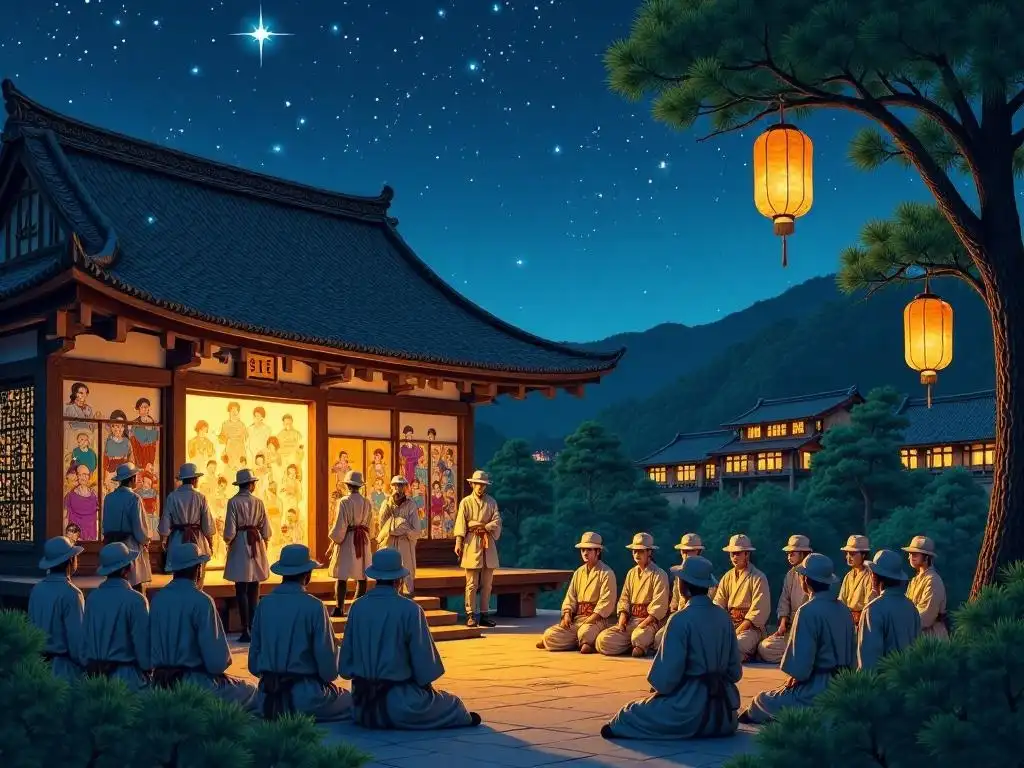
The Edo period, spanning from 1603 to 1868, was a time rich in cultural development and the nurturing of folklore. The myths, legends, and tales that emerged during this era have significantly influenced various aspects of modern Japanese culture. From literature to media and societal values, the echoes of Edo period folklore remain palpable today, shaping not only artistic expressions but also the collective identity of the Japanese people.
Continuation of Folklore Traditions in Contemporary Society
Edo period folklore has a remarkable ability to persist through generations, often adapted to fit modern contexts while retaining its core themes. Many traditional festivals in Japan, such as the Obon and Setsubun, continue to incorporate folklore elements, celebrating the spirits of ancestors and repelling evil spirits, respectively. These celebrations serve as a reminder of the cultural narratives rooted in the Edo period, fostering a sense of community and continuity.
- Preservation of Oral Traditions:
- Local storytelling events, known as kamishibai, are still popular and feature tales derived from Edo period folklore.
- Schools and cultural organizations often host workshops to teach children about traditional folktales, ensuring the transmission of this heritage.
- Folklore in Festivals:
- Many local festivals still feature yokai (supernatural creatures) that originated from Edo period stories, allowing participants to engage with their heritage in a festive environment.
- The Kappa Matsuri in Kumamoto celebrates the water-dwelling creature kappa, reflecting tales that date back to the Edo period.
Influence on Modern Literature and Media
The rich tapestry of Edo period folklore has deeply influenced contemporary literature and media in Japan. Writers and creators frequently draw inspiration from these ancient tales, blending them with modern narratives.
- Literary Works:
- Authors like Haruki Murakami and Natsume Sōseki integrate folklore elements in their storytelling, drawing on themes such as isolation, the supernatural, and the interconnectedness of humanity and nature.
- The resurgence of manga and anime often showcases characters inspired by folklore, such as kitsune (fox spirits) and tanuki (raccoon dogs), captivating a younger audience.
- Film and Television:
- Movies like Spirited Away by Studio Ghibli explore concepts from Edo period folklore, bringing mythical creatures and moral lessons to life in visually stunning ways.
- Television dramas often feature historical contexts that include folklore elements, educating viewers about their cultural heritage while providing entertainment.
The Role of Folklore in Japanese Identity Today
Folklore plays a critical role in shaping Japanese identity, acting as a cultural touchstone that connects individuals to their past. In contemporary society, the significance of Edo period folklore can be observed in various dimensions of identity formation.
- Cultural Pride:
- The revival of interest in Edo period folklore fosters a sense of pride among Japanese people, emphasizing their unique cultural heritage and the distinct narratives that define them.
- Educational initiatives promote folklore as a vital part of Japan's history, encouraging individuals to embrace their cultural roots.
- Social Cohesion:
- Folklore reinforces social bonds through community events and shared narratives, creating a common ground for understanding and appreciation of one’s culture.
- By participating in folklore-inspired events, individuals contribute to a collective cultural memory, enhancing social ties and mutual respect among diverse groups.
The Edo period folklore significance extends far beyond the constraints of time, continuing to shape modern Japanese culture through ongoing traditions, literature, and identity formation. As these stories adapt and evolve, they remain an integral part of Japan's cultural landscape, preserving the essence of a rich historical narrative that resonates with both the past and the present.
Conclusion: The Enduring Legacy of Edo Period Folklore
Summary of Folklore's Cultural Significance
The folklore of the Edo period serves as a vibrant reflection of the societal values, beliefs, and traditions of Japan during this transformative era (1603-1868). This period witnessed a significant shift in cultural practices, with folklore playing a crucial role in shaping the identity of the Japanese people.
Edo period folklore is characterized by its rich tapestry of myths, legends, and tales, often featuring supernatural elements, deities, and mythical creatures. These stories were not merely entertainment; they were a means of imparting moral lessons and reinforcing social norms. For instance, tales like Momotaro (Peach Boy) illustrated virtues such as bravery and perseverance, while the stories of Yokai (supernatural beings) helped explain natural phenomena and human experiences in a way that resonated with the common folk.
| Folklore Element | Cultural Significance |
|---|---|
| Myths | Reinforced moral values and societal norms |
| Legends | Explained natural phenomena through storytelling |
| Supernatural Beings | Provided a sense of connection to the spiritual world |
Moreover, folklore contributed to the cultural cohesion of communities. Festivals and rituals often incorporated these stories, fostering a sense of belonging and collective identity among participants. The performance of traditional plays and storytelling sessions, such as Noh and Kabuki, further highlighted the importance of these narratives in Edo society.
Final Thoughts on the Importance of Preserving Folklore
Preserving Edo period folklore is not just about maintaining historical records; it is essential for safeguarding cultural heritage. As globalization continues to influence contemporary Japanese society, traditional folklore offers a sense of continuity and grounding in a rapidly changing world.
By recognizing the Edo period folklore significance, we can appreciate the intricate connections between past and present. This folklore provides insights into the values and beliefs that shaped Japanese culture, informing current generations about their roots.
Efforts to document and revitalize these stories are crucial. Initiatives such as community storytelling events, educational programs, and the integration of folklore into modern Japanese art can help keep these traditions alive. In doing so, we ensure that the rich narrative landscape of the Edo period continues to inspire and educate future generations, fostering an enduring appreciation for Japan's unique cultural heritage.
The folklore of the Edo period remains an invaluable asset, not only for its historical importance but also for its role in enriching the cultural identity of Japan. By cherishing and preserving these narratives, we maintain a vital link to the past, celebrating the richness of human experience through the lens of folklore.
References
Suggested Readings on Edo Period Mythology
The exploration of Edo period folklore is enriched by numerous scholarly resources that delve into the myths, legends, and cultural practices of this fascinating era. Here are some recommended readings that provide in-depth insights into Edo period mythology:
-
"Japanese Mythology: A Narrative Atlas" by David A. Leeming
This book offers a comprehensive narrative of Japanese mythology, with a focus on the Edo period. It provides context for the evolution of myths and their relevance to contemporary Japanese culture.
-
"The Folktales of Japan" by Yei Theodora Ozaki
A collection of Japanese folk tales that reflect the values and beliefs of the Edo period. This anthology is essential for understanding the narrative structures and themes prevalent in Edo folklore.
-
"Edo Culture: Daily Life and Diversions in Urban Japan, 1600-1868" by Edward Seidensticker
This work provides a broader cultural context for Edo period life, including the role of folklore in everyday experiences. It highlights how myths and stories influenced urban culture during this time.
-
"The Tale of the Heike" (translated by Helen Craig McCullough)
While not strictly from the Edo period, this epic narrative influenced folklore and cultural identity throughout Japanese history. Its themes resonate with many stories from the Edo era.
-
"The World of the Shining Prince: Court Life in Ancient Japan" by Ivan Morris
Although it focuses on the Heian period, this text lays the groundwork for understanding the cultural heritage that influenced later Edo period folklore.
Additional Resources for Folklore Studies
For those interested in a deeper dive into the significance of Edo period folklore, the following resources provide valuable tools and insights:
- Online Databases and Archives
- The National Diet Library of Japan: Offers access to a vast collection of texts and documents on Japanese folklore, including many from the Edo period.
- The Japanese Folklore Society: A network for scholars and enthusiasts, providing access to research papers, journals, and folklore studies.
- Academic Journals
- Asian Folklore Studies: A journal dedicated to the study of folklore in Asia, including articles specifically focused on Edo period narratives and their cultural implications.
- The Journal of Japanese Studies: Publishes a range of scholarly articles covering various aspects of Japanese culture, with many discussing folklore and its significance.
- Cultural Centers and Museums
- The Edo-Tokyo Museum: Offers exhibitions and educational resources that explore the cultural life of the Edo period, including the role of folklore in society.
- The Japan Folk Crafts Museum: Focuses on traditional crafts and folklore, showcasing how these elements are intertwined in Japanese cultural history.
By utilizing these readings and resources, one can gain a comprehensive understanding of the Edo period folklore significance and its enduring impact on Japanese culture.
Frequently Asked Questions
What is the Edo period?
The Edo period (1603-1868) is a significant era in Japanese history characterized by peace, political stability, and the flourishing of culture and arts under the Tokugawa shogunate.
How did folklore influence Edo period society?
Folklore during the Edo period served as a means of cultural expression, reflecting the values, beliefs, and daily lives of the people, while also reinforcing social norms and community bonds.
What are some examples of Edo period folklore?
Examples include myths about yokai (supernatural creatures), ghost stories, and tales of heroes and spirits, which were often shared through narratives, art, and theater.
Why is understanding Edo period folklore significance important?
Understanding the significance of folklore helps to appreciate how it shaped Japanese identity, influenced artistic expressions, and provided insights into the moral lessons and cultural values of the time.
How can one explore Edo period mythology further?
One can explore Edo period mythology through academic articles, books, and documentaries focusing on Japanese history, as well as visiting museums and cultural festivals that celebrate this rich heritage.
Final Reflection: Embracing the Depth of Edo Period Folklore Significance
Edo period folklore significance resonates deeply in today's world, reminding us of the rich tapestry of narratives that shape our understanding of culture and identity. The myths and stories from this era not only reflect the values and beliefs of the time but also serve as a lens through which we can examine contemporary societal issues. In a world increasingly driven by technology and rapid change, these timeless tales invite us to pause and reflect on the enduring human experiences they encapsulate.
Edo period folklore continues to influence our cultural landscape, weaving its way into modern art, literature, and even popular media. The stories of yōkai, kami, and other mythical beings are not just relics of the past; they are vibrant threads in the fabric of Japanese culture that inspire creativity and provoke thought. As the renowned scholar Yanagita Kunio once stated, Folklore is the soul of a people.
This sentiment underscores the importance of these narratives in preserving cultural heritage and fostering a sense of belonging in an ever-evolving society.
As we conclude our exploration of Edo period mythology, I invite you to reflect on the stories that shape your own life and culture. Consider how folklore, whether from Japan or your own background, can offer insights into your identity and values. Let these narratives inspire you to engage with your heritage, share your stories, and recognize the profound significance of folklore in connecting us across time and space. Embrace the lessons of the past as we navigate the complexities of the present and future together.
Unveil the Richness of Edo Period Folklore!
Thank you for exploring the captivating world of Edo Period mythology with us! By delving into this rich tapestry of folklore, you've not only gained insights into Japan's cultural heritage but also discovered the stories that shaped societal values during this fascinating time.
Now, take the next step in your journey through history:
- Dive deeper into a specific myth that intrigued you! Choose one and explore its cultural implications or retell its story from your unique perspective.
- Share your newfound knowledge with friends or on social media to ignite conversations about these ancient tales.
- Join a local or online community dedicated to mythology or Japanese history to connect with others who share your passions.
Which story from the Edo Period resonates with you the most, and what significance do you believe it holds in today's context?