
From Scrolls to Books: The Transition of Literary Forms in Feudal Japan


Welcome to Feudal Japan History, where we invite you to embark on a fascinating journey through the intricate tapestry of Japan's feudal era. Here, you will uncover the literary evolution in feudal Japan, a captivating exploration that traces the transformation of storytelling from ancient scrolls to the printed pages of books. Delve into the rich cultural history that shaped the narratives of this remarkable period, and discover how literature not only reflected societal values but also influenced the very fabric of life during feudal times.
Join us as we unravel the stories behind the words, igniting your curiosity and deepening your understanding of Japan's past. Ready to turn the page?
- Introduction to Literary Evolution in Feudal Japan
- The Role of Scrolls in Early Japanese Literature
- Transition from Scrolls to Books: The Development of Written Forms
- Key Literary Works During the Transition
- Cultural Implications of Literary Evolution in Feudal Japan
- Conclusion: The Legacy of Literary Evolution in Feudal Japan
- Further Reading and Resources on Feudal Japanese Literature
-
Frequently Asked Questions
- What were the primary literary forms during feudal Japan?
- How did the transition from scrolls to books impact literature in feudal Japan?
- What role did poetry play in feudal Japan's literary evolution?
- How did societal changes influence literary themes in feudal Japan?
- Who were some notable authors from the feudal era of Japan?
- Final Reflection: The Enduring Legacy of Literary Evolution in Feudal Japan
- Unveil the Rich Tapestry of Feudal Literature!
Introduction to Literary Evolution in Feudal Japan
The literary evolution in feudal Japan is a fascinating journey that reflects the profound changes in society, culture, and thought throughout the era. Spanning from the 12th to the 19th centuries, this period witnessed the transformation of literary forms, primarily marked by the shift from oral traditions and scrolls to more accessible printed books.
This transition not only revolutionized the way literature was produced and consumed but also played a crucial role in shaping the cultural identity of Japan. By examining the diverse literary forms that emerged during this time, we can gain insight into the values, beliefs, and social structures that defined feudal Japan.
Overview of Literature in Feudal Japan
Feudal Japan's literary landscape was rich and varied, encompassing a wide range of genres, styles, and themes. Notable works from this era include:
- Tales and Legends: Oral storytelling traditions laid the groundwork for written narratives, such as The Tale of Genji, considered the world's first novel. These tales often explored themes of love, honor, and the supernatural.
- Poetry: Forms like haiku and tanka flourished during this period, reflecting the aesthetic values of simplicity and nature. The Manyoshu anthology, dating back to the Nara period but influential in subsequent centuries, showcases the evolution of poetic expression.
- Historical Texts: Chronicles such as the Chronicles of Japan and various clan histories were essential for recording events and legitimizing power structures within feudal society. These texts often blended fact with fiction, highlighting the importance of narrative in shaping historical memory.
- Noh and Kabuki Theatre: These theatrical forms incorporated literary elements, bringing stories to life through performance. The scripts often drew from classical literature, reinforcing cultural narratives while entertaining audiences.
As these literary forms evolved, they began to reflect the complexities of the changing feudal society, demonstrating how literature served as both a mirror and a lens through which the world was understood.
Importance of Literary Forms in Cultural History
The transition of literary forms in feudal Japan played a pivotal role in the broader context of cultural history. Here are several key aspects of this importance:
- Cultural Transmission: Written literature allowed for the preservation and dissemination of cultural knowledge, traditions, and values across generations. This was particularly vital in an era marked by regionalism and political fragmentation.
- Social Commentary: Literature provided a platform for critique and reflection on societal norms and practices. Through satire and allegory, authors could address issues such as class struggle, gender roles, and the moral dilemmas faced by individuals.
- Identity Formation: The development of distinct literary forms contributed to a sense of national identity. As literature began to reflect uniquely Japanese experiences and perspectives, it fostered a shared cultural heritage that transcended regional differences.
The literary evolution in feudal Japan is not merely a chronological account of changing forms; it is an intricate narrative that intertwines with the very fabric of Japanese history and culture. Understanding this evolution allows us to appreciate the depth and richness of Japan's literary heritage, providing a foundation for further exploration of its cultural history.
The Role of Scrolls in Early Japanese Literature
Historical Context of Scrolls in Feudal Japan
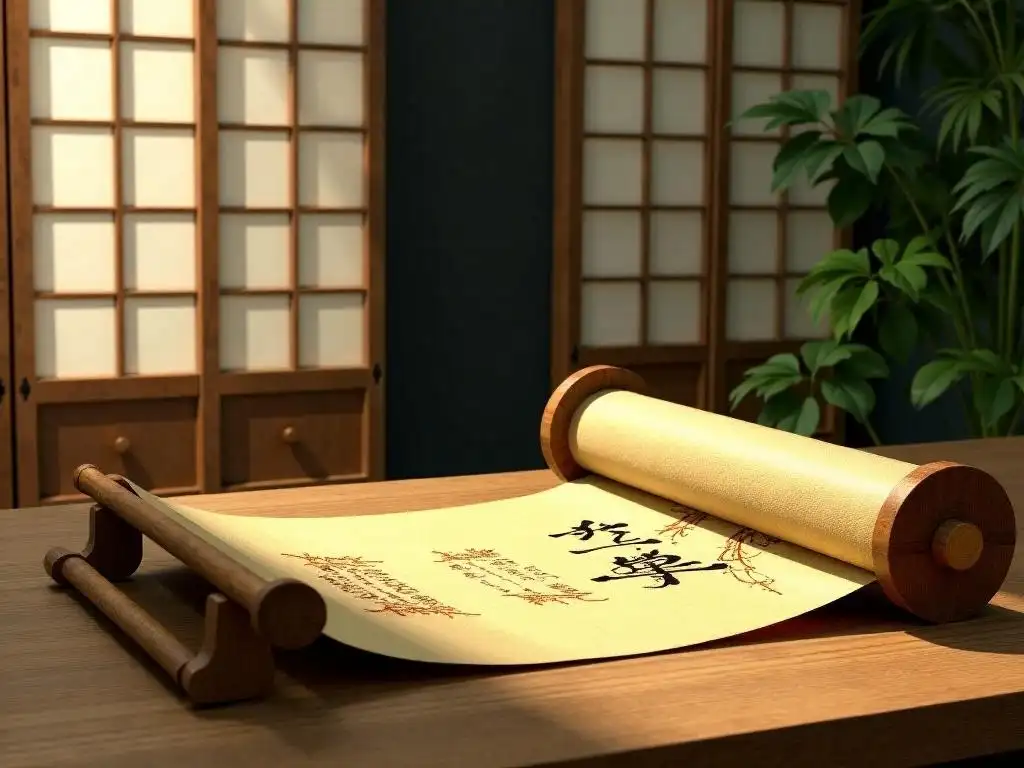
The use of scrolls in feudal Japan dates back to the Heian period (794-1185), a time when the aristocracy began to flourish, and with it, the arts and literature. Scrolls, known as emaki (絵巻), were the primary medium for storytelling and record-keeping before the advent of bound books. They were often hand-painted and inscribed with text, serving both narrative and visual purposes. The development of scrolls was significantly influenced by Chinese literary traditions, which had long favored scroll formats.
Scrolls were not merely artistic endeavors; they also played a crucial role in the transmission of knowledge and culture. During the Kamakura period (1185-1333), the emergence of samurai culture saw an increase in the production of scrolls, often depicting historical events or legendary tales, thus reflecting the societal values and historical narratives of the time. The scrolls also became an important tool for teaching and preserving Buddhist teachings, making them central to both literary and spiritual life within the feudal framework.
Types of Scrolls: Emaki and Others
Scrolls can be categorized into several types, with emaki being the most prominent.
- Emaki (絵巻): These illustrated narrative scrolls combine text and images, allowing for a seamless storytelling experience. They often depict historical events, myths, or daily life in feudal Japan. Notable examples include the Tosa Diary and the Tale of Genji scrolls, which showcase the intricate artistry and narrative skill of the period.
- Nara-ehon (奈良絵本): These are picture books that feature illustrations and text on each page, presenting a more compact form of storytelling compared to scrolls. While they became more popular in the later Edo period, their roots can be traced back to earlier scroll traditions.
- Kōdan (講談): A form of oral storytelling that was often accompanied by scrolls depicting the tale, kōdan became a popular entertainment form during the Edo period (1603-1868). Scrolls served as visual aids, enhancing the storytelling experience.
The evolution of these scroll types reflects the changing preferences in literary forms and the societal contexts in which they were produced.
The Cultural Significance of Scrolls
Scrolls held immense cultural significance in feudal Japan, serving as a bridge between art, literature, and education. They were utilized not only as a means of storytelling but also as a method of preserving history and cultural identity.
- Narrative Function: Scrolls allowed for an immersive narrative experience, where viewers could follow along as they unrolled the scroll, engaging with the story in a unique manner. This format encouraged a communal experience, as multiple viewers could gather around to share in the storytelling.
- Artistic Expression: The artistry involved in creating scrolls was highly valued, and many scrolls featured intricate illustrations that conveyed emotion and depth to the narratives. Artists such as Tosa Mitsuoki became renowned for their contributions to this medium, blending literature with visual art.
- Educational Role: Scrolls were integral in the education of the samurai and the aristocracy. They served as visual aids in teaching history, ethics, and literature, making them essential in the cultivation of an informed elite.
The scrolls of feudal Japan were more than mere literary artifacts; they were vital cultural instruments that shaped the societal landscape, reflecting the values, beliefs, and artistic ambitions of the time. The transition from scrolls to books marked a significant evolution in literary forms, paving the way for new modes of expression in Japanese literature.
Transition from Scrolls to Books: The Development of Written Forms

The transition from scrolls to books marks a significant evolution in the literary landscape of feudal Japan. This shift not only reflects changes in technology and culture but also aligns with broader societal transformations during the period. Scrolls, typically made from materials such as paper or silk, were the dominant form of written expression in the early stages of Japanese literature. However, as the period progressed, the introduction of books allowed for greater accessibility, organization, and permanence of texts.
This transition was characterized by the movement from narrative scrolls (emaki) to more structured formats like codices or bound books (kanshi). The literary evolution in feudal Japan was not merely a change in physical form; it signified a deeper cultural shift, influencing how stories were told, shared, and preserved.
Factors Influencing the Shift in Literary Forms
Several factors contributed to the transition from scrolls to books in feudal Japan:
- Cultural Exchange: Increased contact with China facilitated the adoption of Chinese literary practices, which included bookbinding techniques. The import of Chinese texts also stimulated interest in new literary forms.
- Feudal System Dynamics: As the samurai class gained prominence, there was a growing need for education and literacy among the warrior class. This demand fueled the production of more accessible written materials.
- Religious Influences: Buddhism played a crucial role in the development of written forms. Monasteries became centers for education and the production of texts, leading to a broader dissemination of literature.
- Social Stratification: The emergence of a merchant class brought about new audiences for literature, necessitating the creation of texts that catered to various social groups.
- Historical Events: Periods of turmoil, such as the Genpei War and the Kamakura period, prompted the documentation of events, leading to the need for more durable and organized forms of writing.
Technological Advancements: The Invention of Woodblock Printing
The invention of woodblock printing in the 8th century significantly influenced literary evolution in feudal Japan. This technology allowed for the mass production of texts, making literature more accessible to the public. Key aspects of this advancement include:
- Increased Accessibility: With woodblock printing, texts could be reproduced quickly and in larger quantities, reducing costs and allowing for wider distribution.
- Standardization of Texts: The ability to print multiple copies ensured that texts remained consistent over time, which was crucial for educational purposes and cultural preservation.
- Illustrated Texts: Woodblock printing facilitated the inclusion of illustrations in literature, enriching the storytelling experience and appealing to visual learners.
- Promotion of Literary Genres: The ease of production encouraged the emergence of various literary genres, including poetry, stories, and instructional texts, further diversifying the literary landscape.
The Emergence of Codices and Their Impact on Literary Evolution
The development of codices, or bound books, marked a pivotal moment in the literary evolution of feudal Japan. Unlike scrolls, which required unrolling and rolling up, codices allowed for easier navigation and reading. The impact of this shift includes:
- Enhanced Organization: Codices enabled authors to structure their works in a more coherent manner, facilitating both writing and reading processes.
- Preservation of Knowledge: The binding of texts contributed to their longevity, as codices were less likely to be damaged compared to scrolls, which could wear out more easily over time.
- Cultural Significance: The codex became a symbol of literacy and education, representing a shift towards a more literate society.
- Influence on Literary Style: The format of codices encouraged authors to develop new narrative styles and genres, reflecting the changing tastes and interests of readers.
The transition from scrolls to books encapsulates the broader themes of literary evolution in feudal Japan. Through technological advancements and cultural shifts, written forms adapted to meet the needs of an evolving society, ultimately shaping the legacy of Japanese literature.
Key Literary Works During the Transition

Notable Scrolls from the Feudal Era
During the feudal era of Japan, scrolls served as one of the primary literary forms, capturing the essence of the culture, history, and art of the time. These scrolls, known as emakimono (絵巻物), often combined both text and illustrations, creating a unique narrative form that appealed to a wide range of audiences.
- The Tale of Genji (源氏物語):
- Although written in the Heian period, its influence persisted into the feudal era. It is often considered the world's first novel and provides a profound insight into court life and the complexities of human relationships.
- The Genji Monogatari Emaki is a notable scroll that visualizes scenes from the narrative, showcasing the aesthetics of the period.
- The Tale of Heike (平家物語):
- This epic recounts the struggle between the Taira and Minamoto clans during the Genpei War. The text is often transmitted through oral performances accompanied by scrolls depicting key battles and historical figures.
- The Heike Monogatari scrolls highlight the valor and tragedy of war, emphasizing themes of impermanence and the warrior ethos.
- The Yoshitsune Scrolls (義経記):
- These scrolls narrate the legendary exploits of Minamoto no Yoshitsune, a folk hero revered in Japanese culture. The tales often intertwine history with folklore, revealing the societal values and beliefs of the time.
The artistry and narrative depth found in these scrolls not only serve as historical documents but also reflect the literary evolution in feudal Japan, transitioning from oral traditions to more permanent written forms.
As Japan transitioned from scrolls to books, several authors and their works played pivotal roles in shaping the literary landscape. This period saw the emergence of prose and poetry that laid the groundwork for future literary forms.
- Murasaki Shikibu (紫式部):
- The author of The Tale of Genji, Murasaki Shikibu's work transitioned from scrolls to bound books, allowing for broader dissemination. Her intricate character development and psychological insight into the characters marked a significant evolution in narrative technique.
- Sei Shonagon (清少納言):
- A contemporary of Murasaki, Sei Shonagon is best known for her work The Pillow Book (枕草子). This collection of essays, lists, and personal reflections offers a glimpse into the court life during the Heian period and remains influential in the literary canon.
- Kamo no Chomei (鴨長明):
- In the 12th century, Chomei's An Account of My Hut (方丈記) reflects the Buddhist ideals of simplicity and impermanence. His essays and poetry marked a notable shift towards more personal and philosophical writing, resonating with the themes of the feudal era.
The transition to book forms, particularly with the development of woodblock printing, allowed for the literary evolution in feudal Japan to flourish, enabling authors to reach wider audiences and share diverse ideas.
Comparative Analysis of Scrolls vs. Books
The comparison between scrolls and books reveals critical insights into the literary evolution in feudal Japan. Each format offered distinct advantages and reflected different aspects of society.
| Feature | Scrolls | Books |
|---|---|---|
| Format | Long, continuous strips of paper or cloth | Bound collections of pages |
| Accessibility | Often created for specific audiences or events | More widely distributed, especially post-printing |
| Artistic Elements | Integrated visual art with text | Focus on textual content, less emphasis on images |
| Preservation | Prone to damage, requiring careful handling | More durable, allowing for wider preservation |
| Narrative Style | Flowing narratives, often episodic | More structured, allowing for complex story arcs |
The evolution from scrolls to books represents not only a change in physical format but also a transformation in the way literature was consumed and understood. Books facilitated deeper exploration of themes and ideas, reflecting the changing societal norms and the increasing literacy rates of the population.
This analysis underscores the dynamic nature of literary forms during the feudal era, illustrating how each medium contributed to the rich tapestry of Japan's cultural history.
Cultural Implications of Literary Evolution in Feudal Japan
The Influence of Samurai Culture on Literature
The samurai class played a pivotal role in shaping the literary landscape of feudal Japan. Their values, code of conduct, and unique experiences significantly influenced the themes and styles of the literature produced during this era. The samurai's adherence to Bushido, the way of the warrior, emphasized loyalty, honor, and bravery, which became prevalent themes in various literary works.
Characteristics of Samurai Literature
- Heroic Narratives: Samurai literature often celebrated the valor and exploits of warriors. Epic tales such as The Tale of the Heike (平家物語) captured the transient nature of life and the inevitability of loss, reflecting the samurai's understanding of mortality.
- Poetic Expression: Samurai were not only warriors but also poets. The practice of composing haiku and tanka allowed them to express their emotions and philosophical reflections succinctly. Many samurai, including the famous Matsuo Bashō, became renowned for their poetic contributions.
The cultural implications of samurai literature extend beyond mere narrative; they encapsulate the ethos of an entire class. The writings often served as a means of preserving history, values, and moral lessons, influencing subsequent generations' understanding of Japanese identity and culture.
The Role of Women in Literary Production
While the samurai dominated the literary scene, women in feudal Japan also made significant contributions that shaped the literary evolution of the era. Women writers, often marginalized in historical narratives, produced works that provided critical perspectives on society, relationships, and individual experiences.
Key Contributions by Women
- Court Literature: Noblewomen, particularly in the Heian period, were instrumental in the development of court literature. Works like The Tale of Genji ( 源氏物語), authored by Murasaki Shikibu, not only reflect the intricacies of court life but also explore themes of love, loss, and the complexity of human emotions.
- Diary and Memoir Writing: Women often engaged in diary writing, which served as a medium for personal expression and societal commentary. These diaries, such as The Sarashina Diary by Sugawara no Takasue no Musume, offered intimate glimpses into their lives and societal roles.
The literary contributions of women during feudal Japan highlight their agency and influence in shaping cultural narratives. Their works often provided a counterbalance to the dominant samurai perspective, enriching the literary landscape with diverse voices and experiences.
The Impact of Religion and Philosophy on Literary Forms
Religious beliefs and philosophical thought profoundly influenced literary evolution in feudal Japan. The interplay between Buddhism, Shinto, and Confucianism enriched the thematic complexity and stylistic diversity of literary forms during this period.
Religious Themes in Literature
- Buddhist Influences: The introduction of Buddhist texts and concepts led to the exploration of existential themes in literature. Works such as The Tale of the Heike reflected Buddhist notions of impermanence and the suffering inherent in life, resonating deeply with the samurai's worldview.
- Shinto and Nature: Shinto beliefs emphasized a connection to nature, which became a recurring motif in Japanese poetry and prose. The appreciation of natural beauty is evident in the works of poets like Matsuo Bashō, whose haikus often celebrated the changing seasons and the ephemeral quality of life.
Philosophical Underpinnings
Confucianism also played a crucial role in shaping societal values and literary expressions. The emphasis on ethics, family loyalty, and social harmony found its way into literature, influencing character development and moral lessons in narratives. These philosophical frameworks provided a rich backdrop against which authors could explore human relationships and societal structures.
The evolution of literature in feudal Japan was deeply intertwined with cultural, societal, and philosophical influences. The contributions of samurai, women, and religious traditions collectively enriched the literary forms, giving rise to a diverse and complex literary heritage that continues to be celebrated today.
Conclusion: The Legacy of Literary Evolution in Feudal Japan

Summary of Key Points on Literary Evolution
The literary evolution in feudal Japan is marked by significant transformations that shaped the country's cultural landscape. Several key points highlight this progression:
- Transition from Oral to Written Traditions: Early Japanese literature was predominantly oral, with stories and folklore passed down through generations. The introduction of Chinese characters and the subsequent development of hiragana and katakana allowed for a rich written tradition to flourish.
- Influence of the Samurai Class: The samurai class played a crucial role in the evolution of literature, as they not only consumed literary works but also contributed to them. Their values of honor, loyalty, and duty were often reflected in various literary forms, including poetry and drama.
- Emergence of Diverse Genres: The feudal era saw the rise of various literary genres, such as narrative poetry (uta), the Tale of Genji, and Noh theater. These genres showcased the complexities of human emotions, relationships, and the socio-political environment of the time.
- Cultural Exchange and Adaptation: During the feudal period, Japan experienced significant cultural exchange with China and Korea, which influenced its literary forms and themes. This adaptation led to a unique Japanese perspective on universal themes, enriching the literary canon.
- Role of Women in Literature: Despite societal limitations, women contributed significantly to the literary landscape. Female authors, such as Murasaki Shikibu and Sei Shonagon, produced works that offered insight into the lives and thoughts of women in feudal society.
This comprehensive summary encapsulates the intricate journey of literary forms in feudal Japan, reflecting the dynamic interplay between culture, society, and artistic expression.
The Lasting Impact on Modern Japanese Literature
The literary evolution in feudal Japan has left an indelible mark on modern Japanese literature. The foundations laid during this period continue to influence contemporary writers and their works in several ways:
- Themes of Honor and Loyalty: The values emphasized during the feudal era, such as honor, loyalty, and the samurai code (Bushido), remain prevalent in modern narratives, often serving as central themes in literature, film, and television.
- Narrative Techniques: The storytelling techniques developed during the feudal period, including the use of vivid imagery and intricate character development, are still evident in modern Japanese literature. Authors like Haruki Murakami and Banana Yoshimoto draw inspiration from these traditional methods while exploring contemporary themes.
- Genre Evolution: The genres that flourished during the feudal era, such as Noh theater and poetry, have evolved but still resonate in modern forms of expression. The blending of traditional and modern genres continues to create a vibrant literary scene in Japan.
- Cultural Heritage and Identity: The rich literary heritage of feudal Japan contributes to a sense of cultural identity among modern Japanese writers. By engaging with historical texts and themes, contemporary authors honor their past while addressing present-day issues.
The literary evolution in feudal Japan not only shaped its own era but also established a legacy that continues to thrive in modern Japanese literature. The enduring impact of this evolution underscores the importance of understanding historical contexts to appreciate the depth and richness of contemporary literary expressions.
Further Reading and Resources on Feudal Japanese Literature
Recommended Books and Articles on Literary Forms
Feudal Japan's literary evolution is a rich tapestry woven from various forms, styles, and genres. To delve deeper into this fascinating subject, the following books and articles are highly recommended:
-
"The Tale of Genji" by Murasaki Shikibu
A cornerstone of Japanese literature, this work is often regarded as the world's first novel. Its intricate narrative and character development offer insights into the aesthetics and sensibilities of the Heian period.
-
"The Pillow Book" by Sei Shonagon
This collection of essays, lists, and anecdotes presents a vivid portrayal of court life and the author's personal reflections, showcasing the blend of literary forms in feudal Japan.
-
"Japanese Literature: A History" by Kato Shuichi
This comprehensive survey examines the evolution of Japanese literature, including the transition from scrolls to printed books, and how these changes influenced literary styles.
-
"The History of Japanese Literature" by Donald Keene
Keene provides an extensive overview of the major literary works and movements throughout Japan's history, with a particular focus on the feudal era's unique contributions.
-
"Literature in the Time of the Samurai" by Richard Bowring
This work emphasizes the relationship between samurai culture and literature, exploring how the values of the warrior class shaped literary forms during feudal Japan.
-
Academic Journals
- Japan Review: This journal often features articles on the literary evolution in feudal Japan and its cultural implications.
- Journal of Japanese Studies: An excellent source for scholarly articles that delve into specific aspects of Japanese literature.
Online Archives and Digital Resources for Study
For those interested in exploring the literary evolution in feudal Japan further, several online archives and digital resources provide access to primary texts, scholarly articles, and critical analyses:
-
The National Diet Library Digital Collections
An extensive collection of historical texts, including early manuscripts and printed works from the feudal period.
-
Waseda University’s Japanese Literature Database
This database contains a wealth of resources, including rare texts and critical essays, all focused on Japanese literature's development.
-
The Internet Archive
A vast collection of digitized books and documents, including many works from feudal Japan. Users can access both historical texts and modern analyses.
-
Japanese Classics Database
This resource provides access to classical literature from Japan, with translations and commentaries that aid in understanding the literary context of feudal Japan.
-
Project Gutenberg
Offers free access to a variety of literary works, including translated versions of notable texts from the feudal era, allowing readers to engage with these historical narratives.
These resources serve as invaluable tools for anyone looking to deepen their understanding of the literary evolution in feudal Japan, offering a mix of primary texts and scholarly commentary to enrich the study of this captivating era.
Frequently Asked Questions
What were the primary literary forms during feudal Japan?
The primary literary forms included scrolls, poetry, and narrative prose. These evolved significantly, reflecting the cultural and social dynamics of the period.
How did the transition from scrolls to books impact literature in feudal Japan?
The shift from scrolls to books facilitated wider accessibility and distribution of literary works, allowing for a more diverse range of voices and genres to emerge.
What role did poetry play in feudal Japan's literary evolution?
Poetry was a central aspect of feudal Japanese literature, serving as a medium for expression, communication, and cultural identity, particularly through forms like haiku and tanka.
How did societal changes influence literary themes in feudal Japan?
Societal changes, including political shifts and cultural exchanges, greatly influenced literary themes, leading to the exploration of identity, nature, and human emotions in literary works.
Notable authors include Murasaki Shikibu, known for "The Tale of Genji," and Sei Shonagon, who contributed significantly to the literary landscape with their unique perspectives on court life.
Final Reflection: The Enduring Legacy of Literary Evolution in Feudal Japan
The transition from scrolls to books in feudal Japan is not just a historical shift; it represents a profound transformation in how knowledge and culture are disseminated. Today, as we navigate an era dominated by digital media, the evolution of literary forms reminds us of the importance of accessibility and the preservation of cultural heritage. The journey from scrolls to bound volumes illustrates how literature adapts to societal needs, making this topic ever-relevant in our fast-paced, information-driven world.
Cultural narratives and literary forms shape our understanding of identity and history, and the evolution witnessed in feudal Japan continues to resonate in contemporary society. From the meticulous artistry of calligraphy to the democratization of literature through printed books, these changes reflect a broader trend of accessibility and innovation. As noted by scholar Yoshiko Matsumoto, The evolution of literary forms is a mirror to the society that creates them, revealing both aspirations and limitations.
This insight underscores the significance of literary evolution not only as a historical phenomenon but as a lens through which we can examine our own cultural narratives.
As we reflect on the lessons from feudal Japan's literary evolution, I invite you to consider how you engage with literature in your own life. What stories do you choose to tell, and how do they shape your understanding of the world? Embrace the power of words, whether through reading, writing, or sharing stories, and recognize that each literary form carries the potential to influence and inspire. Let us honor the legacy of those who came before us by continuing to explore and innovate within our own literary landscapes.
Unveil the Rich Tapestry of Feudal Literature!
Thank you for diving into the fascinating evolution of literary forms in feudal Japan! Understanding how scrolls transformed into books enriches our appreciation of cultural heritage and literary innovation. Now, let's take this journey a step further together—here’s how you can engage with this rich history:
- Explore more: Delve into specific literary works from feudal Japan by visiting our dedicated articles. Discover the stories that shaped this vibrant culture.
- Share your insights: Discuss your favorite piece of literature from this era with friends or on social media. Together, we can spread the love for history and literature!
- Join the conversation: Participate in our community forums where you can ask questions and share your knowledge about feudal Japanese literature with fellow enthusiasts.
What literary work from feudal Japan resonates with you the most, and why? Let's foster a meaningful dialogue!