
The Evolution of Japanese Ceramics in the Edo Era

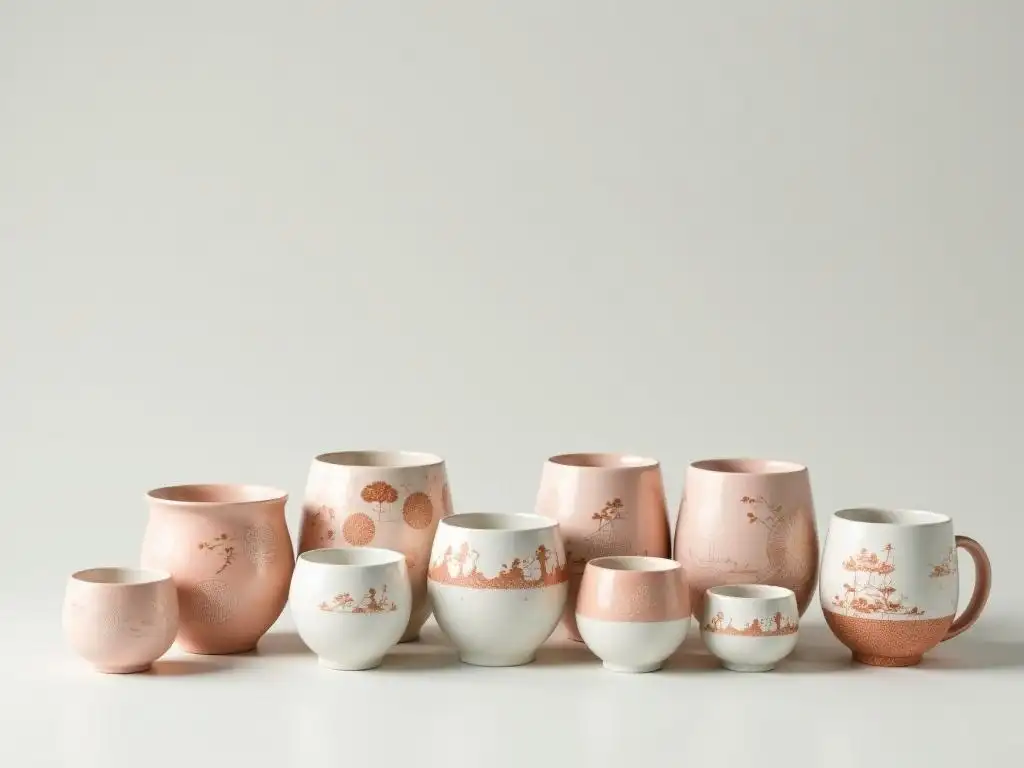
Welcome to Feudal Japan History, where we invite you to embark on a fascinating journey through the rich tapestry of Japan’s feudal era. Here, we delve deep into the historical, cultural, and societal intricacies that shaped this remarkable period. In our featured article, The Evolution of Japanese Ceramics in the Edo Era, we uncover the captivating story behind Edo period Japanese ceramics history, revealing how artistry and tradition intertwined to create masterpieces that resonate to this day. Prepare to be intrigued and inspired as you explore the depths of Japan's cultural heritage—your adventure into the past begins now!
Introduction to Edo Period Japanese Ceramics History
The Edo period, spanning from 1603 to 1868, marks a significant era in Japanese history characterized by political stability, economic growth, and cultural flourishing. One of the most notable aspects of this era is the remarkable evolution of Japanese ceramics, which reflects not only the artistic advancements of the time but also the societal changes and cultural influences that shaped them.
This article delves into the rich tapestry of Edo period Japanese ceramics history, examining how traditional techniques evolved, the introduction of foreign influences, and the emergence of distinct regional styles. As we explore the intricate relationship between society and craftsmanship during this period, we will uncover the profound impact that ceramics had on daily life, trade, and the aesthetic sensibilities of the Japanese people.
Historical Context of the Edo Period
Overview of the Edo Period (1603-1868)
The Edo period commenced with the establishment of the Tokugawa shogunate, a time when Japan enjoyed over two centuries of peace and stability after centuries of civil war. This era saw the consolidation of power by the shogunate, which implemented strict social hierarchies and isolationist policies, limiting foreign influence and trade. The resulting stability allowed for significant advancements in various art forms, including ceramics.
During this period, artisans honed their skills, experimenting with new techniques and materials, leading to innovations such as the use of lead glaze and the development of unique glazes like tenmoku and celadon. The burgeoning merchant class also played a pivotal role, as their demand for exquisite ceramics for both functional and decorative purposes drove artisans to elevate their craft.
Cultural Influences on Japanese Ceramics
The cultural landscape of the Edo period was a melting pot of influences that significantly impacted the evolution of ceramics. The flourishing of arts and crafts was intertwined with the rise of the merchant class, who not only supported but also patronized artisans. This resulted in a distinctive aesthetic that combined traditional Japanese techniques with the influences of Chinese and Korean ceramics, which were highly regarded at the time.
The introduction of Western trade also brought new ideas and materials, further enriching the ceramics produced during this era. For instance, the incorporation of European motifs and glazing techniques began to appear in certain styles, reflecting a unique blend of cultural exchange. Regional styles, such as Imari, Karatsu, and Mino, emerged as artisans responded to local tastes and available resources, each contributing to the diverse landscape of Edo period ceramics.
The evolution of Japanese ceramics in the Edo era not only showcases the artistic ingenuity of the time but also serves as a mirror reflecting the broader societal trends and cultural interactions that defined this transformative period in Japan's history.
Key Features of Edo Period Japanese Ceramics
Edo period Japanese ceramics, which flourished from the early 17th century to the mid-19th century, are distinguished by their diversity and innovation. One of the most notable features is the use of vivid glazes and intricate patterns, often inspired by nature and daily life. The ceramics from this era reflect the social changes and economic growth that characterized the Edo period, showcasing a shift from utilitarian objects to intricate art pieces that were both functional and decorative.
Another key characteristic is the emergence of regional styles, with different areas developing unique techniques and aesthetic preferences. For instance, Arita porcelain became renowned for its white glaze and blue underglaze designs, while Kutani ware was celebrated for its colorful overglaze decoration. The interplay between these regional styles contributed to a rich tapestry of ceramic art that continues to influence modern Japanese pottery.
Distinctive Styles of Ceramics
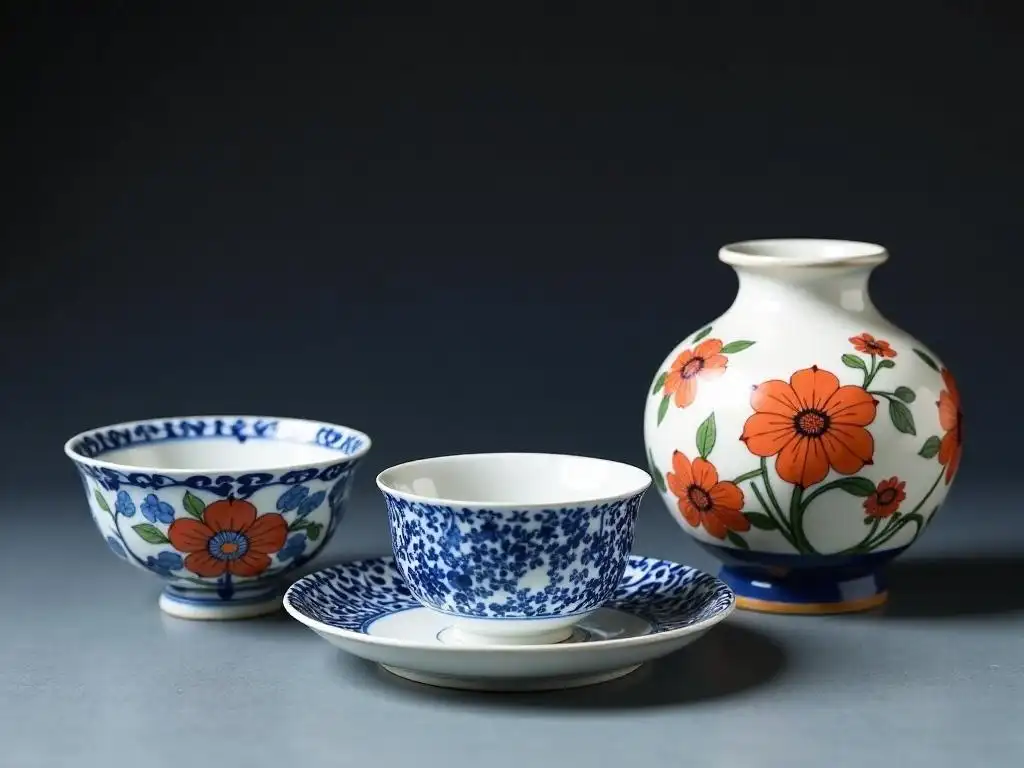
Edo period ceramics can be categorized into several distinctive styles, each with its unique characteristics:
- Arita Ware: Originating from the Hizen province, Arita ware is known for its fine porcelain, often featuring blue and white designs. This style became the foundation for what is now recognized as Japanese porcelain.
- Kutani Ware: Developed in the Kaga province, Kutani ware is notable for its vibrant colors and elaborate overglaze decorations, including red, green, and gold. The designs often depict seasonal motifs and mythical creatures.
- Imari Ware: Typically associated with the port of Imari, this style features both porcelain and stoneware with rich colors and intricate patterns. Imari ware became highly sought after in international markets, especially in Europe.
- Bizen Ware: Known for its rustic and earthy appeal, Bizen ware is characterized by its lack of glaze and natural ash effects. This style emphasizes the beauty of the clay and the firing process.
- Shigaraki Ware: Hailing from the Shiga Prefecture, Shigaraki ware is known for its rough texture and naturalistic forms, often incorporating elements of nature into its designs.
Techniques and Materials Used in Edo Ceramics
The techniques employed in Edo period ceramics were varied and sophisticated, reflecting a deep understanding of materials and craftsmanship. Key techniques included:
- Kikuyaki (Kiku-yaki): A technique that involved the use of a special glaze to create a distinctive chrysanthemum pattern, often seen in Arita porcelain.
- Overglazing: This technique allowed for the application of vibrant colors after the initial firing, enabling artisans to create intricate designs and patterns on their pieces.
- Raku Firing: Used primarily for tea ceremony wares, Raku firing involved removing pieces from the kiln while still hot, allowing for unique surface effects and textures.
In terms of materials, the Edo period saw the use of high-quality clay sourced from various regions, with each type contributing to the final appearance and durability of the ceramics. Porcelain clay, especially kaolin, became increasingly popular for its ability to produce fine, translucent wares. Additionally, natural mineral pigments were employed to achieve a wide range of colors and effects, showcasing the artisans' skill and creativity.
The Role of Ceramics in Edo Society
Ceramics played a multifaceted role in Edo society, influencing various aspects of life, from daily routines to cultural practices. The growing merchant class and urbanization during this period led to an increased demand for both utilitarian and decorative ceramics, which served as a reflection of social status and taste.
Ceramics in Daily Life
In everyday life, ceramics were integral to both domestic and communal activities. Functional items such as bowls, plates, and teapots were essential for daily meals and tea ceremonies. The availability of a variety of ceramic goods allowed families to express their aesthetic preferences and social status through their household items. Moreover, the rise of the tea ceremony during the Edo period emphasized the importance of ceramics, as the choice of tea utensils often showcased the host's refined taste and cultural knowledge.
Ceramics in Art and Culture
Beyond their functional use, ceramics also held significant artistic and cultural value. They served as mediums for artistic expression, with craftsmen incorporating intricate designs that conveyed seasonal themes, folklore, and social commentary. The aesthetic appeal of ceramics played a crucial role in art forms such as ukiyo-e, where ceramic pieces were often depicted in prints, further embedding them into the cultural fabric of the era.
Additionally, ceramics became important artifacts in the context of gift-giving and trade, both domestically and internationally. The export of Japanese ceramics to Europe and Southeast Asia during the Edo period not only enhanced Japan's cultural exchange but also introduced global audiences to the unique artistry of Japanese ceramics, solidifying their place in the history of art and commerce.
Notable Ceramics Artists and Workshops of the Edo Era
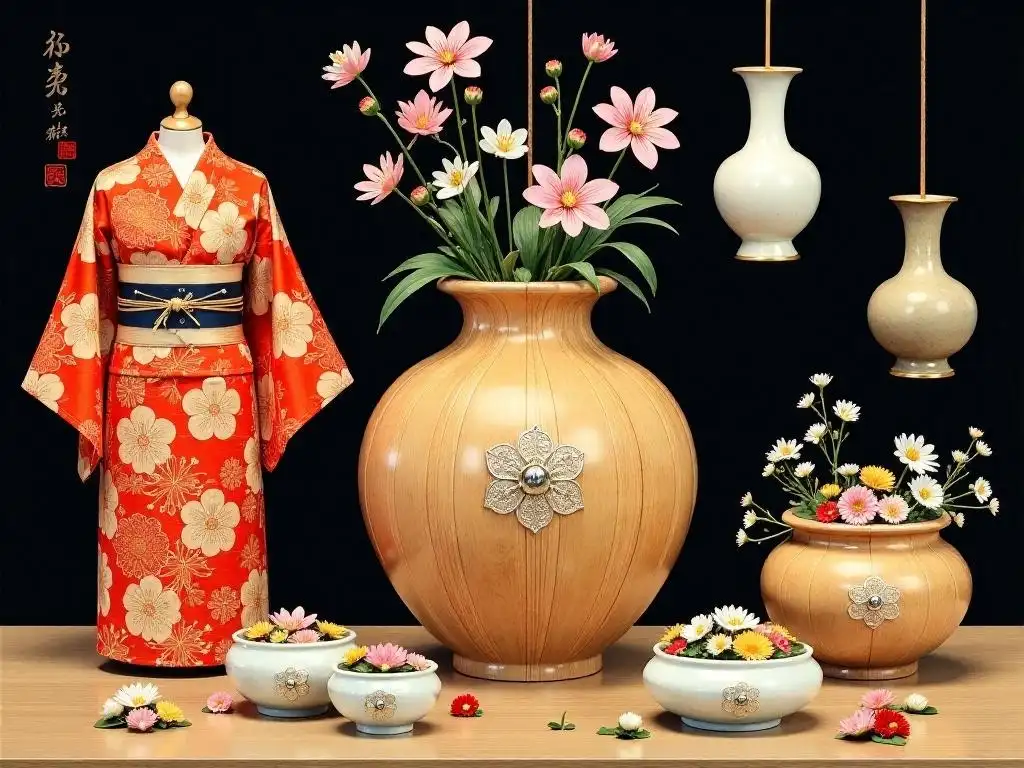
The Edo period (1603-1868) marked a significant evolution in Japanese ceramics, characterized by a remarkable flourishing of artistic expression and craftsmanship. During this time, various artists and workshops emerged, contributing to the rich tapestry of Edo ceramics.
Prominent Figures in Edo Ceramics
- Kenzan (Mizuno Kenzan): A pivotal figure in Edo ceramics, Kenzan is known for his distinctive style that blended traditional techniques with innovative designs. His works often featured bold colors and elaborate motifs, making him a cornerstone of the Kyo-yaki style. Kenzan established a family workshop that continued his legacy through generations.
- Ninsei (Nonomura Ninsei): Renowned for his refined porcelain, Ninsei's creations are celebrated for their delicate painting and intricate patterns. His influence extended beyond the Edo period, impacting future generations of potters. Ninsei established the Ninsei workshop in Kyoto, which became a hub for high-quality ceramics.
- Shojiro: Another noteworthy artist, Shojiro was instrumental in developing the overglaze technique known as enameled porcelain. His pieces, characterized by vibrant colors and detailed depictions of nature and daily life, remain highly sought after today.
- Raku Masters: The Raku style, initially developed for the tea ceremony, gained prominence during the Edo period. Notable Raku artists such as Chojiro created unique, hand-formed tea bowls that emphasized simplicity and natural beauty, which resonated with the Zen philosophy.
Influential Workshops and Regions
Several workshops and regions became synonymous with high-quality ceramics during the Edo period:
- Arita: Located in Kyushu, Arita was known for its porcelain production. The region became famous for its blue-and-white ceramics, which were highly prized both domestically and internationally.
- Imari: Close to Arita, the Imari region specialized in colorful porcelain wares. Imari ceramics featured intricate designs and were often exported to Europe, significantly influencing Western ceramics.
- Kyoto: As a cultural hub, Kyoto was home to various kilns, including Kyo-yaki. The city's artisans were known for their refined and elegant ceramics, often used in tea ceremonies.
- Seto: Seto is one of Japan’s oldest ceramic-producing regions, known for its stoneware. The Seto style often included rustic finishes and functional designs, appealing to everyday domestic life.
The Legacy of Edo Period Ceramics
The impact of Edo period ceramics extends far beyond the era itself, shaping the trajectory of Japanese ceramics and influencing global art forms.
Influence on Modern Japanese Ceramics
Modern Japanese ceramics owe much to the innovations and styles developed during the Edo period. Many contemporary potters draw inspiration from the techniques and aesthetic principles established by Edo artisans. The focus on individuality and creativity seen in Edo ceramics continues to resonate, encouraging modern artists to explore personal expression within traditional frameworks. Furthermore, the revival of interest in traditional crafts has led to a resurgence of Edo-style techniques in contemporary ceramics, blending historical methods with modern design sensibilities.
Preservation of Edo Ceramics
Efforts to preserve and promote Edo period ceramics have taken various forms, including:
- Museums and Exhibitions: Institutions dedicated to Japanese art often showcase Edo ceramics, providing context and education about this vital period in ceramic history.
- Artisan Workshops: Some workshops actively preserve traditional methods and pass them on to new generations of artisans. This commitment to craftsmanship ensures the continuation of Edo techniques and styles.
- Cultural Heritage Initiatives: Various initiatives promote the recognition of Edo ceramics as part of Japan's cultural heritage, encouraging both domestic and international appreciation. These efforts often include workshops, demonstrations, and collaborations with contemporary artists.
In sum, the evolution of Japanese ceramics during the Edo period not only enriched the cultural landscape of Japan but also established a foundation for future artistic endeavors, ensuring that the legacy of this remarkable era endures.
Conclusion: Reflecting on Edo Period Japanese Ceramics History
The Edo period, spanning from 1603 to 1868, marked a significant transformation in the history of Japanese ceramics. This era not only witnessed the refinement of traditional techniques but also the emergence of innovative styles that would influence both local and international markets. The ceramics produced during this time are characterized by their exquisite craftsmanship, aesthetic beauty, and a deep connection to the social and cultural dynamics of the period.
The evolution of Edo period Japanese ceramics can be seen as a reflection of the broader societal changes occurring in Japan. The rise of the merchant class and the flourishing of urban centers allowed for the proliferation of ceramics that catered to diverse tastes and functions. From the rustic simplicity of Mino ware to the elaborate designs of Arita porcelain, each style tells a story of the people who created and used these objects, highlighting their values, aspirations, and daily lives.
Moreover, the Edo period served as a crucible for the exchange of ideas and techniques, both domestically and internationally. The influence of Chinese ceramics remained strong, yet Japanese artisans adapted and transformed these inspirations into uniquely Japanese forms. This blending of influences not only enriched the ceramic arts but also positioned Japan as a key player in the global trade of decorative arts.
The history of Edo period Japanese ceramics is a testament to the ingenuity and creativity of its artisans. It is a rich narrative that encapsulates the essence of an era marked by growth, change, and cultural vibrancy. As we reflect on this history, it becomes clear that the ceramics of the Edo period are not merely functional items; they are enduring symbols of Japan's artistic heritage and cultural identity. The legacy of these ceramics continues to be celebrated and studied, inviting future generations to appreciate the artistry and historical significance embedded within each piece.
- Introduction to Edo Period Japanese Ceramics History
- Historical Context of the Edo Period
- Key Features of Edo Period Japanese Ceramics
- Distinctive Styles of Ceramics
- Techniques and Materials Used in Edo Ceramics
- The Role of Ceramics in Edo Society
- Notable Ceramics Artists and Workshops of the Edo Era
- The Legacy of Edo Period Ceramics
- Conclusion: Reflecting on Edo Period Japanese Ceramics History
Frequently Asked Questions
What is the Edo period in Japanese history?
The Edo period, lasting from 1603 to 1868, was marked by the Tokugawa shogunate's rule, leading to a time of peace, stability, and significant cultural development in Japan.
How did Japanese ceramics evolve during the Edo era?
During the Edo period, Japanese ceramics saw a transformation with the introduction of new techniques, styles, and glazes, making ceramics more accessible and diverse in design.
What are some notable styles of ceramics from the Edo period?
Notable styles include Imari, Kyo, and Arita, each characterized by distinct patterns, colors, and craftsmanship, reflecting the era's artistic innovations.
How did societal changes influence Edo period ceramics?
The growth of the merchant class during the Edo period increased demand for ceramics, leading to the production of functional and decorative pieces that catered to varying tastes and economic statuses.
Why is Edo period Japanese ceramics historically significant?
Edo period ceramics are significant for their artistic value and their role in shaping Japan's cultural identity, showcasing the fusion of tradition and innovation that defines Japanese craftsmanship.
Final Reflection: The Enduring Legacy of Edo Period Japanese Ceramics
The evolution of Japanese ceramics during the Edo period is not merely a historical account; it is a testament to the resilience and creativity of a culture that continues to inspire artisans and collectors today. As we delve into the intricate designs and techniques that flourished during this era, we uncover a rich tapestry of tradition that resonates with contemporary values of craftsmanship and aesthetic appreciation. The Edo period serves as a reminder that art is not static; it evolves, adapts, and finds relevance in every generation.
Ceramics from the Edo era have profoundly influenced both the cultural and social landscapes of Japan and beyond. The meticulous craftsmanship and innovative styles birthed during this time have paved the way for modern interpretations and practices in ceramics. As we admire these pieces, we recognize their role in shaping identity and heritage. Art is the most beautiful of all lies.
– Claude Debussy. This quote encapsulates the essence of Edo ceramics; they are not just functional objects but vessels of history, emotion, and cultural significance that continue to speak to us across time.
As you reflect on the lessons from the Edo period, I invite you to consider how the values of creativity, patience, and dedication found in these ceramics can be applied to your own life. Embrace the spirit of innovation and craftsmanship in your pursuits, and let the legacy of Edo ceramics inspire you to create and appreciate beauty in all its forms. Each piece tells a story, and now, it’s your turn to weave your narrative into the fabric of history.
Unveil the Beauty of Edo-Era Ceramics!
Thank you for diving into the fascinating world of Japanese ceramics during the Edo period. Your curiosity has unlocked the rich artistry and historical significance behind these exquisite creations. Now, let’s carry that inspiration forward!
Here’s how you can further explore and appreciate the artistry of Edo-era ceramics:
- Visit a local museum or gallery that features Japanese art to experience these ceramics in person.
- Join an online community that shares a passion for Japanese culture to exchange insights and learn from others.
- Try your hand at pottery by taking a class to create your own piece, channeling the techniques of the masters!
As you reflect on the elegance of these ceramics, consider this: What resonates with you most about the craftsmanship found in Edo-era pieces, and how might you incorporate that appreciation into your daily life?