
The Influence of Noh Theatre on Edo Performing Arts

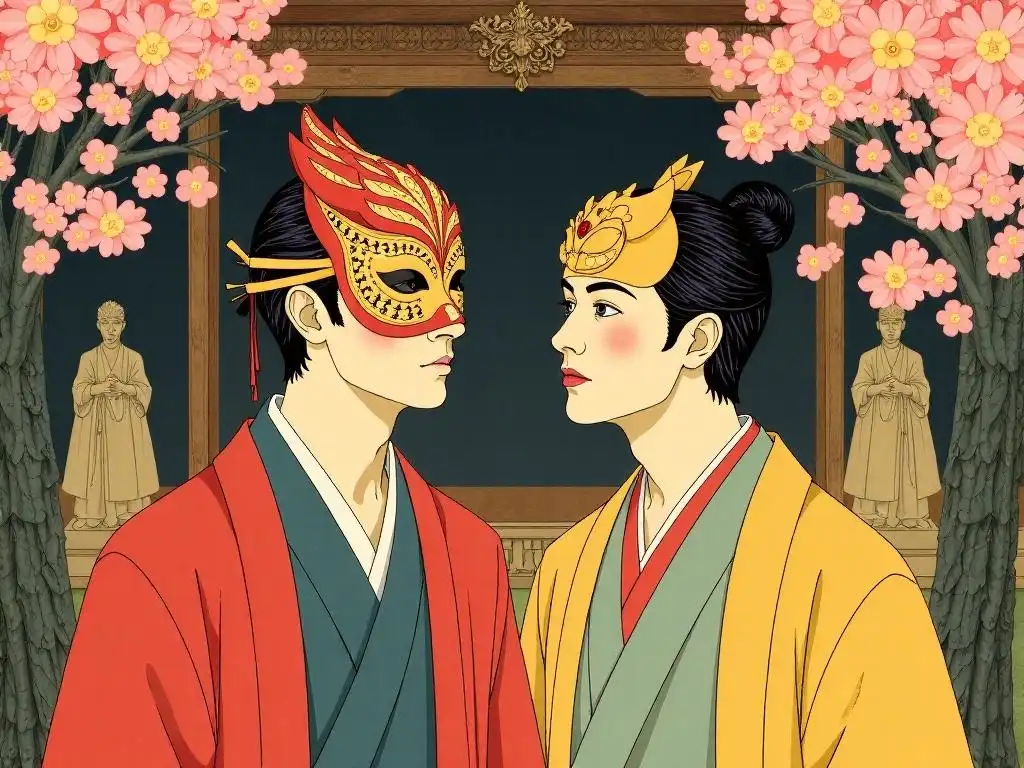
Welcome to Feudal Japan History, where we delve into the rich tapestry of Japan's feudal era, illuminating its historical, cultural, and societal intricacies. In our featured article, "The Influence of Noh Theatre on Edo Performing Arts," we invite you to explore the profound impact that Noh theatre has had on the vibrant landscape of Edo arts. What secrets lie within the elegant movements and haunting melodies of this traditional performance? Join us on this captivating journey to uncover the layers of influence that shaped an entire era's artistic expression—your adventure into the depths of cultural history begins here!
Noh theatre, one of Japan's oldest and most revered forms of performing arts, has profoundly shaped the cultural landscape of the Edo Period (1603-1868). This article explores the intricate relationship between Noh theatre and the broader spectrum of Edo arts, delving into how this traditional performance style influenced various artistic expressions during a time of significant societal transformation. By examining the historical context, defining characteristics, and the evolving nature of theatre in Edo society, we aim to provide a comprehensive understanding of the keyword "Noh theatre impact on Edo arts."
Introduction to Noh Theatre
Definition of Noh Theatre
Noh theatre is a classical Japanese dance-drama that combines music, drama, and poetry into an elaborate performance. Known for its use of masks, minimalistic set design, and stylized movements, Noh tells stories rooted in Japanese mythology, history, and literature. Typically performed by a small cast, Noh pieces are characterized by their slow, deliberate pace, allowing audiences to absorb the rich symbolism and emotional depth embedded in each performance.
Historical Background of Noh Theatre
Noh theatre originated in the 14th century, during the Muromachi Period, and was developed by playwrights such as Kan'ami and his son Zeami. Initially patronized by the samurai class, Noh gained prominence as an art form that transcended social classes. By the Edo Period, Noh had become a staple of cultural life, demonstrating the complex interplay between art, politics, and society. The patronage of the Tokugawa shogunate further solidified its status, intertwining Noh with the cultural identity of the time.
Key Characteristics of Noh Theatre
Noh theatre is distinguished by several key characteristics:
- Use of Masks: Each mask represents a specific character type, conveying various emotions and states of being. The subtleties of expression are a crucial aspect of Noh performances.
- Minimalistic Stage: The Noh stage is simple, devoid of elaborate scenery. This allows the audience to focus on the performers and the narrative.
- Slow Movements: The choreography is marked by slow, graceful movements that enhance the emotional resonance of the story.
- Music and Chanting: Traditional instruments, such as the flute and drums, accompany the performances, creating an ethereal atmosphere that complements the poetic dialogue.
The Evolution of Edo Period Arts
Overview of Edo Period (1603-1868)
The Edo Period was marked by relative peace and stability under the Tokugawa shogunate, fostering a unique cultural environment. This era saw the rise of urban centers, particularly Edo (modern-day Tokyo), which became a hub for commerce and culture. The flourishing of the arts was supported by a growing merchant class that began to seek entertainment and artistic expression, leading to an unprecedented cultural renaissance.
Cultural Transformations in Edo Society
During the Edo Period, Japan underwent significant cultural transformations. The rigid social hierarchy began to shift as the merchant class emerged as a powerful force. This new class sought to engage with the arts, promoting various forms of entertainment, including Kabuki theatre and ukiyo-e prints. Noh theatre, while maintaining its elite status, began to influence these popular art forms, leading to a blending of styles and themes that enriched the cultural tapestry of the time.
The Role of Theatre in Edo Culture
Theatre during the Edo Period served multiple functions: it was a means of entertainment, education, and social commentary. Noh theatre, with its historical narratives and moral themes, played a crucial role in shaping public perception and cultural values. As audiences grew more diverse, the impact of Noh on the emerging forms of Edo arts became increasingly evident, fostering a dialogue between tradition and innovation that would define the cultural landscape for generations to come.
In this exploration, we will further investigate the nuances of how Noh theatre's impact on Edo arts manifested, providing insights into the interconnectedness of Japan's rich cultural heritage.
Noh Theatre's Impact on Edo Performing Arts
Noh theatre, a traditional Japanese performance art that emerged in the 14th century, profoundly influenced the subsequent development of Edo period performing arts. Its impact can be observed in various aspects of theatre, particularly in the forms of Kabuki and Bunraku puppet theatre, which coexisted and evolved during the Edo period (1603-1868). Noh's unique combination of stylized movements, poetic dialogue, and rich symbolism laid the groundwork for these theatrical forms, shaping their thematic depth and artistic expression.
One of the key elements of Noh that permeated Edo arts is its emphasis on the portrayal of complex emotions and human experiences. This thematic richness inspired Kabuki and Bunraku artists to explore similar subjects, leading to more elaborate narratives and character development. Additionally, Noh's aesthetic values, such as the use of masks and costumes, influenced the visual presentation in these other art forms, creating a lasting legacy that continues to resonate in Japan's cultural landscape.
Direct Influences of Noh on Kabuki
Kabuki, known for its vibrant performances and elaborate staging, directly borrowed elements from Noh theatre. One of the most significant influences is the use of stylized movement and gesture, which are hallmarks of both forms. Kabuki actors adapted Noh's slow, deliberate movements to create dynamic, expressive performances that still retained a sense of poise and grace. This blend allowed Kabuki to convey a wider range of emotions and themes, appealing to diverse audiences.
Moreover, Noh's musical components played a crucial role in shaping Kabuki's performance style. The integration of traditional Noh instruments, such as the flute and drums, became a staple in Kabuki orchestras, enriching the auditory experience. The thematic parallels between Noh and Kabuki, particularly the exploration of human emotions, love, and tragedy, further solidified Noh's influence on this popular theatrical form, leading to the emergence of Kabuki as a distinct yet intertwined art form.
Noh's Influence on Bunraku Puppet Theatre
Bunraku, the traditional Japanese puppet theatre, also drew inspiration from Noh theatre, particularly in its narrative techniques and visual aesthetics. The puppetry style in Bunraku reflects Noh's emphasis on subtlety and expression, as puppeteers employ intricate movements to convey emotions akin to those portrayed by Noh actors. This method of storytelling emphasizes the emotional resonance of characters, echoing Noh's thematic focus on the human condition.
Additionally, Noh's use of poetic language and lyricism significantly influenced Bunraku scripts. The elaborate dialogue and storytelling techniques found in Noh enriched Bunraku narratives, allowing for a more profound exploration of themes such as love, loss, and the passage of time. The collaboration between the puppeteers and musicians in Bunraku also mirrors Noh's integration of music and performance, creating a multifaceted theatrical experience that captivates audiences.
Thematic and Stylistic Contributions of Noh
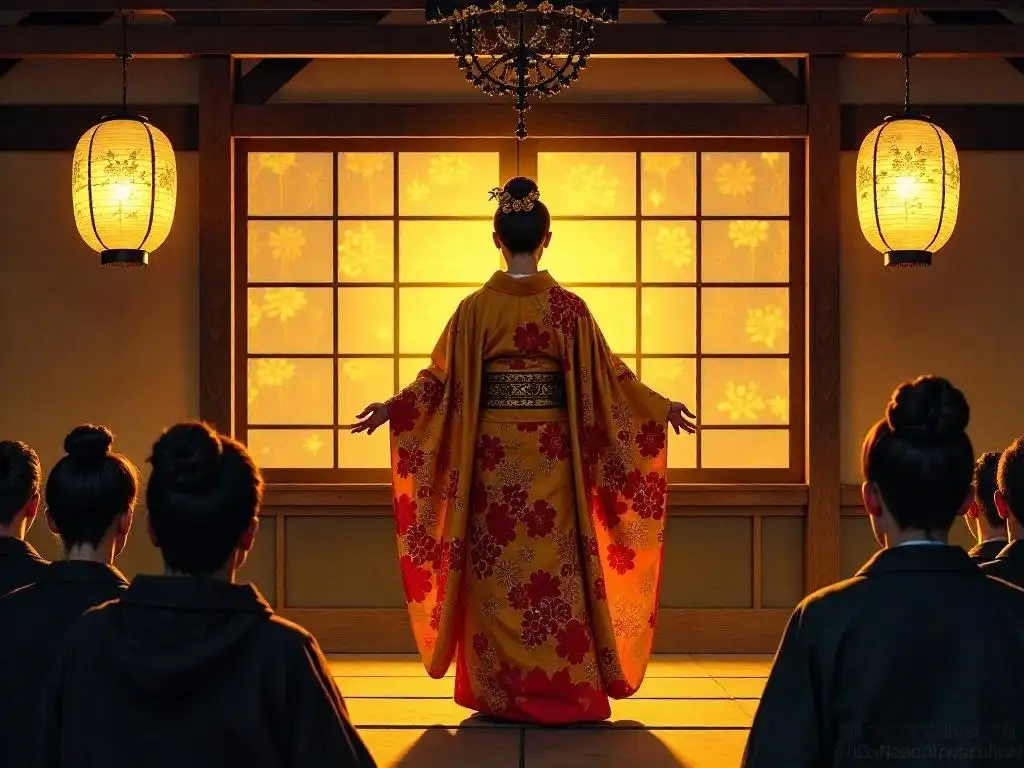
The contributions of Noh theatre to Edo period arts extend beyond direct influences on specific forms. Its thematic depth and stylistic innovations have left a lasting mark on the cultural landscape of Japan.
Exploration of Themes in Noh and Edo Arts
Noh theatre is characterized by its exploration of profound themes such as transience, spirituality, and the interplay between life and death. These themes resonate strongly within Edo performing arts, as artists sought to reflect the complexities of human experience. Kabuki and Bunraku not only adopted these thematic concerns but also expanded upon them, incorporating contemporary issues and social commentary relevant to Edo society.
The portrayal of mythology and historical narratives in Noh also influenced Edo arts, prompting Kabuki and Bunraku to depict legendary figures and events with a blend of realism and stylization. Through these adaptations, Edo performing arts became a medium for cultural reflection and social critique, drawing on the rich tapestry of Noh's thematic exploration.
Stylistic Innovations Derived from Noh
Noh theatre introduced several stylistic innovations that significantly impacted the aesthetic of Edo performing arts. The use of elaborate costumes and symbolic props in Noh provided inspiration for Kabuki and Bunraku, leading to the development of visually striking performances that captivated audiences. The emphasis on visual storytelling through masks and makeup in Noh also found its way into the stylistic practices of Kabuki actors and Bunraku puppeteers, enhancing the overall theatrical experience.
Furthermore, Noh's incorporation of movement and rhythm influenced the choreography of both Kabuki and Bunraku. The precision and grace inherent in Noh performances shaped the physicality of these art forms, fostering a unique blend of drama and dance that defines Edo period theatre. This stylistic cross-pollination not only enriched the performing arts but also solidified Noh's legacy as a cornerstone of Japan's cultural heritage.
The Legacy of Noh Theatre in Modern Japanese Arts
Noh theatre, with its intricate blend of dance, drama, and music, has left an indelible mark on the landscape of modern Japanese arts. Emerging during the 14th century and flourishing in the Edo period, Noh is characterized by its stylized performances, poetic language, and profound themes, often drawn from historical events and classical literature. This rich heritage continues to inspire various art forms, including theatre, dance, and even film, as contemporary artists explore and reinterpret Noh's traditional elements.
One of the most notable aspects of Noh's legacy is its influence on the development of Kabuki, another prominent Japanese theatrical form that emerged during the Edo period. While Kabuki is known for its vibrant costumes and elaborate staging, it retains many elements of Noh, such as the use of masks and the incorporation of music and dance. Moreover, many Kabuki performers have trained in Noh, allowing for a seamless blending of styles that enriches the overall performance. This cross-pollination highlights Noh's enduring presence in Japanese performing arts.
Furthermore, Noh's themes of transience and the human condition resonate deeply within modern artistic expressions. Filmmakers and playwrights often draw parallels between Noh's exploration of loss and memory and contemporary societal issues. As such, Noh continues to be a source of inspiration, prompting artists to reflect on their cultural identity and the complexities of modern life.
How Noh Continues to Influence Contemporary Theatre
Contemporary theatre in Japan often incorporates Noh elements, allowing for a fusion of old and new that captivates audiences. Directors and playwrights frequently utilize Noh's minimalist aesthetic, emphasizing the power of suggestion over overt action. This approach encourages audiences to engage with the performance on a deeper level, fostering a contemplative atmosphere that is reminiscent of traditional Noh performances.
Innovative productions have also emerged that reinterpret classic Noh plays through a modern lens. For instance, contemporary adaptations may incorporate multimedia elements, such as video projections and modern soundscapes, which enhance the storytelling while preserving the essence of the original material. These creative ventures not only breathe new life into ancient scripts but also showcase the versatility of Noh theatre as a medium for exploration and expression.
Moreover, workshops and educational programs focusing on Noh techniques are becoming increasingly popular among contemporary theatre practitioners. These programs emphasize the importance of physicality, timing, and emotional expression derived from Noh, allowing modern performers to refine their craft while honoring the traditions of the past. This ongoing engagement ensures that Noh's influence remains vital in shaping the future of Japanese theatre.
Preservation of Noh Elements in Modern Performance
The preservation of Noh theatre's distinctive elements in modern performance is evident in various artistic expressions. Many contemporary choreographers draw inspiration from Noh's fluid movements and symbolic gestures, weaving them into modern dance routines. This amalgamation not only pays homage to Noh's artistry but also introduces its aesthetic principles to new audiences.
Additionally, the use of Noh masks continues to be a powerful tool for modern performers. These masks, which convey a wide range of emotions and characters, are integrated into various theatrical genres, including experimental theatre and even pop culture performances. By adopting these traditional elements, contemporary artists are able to invoke the rich narratives of Noh while simultaneously exploring their unique creative visions.
Furthermore, the commitment to preserving Noh's musical components—such as the use of traditional instruments like the flute and drums—has also gained traction in modern performances. Musicians are increasingly incorporating Noh music into contemporary compositions, bridging the gap between the past and the present. This preservation effort not only enriches the auditory experience of modern performances but also emphasizes the enduring impact of Noh theatre on Japan's cultural landscape.
Conclusion
Summary of Noh Theatre's Impact on Edo Arts
Noh theatre's influence on Edo period arts is profound and multifaceted. Its aesthetic principles, thematic depth, and unique performance techniques have shaped various art forms, including Kabuki and traditional dance. The interweaving of Noh elements into these genres has enriched the cultural fabric of the Edo period, creating a legacy that continues to resonate in contemporary artistic expressions.
The precise manner in which Noh has impacted these arts reflects the broader cultural and societal shifts during the Edo period, where the exploration of human emotions and experiences became central to artistic endeavors. Noh's emphasis on subtlety and introspection has paved the way for a more nuanced understanding of performance, influencing artists to dive deeper into the human experience.
Reflection on the Importance of Noh in Japanese Cultural History
Reflecting on the importance of Noh theatre in Japanese cultural history reveals its role as a beacon of artistic expression and cultural identity. Throughout centuries, Noh has served not only as entertainment but also as a medium for philosophical contemplation and social commentary. Its ability to convey complex ideas through simple yet profound performance techniques speaks to the sophistication of Japanese art and culture.
Noh's preservation and continued relevance in modern times underscore its significance in shaping Japan's cultural narrative. As artists and audiences alike engage with its themes, Noh theatre fosters a connection between the past and the present, reminding us of the enduring power of storytelling in its many forms. The ongoing exploration of Noh’s legacy ensures that it remains a vital part of Japan’s artistic heritage, continuing to inspire future generations.
- Introduction to Noh Theatre
- The Evolution of Edo Period Arts
- Noh Theatre's Impact on Edo Performing Arts
- Thematic and Stylistic Contributions of Noh
- The Legacy of Noh Theatre in Modern Japanese Arts
- Conclusion
Frequently Asked Questions
What is Noh theatre?
Noh theatre is a traditional Japanese performing art that combines music, drama, and dance. It is characterized by its slow movements and stylized performances, often based on historical or mythological themes.
How did Noh theatre influence Edo arts?
Noh theatre significantly impacted Edo arts by introducing dramatic storytelling, aesthetic principles, and musical elements that influenced other forms of entertainment, including Kabuki and pantomime.
What are some key characteristics of Noh theatre?
Key characteristics of Noh theatre include its minimalistic stage, use of masks, and a focus on poetic dialogue. The performances are often spiritual and convey deep emotional themes.
Why is the Edo period important for arts in Japan?
The Edo period (1603-1868) is crucial for arts in Japan due to its cultural flourishing. It saw the rise of urban culture, including literature, painting, and theatrical forms, with Noh theatre as a prominent influence.
How can one experience Noh theatre today?
One can experience Noh theatre today by attending live performances in dedicated theatres, participating in workshops, or watching recorded performances. Many cultural centers also offer insights into this unique art form.
Final Reflection: The Enduring Legacy of Noh Theatre on Edo Arts
The intricate relationship between Noh theatre and Edo performing arts underscores a profound cultural exchange that remains relevant today. As we explore the impact of Noh theatre on the artistic landscape of the Edo period, we recognize that this traditional form of performance art not only shaped the aesthetics of its time but also laid the groundwork for contemporary Japanese theatre. The resonance of Noh's themes, techniques, and spiritual depth continues to inspire modern artists and audiences alike, reminding us that the past is never truly behind us.
Culturally, the influence of Noh theatre has permeated various aspects of Japanese society, enriching the tapestry of performing arts. The elegance and precision of Noh have fostered a deep appreciation for subtlety and nuance in performance, which can be seen in the evolution of Kabuki and other Edo arts. As we reflect on this ongoing influence, we are reminded of the words of renowned playwright Yukio Mishima: The essence of Noh is the beauty of the moment, a fleeting glimpse into the soul.
This sentiment encapsulates the timeless nature of Noh, inviting us to explore the depths of our own artistic expressions.
As we conclude this exploration of Noh theatre's impact on Edo arts, I invite you to reflect on how these historical influences shape your own understanding of performance and creativity. Consider the ways in which traditional art forms can inform and enrich contemporary practices. Let the legacy of Noh theatre inspire you to embrace the beauty of tradition while forging new paths in your artistic journey. In doing so, we honor the past and contribute to the vibrant evolution of our cultural landscape.
Unveil the Legacy of Noh Theatre in Modern Arts!
Thank you for diving into the fascinating world of Noh Theatre and its profound influence on Edo performing arts! We hope you now appreciate the rich tapestry of culture that shapes our artistic heritage. Ready to take the next step? Here’s how you can engage further with this captivating topic:
- Explore local performances of Noh or Kabuki in your area—immerse yourself in the experience firsthand!
- Join a discussion group or online community dedicated to Japanese theatre; share your thoughts and insights with fellow enthusiasts.
- Consider learning about the unique instruments used in Noh and their contribution to the artistry; why not start by listening to a performance online?
What aspect of Noh Theatre do you find most intriguing, and how do you think it can influence today's art forms? We invite you to share your thoughts below!