
Edo Period Theatre: The Interplay of Performance and Culture

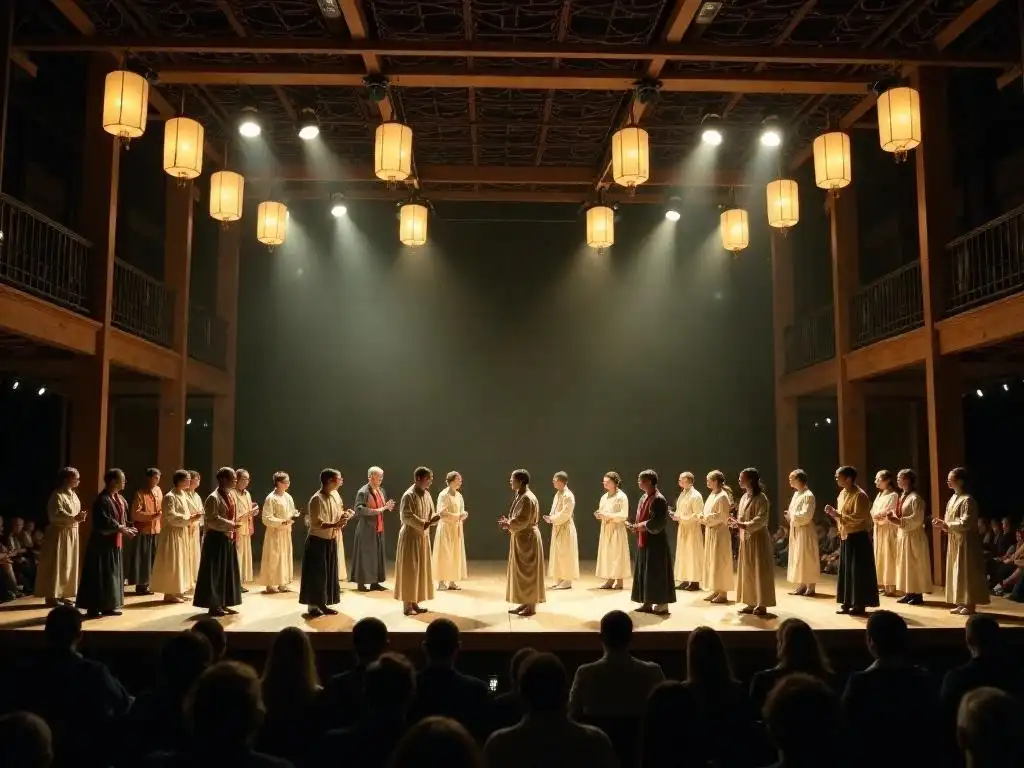
Welcome to Feudal Japan History, where we embark on a fascinating journey through the captivating tapestry of Japan's feudal era. Dive deep into the Edo period theater history, a vibrant reflection of the cultural interplay that shaped society during this remarkable time. What secrets lie within the performances that captivated audiences and influenced art forms for generations? Join us as we explore the rich narratives and historical significance of theater in the Edo period, and discover how these performances continue to resonate in today's cultural landscape. Your exploration begins here—let's unravel the stories together!
- Edo Period Theater History: An Overview of Cultural Significance
- Major Forms of Theater in the Edo Period
- The Influence of Society on Edo Period Theater
- Thematic Elements in Edo Period Theater
- The Evolution of Performance Techniques
- The Decline and Legacy of Edo Period Theater
- Conclusion: The Enduring Influence of Edo Period Theater
- Frequently Asked Questions
- Final Reflection: The Enduring Legacy of Edo Period Theater
- Unveil the Spirit of Edo Period Theatre!
Edo Period Theater History: An Overview of Cultural Significance
The Edo period, spanning from 1603 to 1868, represents a transformative era in Japanese history characterized by significant political stability, economic growth, and cultural blossoming. Among its many contributions, Edo period theater stands out as a profound reflection of the society and culture of the time.
This article delves into the intricate tapestry of Edo period theater history, examining its roots, evolution, and the vibrant interplay between performance and the cultural milieu of the era. By exploring the various theatrical forms that flourished during this period, we can gain insights into the collective consciousness of the Japanese people and the societal norms that shaped their artistic expressions.
Introduction to Edo Period Theater
Edo period theater encompasses several distinct theatrical styles, most notably Kabuki, Noh, and Bunraku. Each of these forms brought unique elements to the stage, engaging audiences with their elaborate costumes, compelling narratives, and innovative performances. Kabuki, known for its colorful and exaggerated performances, often depicted stories of love and conflict, appealing to the common people. In contrast, Noh provided a more austere and philosophical experience, characterized by its slow movements and poetic dialogue. Bunraku, the traditional puppet theater, blended intricate puppetry with live narration and music, captivating audiences with its storytelling prowess.
The significance of theater during the Edo period extended beyond mere entertainment; it served as a platform for social commentary, reflecting the values, struggles, and aspirations of the populace. The theaters became cultural hubs where ideas were exchanged, and the common man's voice could be heard, albeit through the lens of artistic interpretation.
The Historical Context of Edo Period Performance
To fully appreciate the evolution of Edo period theater, it is essential to understand the historical context in which it thrived. The establishment of the Tokugawa shogunate brought about a period of peace and stability, allowing the arts to flourish. The rise of the merchant class, coupled with a burgeoning urban population in Edo (modern-day Tokyo), created a fertile ground for theatrical innovation.
Theater was not merely a reflection of societal norms; it also played a crucial role in shaping them. Performances often included themes of loyalty, honor, and the consequences of personal ambition, resonating with the audience's experiences and aspirations. Furthermore, censorship policies and the influence of the shogunate shaped the narratives, leading to a complex interplay between artistic expression and political realities.
Key Characteristics of Edo Period Theater
Edo period theater is distinguished by several key characteristics that define its unique style and impact on Japanese culture:
- Visual Spectacle: The use of vibrant costumes, elaborate sets, and striking makeup (especially in Kabuki) created a visual feast that captivated audiences.
- Diverse Genres: Each theatrical form catered to different audience segments, from the elite to the commoners, allowing for a wide array of stories and themes.
- Musical Accompaniment: The integration of music and dance was fundamental, enhancing the emotional depth of performances and engaging audiences on multiple sensory levels.
- Symbolism and Metaphor: The use of symbolic gestures and metaphors allowed for deeper meanings to emerge, encouraging audiences to reflect on the societal issues presented.
Through these characteristics, Edo period theater not only entertained but also educated and inspired, leaving a lasting legacy that continues to influence Japanese performing arts today.
Major Forms of Theater in the Edo Period
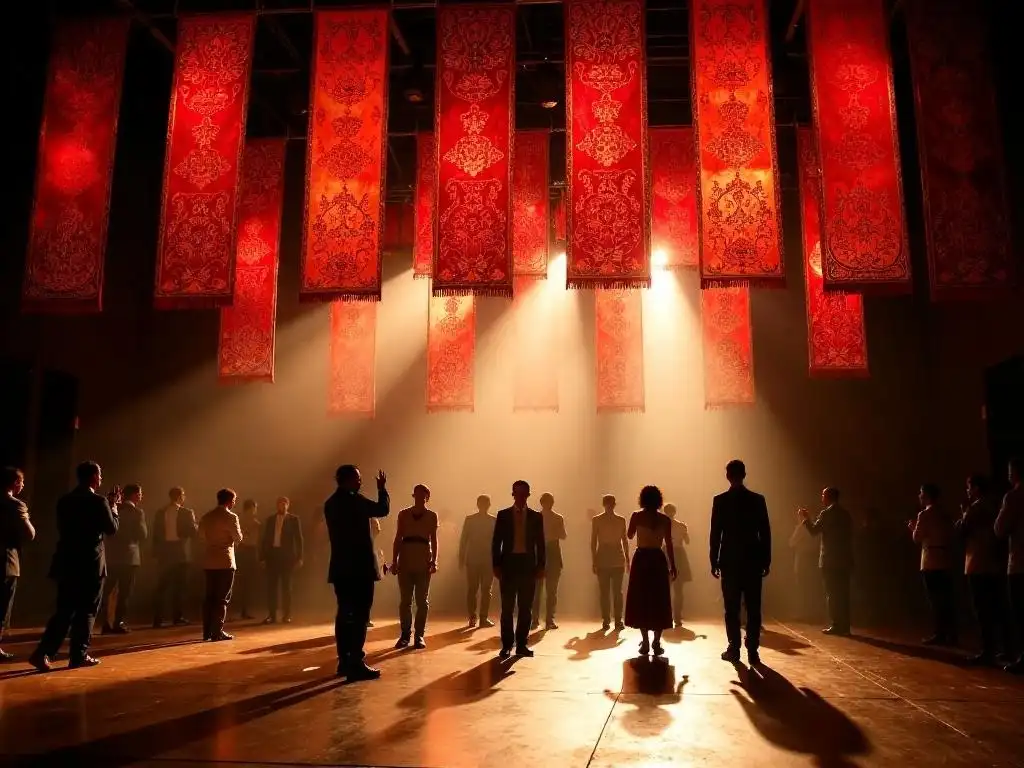
Kabuki: The Vibrant Art of Edo Performance
Kabuki is perhaps the most recognizable form of theater that emerged during the Edo period, characterized by its dynamic performances, elaborate costumes, and vibrant makeup. Originating in the early 17th century, Kabuki was initially performed by women, but due to various social and political circumstances, it transitioned to an all-male format by the mid-17th century.
Key Features of Kabuki
- Stylized Movement: Kabuki is known for its highly stylized movements and exaggerated expressions, which convey emotions and narratives without relying heavily on dialogue.
- Elaborate Costumes: The costumes are integral to Kabuki, often featuring bright colors and intricate designs that reflect the characters' social status and personalities.
- Makeup (Kumadori): The use of makeup in Kabuki is not merely aesthetic; it serves a symbolic function, with different colors representing various character traits and emotions.
Cultural Significance
Kabuki was more than just entertainment; it served as a reflection of the societal norms, conflicts, and changes during the Edo period. The themes often revolved around love, honor, and revenge, mirroring the values and experiences of the time. As a result, Kabuki became a crucial medium for expressing and critiquing societal issues, making it a significant aspect of Edo period culture.
Noh: The Subtlety of Traditional Japanese Theater
Noh theater, which predates Kabuki, is a form of classical Japanese drama that emphasizes the use of minimalism, symbolic gestures, and poetic dialogue. Emerging in the 14th century and flourishing during the Edo period, Noh is characterized by its slow-paced, contemplative performances that often draw from historical events, literature, and mythology.
Characteristics of Noh
- Minimalistic Stage: The Noh stage is designed to create a serene atmosphere, often featuring a simple backdrop that focuses the audience's attention on the performers.
- Masks: Noh actors wear intricately crafted masks that convey a wide range of emotions, allowing for powerful character transformations while maintaining a sense of mystery.
- Music and Chanting: The performances are accompanied by traditional instruments and chanting, enhancing the ethereal experience and connecting the audience to the spiritual themes often explored in the narratives.
Themes and Influence
The themes of Noh often revolve around the transient nature of life and the interplay between the physical and spiritual realms. By exploring human emotions and the consequences of actions, Noh provides profound insights into the Edo period's philosophical and cultural landscape. It remains an influential art form, preserving traditional Japanese aesthetics and spirituality even in contemporary times.
Bunraku: The Puppet Theater of the Edo Era
Bunraku, or traditional Japanese puppet theater, emerged in the late 17th century and quickly became an essential part of Edo period culture. Known for its intricate puppetry and elaborate storytelling, Bunraku combines elements of music, drama, and artistry to create a unique theatrical experience.
Distinctive Elements of Bunraku
- Three-Person Puppetry: Each puppet is manipulated by three puppeteers, each responsible for different aspects of the puppet's movement, creating a lifelike and expressive performance.
- Narrative Structure: The stories told in Bunraku often reflect the struggles and triumphs of everyday life, resonating with the audience's experiences and emotions.
- Live Music: Performances are accompanied by live music, typically played on the shamisen, a traditional Japanese stringed instrument, which adds depth and emotion to the narrative.
Influence on Edo Culture
Bunraku played a pivotal role in shaping the cultural landscape of the Edo period, often addressing themes of love, loyalty, and social class. The craft of Bunraku not only entertained but also educated audiences about societal values and historical events, making it a vital component of Japan's theatrical heritage. As an art form, Bunraku continues to be celebrated, preserving the rich traditions of the Edo period while adapting to contemporary contexts.
The Influence of Society on Edo Period Theater
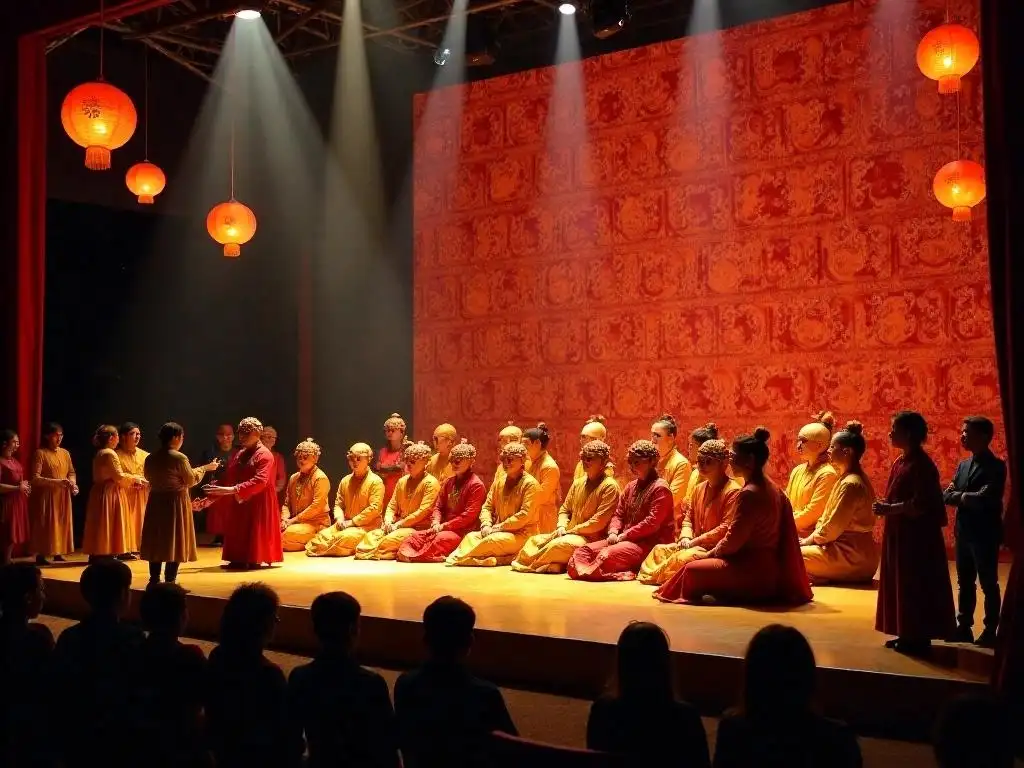
The Edo period (1603-1868) was a time of significant social transformation in Japan, marked by the emergence of a stable society governed by a strict class structure. This social hierarchy had a profound impact on the development and themes of Edo period theater, influencing the types of performances that emerged and the audiences that they catered to. In this section, we will explore how societal norms and class distinctions shaped the theatrical landscape of the time.
The Edo period was characterized by a rigid social hierarchy that divided society into four main classes: the samurai, farmers, artisans, and merchants. This stratification influenced not only the themes of theatrical performances but also the demographics of the audiences that attended them.
- Samurai Class: The samurai were the ruling elite, and their values of loyalty and honor often found their way into theatrical narratives. Many kabuki plays depicted the lives and struggles of samurai, showcasing their virtues and flaws. These performances served as both entertainment and moral lessons for the audience, reinforcing the importance of bushido, or the way of the warrior.
- Peasant Class: Farmers, despite being at the bottom of the societal hierarchy, were frequently portrayed in theater as hardworking individuals who upheld traditional values. Plays often highlighted their plight and resilience, reflecting the audience's empathy towards their struggles. This connection allowed theater to serve as a medium for social commentary, highlighting the disparities between classes.
- Artisans and Merchants: Artisans and merchants, who held a rising status during the Edo period, were often depicted in a more humorous light. Their roles in kabuki and bunraku (puppet theater) were essential in showcasing the evolving economic landscape, where wealth began to shift from the samurai class to those who engaged in trade and production. The popularity of these performances among the merchant class led to a flourishing of theater that catered to their tastes and aspirations.
Through these varying portrayals, Edo period theater became a mirror reflecting the complexities of social hierarchies and the interplay between different classes.
The Role of the Merchant Class in Theater Development
During the Edo period, the merchant class emerged as a powerful economic force, significantly impacting the development of theater. Their newfound wealth allowed them to become patrons of the arts, leading to a vibrant theatrical culture that thrived in urban centers like Edo (modern-day Tokyo).
- Patronage and Sponsorship: Wealthy merchants began to sponsor theater troupes, providing financial support for productions and infrastructure. This patronage allowed for the evolution of theatrical forms, including the popularization of kabuki, which became known for its elaborate costumes, dynamic performances, and innovative staging.
- Commercialization of Theater: The commercialization of theater during the Edo period resulted in performances becoming more accessible to the general populace. As theaters started to cater to the tastes of the merchant class, the content of the plays shifted to include themes of romance, intrigue, and comedy, appealing to the desires of an audience eager for entertainment.
- Cultural Exchange: The merchant class facilitated cultural exchange, as they traveled for trade and brought back influences from other regions. This exchange enriched Edo period theater, leading to the incorporation of diverse elements, including music and dance from various parts of Japan and even neighboring countries.
The rise of the merchant class not only transformed theater into a thriving commercial enterprise but also enriched its cultural significance, establishing it as a vital aspect of Edo period life.
Women in Edo Period Theater: The Rise and Fall
The role of women in Edo period theater is a complex narrative, characterized by both empowerment and restriction. Initially, women played a significant part in the theatrical world, but societal changes eventually led to their exclusion from the stage.
- Women as Performers: In the early years of the Edo period, women were active participants in theater, particularly in the onnagata tradition, where male actors portrayed female roles. Female performers thrived in the kabuki and jōruri (puppet theater) scenes, captivating audiences with their skill and artistry. The performances often explored themes of love, sacrifice, and social expectations, resonating deeply with viewers.
- Censorship and Restrictions: However, as kabuki gained popularity, the government imposed restrictions on women performing on stage, citing moral concerns and the potential for immorality. By the mid-17th century, the ban on female performers led to the rise of male actors specializing in female roles, which further solidified the onnagata tradition as a dominant aspect of kabuki.
- Cultural Impact: The transition from female to male performers changed the dynamics of kabuki and the representation of women on stage. While male actors portrayed women, their performances often reflected the male gaze, altering the narratives and themes of plays. This shift not only marginalized women in the theatrical sphere but also influenced societal perceptions of gender roles during the Edo period.
The rise and fall of women in Edo period theater illustrates the broader societal changes occurring in Japan, highlighting both the artistic contributions of women and the impact of cultural restrictions on their representation.
Thematic Elements in Edo Period Theater
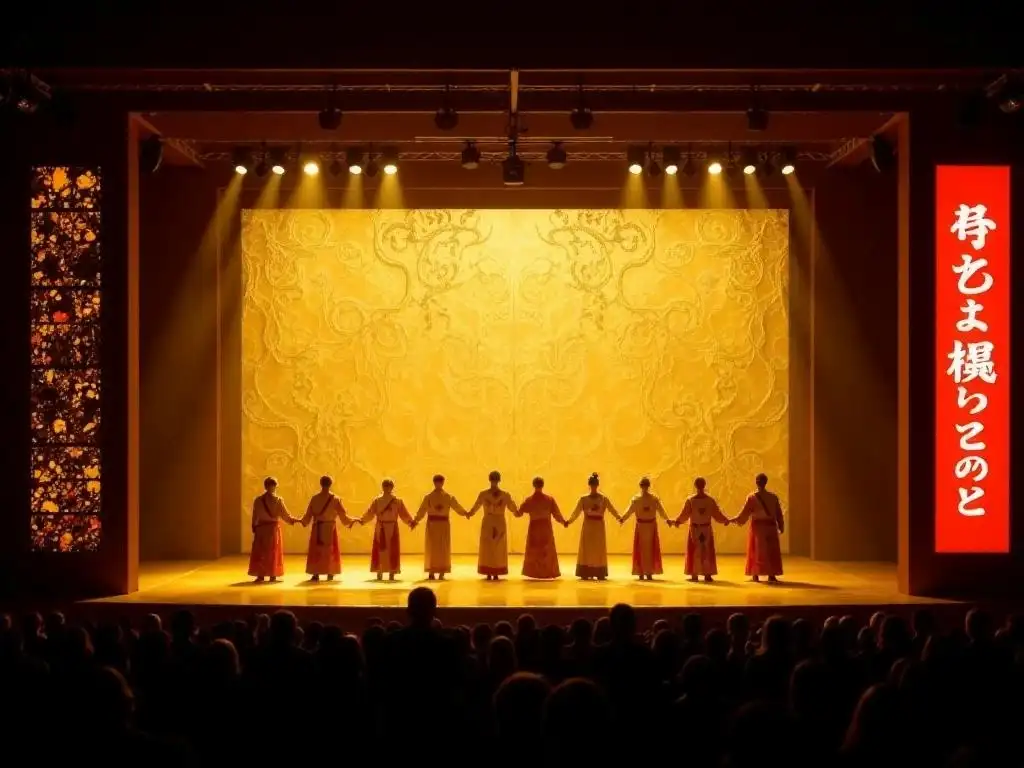
Edo period theater history is characterized by a rich tapestry of themes that reflect the society, values, and cultural shifts of the time. Thematic elements in this era were not merely forms of entertainment; they served as mirrors to the complexities of daily life, mythology, and the political landscape of feudal Japan. By examining these themes, we can gain a deeper understanding of the cultural significance of Edo period theater.
Representation of Everyday Life in Edo Plays
The Edo period, spanning from 1603 to 1868, saw a flourishing of theater forms such as Kabuki, Noh, and Bunraku. Each of these theatrical styles offered unique insights into the lives of the common people and the samurai class.
- Kabuki Theatre: Kabuki plays often showcased the struggles and triumphs of the merchant class, portraying their aspirations and challenges in a rapidly urbanizing society. The characters were vividly drawn, with exaggerated emotions and elaborate costumes that depicted their social status.
- Bunraku Puppetry: This form of theater utilized intricate puppets to tell stories of love, betrayal, and moral dilemmas, reflecting the everyday experiences of Edo citizens. The puppeteers' skill in manipulating the puppets brought a sense of realism and intimacy to the performances.
- Noh Drama: While more formal and stylized, Noh also explored themes of everyday life, especially through the lens of the supernatural. Stories often revolved around women, highlighting their roles and struggles in society, thus providing a commentary on gender dynamics.
The representation of everyday life in Edo plays not only entertained audiences but also prompted them to reflect on their own experiences within a changing world.
Mythology and Folklore in Edo Period Performances
Mythology and folklore were pivotal in shaping the narratives and performances of Edo period theater.
- Integration of Mythological Themes: Many plays incorporated Shinto and Buddhist elements, drawing from ancient myths and legends to present moral lessons. Characters such as gods, spirits, and mythical creatures often appeared, embodying virtues or vices that resonated with audiences.
- Folklore as Cultural Commentary: Stories from local folklore were adapted to the stage, allowing for a communal experience that connected audiences with their cultural heritage. These performances often served as a means of preserving and transmitting traditional values and beliefs.
- Symbolism and Allegory: The use of allegory in these performances allowed playwrights to comment on societal issues subtly. For instance, a story about a mythical creature might parallel the struggles of the common people under the rigid class system of the Edo period.
Through mythology and folklore, Edo period theater not only entertained but also educated audiences, embedding cultural narratives into the collective consciousness.
Political Commentary Through Theater in the Edo Era
Theater in the Edo period often served as a platform for political commentary, cleverly disguised within the fabric of entertainment.
- Satirical Elements: Many plays included satirical portrayals of the ruling class, using humor and irony to critique the actions and policies of the samurai and shogunate. This allowed writers to express dissent in a manner that could evade censorship.
- Historical Reenactments: Some performances dramatized historical events, providing commentary on contemporary political issues. By revisiting past conflicts and resolutions, playwrights could reflect on current governance and societal norms.
- Symbolic Resistance: The use of certain symbols and motifs in theater could convey resistance to authority. For example, a character representing a disillusioned samurai might symbolize the frustrations of the lower classes with the established order.
The political commentary embedded in Edo period theater was a testament to the genre's role as a social barometer, capturing the sentiments of the people amidst a backdrop of change and uncertainty.
Through these thematic elements, Edo period theater history reveals a dynamic interplay of performance and culture, where entertainment served as a vehicle for reflection and critique within the broader context of Japanese society.
The Evolution of Performance Techniques
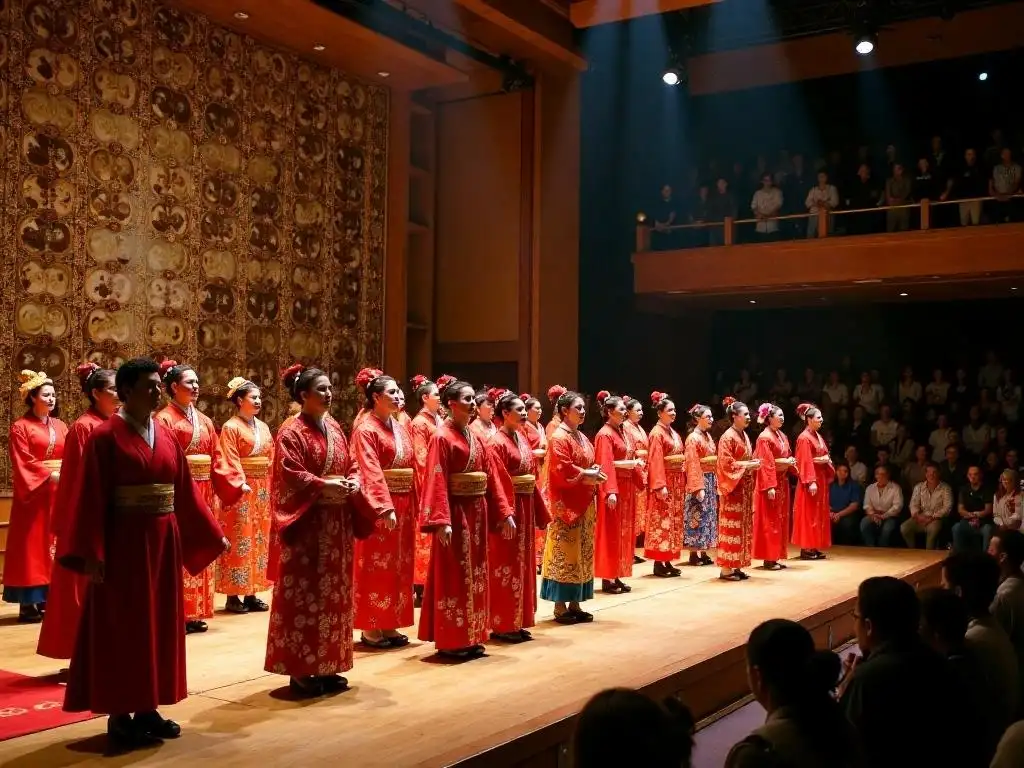
The Edo period (1603-1868) was a transformative time for theater in Japan, witnessing significant developments in performance techniques that laid the foundation for modern Japanese performing arts. This era saw the rise of various theatrical forms, including Kabuki, Noh, and Bunraku, each contributing unique elements to the performance landscape. The interplay between these styles not only enriched the theatrical experience but also reflected the evolving cultural values of the time.
Costume and Set Design in Edo Period Theater
Costume and set design played a pivotal role in the evolution of Edo period theater. The elaborate costumes of Kabuki actors, often featuring vibrant colors and intricate patterns, were not merely decorative; they helped convey characters' social status, personality, and emotional states. For instance, Kabuki costumes often included layers of fabric, each symbolizing different aspects of the character's identity.
Set design also evolved significantly during this period. Traditional Noh theater utilized minimalistic settings, focusing on suggestive backdrops that allowed for the audience's imagination to fill in the gaps. In contrast, Kabuki introduced elaborate stage designs, complete with mechanical devices that facilitated dynamic scene changes and dramatic effects. This included the use of hanamichi, a runway extending into the audience, which allowed actors to make grand entrances and engage directly with spectators.
| Theater Type | Costume Characteristics | Set Design |
|---|---|---|
| Kabuki | Bright colors, layering, symbolism | Elaborate, dynamic, mechanical elements |
| Noh | Simple, elegant, muted colors | Minimalistic, suggestive backdrops |
| Bunraku | Detailed puppetry costumes | Simple, focusing on puppetry action |
Music and Dance: Enhancing the Theatrical Experience
Music and dance were integral to Edo period theater, enhancing the emotional depth and narrative complexity of performances. Each theatrical form employed distinct musical styles tailored to its unique storytelling approach.
In Kabuki, live music played a crucial role in setting the mood, with musicians often located on stage. The use of traditional instruments like the shamisen (a three-stringed instrument) added a rhythmic and melodic backdrop that complemented the actors' movements. Dance sequences, known as odori, were choreographed to reflect the character's emotions and the storyline's progression, allowing for a rich, multi-sensory experience.
Noh theater, characterized by its slow and deliberate movements, incorporated chanting and instrumental music that emphasized the ethereal quality of the performance. The music in Noh is often subtle, creating an atmosphere that invites contemplation and reflection.
| Theater Type | Musical Elements | Dance Styles |
|---|---|---|
| Kabuki | Live music, shamisen, drums | Energetic, expressive |
| Noh | Chanting, traditional instruments | Slow, stylized movements |
| Bunraku | Shamisen accompaniment | Puppetry movements |
The Role of Actors and Their Training
Actors in Edo period theater were not just performers; they were trained artists whose skills were honed through rigorous education. The role of an actor varied significantly across different theatrical forms.
In Kabuki, actors underwent extensive training in a variety of disciplines, including movement, voice modulation, and emotional expression. Many Kabuki actors belonged to family lineages, where knowledge was passed down through generations. This familial aspect created a strong sense of tradition and continuity within the art form.
In contrast, Noh actors trained through a more formalized process, often starting their education at a young age. They learned to embody the psychological depth of characters, focusing on subtlety and poise. The mastery of voice and movement was paramount, as Noh performances relied heavily on the actors' ability to convey complex emotions through minimalistic gestures.
| Actor Type | Training Approach | Performance Style |
|---|---|---|
| Kabuki | Familial lineage, diverse skills | Energetic, expressive |
| Noh | Early formal training, emphasis on subtlety | Poised, contemplative |
| Bunraku | Collaboration with puppeteers | Synchronization with puppetry |
The evolution of performance techniques during the Edo period not only enhanced the theatrical experience but also reflected broader societal changes. The intricate costumes, dynamic music, and dedicated actors combined to create a rich cultural tapestry that continues to influence Japanese theater today.
The Decline and Legacy of Edo Period Theater
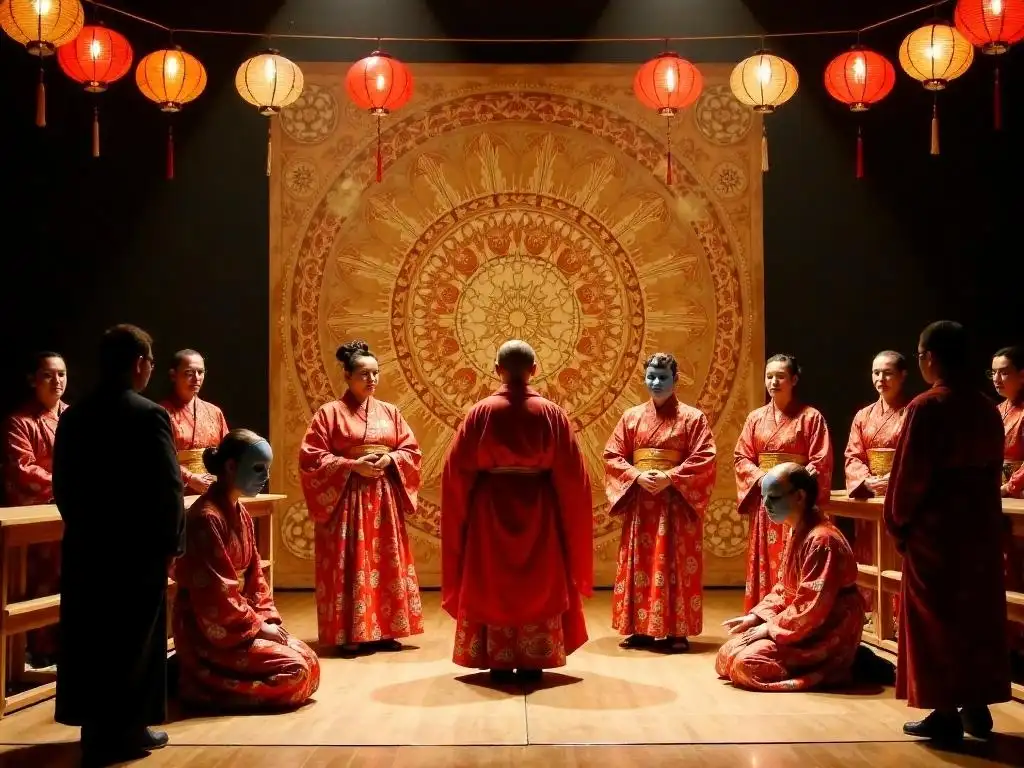
The Edo period (1603-1868) witnessed the flourishing of various theatrical forms, including Kabuki, Noh, and Bunraku. However, as Japan transitioned into the Meiji era, the theater underwent significant changes, reflecting the shifting cultural landscape. Understanding the decline of Edo period theater requires an exploration of various socio-political and economic factors at play during this transformative time.
Factors Leading to the Decline of Traditional Theater
The decline of traditional theater in Japan can be attributed to several interrelated factors:
- Western Influence
- The Meiji Restoration in 1868 marked a pivotal shift as Japan opened its doors to Western ideas and culture. This led to the introduction of Western theatrical forms, which began to overshadow traditional performances.
- New genres, such as modern drama and musicals, gained popularity, attracting audiences who were eager for fresh forms of entertainment.
- Urbanization and Modernization
- Rapid urbanization during the Meiji era resulted in changing social dynamics. As people moved to cities, their cultural preferences evolved, causing a decline in the patronage of traditional theater.
- The construction of modern theaters equipped for Western-style performances altered the landscape of entertainment, diminishing the appeal of Edo period theater settings.
- Economic Changes
- The economic turmoil during the late Edo period and the subsequent Meiji era led to shifts in audience demographics. As the economy modernized, traditional patrons of the arts, such as the samurai class, lost their status and disposable income.
- This shift in economic power caused traditional theater to struggle financially, leading to a decline in performances and productions.
- Censorship and Political Pressure
- The Meiji government introduced censorship laws that restricted the content of traditional performances, undermining their artistic expression and relevance.
- Many theater companies faced challenges in adapting their content to meet the new regulatory frameworks, leading to a loss of creative freedom.
Lasting Impact on Modern Japanese Theater
Despite the challenges faced during the decline of Edo period theater, its influence is still palpable in contemporary Japanese performance art. Key aspects include:
- Cultural Integration
- Modern Japanese theater often incorporates elements from traditional forms, such as the stylization seen in Kabuki and the narrative techniques of Bunraku. This fusion creates a unique theatrical language that continues to resonate with audiences today.
- Revival of Interest
- There has been a growing trend in recent years to revisit and reinterpret Edo period theater. Contemporary playwrights and directors often draw inspiration from historical narratives, blending traditional aesthetics with modern themes.
- Educational Programs
- Various cultural institutions and universities in Japan offer programs dedicated to the study and performance of Edo period theater. This has helped preserve the techniques, stories, and styles of traditional theater for future generations.
Preservation of Edo Period Theater Traditions in Contemporary Culture
While the decline of Edo period theater was significant, it has not disappeared entirely. Several initiatives and practices play a crucial role in preserving its traditions:
- Theater Companies
- Established theater companies, such as the Shochiku Co., continue to produce Kabuki performances, ensuring that the art form remains vibrant and accessible to audiences.
- Festivals and Events
- Cultural festivals celebrating traditional theater, such as the annual Kabuki Festival in Tokyo, provide platforms for performances and foster appreciation among younger generations. These events often include workshops and demonstrations, encouraging active participation.
- Documentation and Research
- Scholars and historians are actively engaged in documenting the history and practices of Edo period theater, creating resources that serve both academic and artistic communities. This ongoing research supports the understanding and appreciation of traditional forms in a modern context.
While Edo period theater has faced significant challenges leading to its decline, its legacy endures through modern adaptations, educational initiatives, and cultural preservation efforts. The intricate interplay between historical performance and contemporary culture continues to shape the narrative of Japan's rich theatrical heritage.
Conclusion: The Enduring Influence of Edo Period Theater
The Edo period (1603-1868) was a transformative era in Japan, marked by the flourishing of various art forms, among which theater played a pivotal role. Edo period theater, encompassing styles such as Kabuki, Noh, and Bunraku, not only reflected the societal dynamics of the time but also shaped cultural practices that resonate to this day. The influence of this theatrical tradition extends beyond the stage, impacting literature, visual arts, and even modern entertainment.
Reflections on Edo Period Theater's Cultural Heritage
Edo period theater is a rich tapestry woven from the threads of Japan's social, political, and cultural fabric. Its legacy is evident in several key aspects:
- Cultural Identity: Edo period theater served as a medium through which the common people could engage with their cultural identity. Performances often depicted historical events, folklore, and everyday life, allowing audiences to see their own experiences reflected on stage. This connection fostered a sense of belonging and cultural pride among the populace.
- Social Commentary: The theater of this era was not merely entertainment; it was also a platform for social critique. Playwrights and performers employed satire and allegory to comment on the political landscape, social injustices, and the struggles of ordinary citizens. For example, Kabuki often featured characters that embodied the struggles of the lower classes, subtly challenging the status quo.
- Artistic Innovation: The Edo period was a time of significant artistic innovation in theater. The development of distinct performance styles, such as the dynamic movements of Kabuki and the intricate puppetry of Bunraku, showcased the creativity and talent of Japanese artists. The aesthetic principles established during this time continue to influence contemporary performing arts in Japan and beyond.
- Cultural Exchange: Edo period theater also facilitated cultural exchange, as it drew inspiration from various sources, including Chinese literature and Western influence. This blending of styles enriched the theatrical landscape, giving rise to a uniquely Japanese form of expression that resonates with audiences even today.
Future Directions in the Study of Edo Period Theater History
As scholars continue to delve into the complexities of Edo period theater history, several promising avenues for research and exploration emerge:
- Interdisciplinary Approaches: Future studies could benefit from interdisciplinary approaches that combine theater history with fields such as anthropology, sociology, and gender studies. This can lead to a more nuanced understanding of how theater intersected with various aspects of Edo society.
- Digital Humanities: The advent of digital technology opens up new possibilities for the exploration and dissemination of Edo period theater history. Digital archives, virtual performances, and interactive platforms can make this rich cultural heritage accessible to a broader audience, while also providing researchers with innovative tools for analysis.
- Global Perspectives: As globalization continues to shape cultural narratives, examining Edo period theater within a global context is essential. Researchers can explore how Japanese theater has influenced and been influenced by global theatrical traditions, leading to a richer understanding of its place in world history.
- Preservation and Revitalization: The ongoing efforts to preserve and revitalize traditional Japanese theater are crucial for keeping the legacy of the Edo period alive. Future research should focus on the methods and practices being employed to ensure that these art forms are not only preserved but also adapted to resonate with contemporary audiences.
The study of Edo period theater history is not only a reflection of past traditions but also a lens through which we can understand the ongoing evolution of Japanese culture. As we continue to explore this dynamic field, we honor the intricate interplay of performance and culture that defines this remarkable era in Japan's history.
Frequently Asked Questions
What is the Edo period in Japanese history?
The Edo period (1603-1868) was a time of significant political stability and cultural flourishing in Japan, characterized by the rule of the Tokugawa shogunate and isolationist policies.
How did theater evolve during the Edo period?
During the Edo period, theater saw the rise of popular forms such as Kabuki and Bunraku, which were integral to the cultural landscape and reflected the societal values of the time.
What are the main types of theater that emerged in the Edo period?
The two main types of theater that emerged were Kabuki, known for its vibrant performances and elaborate costumes, and Bunraku, which featured puppetry and narrative storytelling.
How did Edo period theater influence modern Japanese performance arts?
Edo period theater laid the groundwork for modern Japanese performance by establishing aesthetic principles and storytelling techniques that continue to influence contemporary theater today.
What role did theater play in Edo period society?
Theater served as a vital form of entertainment and a medium for social commentary, allowing audiences to engage with cultural narratives and reflect on their own lives within the rigid social hierarchy of the time.
Final Reflection: The Enduring Legacy of Edo Period Theater
Edo period theater history serves as a powerful reminder of how performance art can shape and reflect cultural identity. The intricate interplay between the theatrical forms of Kabuki, Noh, and Bunraku during this era not only entertained audiences but also provided a lens through which societal values, struggles, and aspirations were expressed. Today, as we navigate a world increasingly influenced by digital media, the essence of these traditional performances continues to resonate, reminding us that storytelling remains a vital part of human connection.
Creativity and cultural expression are timeless threads that weave through the fabric of society. The influence of Edo period theater extends beyond its historical context, inspiring contemporary artists and performers to explore themes of identity and community. As we witness a resurgence of interest in traditional arts, it becomes clear that the lessons learned from this rich theatrical history are still relevant. Art is the most beautiful of all lies.
— Claude Debussy. This quote encapsulates the power of theater to convey deeper truths about the human experience, a legacy that continues to inspire and challenge us.
As you reflect on the themes presented in this article, consider how the principles of Edo period theater can be applied to your own life. Embrace the art of storytelling in your everyday interactions, whether through personal narratives, creative endeavors, or community engagement. Let the spirit of the Edo period inspire you to explore your cultural roots and share your unique voice with the world. In doing so, you not only honor the past but also contribute to the ongoing dialogue of cultural expression that shapes our future.
Unveil the Spirit of Edo Period Theatre!
Thank you for diving into the fascinating world of Edo Period Theatre with us! Your interest not only enriches your knowledge but also keeps this vibrant cultural legacy alive. Now that you’re inspired by the interplay of performance and culture, let’s take some exciting steps to deepen your understanding and appreciation.
- Join a local theatre group that explores traditional Japanese performing arts— gain hands-on experience with what you’ve learned!
- Read a play by a renowned Edo playwright such as Chikamatsu Monzaemon or attempt to write a scene inspired by their work— ignite your creativity!
- Share this article with friends or on social media to spark conversations about Edo culture— let’s celebrate this rich history together!
What aspect of Edo Period Theatre intrigues you the most, and how do you plan to explore it further?