
The Art of Storytelling: Noh and Kabuki Theater in Feudal Japan

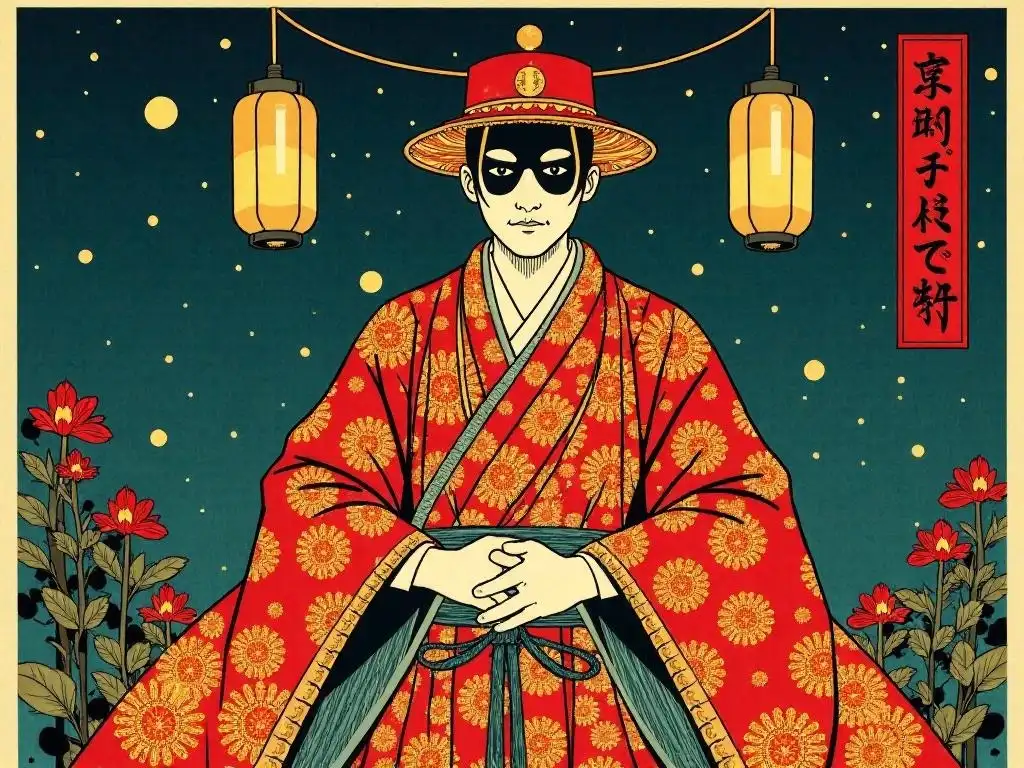
Welcome to Feudal Japan History, where we delve into the rich tapestry of Japan's feudal era. Prepare to embark on a journey through time as we unveil the captivating history of Noh and Kabuki theater, two artistic gems that not only entertained but also reflected the intricate societal dynamics of their time. What secrets do these theatrical forms hold about the culture that birthed them?
Join us as we explore the art of storytelling that defined an era, and discover how the echoes of these performances resonate in today’s world. Your adventure into the cultural depths of feudal Japan awaits!
The rich tapestry of Feudal Japan is woven with the vibrant threads of its artistic expressions, among which Noh and Kabuki theater stand out as profound cultural landmarks. Both forms of theater not only entertain but also reflect the intricate societal values, historical narratives, and philosophical underpinnings of their time.
Noh, with its subtlety and elegance, often embodies themes of spirituality and transience, while Kabuki bursts with flamboyance and exuberant storytelling, showcasing the lives and struggles of common people. This article delves deep into the history of Noh and Kabuki theater, exploring their origins, development, and the significant role they played in shaping the cultural landscape of Feudal Japan.
Introduction to Noh and Kabuki Theater
Overview of Theater in Feudal Japan
Theater in Feudal Japan evolved as a crucial medium for storytelling, deeply embedded in the social and cultural fabric of the time. With its roots tracing back to ancient rituals and folk performances, Japanese theater transformed significantly from the 14th century onward. Noh theater emerged as a refined and sophisticated art form, primarily performed for the aristocracy and samurai class, while Kabuki arose in the early 17th century as a more accessible, lively performance style catering to the common people.
- Key Features of Noh Theater:
- Use of masks and minimalistic staging
- Slow, deliberate movements and poetic dialogue
- Focus on themes of spirituality, nature, and historical events
- Key Features of Kabuki Theater:
- Vibrant costumes and elaborate makeup
- Dynamic and exaggerated movements
- Engaging stories often reflecting the lives of everyday people
Importance of Storytelling in Japanese Culture
Storytelling has long been a cornerstone of Japanese culture, serving as a means to convey moral lessons, cultural values, and historical narratives. In Feudal Japan, the art of storytelling through theater was not merely entertainment; it was a way to preserve and transmit collective memory and societal ideals. The intricate plots of Noh and Kabuki often intertwine with folklore, legends, and historical events, allowing audiences to connect with their past and understand their present.
- Cultural Significance:
- Preservation of history and tradition
- Reflection of societal norms and values
- Promotion of empathy and understanding through character-driven narratives
Historical Context of Noh and Kabuki Theater
Origins of Noh Theater
Noh theater traces its origins back to the 14th century, emerging from earlier forms of performance such as sarugaku and ** dengaku**. It was formalized by the playwright Zeami Motokiyo, who established its aesthetic principles and performance techniques. Noh was heavily influenced by the samurai class and Zen Buddhism, creating a unique blend that emphasized simplicity, restraint, and introspection.
- Significant Developments:
- The introduction of Noh masks to convey character emotions
- The establishment of Noh troupes and formalized performance protocols
- The patronage of the ruling elite, which helped elevate its status
Development of Kabuki Theater
Kabuki theater emerged in the early 17th century, founded by Okuni, a female performer who began staging dances in the dry riverbeds of Kyoto. It quickly gained popularity among all social classes, leading to the establishment of theater districts in major cities. Unlike the solemnity of Noh, Kabuki embraced a more vibrant and dynamic style, incorporating music, dance, and elaborate staging.
- Key Milestones:
- The transition from female to male performers, known as onnagata (female role actors)
- The influence of woodblock printing in promoting Kabuki stars and performances
- The development of Kabuki plays that often highlighted contemporary issues and historical events
Influence of Feudal Society on Theater Forms
The societal structure and values of Feudal Japan profoundly influenced both Noh and Kabuki theater. The hierarchical nature of society, with its emphasis on loyalty, honor, and the bushido code, found expression in Noh’s austere themes. Conversely, Kabuki thrived by reflecting the lives of the urban populace, often portraying the struggles and triumphs of common people against the backdrop of feudal oppression.
- Social Reflections:
- Noh as a mirror of samurai ideals and spiritual introspection
- Kabuki as a representation of the merchant class and their aspirations
- Both theaters serving as platforms for political commentary and social critique
In exploring the histories and narratives of Noh and Kabuki theater, we uncover not only the artistic brilliance of these forms but also their enduring legacy in shaping Japanese cultural identity throughout the ages.
The Characteristics of Noh Theater
Noh theater, one of the oldest forms of traditional Japanese theater, is characterized by its profound symbolism, minimalist aesthetics, and intricate performance techniques. Originating in the 14th century, Noh is a highly stylized art form that emphasizes the beauty of movement and the depth of emotion conveyed through subtle gestures and expressions.
The performances are typically slow-paced, allowing the audience to engage deeply with the narrative and the emotions being portrayed. The actors often embody multiple roles, shifting from one character to another, which adds layers of complexity to the storytelling. The combination of music, chanting, and precise movement creates a meditative atmosphere that draws spectators into the world of the play.
Unique Features of Noh Performance
Noh performances are distinct for their use of a few essential elements that contribute to the overall experience. The stage, usually a simple wooden structure, features a backdrop that often depicts pine trees, symbolizing endurance and longevity—an integral part of Noh's aesthetic. The use of a chorus, known as the "nōkan," provides a musical foundation that enhances the narrative while the instrumental accompaniment, typically played by a small ensemble, adds to the emotional weight of the performance.
Another unique feature of Noh is the use of slow, deliberate movements. The actors' movements are symbolic and often exaggerated, allowing for a deeper understanding of the character's emotional state. The pacing, combined with the minimalistic set design and the poetic language of the scripts, reinforces the contemplative nature of Noh theater.
Noh Masks and Their Significance
Masks play a crucial role in Noh theater, serving as a powerful tool for expression and characterization. Each mask is meticulously crafted, often from wood, and represents specific character types, such as gods, demons, or historical figures. The design of the masks is not only artistic but also functional; they allow actors to convey a range of emotions through subtle changes in angle and light reflection.
The significance of Noh masks lies in their ability to transform the actor into the character, facilitating the portrayal of complex psychological states. For instance, a mask depicting an old woman may evoke feelings of sadness and nostalgia, while a demon mask can instill fear and tension. This transformational aspect is essential in conveying the themes and stories inherent in Noh plays.
Themes and Stories in Noh Plays
The themes explored in Noh theater often revolve around the concepts of impermanence, spirituality, and the human condition. Common narratives include tales of tragedy, love, and the supernatural, often drawn from historical events, folklore, or classical literature.
The exploration of these themes allows Noh to delve into deeper philosophical questions, such as the nature of existence and the relationship between humans and the divine. Plays such as "Aoi no Ue" (The Lady Aoi) and "Hagoromo" (The Feather Mantle) exemplify how Noh intertwines personal struggles with broader societal reflections, making them timeless pieces that resonate with audiences even today.
The Characteristics of Kabuki Theater
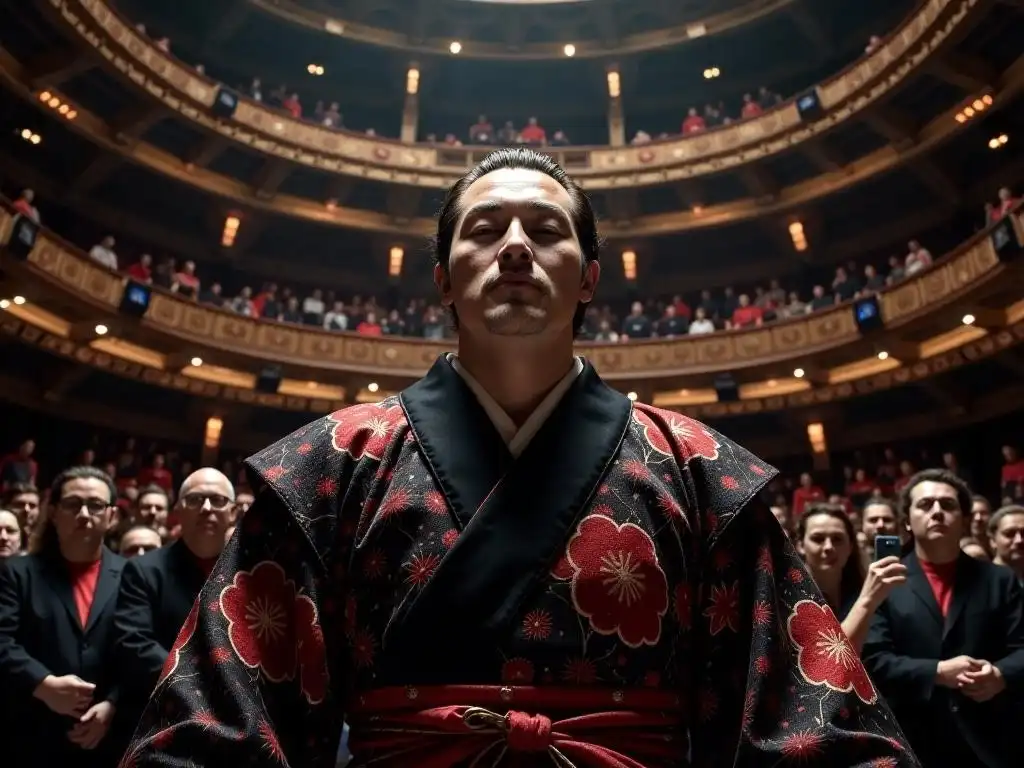
Kabuki theater, emerging in the early 17th century, is characterized by its vibrant energy, elaborate costumes, and exaggerated performances. Unlike the subtlety of Noh, Kabuki is known for its dynamic storytelling and theatricality, making it accessible to a wider audience.
One of the defining features of Kabuki is its incorporation of music, dance, and drama into a single performance. It often involves intricate choreography and a diverse range of characters, from noble samurai to comedic figures. The lively nature of the performances is complemented by the use of spectacular stage effects, including revolving stages and trapdoors, which add to the excitement and visual appeal of Kabuki.
Distinctive Elements of Kabuki Performance
Kabuki performances are distinguished by several unique elements. The use of "onnagata," male actors who portray female roles, is a notable aspect of Kabuki, showcasing the art of femininity through male interpretation. This tradition challenges gender norms and adds a layer of complexity to character portrayals.
Additionally, the performances often involve "kata," or stylized forms, which serve as the foundation for movement and expression. These forms are highly codified and passed down through generations, ensuring that the essence of Kabuki is preserved while still allowing for personal interpretation by the actors. The combination of these elements creates a unique spectacle that captures the audience's imagination.
Kabuki Makeup and Costumes
Kabuki makeup, known as "kumadori," is a striking feature that enhances the visual impact of the characters. This makeup is applied in bold colors and patterns, with each hue representing different traits or emotions. For example, red signifies heroism and valor, while blue may denote villainy. The dramatic application of makeup transforms the actor's face into a canvas that conveys the character's essence at a glance.
Costumes in Kabuki are equally elaborate, featuring vibrant fabrics and intricate designs that reflect the character's status and personality. The use of layers and accessories adds depth to the visual presentation, with some costumes weighing several kilograms. The combination of makeup and costumes not only enhances the overall spectacle but also plays a crucial role in storytelling by providing visual cues about the characters' motivations and backgrounds.
Popular Themes and Storylines in Kabuki
Kabuki theater often revolves around themes of love, betrayal, and revenge, reflecting the complexities of human relationships. Many popular Kabuki plays are derived from historical events, classic literature, or folklore, allowing audiences to engage with familiar narratives while experiencing the heightened drama of performance.
Notable plays such as "Sukeroku" and "Kanadehon Chūshingura" (The Tale of the 47 Ronin) exemplify these themes, blending action, emotion, and moral dilemmas. The exploration of these themes resonates deeply with audiences, illustrating the societal values and conflicts of the time while entertaining with its vivid storytelling and theatrical flair. Kabuki's ability to adapt and reinterpret these narratives keeps the art form relevant and captivating across generations.
The Role of Storytelling in Noh and Kabuki
Storytelling is central to both Noh and Kabuki theater, serving as a vehicle for conveying rich narratives that reflect the values, beliefs, and emotions of feudal Japanese society. In Noh, storytelling is often subtle and symbolic, where the narrative unfolds through poetic dialogue, movement, and music. The stories frequently draw from historical events, classical literature, and Japanese folklore, immersing audiences in a blend of reality and the supernatural.
In contrast, Kabuki emphasizes more dynamic storytelling techniques, characterized by exaggerated performances and elaborate staging. The narratives in Kabuki are often more accessible to the general public, featuring themes of love, revenge, and moral dilemmas. Through colorful costumes, intricate makeup, and energetic performances, Kabuki storytellers engage audiences on an emotional level, allowing them to connect with the characters and their struggles.
Both forms of theater not only entertain but also serve as a means of preserving history and culture, offering insights into the human condition and societal norms of their time. The stories told in Noh and Kabuki resonate with audiences, reflecting their aspirations, fears, and collective memory.
Narrative Techniques in Noh Theater
Noh theater employs a range of narrative techniques that create a unique and immersive storytelling experience. One of the most distinctive aspects is the use of monologues and dialogues delivered in a stylized manner. Actors often speak in a slow, deliberate tone, allowing the audience to absorb the poetic language and underlying meanings. The narratives are structured in a way that emphasizes mood and atmosphere rather than straightforward plot progression.
Another key technique is the incorporation of symbolic gestures and masks. Noh performers wear intricately crafted masks that convey the emotions and identities of their characters, adding a layer of abstraction to the storytelling. The movements are often slow and deliberate, reflecting the inner thoughts and emotions of the characters, which invites the audience to engage in a deeper interpretation of the narrative.
Music and rhythm also play a crucial role in Noh storytelling. The accompaniment of traditional instruments, such as the flute and drums, enhances the narrative's emotional depth, guiding the audience through the highs and lows of the story. This combination of spoken word, movement, and music creates a rich tapestry of storytelling that is both meditative and profound.
Storytelling Methods in Kabuki Performances
Kabuki theater utilizes a more vibrant and theatrical approach to storytelling, characterized by its spectacular visuals and high-energy performances. The storytelling methods in Kabuki are designed to captivate audiences through a combination of dramatic action and emotional expression. One notable technique is the use of arashi, or dynamic movements, which are exaggerated to convey intense emotions and pivotal moments in the narrative.
The use of song and dance is also integral to Kabuki storytelling. Performers often break into song, with elaborate choreographed dances that enhance the narrative and provide insight into the characters' motivations. This fusion of music and movement allows for a more visceral connection to the story, engaging audiences in a way that is both entertaining and enlightening.
Additionally, Kabuki employs visual storytelling elements, such as colorful costumes and elaborate sets, to depict different scenes and emotions. The use of kumadori, a unique makeup style that emphasizes facial expressions, aids in conveying character traits and emotional states, making it easier for the audience to follow the narrative. This combination of techniques creates a rich storytelling experience that is distinctly different from the more restrained style of Noh.
The Impact of Storytelling on Audiences
The impact of storytelling in both Noh and Kabuki theater extends beyond mere entertainment; it profoundly affects the audience's emotional and cultural engagement. In Noh, the reflective nature of the narratives often prompts viewers to contemplate deeper philosophical questions about life, death, and the nature of existence. The slow pacing and abstract storytelling encourage introspection, allowing audiences to connect on a personal level with the themes presented.
Kabuki, on the other hand, evokes immediate emotional responses through its vibrant performances and relatable characters. Audiences are drawn into the drama, often experiencing catharsis through the trials and tribulations of the characters. The exaggerated emotions and clear moral lessons resonate with viewers, reinforcing societal values and ethics. This connection fosters a shared cultural experience, making Kabuki a vital part of communal identity during feudal Japan.
Both forms of theater also served as a means of social commentary, reflecting contemporary issues and societal norms. The stories told in Noh and Kabuki often mirrored the audience's realities, providing a platform for dialogue about social hierarchies, family dynamics, and personal struggles. As a result, the storytelling in these theaters played a crucial role in shaping cultural consciousness and collective memory.
The Evolution of Noh and Kabuki Theater
The evolution of Noh and Kabuki theater reflects changing cultural, social, and political landscapes throughout Japan's history. Both forms have adapted over time, incorporating new influences while retaining their core storytelling traditions.
Changes in Noh Theater Over Time
Noh theater has undergone significant transformations since its inception in the 14th century. Initially, it was a courtly art form, performed for the elite, but over the centuries, it began to incorporate elements from popular culture. The introduction of new themes and characters helped make Noh more accessible to a broader audience.
In the Edo period, Noh saw the emergence of kyogen, a comedic interlude that often accompanied Noh performances. This blend of serious and humorous elements enriched the storytelling, allowing for a more diverse exploration of human experiences. Additionally, the aesthetic of Noh evolved, with more emphasis placed on visual elements, such as elaborate costumes and stage design, enhancing the overall impact of the narratives.
The Transformation of Kabuki in the Edo Period
Kabuki theater experienced a dramatic transformation during the Edo period, evolving from its origins as a form of entertainment for the common people to a highly stylized and professional art form. The development of onnagata, male actors portraying female roles, became a hallmark of Kabuki, enhancing its appeal and craftsmanship. This emphasis on gender roles added complexity to the storytelling, allowing for nuanced portrayals of love and relationships.
The popularity of Kabuki also led to the establishment of dedicated theaters and the rise of famous playwrights, such as Chikamatsu Monzaemon, who crafted intricate narratives that resonated with audiences. The stories often explored social issues, reflecting the realities of everyday life while incorporating fantastical elements that captivated viewers.
Modern Adaptations and Influences
In contemporary Japan, Noh and Kabuki continue to evolve, adapting to modern sensibilities while preserving traditional storytelling techniques. Modern adaptations often incorporate contemporary themes and technology, making performances relevant to today’s audiences. For instance, some Noh performances now explore modern narratives, while Kabuki has embraced multimedia elements to enhance visual storytelling.
International interest in these art forms has also influenced their evolution. Collaborations with artists from various backgrounds have led to innovative interpretations of classic stories, showcasing the versatility of Noh and Kabuki theater. This blending of tradition and modernity not only revitalizes the art forms but also ensures their continued relevance in a global cultural landscape, allowing them to thrive in the 21st century.
Cultural Significance of Noh and Kabuki Theater
Noh and Kabuki theater are not merely forms of entertainment; they are vital cultural touchstones that encapsulate the aesthetics, values, and traditions of feudal Japan. These theatrical forms reflect the historical narratives, social hierarchies, and spiritual beliefs of their time, showcasing how art can serve as a mirror to society.
Noh, known for its subtlety and minimalist approach, often conveys profound themes of life, death, and the supernatural through slow movements and poetic dialogue. In contrast, Kabuki, characterized by its vibrant costumes and dynamic performances, provides a more raucous and entertaining experience, emphasizing the emotional and dramatic elements of storytelling.
The cultural significance of these theater forms extends beyond mere performance; they are crucial in preserving the Japanese language, folklore, and moral teachings. Traditional stories told through Noh and Kabuki often include historical figures, mythological tales, and moral dilemmas, reinforcing cultural values and national identity. They have also served as a means of social commentary, reflecting the changing dynamics of society across different periods in history.
Noh and Kabuki in Japanese National Identity
Noh and Kabuki theater have played pivotal roles in shaping Japanese national identity throughout history. Noh, with its origins dating back to the 14th century, was primarily patronized by the samurai class and the nobility, thus intertwining itself with the cultural identity of Japan's elite. Its themes often highlight the transient nature of life, a concept deeply rooted in Buddhist philosophy, which resonates with the Japanese sensibility towards impermanence. This theatrical form reveals the values and ideals of the samurai, emphasizing loyalty, honor, and the beauty of simplicity.
Kabuki, emerging in the early 17th century, represents a broader spectrum of society, appealing to the merchant class and common people. Its extravagant performances, rich costumes, and lively narratives allowed it to become a symbol of popular culture in Japan. Kabuki's portrayal of contemporary issues and social themes has not only entertained but also provided a voice to the common people, reinforcing a sense of collective identity. Together, Noh and Kabuki reflect the complexity of Japanese identity, showcasing the interplay between the elite and the masses throughout the feudal era.
Preservation of Traditional Theater Forms
The preservation of Noh and Kabuki theater is crucial for maintaining Japan's cultural heritage. Both forms have undergone various transformations over the centuries, adapting to changing societal norms while retaining their core elements. Noh's rich tradition is safeguarded by a system of transmission through masters and apprentices, ensuring that the art form’s techniques, music, and scripts are meticulously passed down through generations. The use of specialized masks and costumes, alongside the accompaniment of traditional instruments, contributes to the preservation of its unique aesthetic.
On the other hand, Kabuki has embraced modernization while striving to retain its historical roots. The establishment of the National Theatre in Tokyo and other cultural institutions has played a significant role in promoting Kabuki performances, making them accessible to new audiences. Additionally, festivals and events celebrating these traditional forms ensure that they remain a living part of Japanese culture, fostering appreciation among younger generations.
International Influence and Recognition
The international influence of Noh and Kabuki theater has grown significantly, particularly in the 20th and 21st centuries. As Japan opened itself to the world, these art forms began to attract global attention. Noh's intricate aesthetics and philosophical depth have fascinated scholars and artists worldwide, leading to collaborative performances and adaptations that incorporate elements of Western theater.
Kabuki, with its flamboyant style and dramatic storytelling, has also found a place on the international stage. Performances have been staged in various countries, showcasing the vibrant culture of Japan to diverse audiences. The UNESCO designation of Noh and Kabuki as Intangible Cultural Heritage has further solidified their status as significant cultural assets, fostering international recognition and appreciation. This global engagement not only enriches the artistic landscape but also enhances cross-cultural dialogue, allowing for a deeper understanding of Japan’s rich heritage.
Conclusion: The Legacy of Noh and Kabuki Theater
The legacy of Noh and Kabuki theater is profound, leaving an indelible mark on Japan's cultural landscape and beyond. These art forms have transcended their original contexts, evolving into symbols of Japan’s rich heritage that continue to inspire artists and audiences alike. Their intricate narratives and artistic expressions reflect the complexity of human experience, capturing universal themes that resonate across cultures.
Reflection on the Art of Storytelling in Feudal Japan
The art of storytelling in feudal Japan, as exemplified by Noh and Kabuki, is a testament to the depth and richness of Japanese culture. Through their unique narrative techniques, these theaters have preserved historical events, societal norms, and moral values, offering insights into the lives of those who lived in that era. The emphasis on storytelling through performance highlights the importance of oral traditions, allowing the past to be conveyed in a manner that is both engaging and meaningful.
The reflective nature of Noh, paired with the dynamic energy of Kabuki, creates a multifaceted understanding of the human condition, emphasizing themes such as love, loss, and the search for meaning. This storytelling tradition not only entertains but also educates, providing moral lessons and fostering a sense of community among audiences.
Noh and Kabuki Theater in Contemporary Culture
In contemporary culture, Noh and Kabuki theater still thrive, adapting to modern contexts while honoring their traditional roots. Performances are held in both traditional settings and modern theaters, attracting a diverse audience that includes both locals and tourists. Efforts to innovate these art forms, such as incorporating contemporary themes and technologies, have rejuvenated interest and participation.
Additionally, the influence of Noh and Kabuki can be seen in various aspects of modern Japanese culture, including film, dance, and visual arts. The distinct aesthetics and storytelling techniques continue to inspire artists, ensuring that the legacy of these traditional theaters remains relevant in today’s fast-paced world. As cultural ambassadors, Noh and Kabuki not only preserve the beauty of Japan's past but also pave the way for future generations to explore and appreciate their rich cultural heritage.
References and Further Reading
The rich tapestry of Noh and Kabuki theater in feudal Japan is woven with complex narratives, cultural significance, and artistic evolution. For those interested in delving deeper into the history and intricacies of these performance arts, a variety of resources are available. This section highlights essential books and online platforms that provide further insights into Noh and Kabuki theater.
Recommended Books on Noh and Kabuki Theater
-
"The Noh Plays of Japan" by James T. Araki
This book offers an in-depth analysis of Noh theater, exploring its historical context, themes, and traditional performances. Araki's examination of various plays provides readers with a comprehensive understanding of the art form.
-
"Kabuki: A History of the Japanese Theater" by A. C. Scott
A thorough historical account of Kabuki theater, this book details its origins, development, and influence on Japanese culture. Scott's work includes vivid descriptions of famous performances and key figures in Kabuki history.
-
"Noh and Kabuki: The Japanese Theatre" by John T. Carpenter
This accessible guide examines both Noh and Kabuki, highlighting their distinct characteristics and shared features. Carpenter discusses the cultural significance of these art forms and their role in Japanese society.
-
"The World of the Noh Theatre" by Kenneth A. Yamaguchi
Yamaguchi’s book provides an overview of Noh theater, focusing on its philosophical underpinnings, performance techniques, and the aesthetics that define this art form. It is particularly useful for those seeking to understand Noh beyond mere entertainment.
-
"Kabuki: The Popular Stage of Japan" by Donald H. Shively
Shively's work delves into Kabuki's appeal to the masses and its evolution over the centuries. The book emphasizes the social and political contexts that shaped Kabuki's development, making it a critical resource for understanding its impact on Japanese culture.
Online Resources for Exploring Japanese Theater History
-
The Japan Foundation
This organization provides a wealth of resources related to Japanese culture, including Noh and Kabuki theater. Their website features articles, videos, and links to performances, making it an excellent starting point for anyone interested in exploring these art forms.
-
National Noh Theatre Website
The official site of the National Noh Theatre in Tokyo offers information on Noh performances, history, and educational resources. Visitors can explore detailed explanations of Noh plays and access schedules for upcoming performances.
-
Kabuki-za Theatre Online
The Kabuki-za Theatre, located in Tokyo, has an extensive online presence, featuring historical information, performance schedules, and educational content about Kabuki theater. This resource is ideal for those wanting to learn about the latest developments in the Kabuki scene.
-
YouTube Channels
Various YouTube channels dedicated to Japanese culture often feature performances and discussions about Noh and Kabuki theater. Channels like "Japanology" and "NHK World" provide insightful documentaries and showcases of traditional performances.
-
Digital Humanities Projects
Several digital projects focus on the preservation and study of Japanese theater. Websites like "Performing Arts in Japan" and "Japan Theater Digital Archive" offer access to rare documents, video archives, and scholarly articles that provide a deeper understanding of Noh and Kabuki theater history.
By engaging with these recommended readings and online resources, enthusiasts and scholars alike can gain a broader perspective on the historical and cultural significance of Noh and Kabuki theater in feudal Japan.
- Introduction to Noh and Kabuki Theater
- Historical Context of Noh and Kabuki Theater
- The Characteristics of Noh Theater
- The Characteristics of Kabuki Theater
- The Role of Storytelling in Noh and Kabuki
- The Evolution of Noh and Kabuki Theater
- Cultural Significance of Noh and Kabuki Theater
- Conclusion: The Legacy of Noh and Kabuki Theater
- References and Further Reading
Frequently Asked Questions
What is the significance of Noh theater in feudal Japan?
Noh theater is considered one of the oldest forms of Japanese drama. It emphasizes slow, stylized movements and often conveys deep emotional narratives through poetic dialogue and music.
How does Kabuki differ from Noh theater?
Kabuki is known for its vibrant costumes, dynamic performances, and elaborate makeup. Unlike the more restrained Noh, Kabuki incorporates exaggerated movements and spectacular staging, making it accessible to a wider audience.
What themes are commonly explored in Noh and Kabuki theater?
Both Noh and Kabuki often explore themes such as love, death, and the supernatural. However, Noh typically focuses on spirituality and reflection, while Kabuki tends to highlight historical events and human emotions.
The samurai class and their values greatly influenced Noh and Kabuki. Noh was patronized by the elite, while Kabuki emerged as a popular entertainment form among the common people, reflecting the social dynamics of the time.
Is Noh and Kabuki theater still relevant today?
Yes, both Noh and Kabuki continue to be performed and celebrated in contemporary Japan. They are regarded as essential components of Japan's cultural heritage, attracting both local and international audiences for their unique storytelling traditions.
Final Reflection: The Enduring Legacy of Noh and Kabuki Theater
The art of storytelling through Noh and Kabuki theater remains profoundly relevant in today's world, as it not only preserves the rich history of feudal Japan but also continues to inspire contemporary forms of artistic expression. In an age where narratives shape our understanding of culture and identity, the intricate performances of Noh and Kabuki serve as a reminder of the power of storytelling to transcend time and connect us to our shared human experience.
These theatrical forms are not merely relics of the past; they are vibrant expressions of emotion, tradition, and creativity that resonate with audiences across generations.
The influence of Noh and Kabuki theater extends far beyond the stage, impacting the cultural and social landscape of Japan and beyond. Their unique storytelling techniques and aesthetic principles have inspired countless artists, filmmakers, and writers, fostering a deeper appreciation for the art of performance.
As noted by renowned theater scholar, “The essence of Noh and Kabuki lies in their ability to evoke profound emotions and provoke thought, making them timeless treasures of human expression.” > This observation underscores the significance of these art forms in shaping our understanding of narrative and performance, encouraging us to explore the depths of our own creativity.
As we reflect on the lessons embedded in Noh and Kabuki theater, let us embrace the call to weave our own stories with intention and artistry. Consider how you can incorporate the principles of these traditional forms into your life—whether through creative expression, cultural appreciation, or personal storytelling. By honoring the legacy of Noh and Kabuki, we not only celebrate a rich history but also empower ourselves to share our unique narratives with the world, fostering connection and understanding in an ever-evolving cultural landscape.
Unveil the Magic of Japanese Storytelling!
Thank you for diving into the enchanting world of Noh and Kabuki theater! You’ve uncovered the rich tapestry of storytelling that shaped the cultural landscape of feudal Japan. Now, it's time to bring that passion for storytelling to life!
Here are some simple yet powerful actions you can take next:
- Attend a local performance of Noh or Kabuki to experience authentic Japanese storytelling firsthand.
- Share your thoughts about what you learned by leaving a comment below or sharing this article with friends who appreciate the art of storytelling.
- Explore more by reading additional articles on feudal Japanese culture to deepen your understanding and appreciation.
Which story from Noh or Kabuki resonates with you the most, and why? We invite you to share your reflections with us!