
The Role of Women in Traditional Japanese Theater: From Past to Present

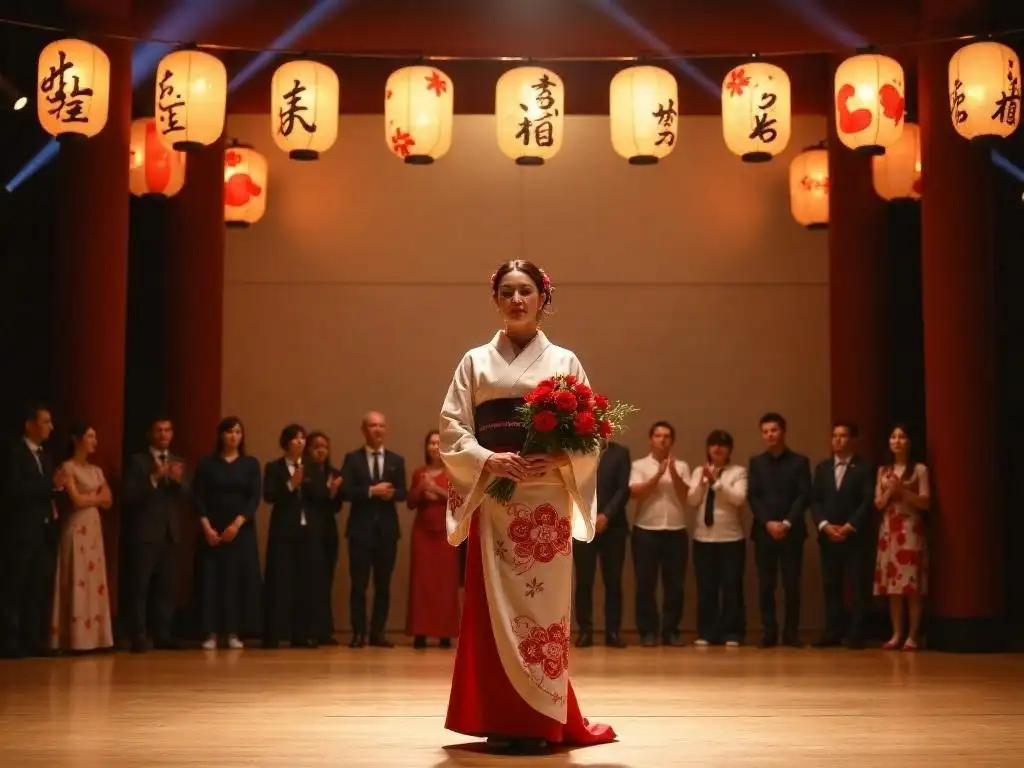
Welcome to Feudal Japan History, where we embark on a captivating journey through the rich tapestry of Japan's feudal era. Here, we delve into the intricate layers of historical, cultural, and societal narratives that shaped a nation. Today, we invite you to uncover the fascinating role of women in Japanese theater history—a story that intertwines artistry, resilience, and transformation from past to present.
As you explore this article, prepare to be intrigued by the remarkable contributions of women who not only graced the stages but also influenced the very fabric of Japanese culture. Click further to discover how their legacies continue to resonate today!
Introduction to Women in Japanese Theater History
The history of women in Japanese theater is a rich tapestry woven through centuries of cultural evolution, reflecting broader societal changes and the intricate roles women played in shaping the performing arts. From the solemn elegance of Noh to the vibrant expressions of Kabuki, women have been integral to the development of these art forms, often navigating the complexities of a patriarchal society while leaving indelible marks on the stage.
This exploration aims to delve into the multifaceted contributions of women in Japanese theater history, illuminating their journeys from the traditional roles assigned to them to the transformative impact they have had in contemporary performances.
Overview of Traditional Japanese Theater
Traditional Japanese theater primarily encompasses three major genres: Noh, Kabuki, and Bunraku. Each genre has its unique characteristics, styles, and historical significance:
- Noh: This highly stylized form combines drama, music, and dance, often presenting tales from Japanese literature and folklore. Noh is characterized by its use of masks and slow movements, and traditionally, women were not allowed to perform on stage.
- Kabuki: Known for its elaborate costumes and dynamic performances, Kabuki emerged in the early 17th century. Initially featuring female performers, it later transitioned to an all-male cast due to various societal pressures. However, women have always played a pivotal role in its evolution.
- Bunraku: This form of puppet theater, which also includes music and storytelling, features puppeteers who have created an art form that requires immense skill and precision. Women’s contributions to Bunraku have been significant, though often overshadowed by other genres.
Significance of Women in the Cultural Landscape
Women have always been at the heart of Japan's cultural expressions, influencing not just theater but also the arts, literature, and music. Their roles often oscillated between performers, creators, and even patrons, making their impact crucial in understanding the broader cultural landscape. The evolution of women's roles in theater can be viewed through the lens of:
- Cultural Representation: Women helped shape narratives that reflect societal values, personal stories, and historical events, giving voice to experiences often marginalized.
- Artistic Innovation: Through their performances and creative expressions, women have introduced new themes, styles, and techniques that have enriched Japanese theater.
- Social Commentary: Women in theater have often served as commentators on social issues, using their platforms to challenge norms and provoke thought.
Historical Context of Women in Japanese Theater
Understanding the historical context of women in Japanese theater necessitates a look at the various stages of development across different eras, each bringing unique challenges and opportunities.
Early Years: Women in Noh Theater
In the early years of Noh theater, women were allowed to perform but faced significant restrictions. The art form, which dates back to the 14th century, was dominated by male actors and often portrayed male characters. However, women such as Izumi Shikibu and others contributed indirectly by influencing the themes and stories presented on stage. Their experiences as poets and artists informed the emotional depth and nuances of Noh performances.
The Emergence of Kabuki and Female Performers
Kabuki emerged in the early 1600s and initially featured female performers, known as onnagata, who played both female and male roles. The popularity of female Kabuki attracted large audiences, but the government soon banned women from the stage in the late 17th century due to moral concerns and the desire to control the burgeoning art form. Consequently, male actors began to dominate, yet the legacy of women in Kabuki persisted through their influence on performance styles and narratives.
The Tokugawa Period: Shifts in Gender Roles
The Tokugawa Period (1603-1868) marked a significant transformation in gender roles within theater. While women were systematically marginalized in performance spaces, they continued to exert influence behind the scenes as playwrights, producers, and audience members. This period saw the emergence of new genres and styles, providing women with opportunities to express their artistry indirectly. The changing dynamics of society during this time laid the groundwork for future generations of female performers and artists to reclaim their spaces in the world of Japanese theater.
The role of women in traditional Japanese theater is a reflection of broader historical and cultural narratives, showcasing their resilience, creativity, and enduring impact on the performing arts. As we continue to explore this fascinating subject, the stories of these women reveal not only their contributions to theater but also their significance in the ongoing evolution of Japanese culture.
Key Figures: Notable Women in Japanese Theater History
The history of Japanese theater is rich and diverse, with women playing pivotal roles despite societal constraints. Throughout the centuries, various women have emerged as key figures in shaping the theatrical landscape, from performers to playwrights. Their contributions have not only enriched traditional forms like Noh and Kabuki but have also paved the way for future generations of female artists. Here, we highlight some of the most notable women in Japanese theater history, acknowledging their influence and legacy.
Pioneering Female Performers in Noh
Noh theater, characterized by its slow, stylized movements and poetic dialogue, has traditionally been dominated by male performers. However, there were notable women who broke through these barriers in the early periods. One of the most recognized female figures in Noh is Matsuura Takeshi, who performed during the late Heian period. While female performers became increasingly rare in Noh, Takeshi's performances were marked by their emotional depth and skill.
In the Edo period, the practice of women being excluded from the stage became more pronounced, leading to a distinct absence of female performers. Nevertheless, women continued to influence Noh behind the scenes as scholars and supporters, ensuring the preservation of this ancient art form.
Influential Actresses in Kabuki
Kabuki, known for its vibrant costumes and dynamic performances, has a more prominent history of female participation, particularly in its early years. The first female Kabuki performers, known as onnagata, played female roles with grace and skill. One of the most celebrated actresses was Kikugoro Onoe I, who gained fame in the 18th century and was known for her exceptional talent and beauty. Her performances set a standard for future actresses and greatly influenced the development of Kabuki.
However, the Tokugawa shogunate later banned women from performing in Kabuki, leading to the rise of male actors who specialized in female roles. Despite this limitation, women continued to impact the Kabuki world as playwrights and costumers, contributing to the art form's evolution.
Women Playwrights and Directors
While the visibility of female performers has fluctuated over time, women have also made significant contributions as playwrights and directors in Japanese theater. Kato Tsubasa, for example, became one of the first female playwrights to gain recognition in the modern era, using her experiences to shape narratives that resonate with contemporary audiences. Her works often explore themes of gender and identity, reflecting the societal changes occurring in Japan.
In recent decades, women directors have risen to prominence, bringing fresh perspectives to traditional forms. Figures like Yoshimoto Yoshihiro have been instrumental in paving the way for female involvement in directing, ensuring that women's voices are heard in the creative process of theater production.
The Evolution of Women's Roles in Traditional Japanese Theater
The role of women in traditional Japanese theater has undergone significant transformations over the centuries. From being celebrated performers to facing exclusion, and eventually reclaiming their space in various capacities, women have navigated a complex landscape. This evolution reflects broader societal changes, cultural shifts, and the ongoing struggle for gender equality in the arts.
Changing Portrayals of Women on Stage
Historically, women on stage were often portrayed through the lens of societal expectations, confined to specific roles that reflected the ideals of femininity. In Noh, women were often depicted as tragic figures, embodying themes of loss and longing. Conversely, Kabuki offered a more dynamic representation, showcasing women as both virtuous and rebellious, reflecting the complexities of female identity.
As societal attitudes towards women evolved, so did their portrayals on stage. Contemporary Japanese theater increasingly features multifaceted female characters who challenge traditional norms and explore issues of empowerment and agency. This shift not only enriches the narratives but also fosters a more inclusive representation of women in the arts.
The Impact of Societal Norms on Female Performers
Societal norms have historically dictated the roles available to women in Japanese theater. The Edo period's strict regulations and moral codes limited women's participation in public performances, resulting in the rise of all-male troupes in Kabuki. These norms not only restricted the representation of women on stage but also shaped the narratives that were told, often sidelining female perspectives.
Today, while gender disparities still exist, the landscape is rapidly changing. Women are increasingly taking on roles both in front of and behind the curtain, reshaping the narrative of female representation in theater. This evolution is a direct response to the growing recognition of women's rights and contributions to the arts, leading to a more equitable environment.
Women’s Contributions to Theater Production and Writing
Beyond acting, women have made substantial contributions to theater production and writing. Historically, many women participated in the creation of costumes, sets, and the development of plays. In modern times, female playwrights and producers are gaining recognition for their ability to tell powerful stories that resonate with a diverse audience.
Moreover, organizations and festivals focused on promoting female talent have emerged, providing platforms for women to showcase their work. This support network has been crucial in fostering an environment where women's voices can thrive, resulting in a richer and more varied theatrical experience for audiences.
The role of women in Japanese theater history is characterized by resilience and transformation. From pioneering performers to influential playwrights and directors, women have continually shaped the landscape of traditional Japanese theater, leaving a lasting legacy that continues to evolve today.
Modern Perspectives on Women in Japanese Theater
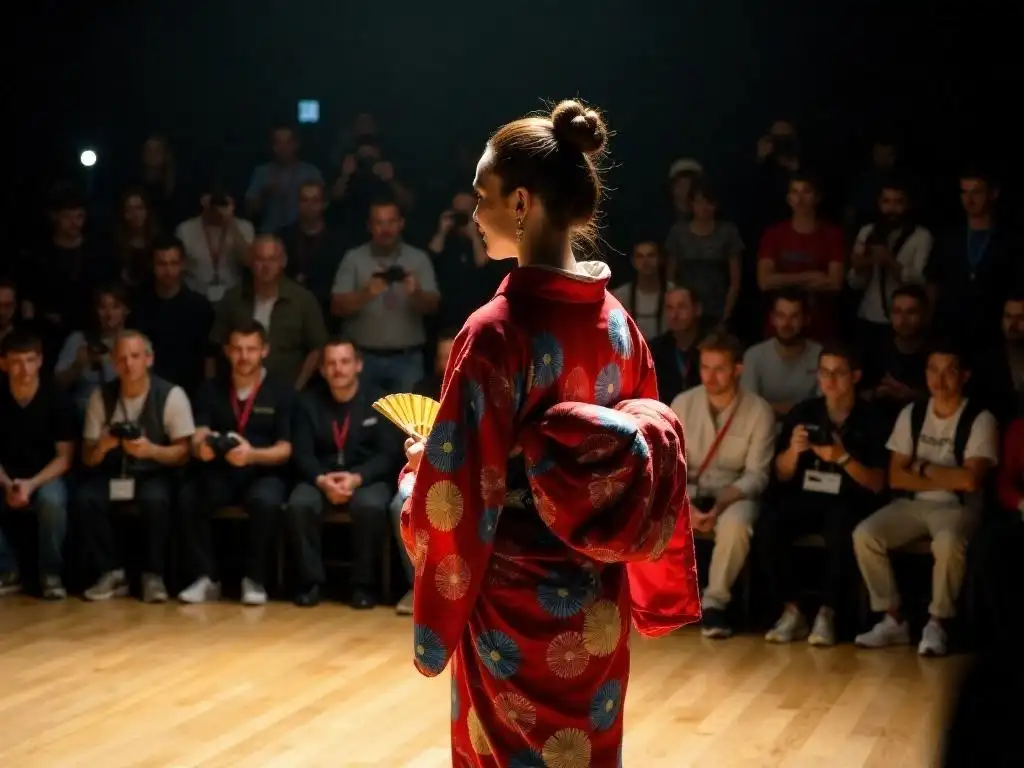
In recent years, the role of women in Japanese theater has evolved significantly, reflecting broader societal changes and shifting cultural norms. Today, female artists are increasingly recognized not only as performers but also as playwrights, directors, and producers, breaking through the traditional male-dominated structures that have historically defined the theater landscape. This transformation is evident across various forms of traditional theater, including Noh, Kabuki, and Bunraku, where women have begun to reclaim their narratives and assert their presence in new ways.
The modern perspective on women in Japanese theater also highlights the intersection of tradition and innovation. Female artists are not merely preserving age-old practices but are also infusing contemporary themes and issues into their performances. This blending of the old and new resonates with audiences, allowing for a richer and more nuanced exploration of gender roles and societal expectations through the medium of theater.
Contemporary Female Artists in Traditional Forms
Contemporary female artists have made substantial contributions to traditional Japanese theater, bringing fresh interpretations to established forms. Notable figures such as Kikuko Kika and Akiyo Takemura have gained recognition for their innovative approaches within Noh and Kabuki, respectively. They integrate modern themes such as feminism and social justice into their performances, challenging the conventions that have long been associated with these art forms.
In addition to performing, many of these artists are also taking on roles as writers and directors, thus expanding their influence in the industry. For instance, Yoko Takahashi, a prominent figure in the Bunraku scene, has composed original plays that reflect contemporary issues while remaining rooted in traditional storytelling techniques. This dual role of performer and creator allows women to not only participate in but also shape the future of Japanese theater.
The Influence of Globalization on Women’s Roles
Globalization has significantly impacted the landscape of Japanese theater, offering new platforms and opportunities for women artists. As cultural exchanges occur more frequently, female performers and playwrights have begun to gain international recognition, leading to collaborative projects that fuse diverse artistic influences. This exposure has prompted a re-evaluation of women's contributions and roles within the theater, both domestically and abroad.
Moreover, the presence of international festivals and cross-cultural initiatives has enabled women in Japanese theater to connect with global audiences and other female artists. These interactions foster a dialogue on gender representation and equality in the performing arts, encouraging Japanese female artists to assert their identities and narratives on a larger stage.
Reviving Traditional Theater: Women’s Contributions Today
The resurgence of interest in traditional Japanese theater has been accompanied by a renewed focus on women’s contributions. Many educational programs and workshops are now dedicated to training female performers in traditional forms, ensuring that the skills and knowledge are passed down through generations. This revival is not merely about maintaining tradition; it also involves reinterpreting these forms to resonate with contemporary audiences.
Organizations such as the Japan Women's Theatre Association play a crucial role in promoting female participation in traditional theater, providing resources and support for aspiring artists. Their efforts are contributing to a robust community of female performers who are dedicated to revitalizing traditional theater while addressing the complexities of modern life.
Challenges Faced by Women in Japanese Theater
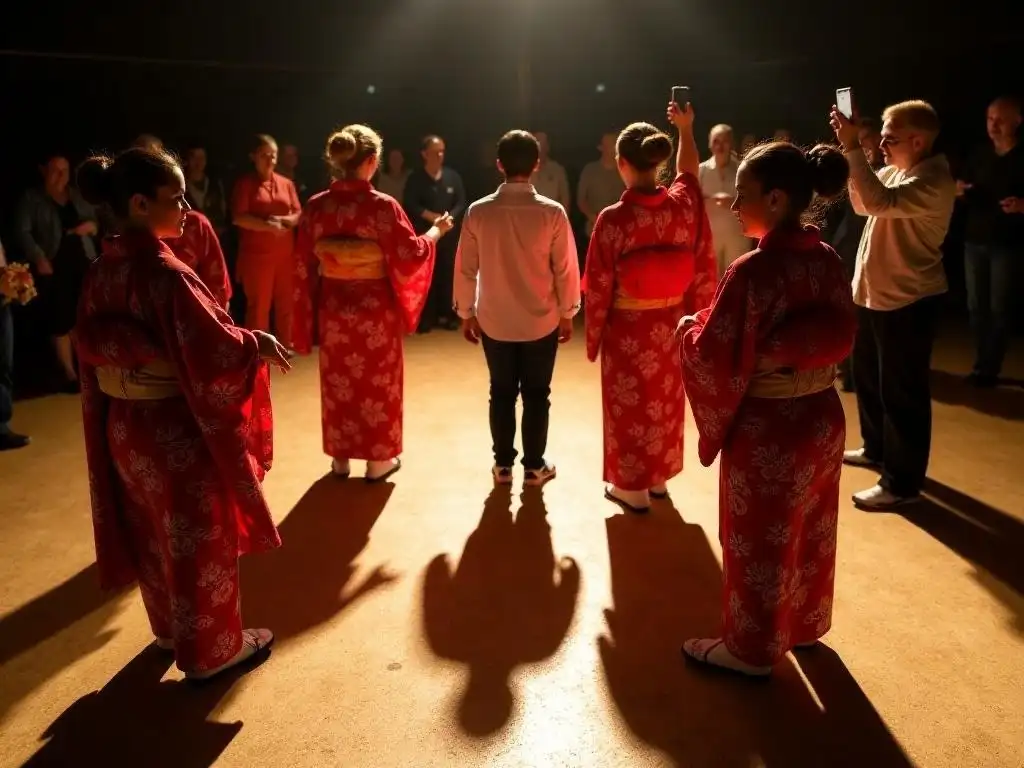
Despite the advancements made, women in Japanese theater continue to face numerous challenges that hinder their full participation and recognition. These obstacles are deeply rooted in cultural norms and historical practices which still resonate today, impacting the landscape of the performing arts.
Gender Disparities in the Theater Industry
One of the most significant challenges is the persistent gender disparity within the theater industry. Women often find themselves underrepresented in key creative roles, such as directors and producers, which limits their influence over the production processes. This disparity is reflected in the lack of female-led productions, leading to a cycle where women’s narratives and perspectives are often overshadowed or marginalized.
Statistics indicate that female representation in leading roles and creative positions remains disproportionately low, creating an environment where women's voices are not fully heard or valued. This ongoing issue calls for systemic changes within the industry to promote equality and ensure that women have equal opportunities to lead and innovate.
Cultural Expectations and Stereotypes
Cultural expectations and stereotypes also pose significant barriers for women in Japanese theater. Traditional gender roles often dictate what is considered acceptable for female performers, limiting their range of expression and the types of characters they are allowed to portray. As a result, women may be pigeonholed into specific roles that reinforce outdated stereotypes, hindering their ability to fully explore their craft.
Moreover, societal pressures can discourage women from pursuing careers in theater altogether, as the performing arts are sometimes viewed as less prestigious compared to other professions. This perception can deter aspiring female artists, leading to a lack of representation and diversity within the industry.
Barriers to Entry for Aspiring Female Performers
Aspiring female performers often encounter various barriers to entry, including limited access to training and mentorship opportunities. While some educational institutions have begun to address these gaps, many women still struggle to find resources and networks that support their ambitions in traditional theater.
Additionally, financial constraints can also be a significant hurdle. The costs associated with training, costumes, and production can be prohibitive, particularly for women from lower socioeconomic backgrounds. This economic disparity further exacerbates the challenges faced by women attempting to break into the theater scene, highlighting the need for more inclusive support systems that can help level the playing field.
Celebrating Women in Japanese Theater History
The narrative of women in Japanese theater is one of resilience, creativity, and significant contributions that have shaped the landscape of performance arts in Japan. From the early days of traditional forms like Noh and Kabuki, women have played pivotal roles, whether as performers, playwrights, or influential figures behind the scenes. Although socio-cultural norms often restricted their participation, women found ways to assert their presence in theater, leading to a rich legacy that is still celebrated today.
In Noh theater, while traditionally male-dominated, women have been integral as muses and supporters, with notable female characters influencing narratives and performances. In Kabuki, the historical presence of women was more pronounced during the early Edo period when female performers, or "onnagata," showcased their talents on stage. Even after the ban on women performing in Kabuki in the late 17th century, the influence of their artistry persisted, with male actors adopting female roles, further embedding the essence of femininity into the genre.
Today, initiatives to honor and promote female talent in Japanese theater include awards, festivals, and retrospectives that highlight the contributions of women throughout history. By revisiting and celebrating these narratives, contemporary theater continues to evolve, recognizing the indispensable role of women in shaping its history.
Festivals and Events Highlighting Female Talent
Various festivals and events across Japan celebrate the contributions of women in theater, providing platforms for female artists to shine. One notable event is the Tokyo International Theater Festival, which often features works by female playwrights and directors, showcasing diverse perspectives and narratives influenced by women's experiences.
Additionally, regional festivals, such as the Kyoto Women's Theater Festival, focus on promoting female talent in performing arts, allowing women from various backgrounds to present their works. These events foster a sense of community and encourage collaboration among female artists, helping to diversify the narratives told within Japanese theater.
Furthermore, these festivals often include workshops and panel discussions that allow audiences to engage with the artists, providing insight into the creative processes and challenges women face in the industry. By highlighting female talent, these celebrations not only honor historical contributions but also inspire the next generation of women in theater.
Educational Initiatives and Workshops
Educational initiatives aimed at empowering women in theater have gained traction in recent years. Numerous programs across universities and theater companies focus on training and mentoring young female artists, providing resources and support to navigate the often male-dominated industry.
Workshops specifically designed for women encourage skill development in acting, directing, and playwriting. For instance, programs like “Women in the Arts” conducted by various theatrical institutions allow participants to develop their craft while also fostering a supportive network of peers.
These educational efforts aim to cultivate a new generation of female talent who are not only skilled performers but also confident creators and leaders in the theater community. By investing in women's education in the arts, the future of Japanese theater becomes more inclusive and representative of diverse voices.
Documentaries and Literature on Women in Theater
The documentation of women’s contributions to theater is vital in understanding their historical journey and impact. Several documentaries focus on the lives of prominent female figures in Japanese theater, highlighting their struggles and achievements. These films often feature interviews with scholars, artists, and family members, providing a multifaceted view of women's roles in the performing arts.
Additionally, literature examining the intersection of gender and theater has proliferated in recent years. Books and academic articles explore the narratives of women in Japanese theater history, analyzing their influence and the societal contexts that shaped their experiences. Notable works include “Women in Japanese Theater: A Historical Overview”, which delves into the roles women have played from ancient to modern times.
These resources are invaluable for raising awareness and appreciation for the contributions of women in the theater, ensuring that their stories are not forgotten but rather celebrated and studied.
Conclusion: The Enduring Legacy of Women in Japanese Theater
The legacy of women in Japanese theater is rich and multifaceted, marked by both challenges and triumphs. From early portrayals in traditional forms to contemporary performances that spotlight female narratives, the evolution of women's roles reflects broader societal changes. This enduring legacy continues to inspire future generations of artists, reminding us of the significant contributions women have made to the cultural tapestry of Japan.
Reflection on the Historical Journey
Reflecting on the historical journey of women in Japanese theater reveals a story of perseverance against the backdrop of shifting cultural norms. Despite facing systemic barriers, women have continually found ways to express themselves through performance, enriching Japanese theater with their unique perspectives. This historical context is crucial for understanding the present landscape, where female voices are increasingly recognized and celebrated.
The journey has not been linear; it has been shaped by various socio-political factors, including changes in government, societal expectations, and the impact of globalization. As we look back, it becomes clear that the struggles of past generations have paved the way for contemporary female artists to thrive.
The Future of Women in Japanese Theater
Looking ahead, the future of women in Japanese theater appears promising. With increased awareness and initiatives promoting gender equality within the arts, more women are stepping into roles as directors, playwrights, and producers. The integration of diverse narratives that reflect women's experiences is becoming more pronounced, allowing for a richer representation of society.
Moreover, as cultural exchanges continue to expand, there is potential for Japanese theater to incorporate global influences, further enhancing the scope of female narratives. The support of educational programs, festivals, and community initiatives will be vital in nurturing emerging talent and ensuring that women's contributions remain at the forefront of Japanese theater history.
The journey of women in Japanese theater is ongoing, marked by a legacy of resilience, creativity, and a commitment to storytelling that reflects the complexities of human experience.
References and Further Reading
Exploring the role of women in Japanese theater history involves delving into a rich tapestry of literature, documentaries, and academic research. This section provides a curated list of key texts, documentaries, and scholarly articles that offer a deeper understanding of the subject. Each resource is valuable for anyone looking to expand their knowledge of women's contributions to traditional Japanese theater.
Key Texts on Women in Japanese Theater History
-
"Women in the Performing Arts in Japan" by Michiko Suzuki
This comprehensive book discusses the evolution of women's roles in various performing arts, including Noh and Kabuki, and highlights significant female figures throughout history.
-
"The World of the Shining Prince: Court Life in Ancient Japan" by Ivan Morris
Although focused primarily on the Heian period, this text sheds light on the historical context that shaped women’s roles in the arts, including early theatrical forms.
-
"Kabuki: A History of the Theater" by H. Paul Varley
Varley’s work extensively covers the history of Kabuki theater, with sections dedicated to the emergence of women in the performance space and their impact on the genre.
-
"Japanese Women: New Feminist Perspectives on the Past, Present, and Future" edited by Kumiko Tsumura
This anthology features essays that explore the intersections of gender and performance in Japan, including contributions from women in theater.
-
"The Tale of Genji: A Japanese Classic" translated by Edward Seidensticker
While not exclusively about theater, this classic reveals cultural elements that influenced Japanese storytelling and performance traditions.
Recommended Documentaries and Films
-
"The Art of Noh: A Japanese Theater Tradition"
This documentary offers insights into the Noh theater, showcasing the integral roles women have played, both on and off the stage.
-
"Kabuki: The Grand Performance"
A visually stunning film that documents a Kabuki performance, emphasizing the historical significance of female performers and their contributions to the art form.
-
"Geisha: Beyond the Painted Smile"
While focusing on the life of geishas, this film touches on the theatrical aspects of their performances and the societal roles women have navigated within Japanese culture.
-
"The Last Samurai"
Though a fictional narrative, this film provides a glimpse into Japan's historical context, including references to women's roles in traditional arts during the samurai era.
Academic Journals and Articles for In-depth Study
-
"Asian Theatre Journal"
This peer-reviewed journal often features articles on Japanese theater, including studies focused on women's roles and contributions throughout history.
-
"The Journal of Japanese Studies"
A prominent academic journal that publishes articles on various aspects of Japanese culture, including theater, with occasional papers focusing on gender studies.
-
"Performing Arts Journal"
This journal includes critical essays and research on performance arts in Japan, with various articles dedicated to the exploration of female performers.
-
"Women and Theatre Journal"
A journal that examines the role of women in theater globally, often featuring pieces on Japanese theater and its historical female figures.
-
"Gender and Society"
Though broader in scope, this journal includes articles that analyze the societal implications of women's roles in traditional Japanese theater, offering a gendered perspective on cultural history.
- Introduction to Women in Japanese Theater History
- Historical Context of Women in Japanese Theater
- Key Figures: Notable Women in Japanese Theater History
- The Evolution of Women's Roles in Traditional Japanese Theater
- Modern Perspectives on Women in Japanese Theater
- Contemporary Female Artists in Traditional Forms
- The Influence of Globalization on Women’s Roles
- Reviving Traditional Theater: Women’s Contributions Today
- Challenges Faced by Women in Japanese Theater
- Celebrating Women in Japanese Theater History
- Conclusion: The Enduring Legacy of Women in Japanese Theater
- References and Further Reading
- What was the role of women in traditional Japanese theater?
- How did the ban on female performers affect Japanese theater?
- Are there any prominent female figures in Japanese theater history?
- How has the representation of women in theater changed over time?
- What is the current state of women in Japanese theater?
Frequently Asked Questions
What was the role of women in traditional Japanese theater?
Women have played a significant role in Japanese theater, particularly in genres like Kabuki and Noh. Initially, women were performers but were eventually banned, leading to the rise of male actors portraying female roles.
How did the ban on female performers affect Japanese theater?
The ban led to the emergence of onnagata, male actors specializing in female roles, which became a hallmark of Kabuki. This shift influenced the portrayal of women and societal perceptions of gender in theater.
Are there any prominent female figures in Japanese theater history?
Yes, figures like Izumo no Okuni, the founder of Kabuki, and Kikugoro, who performed in Noh, are notable. Their contributions have been recognized for shaping the history and evolution of Japanese theater.
How has the representation of women in theater changed over time?
Over time, women's portrayal has evolved from idealized forms to more complex characters, reflecting societal changes and the increasing recognition of women's roles in both theater and society.
What is the current state of women in Japanese theater?
Today, women are increasingly involved as playwrights, directors, and performers, with a growing presence in both traditional and modern forms of theater, highlighting their impact on the arts.
Final Reflection: The Enduring Legacy of Women in Japanese Theater History
The role of women in Japanese theater history is not just a relic of the past; it is a vibrant thread woven into the fabric of contemporary performance art. As we explore the evolution of female participation in traditional Japanese theater, we recognize that their contributions have shaped not only the narratives presented on stage but also the cultural identity of Japan itself.
Today, as we witness a resurgence of interest in these art forms, it becomes increasingly clear that the stories of women in theater are as relevant now as they were centuries ago, echoing the timeless struggle for representation and equality.
The influence of women in Japanese theater extends far beyond the stage, permeating societal norms and cultural expectations. From the early days of the kabuki and noh traditions to the modern adaptations that challenge gender roles, the journey of female performers has been one of resilience and transformation. As we reflect on this ongoing legacy, we are reminded of the words of playwright Chikamatsu Monzaemon: The heart of a woman is like a delicate flower, beautiful yet strong.
This sentiment captures the essence of women's contributions, highlighting their ability to endure and thrive in a male-dominated landscape while enriching the theatrical experience for audiences.
As we move forward, let us take a moment to reflect on our own roles in supporting and celebrating the narratives of women in theater. Consider how you can engage with these stories, whether by attending performances, reading works by female playwrights, or sharing your insights with others.
By acknowledging and amplifying the voices of women in Japanese theater history, we not only honor their past but also inspire future generations to continue this vital dialogue. Embrace the opportunity to be a part of this transformative journey, and let the stories of these remarkable women resonate in your life and community.
Unveil the Legacy of Women in Japanese Theater!
Thank you for joining us on this deep dive into the captivating role of women in traditional Japanese theater! By exploring this rich history, you’ve uncovered the influential voices and incredible talent that have shaped this vibrant art form. Now, it’s time to take action and deepen your engagement with this fascinating topic!
Here’s how you can explore further and connect with this legacy:
- Join a local theater workshop to experience the art of storytelling through performance firsthand.
- Share your newfound knowledge with friends or on social media to inspire others to appreciate the significant contributions of women in the arts.
- Research influential female figures in Japanese theater and discover how their stories continue to resonate in contemporary culture.
What aspect of women's roles in traditional Japanese theater intrigues you the most, and why? Let’s discuss in the comments!