
The Enigmatic Origins of Japanese Matsuri: Festivals that Shaped Feudal Society

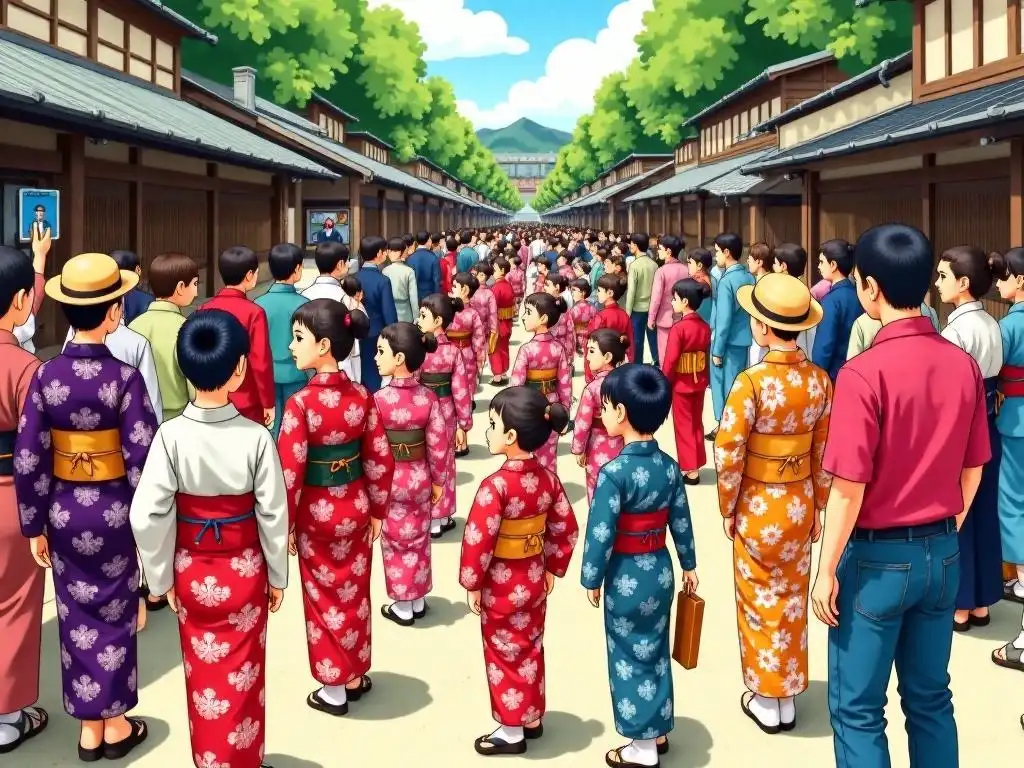
Welcome to Feudal Japan History, where the rich tapestry of Japan’s feudal era unfolds before your eyes! Dive into the fascinating world of Japanese feudal era festivals with our featured article, "The Enigmatic Origins of Japanese Matsuri: Festivals that Shaped Feudal Society." Discover how these vibrant celebrations not only brought communities together but also played a crucial role in shaping the cultural and social landscape of the time. Are you ready to uncover the stories behind the rituals that defined an era? Join us as we embark on this captivating journey through history!
Festivals, or matsuri, are an integral part of Japan's rich cultural tapestry, particularly during the Japanese feudal era. This period, spanning from the late 12th century to the mid-19th century, was marked by a distinct social hierarchy and an intricate web of religious and cultural practices. The matsuri of this time not only served as celebrations but also as reflections of the societal values, beliefs, and dynamics that defined feudal Japan.
In this article, we will delve into the enigmatic origins of these festivals, exploring their historical context, significance, and the evolution they underwent throughout the feudal period. By understanding these celebrations, we gain insight into how they shaped the community bonds and cultural identity of feudal society, leaving a lasting legacy that continues to influence Japan today.
Introduction to Japanese Feudal Era Festivals
Japanese feudal era festivals were multifaceted events that encompassed religious rituals, seasonal celebrations, and communal gatherings. Each matsuri was deeply rooted in local traditions and often tied to the agricultural calendar, celebrating the bounty of the harvest or seeking blessings for future prosperity. These festivals were not merely social occasions; they served as vital expressions of community identity and collective memory.
- Purpose of Matsuri:
- Religious Significance: Many festivals were dedicated to Shinto deities or Buddhist figures, showcasing the spiritual beliefs of the time.
- Cultural Identity: Festivals helped to forge a sense of belonging among communities, reinforcing local customs and traditions.
- Social Cohesion: By bringing people together, matsuri fostered unity and cooperation among different classes and clans.
Understanding Matsuri: A Cultural Overview
The essence of matsuri lies in their ability to encapsulate the cultural values of feudal Japan. These festivals often featured vibrant processions, traditional music, and dance, which reflected the artistic expressions of the time. Participants donned elaborate costumes, and the atmosphere was filled with the sounds of taiko drums and the sights of beautifully decorated floats.
- Key Elements of Matsuri:
- Processions: Often led by a mikoshi (portable shrine), these parades were central to many festivals.
- Traditional Performances: Music and dances played a crucial role, with performances often narrating historical tales or mythological stories.
- Ritual Offerings: Many festivals included rituals to appease deities and ensure a good harvest.
The Significance of Festivals in Feudal Japan
The significance of matsuri in feudal Japan cannot be overstated. They were pivotal in maintaining the social fabric of communities, providing a platform for expressing cultural values and facilitating communication among various social classes. Additionally, these festivals often served as a means for local leaders to assert their authority and reinforce their connection to the spiritual and cultural heritage of their region.
Historical Context of Japanese Matsuri
Understanding the historical context of Japanese matsuri requires an exploration of the broader social and political landscape of the feudal era. As Japan transitioned through various dynasties and power shifts, the festivals evolved, reflecting changes in governance, society, and culture.
The Evolution of Festivals during the Feudal Era
The evolution of matsuri during the feudal era is marked by significant transformations influenced by various historical events. Initially, many festivals were localized and centered around agricultural practices. However, as feudal lords emerged and gained power, festivals began to incorporate elements that symbolized their authority and the hierarchical structure of society.
- Key Phases of Evolution:
- Early Feudal Period: Festivals were primarily agrarian, focusing on seasonal changes and harvests.
- Rise of Samurai Culture: As the samurai class gained prominence, festivals often celebrated their valor and achievements.
- Edo Period: This era saw the expansion of festivals into urban areas, with increased commercial activities and public participation.
Key Historical Events Influencing Matsuri Development
Several pivotal historical events significantly influenced the development of matsuri during the feudal era. From the establishment of powerful shogunates to the influence of Buddhism and Shintoism, these events shaped the nature and practice of festivals across Japan.
- Influential Events:
- The Kamakura Shogunate (1185-1333): Established a military government that influenced local governance and religious practices, leading to the emergence of new matsuri.
- The Muromachi Period (1336-1573): Saw the integration of art and culture into festivals, with the establishment of Noh theater and other performance arts.
- The Edo Period (1603-1868): Marked by peace and stability, resulting in a flourishing of matsuri as urban centers developed, allowing for larger and more elaborate celebrations.
Through this exploration, we will uncover the intricate tapestry of Japanese matsuri and their profound impact on feudal society, revealing how these festivals were not merely events, but vital components of Japan’s cultural and historical identity.
Types of Japanese Feudal Era Festivals
The Japanese feudal era was marked by a rich tapestry of festivals, known as matsuri, that reflected the diverse aspects of life during this time. These festivals served not only as celebrations but also as a means of reinforcing cultural identity, social hierarchies, and agricultural practices. The types of matsuri can be broadly categorized into three main groups: agricultural festivals, religious matsuri, and seasonal festivals. Each category played a significant role in shaping the feudal society and its customs, illustrating the close relationship between the people and their environment.
Agricultural Festivals: Celebrating Harvests and Nature
Agricultural festivals were central to the Japanese feudal era, as they celebrated the crucial cycles of planting and harvesting. These matsuri were deeply rooted in the agrarian lifestyle that dominated society at the time. They often took place during key agricultural milestones, such as the rice planting season and the autumn harvest.
One of the most notable agricultural festivals was Inasa Matsuri, held to pray for a bountiful harvest. Communities would gather to offer rice and sake to deities, accompanied by traditional music and dance. These events not only served to honor the gods but also fostered a sense of community among villagers, as they worked together to ensure the success of their crops.
Moreover, festivals like Tsuji Matsuri highlighted the importance of nature in daily life. Often celebrated with parades and rituals, these festivals honored specific elements of the landscape, such as rivers and mountains, reinforcing the connection between the people and their environment. The celebration of nature was not just a reflection of agricultural dependence; it also encapsulated the spiritual beliefs of society, merging agricultural practices with reverence for the natural world.
Religious Matsuri: Spiritual Significance and Practices
Religious matsuri in the feudal era were essential for expressing the spiritual beliefs and practices of the people. These festivals often involved elaborate rituals, offerings, and community participation aimed at appeasing deities and ensuring divine favor. Shintoism and Buddhism played significant roles in shaping these religious celebrations, each contributing unique elements to the festivals.
One prominent religious festival was the Gion Matsuri in Kyoto, which originated in the 9th century to purify the city of plague and misfortune. This festival is characterized by its grand processions of floats, which often depict historical and mythical scenes. Participants dressed in traditional attire, showcasing the cultural heritage of the time while uniting the community in a shared spiritual experience.
Additionally, many festivals incorporated rituals to honor ancestors, reflecting the societal importance of lineage and familial ties. The Obon festival, for instance, is a time when families welcome the spirits of their ancestors back to the earthly realm. This blend of spirituality and community involvement underscores the integral role that religious matsuri played in the lives of those during the feudal era, reinforcing social bonds and collective identity.
Seasonal Festivals: Marking the Changing Times
Seasonal festivals were vital in marking the transitions of the year, celebrating the changing seasons and the cyclical nature of life. These matsuri often coincided with significant agricultural events but also included cultural activities that reflected the aesthetics and values of the time.
For example, Hanami, or cherry blossom viewing, is a celebrated springtime festival that emphasizes the transient beauty of nature. During this festival, communities would gather under blooming cherry trees, sharing food, drink, and poetry. This practice not only celebrated the arrival of spring but also symbolized the impermanence of life, a core theme in Japanese aesthetics.
In contrast, autumn festivals such as Jidai Matsuri celebrated harvests while paying homage to historical figures and events. This festival, held in Kyoto, features a procession that showcases traditional clothing from various periods of Japanese history, allowing participants to reflect on their cultural heritage. Such seasonal celebrations reinforced a sense of continuity and connection to the past, enriching the cultural landscape of the feudal era.
The Influence of Class Structure on Matsuri
The structure of Japanese society during the feudal era profoundly influenced the nature and participation in matsuri. The rigid class hierarchy, consisting of nobles, samurai, artisans, and peasants, shaped not only the organization of festivals but also the roles individuals played within them. This social stratification manifested in the privileges and responsibilities associated with the various classes during matsuri.
Nobility and Matsuri: Privileges and Responsibilities
The nobility held significant power in organizing and financing matsuri, often utilizing these festivals to showcase their wealth and status. Nobles would sponsor grand events that featured elaborate processions, theatrical performances, and feasts, allowing them to display their influence and generosity.
Furthermore, the participation of nobility in these festivals carried an inherent responsibility to uphold cultural traditions and ensure the well-being of their subjects. Festivals such as Aoi Matsuri in Kyoto saw the aristocracy leading rituals that invoked blessings for the agricultural community. This relationship between the nobility and the community emphasized the expectation that those in power would act as stewards of cultural practices, maintaining harmony and prosperity.
Despite the privileges associated with their status, the nobility also faced scrutiny from the public during these festivals, as the success of the celebrations could reflect their ability to govern effectively. Thus, matsuri served as a double-edged sword, offering nobles opportunities for display while also holding them accountable to their subjects.
Peasantry Participation in Festivals: A Reflection of Society
Participation in matsuri by the peasantry illustrated the societal dynamics of the feudal era. Festivals were often the only occasions when commoners could express themselves freely, allowing them to break from their daily toil and engage in communal celebration. These events fostered a sense of belonging and identity among the peasant class.
During agricultural festivals, peasants played crucial roles, engaging in rituals that honored their labor and contributions to society. The Mikoshi, or portable shrines, carried through towns during festivals, often involved the entire community, symbolizing unity and collective effort. The active involvement of peasants in these celebrations reflected their significance in the agricultural cycle and their vital role in sustaining feudal society.
Moreover, peasant participation in matsuri often included elements of humor and satire, providing a space for social commentary on the class structure. Through performances and traditional plays, commoners could subtly critique the nobility and their own hardships, illustrating the complex relationship between social classes during the feudal era. This interplay of celebration and social critique ensured that matsuri remained not only a reflection of cultural heritage but also a platform for the voices of the people.
Matsuri Rituals and Traditions
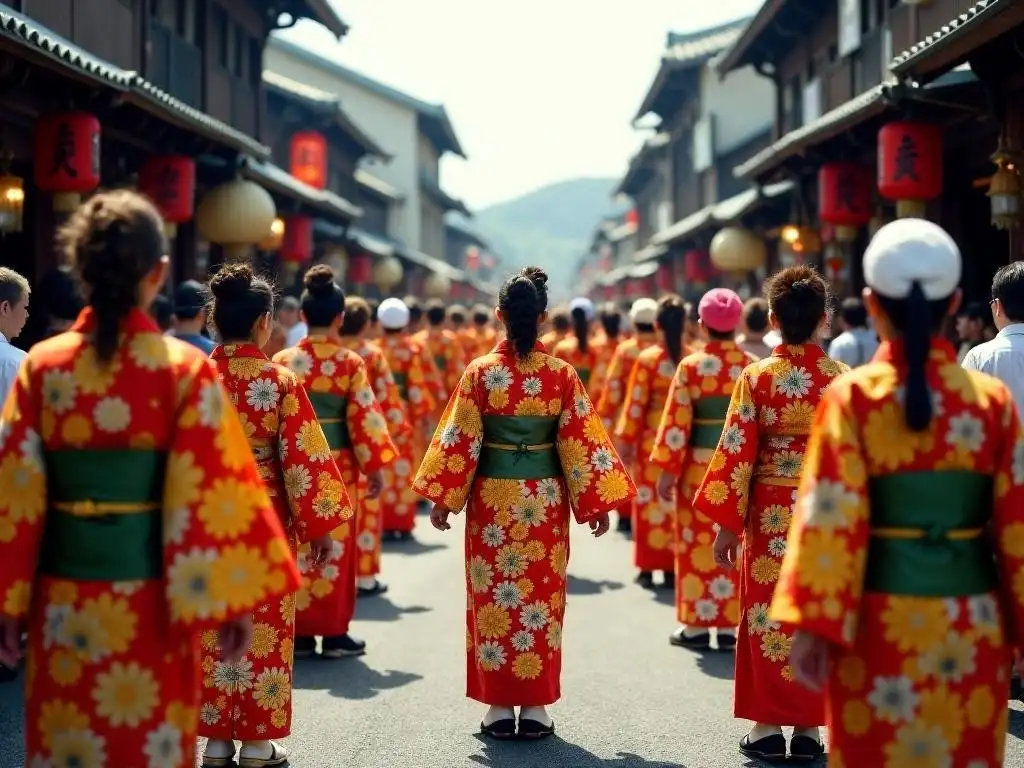
Matsuri, or Japanese festivals, are deeply interwoven with the cultural fabric of Japan, particularly during the feudal era. These festivals served not only as a form of entertainment but also as a means to honor deities, celebrate seasonal changes, and solidify community ties. Each matsuri is characterized by unique rituals and traditions that reflect local customs and beliefs, often tied to agricultural cycles or historical events.
At their core, matsuri rituals often involve the procession of portable shrines, known as mikoshi, which are paraded through the streets to invite the gods into the community. These events typically include offerings, prayers, and purification rites, emphasizing the spiritual significance of the festival. Additionally, many matsuri feature elements such as elaborate costumes, intricate floats, and communal feasting, all of which highlight the social cohesion of the community.
The relationship between matsuri and the natural world is also significant. Many festivals are tied to seasonal changes, such as planting and harvest times, and include rituals that seek to ensure bountiful crops. By engaging in these traditions, communities reaffirm their connection to the land and the divine, creating a cyclical bond that sustains both cultural identity and agricultural prosperity.
Unique Rituals Associated with Japanese Festivals
Each matsuri boasts unique rituals that reflect the local culture and history, often rooted in Shinto beliefs. For instance, the Oni Matsuri involves participants dressing as demons, symbolizing the banishment of evil spirits, while the Kagura performance, with its sacred dances, serves to entertain and appease the deities. These rituals often have specific timings; for example, purification rites are typically conducted at the beginning of the festival, while closing ceremonies may involve a communal prayer for peace and prosperity.
In many cases, these rituals are passed down through generations, creating a rich tapestry of cultural heritage. For instance, the Shinto purification rite known as harae is performed to cleanse participants of impurities before engaging in the festivities. This underscores the belief that spiritual cleanliness is essential for successfully invoking the divine.
Another unique aspect of many matsuri is the incorporation of local legends and historical events into the festival narrative. This storytelling aspect not only educates participants about their cultural heritage but also instills a sense of pride and belonging within the community.
Traditional Performances and Their Cultural Significance
Traditional performances during matsuri play a crucial role in preserving Japan's cultural heritage. These often include Noh and Kabuki theatre, which are not only forms of artistic expression but serve as a medium to convey historical narratives and moral lessons. For example, Noh performances often depict themes of spirituality and the supernatural, while Kabuki tends to focus on dramatic tales of love, betrayal, and honor.
In addition to theater, other performances such as Yamabiko (echo performances) and Taiko drumming are integral to matsuri celebrations. Taiko drumming, known for its powerful rhythms, fosters a sense of community and energizes participants, while also symbolizing a call to the gods. These performances highlight the communal spirit of matsuri, encouraging collaboration and participation among attendees of all ages.
The cultural significance of these performances goes beyond mere entertainment; they serve as a way for communities to express their identity and values. By engaging in these traditional arts, participants help to ensure that these cultural practices endure, thus continuing the legacy of their ancestors.
The Role of Music and Dance in Matsuri Celebrations
Music and dance are vital elements of matsuri celebrations, infusing the atmosphere with vibrancy and joy. Traditional instruments such as the shamisen (a three-stringed instrument), taiko drums, and hichiriki (a double-reed flute) create a distinctive soundscape that is synonymous with Japanese festivals. These musical forms are often accompanied by lively dances, which vary from region to region, showcasing local styles and historical influences.
Dance serves not only as entertainment but also as a means of spiritual expression. Many dances, such as the Bon Odori, are performed to honor ancestors and invite their spirits to join in the celebration. This connection to the spiritual realm emphasizes the importance of community and family ties, as participants dance together, reinforcing social bonds and shared cultural experiences.
Moreover, music and dance during matsuri are often seen as a form of offering to the deities. The rhythm and movement are intended to please the gods, ensuring their blessings upon the community. This practice highlights the intertwined nature of spirituality and cultural expression in Japanese feudal society, where festivals acted as a bridge between the human and divine realms.
Case Studies of Notable Japanese Matsuri
The Aoi Matsuri: History and Cultural Importance
The Aoi Matsuri, held annually in Kyoto on May 15, is one of the oldest festivals in Japan, dating back to the 7th century. The festival is characterized by its elegant processions, featuring participants dressed in the styles of the Heian period, adorned with hollyhock leaves, which symbolize purity. This matsuri celebrates the Kamo deities and is believed to ensure a good harvest and ample rain.
The history of the Aoi Matsuri is intertwined with the imperial court, reflecting the political and social dynamics of the time. The festival's rituals include a procession from the Kamo Shrines to the imperial palace, emphasizing the connection between the divine and the ruling class. This historical significance is evident in the meticulous attention to detail in the costumes and ceremonies, which aim to recreate the grandeur of the Heian era.
Moreover, the Aoi Matsuri highlights the importance of nature in Japanese spirituality. The use of hollyhock leaves, along with the offerings made during the festival, underscores a deep respect for the land and its resources, reinforcing the values of sustainability and harmony with nature.
Gion Matsuri: A Celebration of Kyoto's Heritage
The Gion Matsuri, celebrated throughout July in Kyoto, is renowned for its grand processions and elaborate floats, known as yamaboko. Originating in the 9th century as a purification ritual to appease the gods during a plague, the festival has evolved into a vibrant celebration of Kyoto's cultural heritage.
The highlight of Gion Matsuri is the Yamaboko Junko, which features beautifully decorated floats parading through the streets. Each float represents a specific district within Kyoto and is adorned with intricate tapestries and traditional crafts, showcasing the city's artistry and craftsmanship. The festival also includes various events, such as Kamo Sumo and Mikoshi parades, which further enrich the experience.
Culturally, the Gion Matsuri serves as a platform for local artisans, who contribute to the creation and decoration of the floats. This involvement fosters a sense of community pride and highlights the importance of preserving traditional crafts. The festival's deep roots in Kyoto's history make it a vital aspect of the city's identity, attracting visitors from all over the world and celebrating the enduring legacy of Japanese feudal society.
Nebuta Matsuri: A Unique Festival of Light and Color
The Nebuta Matsuri, held in Aomori during August, is characterized by its vibrant floats made of illuminated paper lanterns depicting historical figures, mythical creatures, and scenes from Japanese folklore. This festival, which dates back to the 18th century, was originally a harvest celebration and has transformed into a spectacular showcase of art and culture.
One of the defining features of Nebuta Matsuri is the energetic parades, where participants dance and chant while pulling the floats through the streets. The lively atmosphere is infectious, drawing crowds of onlookers who are captivated by the vivid colors and dynamic performances. The festival culminates in a breathtaking display of fireworks, symbolizing the celebration's spirit and joy.
Culturally, the Nebuta Matsuri embodies the local community's creativity and artistic expression. The intricate designs of the floats, along with the vibrant costumes worn by participants, highlight the region's craftsmanship and the importance of storytelling in Japanese culture. This festival not only celebrates the harvest but also reinforces community bonds, as residents come together to participate in the preparations and festivities, ensuring the continuity of this rich tradition.
The Impact of Matsuri on Feudal Society
The influence of Matsuri, or Japanese festivals, on feudal society was profound, weaving together the social, economic, and cultural fabric of the era. These festivals served as more than mere celebrations; they were essential in reinforcing community bonds, shaping local economies, and preserving cultural heritage. The gatherings brought together diverse groups, from peasants to samurai, creating a unique platform for interaction and collaboration.
Matsuri often coincided with agricultural cycles, marking the planting or harvest seasons, which emphasized their significance in daily life. This connection between festivals and the agrarian calendar underscored the importance of nature in Japanese spiritual life and societal organization. Through rituals and processions, communities expressed gratitude to deities and sought blessings for future prosperity, which was crucial for their survival during the feudal era.
Social Cohesion and Community Identity Through Festivals
Festivals in feudal Japan played a critical role in fostering social cohesion and a sense of community identity. Matsuri often involved elaborate rituals, parades, and performances that brought people together, transcending social classes. The participation of various segments of society, including farmers, artisans, and samurai, highlighted the shared cultural heritage and collective aspirations of the community.
The sense of belonging fostered during these festivals cultivated local pride and reinforced social networks. For instance, the Gion Matsuri in Kyoto, which dates back to the 9th century, not only celebrated the city's patron deity but also served as a unifying event that strengthened neighborhood ties. Each district would participate with its own floats, showcasing local craftsmanship and fostering friendly rivalry, which further solidified community identity.
Economic Influences of Matsuri on Local Communities
Matsuri also had significant economic impacts on local communities throughout the Japanese feudal era. These festivals attracted visitors from neighboring regions, creating a surge in economic activity. Local merchants and artisans would capitalize on the influx of people, selling food, crafts, and other goods, which stimulated trade and commerce.
Moreover, the preparation for Matsuri often involved considerable investment from local communities. This included the construction of floats, elaborate costumes, and the organization of events, which required collaboration among residents. While this involved expenses, the overall economic boost during the festival period often justified the investment, leading to a cycle of prosperity that benefited the community at large.
The Legacy of Japanese Feudal Era Festivals
The legacy of Matsuri extends far beyond the feudal era, influencing various aspects of modern Japanese culture. The traditions established during these festivals have persisted, evolving over the centuries while retaining their core significance. Today, many Matsuri continue to be celebrated, showcasing the rich tapestry of Japan's cultural history and the enduring importance of community and spirituality.
How Matsuri Shaped Modern Japanese Culture
Modern Japanese culture is deeply rooted in the traditions of Matsuri. Many contemporary festivals still reflect the original purposes of honoring deities and celebrating seasonal changes. For instance, the Nebuta Matsuri in Aomori, which features illuminated floats and lively parades, has its origins in ancient rituals intended to ward off evil spirits and ensure a bountiful harvest.
Additionally, Matsuri have influenced various art forms, including traditional music and dance, which are often performed during these events. This continuity of cultural expression enriches Japan's identity and serves as a reminder of the values and beliefs that shaped its society throughout the feudal era.
Continuing Traditions: The Evolution of Matsuri Today
While Matsuri have evolved, their essence remains intact. Modern celebrations have adapted to contemporary society, often incorporating new elements while respecting traditional practices. For example, many Matsuri now include innovative performances, technology, and even international participation, reflecting Japan's globalized landscape.
Despite these changes, the fundamental purpose of Matsuri—to foster community spirit, celebrate heritage, and connect with the divine—endures. Events like the Sanja Matsuri in Tokyo attract thousands of participants and spectators each year, demonstrating the ongoing relevance of these festivals in fostering communal ties and cultural pride in today's society.
In essence, the evolution of Matsuri illustrates the resilience of Japanese cultural traditions, highlighting their ability to adapt while continuing to resonate with the values established during the feudal era.
Conclusion: The Lasting Impact of Matsuri on Japanese Heritage
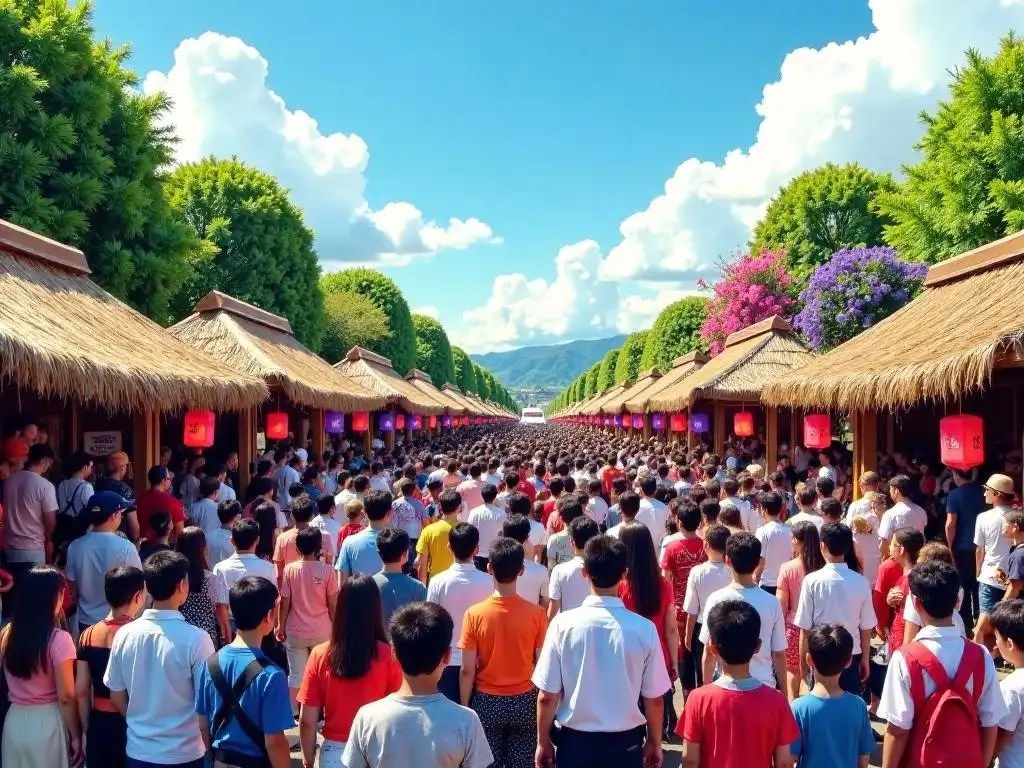
The Japanese feudal era festivals, or matsuri, have left an indelible mark on the cultural landscape of Japan, weaving a rich tapestry of tradition that continues to resonate even today. These festivals were not merely occasions for celebration; they were crucial in shaping the social, political, and spiritual fabric of feudal society. As communal gatherings, matsuri fostered a sense of belonging and identity among participants, reinforcing social hierarchies and community bonds through shared rituals and collective memory.
The legacy of matsuri is evident in their evolution over the centuries. While the original purposes of many festivals—such as agricultural rites, religious observances, and seasonal celebrations—have transformed, their core essence remains intact. Matsuri today often reflect a fusion of ancient practices with contemporary influences, showcasing Japan's ability to adapt and preserve its traditions. This ongoing relevance speaks to the resilience of Japanese culture and its commitment to honoring the past while embracing the future.
Reflection on the Role of Festivals in Cultural Preservation
Festivals like matsuri play a pivotal role in the preservation of cultural heritage. They serve as living museums, allowing individuals and communities to engage with their history through art, music, dance, and cuisine. By participating in these celebrations, people can connect with their ancestors and understand the values and beliefs that shaped their communities.
Moreover, matsuri often involve intricate rituals and performances that have been passed down through generations. This transmission of knowledge is vital for cultural continuity, as it ensures that traditional practices are not lost to time. The involvement of local youth in organizing and participating in matsuri reinforces their relevance, nurturing a sense of pride and stewardship for their cultural heritage. As communities come together to celebrate these festivals, they reinforce their identity, strengthen social ties, and foster intergenerational connections.
Future of Matsuri in Contemporary Japan
The future of matsuri in contemporary Japan is a topic of great interest, particularly as society grapples with modernization and globalization. While traditional festivals face challenges such as declining participation and the influence of urbanization, they also present opportunities for renewal and innovation. Many communities are exploring ways to incorporate modern elements into their festivals, aiming to attract younger generations while preserving the essential characteristics of matsuri.
Moreover, the global interest in Japanese culture has opened avenues for international exchanges, with festivals becoming platforms for cultural diplomacy. This could enhance the visibility of matsuri on the world stage, attracting tourism and stimulating local economies. As Japan moves forward, the challenge will be to maintain the authenticity of these festivals while adapting to contemporary societal dynamics.
Ultimately, the resilience of matsuri reflects the enduring spirit of Japanese culture. By embracing both tradition and innovation, these festivals will continue to thrive, ensuring that the rich heritage of the Japanese feudal era remains alive for future generations.
- Introduction to Japanese Feudal Era Festivals
- Historical Context of Japanese Matsuri
- Types of Japanese Feudal Era Festivals
- The Influence of Class Structure on Matsuri
- Matsuri Rituals and Traditions
- Case Studies of Notable Japanese Matsuri
- The Impact of Matsuri on Feudal Society
- The Legacy of Japanese Feudal Era Festivals
- Conclusion: The Lasting Impact of Matsuri on Japanese Heritage
- Reflection on the Role of Festivals in Cultural Preservation
- Future of Matsuri in Contemporary Japan
- What are Matsuri in the context of the Japanese feudal era?
- How did Matsuri influence the social structure of feudal Japan?
- What role did religion play in the Matsuri of feudal Japan?
- Can you name some popular Matsuri that originated during the Japanese feudal era?
- How are modern Matsuri connected to feudal Japan?
Frequently Asked Questions
What are Matsuri in the context of the Japanese feudal era?
Matsuri refers to traditional festivals celebrated in Japan, which often reflect the cultural and religious practices of the time. They played a vital role in community cohesion during the feudal society.
Matsuri helped to reinforce social hierarchies and community bonds by bringing together different social classes. These festivals often showcased the power of the samurai class and the importance of local deities.
What role did religion play in the Matsuri of feudal Japan?
Religion was central to Matsuri, as many festivals were held to honor deities and ensure good harvests. This connection to spirituality helped shape the cultural identity of feudal communities.
Can you name some popular Matsuri that originated during the Japanese feudal era?
Some well-known Matsuri include the Gion Matsuri in Kyoto and the Kanda Matsuri in Tokyo. Both festivals have deep roots in feudal traditions and continue to be celebrated today.
How are modern Matsuri connected to feudal Japan?
Modern Matsuri still reflect the historical significance of their feudal predecessors, retaining many rituals and customs. They serve as a cultural bridge, linking contemporary Japan to its rich feudal past.
Final Reflection: The Enduring Legacy of Japanese Feudal Era Festivals
The exploration of Japanese feudal era festivals reveals a tapestry woven with tradition, spirituality, and community that continues to resonate in today's society. These festivals not only served as a means of celebrating agricultural cycles and honoring deities but also played a pivotal role in shaping social hierarchies and cultural identities. In an age where globalization often overshadows local customs, the significance of these festivals reminds us of the importance of preserving our heritage and understanding the roots of our communal practices.
The influence of these festivals extends far beyond their historical context, as they continue to shape the cultural landscape of Japan and inspire communities worldwide. The vibrant colors, rhythmic sounds, and communal spirit of these celebrations evoke a sense of belonging and continuity. As noted by cultural historian Yoshiko Matsumoto, Festivals are the heartbeat of a community, connecting generations through shared experiences and collective memory.
This connection to the past fosters a deeper appreciation for the present, encouraging us to engage with our own cultural narratives and the festivals that define them.
As we reflect on the lessons of the Japanese feudal era festivals, let us embrace the opportunity to celebrate our own traditions and the stories they tell. I invite you to explore the festivals in your community, to participate, and to share these experiences with others. By doing so, we not only honor our heritage but also strengthen the bonds that unite us as a society. In a world that often feels fragmented, let us find solace and inspiration in the festivals that remind us of our shared humanity and the beauty of our diverse cultures.
Unveil the Spirit of Japanese Matsuri!
Thank you for diving into the fascinating world of Japanese Matsuri and their profound impact on society. We hope you’ve discovered the vibrant tapestry of culture and history woven through these festivals! Now, it's time to take action and immerse yourself in this rich heritage.
Here are some ways you can connect even deeper:
- Explore a Local Matsuri: Find a festival near you or plan a visit to Japan during festival season. Experience the colors, sounds, and traditions firsthand!
- Share the Knowledge: Discuss your newfound insights about Japanese Matsuri with friends or share this article on social media to spread the word about these captivating celebrations.
- Join a Community: Seek out online forums or groups dedicated to Japanese culture—your voice can contribute to the ongoing celebration of these historic traditions.
What themes of the matsuri resonate with you the most, and how have they shaped your understanding of culture and community today?