
The Journey of a Kabuki Performer: Training and Dedication

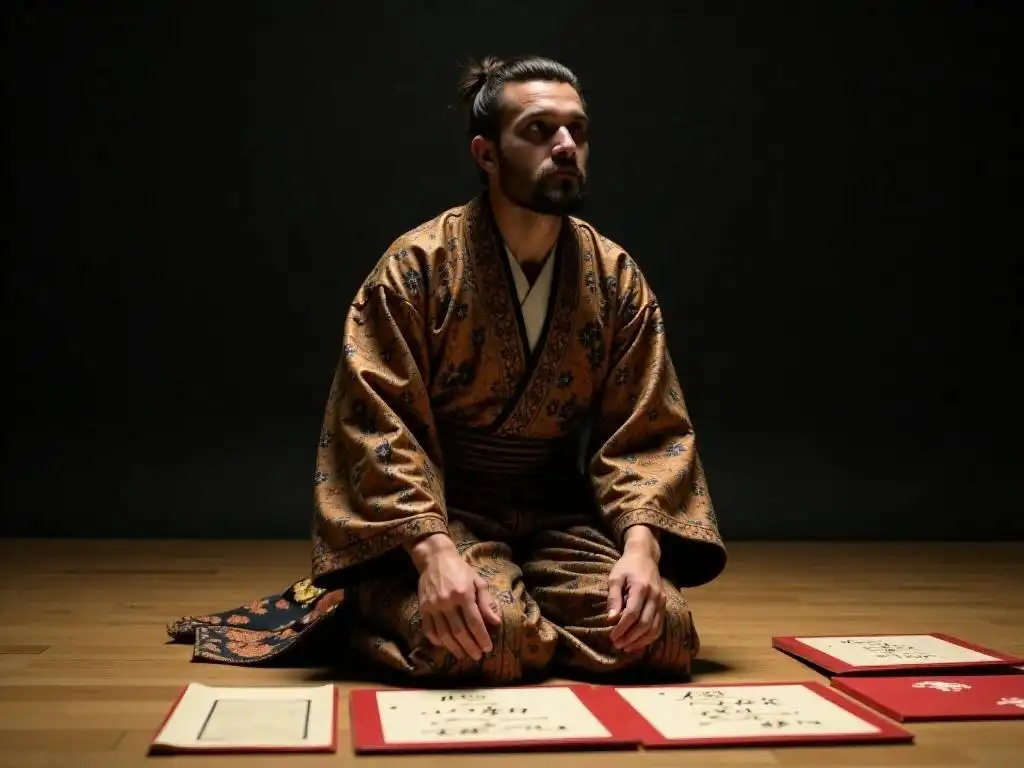
Welcome to Feudal Japan History, where we invite you to embark on a captivating journey through the rich tapestry of Japan's feudal era. Here, we delve into the intricate layers of history, culture, and society that shaped this fascinating period. In our featured article, “The Journey of a Kabuki Performer: Training and Dedication,” we uncover the rigorous and passionate training experience of Kabuki performers, a tradition steeped in artistry and discipline.
What does it take to embody a character in this vibrant theatrical form? Join us as we explore the dedication and craftsmanship that bring this cultural phenomenon to life, igniting your curiosity and inspiring you to delve deeper into the world of feudal Japan.
Introduction to Kabuki Theater
The Kabuki Theater stands as one of the most iconic forms of Japanese performing arts, steeped in history and tradition. Originating in the early 17th century during the Edo period, Kabuki has captivated audiences with its unique blend of drama, music, and elaborate costumes.
This theatrical art form is not just a performance; it is a reflection of the cultural fabric of feudal Japan, showcasing societal norms, historical narratives, and artistic expression. As we delve into the Kabuki performer training experience, we uncover the rigorous dedication and extensive training that define the life of a Kabuki artist, shaping them into the captivating figures that grace the stage.
Overview of Kabuki as a Traditional Japanese Art Form
Kabuki is characterized by its stylized performances, which include the use of exaggerated movements, vibrant costumes, and intricate makeup. Unlike other forms of theater, Kabuki is notable for its all-male casts, where male actors, known as onnagata, specialize in playing female roles. This unique aspect, combined with its dramatic storytelling and musical accompaniment, has cemented Kabuki's status as a vital cultural institution in Japan.
Key features of Kabuki include:
- Choreography: Highly stylized movements that convey emotions and narrative.
- Music: Live performances often accompanied by traditional instruments, enhancing the dramatic effect.
- Costumes and Makeup: Elaborate designs that symbolize characters’ traits and emotions.
This intricate art form not only entertains but also serves as a medium for preserving Japanese history and folklore.
Significance of Kabuki in Feudal Japan Cultural History
The significance of Kabuki extends beyond mere entertainment; it offers a glimpse into the social and cultural dynamics of feudal Japan. Initially performed by women, Kabuki evolved when the government banned female performers due to the rise of prostitution. This shift led to the emergence of male actors, which further developed the art form's unique identity.
During the Edo period, Kabuki became immensely popular among all social classes, from merchants to samurai, thus reflecting the era's cultural amalgamation. The plays often depicted historical events, moral lessons, and the complexities of human emotions, allowing audiences to engage with their society's values and challenges.
The Role of a Kabuki Performer
The role of a Kabuki performer is multifaceted and complex, requiring not just talent but also a profound commitment to the craft. To understand the journey of these artists, one must appreciate the rigorous training and discipline they undergo.
Understanding the Kabuki Performer’s Identity
A Kabuki performer is more than just an actor; they embody a rich cultural legacy. Each performer, or yakusha, often comes from a lineage of actors, inheriting traditions and techniques passed down through generations. This familial connection enhances their sense of identity and responsibility, as they carry the weight of preserving and innovating within this storied art form.
The performer’s identity is shaped by:
- Cultural Heritage: Deep connections to Japanese history and tradition.
- Artistic Dedication: Lifelong commitment to mastering the nuanced art of Kabuki.
- Public Persona: The duality of personal life and public performance, where they often remain in character even outside the theater.
Key Characteristics of Kabuki Performers
Kabuki performers possess distinctive characteristics that set them apart in the realm of performing arts. Their training is exhaustive and often begins at a young age, focusing on various aspects that contribute to their craft.
Key characteristics include:
- Physical Agility: Kabuki requires exceptional physical conditioning to perform intricate movements and maintain stamina during lengthy shows.
- Vocal Skills: Mastery of traditional vocal techniques to deliver lines with emotional depth and clarity.
- Emotional Expression: The ability to convey a wide range of emotions through both subtle and exaggerated gestures, captivating the audience.
The journey of a Kabuki performer is one of passion, discipline, and an unwavering dedication to a tradition that continues to thrive in modern Japan. As we explore the intricacies of their training and the cultural significance of Kabuki, we gain a deeper understanding of this fascinating art form and its place in Japanese cultural history.
The Kabuki Performer Training Experience
The journey of a Kabuki performer is a rigorous and transformative process that encapsulates years of dedication, discipline, and artistry. Kabuki, a traditional form of Japanese theater known for its stylized drama and elaborate makeup, demands an extensive training regimen that begins at an early age.
Aspiring performers immerse themselves in a blend of physical, vocal, and emotional training, each element meticulously crafted to uphold the rich traditions of this art form. The training experience is not merely about learning performance techniques; it is a deep dive into the cultural heritage and historical context of Kabuki, allowing performers to connect with their roots and the legacy they are part of.
Initial Steps in Kabuki Training
The initial steps in Kabuki training typically commence in childhood, often around the age of six or seven. Young trainees, known as "deshi," often begin their journey at a Kabuki school or under the tutelage of a master, referred to as "sensei." The early training focuses on:
- Basic Movement and Posture: Young deshi learn the fundamental movements and postures that define Kabuki, including traditional stances and gestures that convey emotions and actions.
- Vocal Training: Performers are taught to project their voices effectively and to master the unique vocal styles characteristic of Kabuki, including the use of exaggerated expressions and intonations.
- Dance and Music: Integral to Kabuki, dance forms a crucial part of training. Deshi learn various dance styles and the accompanying music, which is essential for performance.
These foundational skills are essential for building the technical proficiency required for more advanced training in the art.
Core Elements of Kabuki Training
As trainees progress, they delve deeper into the core elements of Kabuki training. This phase includes:
- Character Development: Performers study the various archetypes prevalent in Kabuki, learning how to embody different characters through physicality, voice modulation, and emotional expression.
- Stage Techniques: Training focuses on the specific techniques used in Kabuki stagecraft, such as the use of props, stage exits, and entrances, which are crucial for enhancing dramatic impact.
- Historical Context: Understanding the historical and cultural significance of Kabuki is vital. Performers learn about the different periods of Kabuki history, the evolution of its styles, and the societal influences that shaped it.
Each of these elements is interwoven, reinforcing the performer's ability to convey stories and emotions authentically on stage.
The Importance of Mentorship in Kabuki Training
Mentorship plays a pivotal role in the training of Kabuki performers. Under the guidance of experienced sensei, deshi receive personalized instruction that helps shape their artistry. The mentorship process encompasses:
- One-on-One Instruction: Sensei provide individualized feedback, helping trainees refine their techniques and develop their unique performance styles.
- Cultural Transmission: Mentorship is not just about technical skills; it also involves the transmission of cultural values and traditions associated with Kabuki, ensuring that performers honor the legacy of their predecessors.
- Networking Opportunities: Through their mentors, aspiring performers gain access to the broader Kabuki community, which can lead to performance opportunities and collaborations.
The bond formed between mentor and trainee is essential, fostering an environment of respect and dedication to the craft.
The Dedication Required for Kabuki Performance
The dedication required for Kabuki performance is immense, as the path to becoming a seasoned performer involves years of relentless practice and commitment. This dedication manifests in various aspects of a performer's life, shaping their identities and careers.
Daily Routines and Practice Regimens
Daily routines for Kabuki performers are structured and demanding, often resembling those of elite athletes. A typical day may include:
- Morning Training Sessions: Performers often start their day with rigorous physical training, including dance rehearsals, vocal exercises, and strength conditioning.
- Rehearsals: Following morning sessions, performers engage in group rehearsals, where they practice specific scenes and refine their performances through collaboration with fellow actors.
- Evening Performances: Many Kabuki performers participate in evening shows, which can run for several hours, requiring stamina and energy.
This demanding schedule underscores the physical and mental resilience required to succeed in Kabuki theater.
The Mental and Emotional Commitment of Kabuki Performers
In addition to physical training, Kabuki performers must cultivate significant mental and emotional strength. This commitment encompasses:
- Emotional Depth: Performers must learn to access and portray a wide range of emotions authentically, often drawing from personal experiences to enhance their performances.
- Coping with Pressure: The high expectations of Kabuki audiences, combined with the competitive nature of the profession, necessitate strong coping mechanisms to handle performance anxiety and stress.
- Continuous Learning: The journey of a Kabuki performer is one of lifelong learning. Even seasoned actors must remain open to new techniques and styles, constantly evolving their craft.
This blend of mental fortitude and emotional intelligence is crucial for delivering powerful and memorable performances, ensuring the continuation of the Kabuki tradition for future generations.
The Evolution of Kabuki Training Over Time
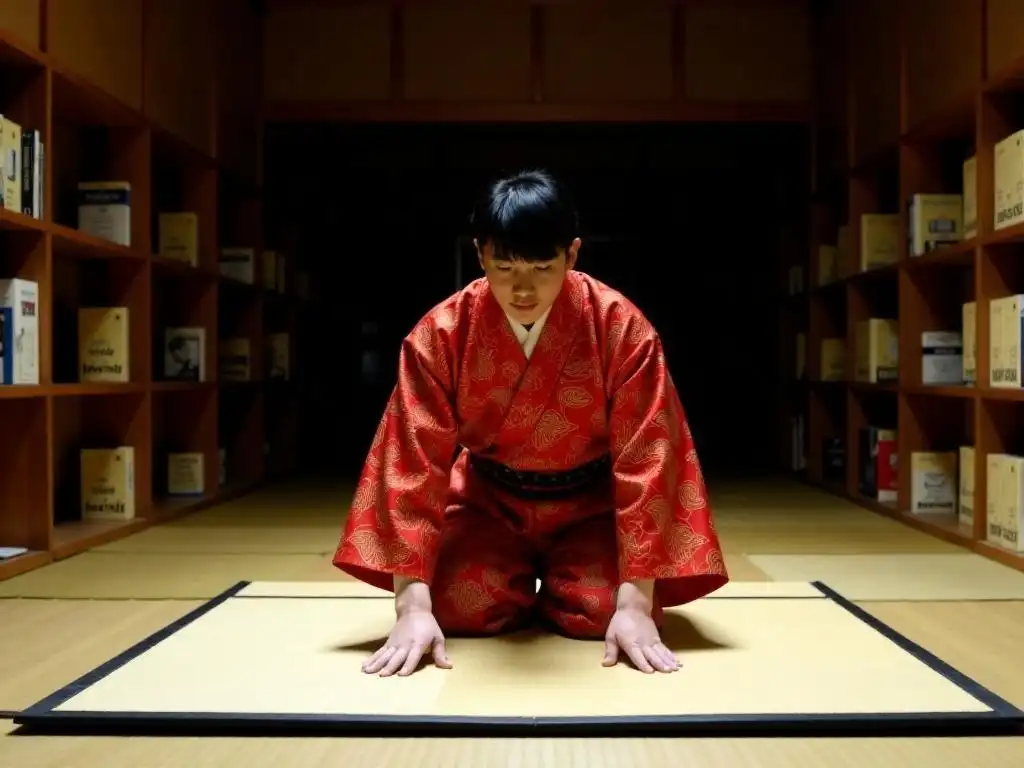
The journey of a Kabuki performer is marked by a rich history of training that has evolved significantly since the art form's inception in the early 17th century. Originally, Kabuki was performed by female actors, known as "onnagata," but after the ban on female performers, the training shifted exclusively to male performers. This historical transition not only changed the demographic of Kabuki actors but also influenced the methods of training that would follow.
In the early days, training was informal, often conducted within the family or small groups. Young boys would learn by observation and imitation, absorbing the craft through practical experience on stage. As Kabuki gained popularity, formal schools, known as "kōkō," began to emerge, creating structured environments for actors to hone their skills. These institutions introduced a more systematic approach to learning, which included lessons in dance, music, and acting techniques specific to Kabuki.
Historical Changes in Training Methods
The methods of training Kabuki performers have undergone considerable transformation throughout history. During the Edo period (1603-1868), the emphasis was on mastering traditional styles and techniques that had been passed down through generations. Performers were often required to undertake rigorous apprenticeships, sometimes lasting several years, under the guidance of established masters. This hierarchical system ensured that knowledge and skills were meticulously preserved and transmitted.
As Japan entered the Meiji era (1868-1912), the influence of Western culture began to permeate Japanese arts, including Kabuki. This period saw the introduction of new training techniques and performance styles that blended traditional Kabuki with Western theater elements. While the core techniques remained intact, performers began to adapt their training to incorporate modern sensibilities and artistic expressions.
In the contemporary landscape, Kabuki training continues to evolve. While traditional methods are still revered, many performers now access a variety of training resources, including workshops, online courses, and international exchange programs. This diversification in training methods reflects both a commitment to preserving the art form and an openness to innovation.
Modern Influences on Traditional Kabuki Training
Today, the training of Kabuki performers is influenced by various factors, including globalization and the digital age. With the rise of technology, aspiring performers can now engage with Kabuki arts through online platforms, allowing for greater accessibility to training resources. Virtual workshops and instructional videos provide valuable insights into the nuances of Kabuki performance, helping to bridge the gap between traditional techniques and modern learning environments.
Moreover, contemporary Kabuki productions often incorporate elements from other performance arts, such as Noh and Western theater, prompting performers to expand their skill sets. This cross-pollination fosters a more comprehensive training experience, enabling Kabuki artists to explore new forms of expression while still honoring their roots.
Additionally, the global interest in Japanese culture has led to a resurgence of Kabuki performances worldwide, necessitating performers to adapt to diverse audiences. This pressure to appeal to international viewers has encouraged Kabuki artists to refine their training, focusing not only on technical proficiency but also on storytelling and emotional resonance.
Challenges Faced by Kabuki Performers
Despite the rich training experiences, Kabuki performers encounter numerous challenges throughout their careers. These challenges can be broadly categorized into physical and mental hurdles, as well as the competitive nature of the Kabuki industry.
Physical and Mental Challenges in Training
Training as a Kabuki performer is a demanding endeavor that requires immense physical stamina and mental fortitude. The rigorous nature of the training regimen often leads to physical strain, as performers must master complex choreography, vocal techniques, and intricate costume changes. The physicality of Kabuki performance demands that actors maintain peak physical condition, often necessitating daily practice and conditioning exercises.
Moreover, the mental challenges of Kabuki training cannot be understated. Performers must cultivate a deep understanding of their roles, often studying historical contexts and character motivations extensively. This requires not only memorization of lines and movements but also an emotional investment in the characters they portray. The pressure to deliver captivating performances while meeting high expectations can lead to significant mental stress and anxiety.
The Competitive Nature of Kabuki
The Kabuki industry is inherently competitive, with a limited number of roles available and many aspiring performers vying for recognition. This competitive landscape can create a challenging environment for training, as performers must continuously strive to distinguish themselves from their peers. Success often hinges on a combination of skill, talent, and connections within the industry.
Additionally, the pursuit of a career in Kabuki can be financially burdensome. Many performers must undertake various side jobs to support their training and living expenses, leading to a difficult balancing act between their artistic aspirations and financial realities. The combination of these factors contributes to the high attrition rate among aspiring Kabuki performers, making the journey one of perseverance and dedication.
The Rewards of Being a Kabuki Performer
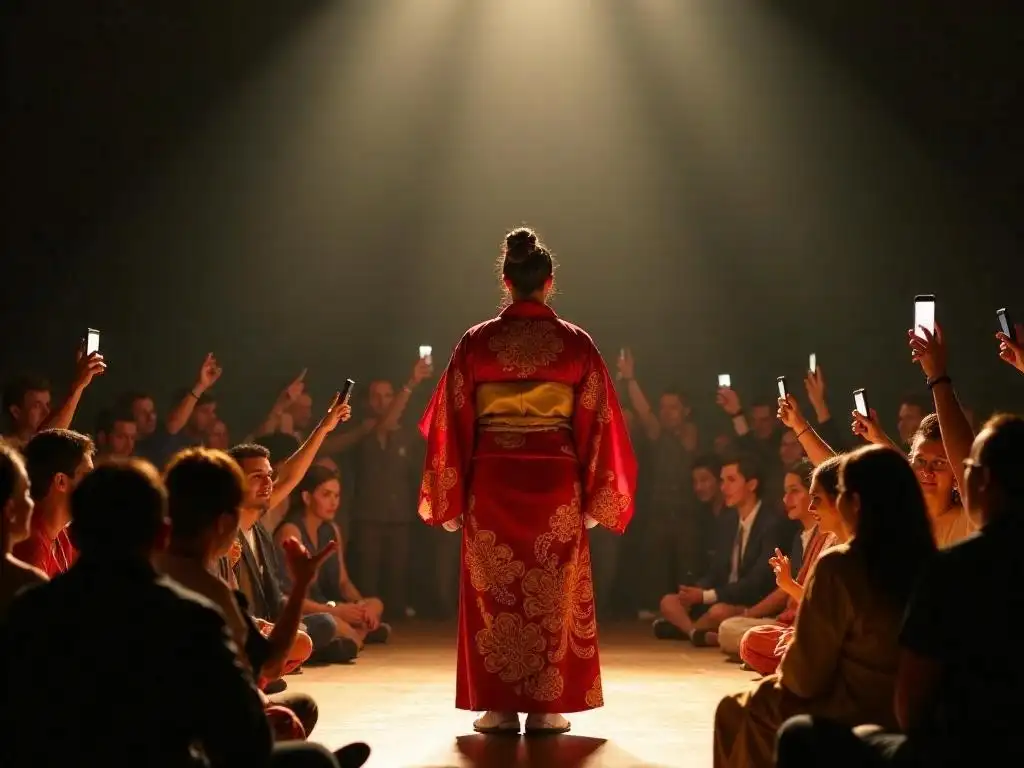
The journey of a Kabuki performer is laden with challenges, but the rewards are equally profound. Engaging in this ancient art form offers performers a unique blend of personal satisfaction and cultural significance. Kabuki, with its elaborate costumes and stylized movements, allows performers to immerse themselves in a world that transcends mere entertainment; it connects them to Japan's rich history and traditions.
Personal Fulfillment and Cultural Contribution
For many Kabuki performers, the training process is not only about mastering the skills required for the stage but also about personal growth and identity. The rigorous training instills a sense of discipline, perseverance, and artistry. Each performance becomes a personal expression, allowing actors to bring their emotions and experiences to life through their characters.
Moreover, Kabuki is a vital part of Japan's cultural heritage. Performers play an essential role in keeping this tradition alive, contributing to a shared cultural identity. The ability to engage audiences and evoke emotions through storytelling reaffirms the performer's place within the cultural landscape, fostering a sense of pride and responsibility to honor and preserve this art form.
Recognition and Career Opportunities in Kabuki
The recognition that comes with being a Kabuki performer can be significant, especially for those who reach the highest echelons of the art. Esteemed performers often gain fame and respect not only within the theater community but also in broader society. This recognition can lead to various career opportunities, including roles in films, television, and even international performances, where the art of Kabuki is showcased to global audiences.
Additionally, successful Kabuki performers may have the chance to mentor younger generations, further enhancing their career by passing on their knowledge and skills. This mentorship enriches the Kabuki community and helps ensure the continued evolution of the art form, contributing to its relevance in contemporary culture.
Conclusion: The Enduring Legacy of Kabuki Performers
The legacy of Kabuki performers is one of resilience, creativity, and dedication. Their commitment to the craft ensures that this traditional form of theater continues to thrive even in modern times. The journey of a Kabuki performer is not just a personal endeavor; it is a vital part of Japan's cultural tapestry.
The Impact of Kabuki Training on Cultural Heritage
The training of Kabuki performers is deeply intertwined with Japan's cultural heritage. Each aspect of their training, from movement to voice modulation, is steeped in tradition, reflecting the historical context of the art form. This rigorous training not only equips performers with the necessary skills but also reinforces their role as custodians of a rich cultural narrative.
As they embody historical characters and stories, Kabuki performers help transport audiences to different eras, fostering a deeper appreciation for Japan's history and artistic traditions. Their dedication ensures that the nuances of Kabuki are preserved, offering future generations a glimpse into the past.
Future of Kabuki and Its Performers in Japan
The future of Kabuki and its performers lies in their ability to adapt while staying true to the essence of the art. As societal preferences evolve, there is potential for innovation within traditional frameworks. By integrating contemporary themes or collaborating with modern artists, Kabuki can remain relevant and accessible to younger audiences.
Moreover, as global interest in traditional arts increases, Kabuki performers have the opportunity to reach new heights. International performances and cultural exchanges could introduce this exquisite art form to a broader audience, ensuring that the legacy of Kabuki endures well into the future. Through dedication and a commitment to cultural preservation, Kabuki performers will continue to be vital players in Japan's artistic heritage.
References
Academic and Historical Sources on Kabuki
The study of Kabuki theater is enriched by a variety of academic and historical sources that provide insights into its development, techniques, and cultural significance. These sources include scholarly articles, books, and research papers that delve into the historical context of Kabuki, its evolution, and its impact on Japanese culture. Notable works include:
- "Kabuki: A History of Japanese Theater": by John D. McClain, which offers a comprehensive overview of the origins and transformations of Kabuki.
- "The Kabuki Theatre of Japan" by John E. Stenson, providing a detailed analysis of performance styles, costume design, and staging.
- "The Art of Kabuki" by Felicia McCarthy, which examines the artistic elements and the role of Kabuki in Japanese society.
These texts serve as foundational resources for anyone interested in understanding the complexities of Kabuki theater and the rigorous training that performers undergo.
Interviews with Practicing Kabuki Performers
Firsthand accounts from practicing Kabuki performers provide invaluable insights into the rigorous training and dedication required to succeed in this traditional art form. Interviews have revealed various aspects of the Kabuki performer training experience, highlighting the following key points:
- Training Duration and Intensity: Many performers undergo extensive training that can last for a decade or more. They often begin their training at a young age, sometimes as early as five years old, and practice daily for several hours.
- Mentorship and Tradition: Aspiring Kabuki actors typically train under the guidance of established performers. This mentorship is crucial as it ensures the transmission of traditional techniques and the nuances of performance.
- Physical and Vocal Training: The training regimen is physically demanding, involving exercises to enhance flexibility, balance, and stamina. Vocal training is equally important, focusing on mastering the unique Kabuki style of singing and recitation.
- Cultural Immersion: Performers often immerse themselves in the cultural aspects of Kabuki, learning about the historical figures and stories that shape their performances. This cultural connection deepens their appreciation and understanding of the art form.
These interviews underscore the passion and commitment that Kabuki performers bring to their craft, illustrating that their journey is not only about mastering performance but also about honoring a rich cultural heritage.
- Introduction to Kabuki Theater
- The Role of a Kabuki Performer
- The Kabuki Performer Training Experience
- The Dedication Required for Kabuki Performance
- The Evolution of Kabuki Training Over Time
- Historical Changes in Training Methods
- Modern Influences on Traditional Kabuki Training
- Challenges Faced by Kabuki Performers
- The Rewards of Being a Kabuki Performer
- Conclusion: The Enduring Legacy of Kabuki Performers
- References
Frequently Asked Questions
What is the Kabuki performer training experience like?
The Kabuki performer training experience is an intense journey that combines physical training, vocal instruction, and cultural education. Aspiring performers dedicate years to mastering their craft, often starting from a young age.
How long does it take to become a Kabuki performer?
Becoming a Kabuki performer typically requires 10 to 20 years of rigorous training. This lengthy process allows performers to develop the necessary skills and understanding of traditional techniques and theatrical expression.
What are the key components of Kabuki training?
Key components of Kabuki training include movement exercises, dance, acting techniques, and learning the elaborate makeup and costumes that are essential to the art form. Each aspect contributes to a performer's overall effectiveness on stage.
Is formal education required to train as a Kabuki performer?
While formal education is not strictly required, many aspiring performers join a Kabuki school or study under a master to gain essential skills. This mentorship is crucial for learning the traditions and nuances of the craft.
How does the Kabuki training experience differ from other theater training?
The Kabuki training experience is unique due to its focus on traditional techniques that have been passed down through generations. Unlike Western theater training, it emphasizes stylized movements, vocal delivery, and cultural storytelling specific to Japanese traditions.
Final Reflection: The Enduring Legacy of Kabuki Performer Training
The journey of a Kabuki performer is not just a tale of art and tradition; it is a profound testament to the power of dedication and discipline in shaping not only a performer’s craft but also their identity. In today’s fast-paced world, where instant gratification often overshadows the value of perseverance, the rigorous training of Kabuki performers serves as a powerful reminder of the beauty that emerges from years of commitment and hard work.
The influence of Kabuki extends far beyond the stage, permeating the cultural fabric of Japan and inspiring countless artists around the globe. The meticulous training and dedication required to master this art form reflect a deep respect for tradition and a commitment to excellence that resonates with many. As one Kabuki master once said, The stage is a mirror of life; through our performance, we reveal the depths of human emotion.
This sentiment encapsulates the ongoing relevance of Kabuki, as it continues to inspire new generations to explore their own artistic paths.
As you reflect on the journey of a Kabuki performer, consider how the principles of training and dedication can be applied to your own life. Embrace the challenges you face and recognize that every step, no matter how small, contributes to your growth. Whether you are an artist, a student, or someone pursuing a personal goal, let the spirit of Kabuki inspire you to commit to your journey with passion and resilience. The legacy of Kabuki is not just in its performances but in the unwavering dedication of those who choose to walk its path.
Unveil Your Inner Performer: Join the Journey of Kabuki!
Thank you for exploring the captivating world of Kabuki performers! We appreciate your interest and hope you have gained valuable insights into the dedication and training that shape these extraordinary artists. Now, let's transform that inspiration into action!
Here are some ways you can further connect with the rich tradition of Kabuki:
- Immerse Yourself in a Performance: Attend a local Kabuki show or watch an online performance. Experience the artistry and passion in motion!
- Start Your Own Kabuki Journey: Consider enrolling in a Kabuki workshop or class to experience the training firsthand and connect with fellow enthusiasts.
- Share the Art: Promote the beauty of Kabuki! Discuss your favorite elements or insights on social media and invite your friends to learn more about this remarkable art form.
What aspect of Kabuki performance inspires you the most, and how can you incorporate that into your own life or artistic journey?