
Women in Tea: The Impact of Female Figures on the Development of Tea Culture

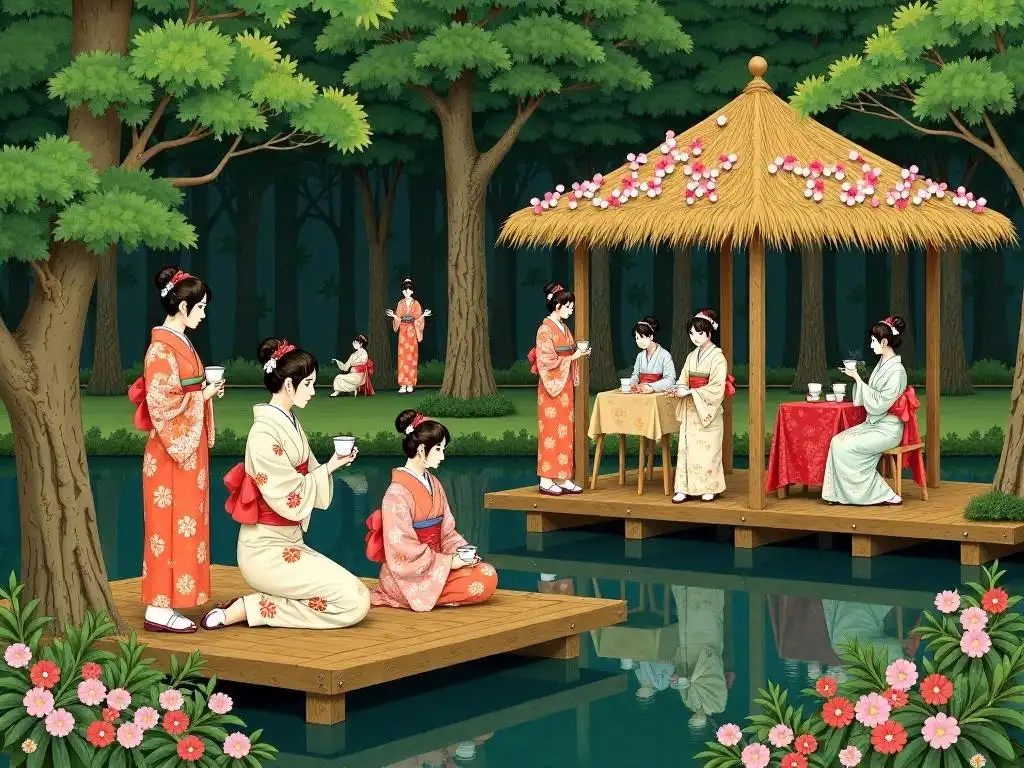
Welcome to Feudal Japan History, where we take you on a journey through the intricate tapestry of Japan's feudal era. Here, you will uncover the rich historical, cultural, and societal narratives that shaped a nation. Dive into our featured article, “Women in Tea: The Impact of Female Figures on the Development of Tea Culture,” and discover how the contributions of remarkable women have brewed a legacy that resonates through time.
What hidden stories lie behind the delicate whisking of matcha? Join us as we explore the profound influence of women in Japanese tea culture and let your curiosity steep in the depths of our captivating content!
-
Women in Japanese Tea Culture: The Impact of Female Figures on the Development of Tea Culture
- Introduction to Women in Japanese Tea Culture
- Historical Context of Women in Tea
- The Influence of Female Figures on Tea Ceremonies
- Cultural Significance of Women in Japanese Tea
- Modern Perspectives on Women in Japanese Tea Culture
- Conclusion: The Lasting Legacy of Women in Japanese Tea Culture
- References and Further Reading on Women in Japanese Tea Culture
-
Frequently Asked Questions
- What role did women play in the development of tea culture in Japan?
- How did the social status of women influence their involvement in tea practices?
- Were there any notable female figures in Japanese tea culture?
- How did historical changes affect women's roles in tea culture?
- What are the modern implications of women's contributions to Japanese tea culture?
- Final Reflection: The Enduring Legacy of Women in Japanese Tea Culture
- Celebrate & Empower: Join the Tea Culture Movement!
Women in Japanese Tea Culture: The Impact of Female Figures on the Development of Tea Culture
Introduction to Women in Japanese Tea Culture
The intricate relationship between women and tea culture in Japan is a fascinating aspect of the country's rich cultural history. From the introduction of tea to Japan in the early 9th century to the refined practices observed in modern tea ceremonies, women have played a pivotal role in shaping and nurturing tea culture.
This article delves into the significant contributions of female figures in the evolution of Japanese tea culture, highlighting their influence on both the social and aesthetic dimensions of tea preparation and consumption. As we explore this theme, we will uncover how women not only participated in but often led the way in developing rituals, practices, and philosophies surrounding tea, helping to establish it as a central element of Japanese cultural identity.
The Role of Women in the History of Tea
Women have historically held a vital role in the cultivation and preparation of tea in Japan. Their involvement can be traced back to the early days of tea cultivation, where they were responsible for various tasks, including planting, harvesting, and processing tea leaves. This labor-intensive work set the foundation for tea as a staple of Japanese culture.
Moreover, women were not only involved in the practical aspects of tea but also in the ceremonial and artistic expressions surrounding it. The evolution of the tea ceremony, or "chanoyu," showcases the significant influence of female practitioners, who refined the aesthetics and protocols involved in the ritual. In many cases, women served as teachers and mentors, passing down knowledge and traditions to future generations.
Overview of Tea Culture in Feudal Japan
Tea culture in feudal Japan evolved into a sophisticated practice that reflected the broader societal norms and values of the time. Initially introduced by Buddhist monks, tea became associated with Zen philosophy, emphasizing mindfulness and simplicity. As the practice spread among the samurai class and nobility, it transformed into a symbol of status and cultural refinement.
The feudal era saw the establishment of tea houses, where both men and women participated in tea gatherings. These events were not merely about drinking tea; they served as occasions for social interaction, artistic expression, and cultural discourse. The rituals surrounding tea were imbued with meaning, from the selection of tea utensils to the arrangement of flowers, and women were instrumental in crafting these experiences.
Historical Context of Women in Tea
The Emergence of Tea in Japan
The journey of tea in Japan began with the arrival of Zen Buddhist monks from China, who brought tea seeds and knowledge of tea cultivation in the early 9th century. Initially, tea was consumed primarily for its medicinal properties, but it gradually gained popularity as a beverage among the aristocracy. This shift marked the beginning of tea's integration into Japanese culture.
As tea became more widespread, women began to play a crucial role in its cultivation and preparation. Their expertise in handling tea leaves and creating unique blends contributed to the establishment of a vibrant tea culture that would flourish over centuries.
Women’s Contribution to Early Tea Practices
From the onset of tea's introduction to Japan, women were involved in the early practices surrounding tea consumption. They were often the ones who prepared tea for their families and guests, developing techniques that enhanced the flavor and presentation of the beverage. This domestic role laid the groundwork for more formalized tea practices.
In addition, women’s influence extended to the creation of tea-related arts, such as calligraphy and pottery, which complemented the tea experience. Their artistic contributions enriched the aesthetic dimensions of tea culture, fostering a deep appreciation for beauty and harmony in every aspect of the tea ceremony.
Key Female Figures in Japanese Tea History
Throughout history, several remarkable women have emerged as key figures in the development of Japanese tea culture. Notable among them is Sen no Rikyū, who, while a male figure, was influenced by the women in his life, including his mother and wife, who contributed to his understanding of aesthetics in tea. Other prominent women include Fujita Shizuko, a 17th-century tea master known for her innovative approaches to tea ceremony, and Kōrin and Kōrin’s daughter, who were influential in promoting the incorporation of floral arrangements in tea settings.
These women, along with many others, have left an indelible mark on the practices and philosophies of Japanese tea culture, demonstrating the profound impact of female figures in this art form. Their legacies continue to inspire modern practitioners and enthusiasts, ensuring that the contributions of women in Japanese tea culture are celebrated and remembered.
The Influence of Female Figures on Tea Ceremonies
The development of tea culture in Japan has been significantly shaped by the contributions of women, who have played essential roles as practitioners, innovators, and custodians of tea traditions. From the establishment of tea ceremonies to the crafting of tea-related arts, women's influence extends beyond mere participation; they have actively shaped the philosophy and aesthetics of tea culture. This section delves into the multifaceted impact of female figures on tea ceremonies, highlighting their contributions in various capacities.
Women as Tea Practitioners and Innovators
Throughout history, women have emerged as key practitioners and innovators within the realm of Japanese tea culture. Their involvement transcended the traditional confines of domestic roles, as they became central to the practice and evolution of tea ceremonies. Women not only participated in tea gatherings but also brought unique perspectives that led to the refinement of tea preparation techniques and ceremonial practices.
For instance, during the Muromachi period (1336-1573), women began to adopt and adapt the tea-drinking customs that had been influenced by Zen Buddhism. They incorporated their own sensibilities, which emphasized grace, harmony, and aesthetics, into the ceremonies. This led to new forms of tea presentations and the development of a more personal and intimate approach to the tea experience, which was characterized by an emphasis on mindfulness and appreciation of the moment.
The Role of Women in the Development of Chanoyu (Tea Ceremony)
The formalization of Chanoyu, or the Japanese tea ceremony, in the 15th and 16th centuries was significantly influenced by women. As the ceremony became more structured, women played pivotal roles in both its practice and transmission. They were often responsible for teaching the nuances of Chanoyu, ensuring the rituals and philosophies were passed down to future generations.
In particular, women were instrumental in the creation of tea schools and the dissemination of tea practices throughout Japan. They developed new styles of tea serving and presentation, which incorporated elements of Japanese aesthetics, such as wabi-sabi, a philosophy that celebrates the beauty of imperfection and transience. This approach resonated deeply with the Japanese cultural ethos, further embedding women’s influence in the fabric of tea culture.
Notable Women in Chanoyu History
Several prominent women have left an indelible mark on the history of Chanoyu. One of the most renowned figures is Sen no Rikyū, a male tea master whose life was intricately connected with women who supported and influenced his work. However, it was Lady Tōfukuji, a significant practitioner of tea during the late 16th century, who contributed to shaping the aesthetics and philosophy of tea ceremonies.
Another notable figure is Kōrin Kōbō, who became famous for her exceptional skill in the art of tea preparation and for her role in teaching young women about tea etiquette. Her influence ensured that the principles of Chanoyu were preserved and adapted through generations.
Cultural Significance of Women in Japanese Tea
The cultural significance of women in Japanese tea extends beyond their roles in ceremonies; they serve as vital custodians of traditions and as influential figures in shaping the broader cultural landscape associated with tea. Their contributions reflect a deep intertwining of gender, culture, and social practices that have enriched Japanese history.
Women as Custodians of Tea Traditions
Women have traditionally been the keepers of tea traditions within families and communities. They have safeguarded the knowledge of tea cultivation, preparation, and ceremony, passing down these practices through generations. This role as custodians has allowed women to maintain the integrity of tea culture while also infusing it with their unique perspectives and experiences.
In rural areas, women often played a crucial role in the cultivation of tea plants, from planting to harvesting. Their intimate knowledge of the land and the tea-making process ensured that the quality of tea remained high and that the traditions associated with it were preserved. This commitment to tea culture has been a vital aspect of women's contributions, emphasizing their importance in both the domestic and communal spheres.
The Impact of Female Figures on Tea Aesthetics and Philosophy
The aesthetic principles of Chanoyu, including simplicity, tranquility, and natural beauty, have largely been shaped by the contributions of women. Their preferences and artistic sensibilities have influenced the design of tea utensils, the arrangement of tea rooms, and the overall atmosphere of tea gatherings.
Women have also brought philosophical insights into the tea experience, emphasizing the importance of mindfulness and presence. This focus on the inner experience of tea drinking has helped to establish tea culture not just as a social activity but as a meditative practice that fosters connection with oneself and others.
Women's Influence on Tea-Related Arts and Crafts
Women have significantly contributed to the arts and crafts associated with tea culture, including pottery, textile arts, and floral arrangements. The beautiful tea utensils used in ceremonies often reflect the delicate touch and artistic vision of female artisans.
For example, many renowned potters, such as Kenzan, were influenced by the women in their lives, who inspired their designs and techniques. Furthermore, the floral arrangements, known as ikebana, often reflect the aesthetic principles of tea culture and are crafted by women who bring their creativity and understanding of nature to their work.
The impact of female figures on the development of tea culture in Japan is profound and multifaceted, highlighting their essential roles as practitioners, innovators, custodians of tradition, and artists. Their contributions continue to resonate within the practices and philosophies of Japanese tea culture today.
Modern Perspectives on Women in Japanese Tea Culture
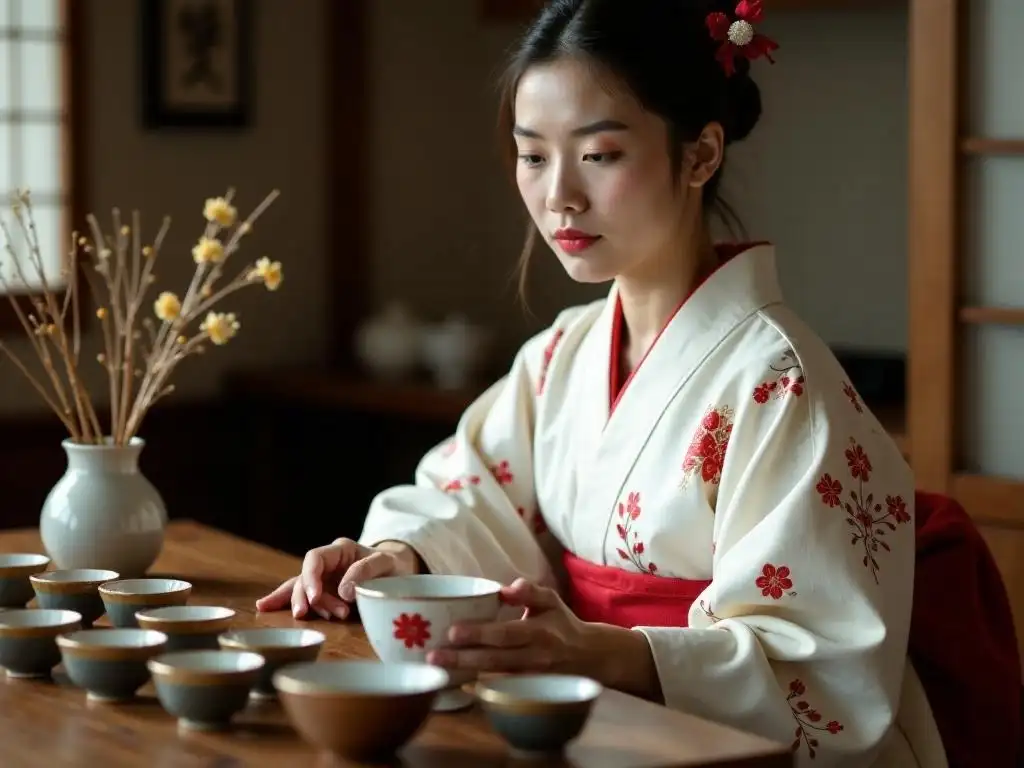
In contemporary society, the role of women in Japanese tea culture has evolved significantly, reflecting broader changes in gender roles and societal expectations. Modern perspectives highlight the contributions of female figures in both traditional and innovative tea practices. As the appreciation for matcha and various tea ceremonies expands globally, women are increasingly at the forefront, not only preserving historical techniques but also infusing contemporary creativity into the tea experience. This dual influence fosters a rich tapestry of cultural evolution that honors the past while paving the way for future developments.
Contemporary Female Tea Masters and Their Contributions
Today, numerous contemporary female tea masters are redefining the landscape of Japanese tea culture. Figures such as Katsuko Hoshino and Hana Matsumoto have garnered acclaim for their expertise in the art of tea preparation and ceremony. They emphasize the meditative aspects of tea, encouraging participants to engage fully with each moment. Through workshops and public demonstrations, these tea masters are not only teaching the traditional methods but also advocating for sustainability in tea production and consumption.
In addition to their roles as educators, contemporary female tea masters are actively involved in the global tea community. They participate in international tea competitions, collaborate with chefs to create unique tea pairings, and contribute to the discourse on the cultural significance of tea in modern life. Their contributions extend beyond the confines of the tea room, as they promote a holistic understanding of tea culture that encompasses health benefits, environmental considerations, and social connections.
The Evolution of Women’s Roles in Tea Culture Today
The evolution of women’s roles in Japanese tea culture reflects broader societal changes. Traditionally, women were primarily seen as caretakers of tea ceremonies, responsible for the meticulous preparation and presentation of tea. However, in recent decades, their roles have expanded significantly. Women are now recognized as leaders, innovators, and educators within the tea community.
This shift is evident in the increasing number of female-led tea schools and organizations that advocate for inclusivity and diversity. Young women are encouraged to explore their interests in tea, whether through formal training or personal exploration. This evolution has led to a more nuanced understanding of tea culture, where women are not merely participants but vital contributors to its ongoing narrative.
Challenges Faced by Women in the Modern Tea Scene
Despite the progress made, women in the modern tea scene continue to face challenges. Gender biases persist, particularly in areas like leadership positions within tea organizations or recognition in competitions. Many women report feeling overshadowed by their male counterparts, despite possessing similar or even superior skills and knowledge. This disparity can discourage younger generations from pursuing careers in the tea industry.
Moreover, the demanding nature of running a tea business or teaching tea ceremonies often results in a challenging work-life balance. Women frequently juggle professional responsibilities with family obligations, which can limit their opportunities for growth and visibility in the industry. Addressing these challenges requires collective efforts within the tea community to foster an environment that supports and uplifts women.
Conclusion: The Lasting Legacy of Women in Japanese Tea Culture
The impact of women on Japanese tea culture is profound and enduring. Their roles, both historical and contemporary, have shaped the way tea is perceived and enjoyed today. As custodians of tradition and agents of innovation, women have ensured that tea culture remains dynamic and relevant in a rapidly changing world.
Reflections on the Impact of Female Figures
Reflecting on the contributions of female figures in tea culture highlights the importance of recognizing and celebrating their legacies. From the early days of tea introduction in Japan to the present, women have played pivotal roles in shaping the nuances of tea preparation, ceremony, and appreciation. Their influence extends beyond the tea room, impacting societal norms and cultural practices.
As we honor the contributions of women in tea culture, it becomes essential to continue supporting their endeavors, ensuring that future generations can thrive in an inclusive and equitable environment. The stories of female tea masters serve as inspiration, reminding us that their passion and dedication have the power to transform both individuals and communities.
The Future of Women in Japanese Tea Culture
Looking forward, the future of women in Japanese tea culture appears promising. As the global interest in tea continues to grow, there is an unprecedented opportunity for women to take on leadership roles and innovate within the industry. The rise of digital platforms allows female tea masters and enthusiasts to share their knowledge and experiences widely, fostering a global community that transcends geographical boundaries.
Moreover, initiatives aimed at supporting women in tea, such as mentorship programs and networking events, are becoming increasingly common. These efforts create spaces for collaboration and knowledge sharing, empowering women to pursue their passions and aspirations within the tea culture. As the narrative of women in Japanese tea culture continues to unfold, it is crucial to recognize their indispensable contributions and advocate for their rightful place in this rich cultural heritage.
References and Further Reading on Women in Japanese Tea Culture
The exploration of women's roles in Japanese tea culture is rich and multifaceted, encompassing various perspectives from historical texts, scholarly articles, and visual media. Below is a curated selection of resources that can provide deeper insights into the impact of female figures on the development of tea culture in Japan.
Suggested Books and Articles
-
"The Book of Tea" by Okakura Kakuzō
This classic text delves into the aesthetics and philosophy of tea in Japan, offering a glimpse into the cultural significance of tea ceremonies and the influence of women in shaping these traditions.
-
"Tea Life, Tea Mind" by Shinichi Inoue
This book explores the spiritual and cultural dimensions of tea in Japan, highlighting the contributions of women, particularly in the realm of tea ceremonies and their teachings.
-
"Women in the World of Tea" by Patricia J. Graham
This scholarly work examines the role of women in the tea industry, from production to consumption, and discusses how their contributions have shaped tea culture throughout Japanese history.
-
"The Way of Tea: Reflections on a Japanese Tradition" by David S. N. Hinton
This book provides a comprehensive overview of the tea ceremony, with special attention to the roles women have played as practitioners and educators of this intricate art.
-
"Shadows of the Sun: The Women of Tea" by Fumiko Enomoto
This article discusses the historical impact of women on tea cultivation and the cultural practices surrounding tea in Japan, offering valuable insights into their contributions.
Documentaries and Visual Media on Tea and Women
-
"The Tea Road"
This documentary explores the history and culture of tea, including segments dedicated to the influence of women in tea production and ceremonies. It highlights their roles in sustaining and promoting tea culture in Japan.
-
"The Art of Tea: A Journey Through Japan"
This visual documentary focuses on the traditional tea ceremony, featuring interviews with female tea masters who discuss their experiences and the evolution of tea culture through their perspectives.
-
"Chaji: The Great Tea Ceremony"
This film provides an in-depth look at the Japanese tea ceremony, emphasizing the significance of women in this cultural practice and their contributions to its refinement and dissemination.
-
"Tea: The Story of a Leaf"
This documentary traces the journey of tea from leaf to cup, including narratives about women who have historically shaped the tea industry, both in Japan and globally.
By engaging with these resources, readers can gain a comprehensive understanding of the essential roles women have played in the development and perpetuation of Japanese tea culture.
Frequently Asked Questions
What role did women play in the development of tea culture in Japan?
Women were pivotal in shaping tea culture through their roles as tea practitioners, often serving as the primary educators and transmitters of tea-related rituals and aesthetics.
The social status of women, particularly those from samurai or merchant families, allowed them to engage in tea ceremonies, enhancing their influence in the cultural and artistic realms of society.
Were there any notable female figures in Japanese tea culture?
Yes, several female figures, such as Sen no Rikyū’s disciples, made significant contributions to tea aesthetics and the philosophy behind tea ceremonies, elevating their status in this cultural practice.
How did historical changes affect women's roles in tea culture?
With shifts in political and social structures during different periods, women's roles in tea culture evolved, reflecting broader changes in societal norms and expectations.
What are the modern implications of women's contributions to Japanese tea culture?
Today, the legacy of women in Japanese tea culture continues to inspire new generations of tea enthusiasts, highlighting the importance of gender in the understanding and appreciation of this rich cultural tradition.
Final Reflection: The Enduring Legacy of Women in Japanese Tea Culture
The profound influence of women in Japanese tea culture remains a vital part of our contemporary understanding of this cherished tradition. As we explore the historical and cultural significance of female figures in the development of tea practices, we recognize that their contributions are not merely relics of the past but are woven into the very fabric of tea culture today. The stories of these women serve as a powerful reminder of the strength and resilience that have shaped this art form, highlighting the essential role they play in nurturing and preserving its legacy.
The impact of women in tea culture transcends generations, shaping social norms and cultural practices that continue to resonate in modern society. From the revered tea masters to the everyday practitioners, their influence fosters a sense of community and connection among tea enthusiasts. As we reflect on this ongoing legacy, we are reminded of the words of tea master Sen no Rikyū: Tea is a way of life.
This sentiment encapsulates the essence of how women have not only contributed to the art of tea but have also enriched the lives of those who partake in it, creating a shared experience that transcends time and space.
As we conclude this exploration of women in Japanese tea culture, I invite you to reflect on the lessons embedded within their stories. Consider how you can honor this legacy in your own life, whether by cultivating mindfulness in your daily rituals or by sharing the beauty of tea culture with others. Let us carry forward the spirit of these remarkable women, ensuring that their contributions are celebrated and that the art of tea continues to thrive for generations to come.
Celebrate & Empower: Join the Tea Culture Movement!
Thank you for exploring the inspiring role of women in shaping tea culture with us! You've uncovered valuable insights into how female figures have transformed this cherished tradition. Now, it’s time to take your newfound knowledge and make an impact yourself. Here are some actions you can take:
- Join a local tea community: Participate in workshops or attend tea tastings to connect with like-minded individuals and celebrate the art of tea together.
- Share your favorite tea story: Write a blog post or social media update highlighting a remarkable woman in tea history who inspires you. Let others know why her contribution is significant!
- Explore new tea varieties: Experiment with unique blends from female-led brands. Your taste buds will thank you, and you’ll be supporting empowering women entrepreneurs in the tea industry.
What’s your favorite way to honor the legacy of women in tea culture? Share your thoughts below!