
The Craft of Kintsugi: The Art of Repairing in Edo Culture

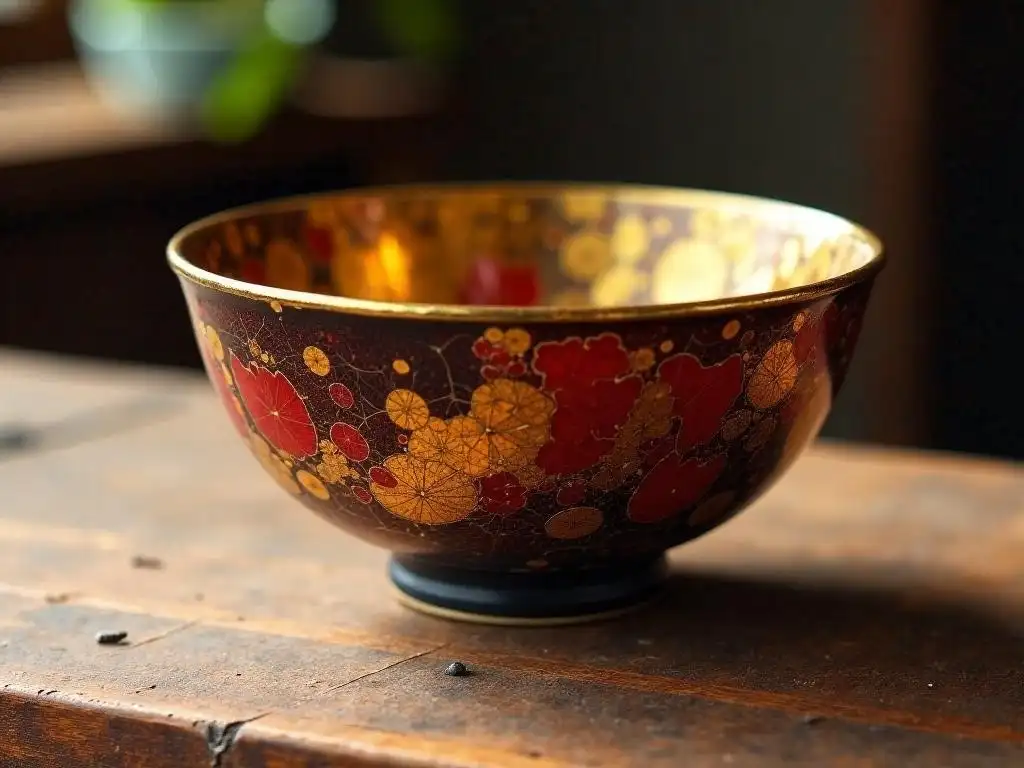
Welcome to Feudal Japan History, where we invite you to journey into the rich tapestry of Japan’s feudal era. Delve into the intricate world of Kintsugi, a remarkable art form that transcends mere repair, revealing profound cultural significance during the Edo period. As we explore the delicate balance of beauty and imperfection, you'll uncover how this practice reflects the very essence of Edo culture and its enduring legacy.
Join us as we unravel the threads of history, art, and philosophy that make Kintsugi a compelling symbol of resilience and transformation. Are you ready to discover the art of repairing through the lens of history?
Introduction to Kintsugi in Edo Period Culture
The art of Kintsugi, an intricate and philosophical technique of repairing broken pottery, emerges as a significant cultural practice during Japan's Edo period (1603-1868). This unique craft not only represents the physical act of mending but also embodies deeper meanings related to beauty, resilience, and the acceptance of imperfection.
As we delve into the rich tapestry of Edo period culture, we uncover how Kintsugi serves as a metaphor for life's experiences, illustrating the intricate relationship between art and philosophy in a society deeply influenced by its historical and spiritual context. The practice of Kintsugi invites us to reflect on the values of transformation and renewal, making it an essential aspect of cultural history during this era.
Understanding Kintsugi: Definition and Philosophy
Kintsugi, which translates to "golden joinery," involves repairing broken ceramic pieces with lacquer dusted or mixed with powdered gold, silver, or platinum. This technique not only restores the functionality of the pottery but also highlights its cracks and imperfections, turning flaws into a central feature of the artwork. The philosophy behind Kintsugi revolves around the idea of wabi-sabi, which appreciates beauty in imperfection and transience.
- Key Principles of Kintsugi:
- Embracing Imperfection: Rather than disguising flaws, Kintsugi celebrates them, reflecting a profound acceptance of life’s challenges.
- Transformation through Repair: Each repaired piece tells a story, illustrating that brokenness can lead to beauty and strength.
- Sustainability and Resourcefulness: Kintsugi embodies a mindset of reusing and valuing what is already present, aligning with ecological principles.
Historical Context: The Edo Period and Its Cultural Significance
The Edo period was marked by peace, stability, and economic growth following centuries of warfare. This era saw a flourishing of arts and culture, contributing to the emergence of Kintsugi as a prominent practice.
- Cultural Developments:
- Urbanization and Consumerism: The rise of the merchant class in Edo led to increased demand for decorative arts and craftsmanship, including ceramics.
- Influence of Tea Culture: The tea ceremonies popular during this period valued aesthetics, making Kintsugi a fitting expression of art that complemented the elegance of the tea experience.
- Integration of Zen Philosophy: Zen principles influenced many aspects of Edo culture, including Kintsugi, emphasizing mindfulness and appreciation for the present.
The Origins of Kintsugi
Kintsugi has roots that extend deep into Japan's cultural fabric, blending artistry with philosophical thought. Understanding its origins provides insight into how this craft evolved during the Edo period and beyond.
Historical Roots of Kintsugi in Japan
The practice of Kintsugi is believed to have originated in the late 15th century, following the introduction of tea culture from China. Initially, broken ceramics would be discarded or replaced, but over time, artisans began to repair them in ways that transformed the pieces into unique works of art.
- Evolution of the Craft:
- From Repair to Artistry: As Kintsugi gained popularity, it transcended mere repair to become a respected art form, often commissioned by tea masters and collectors.
- Documentation and Techniques: Manuals and treatises from the Edo period began to document Kintsugi techniques, ensuring its preservation and evolution.
Influences of Zen Buddhism on Kintsugi Practices
Zen Buddhism played a pivotal role in shaping the philosophy and practice of Kintsugi. The principles of Zen resonate deeply within the craft, emphasizing the beauty of impermanence and the importance of mindfulness.
- Zen Principles Reflected in Kintsugi:
- Impermanence (Anicca): The acknowledgment that all things are transient aligns closely with the practice of Kintsugi, which highlights the history of an object rather than masking its past.
- Mindfulness in Craftsmanship: The careful and meditative process of repairing pottery encourages artisans to engage deeply with each piece, reinforcing the connection between creation and appreciation.
Kintsugi not only exemplifies a unique artistic technique but also serves as a profound philosophical statement within Edo period culture, inviting us to embrace the beauty of imperfection and the art of repair.
The Techniques of Kintsugi
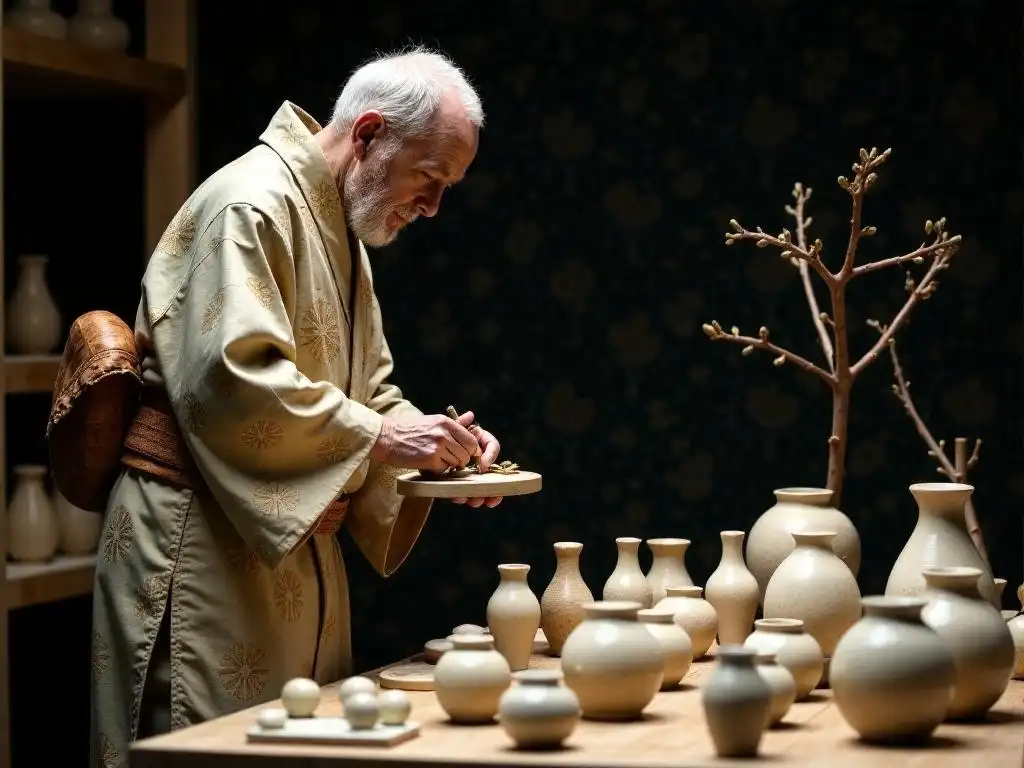
Kintsugi, the Japanese art of repairing broken pottery with lacquer mixed with powdered gold, silver, or platinum, reflects a unique aesthetic and philosophical approach deeply embedded in Edo period culture. This technique emphasizes not merely fixing the item but transforming it into a work of art, showcasing its history and imperfections. The craftsmanship involved in Kintsugi is meticulous, requiring both skill and a deep understanding of materials and aesthetics.
Traditional Methods of Kintsugi Repair
The traditional methods of Kintsugi repair can be categorized into several distinct techniques. These include:
- Kintsugi (Gold Repair): The most recognized form, where broken pieces are joined with lacquer and sprinkled with gold powder, emphasizing the cracks and the beauty of imperfection.
- Kintsukuroi (Golden Joinery): Similar to Kintsugi, but this term often highlights the artistic aspect of the repair, celebrating the object's new form rather than simply restoring it.
- Shinto Kintsugi: This method incorporates spiritual elements, where the repair is seen as a ceremony, often accompanied by rituals that honor the object's past.
Each of these methods contributes to the overall philosophy of Kintsugi, where the act of repair is as significant as the original creation of the pottery.
Materials Used in Kintsugi: Gold, Lacquer, and Ceramics
The materials used in Kintsugi are integral to its practice, each serving a specific purpose. The primary materials include:
- Lacquer: Traditionally derived from the sap of the urushi tree, lacquer acts as the adhesive that binds the broken pieces. Its natural properties provide flexibility and durability.
- Gold Powder: The most valued element, gold powder is mixed with lacquer to highlight the repaired areas. This not only adds visual appeal but also symbolizes the beauty of resilience.
- Ceramics: The base material itself often carries historical and cultural significance. The type of ceramic used can vary, from everyday items to exquisite tea bowls, each telling its own story.
These materials are not chosen haphazardly; they are selected for their ability to enhance the beauty of the repaired object while ensuring its longevity.
Step-by-Step Process of Kintsugi Repairing
The Kintsugi process is a delicate and thoughtful procedure that involves several key steps:
- Assessment: Evaluate the extent of damage and determine the best way to piece the item back together.
- Cleaning: Ensure that all pieces are clean and free of dust or debris, which could interfere with the adhesive.
- Adhesion: Apply lacquer to the broken edges and carefully align the pieces, allowing them to bond.
- Filling Gaps: If necessary, fill larger gaps with lacquer to create a smooth surface.
- Gold Application: Once the lacquer has dried, the gold powder is applied to the cracks using a brush or by dusting it onto the lacquer.
- Final Touch: After everything has dried, a final layer of lacquer may be applied to protect the gold and enhance the finish.
This meticulous process not only repairs the object but also transforms it into a unique piece of art, embodying the philosophy of Kintsugi.
The Symbolism of Kintsugi in Edo Period Culture
Kintsugi transcends the mere act of repair; it is steeped in symbolism that resonates deeply within Edo period culture. The practice embodies a worldview that embraces the beauty of imperfection and the inevitability of change.
Embracing Imperfection: The Philosophy of Wabi-Sabi
Central to Kintsugi is the philosophy of Wabi-Sabi, which celebrates impermanence and imperfection. This aesthetic finds beauty in the flawed, the rustic, and the incomplete. In the context of Kintsugi, broken pottery is not seen as worthless; instead, it is cherished for its history and the narrative of its damage. The visible repairs become a testament to the object's journey, reminding us that beauty can be found in the scars of life. This philosophy encourages individuals to embrace their own imperfections, fostering a more profound appreciation for life's transient nature.
Kintsugi as a Metaphor for Resilience and Healing
Beyond aesthetics, Kintsugi serves as a powerful metaphor for resilience and healing. The repaired pottery symbolizes the ability to overcome adversity, highlighting the strength found in vulnerability. Just as broken pottery is given new life through Kintsugi, individuals can find strength in their struggles, transforming pain into beauty. This perspective was particularly resonant during the Edo period, a time of social change and upheaval in Japan, where the ability to heal and adapt was paramount. Kintsugi, therefore, reflects not only a craftsmanship technique but also a broader cultural narrative that celebrates resilience, recovery, and the beauty of life's imperfections.
Kintsugi's Impact on Edo Society
The art of Kintsugi, which literally translates to "golden joinery," emerged during the Edo period (1603-1868) as a unique philosophical and artistic practice that profoundly influenced Japanese society. This technique involves repairing broken pottery with lacquer mixed with powdered gold, silver, or platinum, transforming imperfections into beautiful enhancements. The practice not only reflects a deep appreciation for the aesthetics of brokenness but also embodies the Edo period's values, such as wabi-sabi, which embraces impermanence and imperfection. Kintsugi became more than just a method of repair; it symbolized resilience and the beauty of life’s scars.
Kintsugi's impact extended beyond individual households and artisans; it influenced social interactions and cultural expressions. In a society that valued harmony and the beauty of nature, Kintsugi provided a means for individuals to connect with their possessions on a deeper level. Broken items were not discarded but cherished, and the act of repairing them became a meditative process, fostering mindfulness and appreciation for craftsmanship. This cultural shift encouraged a more sustainable approach to consumption, where the focus was on repair and reuse rather than replacement.
The Role of Kintsugi in Daily Life and Aesthetics
In Edo society, Kintsugi played a significant role in daily life and aesthetics, influencing how people perceived their possessions and the concept of beauty. Everyday items, such as tea bowls and plates, were not merely functional objects; they were considered vessels of history and memory. The act of repairing these items through Kintsugi allowed individuals to maintain a connection to their past while simultaneously celebrating the present. The visible seams of gold highlighted the journey of each object, telling a story of resilience and transformation.
Kintsugi also found its place in the tea ceremony, a crucial cultural practice during the Edo period. Tea masters often favored Kintsugi-repaired utensils, as they embodied the principles of wabi-sabi, enhancing the overall experience of the ceremony. The repaired vessels became symbols of harmony and acceptance, reinforcing the idea that imperfections could be celebrated as integral parts of an object's identity. This aesthetic shift not only enriched the visual landscape of Edo culture but also fostered a deeper appreciation for the transient nature of life.
Kintsugi in Edo Art and Craftsmanship
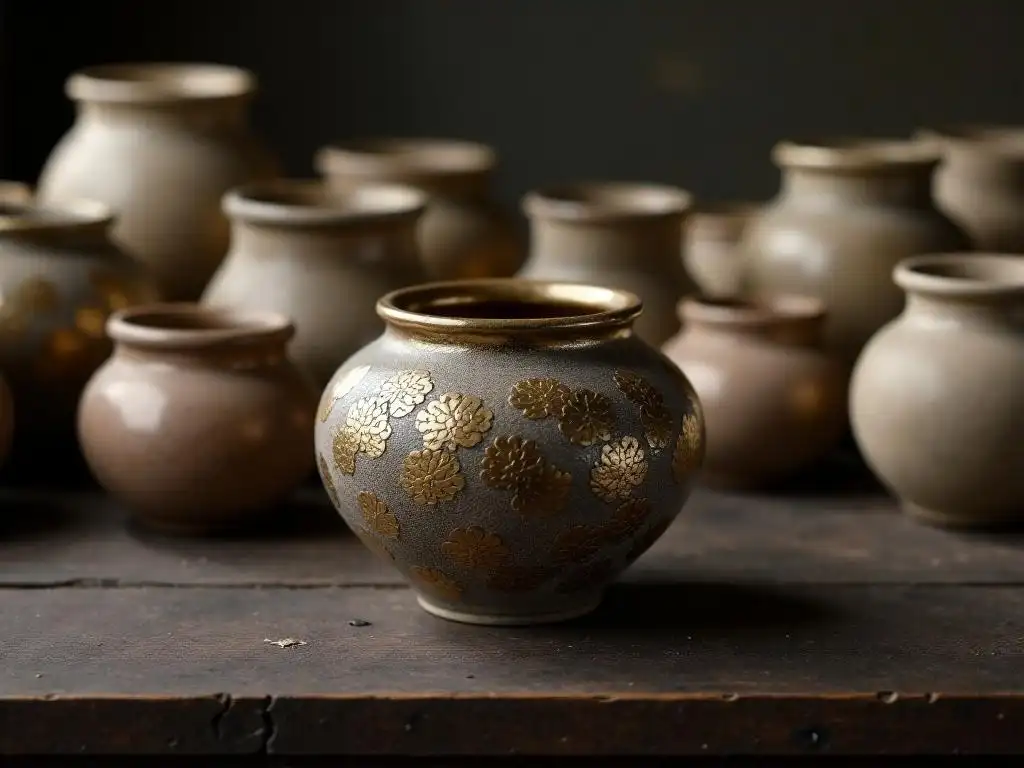
Kintsugi significantly influenced Edo art and craftsmanship, merging traditional techniques with innovative approaches to repair. Artisans began to embrace Kintsugi as a legitimate art form, showcasing their skills in both pottery and the application of gold repairs. This technique allowed for the creation of unique pieces that were not only functional but also served as works of art. As a result, Kintsugi became a celebrated practice among artisans, who often engaged in friendly competition to produce the most exquisite repairs.
The impact of Kintsugi extended to other art forms as well. Painters, poets, and calligraphers drew inspiration from the philosophy behind Kintsugi, exploring themes of impermanence, resilience, and beauty in their work. Traditional Japanese aesthetics began to reflect these ideals, leading to a broader cultural appreciation for the beauty of flaws and the art of repair. Kintsugi thus became intertwined with the artistic fabric of the Edo period, influencing not only craftsmanship but also literature and visual arts.
Kintsugi in Contemporary Culture
In contemporary culture, Kintsugi has experienced a revival, resonating with modern sensibilities about sustainability and mindfulness. This resurgence can be attributed to a growing awareness of the environmental impact of consumerism and a desire to reconnect with traditional practices that promote repair over disposal. Kintsugi serves as a metaphor for resilience in the face of challenges, making it particularly relevant in today’s fast-paced world.
The Revival of Kintsugi Practices Today
Today, Kintsugi practices have not only returned to the forefront of Japanese culture but have also gained international recognition. Artists and craftsmen around the world are embracing Kintsugi, integrating its principles into their work as a means of exploring themes of healing and transformation. Workshops and courses dedicated to Kintsugi are becoming increasingly popular, allowing individuals to engage in hands-on learning and experience the meditative process of repair.
Furthermore, the revival of Kintsugi is often accompanied by a broader movement towards sustainability. Many contemporary practitioners emphasize the importance of using local and natural materials, promoting eco-friendly practices that align with the original ethos of Kintsugi. This modern interpretation reinforces the value of craftsmanship and the thoughtful appreciation of objects, encouraging a shift in consumer behavior towards more sustainable choices.
Kintsugi's Influence on Modern Art and Design
Kintsugi's influence has permeated modern art and design, inspiring a new wave of creativity that prioritizes imperfection and authenticity. Contemporary artists often draw upon the aesthetics of Kintsugi to challenge traditional notions of beauty and value. The visible repairs and the embrace of flaws serve as powerful statements about vulnerability, resilience, and the human experience.
In design, Kintsugi principles have been applied to furniture, fashion, and home decor, where the focus is on creating pieces that tell a story rather than merely serving a functional purpose. The concept of celebrating imperfections has led to the emergence of "wabi-sabi" design, which values organic forms, natural materials, and the beauty of wear over time. As a result, Kintsugi continues to shape contemporary culture, reminding us that our scars can become sources of beauty and strength.
Conclusion: The Lasting Legacy of Kintsugi in Edo Period Culture
Kintsugi, the art of repairing broken pottery with lacquer dusted or mixed with powdered gold, silver, or platinum, emerged as a profound cultural practice during the Edo period in Japan. This technique not only reflects the aesthetic preferences of the time but also encapsulates deeper philosophical and spiritual tenets inherent in Japanese culture. The legacy of Kintsugi extends far beyond mere craft; it represents a profound appreciation for the beauty of imperfection and the stories that broken objects carry.
The Edo period, marked by peace, stability, and a flourishing of arts and crafts, saw Kintsugi evolve into a skill that transcended its practical application. It became a metaphor for resilience, encouraging individuals to embrace their imperfections and the passage of time. The lasting legacy of Kintsugi is evident today, as it continues to influence contemporary art and design, embodying the principles of wabi-sabi—finding beauty in the transient and imperfect. As modern artisans and enthusiasts revive this ancient practice, they pay homage to the Edo period's rich cultural tapestry while fostering a renewed appreciation for the art of repair.
The Enduring Appeal of Kintsugi in Japanese Culture
The appeal of Kintsugi in Japanese culture endures, resonating deeply with contemporary values of sustainability and mindfulness. In an age dominated by throwaway culture, the practice of Kintsugi offers a refreshing perspective that champions repair over replacement. This philosophy aligns closely with the modern movement towards environmental consciousness, where the idea of reusing and repurposing materials is gaining traction.
Moreover, Kintsugi has transcended its origins as a mere craft to become a symbol of hope and healing. In today's society, where mental health and well-being are increasingly prioritized, the act of mending broken items serves as a poignant reminder of our own journeys of recovery and resilience. The aesthetic beauty of repaired pottery, highlighted by visible seams of gold, mirrors the scars of life that tell stories of struggle and triumph. As such, Kintsugi remains a powerful and relevant symbol in Japanese culture, promoting the idea that imperfections can lead to unique and beautiful outcomes.
Kintsugi as a Reflection of Cultural Values and Identity
Kintsugi is not just an art form; it is a profound reflection of Japanese cultural values and identity. The practice embodies the principles of mono no aware, an appreciation for the ephemeral nature of life, which teaches that everything is transient and that beauty can be found in the fleeting moments of existence. This awareness encourages a deep emotional connection to objects, as each repaired piece of pottery tells a story of its past, embracing the scars of its journey.
Additionally, Kintsugi aligns closely with the Zen Buddhist philosophy that permeated Edo period culture. The focus on simplicity, mindfulness, and acceptance of impermanence is beautifully expressed in the art of Kintsugi. By celebrating the history of an object rather than hiding its flaws, Kintsugi fosters a sense of identity that values authenticity and the unique experiences that shape our lives.
Kintsugi serves as a rich cultural narrative that reflects the values of resilience, beauty in imperfection, and a deep appreciation for the stories that define our existence. Through this art form, the legacy of Edo period culture continues to thrive, reminding us of the importance of embracing our history and the beauty that can arise from our scars.
- Introduction to Kintsugi in Edo Period Culture
- Understanding Kintsugi: Definition and Philosophy
- Historical Context: The Edo Period and Its Cultural Significance
- The Origins of Kintsugi
- The Techniques of Kintsugi
- The Symbolism of Kintsugi in Edo Period Culture
- Kintsugi's Impact on Edo Society
- The Role of Kintsugi in Daily Life and Aesthetics
- Kintsugi in Edo Art and Craftsmanship
- Kintsugi in Contemporary Culture
- Conclusion: The Lasting Legacy of Kintsugi in Edo Period Culture
Frequently Asked Questions
Kintsugi is the art of repairing broken pottery using lacquer dusted with powdered gold, silver, or platinum. This technique flourished during the Edo period, reflecting the cultural values of beauty and imperfection.
How does Kintsugi reflect the philosophy of Wabi-Sabi?
Kintsugi embodies the Wabi-Sabi philosophy, which appreciates the beauty in imperfection and transience. This aesthetic aligns closely with the Edo period, emphasizing the acceptance of flaws as part of an object’s history.
What materials are typically used in Kintsugi?
The traditional materials for Kintsugi include lacquer for repairing the pottery and metal powders such as gold, silver, or platinum to highlight the repairs. This combination transforms broken pieces into works of art.
Is Kintsugi still practiced today?
Yes, Kintsugi is still practiced today and has gained popularity worldwide. It continues to symbolize resilience and beauty in healing, making it relevant in contemporary art and design.
How does Kintsugi impact the perception of broken items?
Kintsugi changes the way people view broken items. Instead of seeing them as damaged, the technique highlights their history and uniqueness, promoting a deeper appreciation for the story behind each piece.
Final Reflection: Embracing Imperfection Through Kintsugi
The art of Kintsugi in Edo period culture teaches us that embracing our flaws and imperfections can lead to beauty and resilience. In a world that often prioritizes perfection and uniformity, the philosophy behind Kintsugi resonates profoundly today, reminding us that our scars and breaks can be sources of strength rather than shame. This ancient practice encourages us to see value in the brokenness, transforming what is often discarded into something cherished and unique.
Kintsugi has not only shaped the aesthetic of Japanese art but has also influenced our cultural understanding of resilience and healing. The lessons from this practice extend beyond pottery, inviting us to reflect on our own lives and the ways we cope with adversity. As we navigate our personal challenges, we can take inspiration from Kintsugi, recognizing that our experiences—both good and bad—contribute to our identity. The cracks are where the light shines through,
a sentiment that beautifully encapsulates the transformative power of embracing our imperfections.
As you move forward, I invite you to reflect on your own life through the lens of Kintsugi. Consider how your experiences, including the difficult moments, have shaped who you are today. Let this ancient art inspire you to celebrate your unique journey, and remember that every crack tells a story worth sharing. Embrace the beauty of your imperfections, and allow them to guide you toward a more authentic and fulfilling existence.
Embrace the Beauty of Imperfection!
Thank you for joining us in exploring the fascinating world of Kintsugi, where brokenness transforms into beauty. You've discovered how this age-old practice highlights resilience and the art of repair. Now, let’s take the next step and apply this perspective in your life!
- Start your own Kintsugi project: Gather some broken pottery and experiment with your own repair journey using gold or silver lacquer. Celebrate the imperfections!
- Share your Kintsugi stories: Document your experience on social media with a unique hashtag. Inspire others to embrace their flaws and celebrate the beauty of mending.
- Join a workshop: Look for local or online Kintsugi workshops where you can learn from experts and connect with fellow enthusiasts.
What imperfections in your life have you transformed into something beautiful? Share your thoughts and stories in the comments below!