
The Ties That Bind: Understanding Family and Community Through Festivals in Feudal Japan

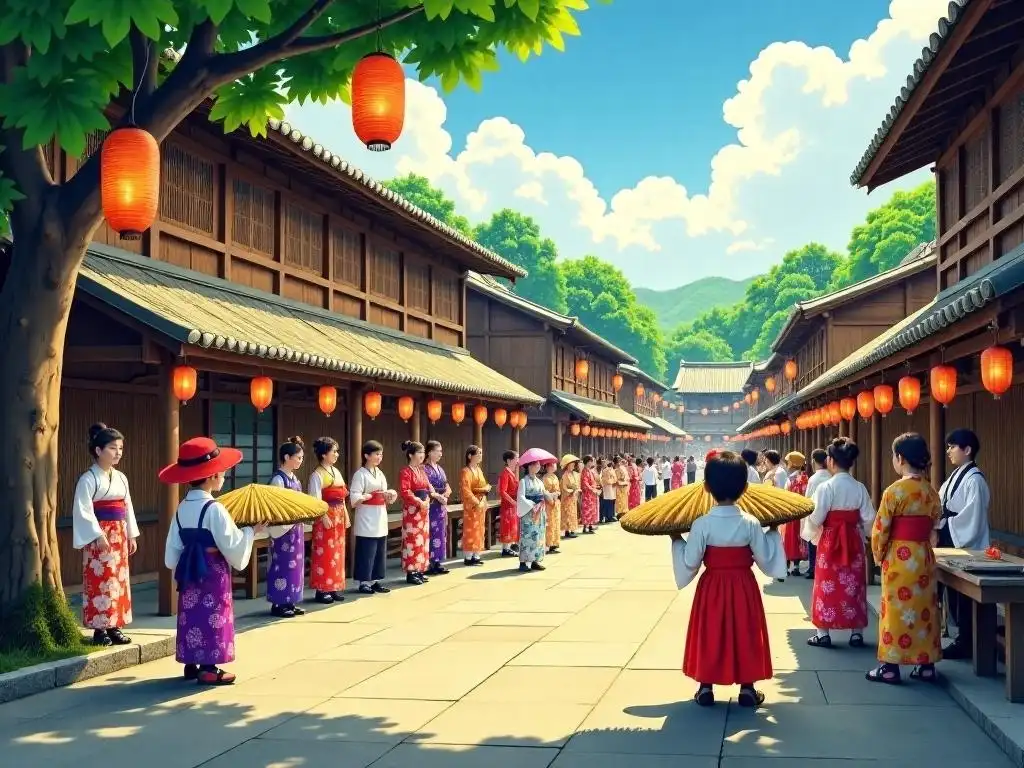
Welcome to Feudal Japan History, where we delve into the intricate tapestry of Japan's feudal era. Here, you will discover the vibrant cultural history that shaped the lives of families and communities. In our featured article, "The Ties That Bind: Understanding Family and Community Through Festivals in Feudal Japan," we invite you to explore how family festivals played a pivotal role in forging bonds and traditions during this fascinating period.
What secrets do these celebrations hold about the values and connections of the time? Join us on this journey to unravel the stories behind the festivals and uncover the profound impact they had on feudal society. Your adventure through history begins now!
Introduction to Feudal Japan Family Festivals
Festivals in feudal Japan were not merely events marked on a calendar; they were vibrant expressions of culture that intricately wove together the threads of family and community. These festivals served as pivotal moments in the lives of the Japanese people, fostering connections and reinforcing the social fabric of their society.
From agricultural celebrations to religious observances, the festivals of feudal Japan highlighted the values and traditions that defined the era. This article delves into the significance of these family festivals, examining how they provided opportunities for communal bonding, cultural expression, and the maintenance of familial ties within the broader context of feudal Japan's societal structure.
Overview of Feudal Japan’s Cultural Landscape
Feudal Japan, spanning from the late 12th century to the early 19th century, was characterized by a complex social hierarchy and a rich cultural tapestry. The samurai class, with its strict codes of conduct, coexisted alongside farmers, artisans, and merchants, each contributing to the cultural milieu. Festivals were deeply embedded in this landscape, reflecting the diverse beliefs, practices, and lifestyles of Japan's varying social classes.
- Religious Influences: Shintoism and Buddhism played pivotal roles in shaping the festivals, with many events dedicated to appeasing deities or marking significant religious dates.
- Seasonal Celebrations: Festivals often aligned with the agricultural calendar, celebrating planting and harvest seasons, which were crucial for the agrarian society.
- Artistic Expressions: The arts flourished during this time, with performances, traditional music, and crafts prominently featured in festival activities.
Importance of Family and Community in Feudal Japan
In feudal Japan, family and community were the cornerstones of social life. The family unit was considered paramount, representing not only lineage but also the transmission of culture, values, and responsibilities. Festivals provided an essential platform for these familial bonds to be expressed and strengthened.
- Reinforcement of Kinship: Family gatherings during festivals highlighted the importance of ancestral respect and the continuity of family traditions.
- Community Engagement: Festivals acted as a catalyst for community involvement, drawing together neighbors and relatives to participate in shared rituals and celebrations.
- Cultural Transmission: Through festivals, traditions and stories were passed down through generations, ensuring the survival of cultural identities.
Historical Context of Festivals in Feudal Japan
To truly understand the significance of family festivals in feudal Japan, it's essential to explore their historical context. Festivals evolved alongside Japan’s shifting political and social landscapes, reflecting the values and challenges of their times.
Evolution of Festivals During the Feudal Era
The festivals of feudal Japan underwent significant transformations, influenced by historical events, social changes, and cultural exchanges.
- Early Festivals: Originating from ancient agricultural rites, these early festivals were primarily focused on ensuring bountiful harvests and appeasing the gods.
- Medieval Influences: As the samurai class rose to prominence, festivals began to incorporate elements of military honor and loyalty, celebrating the achievements of warriors and their clans.
- Regional Variations: Different regions developed unique festivals, influenced by local customs, geography, and historical events, showcasing the diversity of Japan’s cultural heritage.
The Role of Festivals in Social Cohesion
Festivals played a crucial role in fostering social cohesion within communities during the feudal era. They provided a structured opportunity for interaction and collaboration among community members.
- Community Identity: Through shared participation in festivals, individuals forged a collective identity, reinforcing their place within the social hierarchy.
- Conflict Resolution: Festivals often served as neutral grounds for resolving disputes, allowing community members to come together in a spirit of festivity and goodwill.
- Strengthening Alliances: Inter-clan festivals facilitated alliances and relationships between different families and communities, further solidifying social bonds.
Understanding family and community through the lens of festivals in feudal Japan provides invaluable insights into the era's cultural dynamics. The interplay of tradition, social structure, and communal engagement during these celebrations highlights the enduring significance of family festivals in shaping Japan's historical identity.
Types of Family Festivals in Feudal Japan
Feudal Japan was characterized by a rich tapestry of festivals that served as a vital link between family, community, and tradition. These festivals were not only occasions for celebration but also pivotal moments for reinforcing familial ties and social cohesion. The diversity of these festivals can be categorized into three main types: agricultural, seasonal, and religious festivals. Each type played a unique role in the lives of families and communities, reflecting the values and beliefs of feudal society.
Agricultural Festivals: Celebrating the Harvest
Agricultural festivals, known as "Nōka Matsuri," were fundamental to the agrarian lifestyle that dominated feudal Japan. These festivals typically took place during the harvest season and were essential for expressing gratitude to the deities for a bountiful harvest. Families would come together to participate in rituals that involved offerings of rice and sake, aiming to ensure future prosperity.
One of the most notable agricultural festivals was the "Niiname-sai," a ceremony in which the emperor offered the first rice of the season to the gods. Local communities mirrored this practice on a smaller scale, emphasizing the connection between the family unit and agricultural success. The entire community would gather for feasting, games, and traditional performances, reinforcing social bonds and collective identity.
Seasonal Festivals: Marking the Changing of Seasons
Seasonal festivals, often celebrated throughout the year, marked significant transitions in nature and were crucial in the rhythm of life in feudal Japan. These festivals, such as "Hanami" (cherry blossom viewing) in spring and "Tsukimi" (moon viewing) in autumn, served to strengthen family ties while honoring the beauty of nature.
Families would often organize picnics under blooming cherry trees or gather in their homes to appreciate the full moon. These gatherings were filled with storytelling, poetry, and the sharing of seasonal foods, which deepened connections among family members. The communal aspect of these festivals reinforced the notion of harmony between nature and humanity, allowing families to bond over shared experiences and collective memories.
Religious Festivals: Connecting Spirituality and Community
Religious festivals in feudal Japan were deeply rooted in Shinto and Buddhist beliefs, serving as a conduit for families to connect with spiritual practices and community. "Obon," for example, is a festival that honors the spirits of ancestors, where families come together to perform rituals and dances to welcome back their loved ones.
During these festivals, families would clean their homes, prepare special foods, and participate in local shrine ceremonies. This not only fostered a sense of reverence for ancestors but also provided an opportunity for families to reflect on their shared history and values. The communal celebrations included communal bonfires and dances, which created an atmosphere of unity and remembrance, underscoring the significance of family in spiritual traditions.
The Significance of Family in Feudal Japan Festivals
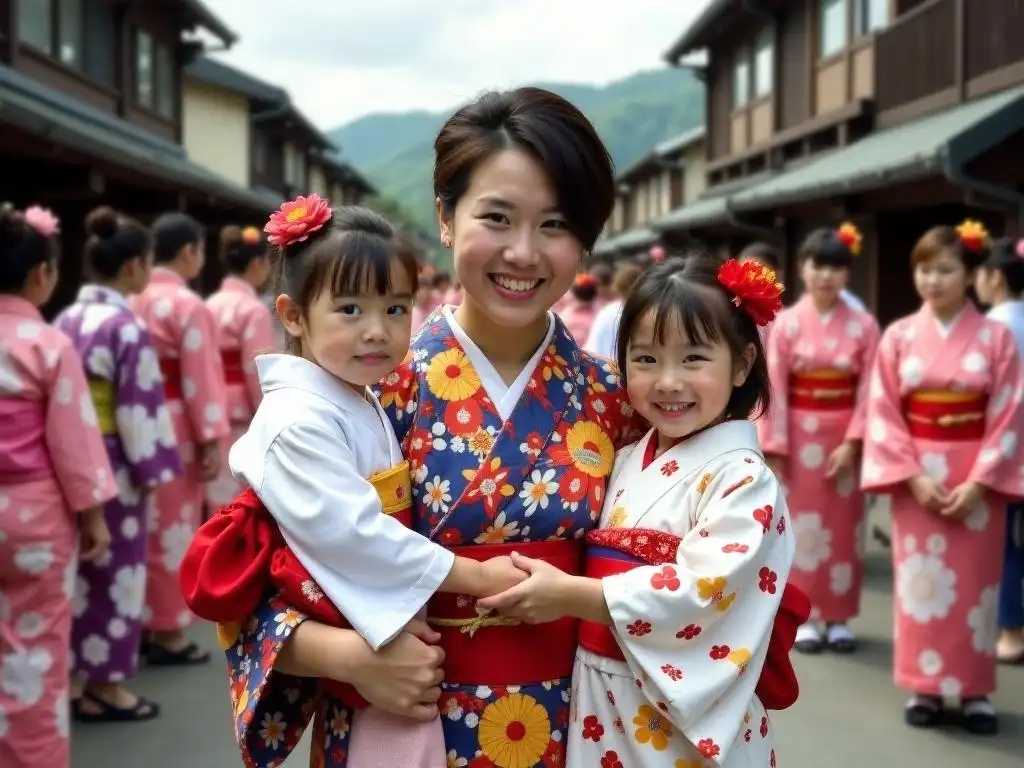
In feudal Japan, family was the cornerstone of society, and this importance was vividly reflected in the festivals celebrated across the country. These gatherings served multiple purposes, from strengthening family bonds to reinforcing community ties, making them integral to the social fabric of the era.
Family Roles and Responsibilities During Festivals
During festivals, each family member had specific roles and responsibilities that contributed to the overall success of the celebration. Elders often took charge of organizing events, ensuring that traditions were upheld and that rituals were performed correctly. Parents instilled cultural values in their children through participation, teaching them the significance of their heritage.
Children, in turn, played crucial roles in the festivities, from helping in preparations to performing traditional dances. This intergenerational involvement not only fostered a sense of belonging but also ensured the transmission of cultural knowledge, reinforcing the family unit's importance in sustaining traditions.
The Impact of Festivals on Family Bonds
Festivals in feudal Japan were pivotal in strengthening family bonds, creating lasting memories through shared experiences. They provided a rare opportunity for families to come together amidst the demands of daily life. The joy, laughter, and collective participation in rituals helped cultivate a sense of unity and belonging.
Moreover, the festivals served as a reminder of the importance of ancestry and community, reinforcing the notion that families were part of a larger social network. This interconnectedness through festivals fostered resilience within families, allowing them to navigate the challenges of feudal life while maintaining a strong sense of identity and continuity. The impact of these gatherings on familial relationships cannot be overstated; they were vital in nurturing love, respect, and cooperation among family members.
Community Engagement in Feudal Japan Festivals
Festivals in feudal Japan served as vital conduits for community engagement, reflecting the social fabric and cultural values of the time. These events were not merely celebrations; they were essential gatherings that reinforced community ties and facilitated collective identity among the people. Festivals provided a structured opportunity for individuals to come together, share experiences, and participate in shared traditions, thus strengthening their bonds and enhancing community cohesion.
The participation in these festivals often transcended social classes, allowing samurai, farmers, and townsfolk to engage with one another. This inclusivity was significant in a society characterized by strict hierarchical structures. Through festivals, communities could momentarily break down these barriers, fostering a sense of unity and common purpose. Moreover, festivals were often organized around local deities or seasonal changes, which added a layer of spiritual significance, further solidifying the communal experience.
How Festivals Fostered Community Relationships
Festivals played a crucial role in fostering relationships among community members. They provided a backdrop for social interaction, where individuals could forge friendships, create alliances, and strengthen familial ties. For instance, during the rice planting festivals, families would gather to work together in the fields, promoting cooperation and mutual support. These communal activities not only emphasized the importance of teamwork but also reinforced family bonds through shared labor and celebration.
Moreover, festivals often included competitive elements, such as games and contests, which encouraged friendly rivalry and camaraderie. This interaction helped to break down social barriers, allowing people from different backgrounds to connect and collaborate. The shared joy of celebration, coupled with the mutual effort in organizing and participating in the events, cultivated a sense of belonging and responsibility towards one’s community.
The Role of Local Leaders and Organizers
Local leaders and organizers played a pivotal role in the success and sustainability of festivals in feudal Japan. These individuals, often from the samurai class or respected community elders, took on the responsibility of planning and executing the festivals. Their leadership ensured that the events were well-coordinated and that they adhered to cultural traditions and rituals.
The organizers acted as mediators, bringing together diverse groups within the community, and ensuring that everyone had a role to play. Their influence was crucial in mobilizing resources, whether it was securing funding, gathering supplies, or rallying volunteers for festival activities. By fostering collaboration and encouraging participation, local leaders helped to strengthen the communal ties that were essential for the festivals' success.
Rituals and Traditions Associated with Family Festivals
Rituals and traditions were integral to family festivals in feudal Japan, as they imbued these events with cultural significance and spiritual meaning. Each festival was marked by a series of carefully orchestrated ceremonies that honored deities, celebrated the changing seasons, and acknowledged significant life events such as births, marriages, and harvests.
These rituals often involved offerings to kami (spirits or gods) and included prayers for prosperity and health. The involvement of families in these rituals not only emphasized their spiritual obligations but also reinforced their roles within the community, highlighting the interconnectedness of family and society.
Common Practices and Ceremonies
Common practices during family festivals included purification rituals, processions, and the performance of traditional dances and music. For example, the Shichi-Go-San festival celebrated the growth of children, where families would dress their young ones in traditional attire and visit shrines to pray for their well-being. Such practices not only honored family lineage but also celebrated the community's collective hopes for the future.
Additionally, the Matsuri ceremonies often featured parades and floats, showcasing the community's artistic talents and fostering a sense of pride. These events provided a platform for families to publicly express their heritage and cultural identity, reinforcing their connections to both family and community.
Symbolism of Food, Dance, and Music in Festivals
Food, dance, and music played crucial roles in conveying the symbolism of family festivals in feudal Japan. Traditional foods prepared during these festivals were not just for sustenance; they carried deep meanings, often representing fertility, prosperity, and the bounty of nature. For example, rice, a staple in Japanese culture, was central to many festivals, symbolizing sustenance and life.
Dance and music were vital for creating an atmosphere of joy and unity. Each performance was steeped in tradition, reflecting the community's history and values. The rhythmic movements and melodic tunes served to galvanize participants, inviting them to join in celebration, thus reinforcing social bonds. The use of music and dance during these festivals not only entertained but also acted as a medium for storytelling, passing down cultural narratives through generations.
The rituals, practices, and communal engagements during family festivals in feudal Japan played an essential role in shaping social dynamics, reinforcing family ties, and celebrating cultural identity. These vibrant expressions of community life left a lasting legacy, highlighting the importance of festivals as a means of fostering connections among families and the broader community.
Case Studies of Notable Family Festivals
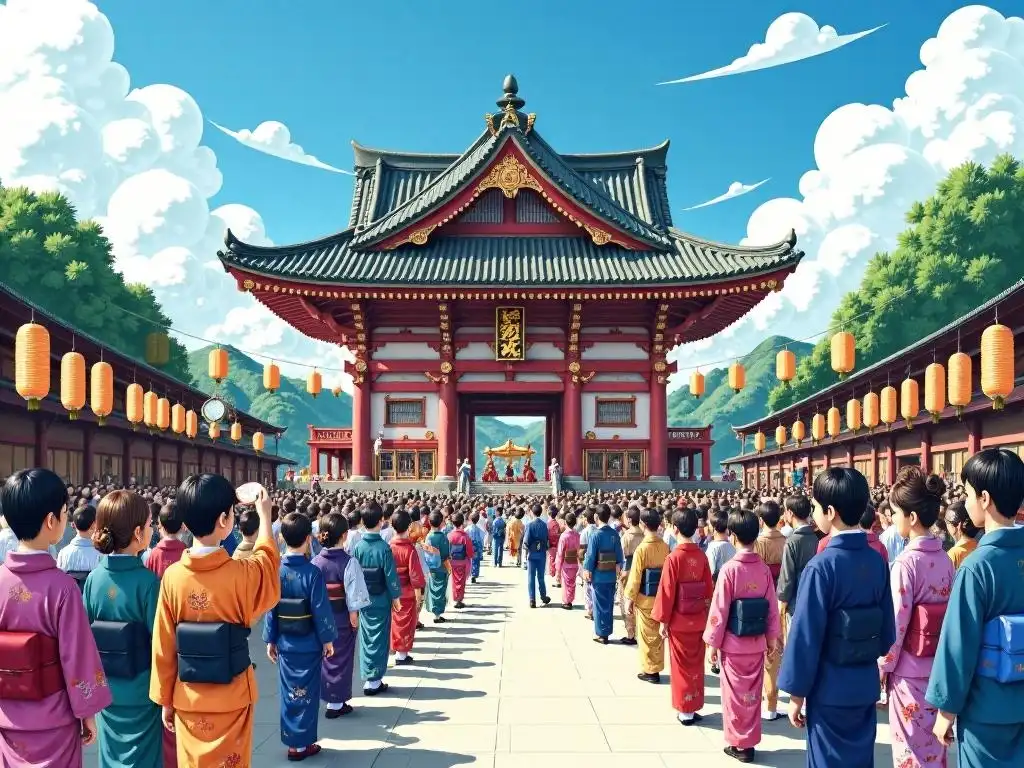
In the rich tapestry of feudal Japan, family festivals served as crucial moments for community bonding and cultural expression. These celebrations not only marked seasonal changes and agricultural cycles but also reinforced familial ties and communal identity. Two prominent examples of such festivals are the Gion Matsuri and Tanabata Matsuri, each showcasing unique cultural significance and family involvement.
Example 1: Gion Matsuri
The Gion Matsuri, held annually in Kyoto, is perhaps one of the most renowned festivals in Japan, celebrated throughout the month of July. Originally a purification ritual to appease the gods during a time of plague in the 9th century, this festival transformed over time into a grand celebration that unites families and communities.
During the Gion Matsuri, elaborate floats called "yamaboko" are paraded through the streets, representing various neighborhoods within Kyoto. Each float is richly decorated and showcases the craftsmanship of the community. Families participate not just as spectators but as active contributors, helping to build and decorate these floats, preparing traditional foods, and engaging in local rituals. This sense of participation fosters a strong sense of belonging and reinforces family bonds, as multiple generations come together to uphold traditions and celebrate their shared heritage.
Moreover, the festival includes ceremonial rituals, music, and performances, allowing families to connect with their cultural roots. The Gion Matsuri exemplifies how festivals in feudal Japan were not merely entertainment but a vital expression of community identity and familial connections.
Example 2: Tanabata Matsuri
Tanabata Matsuri, celebrated in early July, is another significant family festival rooted in Japanese folklore. The festival commemorates the meeting of two celestial lovers, Orihime and Hikoboshi, who are separated by the Milky Way and can only reunite once a year. This romantic tale resonates deeply with families, symbolizing love, hope, and the importance of relationships.
During Tanabata, families engage in various activities, including writing wishes on colorful strips of paper known as "tanzaku," which are then hung on bamboo branches. This practice emphasizes the collective aspirations of families, encouraging members to express their hopes and dreams openly. The vibrant decorations and communal participation enhance the festival's festive atmosphere, making it a cherished occasion for families to gather and celebrate together.
In feudal Japan, Tanabata Matsuri was also an opportunity for families to reflect on their relationships and social bonds, making it a deeply personal and communal experience. The festival's blend of mythology, family involvement, and community spirit underscores its lasting significance in Japanese culture.
The Decline of Traditional Festivals in Modern Japan
While festivals like Gion Matsuri and Tanabata Matsuri continue to hold cultural significance, the landscape of traditional family festivals in Japan has experienced notable decline in recent years. Various factors have contributed to this decline, affecting the ways families and communities engage with their cultural heritage.
Factors Leading to the Reduction of Family Festivals
Several societal changes have led to the reduction of traditional family festivals in Japan. Urbanization has played a significant role, as people increasingly migrate to cities, leaving behind rural communities where many festivals originated. This migration has resulted in a disconnection from local customs and traditions that once bound families and communities together.
Additionally, the fast-paced modern lifestyle, characterized by busy work schedules and individualism, has diminished the time and energy families can dedicate to participating in traditional festivals. As a result, many younger generations may not feel the same sense of obligation or enthusiasm to engage in these cultural practices, leading to a gradual decline in attendance and participation.
Moreover, the influence of globalization and modernization has introduced new forms of entertainment and celebration, often overshadowing traditional festivals. This shift has caused some festivals to adapt or even fade away, as they struggle to compete with more contemporary forms of leisure.
Efforts to Revive Festivals and Cultural Heritage
Despite these challenges, there are concerted efforts underway to revive traditional festivals and preserve cultural heritage in Japan. Local governments and community organizations are increasingly recognizing the importance of these festivals in fostering community spirit and familial ties.
Initiatives such as educational programs in schools aim to teach children about the significance of local festivals, encouraging them to participate alongside their families. Moreover, many festivals are being revitalized by incorporating modern elements while retaining their traditional roots, making them more appealing to younger generations.
Community workshops and events are also being organized to engage families in the preparation and celebration of festivals, ensuring that the skills and traditions associated with these events are passed down through generations. By fostering a sense of pride and connection to their cultural heritage, these efforts aim to reinvigorate family festivals and ensure their place in contemporary Japanese society.
While the challenges facing traditional family festivals in modern Japan are significant, the ongoing efforts to revive and celebrate these cultural practices highlight a resilient spirit. Through community engagement and education, there is hope that these festivals will continue to play a vital role in strengthening familial and communal bonds for generations to come.
Conclusion: The Lasting Legacy of Family Festivals in Feudal Japan
The family festivals of feudal Japan represent more than mere celebrations; they encapsulate the essence of community and familial bonds that were foundational to Japanese society during this era. These festivals served as vital expressions of cultural identity, reinforcing social structures and communal ties. As families gathered to honor deities, celebrate harvests, or commemorate historical events, they fostered a sense of belonging that transcended individual households. The rituals and traditions passed down through generations not only provided spiritual sustenance but also created lasting memories, thereby intertwining personal and communal histories.
The impact of these festivals continues to resonate in contemporary Japan. Many of the traditions and practices established during the feudal period have been preserved and adapted, reflecting the evolving nature of Japanese culture while still honoring its roots. The vibrant celebrations seen today often draw directly from the customs of the past, showcasing the resilience of these cultural practices. Thus, the legacy of feudal Japan’s family festivals endures, serving as a testament to the importance of community and the intricate connections that bind people together.
Reflections on Community and Family from Historical Festivals
Historical festivals in feudal Japan were instrumental in shaping the social fabric of communities. They served as a powerful reminder of the interconnectedness of families and the shared values that upheld societal cohesion. Through these festivals, families not only celebrated their lineage and cultural heritage but also reinforced their roles within the broader community.
For instance, during festivals such as Obon and Matsuri, families would come together to pay homage to their ancestors, expressing gratitude and respect. These gatherings facilitated dialogues across generations, allowing the elderly to pass down wisdom while fostering appreciation among the youth for their cultural heritage. Moreover, the communal aspect of these festivals encouraged collaboration among families, as they worked together to prepare for the events, share resources, and ensure the success of the celebrations.
As such, these historical festivals acted as a mirror, reflecting the values of loyalty, respect, and cooperation that were critical in feudal Japan. They instilled a sense of duty towards both family and community, reinforcing the idea that the welfare of one’s family was intrinsically tied to the health of the community at large.
The Future of Festivals in Preserving Cultural Identity
As the world continues to globalize, the challenge of preserving cultural identity becomes ever more pressing. Festivals rooted in feudal Japan offer a unique opportunity to maintain and promote cultural heritage. They are not just relics of the past; rather, they serve as living traditions that can adapt to modern contexts while still honoring their historical significance.
The resurgence of interest in local festivals can be seen as a response to the rapid changes in society. Communities are increasingly recognizing the value of these celebrations as a means of fostering social cohesion and cultural pride. By engaging younger generations in these festivals, organizers can instill a sense of belonging and responsibility towards their heritage.
Furthermore, the integration of technology in festival planning and participation can enhance outreach and engagement. Virtual platforms can enable wider participation, allowing people from diverse backgrounds to experience and learn about these traditions. This approach not only preserves the significance of family festivals but also expands their reach, ensuring that the cultural identity they embody continues to thrive in the future.
Family festivals from feudal Japan are more than mere historical events; they are vibrant expressions of community and identity that remain relevant today. By embracing these traditions, future generations can keep the spirit of their ancestors alive, fostering a deeper understanding of their cultural roots and the values that bind them together.
- Introduction to Feudal Japan Family Festivals
- Historical Context of Festivals in Feudal Japan
- Types of Family Festivals in Feudal Japan
- The Significance of Family in Feudal Japan Festivals
- Community Engagement in Feudal Japan Festivals
- Rituals and Traditions Associated with Family Festivals
- Case Studies of Notable Family Festivals
- The Decline of Traditional Festivals in Modern Japan
- Conclusion: The Lasting Legacy of Family Festivals in Feudal Japan
Frequently Asked Questions
What were family festivals in feudal Japan?
Family festivals in feudal Japan were significant cultural events that celebrated ancestry, harvest, and seasonal changes, reinforcing family bonds and community ties.
Festivals in feudal Japan often showcased the hierarchical nature of society, with festivities varying based on social class and regional traditions, thereby illustrating the interconnectedness of family and community.
What role did Shinto and Buddhism play in these festivals?
Shinto and Buddhism played a crucial role in family festivals by providing spiritual significance and rituals that honored deities and ancestors, thus enriching the cultural fabric of feudal Japan.
How did festivals help in preserving cultural identity?
Family festivals were vital for preserving cultural identity in feudal Japan, as they allowed communities to maintain their traditions, share stories, and pass down customs through generations.
Are there any modern equivalents of these festivals in Japan today?
Yes, many modern Japanese festivals still reflect the traditions of feudal Japan, celebrating family, community, and heritage, while adapting to contemporary cultural expressions and practices.
Final Reflection: The Enduring Legacy of Family Festivals in Feudal Japan
The exploration of family festivals in feudal Japan reveals their profound significance in shaping community bonds and cultural identity. Today, as we navigate a world that often feels fragmented, the lessons from these historical celebrations remind us of the importance of unity and shared experiences. The rituals and traditions that once brought families and communities together continue to resonate, illustrating how festivals can serve as a powerful antidote to modern isolation.
Cultural festivals have always been a reflection of societal values and familial connections, and their influence persists in contemporary society. The communal spirit fostered during these gatherings not only strengthened familial ties but also reinforced the social fabric of the community. As we reflect on this, we are reminded of the words of Japanese philosopher Daisaku Ikeda: The bonds of family and community are the foundation of a harmonious society.
This sentiment underscores the ongoing relevance of these festivals, as they continue to inspire modern celebrations that honor heritage and foster togetherness.
As we conclude, I invite you to reflect on the role of festivals in your own life and community. Consider how you can cultivate connections with your family and neighbors through shared traditions, whether they are rooted in history or newly created. By embracing the spirit of togetherness that festivals embody, we can weave stronger ties that bind us, echoing the rich legacy of feudal Japan and ensuring that the essence of community thrives in our lives today.
Embrace Your Connection: Celebrate Feudal Japan Today!
Thank you for exploring the rich tapestry of family and community festivals in feudal Japan! You’ve gained valuable insights into the cultural bonds that shaped society during this fascinating era. Now, let’s take this knowledge and bring it to life through meaningful action.
- Discover local cultural festivals in your area that celebrate heritage; participate actively and engage with your community.
- Share your favorite festival story or insight from feudal Japan on social media or in a community group to inspire others.
- Connect with fellow history enthusiasts in online forums or communities to discuss and delve deeper into the traditions that fostered family ties.
What do you believe is the most inspiring lesson from the festivals of feudal Japan that continues to resonate in our communities today?