
Zen Buddhism and the Arts: Calligraphy, Poetry, and the Spirit of WabiSabi

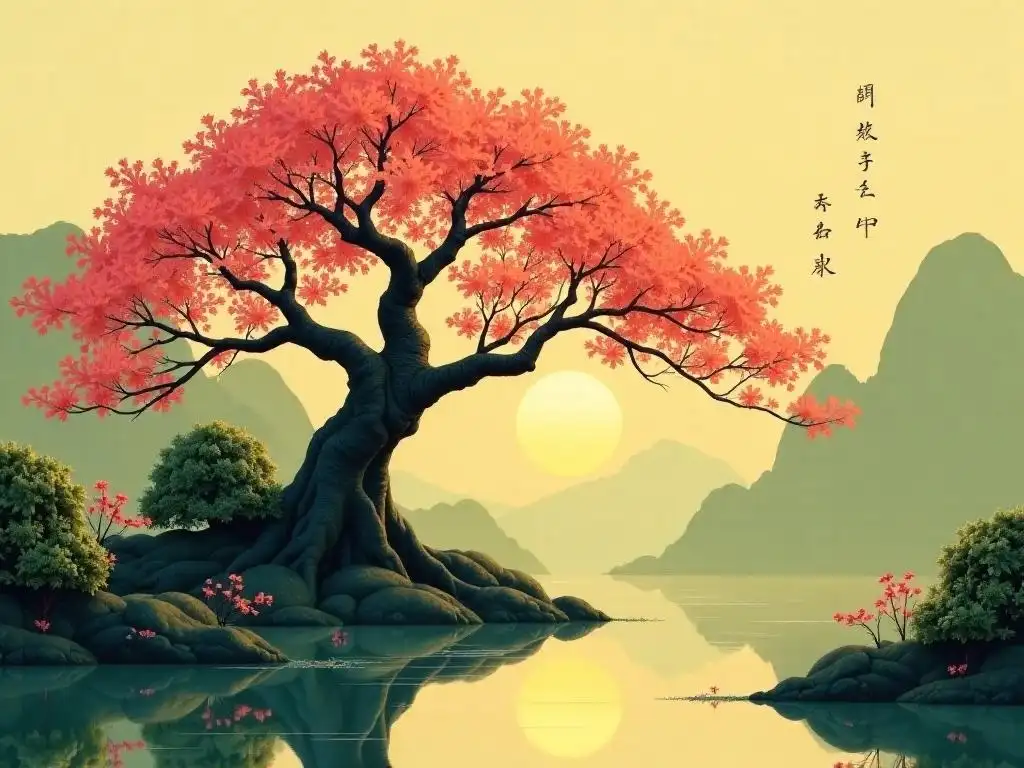
Welcome to Feudal Japan History, where we embark on a captivating journey through the rich tapestry of Japan's feudal era. In this exploration, we delve into the intricate relationship between Zen Buddhism and the arts, revealing how this profound philosophy has shaped the realms of calligraphy, poetry, and the very spirit of Wabi-Sabi.
Prepare to uncover the subtle beauty and deep significance of these art forms as you navigate our expertly crafted articles. Join us as we unlock the secrets of a time where spirituality and creativity intertwined seamlessly, inviting you to discover the essence of Zen that continues to inspire today.
Zen Buddhism in Japanese Art: An Overview
Zen Buddhism has profoundly influenced various aspects of Japanese culture, particularly in the realm of the arts. This spiritual and philosophical tradition, which emerged in China as Chan Buddhism before spreading to Japan, emphasizes direct experience and meditation as pathways to enlightenment. In the context of Japanese art, Zen Buddhism has fostered a unique aesthetic characterized by simplicity, tranquility, and a deep appreciation for the impermanent nature of life. This exploration will delve into how Zen principles have shaped Japanese artistic expressions, specifically in calligraphy, poetry, and the concept of Wabi-Sabi.
Understanding Zen Buddhism and Its Principles
Definition of Zen Buddhism
Zen Buddhism is a school of Mahayana Buddhism that focuses on the attainment of enlightenment through meditation and direct experience. The term "Zen" derives from the Japanese pronunciation of the Chinese word "Chan," which itself comes from the Sanskrit "Dhyana," meaning meditation. Unlike other branches of Buddhism that may emphasize doctrinal teachings, Zen encourages practitioners to seek insight through personal experience and introspection.
Core Principles of Zen Philosophy
At the heart of Zen Buddhism are several core principles that guide practitioners:
- Simplicity: Zen philosophy advocates for a minimalist approach to life, stripping away the excess to reveal the essential.
- Impermanence: Recognizing the transient nature of all things, Zen teaches that beauty lies in the fleeting moments of life.
- Mindfulness: Practicing mindfulness allows individuals to fully engage with the present, appreciating each experience without distraction.
- Non-duality: Zen emphasizes the interconnectedness of all existence, transcending the dualities of self and other.
These principles manifest in various art forms, influencing not only aesthetic choices but also the emotional and spiritual resonance of the works.
The Role of Meditation in Zen Practice
Meditation is a cornerstone of Zen practice, serving as the primary method for cultivating mindfulness and insight. Through sitting meditation, known as Zazen, practitioners develop a heightened awareness of their thoughts, feelings, and sensations. This meditative state fosters a deep connection with the present moment, allowing artists to express their inner experiences authentically. The influence of meditation on artistic creation can be seen in the fluidity and spontaneity of Zen-inspired calligraphy and poetry, where the act of creation becomes a form of meditation itself.
The interplay of Zen Buddhism and the arts in Japan reveals a rich tapestry of cultural expression, deeply rooted in the principles of simplicity, impermanence, and mindfulness. This exploration will unveil the intricate relationship between Zen philosophy and the aesthetic traditions of calligraphy and poetry, as well as the underlying spirit of Wabi-Sabi that pervades Japanese art.
Zen Buddhism's Influence on Japanese Art Forms
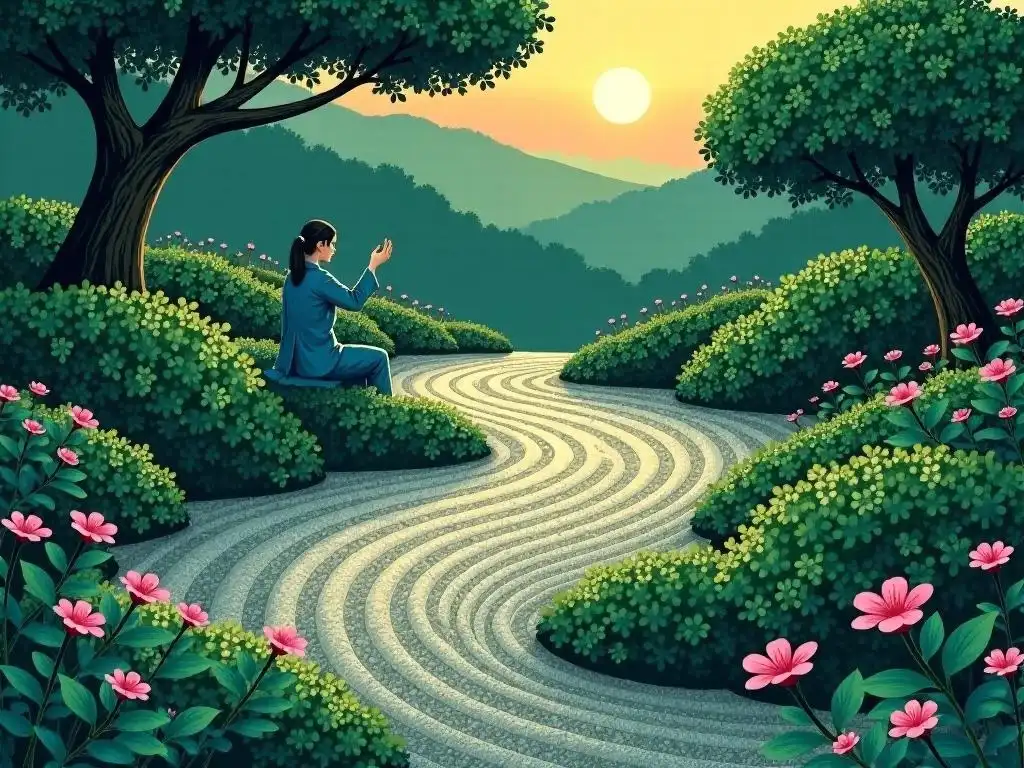
Zen Buddhism has profoundly shaped various artistic expressions in Japan, particularly in calligraphy and poetry. This influence is characterized by a focus on simplicity, nature, and the impermanence of life—elements that resonate deeply with the principles of Zen. The interplay between Zen philosophy and the arts has resulted in a unique cultural phenomenon that continues to inspire artists today.
Calligraphy: The Art of Zen Expression
Historical Context of Zen Calligraphy
Zen calligraphy, known as shodō, emerged in Japan during the Kamakura period (1185–1333), a time when Zen Buddhism gained prominence. The introduction of Zen practices from China influenced Japanese aesthetics and philosophy, leading to a distinctive form of calligraphy that emphasized spontaneity and direct expression. The calligraphers, often Zen monks, sought to embody the essence of Zen teachings through their brushwork, creating a visual representation of inner tranquility and enlightenment.
Techniques and Styles in Zen Calligraphy
The techniques in Zen calligraphy are rooted in the principles of wabi-sabi, which embraces imperfection and transience. Calligraphers employ a variety of styles, including:
- Sōsho (cursive script): Characterized by fluid, sweeping strokes that convey emotion and spontaneity.
- Kaisho (block script): A more structured form, focusing on clarity and precision.
- Gyōsho (semi-cursive script): A blend of both styles, allowing for personal expression while maintaining legibility.
The tools of the trade—brush, ink, paper, and inkstone—are considered sacred, and the act of writing is transformed into a meditative practice. The rhythm of the brush strokes reflects the calligrapher's state of mind, making each piece a unique expression of their spiritual journey.
The Spiritual Significance of Calligraphy in Zen Buddhism
Calligraphy in Zen Buddhism transcends mere visual art; it serves as a means of spiritual expression and contemplation. Each character is viewed as a manifestation of the calligrapher's inner self, embodying their thoughts, feelings, and enlightenment. The process of creating calligraphy is meditative, promoting mindfulness and a deeper connection to the present moment.
The practice of writing sutras (Buddhist scriptures) through calligraphy is also common, as it is believed to bring merit and enhance one's spiritual practice. Thus, Zen calligraphy becomes a conduit for expressing the ineffable truths of Zen teachings, often leading viewers to a contemplative state upon encountering the artwork.
Zen Poetry: Haiku and Beyond
The Origins of Zen Poetry in Japan
Zen poetry in Japan traces its roots back to the 13th century, coinciding with the rise of Zen Buddhism. The simplicity and brevity of Zen teachings found a compelling medium in poetry, particularly in the form of haiku. The haiku emerged as a concise poetic form that encapsulated profound insights about nature and existence, aligning closely with Zen ideals.
Many Zen monks, including the famous Matsuo Bashō, contributed significantly to the development of this poetic style, weaving together images from nature with deep philosophical reflections. The haiku became a way for practitioners to engage with the essence of Zen, capturing fleeting moments of beauty and the transient nature of life.
Key Features of Zen Poetry
Zen poetry is characterized by several key features that distinguish it from other poetic forms:
- Simplicity: Zen poetry often employs straightforward language and structure, avoiding complexity to highlight the beauty of simplicity.
- Nature Imagery: Nature is a central theme, reflecting the Zen belief in interconnectedness and the impermanence of all things.
- Present Moment Awareness: The poems encourage mindfulness, urging readers to contemplate the present moment and find beauty in the ordinary.
The haiku's traditional structure of 5-7-5 syllables serves as a framework for this simplicity, allowing poets to convey profound experiences in just a few words.
The Influence of Zen Philosophy on Haiku
Zen philosophy significantly influences the haiku, inviting readers to engage in a deeper understanding of existence. Key aspects include:
- Impermanence: Reflecting the transient nature of life, haiku often captures fleeting moments that evoke a sense of nostalgia and awareness.
- Non-duality: Zen poetry blurs the lines between subject and object, inviting readers to perceive the unity of all things.
- Intuition and Insight: Haiku encourages poets to express their intuitive understanding of the world, often leading to profound realizations about life and existence.
Through these elements, Zen poetry not only serves as an artistic expression but also as a means of spiritual exploration, inviting both the writer and reader to embark on a journey towards deeper awareness and understanding.
The integration of Zen Buddhism into Japanese art forms such as calligraphy and poetry highlights a unique cultural synthesis. This intersection of spiritual practice and artistic expression continues to resonate, inspiring contemporary artists and poets to explore the depths of Zen philosophy through their work.
The Aesthetics of Wabi-Sabi in Art
The aesthetics of wabi-sabi represent a profound philosophical approach that celebrates the beauty found in imperfection, transience, and the natural cycle of growth and decay. Rooted deeply in Zen Buddhism, this perspective profoundly influences various forms of Japanese art, resulting in unique expressions that resonate with the essence of life itself. Wabi-sabi evokes a sense of tranquility and reflection, inviting viewers to appreciate the fleeting nature of existence through artistic creations.
Defining Wabi-Sabi: Beauty in Imperfection
Wabi-sabi can be defined as an aesthetic ideal that finds beauty in the imperfect, the incomplete, and the transient. The term "wabi" originally referred to the simplicity and rustic elegance of humble living, while "sabi" denotes the beauty that comes with age, wear, and the passage of time. Together, they form a concept that encourages an appreciation for the natural cycle of life, where flaws and imperfections become symbols of authenticity.
In art, wabi-sabi manifests through various mediums, emphasizing organic forms, asymmetry, and a muted color palette. This aesthetic invites viewers to embrace the idea that imperfections are not merely flaws but rather integral components of beauty. Artists who embody wabi-sabi seek to convey a deeper understanding of the human experience, often using materials that age gracefully or display signs of wear.
Wabi-Sabi's Connection to Zen Buddhism
The connection between wabi-sabi and Zen Buddhism is profound, as both ideologies share a fundamental appreciation for simplicity, mindfulness, and the impermanence of life. Zen teachings encourage practitioners to observe the world without attachment to material possessions or rigid expectations, fostering a mindset that resonates with the principles of wabi-sabi.
In Zen gardens, for example, the arrangement of rocks, sand, and plants reflects the wabi-sabi aesthetic, where each element is intentionally placed to evoke a sense of harmony and tranquility. This mindful approach extends to various art forms, including tea ceremonies, pottery, and painting, where the process of creation is as significant as the final product. Artists often meditate on their work, allowing the act of creation to become a spiritual practice that embodies the essence of wabi-sabi.
Examples of Wabi-Sabi in Japanese Art
Wabi-sabi is prominently expressed in several traditional Japanese art forms, showcasing its aesthetic and philosophical principles. Here are a few notable examples:
- Ceramics: Japanese pottery, particularly in styles such as Raku, embodies wabi-sabi through its irregular shapes and glazes that display natural variations. The handmade quality of these ceramics emphasizes the beauty in imperfections, making each piece unique.
- Ikebana: The art of flower arrangement, known as ikebana, often reflects wabi-sabi's principles by focusing on asymmetry and simplicity. Arrangements are designed to highlight the natural forms of the flowers and branches, celebrating their individual characteristics.
- Sado (Tea Ceremony): The traditional Japanese tea ceremony incorporates wabi-sabi through the use of rustic tea utensils and a serene environment that encourages mindfulness. The focus is on the experience rather than perfection, inviting participants to appreciate the moment.
- Calligraphy: In Japanese calligraphy, the strokes and characters often convey a sense of movement and spontaneity, embracing imperfections and the natural flow of ink. This art form highlights the beauty of the brush's interaction with paper, emphasizing the transient nature of each stroke.
Through these examples, it becomes evident that wabi-sabi is not merely an aesthetic choice but a profound philosophy that permeates Japanese art, inviting deeper reflection on the nature of existence and our relationship with the world around us.
The Interconnectedness of Zen Buddhism and Japanese Arts
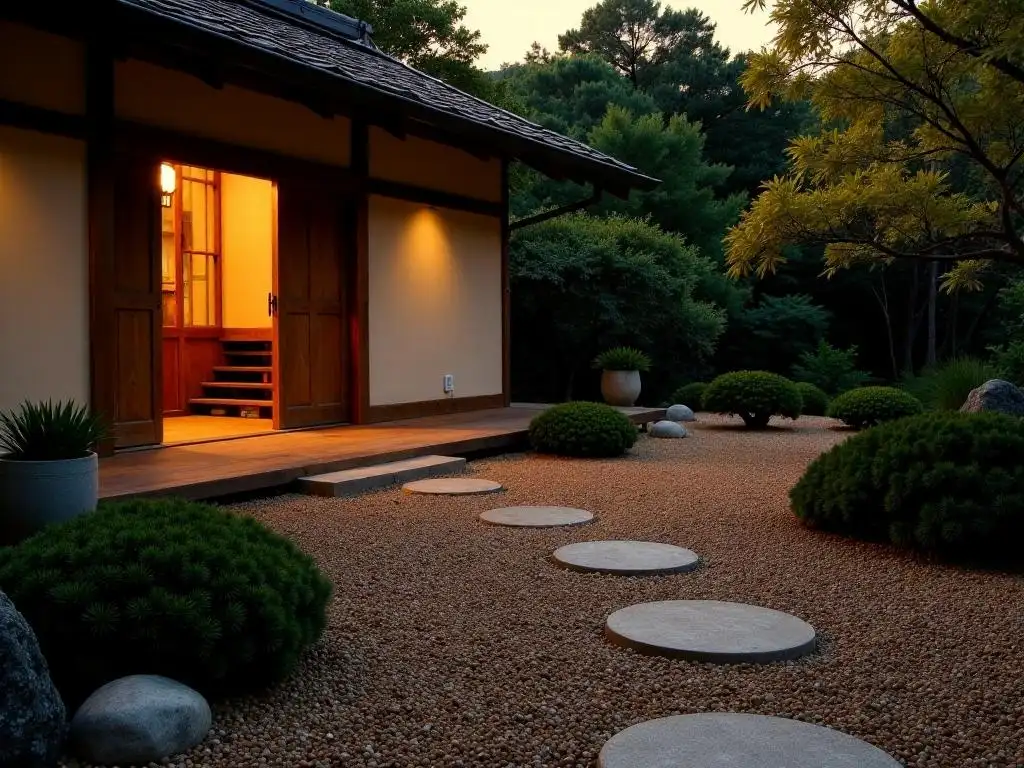
How Zen Buddhism Shapes Artistic Expression
Zen Buddhism has profoundly influenced Japanese artistic expression, serving as a bridge between spirituality and creativity. The core tenets of Zen—simplicity, mindfulness, and the appreciation of imperfection—have led to unique artistic approaches that transcend mere aesthetics. This philosophy is deeply embedded in traditional Japanese arts, including calligraphy, ink painting, and poetry, where artists strive to capture the essence of their subjects rather than merely replicating their forms.
Zen practitioners often engage in zazen (seated meditation) to cultivate a state of heightened awareness, which is reflected in their art. This meditative practice encourages artists to connect deeply with their materials, leading to a genuine expression of their inner selves. For example, in Japanese calligraphy, known as shodō, each brushstroke is a manifestation of the artist's spirit and emotional state at the moment, embodying the principles of wabi-sabi—the beauty found in imperfection and transience.
The Impact of Zen on Visual Arts
Zen Buddhism's influence on visual arts is particularly evident in traditional practices such as ink wash painting ( sumi-e) and the art of flower arranging ( ikebana).
- Sumi-e emphasizes the use of minimal brush strokes to convey profound meaning. Artists often depict landscapes, flora, and fauna, focusing on the interplay of light and shadow to evoke a sense of tranquility and harmony with nature.
- Ikebana, on the other hand, transforms the arrangement of flowers into a meditative practice. The careful selection and placement of each stem reflect the Zen principles of balance and simplicity, where even a few blossoms can convey a powerful message about the fleeting nature of beauty.
The relationship between Zen and visual arts extends to the concept of ma, the space between objects, which further underscores the importance of negative space in creating a balanced composition.
Zen Influence on Performing Arts
Zen Buddhism has also left its mark on Japan's performing arts, particularly in Noh and Kabuki theater.
- Noh, a classical form of Japanese theater, often incorporates Zen themes, showcasing the impermanence of life and the search for enlightenment. The slow, deliberate movements of Noh actors reflect the meditative quality of Zen practice, creating an atmosphere that invites contemplation.
- Kabuki, while more vibrant and dynamic, also draws upon Zen principles through its storytelling. The use of symbolism and the portrayal of human emotions connect deeply with Zen philosophies, allowing audiences to reflect on their own experiences and the nature of existence.
The integration of Zen concepts in performing arts enriches the viewer's experience, creating a profound connection between the audience and the performance.
The Role of Nature in Zen-Inspired Art
Nature holds a central place in Zen Buddhism and is often a primary subject in Japanese art. The natural world serves as a source of inspiration, reflecting the Zen belief in the interconnectedness of all living things. Artists frequently depict landscapes, seasonal changes, and natural phenomena to convey deeper philosophical messages.
- The practice of shakkei, or "borrowed scenery," illustrates how artists integrate their surroundings into their work, emphasizing the beauty of nature as part of the art itself.
- Additionally, the use of natural materials and traditional methods in art creation reinforces the Zen respect for nature, as artists often seek to work harmoniously with their environment.
In this way, nature becomes not only a subject of artistic inquiry but also a vital element in the expression of Zen ideals.
Contemporary Reflections of Zen Values in Modern Art
The influence of Zen Buddhism is not confined to historical contexts; it continues to resonate in contemporary art, reflecting the enduring relevance of its principles.
Evolution of Zen Aesthetics in Contemporary Art
Modern artists have adapted Zen aesthetics to explore new themes and mediums. The minimalist movement, for instance, draws heavily from Zen philosophy, emphasizing simplicity and the elimination of excess.
- Artists such as Donald Judd and Agnes Martin evoke a Zen-like clarity in their works, focusing on form and color to create meditative spaces.
- Furthermore, the concept of wabi-sabi is increasingly embraced in contemporary design and architecture, where the beauty of imperfection is celebrated in everything from furniture to public spaces.
These contemporary adaptations demonstrate how Zen principles continue to inform and inspire artistic innovation.
Case Studies of Modern Artists Inspired by Zen Buddhism
Several modern artists have explicitly drawn upon Zen Buddhism in their work, creating pieces that resonate with the philosophy's core values.
- Yayoi Kusama, known for her immersive installations, explores themes of infinity and connection to nature, reflecting the Zen belief in the oneness of existence. Her use of repetitive patterns and organic forms invites viewers to engage in a meditative experience.
- Anish Kapoor integrates the concepts of void and emptiness in his sculptures, encouraging contemplation and reflection on the nature of being. His works often evoke a sense of stillness that aligns closely with Zen practices.
These artists exemplify how Zen Buddhism can inspire a diverse array of artistic expressions, bridging tradition and modernity.
The Relevance of Zen Principles in Today's Artistic Practices
In today's fast-paced and often chaotic world, the principles of Zen Buddhism offer valuable insights for artists seeking to find balance and meaning in their work.
- Many contemporary artists emphasize mindfulness in their creative processes, using art as a form of meditation that fosters a deeper connection to their materials and concepts.
- Art therapy practices increasingly incorporate Zen principles, highlighting the therapeutic benefits of creativity as a means of exploring one's thoughts and emotions.
The continuing relevance of Zen in modern artistic practices underscores its transformative power, encouraging both artists and audiences to engage with art on a deeper, more mindful level.
Frequently Asked Questions
What is the significance of Zen Buddhism in Japanese art?
Zen Buddhism has profoundly influenced Japanese art, emphasizing simplicity, meditation, and a connection to nature. This philosophy is evident in various art forms, such as calligraphy and painting.
How does calligraphy reflect Zen principles?
In Zen calligraphy, the brush strokes embody the artist's mindfulness and spiritual state. The focus on spontaneity and imperfection captures the essence of Wabi-Sabi, celebrating the beauty of transience.
What role does poetry play in Zen art?
Zen poetry, particularly haiku, reflects the core values of Zen Buddhism, including the appreciation of nature and the moment. It often conveys deep emotions and insights through minimalism and simplicity.
What is Wabi-Sabi and how is it represented in art?
Wabi-Sabi is a Japanese aesthetic that finds beauty in imperfection and impermanence. This concept is often represented in art through asymmetrical designs, muted colors, and natural materials, promoting an appreciation for the transient nature of life.
How has Zen Buddhism influenced modern Japanese artists?
Modern Japanese artists continue to draw inspiration from Zen Buddhism, integrating its principles into contemporary works. This influence can be seen in various forms of artistic expression, encouraging a mindful and introspective approach to creativity.
Final Reflection: Embracing Imperfection in Zen Buddhism and the Arts
In a world increasingly obsessed with perfection and uniformity, the principles of Zen Buddhism remind us of the beauty found in imperfection and transience. The exploration of Zen Buddhism in Japanese art, particularly through calligraphy, poetry, and the spirit of Wabi-Sabi, resonates profoundly today as we navigate a society that often prioritizes the polished over the authentic. This journey into the heart of Zen art reveals that true beauty lies not in flawless execution but in the raw, unrefined essence of the moment.
The influence of Zen Buddhism on Japanese art is a testament to the power of simplicity and mindfulness in our creative expressions. As we engage with the delicate strokes of calligraphy or the evocative lines of poetry, we are invited to reflect on our own experiences and the world around us. The concept of Wabi-Sabi teaches us to appreciate the ephemeral nature of life, encouraging us to find joy in the fleeting moments that make up our existence. The beauty of things is not in the things themselves, but in the meaning they have for us.
This ongoing dialogue between art and life fosters a deeper understanding of our place in the universe and the connections we share with one another.
As you reflect on the teachings of Zen Buddhism and its profound impact on the arts, consider how you can incorporate these principles into your own life. Embrace the imperfections, celebrate the transient moments, and allow yourself to create freely without the burden of perfectionism. Let the spirit of Wabi-Sabi inspire you to find beauty in your everyday experiences and to express yourself authentically. In doing so, you not only honor the legacy of Zen art but also cultivate a richer, more meaningful existence that resonates with the world around you.
Embrace the Beauty of Imperfection!
Thank you for taking the time to explore the captivating world of Zen Buddhism and the arts. By delving into the unique practices of calligraphy, poetry, and the spirit of wabi-sabi, you've uncovered profound insights into mindfulness and creativity. Now, it’s time to put that inspiration into action!
Here are a few ways you can continue your journey:
- Practice your own wabi-sabi calligraphy: Gather some materials and express your creativity—embrace imperfections as part of the beauty in your art!
- Share your insights: Discuss the connections between Zen principles and artistic expression within your community or on social media—invite others to experience the beauty you’ve discovered.
- Explore Zen-inspired poetry: Write a haiku or a reflective piece that captures a moment of imperfection or beauty in your daily life.
What imperfection in your life can you celebrate today? We would love to hear your thoughts below!