
Finding Harmony: The Influence of Zen Philosophy on Japanese Aesthetics

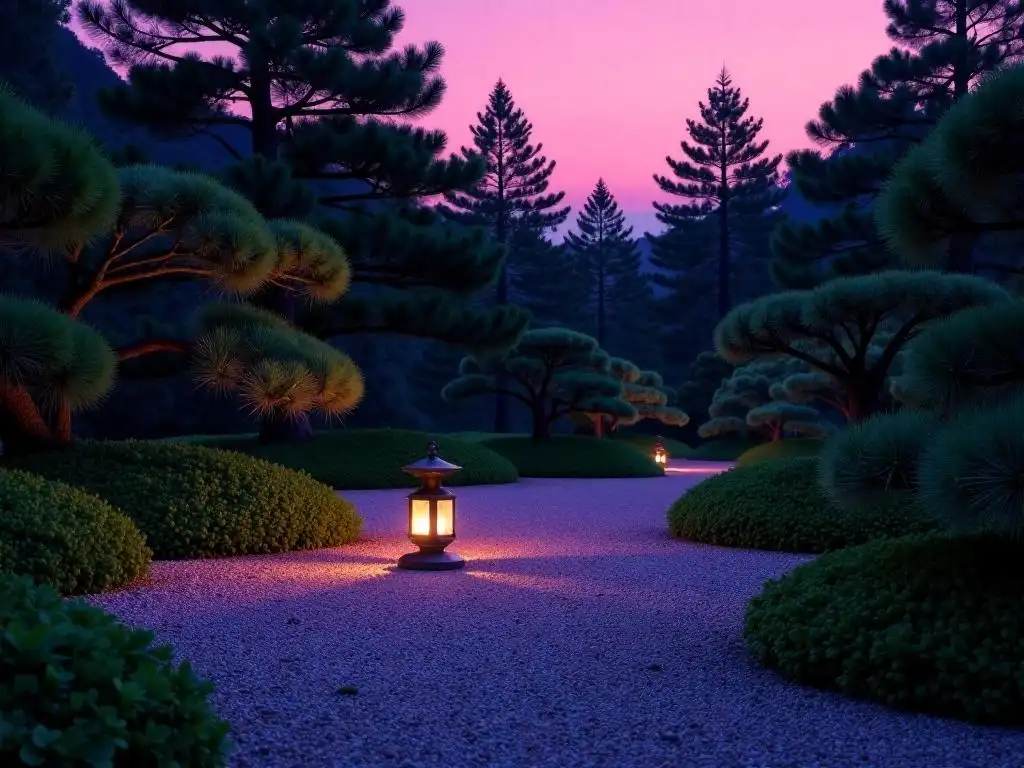
Welcome to Feudal Japan History, where we embark on a captivating journey through the rich tapestry of Japan's feudal era. Prepare to immerse yourself in the profound depths of Zen philosophy in Japanese aesthetics, a theme that intertwines harmony, simplicity, and beauty within the cultural fabric of the time. As you delve into our feature article, "Finding Harmony: The Influence of Zen Philosophy on Japanese Aesthetics," discover how these timeless principles shaped not only art but also the very essence of Japanese life.
Join us as we unveil the intricate connections between philosophy and aesthetics, inviting you to explore a world where every brushstroke tells a story. Your adventure into the heart of cultural history begins now!
Introduction to Zen Philosophy in Japanese Aesthetics
The intricate relationship between Zen philosophy and Japanese aesthetics is a profound aspect of Japan's cultural history. This connection has shaped various artistic expressions, architectural styles, and even everyday practices within Japanese society. Zen, a school of Mahayana Buddhism that emphasizes meditation and intuition, has introduced unique perspectives on beauty and simplicity that resonate deeply within Japanese culture.
Understanding this influence requires an exploration not only of Zen principles but also the historical context in which these ideas flourished. By delving into the essence of Zen philosophy, we can uncover its significant impact on Japan’s artistic heritage and cultural practices.
Understanding Zen Philosophy
Zen philosophy is characterized by its focus on the present moment, meditation, and the pursuit of enlightenment. Unlike other philosophical traditions that might be more theoretical, Zen encourages direct experience and personal insight. Key concepts include:
- Zazen: The practice of seated meditation, which is central to Zen practice.
- Satori: A moment of enlightenment or awakening, representing a deep understanding of reality.
- Non-duality: The idea that distinctions between self and other, subject and object, are ultimately illusory.
This emphasis on direct experience shapes how beauty is perceived in Japanese aesthetics, promoting an appreciation for simplicity, nature, and the ephemeral.
The Historical Context of Zen in Japan
Zen Buddhism was introduced to Japan from China in the 12th century and began to flourish during the Kamakura period (1185-1333). The samurai class, seeking spiritual depth and discipline, played a pivotal role in its propagation. Key historical milestones include:
- The establishment of Zen temples: Notable temples, such as Daitoku-ji and Nanzen-ji, became centers for Zen practice and culture.
- Influence on the arts: Zen's principles began to permeate various art forms, including ink painting, tea ceremonies, and garden design.
- Integration into daily life: Zen practices influenced not only artists but also the general populace, shaping everyday aesthetics and moral values.
This historical development set the stage for a unique fusion of Zen philosophy with Japanese cultural expressions.
Overview of Japanese Aesthetics
Japanese aesthetics is a complex and multifaceted concept that encompasses various ideas about beauty and art. Central to this aesthetic is the belief that beauty can be found in the mundane and the ordinary. Key elements include:
- Wabi-sabi: An aesthetic that finds beauty in imperfection and transience.
- Mono no aware: The awareness of the impermanence of things and the bittersweet appreciation of their fleeting nature.
- Kanso: The beauty of simplicity, emphasizing minimalism and the absence of clutter.
These aesthetic principles resonate with Zen philosophy, creating a harmonious blend that defines much of Japan's artistic output.
The Core Principles of Zen Philosophy
Simplicity and Minimalism
At the core of Zen philosophy is the notion that less is more. This principle manifests in various aspects of Japanese aesthetics, from architecture to visual arts. Minimalism encourages a focus on essential elements, stripping away distractions and fostering clarity. This is evident in:
- Zen gardens: Designed to evoke a sense of peace and contemplation, these gardens often feature carefully arranged rocks, gravel, and minimal plant life.
- Tea ceremonies: The simplicity of the tea ceremony reflects Zen values, emphasizing the beauty of the moment and the purity of the experience.
Impermanence and Transience
The concept of impermanence, or mujo, is fundamental to Zen philosophy and deeply influences Japanese aesthetics. This principle underscores the beauty of fleeting moments, encouraging an appreciation for the ephemeral. Examples include:
- Cherry blossom festivals: These celebrate the brief blooming of sakura trees, symbolizing beauty’s transient nature and prompting reflections on life’s impermanence.
- Kintsugi: The art of repairing pottery with gold, acknowledging flaws and history rather than hiding them, exemplifies how impermanence is embraced rather than shunned.
Naturalness and Asymmetry
Zen philosophy also emphasizes a connection to nature and the acceptance of asymmetry as a reflection of natural forms. This aesthetic can be observed in:
- Ikebana: The art of flower arrangement, which often highlights asymmetrical compositions that reflect the natural growth of plants.
- Architecture: Traditional Japanese homes often blend seamlessly with their surroundings, utilizing natural materials and irregular shapes to harmonize with the landscape.
The influence of Zen philosophy on Japanese aesthetics is profound and pervasive, weaving through the fabric of Japan's cultural history. Understanding these principles provides valuable insight into the beauty and complexity of Japanese art forms and everyday life.
The Impact of Zen Philosophy on Traditional Japanese Arts
Zen philosophy has profoundly influenced various traditional Japanese arts, weaving its principles of simplicity, naturalness, and subtle beauty into the fabric of cultural expression. This philosophy emphasizes the importance of direct experience and intuition over theoretical knowledge, which resonates in the aesthetic choices found in arts such as painting, calligraphy, ceramics, and more. The focus on minimalism in Zen encourages artists to strip away the unnecessary, revealing the essence of their subjects. This approach fosters a deep appreciation for the natural world, often reflected in the themes and techniques employed in traditional Japanese art forms.
In painting, for instance, the influence of Zen can be seen in the use of negative space, which invites viewers to engage with the artwork on a meditative level. This aspect is especially prominent in ink wash painting (sumi-e), where the fluidity of brush strokes captures the spontaneity of nature, often leaving parts of the canvas intentionally blank to evoke tranquility and contemplation. Furthermore, Zen's emphasis on impermanence and transience can be observed in traditional techniques such as the practice of wabi-sabi, which finds beauty in imperfection and the passage of time.
Zen in Japanese Garden Design
Japanese garden design is a quintessential expression of Zen philosophy, embodying the principles of harmony, balance, and tranquility. These gardens are meticulously crafted to evoke a sense of peace and reflection, often incorporating elements such as rocks, water, and plants arranged in a way that encourages contemplation and mindfulness. The design principles are rooted in the belief that nature and human habitation should coexist harmoniously.
One of the most notable features of a Zen garden is the use of gravel or sand, which is raked to symbolize water ripples, creating a serene landscape that reflects the essence of natural bodies of water. The stones and plants are chosen not only for their aesthetic appeal but also for their symbolic meanings, representing mountains, islands, or other natural formations. In this way, Zen gardens serve as miniature representations of the universe, inviting visitors to meditate on their connection to nature and the cosmos.
Zen Influence in Japanese Tea Ceremonies
The Japanese tea ceremony, or "chanoyu," is deeply rooted in Zen philosophy, emphasizing mindfulness, simplicity, and the appreciation of transient beauty. This ritualistic practice goes beyond mere tea preparation and consumption; it is an art form that embodies the essence of Zen principles. Every aspect of the tea ceremony, from the selection of utensils to the arrangement of the tea room, is designed to create a tranquil environment conducive to reflection and presence.
In the tea ceremony, the act of preparing and serving tea becomes a meditative practice. Participants are encouraged to engage fully with the moment, appreciating the flavors, aromas, and aesthetics of the tea experience. The ceremony's focus on simplicity is reflected in the choice of materials and the design of the tea room, which typically features natural elements and minimal decoration, fostering an atmosphere of calm and introspection. The concept of "ichigo ichie," or "one time, one meeting," encapsulates the Zen belief in the uniqueness of each moment, reminding participants to cherish the experience fully.
Zen and Ikebana: The Art of Flower Arrangement
Ikebana, the traditional Japanese art of flower arrangement, is another area where Zen philosophy plays a pivotal role. Unlike Western floral arrangements that prioritize abundance and color, Ikebana emphasizes simplicity, balance, and the natural beauty of individual blooms. The practice is rooted in the idea that flowers can express emotions and convey spiritual messages when arranged thoughtfully.
In Ikebana, the arrangement often consists of a few carefully selected stems, placed in a way that highlights their forms and colors while maintaining harmony within the composition. The use of space, or "ma," is crucial in this art form, reflecting the Zen principle of negative space as a means of achieving balance. Each arrangement is a meditation on nature, inviting both the creator and the viewer to reflect on the impermanence and beauty of life.
Zen Philosophy in Japanese Architecture
Zen philosophy has significantly shaped Japanese architecture, particularly in the design of temples, homes, and public spaces. This influence is evident in the emphasis on natural materials, harmonious proportions, and a seamless integration with the surrounding environment. Zen architecture seeks to create spaces that encourage tranquility and contemplation, allowing individuals to connect with nature and experience a sense of inner peace.
The incorporation of elements such as sliding doors (fusuma) and tatami mats promotes flexibility and fluidity within living spaces, fostering a connection between indoor and outdoor environments. These design choices reflect the Zen ideal of simplicity and functionality, prioritizing a clutter-free atmosphere that invites mindfulness and relaxation.
Characteristics of Zen Architecture
Zen architecture is characterized by several key features that embody the principles of Zen philosophy:
- Natural Materials: The use of wood, stone, and other organic materials enhances the connection between the structure and its environment.
- Minimalism: Designs are stripped of unnecessary ornamentation, focusing instead on clean lines and open spaces.
- Integration with Nature: Buildings are often positioned to maximize views of gardens or natural landscapes, blurring the boundaries between indoors and outdoors.
- Use of Light and Shadow: Architectural elements are designed to play with natural light, creating dynamic spaces that change throughout the day.
- Meditative Spaces: Many Zen structures include dedicated areas for meditation, fostering environments conducive to reflection and tranquility.
The Role of Zen Temples in Aesthetic Development
Zen temples serve as foundational spaces for the development of aesthetic principles in Japanese culture. These sacred sites are not just places of worship but also centers for art, philosophy, and education. The design of Zen temples reflects the core values of Zen philosophy, emphasizing simplicity, serenity, and the beauty of nature.
Within the temple grounds, various artistic expressions flourish, from traditional ink paintings and calligraphy to garden designs that embody Zen principles. The aesthetic experience of visiting a Zen temple is enhanced by the careful arrangement of elements, such as rock gardens, water features, and the harmonious layout of buildings. This environment encourages visitors to engage in contemplation, fostering a deeper appreciation for the art and philosophy that permeates Japanese culture.
The influence of Zen philosophy on Japanese aesthetics is profound and multifaceted, shaping traditional arts, architecture, and cultural practices. Its emphasis on harmony, simplicity, and a deep connection to nature continues to resonate in contemporary Japanese culture, reflecting the enduring legacy of Zen values.
Zen Aesthetics in Literature and Poetry
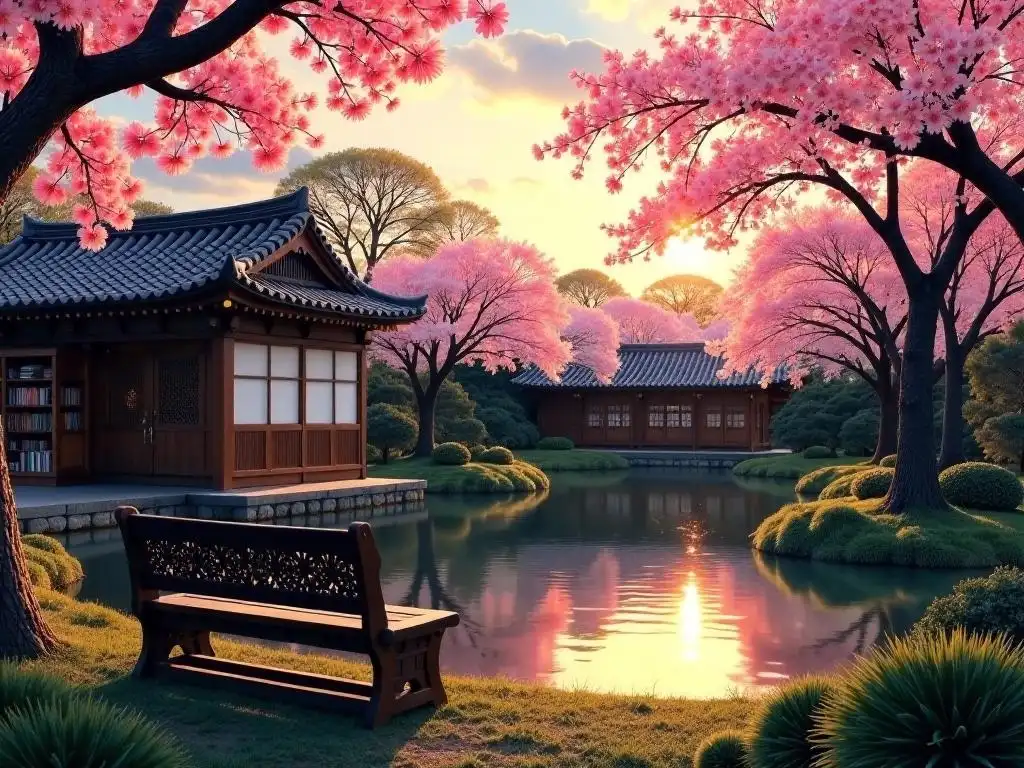
Zen philosophy has profoundly influenced Japanese literature and poetry, shaping themes, styles, and the overall aesthetic sensibility that permeate these art forms. At the core of Zen aesthetics lies the concept of simplicity, which manifests in the directness of expression and the depth of meaning found in literary works. The idea of capturing fleeting moments and the beauty of the mundane echoes the Zen belief in impermanence and the transient nature of life. This focus fosters a unique approach to storytelling that emphasizes subtlety, introspection, and a connection to the natural world.
In addition to the thematic elements, Zen aesthetics also encourage a particular use of language that eschews ornamentation in favor of clarity. This principle is evident in many classic works of Japanese literature, where authors often employ minimalism to evoke profound emotions and insights. The interplay of silence and sound, the unsaid and the expressed, invites readers to engage deeply with the text, reflecting the Zen practice of meditation and mindfulness.
The Influence of Zen on Haiku
Haiku, a traditional form of Japanese poetry, is perhaps the most direct embodiment of Zen aesthetics in literature. This 17-syllable poem captures a moment in nature or an emotional state, often inviting readers to pause and reflect. The structure of haiku, with its brevity and focus on simplicity, mirrors the Zen principle of finding beauty in the ordinary and the ephemeral.
The essence of Zen in haiku is evident in the works of masters like Matsuo Bashō, who skillfully integrated Zen principles into his poetry. Bashō’s haiku often convey a deep sense of connection to nature and the seasons, reflecting the Zen belief in the interconnectedness of all things. For instance, a haiku about a fleeting cherry blossom captures not just the beauty of the flower but also its transient existence, inviting contemplation on the nature of life itself.
Moreover, haiku’s reliance on kigo (seasonal words) emphasizes the importance of context and timing, paralleling the Zen focus on the present moment. This encourages both writers and readers to appreciate the subtleties of their surroundings and to find harmony within the chaos of life.
Zen Themes in Japanese Literature
Beyond haiku, Zen philosophy has permeated a broad range of Japanese literature, influencing both classical and modern works. The themes of enlightenment, self-discovery, and the nature of reality frequently arise in novels, essays, and plays. Notable authors like Natsume Sōseki and Yukio Mishima have woven Zen concepts into their narratives, exploring the human condition through the lens of Zen thought.
In Sōseki's Kusamakura, for example, the protagonist's journey reflects a search for inner peace and understanding, resonating with Zen ideals of mindfulness and presence. Similarly, Mishima's works often grapple with existential questions, illustrating the tension between modernity and traditional values while echoing Zen's pursuit of clarity and truth.
Moreover, Zen's influence extends to the structure of narratives themselves, where non-linear storytelling and fragmented perspectives mirror the Zen approach of embracing ambiguity and paradox. This literary technique encourages readers to engage actively with the text, fostering a deeper understanding of the complexities of existence.
The Modern Influence of Zen Philosophy on Contemporary Japanese Aesthetics
Zen philosophy continues to shape contemporary Japanese aesthetics, manifesting in various aspects of art, design, and everyday life. The principles of simplicity, naturalness, and harmony remain relevant and influential, guiding modern artists and designers in their creative endeavors.
Zen in Modern Art and Design
In modern art, the influence of Zen can be observed in the works of contemporary artists who prioritize minimalism and the use of negative space. Artists like Yoshitomo Nara and Takashi Murakami incorporate Zen elements into their works, exploring themes of innocence, emotion, and the human experience while adhering to the aesthetic principles of balance and simplicity.
In design, the influence of Zen philosophy is evident in the popularity of "wabi-sabi," an aesthetic that appreciates imperfection and the beauty of aging. This concept has inspired contemporary architects and interior designers to create spaces that embrace natural materials, organic forms, and a sense of tranquility. The result is a harmonious integration of nature and human-made environments, reflecting the Zen belief in coexistence.
Moreover, Japanese gardens, which embody Zen principles, continue to influence modern landscaping, emphasizing the importance of nature, simplicity, and meditative spaces that encourage reflection and mindfulness.
The Relevance of Zen Philosophy in Today’s Japanese Culture
Zen philosophy remains deeply ingrained in contemporary Japanese culture, influencing various aspects of daily life, from tea ceremonies to martial arts. The practice of mindfulness, rooted in Zen, has gained popularity as a means of coping with the fast pace of modern life, promoting mental well-being and emotional resilience.
In addition, Zen teachings continue to inspire contemporary literature and film, where themes of introspection, self-discovery, and the search for meaning resonate with audiences. Many modern Japanese writers draw upon Zen concepts to explore the complexities of identity and existence, reflecting the ongoing relevance of these ideas in an ever-changing world.
Furthermore, the global interest in Zen philosophy has sparked a cultural exchange, allowing people outside Japan to engage with and appreciate the richness of Zen aesthetics. This cross-cultural dialogue fosters a deeper understanding of the interconnectedness of human experience, encouraging a more profound appreciation for the beauty found within simplicity and harmony.
Zen philosophy's influence on Japanese aesthetics is profound and enduring, shaping literature, art, and culture in ways that continue to resonate with both Japanese and global audiences alike.
Conclusion: The Lasting Legacy of Zen Philosophy in Japanese Aesthetics
Zen philosophy has profoundly shaped Japanese aesthetics, intertwining the principles of simplicity, tranquility, and natural beauty with various forms of art and culture. This influence is evident across numerous domains, from traditional tea ceremonies and garden design to contemporary art and architecture. The essence of Zen, with its emphasis on mindfulness and the appreciation of the impermanent, continues to resonate within the fabric of Japanese culture, nurturing a unique sensibility that values subtlety and depth.
As society evolves, the core tenets of Zen philosophy remain relevant, providing a framework for understanding beauty and harmony in an increasingly complex world. The legacy of Zen aesthetics is not merely historical; it is a living tradition that continues to inspire artists, designers, and thinkers, ensuring that the profound insights of Zen will persist in shaping the aesthetic landscape of Japan and beyond.
Summary of Key Influences
Zen philosophy has influenced Japanese aesthetics in several significant ways:
- Simplicity and Minimalism: Zen emphasizes the beauty of simplicity, leading to minimalist designs in architecture, ceramics, and gardens. This influence can be seen in traditional tea houses and Zen gardens where each element is purposefully selected to create a serene environment.
- Nature and Impermanence: The acceptance of impermanence (mono no aware) is central to Zen thought, encouraging an appreciation for the transient beauty found in nature. This concept is reflected in art forms such as ikebana (flower arranging) and haiku poetry, which capture fleeting moments and evoke emotional resonance.
- Mindfulness and Presence: Zen encourages a mindful approach to life and art. This practice is evident in various aesthetic expressions, where the act of creation becomes a meditative process, fostering a deep connection between the artist and their work.
- Spirituality and Aesthetics: The integration of spiritual elements into artistic endeavors creates a profound depth of meaning. Many traditional Japanese arts incorporate Zen principles, resulting in works that transcend mere visual appeal and invite contemplation.
The Future of Zen Aesthetics in Japanese Culture
The future of Zen aesthetics in Japanese culture appears promising as contemporary artists and designers continue to draw inspiration from Zen principles. In a rapidly modernizing world, there is a growing appreciation for the values of simplicity and mindfulness, leading to a resurgence of interest in traditional practices that embody these ideals.
As urban environments expand and technology permeates daily life, many individuals are seeking solace in the calm and clarity offered by Zen aesthetics. This shift signifies a potential revival of traditional crafts, such as pottery and calligraphy, as well as innovative interpretations of these elements in modern design.
Moreover, the global interest in mindfulness and well-being further amplifies the relevance of Zen philosophy. As individuals worldwide embrace these concepts, the aesthetic principles rooted in Zen are likely to gain traction, fostering a cross-cultural dialogue that enriches both Japanese and global artistic expressions.
References
Suggested Readings on Zen Philosophy and Japanese Aesthetics
- Zen Mind, Beginner's Mind by Shunryu Suzuki: A classic text that explores the practice of Zen meditation and its implications for daily life and aesthetics.
- The Book of Tea by Okakura Kakuzō: This book delves into the philosophy of the Japanese tea ceremony and its relationship to Zen aesthetics.
- The Zen of Seeing: Seeing/Drawing as Meditation by Frederick Frank: This work discusses the interplay between Zen practice and visual art, emphasizing perception and mindfulness.
Key Historical Texts on Zen Buddhism
- The Three Pillars of Zen by Philip Kapleau: A comprehensive guide to Zen practice that includes teachings and insights from key historical figures in Zen Buddhism.
- The Heart of Zen: The Teachings of a Zen Master by Thich Nhat Hanh: A modern interpretation of Zen teachings that emphasizes mindfulness and the interconnectedness of life.
- Dogen's Manuals of Zen Meditation by Eihei Dogen: Essential writings from one of Japan's most influential Zen masters, providing insights into Zen practice and its aesthetic implications.
- Introduction to Zen Philosophy in Japanese Aesthetics
- The Core Principles of Zen Philosophy
- The Impact of Zen Philosophy on Traditional Japanese Arts
- Zen Philosophy in Japanese Architecture
- Zen Aesthetics in Literature and Poetry
- The Modern Influence of Zen Philosophy on Contemporary Japanese Aesthetics
- Conclusion: The Lasting Legacy of Zen Philosophy in Japanese Aesthetics
- References
Frequently Asked Questions
What is Zen philosophy?
Zen philosophy is a school of Mahayana Buddhism that emphasizes achieving enlightenment through meditation and direct experience. It focuses on simplicity, mindfulness, and the natural world.
How does Zen philosophy influence Japanese aesthetics?
Zen philosophy profoundly influences Japanese aesthetics by promoting simplicity, tranquility, and a deep appreciation for nature. This is evident in traditional arts like tea ceremonies, ink painting, and gardening.
Can you give examples of Zen philosophy in Japanese art?
Examples include ink wash painting, where minimal brush strokes convey profound meaning, and rock gardens, which reflect the Zen ideals of serenity and balance through their carefully arranged elements.
Why is harmony important in Zen aesthetics?
Harmony is central to Zen aesthetics as it reflects the interconnectedness of all things. Achieving harmony in art and design results in a sense of peace, enhancing the viewer's experience and connection with nature.
How can one incorporate Zen philosophy into their own life?
One can incorporate Zen philosophy by practicing mindfulness, simplifying their environment, and cultivating an appreciation for nature. Engaging in activities like meditation or creating a minimalist space can foster a sense of calm and balance.
Final Reflection: Embracing Zen Philosophy in Japanese Aesthetics
The essence of Zen philosophy in Japanese aesthetics resonates profoundly in today's fast-paced world, where the pursuit of simplicity and harmony is more crucial than ever. As we navigate through the complexities of modern life, the principles of Zen offer a sanctuary of tranquility, reminding us that beauty often lies in the understated and the serene. This timeless wisdom encourages us to seek balance not only in art but also in our daily experiences, fostering a deeper appreciation for the world around us.
Cultural landscapes are continuously shaped by the enduring influence of Zen philosophy, permeating various aspects of Japanese life, from traditional tea ceremonies to contemporary design. The minimalist approach that Zen advocates has transcended its origins, inspiring global movements towards simplicity and mindfulness. As the renowned Zen master Thich Nhat Hanh once said, The present moment is filled with joy and happiness. If you are attentive, you will see it.
This observation underscores the ongoing relevance of Zen in cultivating a mindful existence, urging us to embrace the beauty of the present and the aesthetics of simplicity.
As we reflect on the lessons drawn from Zen philosophy, let us invite ourselves to integrate these principles into our lives. Consider how you can cultivate harmony and mindfulness in your surroundings, whether through art, nature, or personal interactions. By embracing the teachings of Zen, we can foster a deeper connection with ourselves and the world, allowing us to experience life with greater clarity and appreciation. In this journey towards finding harmony, may we all strive to embody the beauty of simplicity and the profound impact it can have on our lives.
Embrace Serenity: Apply Zen Aesthetics in Your Life Today!
Thank you for diving into the serene world of Zen philosophy and its influence on Japanese aesthetics. Your passion for exploring these profound concepts can bring **tranquility** and **beauty** into your daily life! Now, let’s take the next step to incorporate these teachings practically and meaningfully.
Here’s how you can start your journey:
- Create a Zen Space: Transform a small corner of your home into a peaceful retreat by adding **natural elements**, mindful decor, and a sense of **simplicity**.
- Practice Mindful Observation: Take a moment each day to engage in thoughtful appreciation of your surroundings—notice the **patterns of nature**, the beauty in simplicity, or the essence of minimalism.
- Share Your Journey: Connect with others on this path by sharing your experiences through **blogging**, engaging in discussions, or posting on social media about how Zen philosophy has touched your life.
What’s one small change you can make today to invite more Zen into your world? Share your thoughts below, and let’s inspire each other!