
The Language of Tea: How Ceremonies Convey Messages Beyond Words

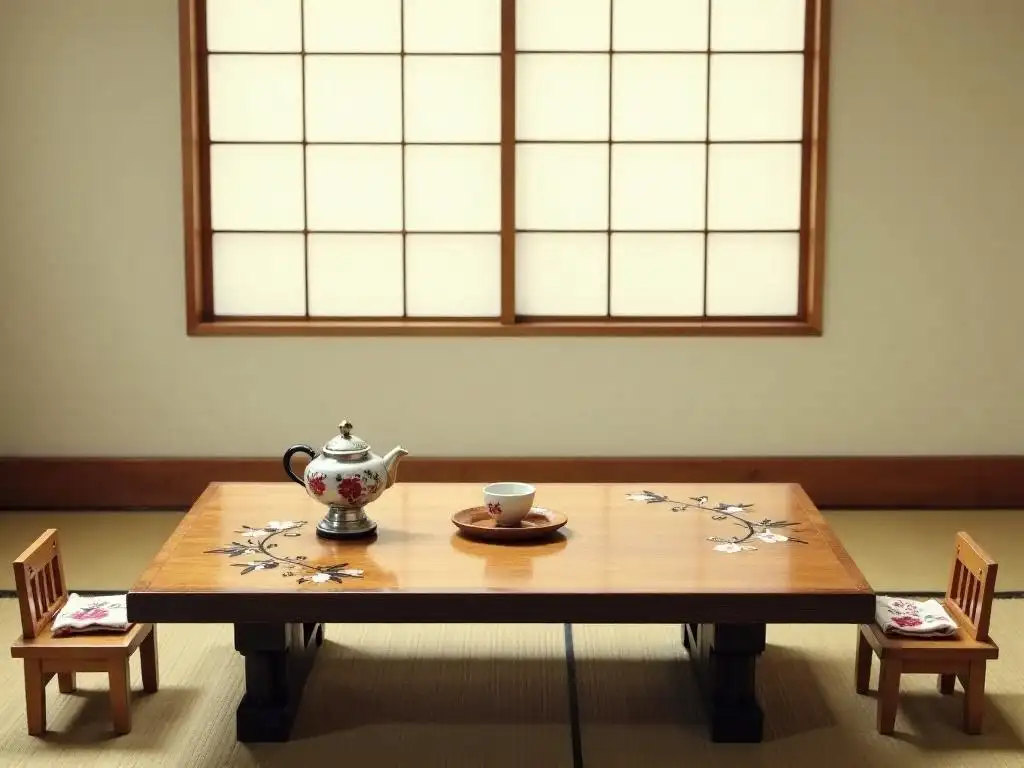
Welcome to Feudal Japan History, where we embark on a captivating journey through the intricate tapestry of Japan’s feudal era. Here, history whispers through the rituals and traditions that shaped a nation.
In our featured article, “ The Language of Tea: How Ceremonies Convey Messages Beyond Words,” we delve into the profound significance of the Japanese tea ceremony—a practice that transcends mere beverage preparation to express deep cultural meanings and values. As you explore, prepare to uncover the layers of history and culture that define this exquisite ritual, igniting your curiosity and inviting you to explore further into the captivating world of feudal Japan.
Introduction to the Japanese Tea Ceremony Significance
The Japanese tea ceremony, known as chanoyu or sado, transcends mere beverage preparation; it is a profound cultural ritual steeped in history, philosophy, and artistry. This intricate ceremony serves as a conduit for expressing values such as harmony, respect, purity, and tranquility.
While participants may engage in conversation, the true essence of the tea ceremony lies in the subtle messages conveyed through gestures, movements, and the aesthetic arrangement of the tea room. Understanding the significance of the Japanese tea ceremony offers insight into not only the cultural fabric of Japan but also the underlying philosophies that shaped its society during the feudal era.
Overview of Japanese Tea Culture
Japanese tea culture is characterized by its deep-rooted traditions and rituals. The preparation and consumption of tea, particularly matcha (powdered green tea), have evolved into a sophisticated art form. It is not just about drinking tea; the entire experience is designed to promote mindfulness and appreciation of the moment. Key elements of tea culture include:
- Tea Types: Various types of tea, such as sencha and gyokuro, each with its unique flavor profile and preparation method.
- Utensils: The tools used, such as the chawan (tea bowl), chasen (whisk), and chashaku (scoop), are chosen with care and often hold symbolic significance.
- Seasonal Themes: Ceremonies often reflect seasonal changes, with specific flowers and decor that enhance the aesthetic experience.
Importance of Ceremonies in Japanese Society
Tea ceremonies play a vital role in Japanese society, serving as a medium for social interaction and cultural expression. They are often conducted during significant life events, such as weddings and memorials, highlighting their importance in various societal contexts. The tea ceremony is a space where:
- Social Bonds: Participants build connections and strengthen relationships through shared experiences.
- Cultural Transmission: The rituals and practices are passed down through generations, preserving cultural identity.
- Mindfulness and Reflection: The slow, deliberate nature of the ceremony encourages participants to be present, fostering introspection and calm.
Historical Context of Japanese Tea Ceremonies
To fully appreciate the significance of the Japanese tea ceremony, it is essential to explore its historical roots and evolution throughout Japan's feudal period. This context reveals how the ceremony has become a symbol of Japanese culture and tradition.
Origins of Tea in Japan
The origins of tea in Japan can be traced back to the early 9th century when Buddhist monks brought tea seeds from China. Initially embraced for its medicinal properties, tea gradually gained popularity among the aristocracy. Key milestones include:
- Heian Period (794-1185): Tea was introduced to the imperial court, where it became associated with elite culture.
- Kamakura Period (1185-1333): The practice of tea drinking spread among samurai, who valued its invigorating effects during long hours of battle preparation.
Evolution of the Tea Ceremony Through the Feudal Era
The tea ceremony underwent significant transformations during Japan's feudal era, reflecting broader societal changes. Notable developments include:
- Muromachi Period (1336-1573): The rise of the wabi-sabi aesthetic introduced simplicity and rustic beauty into tea practices, emphasizing a connection to nature.
- Azuchi-Momoyama Period (1573-1603): Tea ceremonies became more formalized under the influence of tea masters like Sen no Rikyū, who defined the principles and rituals that are still honored today.
Through these historical lenses, the Japanese tea ceremony emerges as a significant cultural expression, encapsulating the values and philosophies of feudal Japan while continuing to resonate in contemporary society.
The Symbolism Behind the Japanese Tea Ceremony
The Japanese tea ceremony, known as chanoyu, is rich in symbolism that transcends mere beverage preparation. Each aspect of the ceremony embodies profound meanings that reflect Japanese cultural values, philosophy, and aesthetics. At its core, the tea ceremony is an expression of harmony, respect, purity, and tranquility—principles that are central to Zen Buddhism.
The act of making and serving tea is a meditative practice, encouraging participants to focus on the present moment. The arrangement of the tea room, the selection of utensils, and even the seasonal elements incorporated into the ceremony all serve to create a space of mindfulness. Each gesture, from the way tea is whisked to how it is presented, conveys a message of respect and interconnectedness among participants.
Moreover, the tea ceremony serves as a reminder of the transient nature of life. The use of seasonal flowers and the impermanence of the tea itself symbolize the beauty of fleeting moments. This deep appreciation for the present forms a crucial aspect of the Japanese worldview and is a key reason for the significance of the tea ceremony in Japanese culture.
Elements of the Ceremony and Their Meanings
Every element of the Japanese tea ceremony carries its own significance, contributing to the overall experience. Here are some key elements and their associated meanings:
- Tea Utensils: Each tool, from the tea bowl ( chawan) to the tea whisk ( chasen), is carefully chosen for its aesthetic qualities and historical significance. The materials used, such as bamboo and ceramic, reflect a connection to nature and craftsmanship.
- Tea: The type of tea used, typically powdered green tea ( matcha), symbolizes harmony and the union of nature and humanity. Its preparation requires precision and dedication, paralleling the detailed attention given to the ceremony itself.
- Seasonal Decorations: The incorporation of seasonal flowers and foliage not only beautifies the setting but also serves as a reminder of the changing seasons and the impermanence of life.
- Space Arrangement: The layout of the tea room, often minimalistic and uncluttered, promotes a sense of calm and focus, encouraging participants to engage fully with the experience.
- Gestures: Each movement made during the ceremony, from bowing to the manner of serving tea, communicates respect and acknowledges the shared experience among participants.
The Role of Nature in Tea Ceremonies
Nature plays a pivotal role in the Japanese tea ceremony, influencing both its aesthetics and philosophy. The ceremony is often conducted in settings that emphasize natural beauty, whether in a traditional tea room or an outdoor garden. This connection to nature fosters a deep appreciation for the environment and the seasons.
The use of natural materials in tea utensils—such as bamboo, clay, and wood—further reinforces this bond. These elements not only enhance the sensory experience of the tea ceremony but also serve as reminders of the simplicity and beauty found in nature. Seasonal flowers, carefully selected for their beauty and symbolism, are often displayed to evoke the essence of the current season, creating a harmonious atmosphere.
Moreover, the principles of wabi-sabi, which embrace imperfection and impermanence, are reflected in the tea ceremony. The natural variations in the tea utensils, the transient beauty of flowers, and the fleeting moments shared among participants all underscore the significance of appreciating the present and the ephemeral nature of life.
The Art of Communication in Tea Ceremonies
The Japanese tea ceremony is a nuanced form of communication that transcends verbal exchange. Through carefully orchestrated rituals and symbolic gestures, participants convey messages and emotions that deepen their connection to one another. This non-verbal communication enriches the experience, fostering an environment of mutual respect and understanding.
In the context of the tea ceremony, communication is not solely about the words spoken; it encompasses the entire atmosphere created through actions and symbolism. The focus on mindfulness and presence allows participants to engage in a deep form of connection that often surpasses conventional dialogue.
Non-Verbal Messages in the Tea Ceremony
Non-verbal communication in the tea ceremony is crucial to conveying respect, humility, and appreciation. Each gesture, from the way tea is served to the posture adopted while drinking, carries meaning. For instance:
- Bowing: A bow signifies respect and acknowledgment of the other participants. The depth and duration of the bow can convey different levels of respect or gratitude.
- Presentation of Tea: The manner in which tea is presented—from the way the bowl is turned to the careful placement of utensils—demonstrates thoughtfulness and attentiveness to the guest.
- Silence: Moments of silence during the ceremony allow participants to reflect, fostering an atmosphere of contemplation and respect for the shared experience.
Through these non-verbal cues, participants can communicate their emotions and intentions without the need for spoken words, creating a unique and profound connection.
Rituals and Their Significance in Social Interactions
The rituals performed during the Japanese tea ceremony serve as a framework for social interactions, reinforcing social hierarchies and cultural norms. Each ritual is steeped in tradition and conveys a specific meaning that reflects the values of Japanese society.
- Sequence of Events: The prescribed order of actions—from the preparation of the tea to its serving—creates a rhythm that fosters a sense of unity among participants. This structure promotes a feeling of safety and comfort, allowing for open and honest interactions.
- Guest and Host Dynamics: The roles of host and guest are clearly defined within the ceremony. The host is responsible for creating a welcoming environment, while guests are expected to demonstrate appreciation and attentiveness. This dynamic reinforces social bonds and mutual respect.
- Ritual Objects: The use of specific objects, such as the tea caddy ( natsume) and the tea scoop ( hishaku), adds layers of meaning to the interactions. Each object is imbued with history and significance, reminding participants of their shared cultural heritage.
The rituals of the Japanese tea ceremony not only facilitate communication but also strengthen social ties and cultural identity, making the tea ceremony a powerful medium for conveying messages that resonate beyond words.
Cultural Values Reflected in the Japanese Tea Ceremony
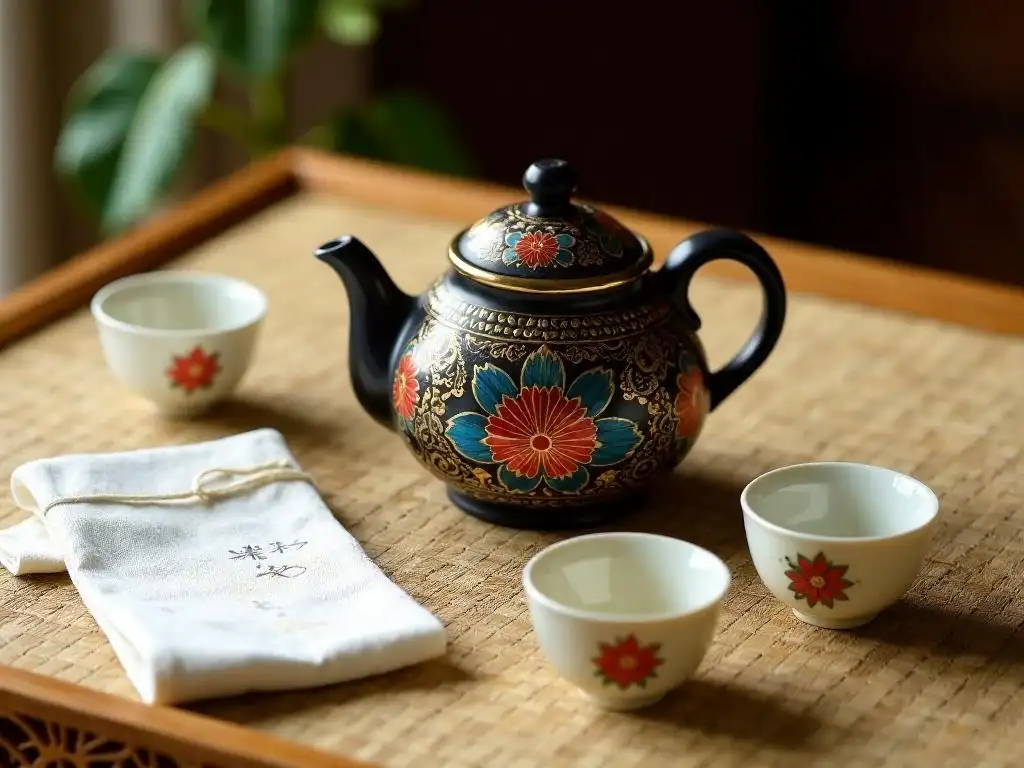
The Japanese tea ceremony, known as chanoyu, is a profound ritual that encapsulates various cultural values deeply rooted in Japanese society. It serves as a medium through which participants convey emotions and intentions, transcending mere verbal communication. Each element of the tea ceremony, from the choice of utensils to the arrangement of the tea room, reflects the cultural ethos of Japan, emphasizing harmony, respect, purity, and tranquility. These values not only guide the ceremony’s practices but also enrich the experience for both the host and the guests, fostering a moment of shared understanding and appreciation.
Harmony (Wa) and Its Expression Through Tea
The principle of wa, or harmony, is central to the Japanese tea ceremony and manifests in multiple dimensions. It emphasizes the importance of balance and unity among participants, the environment, and the tea itself. During the ceremony, every action—from the preparation of the tea to the serving and consumption—is orchestrated to create an atmosphere of harmony. This is seen in the careful selection of utensils, the arrangement of the tea room, and the serene manner in which the host serves the tea.
The aesthetic simplicity of the tea room, often adorned with elements of nature, plays a crucial role in promoting harmony. Natural materials and seasonal decorations invite guests to appreciate the beauty of their surroundings, forging a connection that enhances the experience. By embodying wa, the tea ceremony encourages participants to engage with one another and their environment thoughtfully, fostering a sense of community and mutual respect.
Respect (Kei) and the Attitude of Participants
Respect, or kei, is another foundational value expressed in the tea ceremony. This respect is directed not only towards the guests but also towards nature and the traditions embodied in the ceremony itself. The host demonstrates kei through meticulous attention to detail, ensuring that every movement is deliberate and respectful. The act of serving tea is not simply a task; it is a gesture of honor towards the guests, acknowledging their presence and importance.
Guests, too, express kei through their demeanor and interactions. They are expected to show appreciation for the host's efforts, engaging with the ceremony in a mindful manner. This mutual respect creates an atmosphere of trust and understanding, allowing participants to connect on a deeper level. The embodiment of kei enhances the overall experience, infusing the ritual with a sense of dignity and significance.
Purity (Sei) and Its Representation in the Ceremony
Purity, or sei, is an essential aspect of the tea ceremony that signifies both physical and spiritual cleanliness. This concept is reflected in the ritualistic cleansing of the utensils and the tea room before the ceremony begins. The act of purification serves not only to prepare the physical space but also to create a mental state conducive to the appreciation of the moment.
Throughout the ceremony, the importance of purity is reinforced by the use of simple, unembellished tea utensils, which highlight the beauty of their craftsmanship. The selection of high-quality tea and water further emphasizes the value placed on purity. By focusing on these elements, participants are reminded to approach the experience with clarity and openness, allowing them to fully engage with the essence of the ceremony.
Tranquility (Jaku) as a Goal of the Experience
Tranquility, or jaku, is often regarded as the ultimate goal of the Japanese tea ceremony. It represents a serene state of mind, where participants can escape the chaos of daily life and immerse themselves in a moment of stillness and reflection. The slow, deliberate pace of the ceremony encourages mindfulness, allowing individuals to attune their senses to the subtleties of the experience.
The ambiance of the tea room, often characterized by minimalistic design and soothing natural elements, fosters an environment conducive to tranquility. As participants engage in the ritual, they are invited to let go of distractions and focus on the present moment. This pursuit of jaku not only enhances the enjoyment of the tea but also facilitates a deeper connection with oneself and others, making the ceremony a transformative experience.
The Impact of Zen Buddhism on Tea Ceremonies
The influence of Zen Buddhism on the Japanese tea ceremony is profound, shaping its practices and philosophies. Zen principles intertwine seamlessly with the ritual, emphasizing simplicity, mindfulness, and the appreciation of the present moment. This spiritual foundation transforms the tea ceremony into more than just a social event; it becomes a meditative practice that encourages participants to explore deeper truths about life and existence.
Zen Philosophy and Its Influence on Ceremony Practices
Zen philosophy emphasizes the importance of simplicity and the beauty found in everyday life. This is evident in the aesthetics of the tea ceremony, where minimalism reigns supreme. The use of natural materials, understated decorations, and a focus on the essence of tea all reflect the Zen ideal of wabi-sabi, which celebrates imperfection and transience.
The preparation and serving of tea embody a Zen-like mindfulness, where each action is performed with intention and awareness. This practice encourages participants to slow down and appreciate the ritual's subtleties, fostering a sense of connection to the moment and to one another. By integrating Zen principles, the tea ceremony becomes a path to self-discovery and inner peace, allowing participants to transcend the ordinary.
Mindfulness and Presence in the Tea Experience
Mindfulness is a cornerstone of the Japanese tea ceremony, deeply rooted in Zen traditions. The act of preparing and consuming tea invites participants to be fully present, engaging all their senses in the experience. From the sound of water boiling to the aroma of tea leaves, each aspect is an opportunity for awareness and appreciation.
Participants are encouraged to leave behind distractions and immerse themselves in the moment, fostering a deeper connection with themselves and their surroundings. This practice of mindfulness not only enhances the enjoyment of the tea but also cultivates a sense of tranquility that resonates long after the ceremony has ended. In this way, the Japanese tea ceremony serves as a profound reminder of the importance of presence and the beauty of simplicity in a fast-paced world.
Modern Interpretations of Japanese Tea Ceremony Significance
The Japanese tea ceremony, or chanoyu, has evolved significantly from its historical roots, adapting to modern sensibilities and lifestyles while still retaining its core values. Today, practitioners interpret the ceremony through various lenses, often emphasizing personal expression and individual experience over strict adherence to tradition. This evolution reflects broader societal changes, where the tea ceremony is no longer confined to elite circles but is accessible to a wider audience.
In modern interpretations, the significance of the tea ceremony often revolves around concepts such as mindfulness, connection, and harmony. Participants engage in a meditative experience, fostering a sense of presence and appreciation for the moment. This shift highlights the ceremony's capacity to convey messages beyond the ritual itself, making it relevant in today's fast-paced world. Moreover, these contemporary practices often incorporate elements from other cultures, further broadening the dialogue about the significance of tea.
Contemporary Tea Ceremonies: Tradition vs. Innovation
In contemporary settings, tea ceremonies frequently balance tradition and innovation. While some practitioners adhere closely to classical methods, others adapt the rituals to incorporate modern aesthetics and philosophies. For example, contemporary ceremonies might feature unconventional tea selections or serve snacks that align with current culinary trends. This fusion can create a more relatable and enjoyable experience for participants who may feel intimidated by rigid traditional practices.
Additionally, many modern ceremonies emphasize inclusivity, inviting participants from diverse backgrounds to engage in the experience. This openness fosters a shared understanding of the tea ceremony's values—such as tranquility, respect, and appreciation for nature—while inviting new interpretations that resonate with a broader audience. As a result, the essence of the tea ceremony is preserved, but its presentation evolves, reflecting the dynamic nature of cultural practices in a globalized world.
Global Influence of Japanese Tea Culture Today
The influence of Japanese tea culture has transcended national borders, inspiring tea practices around the globe. As the world becomes increasingly interconnected, the principles of the Japanese tea ceremony—such as mindfulness and simplicity—have found resonance in various cultural contexts. Internationally, tea enthusiasts often adopt elements of the ceremony, integrating them into their own rituals and practices.
For instance, in Western countries, the concept of kawaii (cuteness) has infiltrated tea culture, leading to whimsical tea gatherings that celebrate aesthetics alongside the beverage itself. Similarly, the mindfulness aspect of the tea ceremony has inspired wellness practices, such as tea meditation, which encourages individuals to slow down and savor the moment. These adaptations illustrate the global reach of the Japanese tea ceremony and its ability to convey messages of peace and connection across cultures.
Conclusion: The Lasting Legacy of the Japanese Tea Ceremony
The Japanese tea ceremony stands as a testament to the enduring legacy of cultural practices that transcend time and geography. Its significance lies not only in the art of preparing and serving tea but also in the rich tapestry of meanings and messages it conveys. As the ceremony continues to evolve, it serves as a bridge between the past and the present, inviting new generations to explore its depths.
Summary of Key Messages Conveyed Through Tea
The tea ceremony communicates a variety of key messages, including:
- Mindfulness: Encouraging participants to be present in the moment.
- Respect: Highlighting the importance of honoring guests and the environment.
- Harmony: Fostering a sense of unity and balance among participants.
- Simplicity: Embracing the beauty of minimalism and natural elements.
These messages resonate with individuals seeking a deeper understanding of their own lives and relationships, making the tea ceremony a powerful tool for personal reflection and communal bonding.
The Enduring Significance of the Tea Ceremony in Modern Japan
In modern Japan, the tea ceremony remains a vital part of cultural identity. It is not merely a historical artifact but a living practice that continues to evolve while maintaining its foundational values. Many Japanese people view the tea ceremony as a means of fostering community, celebrating tradition, and cultivating a sense of peace in an increasingly chaotic world.
Moreover, the ceremony is often integrated into various social functions, educational settings, and public events, demonstrating its relevance in contemporary society. Through these practices, the Japanese tea ceremony endures as a significant cultural expression, reinforcing the messages of tranquility, respect, and connection that have defined it for centuries.
Call to Action: Explore More on Japanese Cultural Heritage
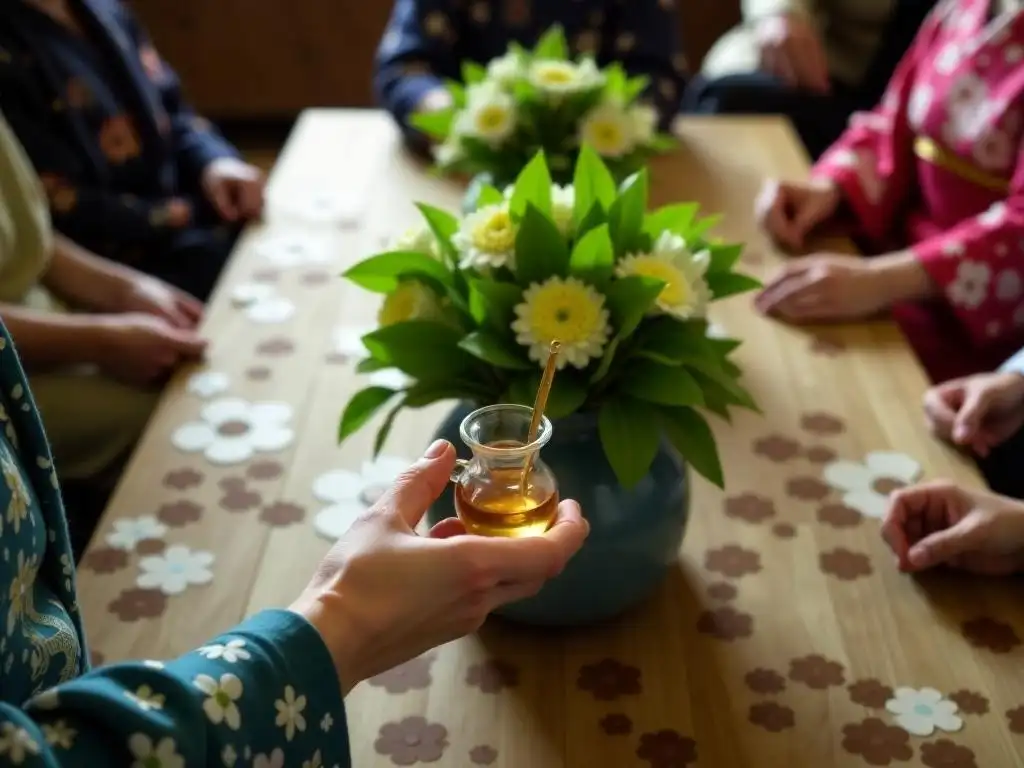
The Japanese tea ceremony, known as chanoyu or sado, is more than just a ritual of serving tea; it encapsulates the essence of Japanese cultural heritage. To fully appreciate the significance of these ceremonies, we invite you to immerse yourself deeper into the rich tapestry of Japan’s historical practices. Discover the intricate philosophies, artistic expressions, and spiritual dimensions that shape the Japanese way of life.
Engaging with the cultural heritage of Japan offers insights into the values of harmony, respect, purity, and tranquility, which are pivotal in the tea ceremony. By exploring related themes, you can enhance your understanding of how these rituals resonate throughout Japanese society. We encourage you to delve into various resources, participate in local tea ceremonies, or even take part in workshops that teach the art of tea preparation.
Suggested Reads on Japanese Tea Ceremonies
For those keen on expanding their knowledge of Japanese tea ceremonies, here are some recommended reads that delve into their historical context, aesthetic values, and cultural significance:
-
"The Book of Tea" by Okakura Kakuzō
A classical text that intertwines aesthetics, philosophy, and the art of tea, this book explores how tea transcends mere consumption to become a significant cultural practice.
-
"The Tea Ceremony: A Japanese Tradition" by Shizuko Sato
This guide offers a comprehensive overview of the tea ceremony, detailing its customs, utensils, and the subtle art of conducting a ceremony.
-
"Chanoyu: The Japanese Tea Ceremony" by William E. Deal
An insightful exploration of the historical evolution of tea practices in Japan, offering readers a glimpse into the socio-political influences on the tea ceremony.
-
"The Zen of Tea: A Guide to the Japanese Tea Ceremony" by J. Christopher McNulty
This book delves into the zen principles underlying the tea ceremony, emphasizing mindfulness and the meditative aspects of tea preparation and enjoyment.
-
"Tea Life, Tea Mind" by Beatrice Hohenegger
This engaging read discusses the broader impact of tea culture, including how it influences daily life and social interactions in Japan.
Engaging with Japanese Cultural Practices Today
Engaging with Japanese cultural practices today can be a profound and enriching experience. Here are some ways to connect with these traditions:
-
Attend Local Tea Ceremonies
Many cultural centers and Japanese tea houses offer authentic tea ceremonies. Participating in one allows you to witness firsthand the elegance and mindfulness that define these rituals.
-
Join Workshops
Consider enrolling in workshops that teach the art of tea making. Many organizations provide hands-on experiences where you can learn about the various elements involved in the tea ceremony, from the preparation of tea to the arrangement of utensils.
-
Explore Japanese Gardens
Visiting Japanese gardens can provide a serene environment reminiscent of tea ceremony aesthetics. These gardens often reflect the principles of simplicity and tranquility, enhancing your appreciation of the cultural significance of tea.
-
Connect with Online Communities
There are numerous online platforms and forums dedicated to Japanese culture. Engaging with these communities can provide valuable insights, shared experiences, and recommendations related to tea culture.
By actively participating in these cultural practices, you not only gain a deeper understanding of their significance but also contribute to the preservation and appreciation of Japan's rich heritage. Embrace the journey of discovery as you explore the timeless language of tea.
- Introduction to the Japanese Tea Ceremony Significance
- Historical Context of Japanese Tea Ceremonies
- The Symbolism Behind the Japanese Tea Ceremony
- The Art of Communication in Tea Ceremonies
- Cultural Values Reflected in the Japanese Tea Ceremony
- The Impact of Zen Buddhism on Tea Ceremonies
- Modern Interpretations of Japanese Tea Ceremony Significance
- Conclusion: The Lasting Legacy of the Japanese Tea Ceremony
- Call to Action: Explore More on Japanese Cultural Heritage
- Suggested Reads on Japanese Tea Ceremonies
- Engaging with Japanese Cultural Practices Today
Frequently Asked Questions
What is the significance of the Japanese tea ceremony?
The Japanese tea ceremony is a ritualistic practice that embodies spirituality, aesthetic values, and cultural heritage, emphasizing mindfulness and the beauty of simplicity.
How do tea ceremonies convey messages?
Tea ceremonies communicate messages through gestures, arrangement, and rituals, reflecting the values of respect, purity, and tranquility, often beyond spoken language.
What elements are essential in a tea ceremony?
Essential elements include matcha tea, specific utensils (like the tea whisk), and decorative settings, all contributing to the overall experience and aesthetic of the ceremony.
How has the tea ceremony evolved over time?
The tea ceremony has evolved from a Zen Buddhist practice into a cultural performance that integrates various art forms, reflecting changes in societal values and artistic expressions over centuries.
Why is the tea ceremony important in Japanese culture?
The tea ceremony holds deep cultural significance as it fosters social bonds, promotes harmony, and serves as a reminder of the transience of life, encapsulating the essence of Japanese philosophy.
Final Reflection: The Silent Symphony of the Japanese Tea Ceremony
The Japanese tea ceremony is not merely a ritual; it is a profound expression of culture, mindfulness, and connection that resonates deeply in today's fast-paced world. As we navigate an era dominated by instant communication and superficial interactions, the significance of the tea ceremony serves as a poignant reminder of the power of presence and intention. In a society that often prioritizes speed over substance, this ancient practice invites us to slow down and appreciate the beauty in simplicity and the messages conveyed through silence.
The impact of the Japanese tea ceremony extends far beyond its aesthetic appeal; it has woven itself into the fabric of cultural identity and social interaction. This ritual fosters a sense of community and respect, encouraging participants to engage in a shared experience that transcends verbal communication. As we witness an increasing need for connection in our fragmented world, the tea ceremony stands as a beacon of harmony. Tea is a religion of the art of life.
– Kakuzō Okakura. This quote encapsulates the essence of the ceremony, reminding us that every cup of tea is an opportunity to cultivate mindfulness and appreciation for the moment.
As you reflect on the lessons embedded within the Japanese tea ceremony, consider how you can incorporate its principles into your daily life. Take a moment to pause, to be present, and to connect with those around you. Whether it's through a simple cup of tea shared with a friend or a mindful moment taken for yourself, embrace the significance of these rituals in fostering deeper connections and understanding. Let the language of tea inspire you to cultivate a life rich in meaning, where every gesture speaks volumes beyond words.
Unveil the Secrets of Tea Ceremonies Today!
Thank you for diving into the intricate world of tea ceremonies with us! We hope you’ve uncovered the profound messages and cultural significance that each ritual holds. Now, it’s time to take that understanding a step further and immerse yourself in the rich traditions of feudal Japan.
Here are some exciting ways to deepen your connection with this beautiful practice:
- Join a local tea ceremony: Experience the grace and mindfulness of a tea ceremony firsthand by participating in one near you. It's a wonderful opportunity to practice and appreciate this art form.
- Host a tea gathering: Bring friends and family together for a tea ceremony where you can share what you've learned. Offer insights about the significance behind each step and create a memorable experience for everyone involved.
- Explore literature or documentaries: Broaden your understanding by delving into books or films that explore the history and philosophy of tea traditions.
What will you discover about yourself and your connection to history as you engage with this timeless art form?