
The Role of Music and Dance in Noh Theater: A Harmonious Fusion

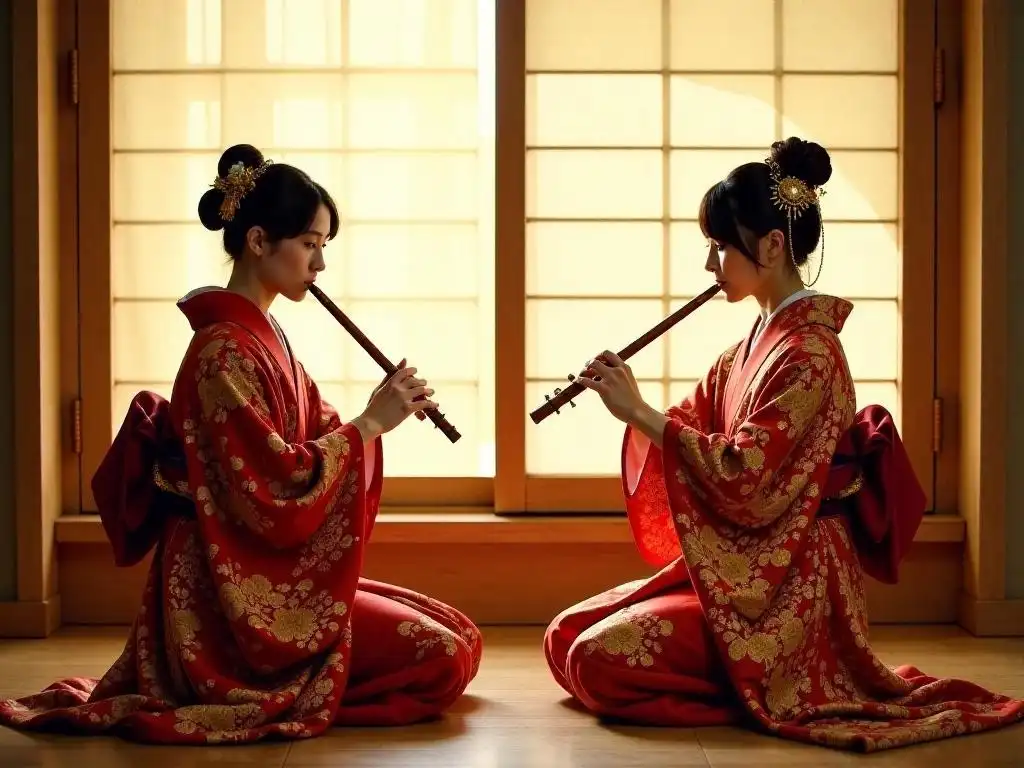
Welcome to Feudal Japan History, where we invite you to embark on a captivating journey through one of the most fascinating eras of Japan’s past. Dive deep into the intricate world of Noh theater music and dance, where every note and movement tells a story rich in tradition and artistry. What secrets lie within this harmonious fusion of sound and performance?
As you explore our expert-driven articles, prepare to uncover the profound influence of these cultural expressions on feudal society and beyond. Join us as we unravel the threads of history, culture, and the performing arts that shaped a nation.
Introduction to Noh Theater
Noh theater, a cornerstone of Japan's rich cultural history, is renowned for its intricate blend of music, dance, and drama. This traditional performing art form has captivated audiences for centuries, offering a unique glimpse into the aesthetics of feudal Japan. The keyword "Noh theater music and dance" encapsulates the essence of this art, highlighting how these two elements work in concert to convey profound narratives and emotions. In this article, we will delve into the historical, cultural, and societal significance of Noh theater, with a particular focus on the seamless integration of music and dance that defines its performances.
Understanding Noh Theater: A Brief Overview
Noh theater, originating in the 14th century, is one of the oldest forms of theater in Japan. It is characterized by its slow, stylized movements, elaborate costumes, and the use of masks to convey emotion and character. Unlike other forms of theater, Noh emphasizes subtlety and suggestion over overt action. This distinct approach allows for a deep exploration of themes such as love, loss, and the supernatural, all of which are enhanced by the accompanying music and dance.
Historical Significance of Noh Theater in Japan
The historical roots of Noh theater can be traced back to the feudal era, where it served not only as entertainment for the nobility but also as a means of preserving and expressing cultural narratives. It is believed to have evolved from earlier forms of performance, such as sarugaku, which combined elements of comedy and drama. Throughout its history, Noh has played a vital role in Japanese society, often being performed during significant events and festivals. Its survival and evolution reflect the changing dynamics of Japanese culture, as it adapted to the tastes and values of different periods.
Key Elements of Noh Theater: Music and Dance
Music and dance are integral to the experience of Noh theater, working together to create a harmonious atmosphere that engages the audience on multiple levels. The music, typically performed live, features traditional instruments such as the flute and drums, while the dance elements are characterized by precise, fluid movements that tell a story. This interplay between music and dance not only enhances the emotional depth of the performances but also serves to guide the audience's understanding of the narrative being presented.
The Essence of Noh Theater Music
The music in Noh theater is not merely an accompaniment; it is a vital component that shapes the overall experience. It sets the tone and pace of the performance, allowing for a deeper connection between the actors and the audience. The use of music in Noh is deeply embedded in its cultural context, reflecting the spiritual and philosophical underpinnings of Japanese society.
Traditional Instruments Used in Noh Music
Noh theater employs a variety of traditional instruments that contribute to its unique soundscape. Key instruments include:
- Nohkan: A transverse flute that produces haunting melodies.
- Kotsuzumi: A hand drum that provides rhythm and accentuates dramatic moments.
- Otsuzumi: A larger drum used for deeper, resonant sounds.
- Taiko: A powerful drum that adds intensity to specific scenes.
These instruments work in tandem to create an evocative auditory experience, enhancing the storytelling aspect of the performances.
Noh Theater Music: Characteristics and Styles
The music of Noh theater is characterized by its monophonic texture, meaning it typically features a single melodic line without harmonic accompaniment. This simplicity allows the nuances of the performance to shine through. The rhythms are often slow and deliberate, mirroring the pacing of the dance movements. Moreover, the styles of Noh music vary, with each piece tailored to the specific narrative and emotional journey of the performance. Through these artistic choices, Noh theater music invites the audience into a meditative state, encouraging reflection on the themes presented.
The fusion of music and dance in Noh theater not only defines its aesthetic but also serves as a profound means of cultural expression, making it a vital part of Japan's artistic heritage.
The Art of Dance in Noh Theater
Noh theater, one of Japan's oldest traditional performing arts, is a sophisticated blend of drama, music, and dance. The art of dance in Noh is not merely an aesthetic addition; it serves as a critical narrative device that conveys the emotions and themes of the performance. The dance movements are characterized by their slow, deliberate pace and a strong emphasis on posture and gesture, which reflects the spiritual and philosophical underpinnings of the art form.
In Noh, dance is often symbolic, representing the transformation of characters, the passage of time, and the connection between the physical realm and the spiritual world. Dancers embody the essence of their roles through movements that are meticulously crafted and steeped in tradition. This artistry is not just about physical expression; it also engages the audience's imagination, inviting them to interpret the deeper meanings behind the gestures.
The Role of Dance in Noh Performances
Dance in Noh performances plays a multifaceted role. It serves to express the emotional depth of the characters, often illustrating their inner struggles and desires. The choreography is designed to reflect the nature of the character being portrayed, whether it is a ghostly figure seeking resolution or a noble warrior recounting tales of valor.
Moreover, dance acts as a bridge between the performers and the audience, creating a shared experience that transcends verbal communication. The subtlety of movements, combined with the rich symbolism embedded in each gesture, allows the audience to connect with the characters on a profound level. This connection is enhanced by the minimalistic stage and the use of masks, which further emphasize the dancers' movements and expressions.
Types of Dance in Noh Theater
Noh theater encompasses several distinct types of dance, each with its unique characteristics and functions within the narrative framework. The primary categories include:
- Bugaku: This is a ceremonial dance that often accompanies Noh performances, featuring elegant movements and elaborate costumes. It is characterized by its stately rhythms and serves to convey themes of nobility and grace.
- Kusemai: This is a more narrative-driven dance style that combines song and movement. Kusemai dances are often performed by the main actors and highlight key moments in the story, allowing for emotional expression and character development.
- Shimai: Known as the "dance of the spirits," Shimai is performed in solo pieces where the dancer embodies a specific character, often drawing from historical or mythical sources. The movements in Shimai are highly stylized and often incorporate elements of meditation.
- Tachiwaki: This is a dynamic form of dance that features more vigorous movements, often associated with warrior characters. Tachiwaki dances depict action and conflict, showcasing the physicality and strength of the performers.
The Fusion of Music and Dance in Noh Theater
The integration of music and dance in Noh theater is a hallmark of its aesthetic and emotional impact. The two elements are intricately linked, creating a harmonious experience that captivates the audience. Music in Noh, primarily performed with traditional instruments such as the flute, drums, and shamisen, sets the tonal landscape for the performance, while dance brings the narrative to life.
The relationship between music and dance in Noh is often compared to a conversation, where each element responds to and enhances the other. This synergy is essential for conveying the depth of the story, as the music emphasizes the dancer's movements, guiding the audience's emotional response.
How Music Enhances Noh Dance
In Noh theater, music serves multiple functions that enhance the dance. The rhythmic patterns and melodies provide a foundation for the dancers, dictating the pace and flow of their movements. The music's subtle variations often mirror the emotional transitions in the performance, allowing for a deeper resonance between the dancer and the music.
Moreover, specific musical motifs are associated with different characters and themes, enriching the storytelling aspect of the performance. For instance, a haunting melody may accompany a ghostly figure, reinforcing the character's ethereal nature. The interplay between music and dance helps to create a layered experience, where audiences can appreciate the nuances of both elements simultaneously.
Case Studies of Notable Noh Performances
Several notable Noh performances exemplify the powerful fusion of music and dance, showcasing the art form's richness and complexity.
- "Aoi no Ue" (The Lady Aoi): This classic Noh play features a hauntingly beautiful performance where the character of Aoi is portrayed through delicate Kusemai movements, accompanied by ethereal music that reflects her tragic fate. The seamless integration of music and dance captures the audience's emotions, making it a quintessential example of Noh's artistry.
- "Hagoromo" (The Feather Mantle): In this performance, the dancer embodies a celestial being who descends to Earth. The music enhances the ethereal quality of the dance, with soft melodies that evoke a sense of wonder. The choreography intricately weaves together spiritual themes, showcasing how music elevates the dance to express the divine.
- "Kagekiyo" (The Ghost of Kagekiyo): This performance illustrates the poignant story of a warrior's spirit. The music's dramatic crescendos align with the dancer's powerful movements, emphasizing the conflict and emotional turmoil of the character. The fusion of music and dance in this play leaves a lasting impact on audiences, highlighting the depth of Noh theater.
Through these case studies, one can appreciate how the harmonious fusion of music and dance in Noh theater not only enhances the narrative but also speaks to the timelessness of this traditional art form.
Cultural Impact of Noh Theater Music and Dance
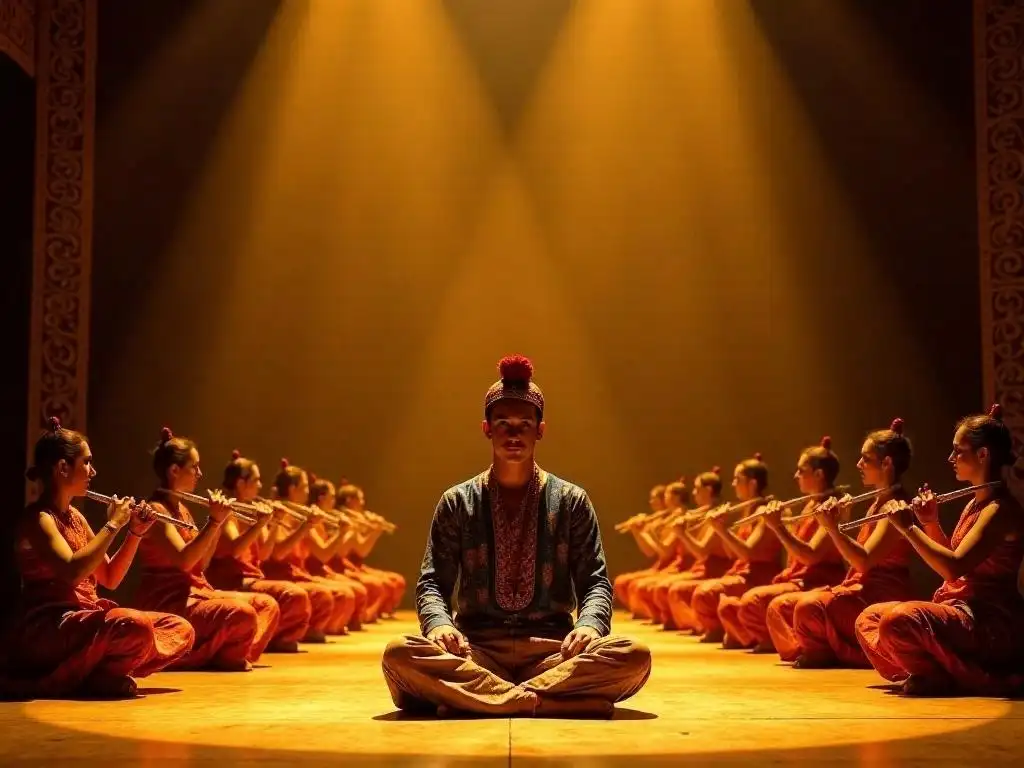
Noh theater, one of the oldest forms of traditional Japanese performing arts, intricately weaves music and dance into its narrative fabric. The cultural impact of Noh theater music and dance extends far beyond mere entertainment; it is a profound expression of emotion, philosophy, and historical context. At its core, Noh combines vocal performances, instrumental accompaniment, and stylized movements, creating a unique aesthetic experience that resonates deeply with audiences.
The music, primarily performed using traditional instruments such as the nōkan (a bamboo flute), taiko (drums), and shamisen (a three-stringed instrument), sets the emotional tone of each performance. The haunting melodies and rhythmic patterns serve to enhance the storytelling aspect of Noh, allowing the audience to experience a range of emotions—from sorrow to joy. The integration of music and dance in Noh is not merely supplemental; rather, it forms a symbiotic relationship where each element amplifies the other, creating a holistic artistic expression.
Moreover, the choreography of Noh dance is characterized by its slow, deliberate movements, reflecting the philosophical underpinnings of Zen Buddhism. This dance style emphasizes the beauty of simplicity and the expressiveness of subtle gestures, thus promoting a meditative state in both performers and viewers. Through this harmonious fusion of music and dance, Noh theater resonates with themes of transience, nature, and the human condition, enriching Japan's cultural narrative.
Noh Theater’s Influence on Japanese Culture
Noh theater has played a crucial role in shaping various aspects of Japanese culture throughout history. Originating in the 14th century, Noh was initially patronized by the samurai class and has since permeated various levels of society, influencing literature, visual arts, and even modern theater. The themes and narratives explored in Noh performances often draw from classic literature, mythology, and historical events, embedding a rich tapestry of cultural heritage into the national consciousness.
The aesthetic principles of Noh, such as simplicity, elegance, and the concept of mono no aware (the awareness of the impermanence of things), have permeated other art forms, including ikebana (flower arrangement), tea ceremony, and calligraphy. Furthermore, many contemporary Japanese artists and performers continue to draw inspiration from Noh, creating works that reflect its enduring influence.
The language and poetic techniques used in Noh scripts have also had a lasting impact on Japanese literature, inspiring poets and playwrights to explore themes of beauty, nature, and the human experience. As such, Noh theater is not merely an isolated art form but a vital component of Japan's cultural identity, continuously shaping and reflecting the nation's values and aesthetics.
Global Appreciation of Noh Theater Music and Dance
In recent decades, Noh theater has garnered international acclaim, captivating audiences around the world with its unique blend of music, dance, and visual artistry. This global appreciation can be attributed to several factors, including increased cultural exchange and the efforts of dedicated practitioners to promote Noh beyond Japan's borders.
International performances of Noh have introduced diverse audiences to its intricate choreography and haunting music, often resulting in collaborations with contemporary artists and theater companies. These cross-cultural exchanges have led to innovative reinterpretations of traditional Noh, allowing it to resonate with modern sensibilities while maintaining its historical integrity.
Furthermore, academic interest in Noh theater has surged, with scholars analyzing its cultural significance and artistic techniques. Workshops and seminars around the world teach the fundamentals of Noh music and dance, fostering a deeper understanding and appreciation of this traditional art form. As a result, Noh theater is increasingly recognized not only as a vital part of Japanese heritage but as a universal expression of human emotion and creativity.
Conclusion
The fusion of music and dance in Noh theater is a remarkable cultural phenomenon that encapsulates the essence of Japan's feudal era while continuing to inspire contemporary audiences. The intricate relationship between these two elements not only enhances the storytelling of Noh but also embodies the philosophical and aesthetic ideals of Japanese culture.
The Enduring Legacy of Noh Theater Music and Dance
The legacy of Noh theater music and dance is profound and enduring. As an art form that has survived for centuries, it serves as a testament to Japan's rich cultural heritage and artistic innovation. The preservation and continued practice of Noh ensure that its unique musical and choreographic techniques are passed down through generations, allowing new artists to reinterpret and innovate while honoring tradition.
The influence of Noh extends beyond the stage, inspiring various domains of art, including film, literature, and visual arts. As contemporary creators explore themes and techniques rooted in Noh, the art form continues to evolve, reflecting the dynamic nature of culture itself.
Future of Noh Theater in Modern Society
As we look toward the future, Noh theater faces both challenges and opportunities in modern society. While the art form is deeply revered, there is a concern about its aging audience and the declining number of practitioners. To address this, initiatives aimed at engaging younger generations are crucial. This includes educational programs, workshops, and performances that emphasize the relevance of Noh in today's world.
Moreover, the integration of technology in performances, such as multimedia presentations and virtual reality experiences, could attract new audiences and provide innovative ways to experience Noh. By adapting to contemporary contexts while preserving its core values, Noh theater can continue to thrive and maintain its place as a vital aspect of Japan's cultural landscape.
The harmonious fusion of music and dance in Noh theater not only enriches the art form but also reinforces its significance within both Japanese and global cultures, ensuring its legacy for future generations.
References
Key Texts and Resources on Noh Theater Music and Dance
-
"Noh Drama: A New Translation" by David G. Goodman
This book provides an in-depth translation of various Noh plays, highlighting the importance of music and dance. It serves as both a scholarly resource and a practical guide for understanding the performance aspects of Noh.
-
"The Noh Plays of Japan" by James T. Araki
This comprehensive collection includes translations and analyses of notable Noh plays, offering insights into the integration of music and dance within the narratives. Araki’s work is particularly useful for those seeking to understand the thematic relevance of these art forms.
-
"The World of Noh: The Art of Noh Theater" by Julie A. B. Houghton
An essential resource that explores the cultural and historical context of Noh theater, focusing on its music and dance elements. Houghton examines the performance practices and their significance in Japanese culture.
-
"Noh and Kyogen in the Contemporary World" edited by T. Y. H. Kato
This anthology discusses the evolution of Noh and Kyogen theater in modern times, with several essays dedicated to the role of music and dance. It provides a contemporary perspective on traditional practices.
-
"The Music of Noh: A Study of the Instrumental and Vocal Forms" by Christopher K. Lee
This scholarly work delves into the specific musical components of Noh theater, detailing the instruments, vocal styles, and their functions in enhancing the theatrical experience.
Further Reading: Exploring Traditional Japanese Theater
-
"Japanese Theater: From Shamanistic Ritual to Contemporary Performance" by M. A. Robinson
This text traces the development of various forms of Japanese theater, including Noh, and discusses the interplay of music and dance throughout history. It offers a broader context for understanding Noh within the spectrum of Japanese performing arts.
-
"The Art of Noh: An Introduction" by Richard H. Jones
This introductory book provides a well-rounded overview of Noh theater, emphasizing its aesthetic qualities and the critical role of music and dance in shaping audience perception.
-
"Exploring Japanese Noh Theater" by H. Y. Nakagawa
Nakagawa’s work focuses on the cultural significance of Noh theater, outlining how music and dance contribute to its narrative and emotional depth. This book is a great resource for both novices and scholars.
-
"The Aesthetics of Noh Theater: A Study of Symbolism and Ritual" by K. S. Tanaka
This study explores the symbolic meanings in Noh performances, with a particular emphasis on how music and dance create a layered experience for the audience, enriching the understanding of the tradition.
-
"Noh: The Classical Theatre of Japan" by John A. C. Yamada
Yamada provides a detailed examination of Noh theater's historical development, with chapters dedicated to the roles of music and dance, making this a valuable resource for anyone interested in the genre.
These references and further readings will deepen your understanding of the integral role that music and dance play in Noh theater, illustrating their harmonious fusion and cultural significance within the broader context of traditional Japanese theater.
- Introduction to Noh Theater
- The Essence of Noh Theater Music
- The Art of Dance in Noh Theater
- The Fusion of Music and Dance in Noh Theater
- Cultural Impact of Noh Theater Music and Dance
- Conclusion
- References
Frequently Asked Questions
What is Noh theater?
Noh theater is a traditional Japanese performing art that combines music, dance, and drama to convey complex stories and emotions. It is characterized by its slow movements and stylized performances.
How does music contribute to Noh theater?
Music in Noh theater plays a crucial role in enhancing the emotional depth of the performance. Using traditional instruments, it sets the mood and complements the narrative.
What types of dance are featured in Noh theater?
Noh theater includes various forms of dance, often depicting mythological or historical characters. The dance is typically subtle and symbolic, emphasizing grace and storytelling.
How is Noh theater different from other Japanese performing arts?
Unlike Kabuki, which is more vibrant and energetic, Noh theater is known for its serene and refined style. It focuses on minimalism and spiritual themes, showcasing the fusion of music and dance in a unique manner.
Can Noh theater be experienced today?
Yes, Noh theater is still performed today, with troupes maintaining the age-old traditions. Many performances are held in dedicated theaters, offering audiences a chance to witness this harmonious fusion of music and dance in action.
Final Reflection: The Enduring Harmony of Noh Theater Music and Dance
The intricate relationship between music and dance in Noh theater is not just a historical curiosity; it is a living testament to the power of artistic expression in our contemporary world. As we navigate an increasingly complex society, the themes and emotions conveyed through Noh theater resonate deeply, reminding us of the universal language of art. The seamless fusion of music and dance in this traditional form invites us to explore our own cultural narratives and find solace in shared human experiences.
The influence of Noh theater extends far beyond the stage, shaping our cultural landscape and inspiring new generations of artists. Its unique blend of music and movement serves as a bridge connecting past and present, tradition and innovation. As we witness the revival and reinterpretation of Noh in modern contexts, we are reminded of the words of renowned scholar Zeami Motokiyo, who said, The essence of Noh is to express the inexpressible.
This sentiment underscores the ongoing relevance of Noh theater as it continues to inspire creativity and introspection in various art forms today.
As you reflect on the harmonious fusion of music and dance in Noh theater, consider how these elements can inspire your own life and creativity. Embrace the lessons of this ancient art form by allowing yourself to express your emotions and stories through your own unique mediums. Whether through dance, music, or another form of artistic expression, let the spirit of Noh guide you in exploring the depths of your creativity and connecting with others in profound ways.
Unveil the Harmony of Noh Theater!
Thank you for exploring the captivating world of Noh Theater with us! You’ve uncovered the intricate relationship between music and dance that creates its unique artistry. Now, it’s time to take the next step and immerse yourself deeper into this beautiful fusion.
Here are some actions you can take to continue your journey:
- Dive into a local Noh performance: Find a nearby theater or cultural center showcasing Noh performances and experience this enchanting art form firsthand.
- Create your own Noh-inspired piece: Gather friends and explore your creativity by crafting a short performance that incorporates elements of music and movement characteristic of Noh.
- Share your insights: Discuss what you’ve learned from this article with others! Start a conversation online or in your community about the significance of music and dance in cultural performances.
Which aspect of Noh Theater's music or dance intrigues you the most, and how do you think it influences the overall storytelling?