
The Influence of Zen on Japanese Culinary Arts in Feudal Times


Welcome to Feudal Japan History, where the rich tapestry of Japan’s feudal era unfolds before you. Delve into our latest exploration, “The Influence of Zen on Japanese Culinary Arts in Feudal Times,” and discover how the serene principles of Zen shaped the very fabric of Japanese cuisine. From the art of mindful eating to the intricate flavors that emerged during this transformative period, each bite tells a story steeped in history and culture. Prepare to satisfy your curiosity and uncover the delicious connections between Zen philosophy and the culinary arts of feudal Japan—your journey into the past begins now!
Introduction to Zen Buddhism and Japanese Cuisine
The intricate tapestry of Japan's feudal era is woven with the profound threads of Zen Buddhism, which has significantly influenced various aspects of Japanese culture, including its culinary arts. This article delves into the fascinating interplay between Zen principles and Japanese cuisine during feudal times, exploring how spiritual philosophies shaped food preparation, presentation, and consumption practices.
By examining the nuances of this relationship, we can gain insight into how Zen's emphasis on mindfulness, simplicity, and aesthetics transformed not just what was eaten, but how it was appreciated and revered. Through this comprehensive exploration, we aim to understand the lasting impact of Zen on Japanese culinary traditions that continue to resonate in contemporary cuisine.
Overview of Zen Buddhism in Feudal Japan
Zen Buddhism, a sect of Mahayana Buddhism, emerged in Japan during the Kamakura period (1185-1333) and gained prominence in subsequent centuries. Characterized by its focus on direct experience and meditation, Zen advocates for a deep connection between the mind and body, promoting a lifestyle rooted in simplicity and mindfulness. This philosophy permeated various facets of life in feudal Japan, including art, architecture, and, notably, culinary practices.
Zen practitioners sought to cultivate a state of mental clarity and tranquility, which mirrored the ideals of the Japanese aesthetic of wabi-sabi—the beauty found in imperfection and transience. These principles not only informed the spiritual lives of the samurai and monks but also extended into the kitchens of feudal Japan, influencing how food was prepared and consumed.
The Emergence of Japanese Culinary Arts in Historical Context
The culinary landscape of feudal Japan was shaped by various socio-political changes, including the rise of the samurai class and the establishment of the shogunate. As trade routes expanded and cultural exchanges flourished, the introduction of new ingredients and cooking techniques became commonplace. The feudal system also fostered distinct regional cuisines, each reflecting local resources and traditions.
During this period, food was not merely sustenance but a reflection of social status and cultural identity. The practice of kaiseki—a multi-course dining experience—emerged as a ceremonial representation of hospitality and artistry. The refinement of culinary arts paralleled the development of Zen philosophy, leading to a unique fusion of aesthetic values and culinary practices that emphasized the importance of balance and harmony.
The Principles of Zen and Their Impact on Culinary Practices
Zen’s impact on Japanese culinary arts can be distilled into several core principles that guided chefs and home cooks alike. These principles fostered a deeper appreciation for the ingredients and the process of cooking, transforming meals into meditative experiences.
Minimalism and Simplicity in Zen Cooking
At the heart of Zen cooking lies the principle of minimalism. This approach encourages the use of fewer ingredients, focusing on the quality rather than the quantity. Dishes are designed to highlight the natural flavors of seasonal produce, allowing each component to shine. This philosophy aligns with the Zen practice of mindfulness, where attention is paid to every aspect of the cooking process, from selecting ingredients to the final presentation.
For instance, traditional dishes such as ichiju-sansai (one soup, three sides) epitomize this simplicity, emphasizing balance and harmony on the plate. The act of preparing and eating food becomes a form of meditation, promoting a sense of peace and connection to nature.
The Aesthetic Values of Zen in Food Presentation
Presentation is a critical element of Zen-influenced cuisine, with an emphasis on aesthetics that reflect the principles of simplicity and natural beauty. The art of food presentation in feudal Japan was influenced by Zen philosophies that sought to create a serene dining experience.
Elements such as dish selection, arrangement, and the use of natural materials play a significant role in this aesthetic. For example, the choice of ceramic ware often reflects the wabi-sabi ethos, favoring rustic or imperfect designs that evoke a sense of tranquility. Moreover, the arrangement of food on the plate is carefully considered, aiming to create a visual harmony that resonates with Zen ideals.
The influence of Zen on Japanese cuisine during feudal times is a testament to the powerful interplay between spirituality and the culinary arts. By understanding these historical connections, we can appreciate the depth and richness of Japanese culinary traditions that have evolved over centuries, ultimately shaping not only what is eaten but how food is perceived and celebrated in Japanese culture.
Key Elements of Zen Influence on Japanese Cuisine
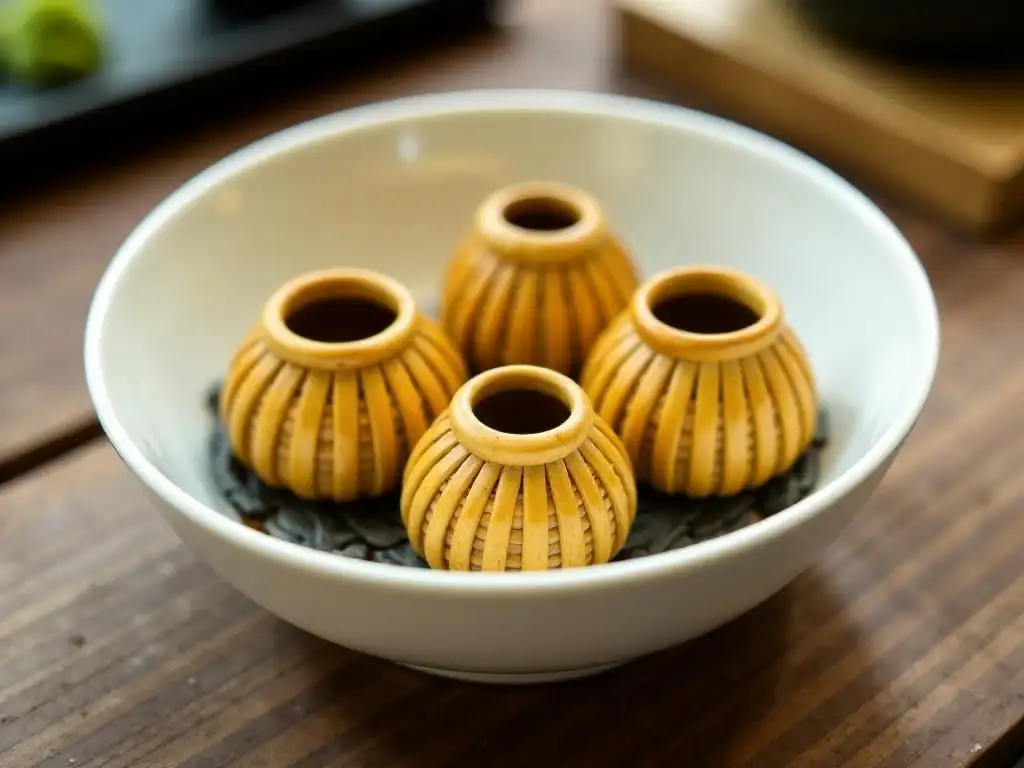
Zen Buddhism profoundly impacted Japanese culinary arts during the feudal era, introducing principles that transformed how food was perceived and prepared. At the core of this influence are several key elements, including the emphasis on simplicity, seasonal ingredients, mindfulness in cooking, and the pursuit of harmony in flavor and texture. These elements not only shaped the aesthetic presentation of dishes but also encouraged a deeper connection between the cook, the ingredients, and the act of eating.
The simplicity inherent in Zen philosophy encouraged chefs to focus on the natural flavors of ingredients, avoiding excessive seasoning or complicated techniques. This approach resulted in dishes that celebrated the essence of each component, allowing for a more profound appreciation of food. Furthermore, seasonal ingredients became central to Zen cuisine, aligning culinary practices with the rhythms of nature, thus reflecting the passage of time and the changing of the seasons in each meal.
The Role of Seasonal Ingredients in Zen Cooking
In Zen cooking, the use of seasonal ingredients is paramount, embodying the philosophy of living in harmony with nature. This practice not only enhances the flavors of dishes but also connects the eater to the cycles of the natural world. Ingredients sourced in their prime season are believed to possess the best taste and nutritional value, which aligns with the Zen principle of appreciating the present moment.
Feudal Japan saw a rich diversity of local produce, fish, and game, with chefs carefully selecting ingredients that were at their peak. For instance, spring dishes might feature tender bamboo shoots and wild herbs, while winter meals could include hearty root vegetables and preserved foods. This seasonal approach fostered a culinary environment where the menu evolved throughout the year, providing a dynamic dining experience that resonated with the Zen ethos of impermanence and change.
Mindfulness and the Cooking Process
Mindfulness is a cornerstone of Zen practice, and this principle extends deeply into the cooking process within feudal Japan. Chefs were encouraged to engage fully with the act of preparing food, fostering a sense of presence and awareness that transcended mere sustenance. Each step—from selecting ingredients to the final presentation—was performed with intention and care.
This mindful approach not only elevated the cooking experience but also imbued the food with a sense of tranquility and respect. The act of cooking became a meditative practice, allowing chefs to cultivate a deeper understanding of their ingredients and the transformative power of food. By focusing on the present moment, cooks could create dishes that resonated with the spirit of Zen, promoting a calming atmosphere for those who would partake in the meal.
The Importance of Harmony in Flavor and Texture
In Zen-influenced cuisine, achieving harmony in flavor and texture is essential. This principle reflects the broader Zen philosophy of balance and unity, where every component of a dish contributes to a cohesive whole. Chefs worked diligently to ensure that flavors complemented rather than overshadowed one another, creating a symphony of tastes that delighted the palate.
Texture also played a crucial role in this quest for harmony. The contrast between crunchy, soft, smooth, and chewy elements within a dish was carefully considered, enhancing the overall dining experience. The meticulous attention to balance in both flavor and texture not only showcased the chef's skills but also created a profound sensory experience that aligned with the Zen ideals of beauty, simplicity, and tranquility.
Zen-Inspired Culinary Techniques in Feudal Japan
Zen Buddhism introduced various culinary techniques that were deeply rooted in its philosophical teachings, influencing how food was prepared and served. These techniques not only reflect the aesthetic and spiritual values of Zen but also laid the groundwork for many traditional Japanese cooking methods that are still appreciated today.
The Art of Tea Ceremony and Its Influence on Cuisine
The Japanese tea ceremony, or "chanoyu," epitomizes the Zen influence on culinary practices. This ritualistic preparation and serving of tea is not merely about drinking; it is an art form that emphasizes simplicity, aesthetics, and mindfulness. The meticulous attention to detail in the tea ceremony extends to the accompanying meals, often featuring carefully prepared seasonal dishes that enhance the overall experience.
The principles of the tea ceremony—such as harmony, respect, purity, and tranquility—are reflected in the culinary arts, where meals are presented with an emphasis on beauty and balance. This practice has shaped the way food is served and enjoyed, fostering an appreciation for the entire dining experience as a meditative act.
The Practice of Kaiseki: A Zen-Inspired Multi-Course Meal
Kaiseki is a sophisticated multi-course dining tradition that evolved from Zen Buddhist practices and reflects the principles of Zen aesthetics and mindfulness. Originating as a simple meal served during the tea ceremony, kaiseki has grown into an elaborate culinary experience that highlights seasonal ingredients and meticulous preparation.
Each course in a kaiseki meal is thoughtfully designed to create a balanced and harmonious dining experience. The presentation is as important as the flavors, with an emphasis on seasonal colors and shapes that evoke the beauty of nature. This practice not only nourishes the body but also cultivates a sense of appreciation for the artistry involved in preparing and serving food.
Rice Preparation and Its Spiritual Significance
Rice holds a sacred place in Japanese culture, and its preparation within the context of Zen cuisine is imbued with spiritual significance. In feudal Japan, rice was not only a staple food but also a symbol of prosperity and purity. The process of washing, soaking, and cooking rice was approached with reverence, transforming an everyday task into a spiritual practice.
Chefs paid close attention to every detail of rice preparation, believing that the energy and intention invested in the process would influence the final dish. This meticulous care reflects the Zen belief in the interconnectedness of all things, where even the simplest act of cooking rice was seen as an opportunity for mindfulness and connection to the divine. As such, rice became more than just sustenance; it embodied the essence of Zen philosophy, celebrating life, nature, and the act of nourishment.
The Cultural Exchange Between Zen Monasteries and Culinary Arts
During the feudal era in Japan, Zen Buddhism emerged as a significant influence on various aspects of culture, including the culinary arts. The cultural exchange between Zen monasteries and local cuisine fostered an environment where food was not merely sustenance but a form of art and spiritual practice. Monasteries became centers of innovation, where the principles of Zen—simplicity, mindfulness, and harmony—were reflected in the preparation and presentation of food.
Zen monks adhered to a strict diet that emphasized vegetarianism, which aligned with their spiritual beliefs. This dietary restriction led to the exploration of plant-based ingredients and the development of new culinary techniques. As a result, monastic kitchens transformed into laboratories for culinary creativity, experimenting with flavors and textures that were both nourishing and mindful. The influence of Zen on Japanese cuisine can be seen in the meticulous attention to detail in preparing meals, where every element is carefully chosen to create a balanced and harmonious dish.
Moreover, the interaction between Zen monks and local communities facilitated the exchange of ideas and ingredients, enriching the Japanese culinary landscape. This cultural diffusion allowed for the blending of traditional Japanese cooking techniques with Zen philosophies, resulting in a unique culinary identity that emphasized seasonal ingredients and aesthetic presentation.
Monastic Kitchens: Centers of Culinary Innovation
Zen monasteries served as the heart of culinary innovation during the feudal period. The monastic kitchens, known as "shojin ryori," were not only functional spaces for meal preparation but also places where culinary techniques were refined and developed. Monks dedicated themselves to the art of cooking, viewing it as an extension of their spiritual practice.
The cooking methods employed in these kitchens were rooted in the principles of Zen, focusing on simplicity and the use of fresh, seasonal ingredients. For instance, the practice of "ichiju-sansai" (one soup, three sides) became a standard meal structure that emphasized balance and variety while adhering to Zen dietary principles.
In addition to the focus on vegetarian dishes, the monastic kitchens also prioritized sustainability. The use of local ingredients minimized environmental impact while promoting a deep connection to nature. This approach not only resulted in innovative dishes but also laid the foundation for contemporary Japanese cuisine, which continues to celebrate seasonal and local ingredients.
The Training of Chefs in Zen Principles
The training of chefs in Zen principles was integral to the culinary landscape of feudal Japan. Aspiring cooks often sought guidance from Zen monks, immersing themselves in the philosophies that underpinned Zen cuisine. This training emphasized the importance of mindfulness and presence in the cooking process, encouraging chefs to connect deeply with the ingredients they used.
Chefs learned to appreciate the aesthetics of food, recognizing that presentation is as vital as taste. The Zen influence encouraged them to create dishes that were visually appealing, with an emphasis on color, texture, and arrangement. This attention to detail cultivated a culinary artistry that set the standard for future generations of Japanese chefs.
Additionally, the practice of meditation was often incorporated into culinary training, helping chefs cultivate focus and intention in their cooking. This holistic approach not only improved their culinary skills but also deepened their understanding of food as a reflection of their spiritual journey.
Case Studies of Notable Zen-Inspired Dishes

The impact of Zen Buddhism on Japanese cuisine is evident in several notable dishes that have become staples of Japanese culinary tradition. These dishes embody the principles of Zen through their ingredients, preparation methods, and presentation.
The Evolution of Tofu and Its Zen Roots
Tofu, a key ingredient in Zen cuisine, has its roots deeply embedded in the practices of Zen monasteries. Originally introduced to Japan from China, tofu was embraced by Zen monks for its high protein content and versatility. The process of making tofu—soaking, grinding, boiling, and pressing soybeans—exemplifies the Zen principle of patience and precision.
As tofu evolved, it became a central component of shojin ryori, where it was prepared in various ways to enhance its texture and flavor. From fried tofu (aburaage) to simmered dishes (nimono), the adaptability of tofu allowed it to be incorporated into numerous recipes while maintaining its nutritional benefits. The emphasis on simplicity within Zen also led to the creation of dishes that highlighted tofu's natural flavor, often served with minimal seasoning to allow the ingredient to shine.
The Significance of Miso in Zen Cuisine
Miso, a fermented soybean paste, holds a revered place in Zen cuisine, not only for its rich umami flavor but also for its health benefits. Miso's fermentation process aligns with Zen principles of transformation and patience, as it requires time to develop its distinct taste.
In Zen kitchens, miso was often used in soups, marinades, and dressings, providing a depth of flavor while adhering to a vegetarian diet. The versatility of miso allowed for creativity in cooking, as it could be combined with various seasonal vegetables to create nourishing dishes that aligned with the Zen philosophy of balance and harmony.
Furthermore, miso's cultural significance extends beyond its culinary use; it is often associated with communal meals and rituals. The act of sharing miso soup symbolizes connection and unity, reflecting the Zen value of community and togetherness. Through these practices, miso has become not only a staple ingredient but also a symbol of the lasting influence of Zen on Japanese culinary traditions.
The Legacy of Zen Influence on Modern Japanese Cuisine
The profound impact of Zen Buddhism on Japanese culinary arts during the feudal era has left a lasting legacy that continues to shape modern Japanese cuisine. This influence is evident in various aspects of culinary practices, presentation, and ingredients. The principles of simplicity, mindfulness, and harmony with nature that are central to Zen philosophy have become intrinsic to contemporary Japanese cooking.
Aspects such as seasonal ingredients, the art of umami, and the aesthetic presentation of dishes can be traced back to Zen teachings. The traditional practice of kaiseki, a multi-course meal that emphasizes seasonal ingredients and visual harmony, exemplifies how Zen principles are woven into the fabric of Japanese dining experiences today. The careful consideration of every element—from the choice of ingredients to their arrangement on the plate—reflects the Zen ideal of mindfulness, urging diners to be present and appreciate the artistry involved in their meal.
Contemporary Practices Rooted in Zen Philosophy
In modern Japan, many culinary practices directly reflect Zen philosophy. Chefs and home cooks alike often embrace the concept of shojin ryori, a vegetarian cuisine developed by Zen monks, which emphasizes simplicity and the natural flavors of ingredients. This style of cooking not only focuses on health and sustainability but also conveys a deep respect for the ingredients, encouraging chefs to minimize waste and utilize the whole plant or animal.
Additionally, the practice of mindfulness during meals has gained prominence in contemporary society. The act of eating is approached with intention, allowing individuals to savor each bite and appreciate the flavors and textures. This mindfulness extends beyond mere consumption; it encompasses the preparation and presentation of food, fostering a deeper connection between the eater and their meal.
Zen Influence on Global Culinary Trends
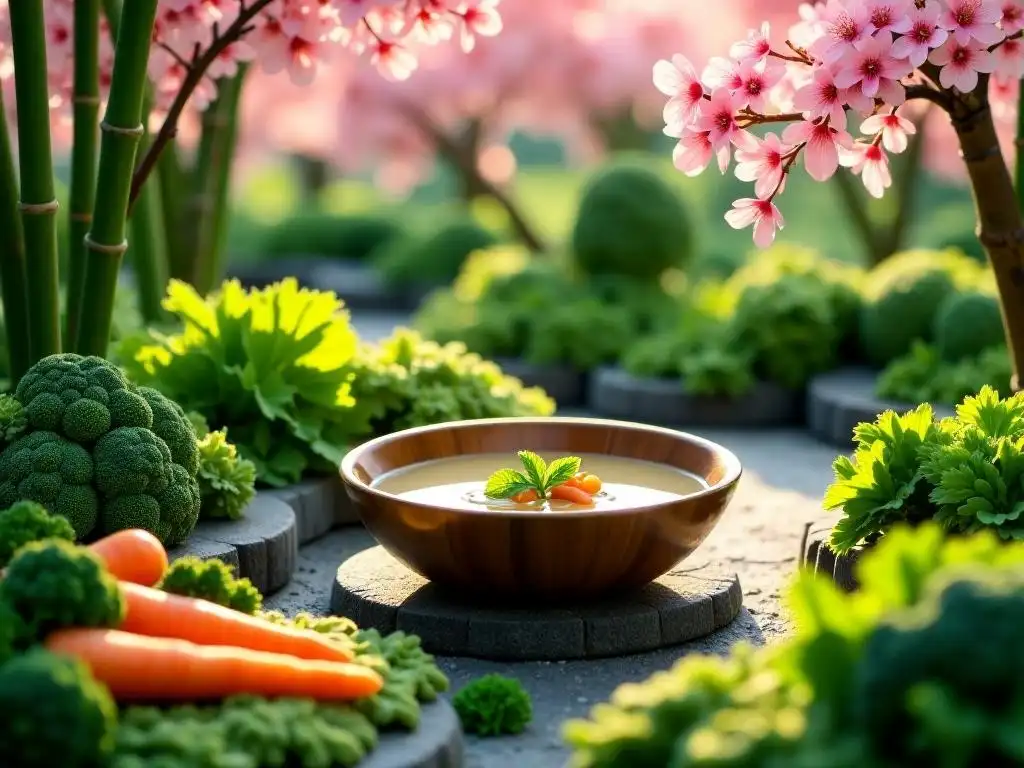
The influence of Zen on Japanese cuisine has transcended borders, impacting global culinary trends as well. As the world becomes more health-conscious, the emphasis on plant-based diets and clean eating resonates with principles found in Zen cooking. The minimalist aesthetic, which prioritizes natural beauty and simplicity, has inspired chefs around the world to reconsider their approaches to food presentation and preparation.
Moreover, the concept of mindfulness in eating has been embraced in various culinary scenes globally, with practices such as mindful eating classes and the incorporation of Zen-inspired techniques in cooking workshops. This shift has led to a greater appreciation for the cultural significance of food and its role in enhancing well-being, reflecting the deep-rooted philosophies of Zen.
Conclusion: The Enduring Influence of Zen on Japanese Culinary Arts
The influence of Zen on Japanese culinary arts is not merely a historical curiosity but a living tradition that continues to evolve and inspire. As contemporary chefs and home cooks draw upon these age-old principles, they breathe new life into the culinary landscape, ensuring that the essence of Zen remains integral to Japanese cuisine.
Reflection on the Historical and Cultural Significance
Reflecting on the historical and cultural significance of Zen’s influence reveals a rich tapestry of culinary evolution. The integration of Zen philosophy into food practices has fostered a unique culinary identity that highlights Japan's reverence for nature, aesthetics, and mindfulness. This cultural heritage not only enriches the dining experience but also serves as a reminder of the interconnectedness of food, spirituality, and community.
Future of Zen Influence in Japanese Cuisine
As we look to the future, the Zen influence on Japanese cuisine is poised to adapt and flourish in response to changing societal values and culinary innovations. With an increasing focus on sustainability and health, the principles of Zen—such as simplicity, seasonality, and a deep respect for ingredients—will likely continue to resonate in kitchens around the world. As global culinary trends evolve, the essence of Zen will remain a guiding force, ensuring that the philosophy behind Japanese culinary arts endures and inspires future generations.
References and Further Reading
[List of scholarly articles, books, and resources related to Zen and Japanese cuisine]
-
Books:
-
Zen and the Art of Cooking: The Philosophy of Japanese Cuisine by Michael O. O'Rourke
This book explores the philosophical underpinnings of Japanese culinary practices influenced by Zen principles.
-
The Zen of Cooking: Mindfulness and Japanese Cuisine by Hiroshi Oda
A thorough examination of how mindfulness practices from Zen Buddhism have shaped traditional Japanese cooking methods.
-
Japanese Culinary Culture: A Historical Overview by Fumiko Nishida
This text provides a comprehensive history of Japanese cuisine, emphasizing the impact of various cultural and religious influences, including Zen.
-
-
Scholarly Articles:
-
"The Role of Zen Buddhism in Shaping Japanese Aesthetics and Culinary Practices" by Akira Tanaka
A peer-reviewed article that discusses the aesthetic values of Zen and how they translate into the culinary arts.
-
"Mindfulness in the Kitchen: Zen Principles in Japanese Cooking" by Haruki Sato
This article examines the integration of mindfulness techniques into cooking, highlighting specific practices rooted in Zen.
-
"Culinary Zen: The Influence of Zen Buddhism on Japanese Food Culture" published in the Journal of Asian Culinary Studies
A research paper that investigates the historical connections between Zen practices and culinary traditions in Japan.
-
-
Online Resources:
-
The Zen Studies Society
A website dedicated to the teachings of Zen Buddhism which includes resources on its cultural manifestations, including cuisine.
-
The Kyoto Culinary Institute
Offers workshops and materials that explore the intersection of Zen philosophy and Japanese cooking techniques.
-
Zen and Japanese Culture (Stanford Encyclopedia of Philosophy)
An online entry that discusses the broader implications of Zen on various aspects of Japanese culture, including culinary practices.
-
-
Documentaries and Films:
-
Jiro Dreams of Sushi
A documentary that showcases the artistry of sushi making and reflects on the Zen principles of dedication and perfection in culinary arts.
-
The Birth of Sake
This film delves into the traditional sake brewing process, emphasizing the spiritual and cultural significance rooted in Zen practices.
-
These resources provide a rich foundation for those looking to understand the intricate relationship between Zen Buddhism and Japanese culinary arts during feudal times. They can offer insights into both historical context and practical applications of Zen principles in cooking.
- Introduction to Zen Buddhism and Japanese Cuisine
- Overview of Zen Buddhism in Feudal Japan
- The Emergence of Japanese Culinary Arts in Historical Context
- The Principles of Zen and Their Impact on Culinary Practices
- Key Elements of Zen Influence on Japanese Cuisine
- Zen-Inspired Culinary Techniques in Feudal Japan
- The Cultural Exchange Between Zen Monasteries and Culinary Arts
- Case Studies of Notable Zen-Inspired Dishes
- The Legacy of Zen Influence on Modern Japanese Cuisine
- Contemporary Practices Rooted in Zen Philosophy
- Zen Influence on Global Culinary Trends
- Conclusion: The Enduring Influence of Zen on Japanese Culinary Arts
- References and Further Reading
- What is the significance of Zen Buddhism in Japanese cuisine?
- How did the tea ceremony reflect Zen principles in cooking?
- In what ways did seasonality play a role in Zen-influenced cuisine?
- How did Zen principles contribute to the development of kaiseki?
- What are some key ingredients influenced by Zen in Japanese cooking?
Frequently Asked Questions
What is the significance of Zen Buddhism in Japanese cuisine?
Zen Buddhism introduced mindfulness and simplicity in food preparation, emphasizing the importance of being present while cooking and eating, which greatly influenced Japanese culinary practices.
How did the tea ceremony reflect Zen principles in cooking?
The tea ceremony embodies Zen values by promoting aesthetic appreciation, ritual, and tranquility in the preparation and consumption of tea, influencing broader culinary traditions in Japan.
In what ways did seasonality play a role in Zen-influenced cuisine?
Zen-influenced cuisine prioritized seasonal ingredients, aligning with the philosophy of harmony with nature, ensuring that meals reflected the natural cycles and availability of local produce.
How did Zen principles contribute to the development of kaiseki?
Zen principles emphasized balance and harmony, leading to the evolution of kaiseki, a multi-course meal that showcases seasonal ingredients and meticulous presentation, reflecting the beauty of simplicity.
What are some key ingredients influenced by Zen in Japanese cooking?
Key ingredients include rice, green tea, and tofu, which were favored for their purity and health benefits, aligning with Zen's focus on simplicity and natural nourishment.
Final Reflection: The Enduring Legacy of Zen in Japanese Cuisine
The profound connection between Zen philosophy and Japanese culinary arts remains remarkably relevant today, as it emphasizes mindfulness and simplicity in our fast-paced world. In an era where convenience often overshadows authenticity, the principles of Zen encourage us to slow down and appreciate the beauty in our food, reminding us that each meal can be a meditative experience. The essence of Zen influence on Japanese cuisine teaches us that food is not merely sustenance but a celebration of nature and a pathway to inner peace.
Culinary practices rooted in Zen have shaped not only the flavors and presentation of Japanese dishes but also the very way we approach eating. The meticulous attention to detail and the emphasis on seasonal ingredients reflect a deep respect for nature and the cycles of life. This influence is echoed in the words of Zen master D.T.
Suzuki, who said, "> Zen is not to be understood as a philosophy but as a way of life." This perspective invites us to consider how our relationship with food can be transformed through mindfulness and intentionality, fostering a deeper connection to both our meals and the world around us.
As we reflect on the teachings of Zen and their impact on Japanese cuisine, let us embrace the opportunity to cultivate mindfulness in our own lives. I invite you to explore your culinary practices, to savor each bite, and to find joy in the simplicity of preparing and sharing meals. By integrating the principles of Zen into our dining experiences, we can create moments of tranquility and gratitude, enriching our lives and nourishing our souls. In doing so, we honor the legacy of those who came before us and contribute to a more mindful and harmonious world.
Embrace the Zen: Transform Your Culinary Experience!
Thank you for diving into the profound world of Zen and its influence on Japanese culinary arts during feudal times! You’ve explored remarkable traditions that shaped not just cuisine, but the very essence of mindfulness and appreciation in eating. Now, let’s take those insights and put them into action in your own kitchen and culinary journey.
Here’s how you can embrace the Zen philosophy in your culinary practice:
- Create your own mindful meal: Choose a simple recipe that highlights fresh, high-quality ingredients. **Take your time**, savor each step, and appreciate the entire experience.
- Explore a traditional Japanese tea ceremony: Invite friends or family to join you as you learn the graceful art of preparing and serving matcha. This practice beautifully honors the spirit of Zen and fosters connections with loved ones.
- Join a culinary community: Share your experiences and learn from others passionate about mindfulness in cooking. Look for local or online groups where you can exchange recipes and ideas inspired by Zen traditions.
How will you integrate the calm and mindfulness of Zen into your cooking practices? We’d love to hear your thoughts and experiences!