
The Role of Tea in Diplomacy: Ceremonial Exchanges in Feudal Politics

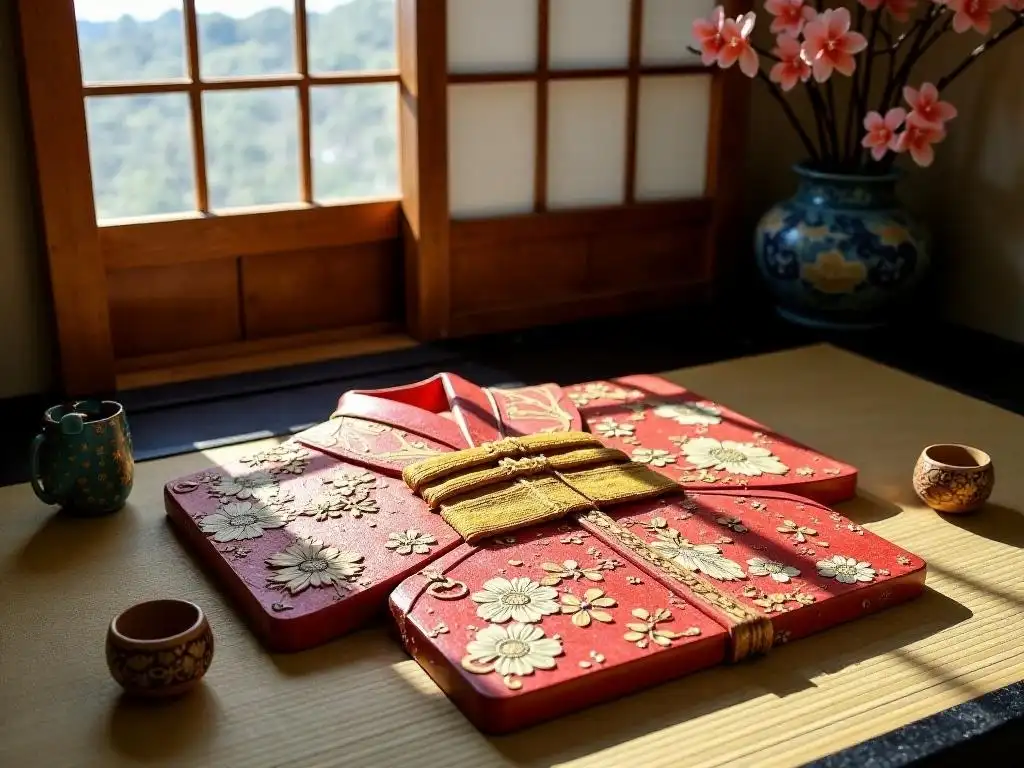
Welcome to Feudal Japan History, where we embark on a captivating journey through the intricate tapestry of Japan's feudal era. Here, you’ll uncover the profound influence of tradition, culture, and politics woven into every aspect of life during this remarkable time. Dive into our featured article, “The Role of Tea in Diplomacy: Ceremonial Exchanges in Feudal Politics,” and discover how the art of the tea ceremony transcended mere ritual to become a pivotal element in diplomatic relations. Prepare to explore the delicate balance of power and culture that shaped an entire era—your adventure into the past begins now!
Introduction to Tea Ceremonies in Feudal Japan
The tea ceremony, known as chanoyu or the way of tea, plays an integral role in the cultural tapestry of Feudal Japan. It transcends mere beverage preparation, evolving into a sophisticated ritual steeped in philosophy, aesthetics, and social hierarchy. During the feudal era, these ceremonies served not only as a means for savoring tea but also as vital instruments of diplomacy and political maneuvering.
Through the exchange of tea, samurai and nobility engaged in nuanced dialogues, fostering alliances and navigating the complex web of feudal relationships that defined their world. This article delves into the multifaceted role of tea in feudal politics, illuminating its cultural significance and historical context.
Overview of Tea's Cultural Significance
The significance of tea in Japanese culture extends beyond its taste; it embodies a unique blend of spirituality, social etiquette, and artistry. The act of preparing and serving tea was laden with symbolism, reflecting the values of harmony ( wa), respect ( kei), purity ( sei), and tranquility ( jaku).
The tea ceremony became a microcosm of Japanese aesthetics and philosophy, where each gesture and element— from the delicate tea utensils to the serene setting—contributed to an atmosphere of meditation and mindfulness. These gatherings often acted as a battleground for subtle political exchanges, where leaders could gauge intentions and fortify bonds in a tranquil yet charged environment.
Historical Context of Tea in Japanese Society
Tea was introduced to Japan from China during the Tang Dynasty (618–907) and gained prominence during the Heian period (794–1185). Initially embraced by Buddhist monks for its stimulating properties, tea soon permeated the elite circles of the Heian court. However, it wasn't until the Kamakura period (1185–1333) that tea drinking began to spread among the samurai class, who valued its invigorating effects during long hours of training and battle preparation. As the feudal system solidified, tea became a social tool, facilitating interactions among the elite, and laying the groundwork for the ceremonial practices that would flourish in later centuries.
The Evolution of Tea Ceremony in Feudal Japan
The evolution of the tea ceremony reflects Japan’s intricate historical narrative, showcasing how cultural practices adapt and transform within shifting political landscapes. As feudal Japan grappled with internal strife and external threats, the tea ceremony emerged as a significant cultural hallmark, emblematic of both individual artistry and collective identity.
Origins of Tea Drinking in Japan
The origins of tea drinking in Japan can be traced back to the 9th century, with early records indicating that the monk Saichō brought tea seeds to the country. Initially, tea was consumed in a powdered form, similar to the way it was prepared in China. The practice remained largely confined to religious institutions until the rise of the samurai class, which began to embrace tea as a vital component of their lifestyle. This shift laid the foundation for the ceremonial aspects of tea drinking that would soon develop.
Development of the Tea Ceremony as a Cultural Practice
As the samurai class solidified its power, the tea ceremony evolved into a formalized ritual that reflected the values and aesthetics cherished by the elite. With the influential figures such as Sen no Rikyū in the 16th century, the tea ceremony was further refined into a highly codified art form.
The emphasis on simplicity, naturalness, and the beauty of imperfection transformed the tea ceremony into a deeply meditative practice, allowing participants to engage in a moment of tranquility amidst the turbulence of feudal politics. This transformation not only elevated tea drinking to a revered cultural practice but also entrenched it within the political framework of the time, where every tea gathering could potentially alter allegiances and diplomatic relations.
The Tea Ceremony as a Diplomatic Tool
The tea ceremony, or chanoyu, served as a pivotal diplomatic tool during Japan's feudal era, transcending mere social interaction to embody a complex interplay of cultural exchange and political maneuvering. It provided a structured environment where samurai, daimyōs, and even foreign envoys could engage in dialogue, fostering relationships and negotiating peace in a manner that emphasized respect and harmony. The ritualized nature of the tea ceremony allowed for both subtlety and depth in communication, often conveying intentions that words could not fully express.
Moreover, the tea ceremony functioned as a medium for reinforcing social hierarchies and loyalties. The careful preparation and presentation of tea symbolized the host's respect for the guest, while the guest's participation reflected acknowledgment of the host's status and authority. This reciprocal relationship was fundamental in maintaining alliances and navigating the intricate dynamics of feudal politics.
Symbolism of Tea in Feudal Diplomacy
Tea, in the context of feudal diplomacy, was rich with symbolism. It represented not only hospitality but also the merging of the spiritual and the political realms. The act of sharing tea was perceived as a gesture of goodwill, promoting mutual understanding and trust among participants. The tranquil environment of the tea room, with its minimal distractions, facilitated open dialogue, allowing for candid discussions on sensitive matters.
Furthermore, the choice of tea itself, often matcha, held significance. Matcha's vibrant green color symbolized prosperity and renewal, while its preparation required precision and skill, reflecting the importance of the relationship being nurtured. The aesthetics involved in the tea ceremony, including the arrangement of the tea utensils and the decor of the tea room, also conveyed messages about the host's status, cultural appreciation, and commitment to the diplomatic process.
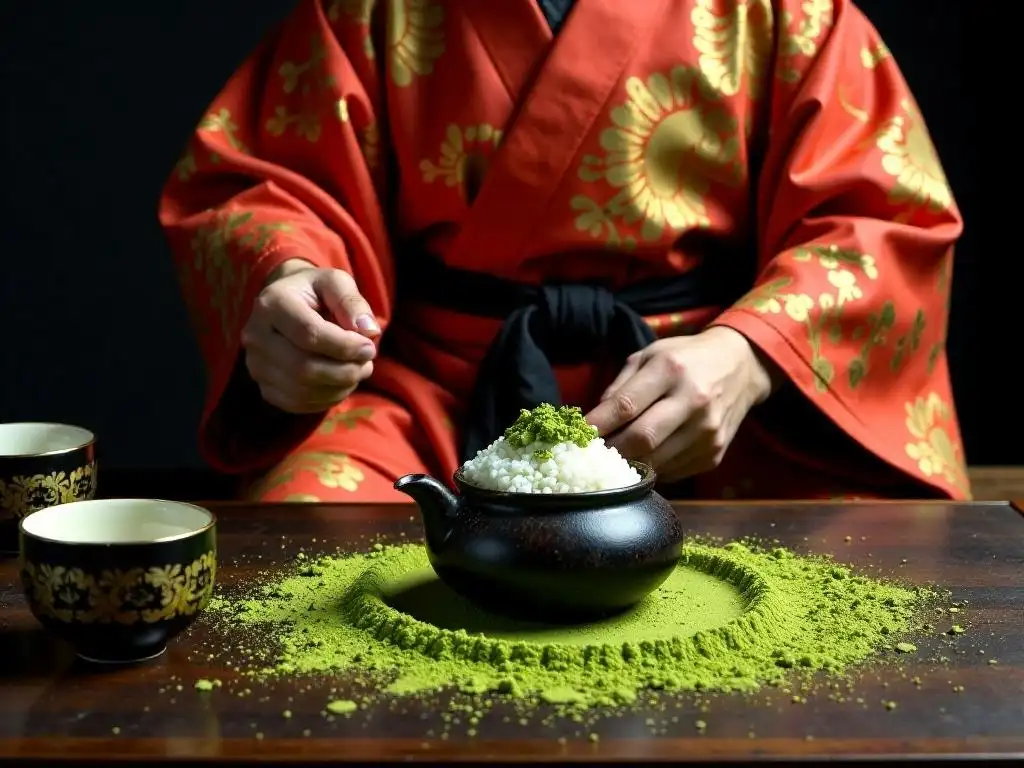
Several historical figures played crucial roles in the intersection of tea ceremonies and diplomacy in feudal Japan. Sen no Rikyū, a prominent tea master, was instrumental in developing the aesthetics and philosophy of the tea ceremony that emphasized simplicity and humility, qualities that resonated deeply in diplomatic settings. His influence extended to samurai leaders, including Toyotomi Hideyoshi, who utilized tea gatherings to consolidate power and foster alliances.
Another notable figure was Tokugawa Ieyasu, the founder of the Tokugawa shogunate, who recognized the tea ceremony's potential in diplomatic relations, using it to establish and maintain connections with other clans. Ieyasu’s patronage of the tea ceremony helped solidify its status as a key cultural practice entwined with political life.
Notable Ceremonial Events in Feudal Politics
Throughout feudal Japan, several notable ceremonial events showcased the role of tea in diplomacy. One significant event was the Kusatsu Conference, where leading daimyōs gathered for tea ceremonies to negotiate terms of peace amidst the tumultuous political landscape. These gatherings not only facilitated discussions but also helped to ease tensions through the calming influence of the tea ritual.
Another example is the ceremonial exchanges between Japan and foreign envoys, such as those from the Portuguese and Dutch. Tea was often served during these meetings, symbolizing goodwill and the desire for fruitful relations. These events marked critical moments in Japan’s external diplomacy, highlighting the tea ceremony's role as a bridge between cultures.
Elements of the Tea Ceremony in Diplomatic Contexts
The tea ceremony incorporates various elements that enhance its significance in diplomatic contexts. These include specific rituals, the roles of participants, and the utensils used, all of which contribute to the ceremony's depth and meaning.
Rituals and Practices during Tea Ceremonies
The rituals and practices observed during tea ceremonies are meticulously designed to promote mindfulness and respect. Key practices include the precise preparation of tea, the careful movement of participants, and the shared enjoyment of the beverage. Each action is steeped in tradition, reflecting the values of harmony, purity, and tranquility.
The kama (tea kettle) is heated over a charcoal fire, symbolizing the warmth of hospitality. The act of whisking the tea with a chasen (tea whisk) is not just about preparing the drink but also serves as a meditative practice for both host and guest. These rituals foster a sense of calm and encourage open dialogue, essential for diplomatic exchanges.
The Role of Participants in Tea Diplomacy
In the context of tea diplomacy, the roles of participants are clearly defined, with each individual contributing to the ceremonial atmosphere. The host bears the responsibility of creating a welcoming environment, while the guests are expected to demonstrate respect and appreciation for the ritual. This dynamic is crucial in establishing a foundation of trust and understanding, which is vital for successful diplomatic negotiations.
Moreover, the presence of influential figures, such as samurai leaders or tea masters, can elevate the significance of the gathering, as their participation adds weight to the discussions. Their actions during the ceremony, from how they receive and serve tea to their interactions with guests, reflect their political acumen and intentions.
Ceremonial Tea Utensils and Their Significance
The utensils used in a tea ceremony hold profound significance, each selected for its aesthetic and practical value. The tea bowl (chawan) is central to the experience, symbolizing the unity of all participants as they share in the preparation and consumption of tea. The choice of vessel can also reflect the host's status and cultural knowledge.
Other essential utensils include the tea caddy (natsume), which holds the powdered tea, and the tea scoop (chashaku), used to measure the tea. Each of these items is often carefully crafted and can convey messages about the host’s taste and attentiveness to tradition, serving as another layer of meaning within the diplomatic exchange. The presentation of these utensils during the ceremony highlights the importance of aesthetics and symbolism in feudal Japanese diplomacy.
Case Studies of Tea Ceremonies in Political Alliances
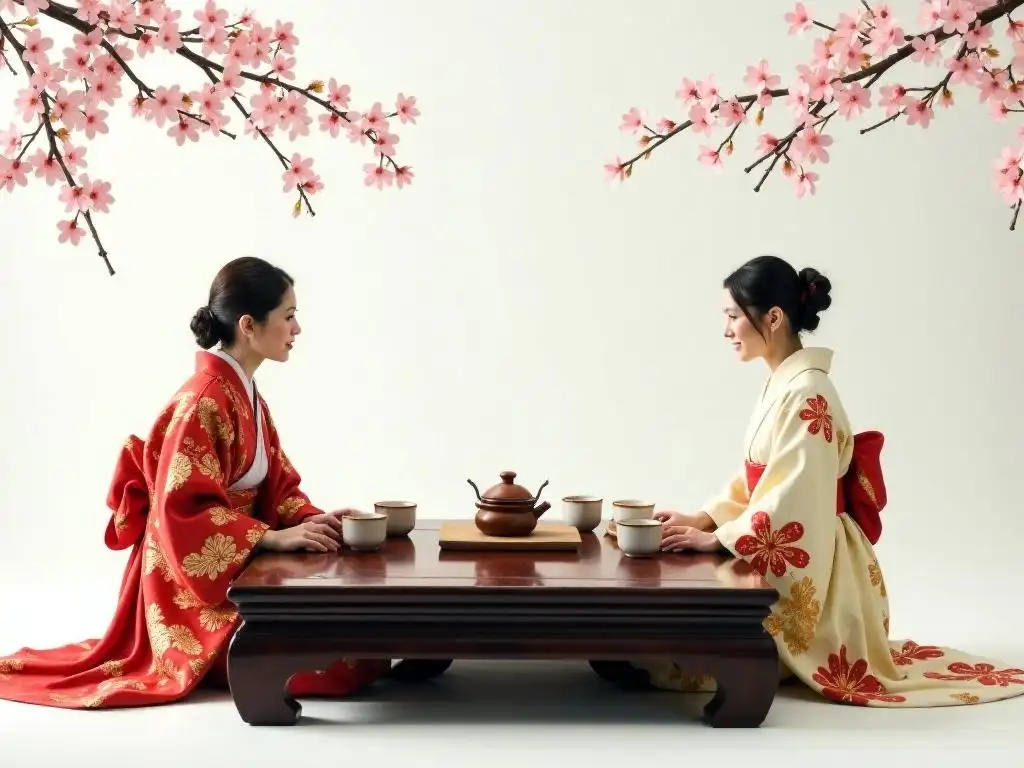
Tea ceremonies in feudal Japan were not mere social gatherings; they served as critical instruments of diplomacy and political alliances. One notable case is the alliance between the Uesugi and Takeda clans during the 16th century. The two rival clans engaged in a series of tea ceremonies that facilitated dialogue and fostered mutual respect, ultimately leading to a temporary truce.
Another significant example is the tea exchanges between Oda Nobunaga and Tokugawa Ieyasu. During the late 1500s, their shared appreciation for the tea ceremony helped solidify their relationship, allowing for strategic discussions that would shape the future of Japan. These ceremonies were often imbued with symbolism, where the act of sharing tea represented trust and collaboration, essential elements in the turbulent world of feudal politics.
The Impact of Tea on Samurai Relations
Tea ceremonies had a profound impact on the relationships among samurai. These rituals allowed warriors from different clans to meet in a neutral setting, fostering an environment of respect and understanding. The act of preparing and serving tea was a demonstration of one’s skill and dedication, enhancing a samurai’s reputation among peers.
For instance, the famous tea master Sen no Rikyū played a pivotal role in influencing samurai culture through tea. His teachings emphasized simplicity and harmony, values that resonated deeply with the samurai ethos. The ritualized nature of the tea ceremony required participants to engage in a code of conduct, which promoted peaceful interactions and often led to the resolution of conflicts.
Tea Ceremonies as Peace Negotiation Platforms
Historically, tea ceremonies served as informal platforms for peace negotiations. The tranquil atmosphere of a tea gathering provided a backdrop for discussing contentious issues without the pressure of formal diplomacy. For instance, during the Sengoku period, several tea ceremonies were organized to ease tensions between warring factions.
One notable instance occurred when the powerful warlord Toyotomi Hideyoshi hosted a tea gathering aimed at brokering peace with the Hojo clan. The ceremony not only allowed for the exchange of pleasantries but also led to a series of discussions that culminated in a treaty. The meditative practice of the tea ceremony encouraged participants to reflect and engage in meaningful dialogue, making it a powerful tool for diplomacy.
Documentation of Noteworthy Diplomatic Tea Events
Documentation of significant tea ceremonies in the context of diplomacy can be found in various historical records. One of the most famous events is the "Tea Ceremony of the Great Peace," held by Tokugawa Ieyasu in 1600. This ceremony was attended by various feudal lords, showcasing the unification efforts of the Tokugawa shogunate.
Another documented event is the tea ceremony hosted by Matsuo Bashō, a renowned poet, which served as a gathering for influential figures to discuss cultural and political matters. These instances illustrate how tea ceremonies were not only cultural displays but also strategic gatherings that shaped political landscapes.
Analyzing the Impact of Tea Culture on Feudal Politics
Tea culture in feudal Japan significantly influenced political dynamics and social structures. The ritualistic nature of the tea ceremony helped to establish codes of conduct that transcended mere etiquette, embedding political significance in every interaction.
The aesthetic of the tea ceremony, characterized by simplicity and attention to detail, mirrored the ideals of the samurai class—discipline, honor, and respect. The shared experience of tea drinking among feudal lords often led to the forging of alliances and the smoothing over of hostilities, thereby directly impacting the political landscape.
Tea Ceremony's Influence on Social Hierarchies
The tea ceremony also played a crucial role in reinforcing or challenging social hierarchies within feudal Japan. While it provided a space for samurai and noble classes to interact, it was also accessible to commoners in certain contexts. This accessibility allowed for a unique blending of social classes, where commoners could showcase their tea skills, thereby gaining respect and recognition.
Moreover, the hierarchy within a tea gathering itself reflected the social standings of the participants. The seating arrangements and the order of serving tea demonstrated the intricate social dynamics at play, with senior figures often receiving tea first. This complex interplay of hierarchy within the tea ceremony exemplified how cultural practices could both reflect and influence social structures.
Long-term Effects of Tea Diplomacy on Feudal Relations
The long-term effects of tea diplomacy on feudal relations are evident in the way alliances were formed and maintained through the centuries. The practice of using tea ceremonies as diplomatic tools established a tradition of non-violent negotiation that influenced future generations.
As the Tokugawa shogunate solidified its power, the legacy of tea diplomacy continued to shape political interactions. The respect fostered through these ceremonies contributed to a more stable social order, where conflicts were often resolved through dialogue rather than warfare. This legacy of tea diplomacy has left an indelible mark on Japanese culture, influencing not only political relations but also the broader societal values of harmony and respect.
Conclusion: The Lasting Legacy of Tea Ceremonies in Japanese Diplomacy
The tea ceremony in feudal Japan was more than just a ritual; it was a significant diplomatic tool that shaped the relationships between warlords, samurai, and other influential figures of the time. The careful preparation and presentation of tea served as a vehicle for establishing trust, fostering goodwill, and facilitating dialogue. Through these ceremonial exchanges, participants could transcend their differences, paving the way for negotiations and alliances. Today, the legacy of these practices continues to influence Japanese diplomacy, as the principles of hospitality, respect, and mindfulness are echoed in modern diplomatic interactions.
The rituals established during the feudal era have left an indelible mark on Japan’s cultural landscape. Tea ceremonies have evolved, but their roots in diplomacy remind us of the power of shared experiences in building relationships. As Japan continues to navigate the complexities of international relations in a globalized world, the foundational values of tea ceremonies—such as harmony, respect, purity, and tranquility—remain relevant, providing a framework for effective communication and mutual understanding.
Reflections on Tea's Role in Cultural Heritage
Tea has become a symbol of Japanese culture, encapsulating values that resonate deeply within society. The tea ceremony, or chanoyu, is a reflection of Japan's artistic sensibilities, emphasizing simplicity, beauty, and the appreciation of nature. It serves as a reminder of the historical context in which these ceremonies flourished, showcasing how cultural practices can evolve while retaining their significance.
As a cultural heritage, tea ceremonies are celebrated not only for their aesthetic qualities but also for their philosophical underpinnings. The emphasis on mindfulness during the preparation and consumption of tea encourages participants to engage fully in the moment, fostering a deeper connection to both the tea and those present. This aspect of the ceremony has implications beyond the historical context, as it promotes mental well-being and social cohesion in contemporary settings.
Moreover, tea ceremonies have been instrumental in preserving traditional Japanese arts, including calligraphy, flower arrangement, and pottery. Each element of the tea ceremony—from the tea itself to the utensils used—carries its own history and meaning, contributing to a rich tapestry of cultural heritage that continues to be cherished and practiced today.
Future Perspectives on Tea Ceremonies in Contemporary Japan
Looking ahead, the tea ceremony remains a vital aspect of Japan's cultural identity, even as society evolves. There is a growing interest in these traditional practices among younger generations, who seek to reconnect with their heritage in a fast-paced, modern world. Workshops and community events devoted to chanoyu are on the rise, reflecting a desire to understand and embrace this rich tradition.
Additionally, the principles of the tea ceremony are finding applications in various modern contexts, such as corporate environments and educational settings. The focus on mindfulness and respect can contribute to improved interpersonal relationships and team dynamics in workplaces, making the tea ceremony relevant in contemporary life.
Furthermore, as global interest in Japanese culture continues to grow, tea ceremonies can serve as a bridge for cultural exchange. By engaging with international audiences, Japan can promote its unique traditions while fostering understanding and appreciation of its cultural heritage. In this way, tea ceremonies will not only preserve their historical significance but also adapt to the needs of modern society, ensuring that their legacy endures for future generations.
- Introduction to Tea Ceremonies in Feudal Japan
- The Evolution of Tea Ceremony in Feudal Japan
- The Tea Ceremony as a Diplomatic Tool
- Symbolism of Tea in Feudal Diplomacy
- Key Figures in Tea-Related Diplomatic Exchanges
- Notable Ceremonial Events in Feudal Politics
- Elements of the Tea Ceremony in Diplomatic Contexts
- Case Studies of Tea Ceremonies in Political Alliances
- Analyzing the Impact of Tea Culture on Feudal Politics
- Conclusion: The Lasting Legacy of Tea Ceremonies in Japanese Diplomacy
- What was the significance of the Tea Ceremony in Feudal Japan?
- How did the Tea Ceremony influence political relationships in feudal times?
- What are the key elements of a traditional Tea Ceremony?
- How did the cultural values of Feudal Japan shape the Tea Ceremony?
- In what ways does the Tea Ceremony continue to impact modern Japanese society?
Frequently Asked Questions
What was the significance of the Tea Ceremony in Feudal Japan?
The Tea Ceremony served as a ritualistic practice that emphasized harmony, respect, and purity. It played a crucial role in diplomatic exchanges among feudal lords, fostering goodwill and understanding.
How did the Tea Ceremony influence political relationships in feudal times?
The Tea Ceremony acted as a cultural bridge, allowing feudal leaders to engage in ceremonial exchanges that strengthened alliances and facilitated negotiations. It was a means to showcase refinement and establish trust.
What are the key elements of a traditional Tea Ceremony?
Key elements include tea preparation, the presentation of utensils, and a focus on aesthetic beauty. Each step is designed to promote mindfulness and enhance the social connection between participants.
How did the cultural values of Feudal Japan shape the Tea Ceremony?
The Tea Ceremony reflects the cultural values of Zen Buddhism, emphasizing simplicity, tranquility, and natural beauty. These values were integral in fostering a sense of community among the participants.
In what ways does the Tea Ceremony continue to impact modern Japanese society?
Today, the Tea Ceremony remains a symbol of Japanese culture, promoting social harmony and tradition. It serves as a way to connect with the past while adapting to modern social practices.
Final Reflection: The Timeless Brew of Diplomacy
The role of tea in diplomacy transcends mere beverage; it embodies the essence of cultural exchange and political strategy. In today's interconnected world, where global relations are often strained, the lessons from the tea ceremonies of feudal Japan remind us of the power of shared rituals in fostering understanding and respect among nations. The elegance and intentionality of these ceremonies serve as a poignant reminder that diplomacy is not just about negotiations and treaties, but also about building relationships through shared experiences.
The influence of tea ceremonies on cultural and social landscapes cannot be overstated. They have shaped not only the art of hospitality but also the very fabric of international relations. The quiet yet profound act of sharing tea has the potential to break down barriers and create bonds that transcend language and politics. As the renowned scholar Okakura Kakuzō once said, Tea is a religion of the art of life.
This sentiment encapsulates the enduring significance of tea as a medium for connection, illustrating how such traditions continue to resonate in modern diplomatic practices.
As we reflect on the lessons of the tea ceremony, let us embrace the idea that every interaction holds the potential for deeper understanding and connection. I invite you to consider how you can incorporate the spirit of the tea ceremony into your own life—whether through mindful communication, fostering relationships, or engaging in cultural exchanges. In a world that often feels divided, let us remember that the simple act of sharing a cup of tea can be a powerful catalyst for unity and peace.
Embrace the Art of Tea Diplomacy!
Thank you for taking the time to explore the intricate role of tea in feudal diplomacy with us! You've uncovered how this humble beverage served as a powerful tool for forging alliances and expressing cultural values. Now, it’s time to put this knowledge into action!
Here are a few ways to deepen your engagement with this fascinating topic:
- Join a local tea ceremony: Experience firsthand the elegance and symbolism behind tea rituals that once shaped political landscapes.
- Explore historical events: Research how various cultures utilized tea in diplomatic contexts and share your findings with fellow history enthusiasts.
- Connect with our community: Engage in the comments below with your thoughts or questions about tea and diplomacy. Alternatively, follow us on social media to connect with others who share a passion for historical exploration.
What insights have you gained today that could transform your understanding of tea's role in diplomacy? Share your thoughts!