
The Intricate World of Edo Period Tattoos: Art and Identity

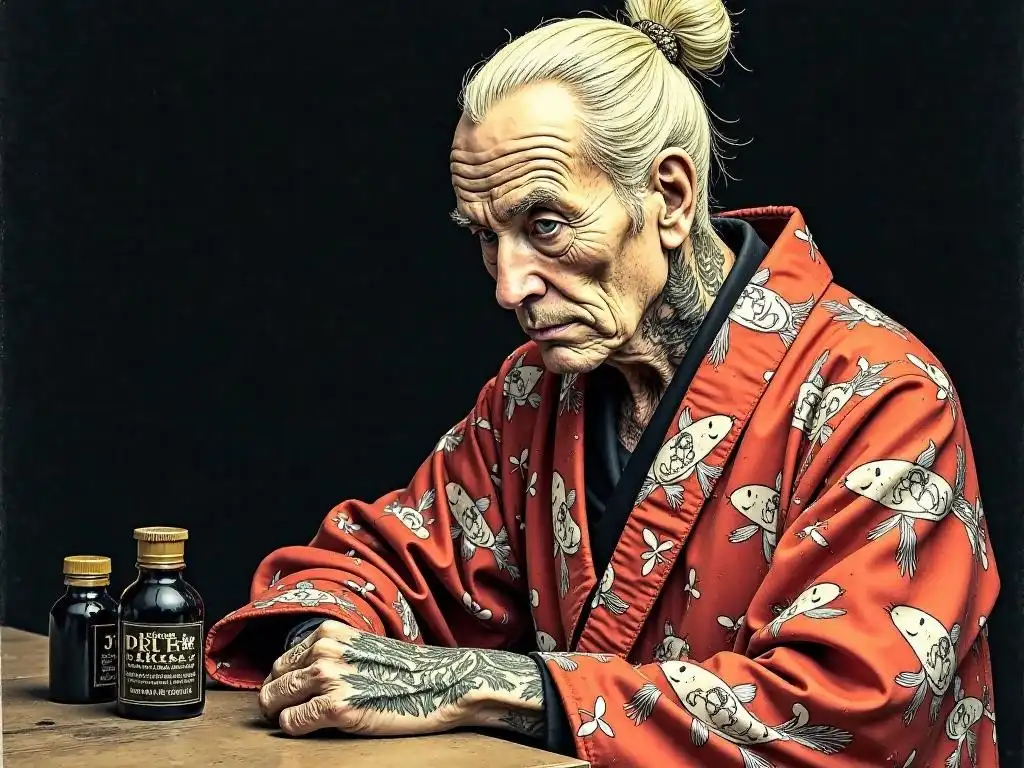
Welcome to Feudal Japan History, where we invite you to journey through the captivating tapestry of Japan’s feudal era. In our exploration of the Edo period tattoo history, you’ll uncover not just the artistry behind these intricate designs but also the profound connection they held to identity and culture during a time of remarkable transformation. What secrets lie beneath the ink?
Dive into our featured article, "The Intricate World of Edo Period Tattoos: Art and Identity," and discover how these tattoos were more than mere decoration; they were a reflection of societal status, beliefs, and personal narratives. Prepare to be intrigued as we peel back the layers of history and culture—your adventure awaits!
Introduction to Edo Period Tattoo History
The Edo period, spanning from 1603 to 1868, marked a significant era in Japan's history, characterized by profound cultural, social, and artistic developments. One of the most fascinating aspects of this period is the emergence and evolution of tattoos, which served not only as a form of body art but also as a complex symbol of identity and societal status.
The intricate designs and meanings behind Edo period tattoos reflect the values and philosophies of the time, intertwining art and identity in a way that continues to captivate scholars and enthusiasts alike. This article aims to delve into the rich tapestry of Edo period tattoo history, examining its historical context, significance in Japanese culture, and the various influences that shaped this unique form of expression.
Overview of the Edo Period (1603-1868)
The Edo period, also known as the Tokugawa period, was a time of relative peace and stability in Japan following centuries of civil war. Under the rule of the Tokugawa shogunate, the country experienced economic growth, urbanization, and a flourishing of the arts. The capital, Edo (modern Tokyo), became one of the largest cities in the world, attracting a diverse populace that contributed to a vibrant cultural scene.
During this time, traditional Japanese art forms, such as ukiyo-e (woodblock prints), gained prominence, influencing various aspects of daily life, including fashion and body adornment. Tattoos emerged as a distinctive art form within this cultural milieu, often reflecting the aesthetics and values of the Edo period while also serving practical functions, such as identification and protection.
Significance of Tattoos in Japanese Culture
Tattoos in Japan have a complex historical significance, often seen as both a mark of beauty and a symbol of social status. In the Edo period, tattoos were associated with various groups, including the working class and the yakuza (Japanese organized crime). For many, tattoos were a way to express individuality and cultural identity, showcasing intricate designs that told stories of bravery, loyalty, and personal history.
Moreover, the spiritual dimensions of tattoos cannot be overlooked. Many believed that tattoos held protective qualities, warding off evil spirits and misfortune. This belief further elevated the status of tattoo art, intertwining it with Japan's rich spiritual and cultural traditions.
Historical Context of Edo Period Tattoos
Origins of Tattooing in Japan
The practice of tattooing in Japan dates back to ancient times, with evidence found in archaeological sites that suggest its existence over two millennia ago. Initially, tattoos were used for various purposes, including marking criminals, denoting social status, and serving as talismans for protection. However, the Edo period saw a transformation in the perception of tattoos, as they became more widely accepted and celebrated as an art form.
By the early Edo period, tattoos began to gain popularity among the common folk, especially among laborers and firefighters, who adorned their bodies with intricate designs that symbolized strength and resilience. This shift marked a new chapter in the history of tattoos in Japan, setting the stage for the rich artistic traditions that would follow.
The Evolution of Tattoo Styles during the Edo Period
As tattooing gained prominence in Edo society, distinct styles and techniques began to emerge, each with its own unique characteristics and meanings. Traditional Japanese tattoos, or irezumi, are known for their bold outlines and vibrant colors, often depicting mythical creatures, nature, and historical themes.
Key elements of Edo period tattoo styles include:
- Themes and Motifs: Common motifs included koi fish, dragons, and cherry blossoms, each symbolizing various virtues and ideals.
- Technique: The hand-poked technique used by tattoo artists during this time required immense skill and precision, resulting in beautifully detailed designs.
- Cultural Influence: The influence of ukiyo-e prints on tattoo designs is evident, as many artists drew inspiration from the popular woodblock prints of the time.
Influence of Social Classes on Tattoo Practices
Social class played a crucial role in determining the types and meanings of tattoos during the Edo period. While tattoos were embraced by the working class, they often carried different connotations compared to those worn by the elite. For instance, while commoners might use tattoos to display strength and resilience, members of the upper class generally distanced themselves from tattoo culture, associating it with criminality and lower social status.
As a result, tattoos became a visible marker of one's place within the social hierarchy, leading to a rich tapestry of styles and meanings that varied significantly across different classes. This dynamic interplay between art, identity, and social status continues to be a compelling subject of study, reflecting the complexities of Edo period culture.
Cultural Significance of Tattoos in the Edo Era
Tattoos during the Edo period (1603-1868) were more than mere body art; they were deeply woven into the cultural and social fabric of Japanese society. In a time marked by strict social hierarchies and the rigid class system, tattoos served as powerful symbols of identity, status, and belonging. They were often used to convey personal narratives, cultural heritage, and even societal roles.
Tattooing in this era was predominantly associated with the working class, particularly among laborers, firefighters, and the merchant class. Each tattoo carried distinct meanings, often reflective of the individual's profession, achievements, or affiliations. Moreover, tattoos were employed as markers of group identity, enabling individuals to showcase their loyalty to their peers or clans. This practice fostered a sense of community among those with similar inked designs, reinforcing social bonds within the lower classes.
Tattoos as Symbols of Identity and Status
In the Edo period, tattoos were a potent expression of personal and social identity. For many, tattoos were a way to assert individuality and convey one's status. Different designs often indicated a person's profession or social standing. For instance, the elaborate tattoos worn by firefighters, known as "hiki-e," symbolized bravery and skill, marking them as respected figures in their communities.
Tattoos also played a role in the world of entertainment, particularly in the realm of kabuki theater. Actors often adorned themselves with tattoos that reflected their characters, enhancing their performances and connecting them to the narratives they portrayed. In this way, tattoos transcended mere decoration, becoming a vital part of the identity and persona of individuals in the Edo period.
The Role of Tattoos in the Yakuza and Criminal Culture
The connection between tattoos and the Yakuza, Japan's organized crime syndicates, is one of the most notable aspects of Edo period tattoo history. While tattoos were prevalent among various social classes, they became particularly associated with the Yakuza, who adopted them as symbols of their allegiance and resilience. The intricate designs often featured motifs like dragons, koi fish, and cherry blossoms, each carrying its own significance.
For the Yakuza, tattoos served multiple purposes: they acted as a rite of passage, a form of self-expression, and a badge of honor. Members would often undergo extensive tattooing sessions to showcase their commitment to the gang and its values. This tattoo culture not only solidified their identity within the criminal world but also presented a fearsome image to rivals and authorities alike, embodying the spirit of defiance and loyalty.
Spiritual and Religious Aspects of Tattooing
Beyond identity and status, tattoos in the Edo period were imbued with spiritual and religious significance. Many designs were inspired by Shinto and Buddhist iconography, believed to offer protection and blessings to the wearer. For instance, certain motifs represented deities or mythical creatures, thought to safeguard individuals from harm or misfortune.
Additionally, tattooing practices often intersected with rituals and ceremonies, where the act of tattooing itself was seen as a spiritual journey. Practitioners and recipients engaged in these rituals with a sense of reverence, enhancing the tattoos' spiritual potency. This melding of art and spirituality highlights the profound cultural significance of tattoos during the Edo period.
Artistic Elements of Edo Period Tattoos
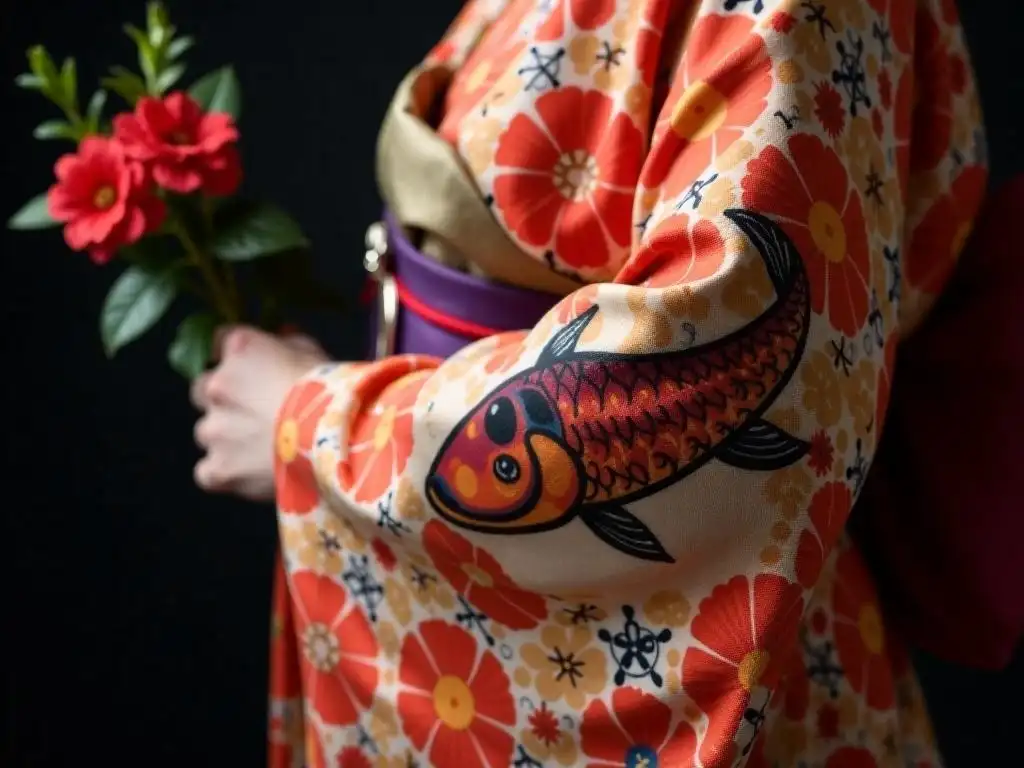
Edo period tattoos are celebrated for their distinct artistic styles, characterized by elaborate designs and intricate details. The artistry of these tattoos reflects the cultural and aesthetic values of the time, as well as the technical advancements in tattooing methods. The combination of vibrant colors, fluid lines, and symbolic motifs created a rich tapestry of visual storytelling on the human canvas.
Common Motifs and Themes in Edo Tattoos
Edo period tattoos often featured a wide range of motifs, each with its own meanings and associations. Popular themes included:
- Nature: Elements like waves, clouds, and flora, symbolizing beauty and the impermanence of life.
- Mythical Creatures: Dragons and phoenixes embodied strength, wisdom, and rebirth.
- Cultural Icons: Representations of kabuki actors and historical figures served to celebrate cultural heritage.
- Symbolism of Protection: Deities and protective symbols were commonly inked to ward off evil and provide spiritual guidance.
These motifs were intricately woven together, creating a cohesive narrative on the skin that portrayed the wearer's values, beliefs, and aspirations.
Techniques and Tools Used in Tattooing
The techniques and tools employed in Edo period tattooing were crucial in shaping the art form. Traditional tattooing, known as "irezumi," utilized hand-poking methods with bamboo or metal needles. This meticulous process required great skill and precision, as artists would create designs by inserting ink into the skin layer by layer.
The ink itself was often made from natural pigments, such as soot and plant materials, resulting in vibrant colors that stood the test of time. Artists would take great care in crafting their tools and inks, ensuring high quality for their clients. The dedication to craftsmanship not only elevated tattooing as an art form but also signified the deep respect artists had for their work and the stories they were telling through tattoos.
Famous Tattoo Artists of the Edo Period
Several tattoo artists emerged during the Edo period, gaining fame for their unique styles and masterful techniques. Among the most renowned was Hokusai, who, although primarily known as a painter and printmaker, influenced tattoo design through his distinctive artistic vision. His works often featured dynamic compositions and themes that resonated with tattoo culture.
Another notable figure was Hirayama, who became widely recognized for his ability to blend traditional motifs with innovative designs. His tattoos were celebrated for their intricate details and vivid colors, making him a sought-after artist among the elite and working classes alike.
These artists not only contributed to the development of tattooing techniques but also impacted the cultural significance of tattoos, shaping how they were perceived in society. Their legacy endures, highlighting the intersection of art and identity in the rich tapestry of Edo period tattoos.
During the Edo period (1603-1868), tattooing in Japan evolved as a multifaceted practice that reflected the complexities of social identity and cultural expression. Tattoos were not merely decorative; they served a variety of purposes, including signaling social status, expressing personal beliefs, and conveying affiliations with specific groups, such as the underclass or the criminal world. The intricate designs and vibrant colors used in these tattoos often told stories, depicted mythological figures, or illustrated natural elements, transforming the body into a canvas of art and identity.
Despite their artistic value, tattoos were also deeply intertwined with societal perceptions. While some segments of the population embraced tattooing as a form of artistry and personal expression, others viewed it with disdain and suspicion, labeling it as a mark of criminality or moral decay. This ambivalence led to a complex relationship between tattooed individuals and the broader society, often resulting in social marginalization for those who adorned themselves in ink.
Tattooing as a Form of Punishment and Exile
In Edo society, tattoos were sometimes used as a punitive measure against criminals. The practice of tattooing as punishment involved inking a visible mark on the skin to denote a person's criminal record. This method served both as a deterrent to others and as a means of social control, ensuring that those who had transgressed the law were identifiable.
For example, individuals convicted of serious crimes would often receive tattoos on their foreheads or other prominent areas, permanently branding them as outcasts. This practice not only isolated the tattooed individuals from mainstream society but also reinforced the stigma surrounding tattoos. As a result, many of these individuals faced significant barriers to reintegration into society, further entrenching the negative perceptions associated with tattooing.
Public Attitudes Toward Tattoos in Edo Society
Public attitudes toward tattoos in Edo Japan were largely shaped by class distinctions and cultural beliefs. Among the lower classes, particularly among laborers and firefighters, tattoos were often embraced as symbols of bravery and strength. These tattoos frequently featured bold designs that celebrated their profession or conveyed an image of resilience and solidarity.
Conversely, the upper classes, influenced by Confucian ideals, generally disapproved of tattoos, associating them with the lower social strata and criminality. This divide in perception created a dichotomy where tattoos were simultaneously celebrated and stigmatized, depending on one's social standing. The contrast between the acceptance among certain groups and the disdain from others highlighted the complex nature of identity in Edo society, where tattoos could signify both honor and shame.
The Dichotomy of Acceptance and Stigmatization
The relationship between tattoos and societal acceptance during the Edo period was marked by a significant dichotomy. On one hand, tattoos were viewed as a form of artistic expression and cultural heritage among certain communities, particularly among the working class, where elaborate tattoo designs became a source of pride. These tattoos often depicted traditional motifs, such as dragons, koi fish, and cherry blossoms, and were seen as embodiments of personal narratives and cultural history.
On the other hand, the stigma attached to tattoos persisted, particularly in the eyes of the ruling samurai class and the bourgeoisie. Tattoos were often associated with the yakuza, Japan's organized crime syndicates, further entrenching their negative connotations. This duality created a complex social landscape where the appreciation for tattoo art coexisted with prejudice, leading to ongoing debates about the nature of identity and the role of tattoos in society.
The Decline of Edo Period Tattoo Culture
The decline of tattoo culture in the Edo period can be traced to several interconnected factors, including societal changes, legal restrictions, and shifting cultural values. As Japan transitioned into the Meiji era (1868-1912), the government initiated sweeping reforms that aimed to modernize the country and align it more closely with Western practices. This transformation had profound implications for tattoo culture, leading to a marked decline in its prominence.
Factors Leading to the Decline of Tattooing Traditions
Several factors contributed to the decline of tattooing traditions during the late Edo period and into the Meiji era. One significant factor was the increasing pressure from the government to promote a more uniform and Westernized national identity, which included discouraging practices deemed "uncivilized" or "backward." As part of this campaign, tattoos were increasingly associated with criminality and social deviance, leading to a push against their acceptance in mainstream culture.
Additionally, the rise of new forms of entertainment and social expression, such as theater and literature, began to overshadow the tattoo culture. The introduction of Western art styles and aesthetics further diluted the traditional appreciation for Japanese tattoos, creating a cultural shift that favored different forms of artistic expression.
The Impact of Western Influence on Japanese Tattoos
The arrival of Western influence during the Meiji period significantly altered the landscape of Japanese tattoos. As Japan opened its doors to the West, new cultural exchanges began to reshape societal norms and values. Western attitudes toward body art differed greatly from traditional Japanese views, leading to a re-evaluation of the meaning and significance of tattoos.
With Western culture often labeling tattoos as a sign of rebellion or counterculture, many Japanese began to associate tattoos with a negative image. This shift resulted in the disassociation of traditional tattoo practices from their cultural roots, as many artists and individuals sought to distance themselves from the stigma associated with tattoos during this transformative period.
Preservation of Edo Tattoo Heritage in Modern Japan
Despite the decline in tattoo culture during the Meiji era, there has been a resurgence of interest in Edo period tattoos in contemporary Japan. Modern tattoo artists and collectors have begun to explore and revive traditional tattooing techniques and motifs, recognizing their cultural significance and artistic value.
Efforts to preserve this heritage include workshops, exhibitions, and collaborations between traditional tattoo artists and modern creators, fostering a renewed appreciation for the artistry and history of Edo period tattoos. Additionally, ongoing discourse surrounding tattoos in Japan has evolved, with a growing acceptance of body art as a legitimate form of expression in contemporary society.
As Japan continues to navigate its cultural identity in a globalized world, the Edo period tattoo heritage remains a vital part of its artistic landscape, serving as a bridge between the past and the present.
Contemporary Relevance of Edo Period Tattoos
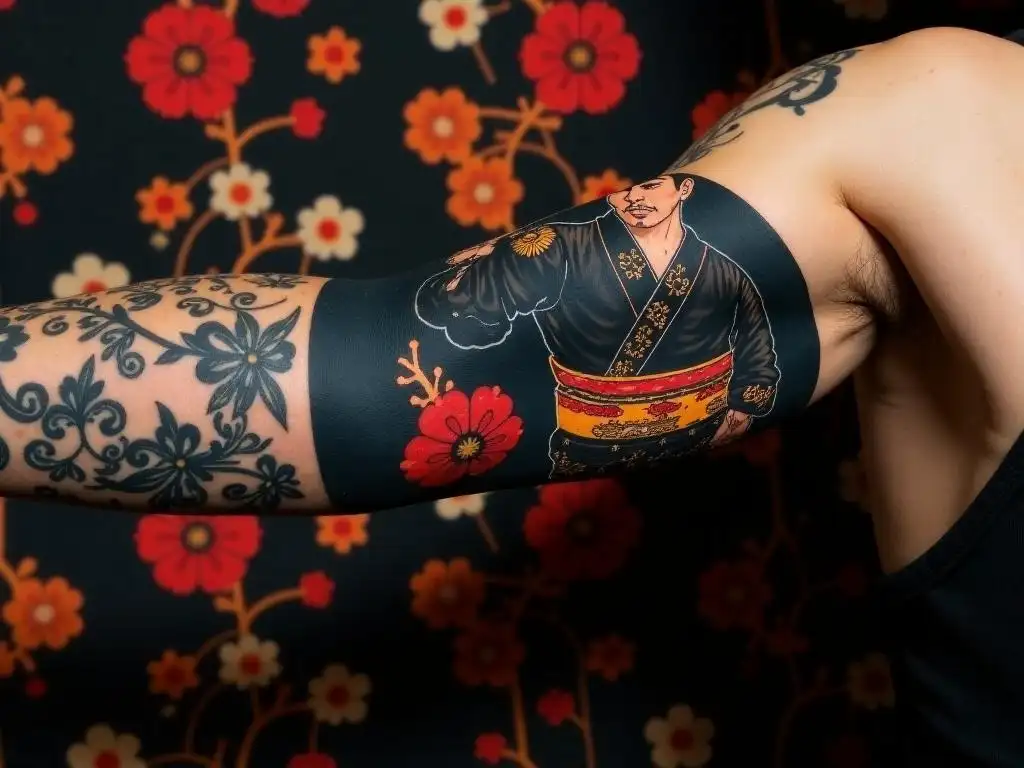
Edo period tattoos, known for their profound symbolism and artistic expression, continue to resonate in contemporary society, particularly in Japan. These tattoos serve as a bridge connecting modern individuals to their cultural heritage, reflecting not only personal identity but also collective history. In contemporary Japan, where traditional values often coexist with modern lifestyles, the appreciation for Edo tattoos has been rejuvenated, allowing individuals to embrace their roots while expressing themselves through body art. This revival underscores the enduring significance of these tattoos as a form of storytelling, with each design narrating tales of bravery, beauty, and resilience.
Revival of Edo Tattoo Styles in Modern Japan
In recent years, there has been a noticeable resurgence of interest in Edo period tattoo styles among both tattoo artists and enthusiasts in Japan. Many contemporary artists are revisiting traditional techniques and designs, incorporating them into modern tattoo practices. This revival is marked by the meticulous craftsmanship reminiscent of the Edo period, where artists paid homage to folklore and historical narratives through their work.
The use of vibrant colors, intricate patterns, and mythological themes is prevalent, echoing the artistry of the past. Additionally, tattoo conventions and exhibitions dedicated to Edo-style tattoos have emerged, fostering a community that values both the aesthetic and cultural significance of this art form.
The Influence of Edo Tattoos on Global Tattoo Culture
The impact of Edo period tattoos extends far beyond Japan’s borders, influencing tattoo culture globally. As Japanese tattoos gained international recognition, elements of Edo styles began to permeate tattoo scenes worldwide. Artists from various countries have adopted techniques such as "irezumi," characterized by large, bold designs that often cover significant portions of the body.
The rich symbolism embedded in Edo tattoos, including motifs like koi fish, dragons, and cherry blossoms, has found a place in the work of tattoo artists across the globe. This cross-cultural exchange has enriched the global tattoo community, blending traditional Japanese aesthetics with local styles and personal narratives.
Preservation Efforts and Cultural Appreciation
Efforts to preserve the legacy of Edo period tattoos are crucial in maintaining this unique aspect of Japanese cultural heritage. Various organizations and cultural institutions are working to promote awareness and appreciation for the historical and artistic significance of these tattoos. Workshops, lectures, and exhibitions focused on Edo tattoo art are being organized to educate the public about its history and cultural context. Additionally, collaborations between traditional tattoo artists and modern creators are fostering a dialogue that bridges the gap between past and present, ensuring that the art of tattooing continues to evolve while honoring its roots.
Conclusion: The Legacy of Edo Period Tattoo History
The legacy of Edo period tattoos is a testament to their enduring relevance in both historical and contemporary contexts. These tattoos encapsulate a rich narrative of Japanese culture, reflecting the values, beliefs, and artistry of a bygone era.
Summary of Key Points
- Edo period tattoos are deeply rooted in Japanese history, representing personal and cultural identity.
- There is a revival of traditional tattoo styles in modern Japan, with artists embracing historical techniques and themes.
- Edo tattoos have significantly influenced global tattoo culture, leading to their adoption and adaptation worldwide.
- Preservation efforts are underway to honor and promote the historical significance of Edo tattoos.
The Continuing Impact of Edo Tattoos on Japanese Identity
Edo period tattoos continue to shape Japanese identity in multifaceted ways. For many, these tattoos symbolize a connection to their heritage, serving as a reminder of their roots and culture. As modern society evolves, the appreciation for these traditional designs fosters a sense of pride and belonging among individuals, allowing them to express their identities in a contemporary context while honoring their past. The intricate world of Edo period tattoos remains a vital part of Japan's cultural tapestry, bridging the historical with the modern and enriching the understanding of personal and collective identity.
Additional Resources and Further Reading
For those interested in delving deeper into the captivating world of Edo period tattoos, a plethora of resources is available that cover various aspects of this unique cultural phenomenon. From scholarly books to visually engaging documentaries, these materials offer insights into the art, history, and societal implications of tattoos during this transformative era in Japan.
Books on Edo Period Tattoos
Several authoritative texts explore the intricacies of Edo period tattoos, their meanings, and their evolution. Here are some notable titles:
-
"Japanese Tattooing: A Cultural History" by Takahiro Kitamura
This book provides a comprehensive overview of tattooing in Japan, focusing on the Edo period's influence on modern practices.
-
"The Tattoo History Source Book" by Steve Gilbert
While not solely dedicated to Japanese tattoos, this source book includes significant sections on the Edo period, highlighting the cultural context and historical evolution of tattoo art.
-
"Body of the Samurai: The Meaning of Tattoos in Edo Japan" by Daisuke Takahashi
This scholarly work examines the symbolism behind tattoos and their relationship with the samurai class, shedding light on the deeper meanings attributed to tattoo art.
-
"The Art of Japanese Tattoos" by David Sokol
This book offers a visual journey through the art of Japanese tattooing, featuring historical perspectives and modern interpretations of Edo period designs.
Documentaries and Visual Media
Visual storytelling can provide a compelling look at Edo period tattoos. Here are a few documentaries and films that highlight this art form:
-
"Tattoo: A Documentary"
This film explores the history of tattoos globally, including a significant focus on Japan, with interviews from tattoo artists and cultural historians discussing the Edo period's impact.
-
"The Ink of the Samurai" (NHK Documentary)
This documentary examines the relationship between tattooing and the samurai culture during the Edo period, featuring traditional tattoo artists and their insights.
-
"Japanese Tattoos" (YouTube Series)
This online series delves into the world of Japanese tattoos, showcasing the techniques and stories behind traditional Edo period tattoos, making it accessible to a wider audience.
Museums and Exhibitions Featuring Edo Tattoo Art
Various institutions around the world feature collections and exhibitions dedicated to the art of Edo period tattoos. These venues provide an opportunity to see historical artifacts and learn about the cultural significance of tattooing in Japan:
-
Tokyo National Museum
Home to an extensive collection of Japanese art, this museum occasionally hosts exhibitions focusing on Edo period culture, including tattoo art. Visitors can explore the historical context and artistic techniques.
-
Sumida Hokusai Museum
This museum, dedicated to the famous ukiyo-e artist Katsushika Hokusai, features exhibitions that often include tattoo art inspired by his works, showcasing the intersection of traditional art and tattoo culture.
-
The Museum of Fine Arts, Boston
This museum has held exhibitions that feature Edo period artifacts, including textiles and prints that depict tattoo designs, providing context to the art form’s historical significance.
Engaging with these resources will enrich one’s understanding of the complex interplay between art and identity in the Edo period, revealing how tattoos served as a means of expression, societal status, and cultural heritage.
- Introduction to Edo Period Tattoo History
- Historical Context of Edo Period Tattoos
- Cultural Significance of Tattoos in the Edo Era
- Artistic Elements of Edo Period Tattoos
- Tattooing Practices and Social Perception
- The Decline of Edo Period Tattoo Culture
- Contemporary Relevance of Edo Period Tattoos
- Conclusion: The Legacy of Edo Period Tattoo History
- Additional Resources and Further Reading
Frequently Asked Questions
What is the significance of tattoos during the Edo period in Japan?
Tattoos during the Edo period were often seen as symbols of identity and social status, reflecting one's profession or affiliations within society.
How did tattoos evolve in the Edo period?
Tattoos evolved from criminal branding to a form of artistic expression. They became popular among the working class and were associated with the yakuza and various cultural motifs.
What are some common motifs found in Edo period tattoos?
Common motifs included mythical creatures, floral patterns, and scenes from Japanese folklore, all rich in symbolism and often linked to cultural or spiritual beliefs.
How did societal views on tattoos change after the Edo period?
Post-Edo, tattoos became associated with criminality and were largely stigmatized, leading to a decline in their acceptance and a shift in their cultural significance.
Are there modern representations of Edo period tattoos today?
Yes, modern tattoo artists often draw inspiration from Edo period styles, reviving traditional techniques and motifs, which help in preserving this unique aspect of Japanese cultural heritage.
Final Reflection: The Enduring Legacy of Edo Period Tattoos
The intricate world of Edo period tattoos serves as a powerful reminder of how art can shape identity and culture. Today, as we navigate a global landscape increasingly marked by cultural exchange and the quest for personal expression, the history of Edo period tattoos resonates with contemporary discussions about body art and identity. This historical art form not only reflects the aesthetic values of its time but also challenges us to consider how our own tattoos—much like those of the Edo period—can tell stories of resilience, belonging, and individuality.
Edo period tattoos have profoundly influenced both Japanese culture and the broader global tattoo movement. The tattoos of this era were not merely decorative; they were imbued with meaning, representing social status, personal beliefs, and cultural narratives. As we witness a resurgence of interest in traditional tattooing methods and designs, it’s clear that the legacy of the Edo period continues to inspire artists and enthusiasts alike. Tattoos are a way to tell the world who you are without saying a word.
This quote encapsulates the essence of how body art serves as a canvas for personal and cultural expression, bridging the past and the present.
As you reflect on the intricate history of Edo period tattoos, consider how this art form can inspire your own journey of self-expression. What stories do you wish to tell through your body? Whether you are contemplating your first tattoo or simply appreciating the artistry behind this ancient practice, let the lessons of the Edo period guide you. Embrace the opportunity to connect with your identity and heritage, and remember that every mark on your skin can be a testament to your unique narrative in the tapestry of life.
Unveil the Legacy: Explore Edo Period Tattoos Today!
Thank you for diving into the fascinating world of Edo Period tattoos with us! You've uncovered the rich tapestry of art and identity that defines this intriguing era. Now, it’s time to take your interest to the next level.
Here are a few inspiring actions you can take right now:
- Explore more: Visit our extensive archive of articles on tattoos and their cultural significance in Feudal Japan. You might discover hidden gems that deepen your understanding!
- Share your thoughts: Engage with our community by leaving a comment below. What aspect of Edo tattoos intrigues you the most?
- Get creative: Consider designing your own tattoo inspired by Edo artistry. Share your design on social media and tag us to connect with fellow enthusiasts!
What does the intricate world of Edo tattoos mean to you, and how might they influence your own sense of identity today?