
Edo Period Festivals: Celebrating the Seasons and the Spirit of Community

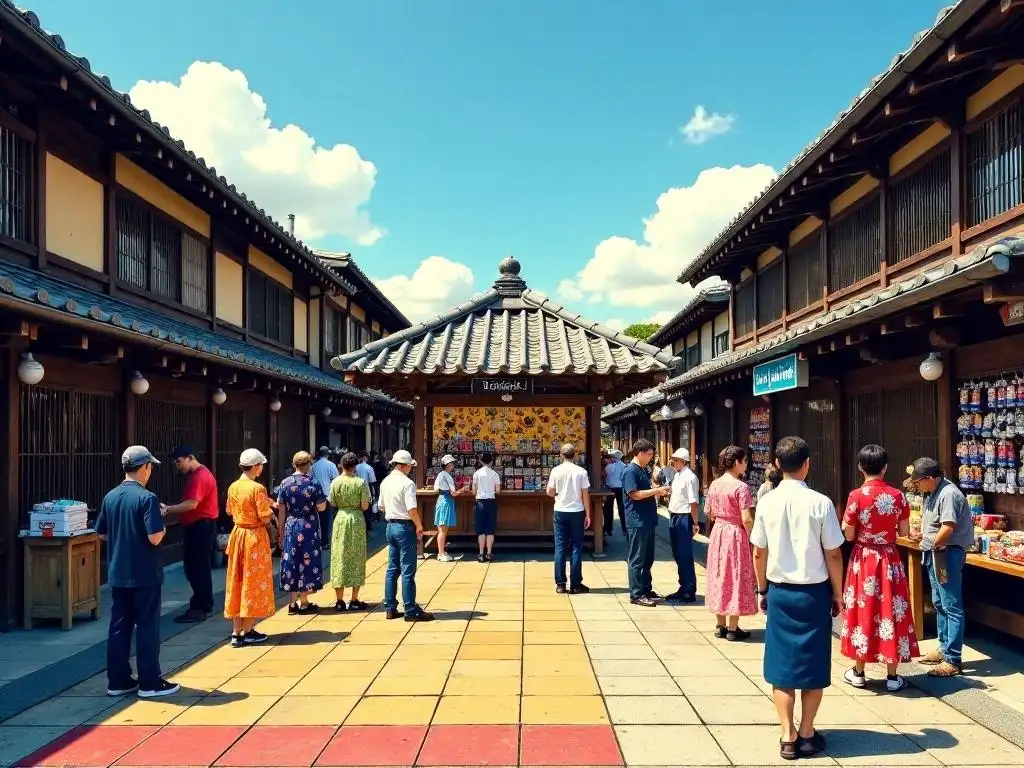
Welcome to Feudal Japan History, where we invite you to journey through the captivating tapestry of Japan's feudal era. In this exploration, we delve into the vibrant world of Edo period festivals, a reflection of the seasons and a testament to the spirit of community that thrived during this remarkable time. What secrets do these celebrations hold?
Prepare to uncover the rich traditions and cultural significance behind each festival, as we guide you through the festivities that shaped a society. Join us as we explore the intricate dance of history and culture, sparking curiosity and inspiring deeper understanding. Your adventure into the heart of feudal Japan begins here!
- Introduction to Edo Period Festivals in Japan
-
Seasonal Festivals in the Edo Period
- Spring Festivals: Welcoming New Beginnings
- Summer Festivals: Vibrant Celebrations of Life
- Autumn Festivals: Harvest and Gratitude
- Tsukimi: Moon Viewing Traditions
- Aki Matsuri: Autumn Harvest Festivals
- Winter Festivals: Reflection and Community
- Setsubun: Welcoming Spring with Rituals
- New Year Celebrations: Cultural Significance and Practices
- The Role of Community in Edo Period Festivals
- Cultural Significance of Edo Period Festivals
- Conclusion: The Legacy of Edo Period Festivals in Modern Japan
- References and Further Reading on Edo Period Festivals in Japan
-
Frequently Asked Questions
- What were the main festivals during the Edo period in Japan?
- How did Edo period festivals influence Japanese culture?
- What is the significance of seasonal festivals in the Edo period?
- How did festivals during the Edo period reflect social hierarchies?
- Are there any modern celebrations that trace their roots to Edo period festivals?
- Final Reflection: Celebrating Community Through Edo Period Festivals
- Embrace the Spirit of Edo Festivals Today!
Introduction to Edo Period Festivals in Japan
The Edo period, spanning from 1603 to 1868, represents a transformative era in Japanese history marked by relative peace, political stability, and cultural flourishing. During this time, the capital was established in Edo (modern-day Tokyo), where a unique blend of traditions, beliefs, and social structures emerged. Festivals during the Edo period were not merely celebrations; they played a vital role in community bonding, spiritual expression, and the continuation of cultural practices.
These events, often tied to the changing seasons, agricultural cycles, and religious observances, encapsulated the essence of life in Edo Japan, reflecting the values and aspirations of its people. This article will delve into the vibrant world of Edo period festivals in Japan, exploring their historical significance, cultural importance, and the rich tapestry of activities that characterized these celebrations.
Overview of the Edo Period (1603-1868)
The Edo period, also known as the Tokugawa period, was established by Tokugawa Ieyasu after his victory at the Battle of Sekigahara. This era is characterized by the following key elements:
- Political Stability: The Tokugawa shogunate enforced strict social hierarchy and governance, which maintained peace known as the Pax Tokugawa.
- Economic Growth: Agricultural advancements and an increase in trade contributed to a burgeoning economy, allowing for the rise of a prosperous merchant class.
- Cultural Flourishing: The period witnessed significant developments in arts, literature, and theater (such as Kabuki), alongside the popularization of ukiyo-e woodblock prints.
During this time, a notable emphasis was placed on community life, leading to the proliferation of festivals that celebrated various aspects of society, agriculture, and spirituality.
Importance of Festivals in Edo Period Culture
Festivals, or matsuri, were integral to Edo period culture for several reasons:
- Community Identity: Festivals fostered a sense of belonging and community spirit among residents, reinforcing local identities.
- Agricultural Significance: Many festivals were tied to the agricultural calendar, celebrating planting, harvests, and seasonal changes. This connection to nature was vital for the predominantly agrarian society.
- Religious Practices: Festivals often featured Shinto and Buddhist rituals, serving as occasions for worship and offering gratitude to deities, ensuring divine favor for bountiful harvests.
In essence, Edo period festivals served as a vibrant expression of cultural heritage, intertwining the celebration of life, community, and spirituality in a dynamic and evolving society. Through examining these festivals, we gain insight into the values, traditions, and everyday lives of people during this remarkable period in Japanese history.
Seasonal Festivals in the Edo Period
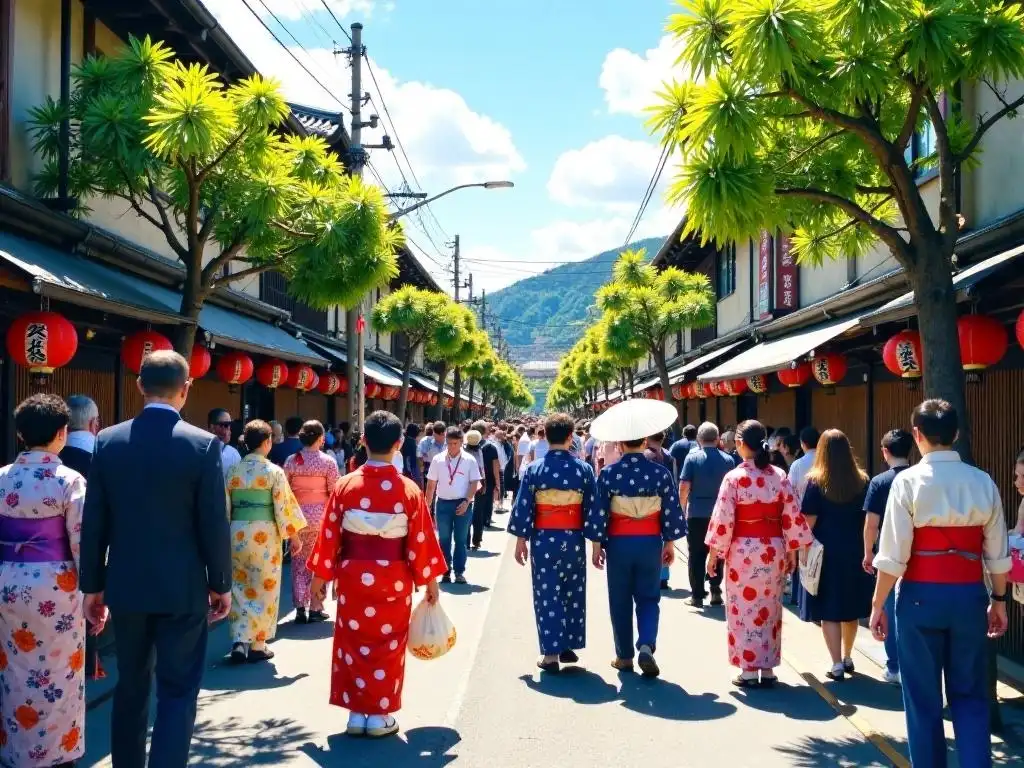
The Edo period (1603-1868) was a time of great cultural and social development in Japan, marked by the flourishing of various festivals that celebrated the changing seasons and the spirit of community. These festivals, known as matsuri, served not only as religious observances but also as occasions for social gathering, artistic expression, and communal bonding. Each season brought its own unique celebrations, reflecting the rich tapestry of Edo Japan's cultural heritage.
Spring Festivals: Welcoming New Beginnings
Spring in Japan is a season of renewal and celebration, characterized by blossoming flowers and the awakening of nature. Two prominent festivals during this season are Hanami and Jidai Matsuri, each embodying the spirit of the time.
Hanami: Cherry Blossom Viewing Celebrations
Hanami, or cherry blossom viewing, is one of the most iconic spring festivals in Japan. This celebration typically takes place in late March to early April, when cherry trees are in full bloom.
- Cultural Significance: Hanami symbolizes the transient beauty of life, as the cherry blossoms bloom for only a short period. This fleeting nature encourages appreciation for the present moment.
- Celebratory Activities: Families and friends gather in parks to enjoy picnics under the blooming trees, sharing food and drinks while reveling in the beauty of nature. Traditional music and performances often accompany these gatherings.
- Historical Context: The practice of Hanami dates back to the Nara period (710-794) but became widely popular during the Edo period, solidifying its place in Japanese culture.
Jidai Matsuri: Historical Processions of Kyoto
The Jidai Matsuri, or Festival of Ages, is celebrated on October 22nd each year in Kyoto. This vibrant festival showcases the rich history of the city through elaborate parades and historical reenactments.
- Historical Overview: Established in 1895, the Jidai Matsuri commemorates Kyoto's long history as the imperial capital. The festival features a procession that spans over a thousand years of Japanese history.
- Procession Highlights: Participants dress in period costumes representing various epochs, from the Heian period (794-1185) to the Edo period. The parade includes samurai, court nobles, and commoners, each illustrating the social hierarchy and cultural evolution of Japan.
- Community Involvement: The festival fosters community spirit as local residents participate in the preparations and celebrations, reinforcing their connection to their shared heritage.
Summer Festivals: Vibrant Celebrations of Life
As the heat of summer arrives, Edo period festivals come alive with energy and excitement. Among these, the Gion Matsuri and various fireworks festivals stand out as quintessential summer celebrations.
Gion Matsuri: Kyoto's Grand Festival
The Gion Matsuri is one of the most famous festivals in Japan, celebrated throughout July in Kyoto. It is renowned for its stunning floats and vibrant atmosphere.
- Origins and Purpose: The Gion Matsuri originated in the 9th century as a purification ritual to appease the gods during an epidemic. Over time, it evolved into a grand celebration of local culture and community.
- Highlights of the Festival: The centerpiece of the Gion Matsuri is the Yamaboko Junko, a parade featuring intricately decorated floats called yama and hoko. These floats are pulled through the streets, showcasing exquisite craftsmanship and artistic designs.
- Cultural Activities: The festival also includes traditional music, dance performances, and food stalls, making it a vibrant social event that attracts thousands of visitors each year.
Fireworks Festivals: A Celebration of Summer Nights
Fireworks festivals, known as hanabi taikai, are a hallmark of summer in Japan, with Edo period origins that continue to influence modern celebrations.
- Historical Context: The tradition of fireworks in Japan began in the 16th century, initially used to ward off evil spirits. By the Edo period, fireworks festivals became popular summer events, drawing large crowds.
- Festival Atmosphere: Attendees dress in traditional summer attire, such as yukata, and enjoy food stalls featuring local delicacies. The night sky is illuminated with colorful fireworks, creating a festive and communal atmosphere.
- Cultural Significance: These festivals symbolize the joy of summer and foster a sense of community, as people gather to celebrate and admire the beauty of the fireworks together.
The festivals of the Edo period, particularly those celebrating the seasons, are a testament to Japan's rich cultural heritage. They highlight the connection between nature, community, and tradition, making them essential components of Japan's historical narrative. These celebrations continue to thrive, drawing both locals and tourists to experience the enduring spirit of the Edo period festivals in Japan.
Autumn Festivals: Harvest and Gratitude
The autumn season in the Edo period was a time of gratitude and celebration, deeply intertwined with agricultural practices. As the rice and other crops were harvested, various festivals emerged to honor the bounty of nature and express appreciation for the hard work of farmers. These autumn festivals were not only a time for celebration but also served as a means of reinforcing community bonds.
During this period, local communities would come together to participate in rituals, feasts, and events that highlighted the significance of the harvest. The festivals often included traditional music, dance, and theatrical performances, which brought joy and entertainment to the participants. The spirit of togetherness and gratitude permeated these celebrations, making them an integral part of Edo period culture.
Tsukimi: Moon Viewing Traditions
Tsukimi, or "moon viewing," is a cherished tradition that dates back to the Heian period but gained prominence during the Edo period. This festival is celebrated on the 15th night of the 8th month of the lunar calendar, typically in September or October, when the moon is at its brightest and fullest. Tsukimi symbolizes the beauty of nature and the changing seasons, offering an opportunity for families to gather and appreciate the moon's splendor.
During Tsukimi, people would set up altars adorned with seasonal produce, such as rice dumplings called dango, and various fruits and vegetables. These offerings were meant to honor the moon goddess and express gratitude for the harvest. The gatherings often included poetry recitations, music, and traditional games, fostering a sense of community and shared appreciation for the beauty of the autumn sky.
Aki Matsuri: Autumn Harvest Festivals
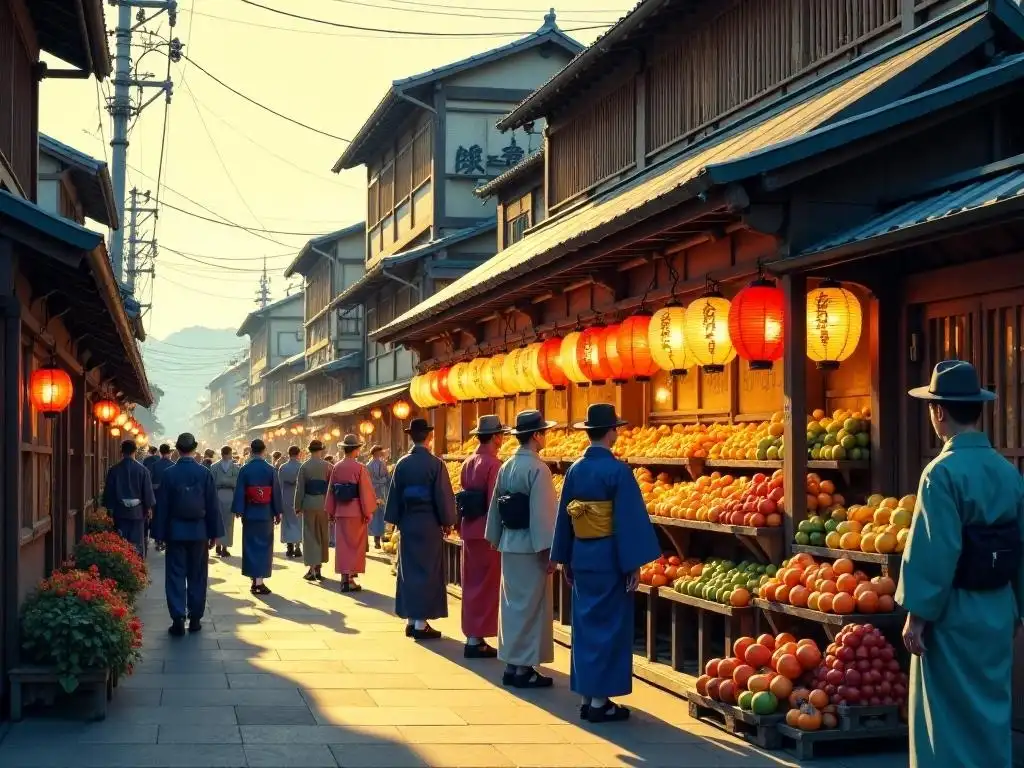
Aki Matsuri, or autumn harvest festivals, were celebrated throughout Japan during the Edo period, each region showcasing its unique customs and practices. These festivals typically occurred in October and November, marking the conclusion of the harvest season. Aki Matsuri served as a way to celebrate agricultural abundance and to pray for continued prosperity in the coming year.
Local shrines became focal points for the festivities, where people would engage in rituals to honor the deities associated with agriculture. Activities included lively parades featuring floats, traditional music, dance performances, and communal feasting. The festivals also provided an opportunity for local artisans to showcase their crafts, further enriching the cultural tapestry of the time.
Winter Festivals: Reflection and Community
As the cold winter months approached, Edo period festivals shifted in focus to reflection and community bonding. These winter celebrations often included rituals intended to ward off evil spirits and welcome the new year with hope and prosperity. The colder climate encouraged people to come together, fostering a sense of unity and support among community members.
Festivals during this season were characterized by warmth and light, symbolizing the hope for brighter days ahead. The gatherings often included communal meals, storytelling, and various games, providing comfort and joy during the harsh winter months.
Setsubun: Welcoming Spring with Rituals
Setsubun, celebrated on February 3rd, marks the transition from winter to spring and holds significant importance in Edo period culture. The festival is characterized by the ritual of mame-maki, or bean throwing, which is believed to cleanse away evil spirits and bring good fortune for the coming year. Families would gather and toss roasted soybeans around their homes, chanting "Oni wa soto! Fuku wa uchi!" ("Demons out! Luck in!") to invite positive energy.
This event was also an opportunity for families to enjoy traditional foods, such as ehomaki (a sushi roll) that is eaten for good luck. Setsubun served as a communal occasion for reflection, renewal, and connection with the cycles of nature, making it a cherished tradition in the Edo period.
New Year Celebrations: Cultural Significance and Practices
New Year celebrations in the Edo period were rich with cultural significance, marking the beginning of the year and the renewal of life. Known as Shōgatsu, these festivities spanned several days, with families engaging in various customs aimed at ensuring a prosperous year ahead. The preparation for Shōgatsu involved cleaning the house, preparing special foods, and decorating with auspicious symbols.
On New Year's Day, families would gather to enjoy traditional dishes such as osechi ryori (a selection of colorful, symbolic foods) and zoni (a soup with mochi). Rituals to honor ancestors and deities were also performed, including visiting shrines to pray for health and prosperity. The sense of community during Shōgatsu was palpable, as people exchanged greetings and gifts, reinforcing social ties and shared hopes for the future.
These winter festivities encapsulated the cultural essence of the Edo period, blending spirituality, tradition, and community spirit into a comprehensive celebration of life and renewal.
The Role of Community in Edo Period Festivals
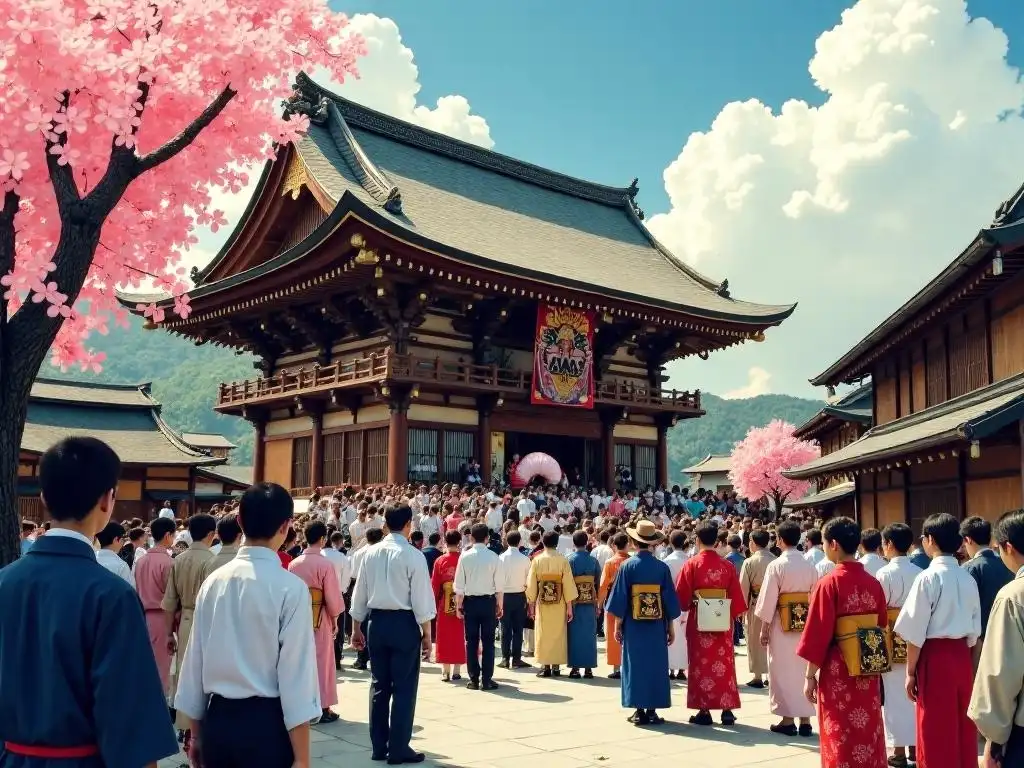
The Edo period, spanning from 1603 to 1868, was a time of significant cultural and societal development in Japan. Central to this era were the festivals, known as matsuri, which played a crucial role in fostering community spirit and cooperation among the populace. These festivals were not merely events for entertainment; they were intricate expressions of local identity, social cohesion, and spiritual devotion.
Community Involvement and Participation
Community involvement was paramount in the organization and execution of Edo period festivals. Local residents, regardless of their social status, participated actively in various roles, from planning to performing. The festivals often required the collective effort of the entire community, leading to a shared sense of purpose and pride.
- Roles Within the Community: People from different walks of life came together, contributing their skills. Artisans crafted elaborate floats, while musicians and dancers rehearsed for the performances. This collaboration fostered strong bonds among community members.
- Volunteering and Contributions: Many participants volunteered their time and resources. Villagers would donate food, materials, and labor to ensure the festival's success. This charitable spirit not only enhanced the festival experience but also strengthened community ties.
- Cultural Transmission: Through active participation, traditions were passed down from one generation to the next. Youngsters learned the significance of their local customs, ensuring that the essence of the community's identity was preserved.
- Inclusivity: Festivals were inclusive, welcoming everyone, including women and children. Their involvement in rituals and festivities was a way to honor the community's collective identity and values.
The active participation of community members in Edo period festivals was essential for maintaining cultural continuity and reinforcing social bonds.
Festivals as a Unifying Force in Edo Society
Edo period festivals served as a unifying force in society, transcending social hierarchies and geographical barriers. These events brought people together, fostering a sense of belonging and shared identity.
- Celebration of Local Culture: Each festival showcased unique local customs, crafts, and cuisines, celebrating the region's cultural heritage. This allowed communities to express their individuality while reinforcing their connection to their neighbors.
- Religious Significance: Many festivals had religious roots, celebrating Shinto deities or Buddhist traditions. These spiritual elements acted as a common thread, drawing people together in worship and community spirit.
- Economic Impact: Festivals attracted visitors from surrounding areas, boosting local economies. Merchants and artisans benefited from increased trade opportunities, which further intertwined the fabric of the community through economic collaboration.
- Conflict Resolution: The communal nature of festivals often helped mitigate social tensions. By coming together to celebrate, individuals could set aside grievances, fostering harmony and understanding among different factions within the community.
- Artistic Expression: The festivals provided a platform for artistic expression, ranging from traditional music and dance to elaborate displays of craftsmanship. This collective creativity not only entertained but also solidified community bonds through shared experiences.
Edo period festivals were vital in shaping the social landscape of Japan. They served as a celebration of community, reinforcing connections among individuals and groups while promoting cultural continuity and economic collaboration. The spirit of unity reflected in these festivals remains a significant aspect of Japan’s rich cultural heritage.
Cultural Significance of Edo Period Festivals
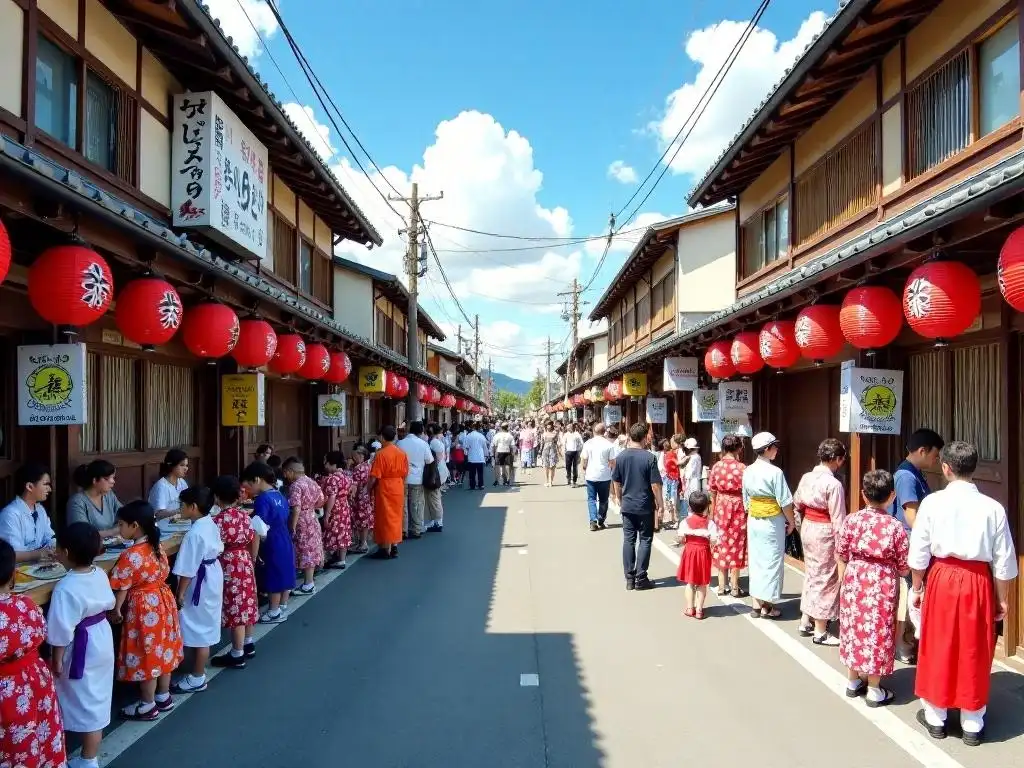
Edo period festivals, known as matsuri, played a pivotal role in shaping the cultural landscape of Japan during the 1603-1868 era. These celebrations were not merely occasions for revelry; they were deeply embedded in the societal framework, serving as vital expressions of community identity, collective memory, and cultural heritage. The festivals often coincided with agricultural cycles, religious observances, and seasonal changes, reflecting the intertwined nature of spirituality and daily life in Edo Japan.
Preservation of Tradition and Heritage
The festivals of the Edo period were essential for the preservation of tradition and heritage. Each festival typically honored local deities or celebrated significant historical events, ensuring that cultural narratives were passed down through generations. For example, the Gion Matsuri in Kyoto, which dates back to the 9th century, has evolved into a month-long celebration that exemplifies the commitment to honoring tradition.
- Local Deities: Many festivals were dedicated to specific kami (gods) of Shinto, reinforcing local beliefs and community pride.
- Historical Events: Commemorative festivals often marked significant historical moments, such as victories in battle or the establishment of political power.
The rituals associated with these festivals often included traditional music, dance, and crafts, which were integral in teaching younger generations about their cultural roots. The vibrant parades, featuring ornate floats and traditional costumes, not only showcased artistic talents but also fostered a sense of belonging among participants.
Festivals as a Reflection of Edo Period Values
Edo period festivals also served as a reflection of the values and social dynamics of the time. They highlighted the importance of community, cooperation, and social structure, which were central to Edo society.
- Community Bonding: Festivals provided opportunities for communal participation, where people from various social classes came together. This unity was vital in a society where the rigid caste system often dictated interactions.
- Economic Activity: Many festivals featured markets where local artisans could sell their goods. This contributed to the local economy and allowed for the exchange of ideas and cultural practices.
- Seasonal Celebrations: The alignment of festivals with the changing seasons underscored the Edo period's appreciation for nature and the cyclical aspects of life. Celebrations like the Hanami (cherry blossom viewing) represented a profound connection to the natural world, emphasizing beauty and transience.
In essence, Edo period festivals encapsulated the social fabric of the time, showcasing the collective spirit, resilience, and creativity of the Japanese people. They remain a testament to the enduring legacy of the Edo period, continuing to influence modern traditions and community celebrations in Japan today.
Conclusion: The Legacy of Edo Period Festivals in Modern Japan
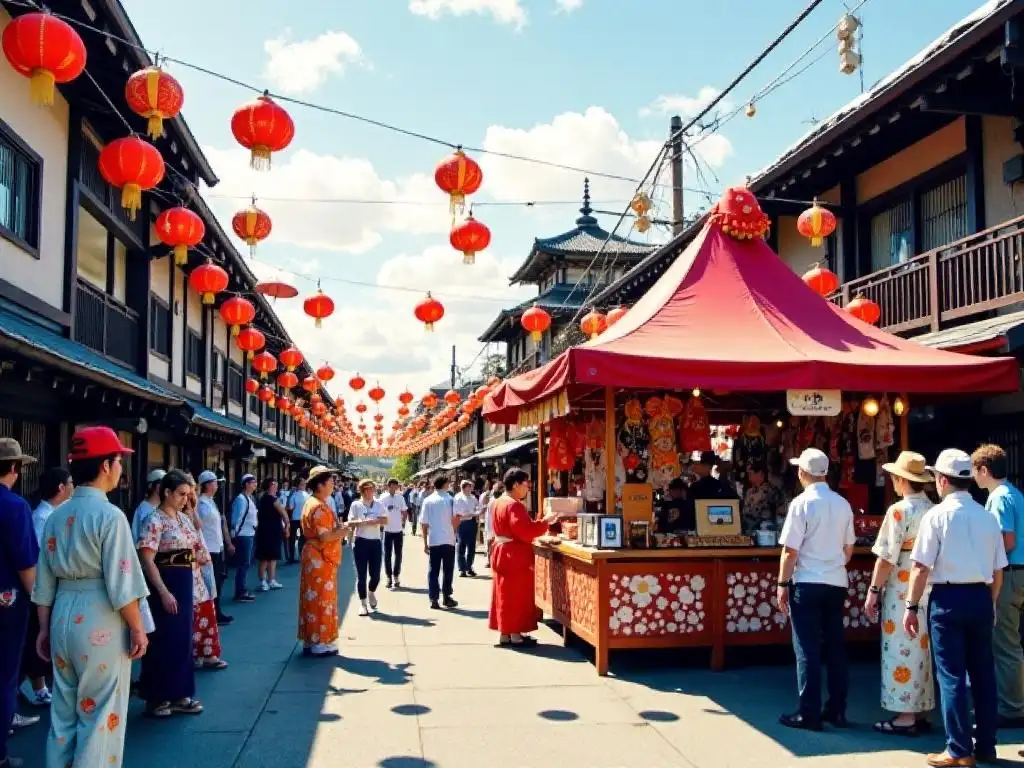
The Edo period, spanning from 1603 to 1868, was a time of significant cultural development in Japan, marked by vibrant festivals that celebrated the changing seasons and the communal spirit. These festivals, known as "matsuri," have left an enduring legacy that continues to influence modern Japanese society. The traditions established during the Edo period not only fostered a sense of community but also played a crucial role in shaping Japan's cultural identity.
Continuing the Tradition: Modern Celebrations in Contemporary Japan
Today, many of the festivals that originated during the Edo period continue to be celebrated, albeit with some adaptations. Some of the most notable festivals include:
- Gion Matsuri (Kyoto): One of Japan's most famous festivals, Gion Matsuri, has roots in the Edo period. It features elaborate floats and rituals that reflect the community's dedication to the protection of the city against disasters.
- Kanda Matsuri (Tokyo): This festival, celebrated in odd-numbered years, showcases the rich history of the Kanda district. With parades of portable shrines (mikoshi) and traditional performances, Kanda Matsuri embodies the spirit of Edo period festivities.
- Tenjin Matsuri (Osaka): Originally celebrated to honor the deity of scholarship, this festival includes boat processions and fireworks, echoing the grandeur of Edo period celebrations.
These festivals not only attract locals but also draw tourists from around the world, showcasing the enduring appeal of Edo period culture. Many of these events incorporate traditional attire, such as yukata and kimono, allowing participants to immerse themselves in the historical ambiance.
Impact on Japanese Culture and Society Today
The Edo period festivals have had a profound impact on contemporary Japanese culture and society, influencing various aspects of daily life and community engagement. Some key impacts include:
- Cultural Preservation: Festivals serve as a means of preserving traditional arts, crafts, and performances that might otherwise fade away. For example, the intricate craftsmanship of festival floats is a testament to the artistic skills honed during the Edo period.
- Community Cohesion: These celebrations foster a sense of belonging among community members, reinforcing social bonds and encouraging collaboration. The communal efforts involved in organizing and participating in festivals create a shared identity among residents.
- Economic Boost: Edo period festivals contribute significantly to local economies, drawing visitors who spend on food, souvenirs, and accommodations. This influx of tourism helps maintain cultural sites and supports local artisans.
- Cultural Exchange: As modern Japanese festivals attract international visitors, they become platforms for cultural exchange. Participants from various backgrounds experience traditional Japanese culture firsthand, promoting understanding and appreciation across cultures.
The legacy of Edo period festivals is a vibrant thread woven into the tapestry of modern Japanese life. They continue to celebrate the seasons and foster community spirit, ensuring that the rich cultural heritage of the Edo period remains alive and relevant today. The enduring popularity of these festivals is a testament to their significance in shaping Japan’s cultural landscape.
References and Further Reading on Edo Period Festivals in Japan
Recommended Books and Articles
When diving deeper into the rich tapestry of Edo period festivals in Japan, several books and articles provide invaluable insights. Here’s a curated list of essential readings:
-
"Festivals of Japan" by Susan E. Long
This book offers a comprehensive overview of various Japanese festivals, with a dedicated chapter on the Edo period. It discusses the significance of seasonal celebrations and their transformation over time.
-
"Edo Culture: Daily Life and Diversions in Urban Japan, 1600-1868" by Edward Seidensticker
Seidensticker’s work provides context on daily life in Edo, highlighting how festivals played a crucial role in community bonding and cultural expression.
-
"The World of the Shining Prince: Court Life in Ancient Japan" by Ivan Morris
Although primarily focused on earlier periods, this book provides a foundation for understanding the evolution of cultural practices, including festivals, leading up to the Edo period.
-
"Japanese Festivals: A Celebration of Culture and Heritage" by Takashi Murakami
This article explores various festivals across Japan, emphasizing their roots in the Edo period and their importance in maintaining cultural identity.
-
"The Meaning of Matsuri: Celebrations in Traditional Japan" by Kiyoshi Takahashi
Takahashi delves into the philosophical and spiritual underpinnings of Matsuri (festivals), with a significant focus on those that emerged during the Edo period.
Online Resources for Edo Period Cultural Studies
The digital realm offers a plethora of resources for those interested in exploring Edo period festivals and culture further. Below are some recommended websites and online databases:
-
National Diet Library of Japan
The National Diet Library provides extensive resources, including digitized texts and historical documents related to Edo period festivals. Their collection can be accessed here .
-
Japan National Tourism Organization (JNTO)
The JNTO website features articles and guides about traditional festivals, including those celebrated during the Edo period. It provides insights for both tourists and scholars alike. Explore their resources at JNTO .
-
Edo-Tokyo Museum
The Edo-Tokyo Museum offers virtual exhibitions and articles focusing on the cultural history of Tokyo during the Edo period, including festivals. Visit their website for access to a wealth of information: Edo-Tokyo Museum .
-
Japan Society
This organization provides a range of articles, podcasts, and educational resources focused on Japanese culture, including the significance of festivals in the Edo period. Discover their offerings at Japan Society .
-
Google Arts & Culture
The Google Arts & Culture platform hosts virtual exhibits and detailed narratives about Edo period festivals, showcasing art, tradition, and culture. Check out their collections at Google Arts & Culture .
These resources collectively offer a robust foundation for understanding the diverse and vibrant festivals of the Edo period, enriching both academic research and personal exploration of Japan's cultural heritage.
Frequently Asked Questions
What were the main festivals during the Edo period in Japan?
The Edo period festivals included notable events like the Gion Matsuri and Tanabata, which celebrated seasonal changes and community spirit through parades, performances, and rituals.
How did Edo period festivals influence Japanese culture?
These festivals played a crucial role in shaping Japanese culture by fostering a sense of community, promoting artistic expression, and preserving traditional customs that continue to influence modern celebrations.
What is the significance of seasonal festivals in the Edo period?
Seasonal festivals marked the changing seasons, allowing communities to celebrate agricultural cycles and express gratitude for bountiful harvests, reinforcing the bond between nature and human life.
Festivals often highlighted social hierarchies, with different classes participating in varied roles, from samurai-led processions to commoners’ festivities, showcasing the complex social fabric of Edo society.
Are there any modern celebrations that trace their roots to Edo period festivals?
Yes, many modern Japanese festivals have origins in the Edo period, retaining traditional elements while evolving to include contemporary practices, thus preserving the cultural heritage for future generations.
Final Reflection: Celebrating Community Through Edo Period Festivals
Edo period festivals in Japan serve as a vibrant reminder of the deep-rooted traditions that continue to shape our cultural identity today. These festivals not only mark the changing seasons but also foster a sense of community and belonging that transcends time. In an era where rapid modernization often threatens to overshadow cultural heritage, the significance of these festivals becomes even more pronounced, reminding us of the importance of connection and celebration in our lives.
Celebrating the Edo period festivals allows us to appreciate the intricate tapestry of Japanese culture, which has been woven over centuries. The communal spirit embodied in these events highlights how shared experiences can strengthen bonds among individuals and communities. As we witness the revival and adaptation of these festivals in contemporary society, we are reminded of the words of the Japanese poet Matsuo Bashō: Every day is a journey, and the journey itself is home.
This sentiment resonates deeply as we navigate our own paths, encouraging us to find joy in the moments we share with others.
As we reflect on the lessons of the Edo period festivals, I invite you to consider how you can incorporate the spirit of celebration and community into your own life. Take a moment to engage with your local traditions, participate in community events, or even create your own celebrations. By doing so, you not only honor the past but also contribute to a vibrant future where the essence of community continues to thrive. Let us embrace the joy of togetherness and the beauty of our shared experiences, just as the people of the Edo period did.
Embrace the Spirit of Edo Festivals Today!
Thank you for diving into the vibrant world of Edo Period festivals! By exploring these celebrations, you've connected with Japan's rich cultural heritage and the importance of community bonds. Now, it’s time to take that spirit of celebration and bring it into your own life!
Here’s how you can actively engage with the traditions you've discovered:
- Participate in a Local Festival: Seek out and join a seasonal festival in your area, immersing yourself in the joy and community spirit reminiscent of the Edo Period.
- Share Your Experience: Write a blog post or create a social media update about your festival experiences, encouraging others to join the celebration and learn more about these cultural events.
- Explore Edo Culture Further: Read books or watch documentaries on Edo Period history to enhance your understanding of its lasting impact on contemporary Japan.
What festival or cultural event has inspired you to celebrate your community? Share your thoughts below!