
Geisha and Their Influence: The Enigmatic Women of Edo Culture

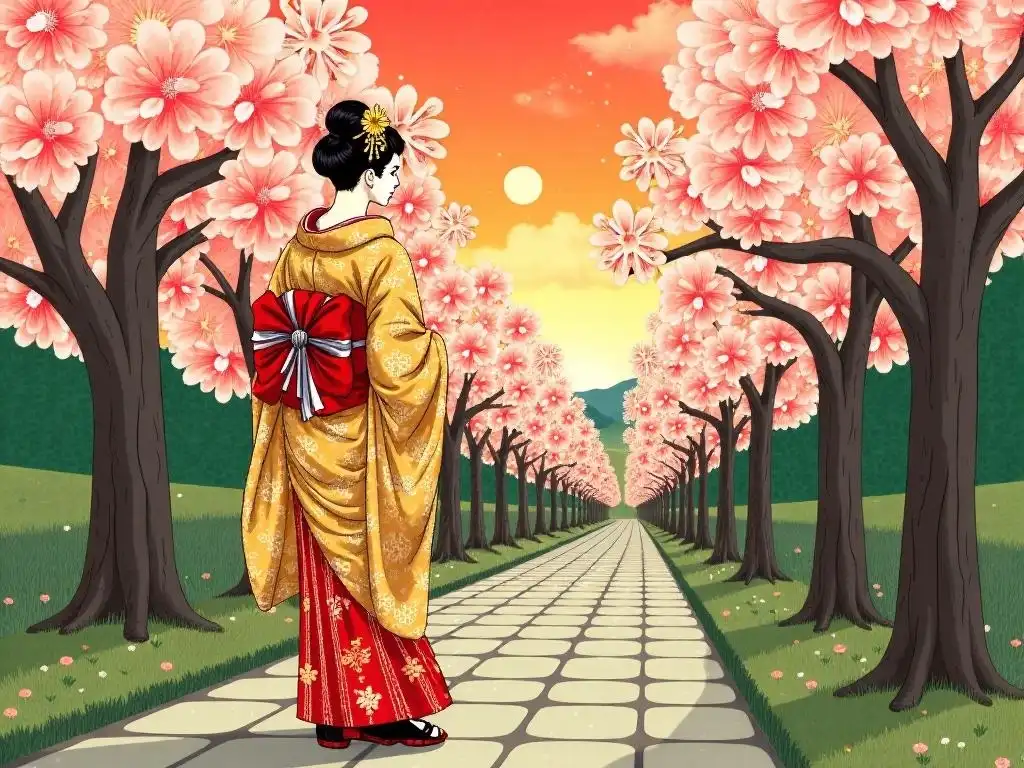
Welcome to Feudal Japan History, where we embark on a captivating journey through the rich tapestry of Japan’s feudal era. Here, you'll uncover the intricate threads of history, culture, and society that shaped a nation. In our featured article, “ Geisha and Their Influence: The Enigmatic Women of Edo Culture,” we delve into the alluring world of geishas and their profound impact on Edo culture.
What secrets lie behind their painted faces and refined artistry? Join us as we unravel the mysteries of these remarkable women and their pivotal role in shaping cultural history. Your adventure into the past begins now!
Introduction to Geisha and Edo Culture
The Geisha hold a unique and captivating place in the tapestry of Japan's Edo Period culture, serving not just as entertainers but as pivotal figures in the social and artistic landscape of the time. Their influence extends far beyond the confines of tea houses and stages, intricately woven into the very fabric of Edo society.
This article delves into the profound impact of geisha on the cultural dynamics of the Edo Period, examining their roles, responsibilities, and the societal perceptions surrounding these enigmatic women. Understanding the geisha influence in Edo culture requires a comprehensive exploration of the historical, cultural, and social aspects that defined this era.
Overview of the Edo Period
The Edo Period, spanning from 1603 to 1868, was marked by a profound transformation in Japanese society, characterized by a long-lasting peace and stability under the Tokugawa shogunate. This era saw the flourishing of arts, commerce, and culture, leading to a vibrant urban society, particularly in major cities like Edo (now Tokyo), Kyoto, and Osaka.
Key characteristics of the Edo Period include:
- Isolationist Policy: The sakoku (closed country) policy limited foreign influence, fostering a unique cultural development.
- Rise of the Merchant Class: Economic growth led to a burgeoning middle class, which increased demand for entertainment and cultural activities.
- Cultural Flourishing: The period witnessed the rise of various art forms, including ukiyo-e (woodblock prints), kabuki theater, and, notably, the profession of geisha.
Definition and Role of Geisha in Society
Geisha, often referred to as geiko in the Kyoto dialect, are professional entertainers skilled in various traditional Japanese arts such as music, dance, and games. Their role transcends mere entertainment, as they embody the aesthetic ideals of the Edo Period and serve as cultural ambassadors of their time.
The essential functions of geisha include:
- Cultural Preservation: Geisha play a vital role in preserving and transmitting traditional Japanese arts and customs.
- Social Interaction: They facilitate social gatherings, providing companionship and conversation, thereby enhancing the social fabric of their communities.
- Artistic Expression: Through performance, geisha contribute to the rich artistic heritage of Japan, showcasing their expertise in various art forms.
Historical Context of Geisha Influence in Edo Culture
Understanding the geisha influence in Edo culture requires an exploration of their historical roots and the evolution of their societal roles. The geisha phenomenon is intricately tied to the social and economic changes occurring during the Edo Period.
Origins of Geisha During the Edo Period
The origins of geisha can be traced back to the early 17th century, when women began to emerge as entertainers in the pleasure districts of Edo. Initially, these women, known as oyama, were involved in various forms of entertainment, including music and dance. Over time, the profession evolved, with distinct training and artistry becoming hallmarks of the geisha.
Notable points regarding the origins of geisha include:
- Transition from Courtesans: The distinction between geisha and courtesans became clearer as the latter began to decline in popularity.
- Formal Training: The establishment of okiya (geisha houses) allowed for structured training in traditional arts, leading to the emergence of a professional class of entertainers.
Evolution of Geisha Roles and Responsibilities
As the Edo Period progressed, the role of geisha underwent significant changes, reflecting broader societal shifts. Geisha evolved from mere entertainers to respected cultural figures, with their influence permeating various aspects of Edo life.
Key aspects of this evolution include:
- Increased Autonomy: Geisha gained more independence in their professional lives, notably in choosing their patrons and defining their artistic expression.
- Cultural Icons: By the late Edo Period, geisha had become symbols of sophistication and cultural refinement, influencing fashion, aesthetics, and social norms.
- Impact on Arts: Geisha contributed significantly to the flourishing of art forms, including literature and visual arts, leaving a lasting legacy that continues to resonate in contemporary Japanese culture.
Through this exploration, we will uncover the intricacies of geisha culture and their enduring influence within the broader context of Edo Period society.
The Cultural Significance of Geisha
The geisha, often regarded as the quintessential symbol of Edo period culture, played a multifaceted role within society, embodying both artistic expression and social interaction. Their significance extends beyond mere entertainment; they served as cultural ambassadors, preserving and promoting traditional Japanese arts while navigating the complexities of a stratified society. The pursuit of beauty, grace, and skill in their craft made geisha pivotal figures in the cultural fabric of the Edo period, influencing various aspects of Japanese life.
Geisha were not only entertainers but also custodians of tradition, embodying the aesthetics and values of their time. Their presence in teahouses and on the streets of Edo (modern-day Tokyo) contributed to a vibrant cultural milieu, where art, fashion, and social customs flourished. The careful construction of their persona—through elaborate kimonos, distinct hairstyles, and make-up—reflected the ideals of femininity and elegance, further solidifying their status as cultural icons.
Geisha as Artists and Performers
Geisha are primarily known for their skills as artists and performers, mastering various traditional Japanese art forms. These include singing, dancing, and playing musical instruments such as the shamisen, a three-stringed lute. The training of a geisha is rigorous, often starting from a young age, and involves not only honing artistic skills but also learning the subtleties of poise and etiquette.
The performances of geisha are characterized by their grace and precision, often telling stories or evoking emotions through movement and music. Each dance is carefully choreographed, often drawing from historical narratives or seasonal themes, which allows geisha to connect with their audience on a deeper level. Their artistic contributions were instrumental in shaping the entertainment landscape of Edo, elevating the status of traditional arts and ensuring their continued relevance in Japanese culture.
The Art of Conversation and Entertainment
Beyond their artistic talents, geisha are renowned for their ability to engage in conversation and provide companionship. Their training includes mastering the art of dialogue, which involves understanding social cues, humor, and the nuances of interpersonal dynamics. The ability to entertain guests through conversation is as crucial as performing arts, making geisha well-rounded entertainers.
During gatherings, geisha would initiate games and activities to foster interaction among guests, serving as facilitators of socialization. This role not only enhanced the guests’ experience but also created a unique atmosphere that emphasized enjoyment and connection. Their conversational skills and charm made them sought-after companions in Edo's elite circles, further establishing their influence within society.
Geisha and Traditional Japanese Arts: Music, Dance, and Tea Ceremony
Geisha play a significant role in the preservation and promotion of traditional Japanese arts, particularly music, dance, and the tea ceremony. These art forms are deeply intertwined with Japanese culture and history, and geisha have been pivotal in keeping them alive and relevant.
- Music: The shamisen is perhaps the most iconic instrument associated with geisha. Their performances often include traditional songs that reflect the emotions and stories of Japanese folklore. Geisha's musical training allows them to perform both solo acts and collaborative pieces, showcasing their versatility and depth.
- Dance: Geisha dance is a highly stylized form of expression, often incorporating intricate movements that convey stories or symbolize natural elements. Each dance is reflective of seasonal changes or cultural narratives, reinforcing the connection between nature and human emotion.
- Tea Ceremony: The tea ceremony, or "chanoyu," is another vital aspect of a geisha's training. This ritualistic art form emphasizes harmony, respect, purity, and tranquility. Geisha act as hosts in tea ceremonies, embodying grace and precision while guiding guests through the experience, highlighting the cultural significance of this practice in Edo society.
Geisha Influence in Edo Society
The influence of geisha in Edo society was profound, affecting social dynamics, cultural identity, and economic structures. They were not merely entertainers; their role encompassed a broad spectrum of cultural and social responsibilities, ultimately shaping the identity of the Edo period.
Social Hierarchy and the Place of Geisha
Within the complex social hierarchy of Edo, geisha occupied a unique position. They were often viewed with a mixture of admiration and stigma, straddling the line between respect and objectification. While not part of the samurai class, geisha enjoyed a level of autonomy and influence that was rare for women of their time.
Geisha were often patronized by wealthy merchants and samurai, creating a network of relationships that transcended strict class boundaries. This interaction allowed them to exert a certain degree of power and influence, as they were often the confidantes and companions of elite society. Their role in fostering cultural exchanges among diverse social classes contributed to a more interconnected and dynamic Edo society.
Geisha as Cultural Icons in Edo Society
As cultural icons, geisha represented the epitome of elegance, artistry, and sophistication in Edo society. Their distinctive style and lifestyle became synonymous with the cultural ideals of the era. Geisha were not only celebrated for their beauty but also for their intellectual and artistic prowess, making them figures of fascination and inspiration.
The aesthetic influence of geisha permeated various aspects of life, including fashion, literature, and visual arts. Their distinct attire and makeup inspired countless artistic representations, further cementing their status as symbols of Japanese culture. This cultural emblematic role ensured that geisha were not merely entertainers but vital participants in the ongoing narrative of Edo’s historical and cultural evolution.
Economic Impact of Geisha on Edo Culture
The economic impact of geisha on Edo culture was significant, contributing to the city’s overall prosperity. Geisha teahouses were central to the entertainment industry, attracting clientele from all walks of life. The demand for geisha performances created a thriving economy centered around hospitality and cultural experiences.
The financial success of geisha also extended to the craftspeople and artists who supported them. The creation of elaborate kimonos, accessories, and musical instruments provided livelihoods for many artisans. Moreover, the cultural tourism fostered by the geisha industry attracted visitors from across Japan, further stimulating the local economy.
The economic influence of geisha was not limited to their own livelihoods; it catalyzed broader economic developments within Edo, making them essential figures in the cultural and economic landscapes of their time.
Myths and Realities of Geisha Life
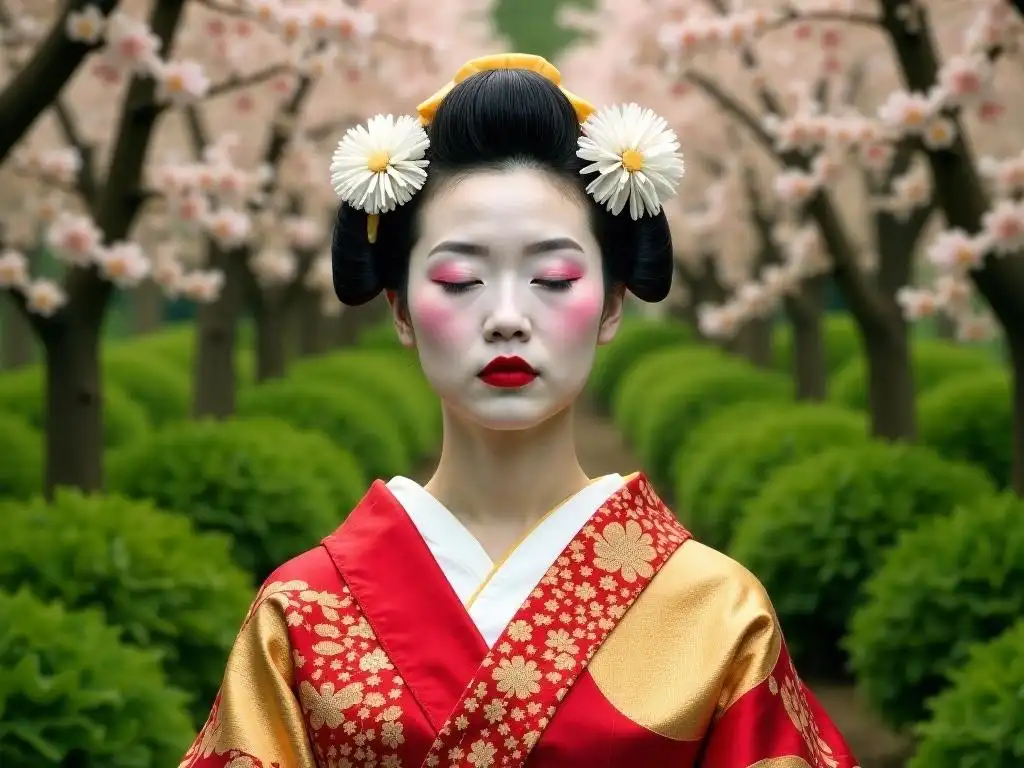
The life of a geisha is often shrouded in mystery and misunderstanding, leading to a plethora of myths that obscure their true role in Edo culture. These misconceptions often arise from Western portrayals and sensationalized narratives, which can distort the rich and complex reality of geisha life. Understanding the myths and realities is essential for appreciating their influence in Edo culture and beyond.
Common Misconceptions About Geisha
One of the most pervasive myths about geisha is that they are synonymous with prostitution. This misunderstanding stems largely from the Western interpretation of their roles and the fetishization of their appearance. In reality, geisha are highly trained artists skilled in traditional Japanese performing arts, including music, dance, and conversation. Their primary purpose is to entertain guests at banquets and teahouses, not to engage in sexual activities.
Another common misconception is that all geisha are women. While the majority of geisha are indeed female, the term also encompasses male counterparts known as "taikomochi," who perform similar roles. Furthermore, many people believe that geisha are merely a relic of the past; however, they continue to exist today, adapting to modern society while preserving their cultural heritage.
The Reality of Geisha Training and Lifestyle
The training of a geisha is rigorous and begins at a young age, often around the age of 15. Aspiring geisha, known as "maiko," undergo years of apprenticeship under the guidance of an experienced geisha. This training covers a wide array of skills, including traditional dance, music (particularly playing the shamisen), tea ceremony, and the art of conversation.
The lifestyle of a geisha is also demanding. They often work long hours, attending various events and entertaining clients with grace and poise. Their attire, which includes elaborate kimonos and intricate hairstyles, requires meticulous attention to detail and considerable effort to maintain. Geisha must embody elegance and charm, making their social skills just as crucial as their artistic talents. Thus, their lives are a blend of art, discipline, and cultural richness that reflects the essence of Edo culture.
Geisha in Modern Japan: Legacy and Influence
As Japan has evolved, so too has the role of the geisha. While they remain a symbol of traditional Japanese culture, their influence extends far beyond the confines of teahouses in Kyoto. Today, geisha are seen as cultural ambassadors, preserving the arts and traditions that define Japan's historical identity.
Continuation of Geisha Tradition in Contemporary Culture
In contemporary Japan, the geisha tradition continues to thrive, albeit in a transformed context. Many young women still aspire to become geisha, drawn by the allure of the arts and the opportunity to engage in a rich cultural heritage. Various organizations and cultural events promote the geisha arts, ensuring that the skills and traditions are passed down to future generations.
Moreover, geisha have adapted to modern times by embracing technology and social media to reach broader audiences. They participate in cultural exchanges, performances, and workshops that attract both locals and international visitors, fostering a greater appreciation for their art. This evolution signifies the resilience of the geisha tradition and its ability to remain relevant in a rapidly changing world.
Influence of Geisha on Global Perceptions of Japanese Culture
Geisha have significantly influenced global perceptions of Japanese culture, often serving as symbols of Japan's artistic heritage. Their intricate kimonos, graceful performances, and unique customs have captivated audiences worldwide. This fascination has led to increased interest in Japanese arts, including traditional music, dance, and crafts.
The portrayal of geisha in literature, film, and art has also played a crucial role in shaping the global image of Japan. Productions such as "Memoirs of a Geisha" have introduced international audiences to the nuanced world of geisha, sparking curiosity about their history and cultural significance. While some representations may still perpetuate misconceptions, they have nonetheless contributed to a broader understanding of the complexities of Japanese culture and the enduring legacy of geisha in the modern world.
Conclusion: The Enduring Influence of Geisha in Edo Culture
The impact of geisha on Edo culture is profound and multifaceted, encapsulating a unique blend of artistry, social interaction, and cultural exchange. Throughout the Edo period, geisha served not only as entertainers but also as custodians of traditional Japanese arts, including music, dance, and poetry. Their influence transcended mere performance; they became symbols of sophistication and refinement, shaping the aesthetic values of their time. The intricate rituals and practices associated with geisha culture continue to resonate in contemporary Japan, highlighting their role as enduring icons of beauty and grace.
The legacy of geisha is evident in various aspects of modern Japanese culture. From fashion trends that draw inspiration from traditional kimono styles to the continuation of tea ceremonies that echo the elegance of geisha gatherings, the influence of these women remains significant. Moreover, the storytelling and artistic expressions embraced by geisha have found new platforms, inspiring contemporary artists and performers. Thus, the geisha's role in Edo culture is not merely a relic of the past but a vibrant thread woven into the fabric of Japan’s cultural identity.
Reflection on Geisha's Role in Historical and Cultural Context
The role of geisha in Edo culture must be understood within the broader socio-historical framework of Japan during the 17th to 19th centuries. As Japan underwent significant transformation, moving from a feudal society towards modernization, geisha emerged as vital contributors to the cultural landscape. They were often seen as women of independence, navigating a male-dominated society while carving out their own spaces as entertainers and artists.
In the bustling teahouses and entertainment districts of Edo, geisha were not only entertainers but also skilled conversationalists and cultural educators. They played a pivotal role in the social life of the period, facilitating connections among the elite and providing a platform for cultural exchange. This aspect of their role reflected the hierarchical yet complex social dynamics of the Edo period, where geisha bridged the gap between the upper echelons of society and the working class. Their ability to navigate these spaces showcases their intelligence, adaptability, and influence, solidifying their significance in the historical narrative of Japan.
Future of Geisha Influences in Japanese Society
As Japan continues to evolve in the 21st century, the influence of geisha is likely to adapt and transform in response to contemporary societal changes. While the traditional image of geisha may face challenges from modernization and globalization, there is a resurgence of interest in preserving and promoting traditional arts. This interest is evident in festivals, exhibitions, and cultural programs that seek to educate the public about the rich heritage of geisha culture.
Moreover, the global fascination with geisha has sparked a cultural dialogue that transcends national borders. International interest in Japanese arts and traditions, fueled by tourism and media representations, may encourage new interpretations of geisha's role. As these enigmatic women continue to inspire artists, performers, and cultural enthusiasts worldwide, their influence will likely evolve while remaining rooted in the rich tapestry of Edo culture.
References
Suggested Readings on Geisha and Edo Culture
- Geisha: A Life by Mineko Iwasaki - An autobiographical account that provides an intimate look into the life of a geisha and the complexities of their world.
- The World of the Japanese Geisha by Shiu Jin - A comprehensive exploration of the history, art, and impact of geisha in Japanese society.
Academic Sources and Historical Texts
- Edo Culture: Daily Life and Diversions in Urban Japan, 1600-1868 by Mikiko Sumiya - This academic text delves into various aspects of daily life in Edo, including the role of geisha.
- The Geisha's Secret: The Art of Seduction by John D. McGowan - An analysis of the cultural and historical significance of geisha in shaping perceptions of femininity and artistry in Japan.
- Introduction to Geisha and Edo Culture
- Historical Context of Geisha Influence in Edo Culture
- The Cultural Significance of Geisha
- Geisha Influence in Edo Society
- Myths and Realities of Geisha Life
- Geisha in Modern Japan: Legacy and Influence
- Conclusion: The Enduring Influence of Geisha in Edo Culture
- References
Frequently Asked Questions
What role did Geisha play in Edo culture?
Geisha were entertainers skilled in music, dance, and conversation, significantly contributing to the cultural landscape of Edo-period Japan.
Geisha served as cultural intermediaries, shaping social norms and etiquette by providing a space for intellectual discourse among the elite.
What are the main artistic skills associated with Geisha?
Geisha are renowned for their traditional arts, including tea ceremony, flower arranging, and performance arts like singing and dancing.
How did the status of Geisha change throughout the Edo period?
Initially viewed as highly respected entertainers, the status of Geisha fluctuated, as societal changes led to both admiration and misconceptions.
What lasting impact did Geisha have on Japanese culture today?
The influence of Geisha persists in modern Japan, where they symbolize traditional values and continue to be celebrated in arts and tourism.
Final Reflection: The Enduring Legacy of Geisha Influence in Edo Culture
The intricate world of geisha, with its rich traditions and artistic expressions, continues to resonate profoundly in today's society. As we explore the influence of geisha in Edo culture, we uncover not only a historical narrative but also a timeless connection to the arts, gender roles, and cultural identity that remains relevant in contemporary discussions. The elegance and complexity of these women remind us that their legacy is not merely a relic of the past but a vibrant thread woven into the fabric of modern culture.
The impact of geisha extends far beyond their performances; they have shaped perceptions of femininity, artistry, and cultural preservation. Their ability to navigate the delicate balance between tradition and modernity serves as a powerful reminder of the resilience and adaptability of women throughout history. As noted by cultural historian Dr. Akiko Tanaka, Geisha are not just entertainers; they are custodians of a rich cultural heritage that continues to inspire and challenge societal norms.
This observation highlights the ongoing relevance of geisha in our understanding of cultural evolution and the role of women in shaping history.
As we reflect on the lessons from the lives of geisha, let us embrace the call to honor and preserve our own cultural narratives. Consider how you can contribute to the richness of your community's heritage, whether through art, storytelling, or simply by engaging with the traditions that define you. The legacy of geisha invites us to celebrate the beauty of cultural diversity and to recognize the power of women as agents of change. In doing so, we not only pay homage to the past but also pave the way for a more inclusive and vibrant future.
Embrace the Enigma: Connect with Edo Culture Today!
Thank you for diving into the captivating world of Geisha and their profound influence on Edo culture. Your interest sparks a conversation about the traditions that have shaped Japanese history and artistry. Now, let's take the next step to explore this incredible heritage further!
- Uncover more: Delve deeper into the stories of Geisha and their unique art forms by visiting our curated collection of articles on feudaljapanhistory.com.
- Join the conversation: Share your thoughts on Geisha in our comments section or connect with others who are passionate about Japanese culture on our social media platforms.
- Experience a taste of tradition: Try your hand at a local Japanese tea ceremony or enroll in a workshop to discover the elegance of Geisha arts firsthand.
What aspect of Geisha culture resonates most with you, and what inspires you to explore next?