
The Role of the Audience in Noh and Kabuki: An Interactive Experience

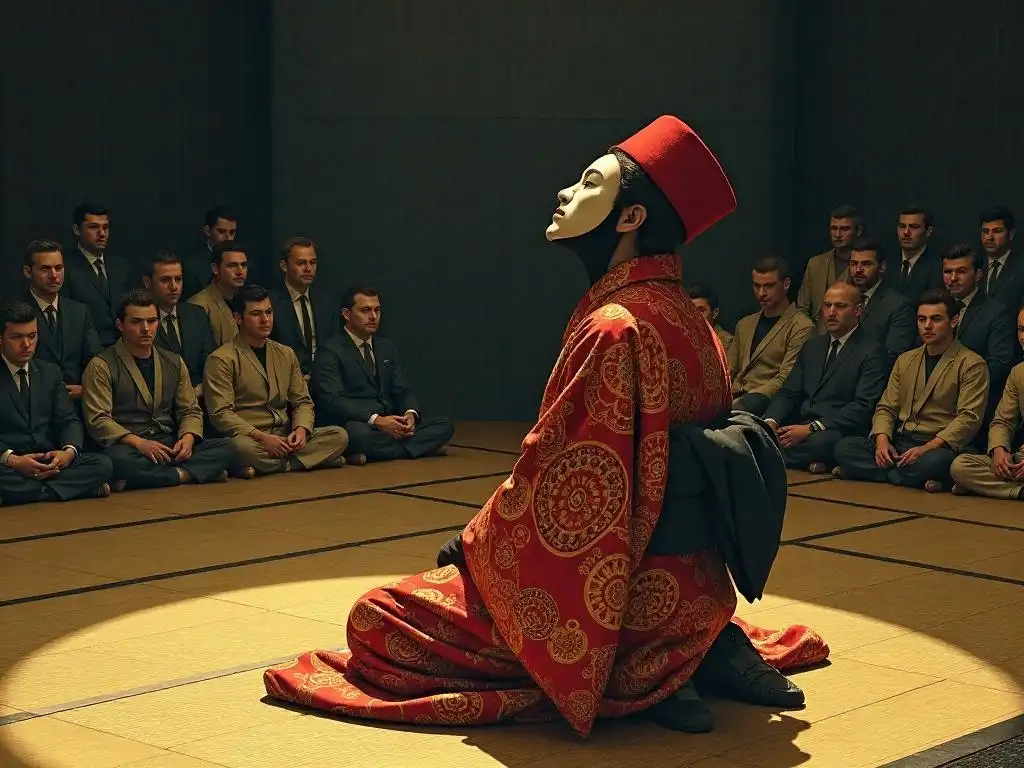
Welcome to Feudal Japan History! Dive into the captivating world of Japan's feudal era, where history intertwines with culture and society to create a rich tapestry of human experience. In our featured article, “The Role of the Audience in Noh and Kabuki: An Interactive Experience,” we invite you to explore the unique dynamics between the performers and their audiences, shedding light on how these traditional art forms have shaped cultural expression.
Are you ready to uncover the mesmerizing nuances and interactive elements that define the audience's role in these iconic theatrical performances? Join us on this journey through time and discover the depth of feudal Japan's artistic legacy!
- Introduction to Noh and Kabuki Theater
- Historical Context of Noh and Kabuki
- The Role of the Audience in Noh Theater
- The Role of the Audience in Kabuki Theater
- Comparative Analysis of Audience Experience in Noh and Kabuki
- The Significance of the Audience Experience in Japanese Culture
- Conclusion
- Additional Resources
-
Frequently Asked Questions
- What is the significance of the audience in Noh and Kabuki performances?
- How do Noh and Kabuki differ in their audience experience?
- What are some ways that audience participation is encouraged in these performances?
- How does the layout of the theater affect the audience's experience in Noh and Kabuki?
- Why is understanding the audience's role important for appreciating these art forms?
- Final Reflection: The Transformative Power of the Noh and Kabuki Audience Experience
- Engage with the Art of Noh and Kabuki!
Introduction to Noh and Kabuki Theater
The rich tapestry of Japan's feudal era is intricately woven with the threads of its traditional arts, particularly Noh and Kabuki theater. These two renowned forms of performance art not only showcase the profound cultural heritage of Japan but also emphasize the pivotal role of the audience in shaping the experience of the performance.
As we delve into the Noh and Kabuki audience experience, we uncover how these art forms transcend mere entertainment, transforming into an interactive dialogue between performers and spectators. This article aims to explore the historical significance, cultural nuances, and societal implications of audience engagement in Noh and Kabuki, providing a comprehensive understanding of how these performances resonate with their viewers.
Overview of Noh and Kabuki
Noh and Kabuki represent two distinctive yet complementary aspects of Japan's theatrical tradition. Noh, characterized by its slow, graceful movements and minimalistic staging, often incorporates elements of poetry and spirituality. Originating in the 14th century, Noh has deep roots in the samurai culture, with performances traditionally held in serene, austere settings. The intricate masks worn by actors convey a wide range of emotions, making the visual aspect of Noh a crucial part of its storytelling.
On the other hand, Kabuki emerged in the early 17th century as a more vibrant and accessible form of theater. Known for its elaborate costumes, dynamic choreography, and exaggerated acting styles, Kabuki appeals to a broader audience. The performances are often filled with lively music and dance, making it a more interactive and immersive experience. The use of "hanamichi," a runway extending into the audience, further blurs the boundaries between performers and spectators, inviting active participation from the audience.
Importance of Audience in Traditional Japanese Theater
The audience plays a vital role in both Noh and Kabuki, influencing the performance and enhancing the overall experience. In Noh, the audience's quiet focus allows for a meditative atmosphere, where the subtleties of the performance can be appreciated. The connection between the audience and the performers is almost spiritual, creating a shared experience that transcends time and space. The audience’s reactions, whether through silence or subtle gestures, serve as a feedback loop that enriches the performance.
Conversely, in Kabuki, the audience's engagement is more overt. Spectators are encouraged to express their emotions openly, cheering for their favorite actors or reacting to dramatic moments. This active participation not only energizes the performance but also reinforces the communal aspect of Kabuki, where the audience becomes an integral part of the storytelling process. The interplay between performers and the audience in both forms of theater highlights the dynamic relationship that has evolved over centuries, showcasing the unique cultural significance of Noh and Kabuki as interactive art forms that continue to thrive in modern Japan.
Historical Context of Noh and Kabuki
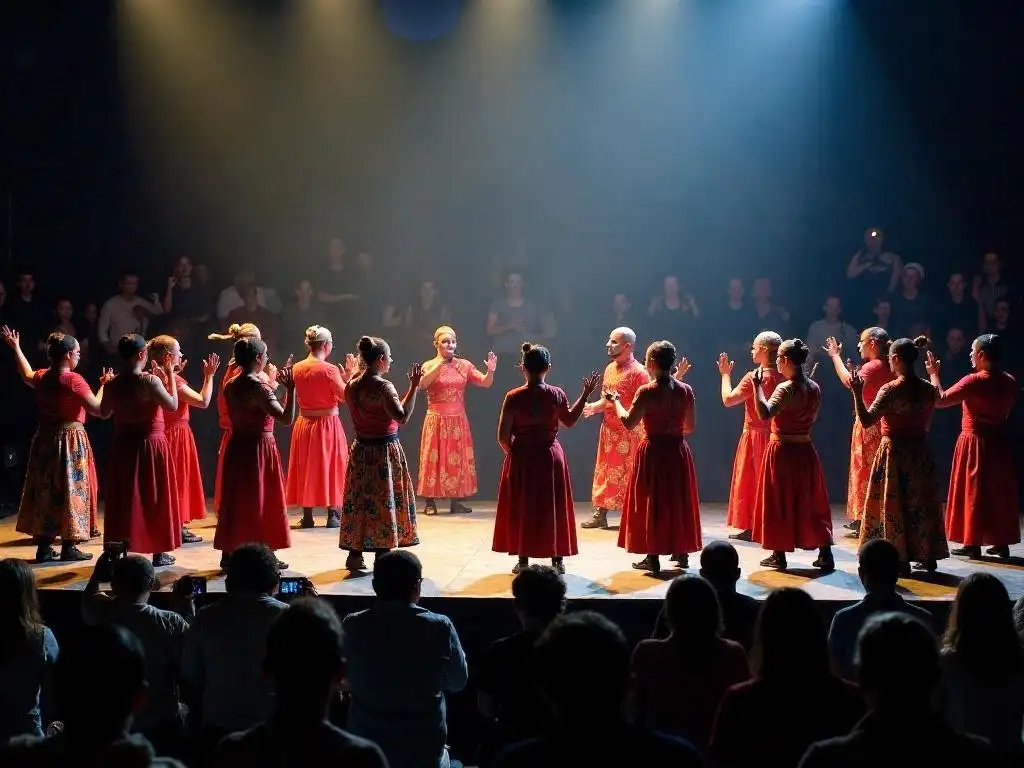
The historical context of Noh and Kabuki is essential for understanding the intricate relationship between the audience and these traditional Japanese theater forms. Both genres emerged during distinct periods and were shaped by the socio-political landscape of their times. Their evolution reflects not only artistic developments but also changing societal values and cultural practices.
Origins of Noh Theater
Noh theater, recognized for its austere and minimalist aesthetic, traces its roots back to the 14th century. It was developed by Kan'ami and his son Zeami, who were pivotal in establishing the form as a sophisticated art. Noh combines drama, music, and dance, often focusing on themes of spirituality and the human condition.
- Influences: The origins of Noh can be linked to several earlier performance traditions, including Sangaku (a type of court entertainment) and Dengaku (an agricultural ritual performance). These influences infused Noh with a depth of cultural significance.
- Audience Role: Initially, Noh was performed for the samurai elite and imperial courts. The audience's role was largely passive, appreciating the subtlety of the performance, yet they were also expected to engage with the deeper meanings behind the actions and dialogues.
Development of Kabuki Theater
Kabuki emerged in the early 17th century and is characterized by its vibrant costumes, dynamic choreography, and exaggerated makeup. It was founded by a woman named Okuni, who initially performed in the dry riverbeds of Kyoto, captivating audiences with her innovative style.
- Rise of Popularity: Over time, Kabuki evolved into a male-dominated performance art due to government regulations prohibiting women from performing. This shift allowed for the development of unique stylings, including onnagata, male actors who specialized in female roles.
- Audience Engagement: Unlike Noh, Kabuki was accessible to the general public and became a form of entertainment for all social classes. The audience actively participated by shouting "kakegoe" (encouraging phrases) and applauding during performances, creating a lively atmosphere that enhanced the overall experience.
Evolution of Audience Interaction in Japanese Theater
The interaction between the audience and performers has continuously evolved in both Noh and Kabuki, reflecting broader cultural shifts.
- Noh's Subtle Engagement: In Noh, the audience's experience remains contemplative. The slow pacing and ritualistic elements invite viewers to reflect deeply on the performance. This engagement has become an intrinsic part of the Noh experience, where silence and stillness can be as powerful as movement and sound.
- Kabuki's Dynamic Responsiveness: In contrast, Kabuki thrives on audience interaction. Performances are punctuated by moments that invite vocal responses, creating a participatory culture. This interactivity fosters a sense of community among attendees, as they collectively experience the story being told.
- Modern Adaptations: In contemporary performances, both Noh and Kabuki have incorporated modern elements while still respecting tradition. For instance, innovative staging and multimedia presentations in Kabuki have attracted younger audiences. Meanwhile, Noh has seen adaptations that maintain its core principles while making it more relatable to today's viewers.
The Noh and Kabuki audience experience is shaped by the historical context of each art form, their respective origins, and the evolving nature of audience engagement. Both genres reflect Japan's rich cultural tapestry, showcasing the significance of spectator involvement in traditional theater.
The Role of the Audience in Noh Theater
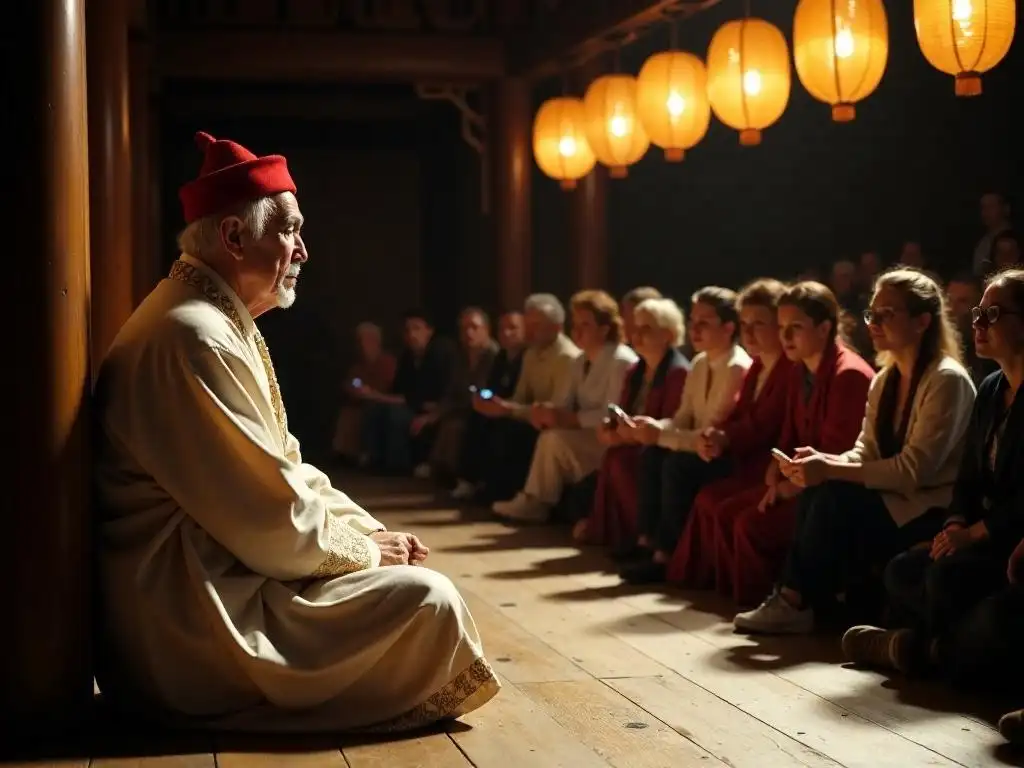
Characteristics of the Noh Audience
The audience in Noh theater is distinctively characterized by its demographic and cultural background. Typically, Noh performances attract a more mature audience, often comprising individuals with a deep appreciation for traditional Japanese arts. This audience is usually well-versed in the nuances of the performance, including the symbolism, themes, and historical context underlying the play.
- Knowledgeable Spectators: Many attendees have studied Noh, either formally or informally, which creates an environment where subtle details are appreciated. This knowledge often stems from a cultural heritage that values arts and performance.
- Behavioral Expectations: The audience is expected to maintain a composed demeanor during performances, reflecting the solemnity and intensity of Noh. Applause is reserved for specific moments, creating an atmosphere of focused attention rather than casual entertainment.
The Noh audience plays a crucial role in shaping the performance. Their reactions—or lack thereof—can influence the energy on stage, creating a unique dynamic that is essential to the Noh experience.
Audience Participation in Noh Performances
While Noh theater is traditionally a more restrained form of performance compared to its counterpart Kabuki, audience participation still holds significant importance. This participation manifests in various forms:
- Emotional Engagement: The Noh audience is encouraged to engage emotionally with the performance. As the story unfolds, spectators often find themselves reflecting on their own experiences, allowing the themes of loss, love, and spirituality to resonate deeply.
- Interactive Elements: Although direct interaction is minimal, the audience is invited to respond through subtle cues such as gasps, sighs, or even quiet laughter, which can enhance the atmosphere and inform the performers of their emotional state.
- Ritualistic Elements: In some instances, the audience may partake in ritualistic elements, such as praying or meditating, particularly when the themes of the performance touch on spiritual matters. This shared experience fosters a collective consciousness that enhances the overall impact of the performance.
Emotional and Cultural Connection between Performers and Audience
The emotional and cultural connection between Noh performers and their audience is profound and multifaceted. This relationship is built on shared cultural heritage and the exploration of universal themes that resonate across generations.
- Shared Cultural Context: Noh theater often draws upon historical events, folklore, and traditional narratives that hold significant meaning within Japanese culture. The audience’s familiarity with these stories deepens their connection to the performance, creating an immersive experience.
- Emotional Resonance: The performers, through their artful embodiment of characters, evoke a spectrum of emotions. As the audience experiences these emotions, a bond forms, creating a shared journey. The subtle facial expressions and movements of Noh actors invite viewers to interpret and reflect, fostering an intimate connection.
- Cyclical Experience: The relationship between performer and audience in Noh is cyclical; the audience's responses influence the performers' portrayals, while the performers, in turn, evoke responses from the audience. This interactive loop ensures that each performance is unique, shaped by the people present.
The Noh and Kabuki audience experience is not merely passive; it is an interactive engagement that enriches the depth of traditional Japanese theater. The audience's knowledge, participation, and emotional connection significantly impact the performance, making them an integral part of the theatrical experience.
The Role of the Audience in Kabuki Theater
Characteristics of the Kabuki Audience
The audience in Kabuki theater is a dynamic and integral part of the performance, often characterized by their passionate engagement and distinctive behavior. Unlike many Western theater traditions where silence and stillness are the norms, Kabuki audiences are known for their vocal interjections and active participation. This engagement manifests in several ways:
- Vocal Responses: Audience members often express their appreciation or disapproval vocally. Shouts of “Yay!” or “Banzai!” are common, adding to the energetic atmosphere of the performance. Such responses are not only accepted but encouraged, reflecting a deep cultural connection to the storytelling.
- Costume and Appearance: Attendees frequently dress in traditional attire, which enhances the overall experience. Many wear kimono, making the theater a visual spectacle that honors the cultural heritage. This practice fosters a sense of community among the audience, as they collectively partake in the historical ambiance of Kabuki.
- Seating Arrangements: The seating in a Kabuki theater is designed to enhance audience interaction. The front row, known as the "hanamichi," allows for a closer view of the performers during critical moments, making it easier for the audience to react and engage directly with the action.
Interactive Elements in Kabuki Performances
Kabuki theater incorporates numerous interactive elements that not only engage the audience but also enhance the overall experience of the performance. These elements include:
- Audience Participation: Some performances invite audience members to join in at specific moments. This practice can involve clapping or chanting along with the actors, creating a shared experience that blurs the lines between performer and spectator.
- Program Guides: Kabuki performances often provide program guides that explain the plot, characters, and even specific theatrical techniques. This allows the audience to become more informed participants, deepening their appreciation and understanding of the art form.
- Special Effects: The use of elaborate stage effects, including pyrotechnics and trap doors, often elicits spontaneous reactions from the audience. The unexpected nature of these effects adds an interactive thrill, as viewers are drawn into the unfolding drama.
The Impact of Audience Reactions on Kabuki Theater
The reactions of the audience have a profound impact on Kabuki theater, influencing everything from the performers' interpretations to the overall atmosphere of the performance:
- Performance Adaptation: Skilled actors often adapt their performances based on audience reactions. A positive response might lead to an actor stretching a scene for more dramatic effect, while a lack of response could prompt a quicker transition to maintain engagement.
- Cultural Feedback Loop: The interactive nature of Kabuki creates a feedback loop where audience reactions can shape the direction of future performances. This communal experience fosters a unique relationship between the performers and their viewers, where both parties contribute to the evolution of the art form.
- Emotional Resonance: The emotional energy generated by an engaged audience enhances the theatrical experience. Performers often feed off this energy, leading to more powerful and memorable performances that resonate with the audience long after the curtain falls.
The Noh and Kabuki audience experience is not merely passive; it is a vibrant, interactive journey that enriches the cultural landscape of Japan's theatrical traditions. The characteristics, interactive elements, and audience reactions all play crucial roles in the unique ambiance of Kabuki theater, making it not just a performance but a communal celebration of art and culture.
Comparative Analysis of Audience Experience in Noh and Kabuki
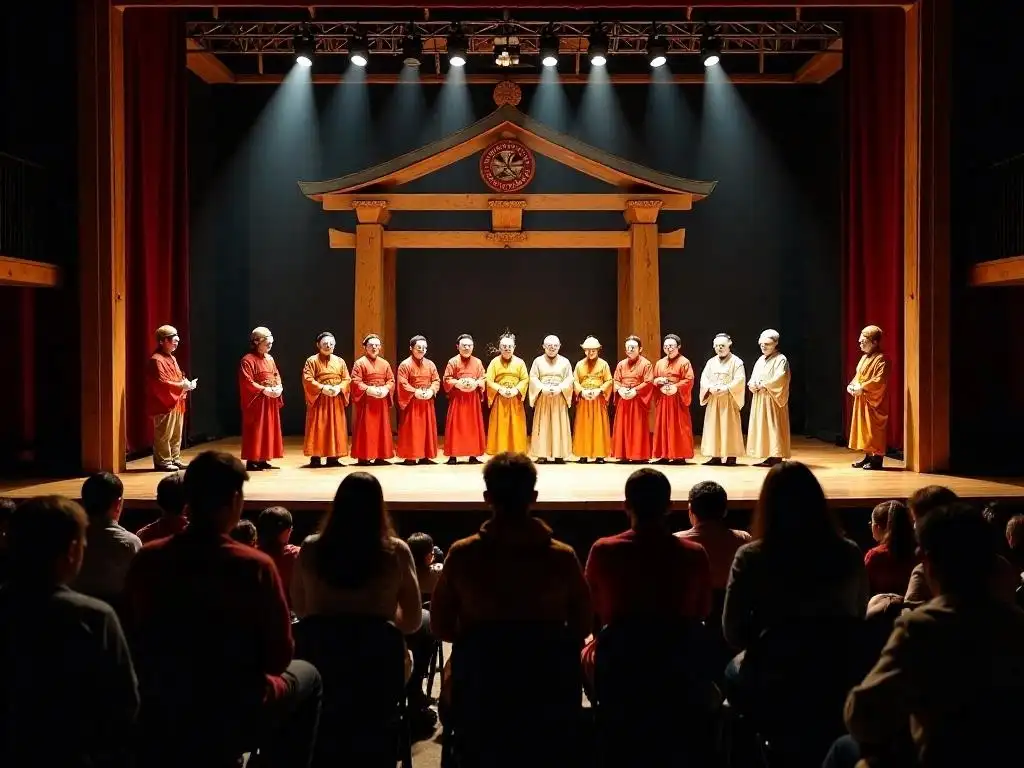
The audience experience in Noh and Kabuki theater is a vital aspect that enhances the richness of these traditional Japanese art forms. While both styles incorporate the audience into their performances, they do so in distinct ways that reflect their unique characteristics and historical contexts. This section delves into the similarities and differences in audience engagement, as well as how audience dynamics influence performance styles in both Noh and Kabuki.
Similarities in Audience Engagement
Both Noh and Kabuki share a fundamental understanding of the audience's role in the theatrical experience. Here are some key similarities:
- Cultural Significance: In both forms, the audience is seen as a crucial part of the performance. Their reactions and engagement can shape the overall atmosphere, making the experience communal rather than solitary.
- Aesthetic Appreciation: Both Noh and Kabuki emphasize the importance of visual and auditory aesthetics. The audience's appreciation of intricate costumes, makeup, and stage settings is integral to both performances.
- Emotional Resonance: The ability of the audience to connect emotionally with the characters and narratives is paramount. In both theaters, the performers strive to evoke deep emotional responses, creating a shared experience that transcends individual perspectives.
- Traditional Etiquette: Audience members in both Noh and Kabuki are expected to adhere to specific codes of conduct that enhance the experience. This includes silence during crucial moments and applause at designated times, creating a respectful environment that fosters a deeper connection with the performance.
Differences in Audience Interaction Techniques
Despite their similarities, Noh and Kabuki employ different techniques for engaging their audiences:
- Formality vs. Informality: Noh is characterized by a more formal, subdued atmosphere. The audience is generally expected to observe quietly and reflectively. In contrast, Kabuki encourages a more vibrant interaction, where audience members may shout out phrases or express their feelings loudly, contributing to a lively environment.
- Performance Style: Noh utilizes slow, deliberate movements and minimalistic staging, which requires the audience to engage imaginatively. The sparse dialogue and symbolic gestures invite viewers to interpret meaning. Conversely, Kabuki features dynamic action, elaborate staging, and dialogue, encouraging immediate reactions from the audience.
- Seating Arrangements: In Noh, seating is often more traditional and structured, with the audience facing the stage in a formal arrangement. Kabuki, however, may have more flexible seating that allows for a closer and more immersive experience, often featuring a "hanamichi," a runway that extends into the audience, allowing performers to engage with spectators directly.
The Influence of Audience Dynamics on Performance Styles
The dynamics of the audience significantly impact how performances are crafted in both Noh and Kabuki:
- Audience Size and Composition: In Noh, performances are often more intimate, which allows for a nuanced connection between performers and a smaller audience. This can lead to a more introspective performance style. Conversely, Kabuki often caters to larger audiences, resulting in grander productions that emphasize spectacle and entertainment.
- Cultural Context and Expectations: The historical and cultural context also shapes audience dynamics. Noh, with its roots in the aristocratic traditions, often attracts an audience that appreciates subtlety and depth. Kabuki, on the other hand, with its origins in popular entertainment, engages a broader demographic, influencing the performance style to include humor and drama.
- Feedback Loop: The immediate feedback from the audience during a Kabuki performance can lead to spontaneous alterations in delivery and pacing. This immediate interaction fosters a responsive atmosphere, allowing performers to adjust their performances based on the audience's energy. In Noh, however, the focus is on maintaining the integrity of the performance, with less emphasis on real-time interaction.
While Noh and Kabuki share a deep appreciation for the audience's role in the theatrical experience, the methods of engagement and the resulting impacts on performance styles differ significantly. Understanding these nuances enriches the overall appreciation of both forms of traditional Japanese theater and highlights the importance of the audience in shaping the cultural landscape of feudal Japan.
The Significance of the Audience Experience in Japanese Culture
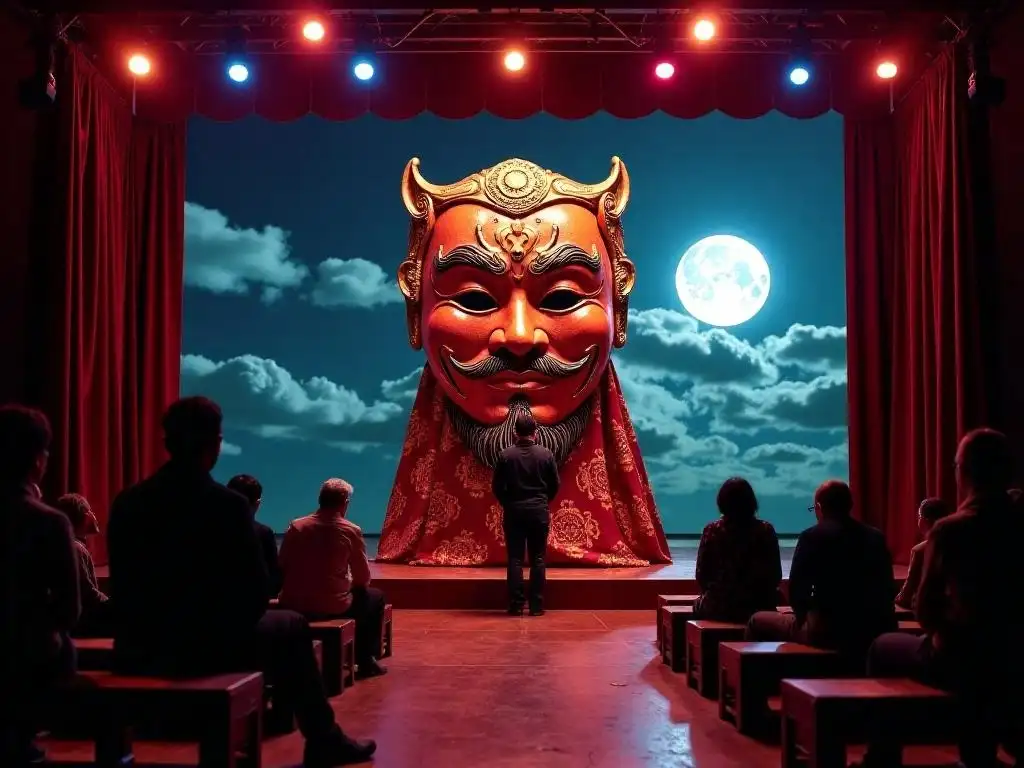
The audience experience in Noh and Kabuki theater is a vital aspect that extends beyond mere spectating; it embodies the cultural and social fabric of Japan. Both forms of traditional theater are not only performances but also communal experiences that foster a unique bond between the actors and the audience. This interaction is deeply rooted in the historical context of Japanese society, where theater served as a reflection of cultural values, beliefs, and social hierarchies.
In Noh, the audience's role is somewhat contemplative, as they engage with the performance through a lens of ritual and spirituality. The slow pace and intricate symbolism invite viewers to reflect deeply on the themes presented, such as the transience of life and the interplay between the material and spiritual worlds. On the other hand, Kabuki embraces a more dynamic form of audience engagement, characterized by lively interactions. The audience's vocal expressions, such as shouts of encouragement or reactions at pivotal moments, create an electrifying atmosphere that enhances the overall experience of the performance.
Moreover, the cultural significance of the audience experience is evident in the way these theatrical forms have evolved. Both Noh and Kabuki have integrated audience feedback into their performances, creating an evolving dialogue between art and its spectators. This interaction not only enriches the theatrical experience but also reinforces the notion that theater in Japan is a shared cultural heritage, where the audience plays an essential role in its continuity and transformation.
The participation of the audience in Noh and Kabuki significantly reflects broader social and cultural dynamics in Japan. Historically, these forms of theater were accessible to various social classes, allowing audiences from different backgrounds to engage with the performances. In the Edo period, for instance, Kabuki became a popular entertainment form among the merchant class and even commoners, breaking down traditional social barriers. This inclusivity fostered a sense of community and collective enjoyment, transcending socio-economic divides.
In Noh, the audience's participation is more subdued but equally poignant. The traditional setting of Noh theaters, often serene and minimalist, encourages a meditative state, allowing viewers to connect with the performance on a deeper emotional level. The audience's silence is a form of participation, demonstrating respect for the artistry and the themes explored. This cultural practice emphasizes the values of patience and contemplation, which are intrinsic to Japanese aesthetics.
Moreover, the social implications of audience engagement can be seen in the ways both Noh and Kabuki have adapted to modern times. Contemporary performances often incorporate elements that resonate with younger audiences, such as modern themes or interactive components, while still maintaining traditional roots. This evolution highlights the importance of the audience experience in keeping these art forms relevant and vibrant within society.
The Role of Audience Feedback in Shaping Performances
Audience feedback plays a crucial role in shaping Noh and Kabuki performances, influencing not only the immediate experience but also the long-term evolution of these theatrical forms. In Kabuki, for example, actors often rely on audience reactions to gauge the effectiveness of their performances. The practice of "kakegoe," where spectators shout praises or comments during the show, is an integral part of the Kabuki experience. This interactive feedback loop allows actors to adjust their performances in real time, creating a more engaging and dynamic environment.
In Noh, although the audience's participation is less overt, the subtleties of their reactions can still impact the performance. The quiet contemplation of the audience can be felt by the performers, creating a more profound atmosphere of connection. Over time, this relationship has led to a refinement of Noh techniques and themes, as performers respond to the cultural narratives and emotional landscapes that resonate most with their audiences.
Furthermore, the implications of audience feedback extend to the preservation and innovation within these art forms. As societal norms and values shift, so too do the interpretations and presentations of traditional theater. Contemporary audiences may seek more diverse narratives or innovative staging, prompting artists to explore new directions while honoring the core principles of Noh and Kabuki. This ongoing dialogue ensures that these theaters remain vital, relevant, and reflective of the cultural milieu.
Case Studies: Memorable Audience Experiences in Noh and Kabuki
Examining specific instances of audience experiences in Noh and Kabuki reveals how these interactions have shaped the narrative of Japanese theater.
- The "Noh Performance at the Imperial Palace" (2015): In a rare event, a Noh performance was staged at the Imperial Palace, attended by dignitaries and the general public. The solemnity and grandeur of the setting amplified the audience's engagement, as viewers were invited to reflect on the historical significance of the performance, which centered on themes of loyalty and honor. The feedback from this event led to a renewed interest in Noh, prompting more performances in public spaces.
- "Kabuki at the Shinjuku Minami-za Theater" (2020): A Kabuki production featuring a modern twist on a classic tale attracted a diverse audience. The actors encouraged audience participation through interactive segments, inviting them to respond to pivotal moments. This approach not only heightened the energy of the performance but also showcased the adaptability of Kabuki, making it appealing to younger generations. The enthusiastic responses were instrumental in shaping subsequent performances, emphasizing the importance of audience involvement.
- "Noh and Kabuki Festival" (Annual Event): Each year, a festival celebrating both Noh and Kabuki is held, where audience members can participate in workshops and discussions with performers. This engagement fosters a deeper appreciation and understanding of the art forms, highlighting the symbiotic relationship between audience and performer. Feedback from these events has led to the incorporation of educational elements in future performances, ensuring that the audience is not just a passive observer but an active participant in the cultural dialogue.
These case studies illustrate the profound impact of the audience experience in Noh and Kabuki, showcasing how interactions can transcend the performance itself and contribute to the living tradition of Japanese theater. Through this lens, it becomes clear that the Noh and Kabuki audience experience is not only integral to the art forms but also a reflection of Japan's rich cultural heritage.
Conclusion
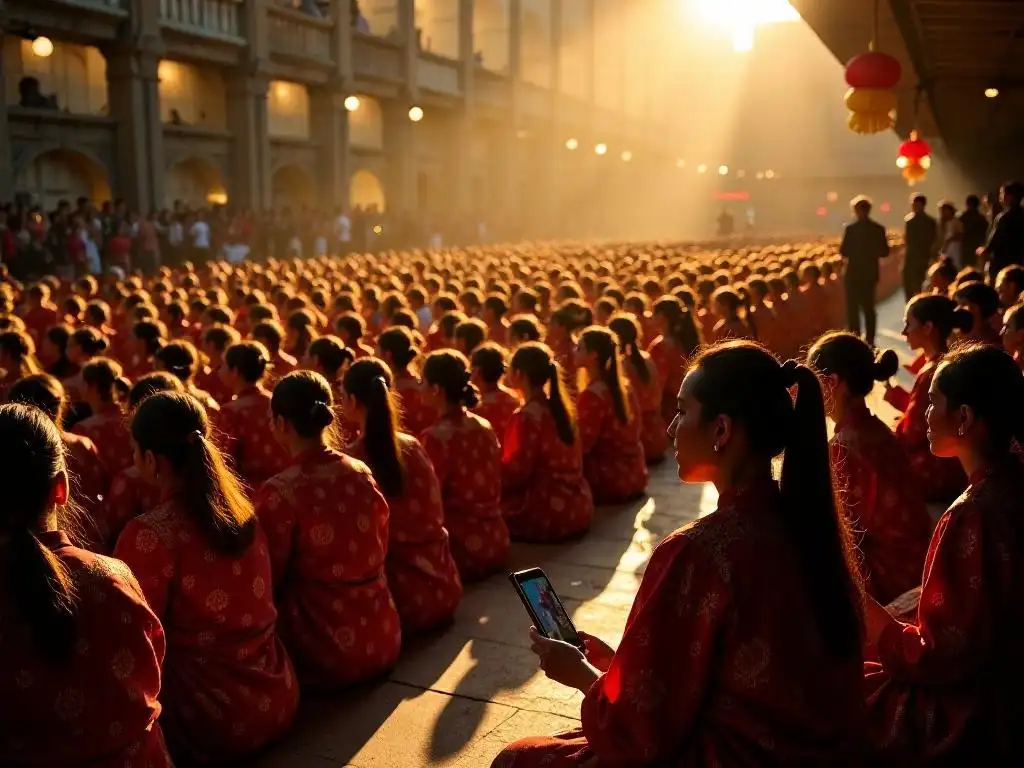
Summary of the Audience's Impact on Noh and Kabuki
The audience plays a vital role in the dynamics of both Noh and Kabuki theater, shaping the performance and enriching the overall experience. In Noh, the audience's subtle cues—such as their silence and focused attention—allow the actors to immerse themselves deeply in the emotional essence of the performance. The meditative atmosphere of Noh encourages viewers to engage in a personal interpretation of the story, which often revolves around themes of transience, loss, and spirituality. This unique experience transforms the audience into active participants, as their reactions can subtly influence the pacing and emotional depth of the performance.
Conversely, Kabuki thrives on the audience's boisterous engagement. The extravagant costumes, dynamic choreography, and elaborate staging invite viewers to express their enthusiasm through vocalizations such as kakegoe (shouts of encouragement). This interaction creates a lively atmosphere where the performers and the audience share a collective experience. The distinct fourth wall in Kabuki is often broken, inviting the audience to become part of the performance itself, thus deepening their connection to the art form.
| Aspect | Noh | Kabuki |
|---|---|---|
| Audience Role | Silent, contemplative | Vocal, interactive |
| Emotional Depth | Personal interpretation | Shared enthusiasm |
| Performance Style | Subtle and restrained | Extravagant and dynamic |
| Atmosphere | Meditative | Lively and engaging |
Final Thoughts on the Interactive Experience of Noh and Kabuki Audiences
The interactive experience of audiences in Noh and Kabuki is a testament to the rich cultural heritage of Japan. In Noh, the audience is invited to engage in a contemplative journey, where the subtleties of the performance resonate deeply within each viewer. The connection forged through shared silence allows for a profound understanding of the themes presented, ultimately creating an almost spiritual bond between the performers and the spectators.
In contrast, Kabuki's vibrant atmosphere fosters a sense of community among audience members, as they collectively participate in the theatrical spectacle. The spontaneous expressions of joy and excitement not only enhance the performance but also reaffirm the cultural significance of Kabuki as a form of entertainment that thrives on audience engagement.
Both theater forms highlight the importance of the audience in shaping the performance experience, making each show a unique event that reflects the energy and spirit of its viewers. As such, the Noh and Kabuki audience experience is not merely a passive act of observation; rather, it is an active participation that enriches the traditional Japanese theater landscape, ensuring its relevance and vibrancy for future generations.
Additional Resources
Recommended Readings on Noh and Kabuki
To deepen your understanding of the Noh and Kabuki audience experience, a variety of literature can enrich your knowledge. The following selections provide insights into the historical, cultural, and artistic aspects of these traditional Japanese theater forms:
-
"The Noh Theater: Principles and Practices" by William Scott Wilson
This comprehensive guide delves into the philosophical underpinnings of Noh theater, exploring its aesthetic values and the role of the audience.
-
"Kabuki: A Pocket Guide" by A. C. A. Kinoshita
A concise resource that covers the essential elements of Kabuki, including its history, performance styles, and audience engagement practices.
-
"Noh and Kabuki: A Comparative Study" by Hiroshi Nakagawa
This scholarly work compares and contrasts the two theater forms, examining how audience interaction differs and the significance of this dynamic in performances.
-
"The World of Noh" by Takashi Ujino
A visually rich exploration of Noh, this book emphasizes the unique relationship between performers and the audience, providing context through historical anecdotes.
-
"Kabuki: The Popular Stage of Japan" by A. L. T. Smith
This book focuses on the cultural impact of Kabuki, highlighting its evolution and the role of the audience in shaping its narrative.
These readings offer a blend of historical context, performance analysis, and cultural insights that will enhance your appreciation of the Noh and Kabuki audience experience.
Further Exploration of Japanese Theater History
Understanding the Noh and Kabuki audience experience transcends just the performances themselves—it requires a broader look at the historical context that shaped these art forms. Here are some key areas for further exploration:
-
Origins and Evolution
Noh originated in the 14th century, influenced by earlier forms of theater such as sarugaku. In contrast, Kabuki emerged in the early 17th century, evolving from folk entertainment. Researching these origins can provide insight into how audience expectations have changed over time.
-
Cultural Significance
Both Noh and Kabuki reflect societal norms and values of their respective eras. Understanding the historical backdrop can illuminate how audience interactions are deeply rooted in cultural practices and social hierarchies.
-
The Role of the Audience
In both forms, the audience plays a crucial role in the performance. For instance, in Noh, subtle gestures and reactions can influence the performance's pacing, while Kabuki encourages more vocal audience participation. Analyzing these dynamics can reveal much about the interactive nature of these theatrical traditions.
-
Modern Adaptations
Contemporary interpretations of Noh and Kabuki continue to engage modern audiences. Investigating recent performances and adaptations can highlight how these traditional art forms evolve while maintaining their core elements.
By exploring these areas, you can gain a more nuanced understanding of how the audience experience in Noh and Kabuki reflects broader themes in Japanese cultural history.
Frequently Asked Questions
What is the significance of the audience in Noh and Kabuki performances?
The audience plays a crucial role in Noh and Kabuki, as their emotional engagement enhances the overall experience, making performances more interactive and impactful.
How do Noh and Kabuki differ in their audience experience?
While both forms involve the audience, Noh tends to create a more meditative atmosphere, whereas Kabuki encourages more lively interaction and immediate responses from viewers.
What are some ways that audience participation is encouraged in these performances?
In Kabuki, audience participation is often encouraged through kakegoe (shouts of encouragement), while Noh may involve subtle non-verbal cues to connect with the performers.
How does the layout of the theater affect the audience's experience in Noh and Kabuki?
The theater layout differs: Noh stages are often simple and traditional, promoting focus on the performance, whereas Kabuki theaters are more elaborate, enhancing the visual spectacle for the audience.
Why is understanding the audience's role important for appreciating these art forms?
Recognizing the audience's role is essential, as it transforms these performances into a collaborative experience, enriching the cultural significance and emotional depth of Noh and Kabuki.
Final Reflection: The Transformative Power of the Noh and Kabuki Audience Experience
The role of the audience in Noh and Kabuki is not merely passive; it is a vital component that shapes the very essence of these art forms. In today's fast-paced digital world, where entertainment often feels one-dimensional, the interactive experience of Noh and Kabuki invites us to engage deeply with performance art. This engagement fosters a unique connection between the performers and the audience, reminding us that art is not just something to be observed but an experience to be shared and felt together.
Cultural traditions like Noh and Kabuki continue to influence our understanding of performance and community. The audience's reactions, emotions, and participation are integral to the storytelling process, creating a dynamic interplay that transcends time and space. As noted by renowned theater scholar Richard Schechner, The audience is not a passive observer; it is an active participant in the performance.
This perspective highlights the importance of audience engagement, which can transform a mere performance into a profound collective experience, enriching both the viewer and the artist.
As we reflect on the lessons of Noh and Kabuki, let us consider how we can bring this spirit of interaction into our own lives. I invite you to explore the ways in which you can become an active participant in your experiences, whether in the arts, community events, or personal relationships. Embrace the idea that your presence and engagement can elevate any experience, creating a richer tapestry of shared moments. By doing so, we honor the legacy of these traditional art forms and contribute to a more vibrant and connected world.
Engage with the Art of Noh and Kabuki!
Thank you for exploring the captivating world of Noh and Kabuki with us! You have discovered the unique and interactive role that audiences play in these traditional Japanese art forms. Now, let's take your interest a step further and fully immerse yourself in this rich cultural experience.
Here are some ways you can connect with Noh and Kabuki beyond just reading:
- Attend a live performance: Seek out a local theater or cultural event that features Noh or Kabuki, and witness firsthand how your presence can influence the performance.
- Join a workshop: Participate in events that allow you to learn the fundamentals of Noh and Kabuki, including acting techniques and traditional instrumentation. Embrace the art form and unleash your creativity!
- Share your insights: Engage in discussions about this article with friends or on social media. Initiate conversations on how audience engagement shapes performance art within your community.
What aspect of the audience's role in Noh and Kabuki has inspired you the most, and how do you envision making your next theater outing more interactive?